
Notes
Treating and Curing Illness and Disease
Content of the notes (5)
Page 1
Treatment: Medieval Era
Herbal medicines:
Often contained ingredients like honey and a concoction of plants that helped cure infections
Sometimes remedies were written in books called 'herbals'
This books gave specific details of the quantities and mixing process of these remedies
There were details of when to pick herbs too e.g. on the night of a full moon
These remedies were often closely kept family secrets
Bleeding:
This was the most favoured way of fighting illness and restore the four humours into balance
It was done by either 'cupping' or utilising leeches
Illness was said to be caused by the body creating too much blood
Monks sometimes bled themselves eight times per year
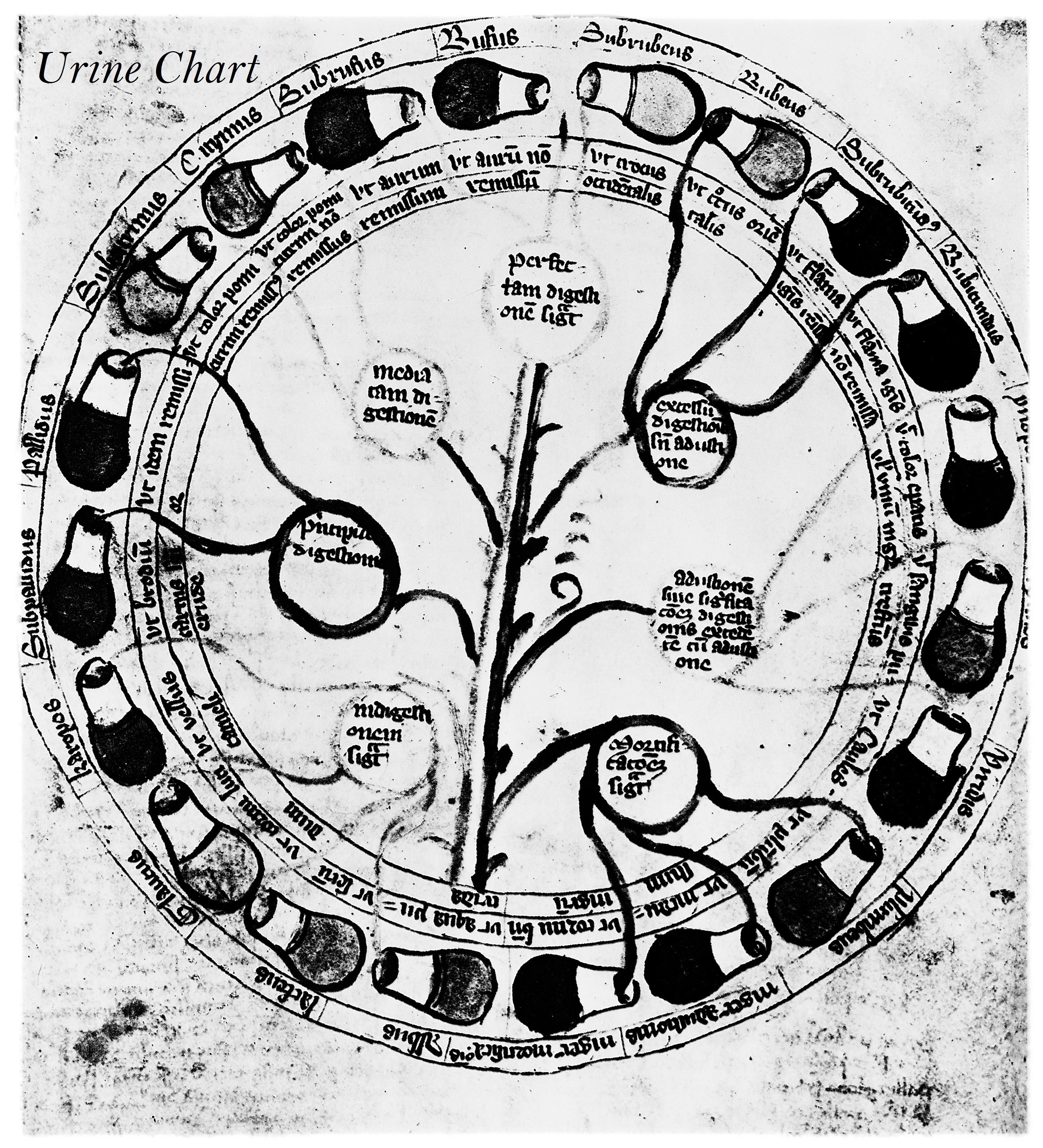
Urine in diagnosis and prescription:
A physician would look at the colour of urine and compare it to a chart
The remedy prescribed to the patient would depend on the diagnosis
Zodiac Chart:
These charts would indicate which parts of the body are linked to an astrological sign
This would then dictate the cure for a patient
The chart might also indicate the best time to carry out treatment or pick herbs for a remedy
Page 2
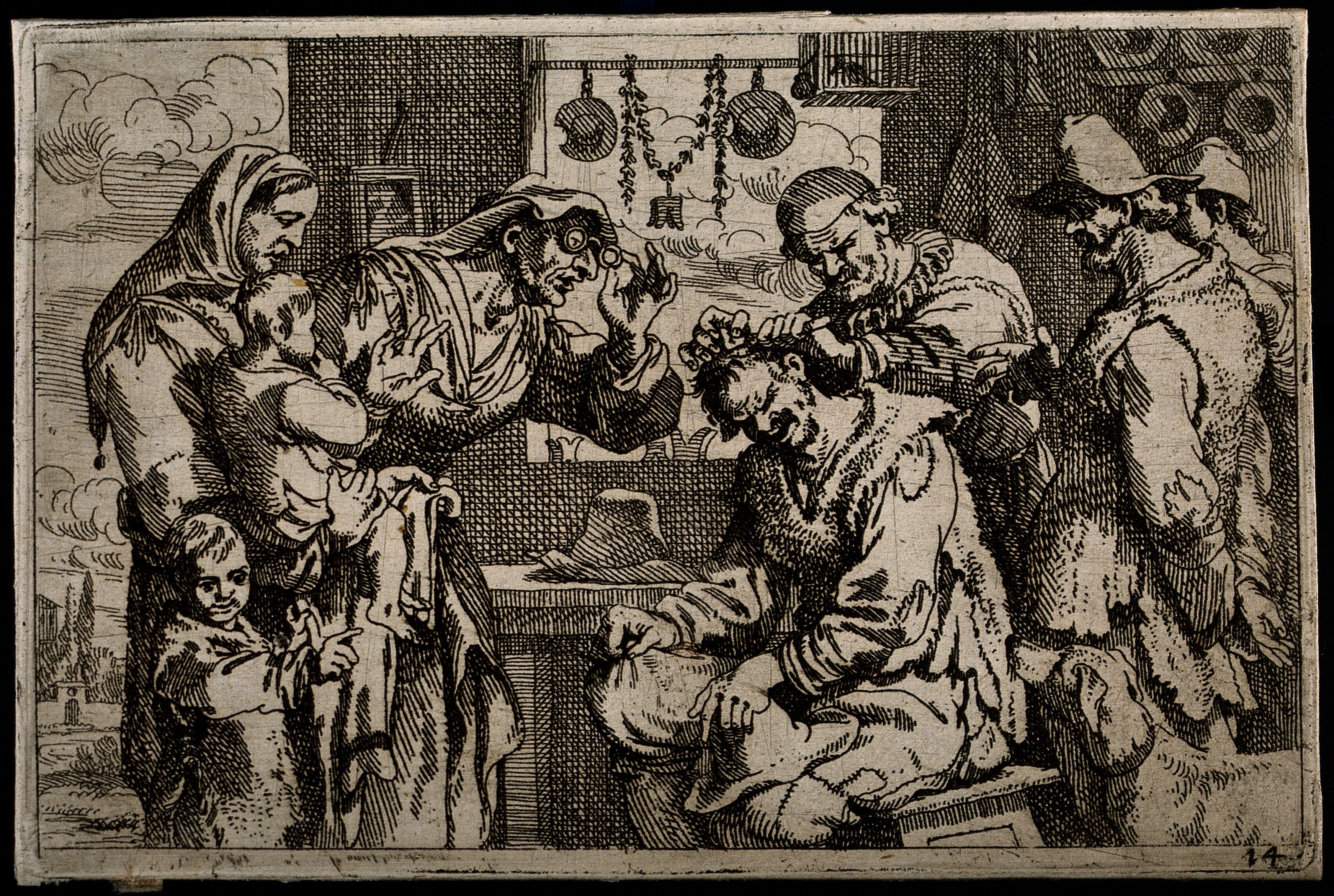
Barber Surgeons and Leeches
Barber-surgeon:
During the medieval period, most surgeons were barber-surgeons (little training or medical knowledge). They usually did apprenticeships and gained experience before practising. They would mend broken limbs, pull teeth, carry out bloodletting and cut hair. Sometimes they would combine their trade with apothecary. This means they would produce herbal medicines too.
Use of leeches:
Leeches have been part of medical care the last 2,500 years. They act to suck blood from the body, in a sense a natural form of bloodletting. Their saliva contains a natural anti-coagulant which acts as an anaesthetic. This helps to reduce the pain from the bite of a leech.
In the medieval era, people believed that leeches only removed 'impure' blood and left the 'good' blood behind. The use of leeches continued well into the nineteenth century where they almost went extinct. While they are still used in some procedures today.
Page 3
Treatment: Early Modern Period
Many of the traditional treatments and remedies from the medieval period carried on into the early modern period. However, there was some new developments. 'Ladies of the manor' began compiling recipe books of cures. Physicians also began to write more in English rather than Latin in order to help more people.
Herbs were used in a more coherent way by incorporating the doctrine of signatures with astronomy. The doctrine of signatures applied to utilising plants on parts of the body that the plant resembled.
New ingredients were also brought from around the world:
Rhubarb coming from Asia was labelled a wonder drug
Tobacco, brought over by Walter Raleigh from America, was used in many herbal remedies
A scientific approach of observation, experiment and recording outcomes led to advances in medicine regarding not only new treatments but new ideas of dealing with disease. New studies of mental illness (known as melancholy) and midwifery were conducted in this period.
Page 4
Treatment: 19th Century
James Simpson and the development of anaesthetics:
As with all surgery pain was inevitable. In this time, copious amounts of opium or alcohol were utilised in order to subdue a patient and make an operation quicker. Sir Humphrey Davy was one of the first to use nitrous oxide (laughing gas) as an anaesthetic to relieve pain during an operation. In 1846, Robert Liston used ether as an aesthetic when he successfully amputated a leg of a patient.
James Simpson (1811-70), a Scottish scientist, used chloroform to reduce pain at childbirth. He had experimented with chloroform on himself and his friends. There was opposition to these painkillers for a while, until Queen Victoria in 1853 used chloroform while giving birth. This managed to sway some opinions.
Then in the 1850's, coca leaves from Latin America were used to produce cocaine which acted as a local anaesthetic. The use of cocaine spread rapidly, especially in the 1890's when it started to be produced chemically.
Anaesthetics did not necessarily make operations safer, sometimes it was difficult to get the dose right and death would result from overconsumption.
The use of antiseptics:
It is widely known today that getting a cut requires treatment with antiseptic to prevent dirt getting on the wound and infection occurring. This knowledge is only a recent development in history though. In the 19th century, the biggest killer after surgery was sepsis ('hosptial gangrene'). This was infection caught during or after an operation. Surgeons themselves dismissed the idea that they were spreading infection through dirty clothes and unsterile equipment.
Ignaz Semmelweis pioneered antiseptics in 1847. He was the head of the maternity ward in Vienna General Hospital, Austria. The death rate in his maternity ward reduced from 35% to less than 1% through him insisting doctors wash their hands in calcium chloride before operating. However, very few hospitals introduced this procedure.
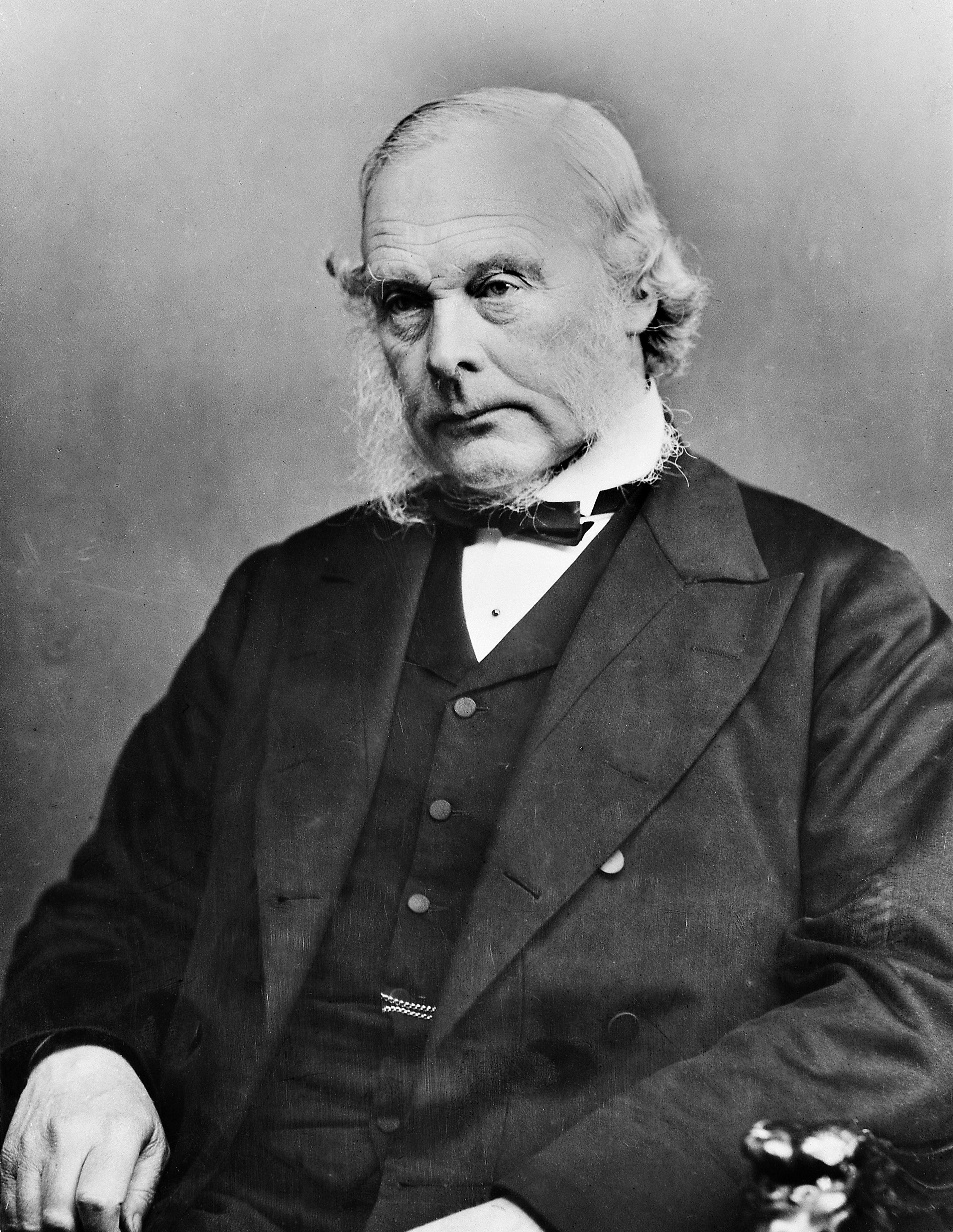
Joseph Lister:
Lister (1827-1912) was an English surgeon who advanced the chances of survival in surgery. Lister utilised an operating room sterilised with carbolic acid. This was based off his experiments on frogs. He also sterilised all surgical equipment and dressings with carbolic acid. The mortality rate in his operations reduced from 46% to 15% in three years. In 1871, he invented a device which sprayed carbolic acid over the entire operation room.
Page 5
Treatment: 19th Century
Aspetic surgery:
Later in the 19th century, aseptic surgery was developed
1878 - work from Robert Koch discovered majority of disease was spread through contact with an infected surface
Development in the attempts to create germ-free environments
1881 - Charles Chamberland invented a steam steriliser for medical equipment
This led to the development of simpler ways to sterilise equipment
Gustav Neuber (German surgeon) was the first to have a sterile operating theatre
Surgical clothing:
Gradual adoption of protective clothing came about
Initially gloves were worn due to allergic reaction to carbolic acid
Berkeley Moyniham was the first British surgeon to wear gloves in an operation
Later Moyniham made the point of always changing clothes for surgical gowns before entering an operating theatre
Information
- Description
- User has deleted their subject information Note on Treating and Curing Illness and Disease, created by Deleted user on 18/07/2017.
- Created by
- Deleted user · Jul 2017
- Updated
- Jul 18, 2017
- Views
- 50
- History
-
- Created by Andrew Burke · Jul 14, 2017
- Copied by Andrew Burke · Jul 18, 2017
- Rating