
The Church and Hospitals
Slides in this set (3)
-
- The mid-sixteenth century saw a decline in the role of the church in offering patient care and the development of voluntary charities to take on the responsibilities of caring for the sick and poor.
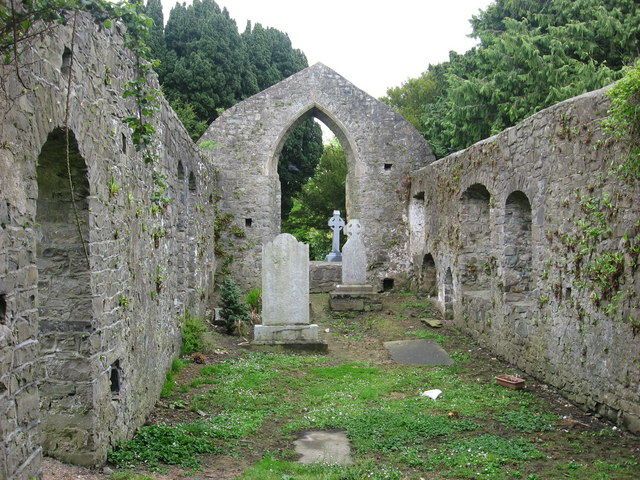
- When Henry VIII ordered the dissolution of monasteries in the 1530s many hospitals were shutdown and patient care was badly impacted. The church was no longer a supporter of hospitals and this role had to be taken on by voluntary charities. In some cases, town or city councils took over the running of almshouses. While in London, authorities petitioned the crown to offer funds to endow hospitals in order that they might continue to provide services for their communities. This was the first occasion when secular support was provided for medical establishments.
-
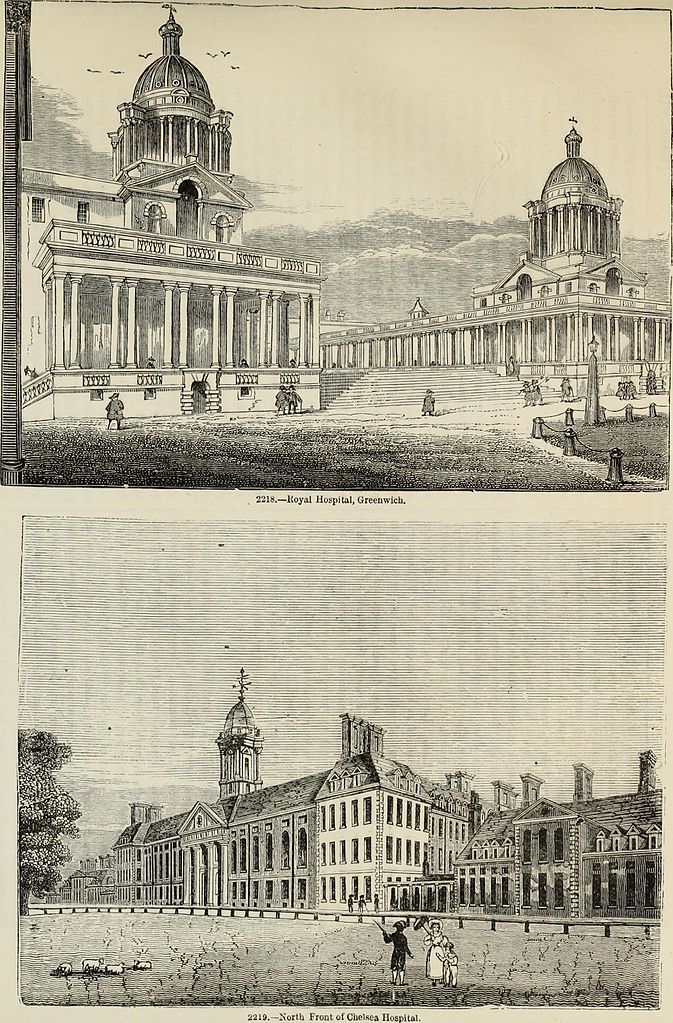
- Five hospitals across London received an endowment of royal funds during the mid-16th century and allowed them to continue caring for the sick and poor in the capital. The endowment usually consisted of the granting of land, which could then be rented in order to provide the institution with a steady income.
- St Bartholomew's Hospital:
- Dissolution of monasteries took away their income
- To keep the hospital open the city authorities petitioned the king
- December 1546 - the institution was granted and endowed with properties, land and other incomes
- St Mary Bethlehem (including Bethlem):
- Dissolved in the late 1530s
- 1546 - the Lord Mayor of London petitioned the crown to grant both institutions in the city
- 1547 - a royal charter was granted; the site concentrated on caring for the mentally insane
-
- St Thomas' Hospital:
- Originally founded in c.1100 by Augustinian monks and nuns
- Monastery was dissolved in 1539 and the hospital closed
- City of London authorities petitioned the crown and in 1551 King Edward VI granted the site by royal charter and the site reopened that year
- Became a hospital for the sick poor and also treating patients suffering from venereal disease
- Christ's Hospital:
- Founded in 1553 by Edward VI
- Offered shelter, clothing and food to fatherless children, alongside basic education
- Bridewell hospital:
- This was the fifth 'royal hospital'
- It housed homeless children
- Also, punished the disorderly poor
- Voluntary hospitals were not just a phenomenon specific to London, towns across the country had local councils that organised endowments to keep their hospitals open. During the 16th century, hospitals moved from religious institutions to hospitals that began to employ medical staff for the first time. Medical care began to have a focus on patients.
Information
- Description
- User has deleted their subject information Slide Set on The Church and Hospitals, created by Deleted user on 20/07/2017.
- Created by
- Deleted user · Jul 2017
- Updated
- Jul 20, 2017
- Views
- 30
- History
-
- Created by Andrew Burke · Jul 20, 2017
- Copied by Andrew Burke · Jul 20, 2017
- Rating