
19th Century Medical Advances
Slides in this set (3)
-
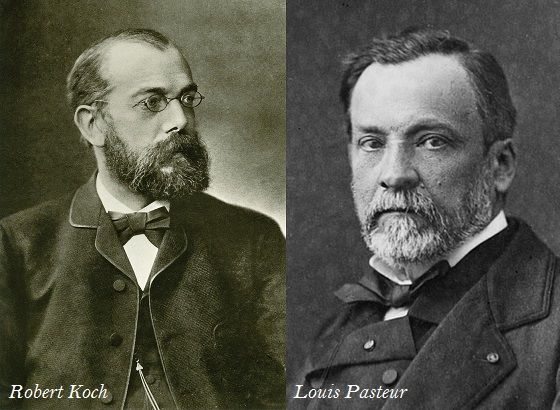
- Germ theory changed the original ideas of the causes of ill-health. Huge steps were taken in the 19th century for identifying the causes of diseases and moreover effective treatments.
- Three major people played a role in this: Pasteur, Koch and Ehrlich. Pasteur discovered the link between germs and disease. He argued micro-organisms were the cause of disease; discovering these micro-organisms would then led to an effective vaccine being created. He developed an effective vaccine against rabies in 1880.
- Koch developed on Pasteur's work; he linked certain diseases to specific germs (this is the science of bacteriology). In 1883, he identified the specific bacillus that led to tuberculosis and in 1884 those responsible for cholera.
-
- Koch and his students then began isolating the causes of many diseases, all of which were prevalent and deadly in Britain. His team developed a system using dyes to stain bacteria for easier studying with a microscope. Koch also realised that antibodies (a natural defence mechanism of the body against germs) could aid in destroying bacteria and build immunity against the disease.
- The discovery that one antibody worked specifically on one bacteria was crucial to understanding bodily defence against disease. This backed up the idea that introducing a weakened form of the disease into the body would allow a person to fight off a stronger strain. He was awarded the Nobel Prize for Medicine in 1905.
-
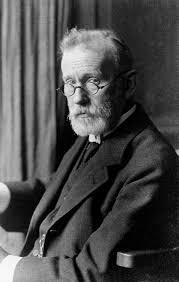
- Caption: Paul Ehrlich (1854-1915)
- Paul Ehrlich:
- A German physician and scientist
- He was one of Koch's students
- Well known for Salvarsan 606, which was developed in 1910
- This was the first effective treatment for syphilis which was a sexually transmitted disease
- This was the first drug nicknamed a 'magic bullet'
- This term illustrates a drug that is designed to specifically target a certain germ causing the illness, while not really effecting the body in any other way
- Impact of germ theory:
- Changed medical knowledge regarding causes and treatments of diseases
- Furthered the value of science in establishing links between bacteria and disease
Information
- Description
- User has deleted their subject information Slide Set on 19th Century Medical Advances, created by Deleted user on 21/07/2017.
- Created by
- Deleted user · Jul 2017
- Updated
- Mar 14, 2019
- Views
- 65
- History
-
- Created by Andrew Burke · Jul 21, 2017
- Copied by Andrew Burke · Jul 21, 2017
- Rating