
Case Study: Gunpowder Plot

Slides in this set (5)
-
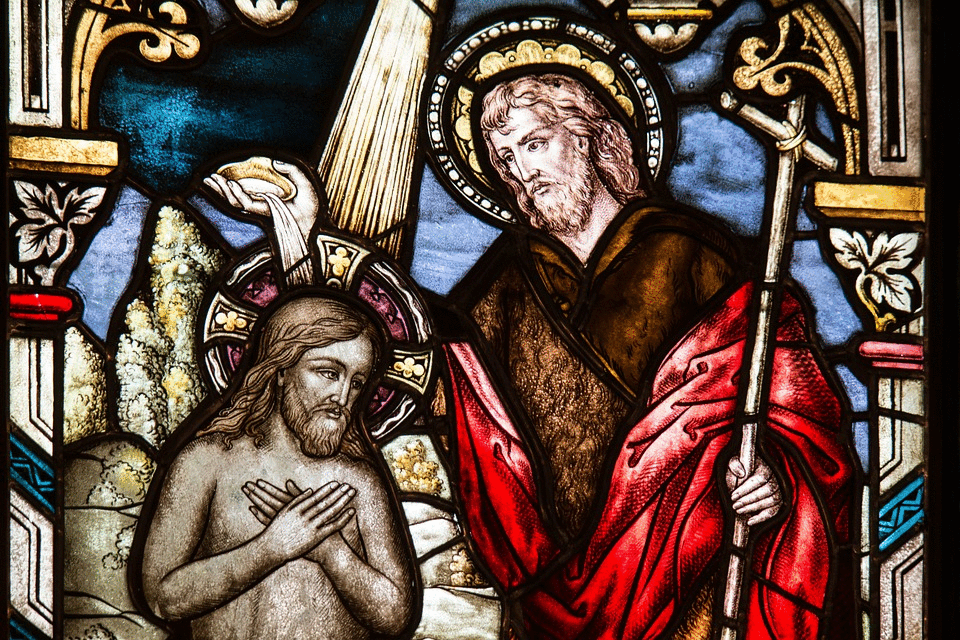
- After Queen Elizabeth I died in 1603, Catholics around the country were hopeful that the new king James I would allow greater religious freedoms for Catholics across the land.
- However, over time James I introduced stricter anti-Catholic laws and this made many people angry. James I was a Protestant ruler and was well aware of the presence of Catholic plots against his position.
- Protestantism had been the official religion of England since the Act of Uniformity in 1559. At this time, Queen Elizabeth I had been excommunicated from the Catholic Church by the Pope. The Pope called on Catholics to get rid of Elizabeth as she was no longer a legitimate authority on the throne.
- Following the excommunication, Catholics were prevented from practising their faith and were punished if they did. Catholics were not allowed to go to mass. They had to attend their local Protestant church, if they did not they would be treated as a criminal and fined.
-
- Guy Fawkes is perhaps the most well-known gunpowder conspirator (involved in planning something illegal). However, the leader of the plot was Robert Catesby. He recruited the other men for the gunpowder plot. These men, as some historians argue, viewed themselves as religious soldiers who had a duty to attack the English state.
- The conspiracy aimed to detonate an explosion to kill the king, his family and Protestant aristocrats at the state opening of parliament on 5th November 1605. The conspirators wanted James I to be replaced by Princess Elizabeth (James I's daughter) who would support their own political and religious ideas.

-
- Plan:
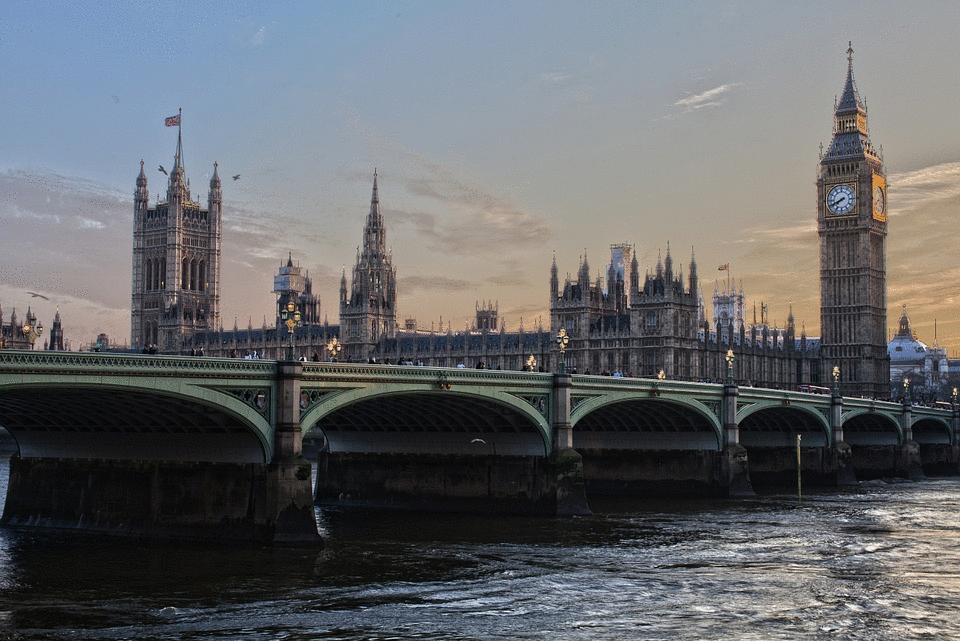
- The gunpowder conspirators met for the first time in May 1604 to commence planning the attack. They rented a house in Westminster, next to the parliament building. Further, the rented a cellar underneath the House of Lords and placed approximately 36 barrels of gunpowder there.
- Plot:
- In October 1605, Lord Monteagle was sent a warning latter not to attend to opening of parliament ceremony. This information was passed on to the king's spy, Robert Cecil, who then ordered a search of Westminster to be carried out. Guy Fawkes and the gunpowder were discovered.
-
- Punishment:
- Torture was only legal in England under specific instruction of the king. Guy Fawkes and his friends were tortured to allow authorities to obtain confessions about their roles in the plot. Fawkes was tortured using the rack method (wooden frame that stretched the body apart). It was only 12 days after his arrest that Fawkes confessed.
- In January 1606, the trials of the conspirators began and they were all convicted of treason. They were to be hanged, drawn and quartered. This extreme public punishment was viewed as a means to warn and deter others about criminal offences.
- Consequences of the Gunpowder Plot:
- James I helped to encourage further anti-Catholic attitudes within the English state
- 1605 Thanksgiving Act: order the commemoration of the events of November 5th each year; Catholics were banned from legal professions and serving as officers in the army
- 1606 Popish Recusants Act: Catholics were forced to take an oath of allegiance to the crown; forced to take part in Protestant services or face fines
- The plot had long term consequences too:
- Catholics were restricted from voting
- They were not allowed become MPs or own land
- They were prevented from voting in any election until 1829
Information
- Description
- User has deleted their subject information Slide Set on Case Study: Gunpowder Plot, created by Deleted user on 09/08/2017.
- Created by
- Deleted user · Aug 2017
- Updated
- Aug 9, 2017
- Views
- 13
- History
-
- Created by Andrew Burke · Aug 8, 2017
- Copied by Andrew Burke · Aug 9, 2017
- Rating