
The Global Warming Debate
Slides in this set (6)
-
What is the Global Warming Debate?
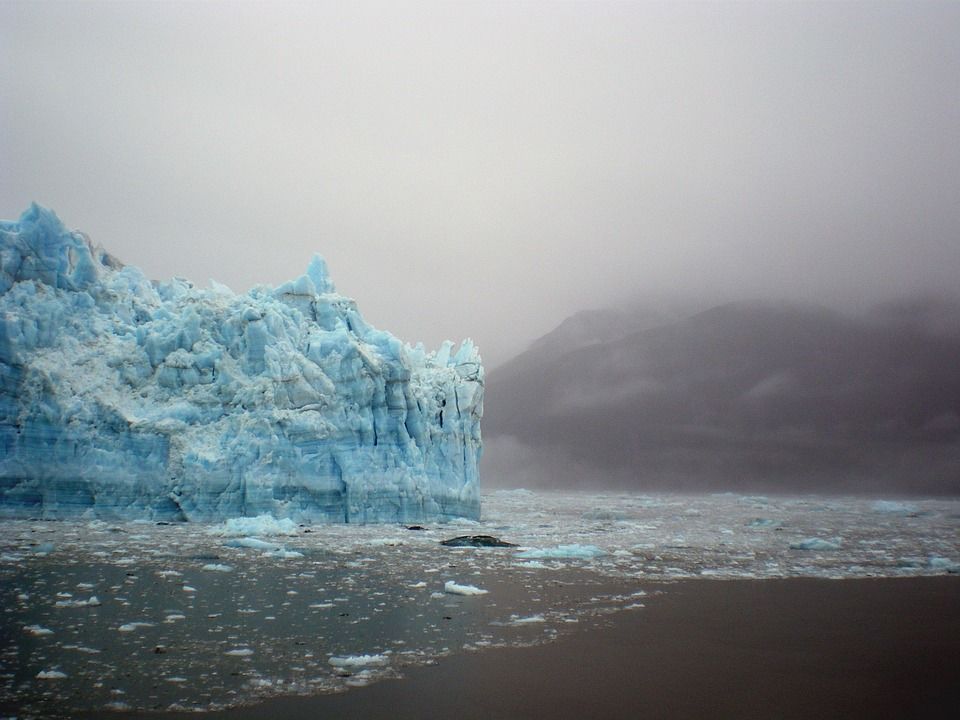
- The global warming controversy concerns the public debate over whether global warming is occurring, how much has occurred in modern times, what has caused it, what its effects will be and whether any action should be taken to curb it.
- There is a strong consensus among scientists that the rapid climate change the planet is currently experiencing is due to anthropogenic activity.
- Some others would disagree, insisting that human-generated greenhouse gas emissions are too small to substantially change the Earth’s climate and that the planet is capable of absorbing those increases.
-
- Pro Climate Change
- Scientific consensus says human activity is responsible for global climate change
- Rising levels of human-produced gases released into the atmosphere create a greenhouse effect that traps heat
- Average temperatures have increased at a rate faster than can be explained by natural climate changes
- Sea levels are rising at an unprecedented rate due to global warming
- Ocean acidity levels and temperatures are increasing at a rate that can only be explained by human activity
- Human-caused global warming is changing weather systems and making droughts more intense and more frequent
- Anti Climate Change
- Over one thousand scientists disagree that human activity is responsible for global climate change
- The climate has always warmed and cooled; the recent rise in global temperature is within the bounds of natural temperature fluctuations
- Human-produced carbon dioxide is re-absorbed by carbon sinks, negating any climate changes
- Carbon dioxide is already saturated in the atmosphere. More carbon, manmade or natural, will have little impact on climate
- Sea levels and glaciers have been steadily rising and falling for thousands of years
- Predictions of climate change are based on climate models that are inadequate and incorrect
-
- 1859 - Scientists discover the warming effect of greenhouse gases.
- 1938 - Engineer Guy Callendar publishes a study stating that atmospheric carbon dioxide from fossil fuel combustion was causing global warming and is met with scepticism from scientists.
- 1958 - Scientist Charles Keeling starts to model climate change, becoming the first scientist to confirm that atmospheric carbon levels were rising rather than being absorbed by forests and oceans.
- 1977 - The US National Academy of Sciences issues the report "Energy and Climate", concluding that the burning of fossil fuels was increasing atmospheric carbon, and that increased carbon was associated with a rise in global temperatures.
- 1988 - MIT meteorologist Richard Lindzen criticises theories by other scientists, arguing that computerised climate models were unreliable and that natural processes would balance out any warming caused by increased carbon in the atmosphere.
- 1988 - Formation of The Intergovernmental Panel on Climate Change (IPCC)
- 1997 - Kyoto Protocol
- 2001 - The US pull out of the Kyoto Protocol because it would harm the US economy.
- 2008 - Hartland Institute Conference comes to the conclusion that global warming is most likely a natural event.
-
The Role of International Organisations
- Climate change is a top-tier subject for international negotiation and debate, not only for environment specialists but also for institutions focused on economics, development, energy, technology, and other pressing international issues.
- Organisations such as the United Nations Framework Convention on Climate Change (UNFCCC) are dedicated to spreading awareness about climate change and managing its mitigation.
- The IPCC is responsible for gathering data about the changing climate and distributing predictions about the future.
-
- Governments control a country's stance towards climate change and what measures are taken.
- At the 2014 climate conference, India's environment minister stated that India would not consider reducing its emissions for at least 30 years.
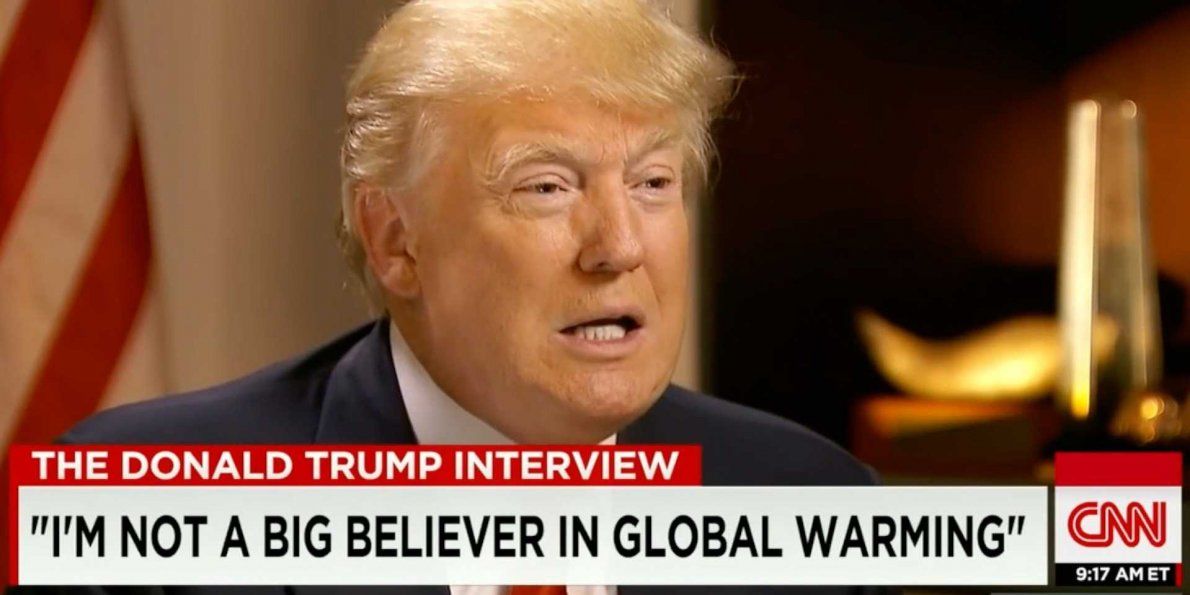
- In June 2017, US President Donald Trump pulled the US out of the Paris Climate Agreement.
- These actions fuel the opinions of those who don't believe in the anthropogenic forcing of the climate.
-
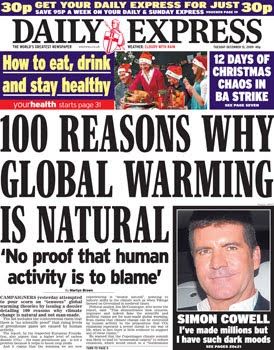
- It is argued that the debate around climate change comes from media misrepresentation.
- Journalists distort reality by making scientific errors in their coverage.
- Most journalists are focused on human-interest stories rather than scientific content in their writing.
- Journalists distort facts by rigid adherence to the construct of balanced coverage, covering opinions from both sides of the debate. The notion of balanced coverage may make perfect sense when covering a political convention, but in the culture of science, balancing opposing views may be neither fair nor truthful.
Information
- Description
- User has deleted their subject information Slide Set on The Global Warming Debate, created by Deleted user on 25/08/2017.
- Created by
- Deleted user · Aug 2017
- Updated
- Aug 25, 2017
- Views
- 131
- History
-
- Created by Antonia Blankenberg · Aug 24, 2017
- Copied by Antonia Blankenberg · Aug 25, 2017
- Rating