
Quiz
Biology 150 - Chapter 13 LEARN Quiz
Create a free account to finish this quiz
Save your progress and see your final score.
Already have an account? Sign in
Questions in this quiz (10)
1If individuals in the last remaining population of a particular bird species were all highly related, which type of diversity would be of greatest concern when planning to keep the species from going extinct?

- Aspecies diversity
- Bgenetic diversity
- Cecosystem diversity
- Dtaxonomic diversity
2Why is the extinction of the Yangtze River dolphin considered particularly significant?
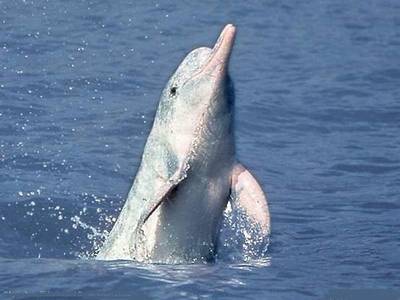
- Ait was a keystone species
- Bit was from a species-poor lineage
- Cthere was high genetic diversity within the species
- Dit was a keystone prey species
3You discover a new species at University of Waterloo, and it is only found on campus. This new species is best described as:
- Aendangered
- Bvulnerable
- Cendemic
- Dsensitive
4Which of the following is likely NOT a major threat to the unique species pairs of stickleback in British Columbia? (Select all that apply)
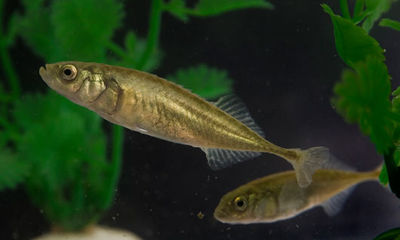
- Aland development and habitat degradation
- Bintroduction of alien species
- Coverexploitation
- Ddeterioration of water quality
5Why are smaller, fragmented habitats often of lesser quality than contiguous habitats?
- Afragmentation often leads to detrimental edge effects
- Bfragmentation reduces species' ability to move between habitat patches
- Csmaller habitats often do not contain the necessary resources for large animals
- Dall of the above
6Why are smaller, isolated populations more likely to be extirpated?
- Athey are more likely to be exterminated by severe stochastic events
- Bthey are subject to inbreeding depression and genetic drift
- Cthey are more likely to be subject to fitness trade-offs
- Dboth A and B
7What is the leading cause of endangerment for marine species?
- Apollution
- Binvasive species
- Coverexploitation
- Dhabitat loss
8Habitat loss is the leading cause of endangerment for terrestrial species.
- ATrue
- BFalse
9Most endangered species are currently found on islands.
- ATrue
- BFalse
10Experimental evidence from Brazil indicates that fragmenting tropical wet forests results in:
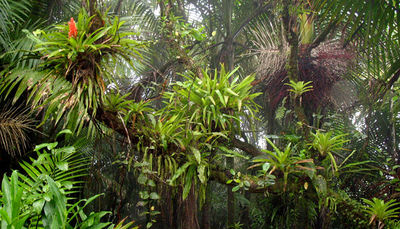
- Aan eventual recovery of biodiversity and biomass
- Ba decrease in biodiversity, and a decrease in biomass
- Can increase in biodiversity, and a decrease in biomass
- Da decrease in biodiversity, and an increase in biomass
Information
- Description
- Biology 150 (Organismal and Evolutionary Ecology), Chapter 13 (Biodiversity and Conservation Biology) LEARN Quiz
- Author
- Laurel McLaughlin
- Language
- English
- Views
- 67
- History
- Created on 5 Dec 2014 · updated on 16 Nov 2017
- Tags
- Rating
- No ratings yet Rate this quiz