
Quiz
Quiz 3 Review (Chapter 4)
Questions in this quiz (14)
1The color of a fire that an alkali metal gives is due to what?
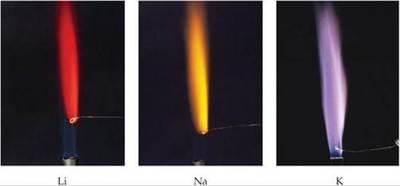
- AThe electron in the metal atom goes from a higher energy level to a lower energy level.
- BThe metal gives off black-body radiation.
- CThe metal atom ionizes.
- DThe electron in the metal atom goes from a lower energy level to a higher energy level.
2Which one of these sets has the elements arranged in correct order of increasing atomic radius and correctly explains the basis for this order?
Hint: When electrons are being shielded (repelled) by one another, what does this do to the size of the atom?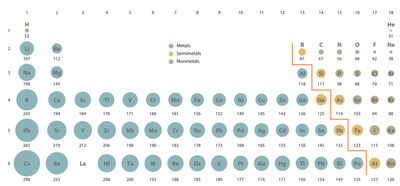
- ACa < Sr = Rb because size depends on the principal quantum number.
- BSr < Rb < Ca because fewer protons mean a larger radius.
- CCa < Rb < Sr because radius depends on the total number of subatomic particles.
- DCa < Sr < Rb because of effective nuclear charge and number of occupied principal shells.
- ECa < Sr < Rb because of the number of protons and the number of occupied principal shells.
3Which of these operations will result in finding your Effective Nuclear Charge?
Hint: Can we draw a relationship between Effective Nuclear Charge and Electron Shielding?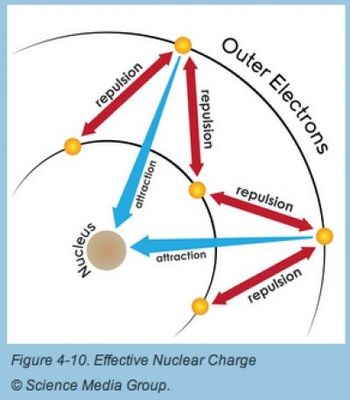
- AAdd the number of Protons and Valence Electrons
- BSubtract the number of Valence Electrons from the number Protons
- CSubtract the number of inner/core Electrons from the number of Protons
- DAdd the number of inner/core Electrons and Valence Electrons
- EPro tip: (mac users only) Holding down Command and Control, then pushing down the space bar will let you use emojis and special characters.
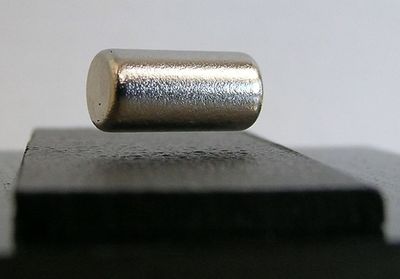
4An atom or ion with all electrons paired will exhibit which of these..
- Aferromagnetism
- Belectromagnetism
- Cdiamagnetism
- Dparamagnetism
- EIt will reach a new energy level
5How many valence electrons does a +1 cation of F (Fluorine) have?
Hint: It may help to understand how Lewis Dot Structures work.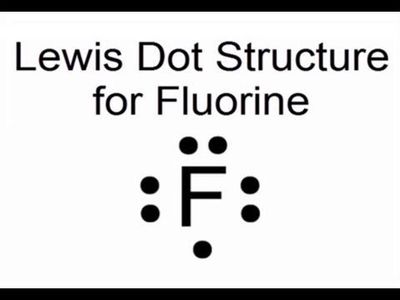
- AOver 9000
- B9
- C7
- D10
- E6
6What is the very first thing you should do when you're given the name of a compound?
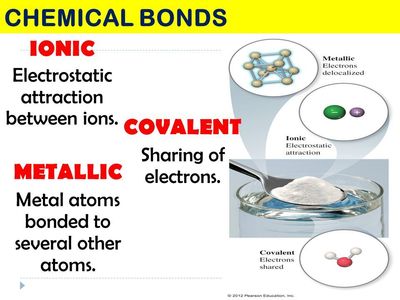
- AIDENTITY METALS AND NON METALS
- BPEE YOUR PANTS
- CREMOVE CAPS LOCK
- DCOUNT THE NUMBER OF HALOGENS
7Which one of these two elements is more likely to lose an electron than the other? Why?
[Ne]3s1 [Kr]5s2, 4d10, 5p5
Think: What is the trend in Ionizing Energy, Electron affinity and Atomic Radius? Atoms with stronger ionizing energy do WHAT to weak little punks like Lithium? A bigger Atomic Radius means it's easier to do what to an atom? Where is the Atomic Radius the largest?- AMagnesium-Mg, Because it is easier to lose one electron and achieve Noble gas stability, than to gain 6.
- BAntimony-Sb, Because it has enough Ionizing Energy, it will drop the electron and achieve Noble gas stability.
- CSodium-Na, Because it is easier to lose one electron and achieve Noble gas stability, than to gain 6.
- DIodine-I, In losing an electron it will reach Noble gas stability.
8The electron affinity for an atom A is greater than that of atom B. What can be inferred from the given statement?
- AAtom A gains electrons more easily than atom B.
- BAtom A has fewer valence electrons than atom B.
- CAtomic radius of atom A is larger than that of atom B.
- DAtom A loses electrons more easily than atom B.
9Electron affinities of fluorine (F) and chlorine are –327.8 kJ/mol and –348.5 kJ/mol respectively. Which of the following statements can be inferred from the given statement?
- AFluorine has fewer valence electrons than chlorine.
- BThe atomic radius of fluorine is larger than that of chlorine.
- CEnergy is absorbed when fluorine and chlorine atoms gain an electron.
- DEnergy is released when fluorine and chlorine atoms gain an electron.
10Which of the following statements is true?
- ANonmetals gain electrons readily and hence have large electron affinity.
- BNonmetals lose electrons readily and hence have low electron affinity.
- CMetals gain electrons readily and hence have low electron affinity.
- DMetals lose electrons readily and hence have large electron affinity.
11The Transition Metals are the elements in Groups 1B and 3B through 8B. Transition Metals either have incompletely filled d subshells or readily lose electrons to achieve incompletely filled d subshells. According to this definition, which group of elements are not Transition Metals?
Hint: Attention to detail is key.- AGroup 9b - Zn, Cd, Hg
- BGroup 2b - Cu, Ag, Au
- CGroup 2b - Cu, Zn, Rg
- DGroup 2b - Zn, Cd, Hg
12True or False: The proccess of when an atom GAINS electrons to become an ion, is called Ionization
- ATrue
- BFalse
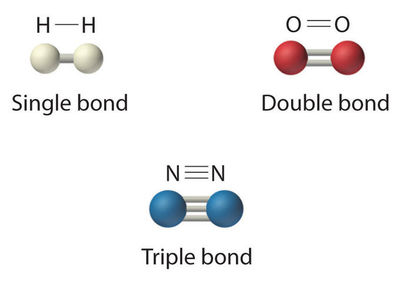
13In drawing Lewis structures, a single line (single bond) between two elements represents?
- Aan equally shared electron
- Ban octet of electrons
- Can unshared pair of electrons
- Da shared pair of electrons
14Which of the diatomic elements has a double bond between its atoms?
HINT: one of these things is not like the other *cough* valence shell *cough*
- Aoxygen
- Bfluorine
- Cnitrogen
- Dhydrogen
Information
- Description
- This is an unofficial Atoms First 2nd Edition Chapter 4 Quiz.
- Author
- axf160030
- Language
- English
- Views
- 56
- Tags
- Rating
- No ratings yet Rate this quiz