
Flashcards
GEO 1111 Midterm 2
Cards in this deck (103)
- 1Factors that determine the "violence" of eruptionshigh viscosity = explosive eruption (bubbles cant continuously escape, builds up)
1) composition : high silica = high viscosity
2) temp : low temp = high viscosity
3) gasses in magma : low [gas] = high viscosity - 2Materials Extruded from a VolcanoFelsic materials : silica rich, high viscosity
(continental rock)
Mafic (basalt) : silica poor, low viscosity
(mantle) - 3How does magma get silica rich if it comes from the mantle?the mantle is mainly mafic, but when the mantle rock melt reaches the crust (felsic, high silica), it melts the crust as well, which makes the melt more felsic.
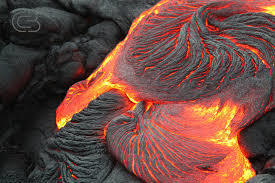
** rarely ever felsic in oceans ** - 4—Pahoehoe Lava (EFFUSIVE)
twisted, ropey structure - 5—Aa Lava (EFFUSIVE)
rough, jagged, blocky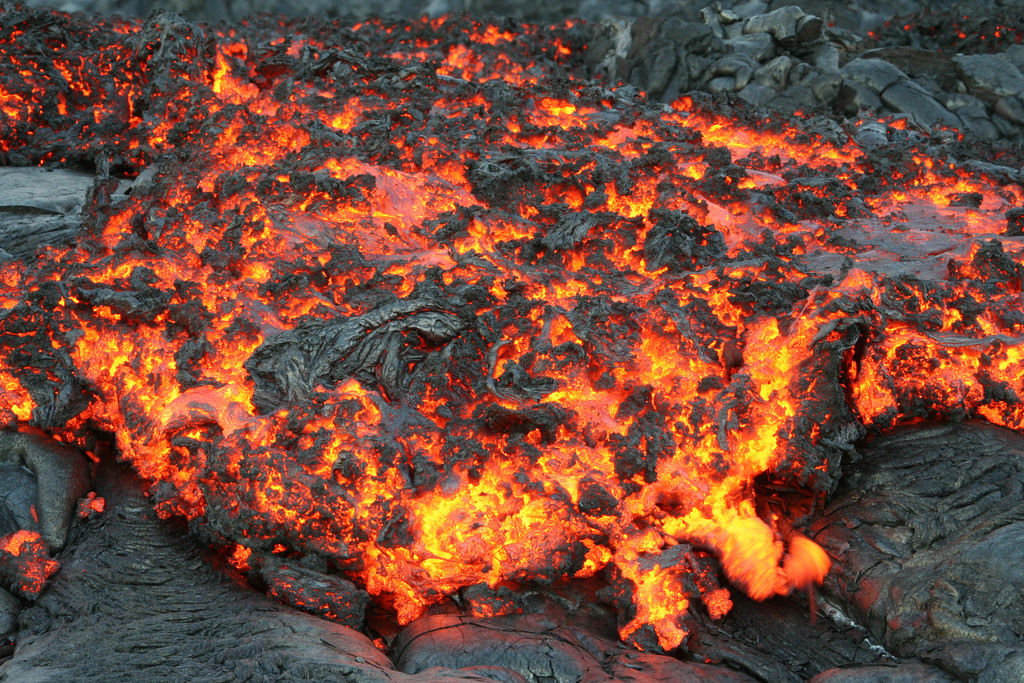
- 6—Pillow Lava (EFFUSIVE)
found underwater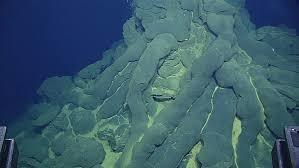
- 7—Lava Dome (EFFUSIVE)
bulbous mass of congealed lava
low [gas], so it seems like it should be explosive, but isn't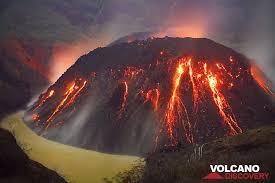
- 8Pyroclastic MaterialsTephra: fine dust fragments
Cinders: pea sized fragments
Pumice: rock with lots of pores (frothy lava)
Lapilli: walnut sized fragments
Blocks: hardened/cooled lava
Bombs: Ejected as hot lava, then cools when in air, makes teardrop shape - 9Eruption Columnsmade up of a cloud of tephra
heavier material falls back to earth
can cause volcanic winter - 10Lateral Blastside of the volcano blows out instead of top.
earthquakes can cause the eruptions that occur to be lateral; if the volcano breaks apart on the side, it will be easier for the lava to eject on the side. - 11Pyroclastic Flow & Surgesmix of hot gas and rock
flows like an avalanche, moves fast
usually in valleys
due to column/dome collapse - 12Eruption Types: Hawaiianlow viscosity
non explosive
little/no pyroclastic material - 13Eruption Types: StrombolianBlasts of lava
includes bombs & tephra
low elevation columns & pyroclastic flows
mildly explosive - 14Eruption Types: Vulcaniansustained explosions of super viscous lava
columns reach many km high, then collapse to pyroclastic flows
very explosive - 15Eruption Types: Peleancollapse of lava domes
violently explosive - 16Eruption Types: Piiniansustained ejection of magma
eruption column 45 km high
huge ash clouds
violently explosive - 17Eruption Types: Phreaticmagma mixes with shallow groundwater; flashes to steam
explosively erupts
no new magma reaches the surface in this eruption - 18Volcanic Landforms: Volcanic conethe hill/mountain
- 19Volcanic Landforms: Ventsurface source of eruption (where it actually erupts)
- 20Volcanic Landforms: Crater/Calderathe depression that surrounds the vent
caldera = large
crater = small - 21Volcanic Landforms: Fissurescracks in the ground that ooze the lava
usually low viscosity lava (basalt) - 22Volcanic Landforms: Volcanic Pipes & Necksshort conduits that connect the magma chamber to the surface
- 23Volcanic Landforms: Lava Tubehot underneath, crystallizes on top
- 24—Shield Volcano
created from effusive eruptions near main vent, grows slowly over time
little pyroclastic materials
composition: mafic
Viscosity: low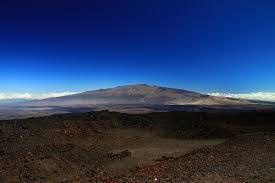
- 25—Stratovolcano
most common
created from many layers that get covered by lava over and over again
most violent eruptions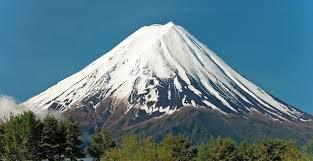
- 26—Cinder Cone
usually less than 1 km base
tephra and loose pyroclastic material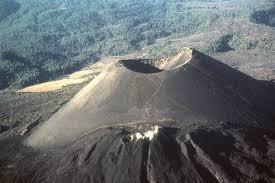
- 27—Volcanic Domes
bulbous mass of congealed lava
most associated with explosive eruptions of gas-poor magma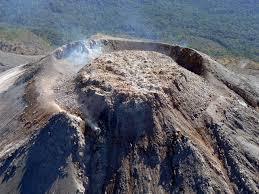
- 28Fumarolesa vent where gases emerge at the surface of the earth
CO2, SO2, H2O - 29Hot/Thermal Springscold water at surface sinks into the permeable volcanic rock, stops at the impermeable rock, then moves along until reaches a magma body, heats up, then comes to surface
gently rises to the surface - 30Geyserif the water builds up pressure when coming up to the surface, or flow gets restricted, makes a geyser
- 31Volcanic Eruptions : Secondary Effects Lahartephra & water; can happen right after eruption or years later
- 32Volcanic Eruptions : Secondary Effects Debris Avalanches/flowsunconsolidated volcanic material that flows down slope due to gravitational instability
- 33Volcanic Eruptions : Secondary Effects Tsunamiresults from flows, avalanches, landslides, and caldera collapses entering body of water
- 34Volcanic Eruptions : Secondary Effects Atmospheric Effectsboth solid and gas particles are released during eruptions
CO2: can raise temp by a few degrees for long periods of time
SO2: can cause acid rain
Dust: can cover the sun - lower temp - 35Volcanic Eruptions : Secondary Effects Positive Effectsgeothermal energy
metallic ore deposits
fertile soil = food&drink
most of historical atmospheric composition contributed by volcanoes sending gas into the air - 36Volcanic Monitoring: Short term Seismic Monitoringearthquakes usually come before a volcanic eruption
Volcanic tremor: continuous rhythmic shaking - 37Volcanic Monitoring: Short term P&S wavesS waves cant go through liquids, so if sent through one side, and not shown on other, then magma body full of magma
- 38Volcanic Monitoring: Short term Ground Deformationdue to the inflation of the magma chamber when magma flows in
Tilt Meters: use meters to measure angle of ground, track angle changes - 39Volcanic Monitoring: Short term change in magnetic fieldmany rocks have minerals that are magnetic
when temp rises to certain level, minerals can stop being magnetic - 40Volcanic Monitoring: Short term changes in gas compositiongas coming out of a volcano changes before an eruption
increase of HCl & SO2 - 41Volcanic Monitoring: Short term electrical resistivityall other changes cause a change in electrical resistivity
when magma moves in, resistivity decreases - 42Volcanic Monitoring: Short term Ground water changeswhen magma enters, changes in the ground water system can happen
can make the water rise or fall - 43Volcanic Monitoring: Short term heat flowwhen magma comes close to the surface, the temp of the surface/ground water will increase
- 44Volcanic Monitoring: Long termmostly the knowledge of the geologic and eruption history of the area
long term more easy to monitor
eg. mapping bedrocks - 45Divergent Marginsplates moving apart
can happen in ocean or continent
always leads to the creation of an ocean basin
crust is stretched and thinned - 46Transform Boundariesslide along one another
no igneous activity
plates are conserved - 47Convergent Boundariesplates moving toward each other
gravity is driving force; old tectonic plates sink and get recycled at the mantle
crustal thickening, igneous activity. nature depends on types of plates involved - 48Ocean-ocean Convergencemarked by deep ocean trench & volcanic island arc
has subduction zone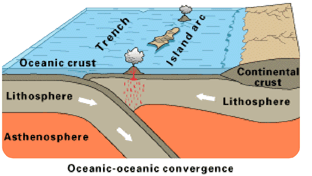
- 49Ocean-continental ConvergenceMarked by ocean trench, volcanic arc & mountain belt, has subduction zone
thermal heating & lots of igneous activity & some crustal shortening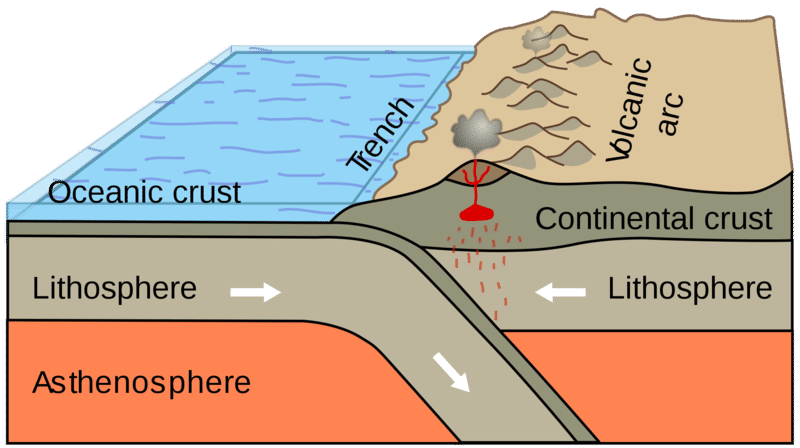
- 50Continental-continental Convergencemarked by mountain belts and thrust faults
extreme thermal heating, some igneous, lots of crustal shortening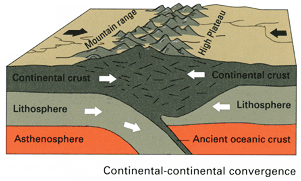
- 51FaultsFractures in bedrock where there was movement
loss of cohesion of a body when its under the influence of stress
Considered active if movement happened in last 15 000 years - 52Hanging Wallhappens above a fault plane
- 53Footwalloccurs below fault plane
- 54Normal faultHanging wall moves down in respect to the foot wall
results in thinning of crust - 55Transform Fault (Strike-slip)Displacement is horizontal
hanging wall and foot wall slide past each other - 56Reverse/thrust FaultsHanging wall moves up with respect to foot wall
results in compressional forces & thickening of crust - 57JointsFractures/cracks in bedrock where essentially no movement has occurred
- 58Domean upward displacement of rocks
- 59Basina downward displacement of rocks
- 60What Produces an Earthquake?when rock bodies past one another, the rocks bend and store elastic energy (a build up of strain)
when the frictional resistance holding the rocks is overcome, causes earthquake - 61What is Seismology?the study of earthquake waves
- 62Types of Seismic waves: S wavesperpendicular to direction of movement, cant pass through liquids
- 63Types of Seismic waves: P wavesparallel to direction of movement
- 64Types of Seismic waves: Surface wavesdue to long periods of amplitude of motions. travels along outer part of earth
- 65Types of Seismic waves: Rayleigh (R) wavesmoves like an ocean wave
the most destructive - 66Types of Seismic waves: Love (L) wavesmoves side to side
- 67How do you Locate the Epicentre???
- 68Intensitythe measure of the amount of shaking at a given location based on amount of damage
- 69MagnitudeEstimates the amount of energy released at the source of the earthquake
- 70Types of Magnitude Scales: Richter scalebased on the size of the S wave on seismic gram
(less than 2.0 not felt, I unit inc. = 10x wave, 33x energy) - 71Types of Magnitude Scales: Moment-magnitude Scalegauges the earthquakes total energy
(Total length rupture X depth of rupture X total amount of slip along rupture X strength of rock) - 72What contributes to the amount of damage of an earthquake?the intensity & duration of the vibrations
the type of material above the ground
the design of the structures - 73What kind of destruction usually occurs from an earthquake?Liquefaction : disconnected materials saturated with water changes into a mobile fluid (NO water added!)
Seiches : uniform sloshing of water in water systems, can weaken walls of containers, cause destruction - 74Rock BehavioursElastic : deformed material return to original shape afterwards, has a limit
Plastic : permanent deformity, this also has a limit
Rupture/Brittle : material will rupture - 75Earthquake Predictions : Long TermSeismic gaps : an active fault that has been "quiet" for some time
Strain monitors & ground deformations - 76Earthquake Predictions : Short Termsmall foreshocks occur beforehand
a bulge in the crust/land
the seismic wave velocity will decrease
changes in gases & groundwater - 77Composition of Ore Mineralsmost ore minerals are found as sulphides
some others are found as oxides
very rare amount occur alone - 78Cause/affect of Acid Mine Drainagewhen the sulphides are mined, the left over materials (gangue) that contain sulphur will become oxidized, when this happens, an acidic environment will be created.
This can damage many ecosystems, and create many environmental issues. - 79Hydrothermal Mineral Depositsconcentration by hot water flowing through fractures/pores in rocks
Veins, Disseminated, VMS, Sediment associated - 80Magmatic Mineral DepositsConcentration by magmatic processes in a body of igneous rock
Fractional crystallization, Immiscibility, Pegmatites - 81Sedimentary Mineral DepositsConcentration by precipitation for sea water
Banded Iron formations - 82PlacersConcentration by weathering processes
eg. gold - 83Deposits Associated with WeatheringConcentration by weathering processes
Supergene, Residual Enrichment - 84Fractional Crystallizationa magmatic ore deposit
heavy minerals will crystallize early, then settle and concentrate at the bottom of the magma chamber - 85ImmiscibilityMagmatic Ore deposit
the sulphides will separate from the magma before it crystallizes (still liquid), then it will settle at the bottom of magma chamber because more dense liquid - 86PegmatitesMagmatic Ore Deposit
the crystallization occurs in the shallow crust, where there are large fractures. because of the large fractures, the crystals that form are large, and course grained. the metals will transport down - 87Deposit Associated with Metamorphism (Skarns)a closed system
the igneous body will change its surrounding bodies, as well as the surrounding bodies will change the igneous body - 88VeinsHydrothermal Ore Deposit
originates from igneous bodies; hot water will flow along fractures, cool, then precipitate the metallic ions to produce vein deposits (usually in areas with lots of faults) - 89DisseminatedHydrothermal Ore Deposits
associated with igneous activity;
Metals are distributed throughout the rock body, instead of concentrated in veins. you need a large volume of rock to get a profitable amount of ore. usually found in volcano (copper) - 90VMS (Volcanogenic Massive Sulphides)Hydrothermal Ore Deposit
where massive sulphide deposits are found; black smokers will release metal particulate matter, which will undergo a change in pressure, pH, etc when coming out and reacting with water. causes sulphides to precipitate to ocean floor - 91Associated with sediments : SEDEX (Sedimentary Exhalative Deposits)Hydrothermal Ore Deposit
fractures along the sea floor allow fluids to come up, which creates sulphides. - 92Associated with sediments : Unconformity-Associated UraniumHydrothermal Ore Deposits
in sediments, uranium containing fluids will become oxidized, then reduced again. this changes the chemical aspects, causing the precipitation of uranium metals - 93Associated with sediments : Mississippi Valley-type DepositsHydrothermal Ore Deposit
oxidized metal-bearing salt waters that migrate toward a basin edge and fill cavities in limestone - 94Banded Iron FormationsSedimentary Ore Deposits
formed in reducing conditions, during early history of earth, dissolved iron would accumulate in ocean basins and would crystallize - 95Placer Depositsformed when heavy metals are mechanically concentrated by currents in rivers & gravity
EG. gold is sourced in pure form crystallized somewhere else, then transferred in a stream and gets stuck & accumulates - 96SupergeneAssociated with Weathering
soluble minerals are dissolved near the surface, then are brought somewhere deeper, where it is re-precipitated near water table (semi precious) - 97Residual Enrichmentconcentrates metals into economically valuable concentrations
Laterite: forms by deep weathering of parent rock and leaching out elements like silica - 98Diamondsfound in the ultramafic rocks "kimberlites"
kimberlite magma originates in great depth, and rises quickly to surface, picking up diamonds in upper mantle - 99Kimberlite Pipeslike the neck of a volcano, melts deep into lithosphere, then erupts
picks up diamonds in upper mantle - 100Coalformed from decay and compression of land plants
organic matter is accumulated in swamps (anoxic environments) where there is little O2 & rapid sedimentation - 101Oil & gasderived from marine plants and animals
remains under anoxic conditions
burial over millions of years produces hydrocarbons - 102Tar & Oil Sandsviscous, cannot be simply pumped out
Alberta has major resources: 20% can be mined, the rest has to be heated and pumped due to being too deep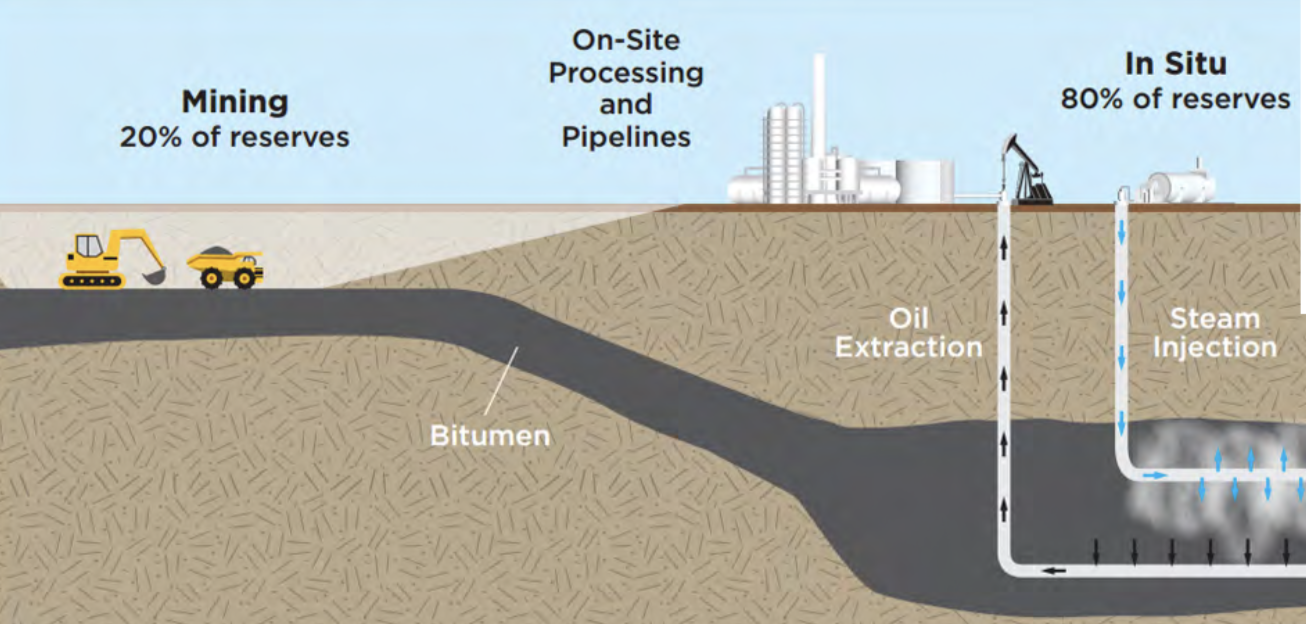
- 103Oil & Shale Gasuse "fracking" to get it out
has less environmental impacts that coal power plants, lower greenhouse gas emissions, and high economic value
can cause water contamination, leaks methane to atmosphere, could cause earthquakes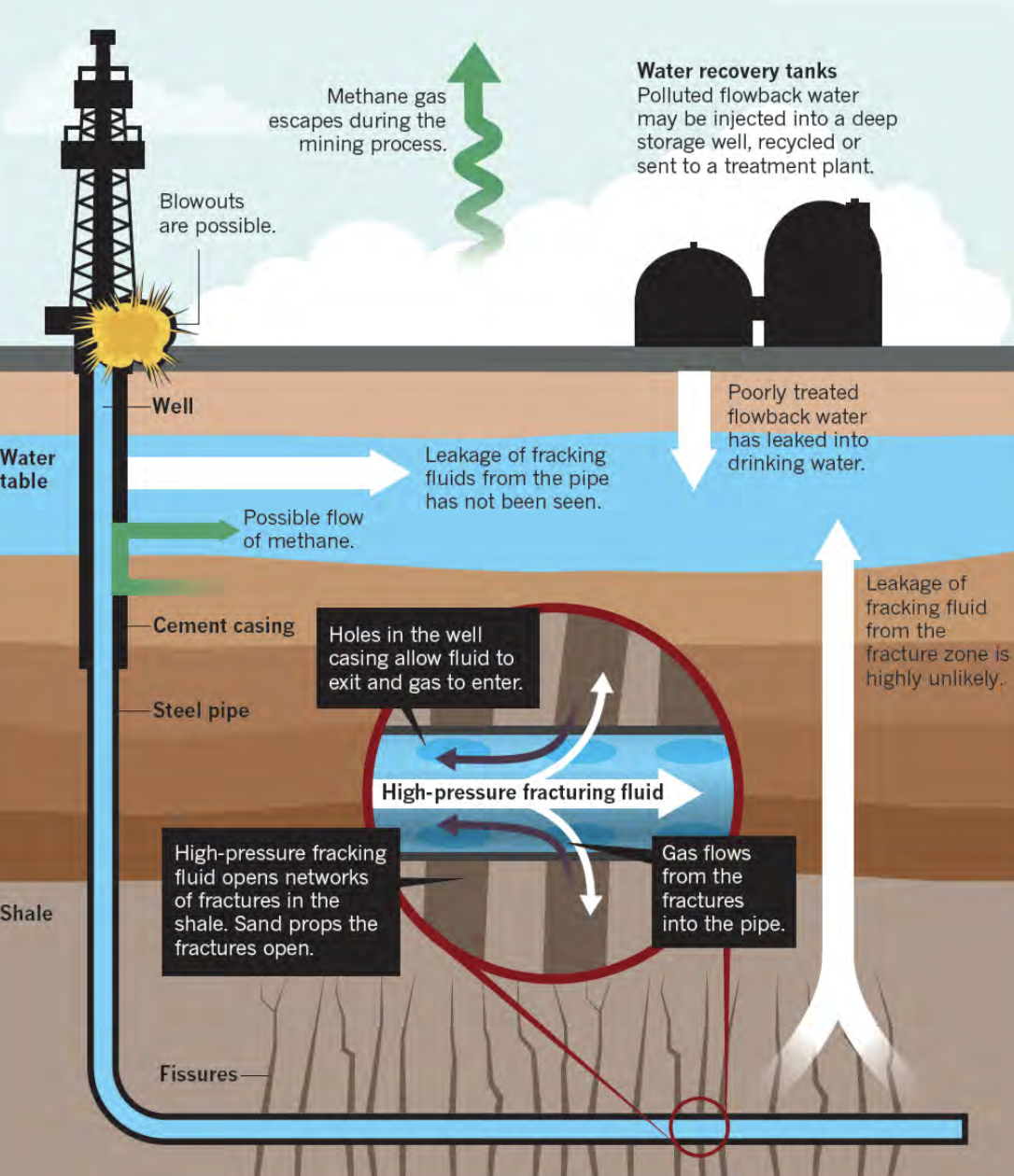
Information
- Description
- User has deleted their subject information Flashcards on GEO 1111 Midterm 2, created by Deleted user on 01/04/2018.
- Created by
- Deleted user · Apr 2018
- Updated
- Apr 1, 2018
- Views
- 23
- History
-
- Created by abby Radske · Feb 25, 2018
- Copied by abby Radske · Apr 1, 2018
- Rating