
Flashcards
WGU C182 Objective Assessment Visual Flashcards

Cards in this deck (119)
- 1First users were the engineers who built and programmed computers, then employees who had received specialized training were users, and now today, anyone and everyone can be a user.Evolution of Users
- 2Sends files over the network at the request of clients. Responds over LAN, within one location/site. Support both application software and data files.FILE SERVER

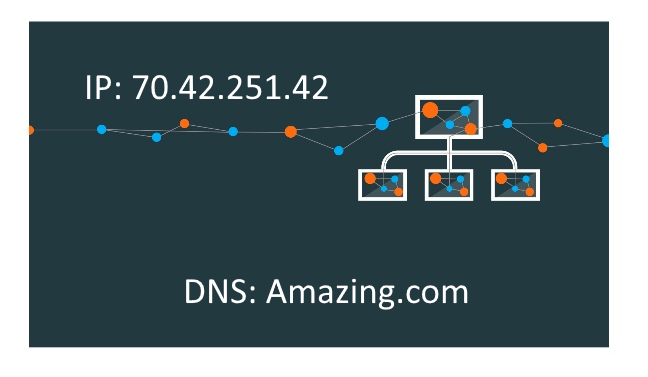
- 3Turns a user-friendly domain name, like Google.com, into an Internet Protocol (IP) address like ((( 70.42.251.42 ))) that computers use to identify each other on the network.Domain Name Server (DNS)
- 4Uses TWO KEYS a public and private key for performing encryption and decryptionPublic Key Encryption
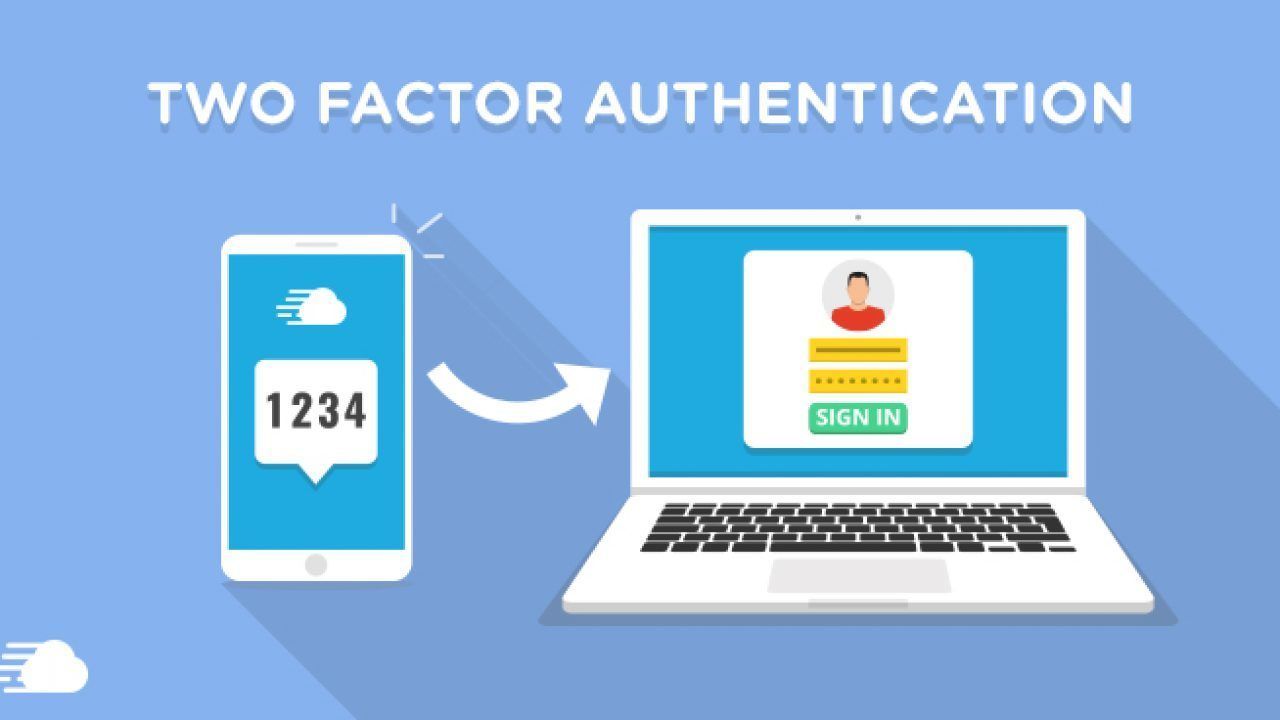
- 5PROVING you are who you say you are which can be done by: what you know, what you have!Authentication
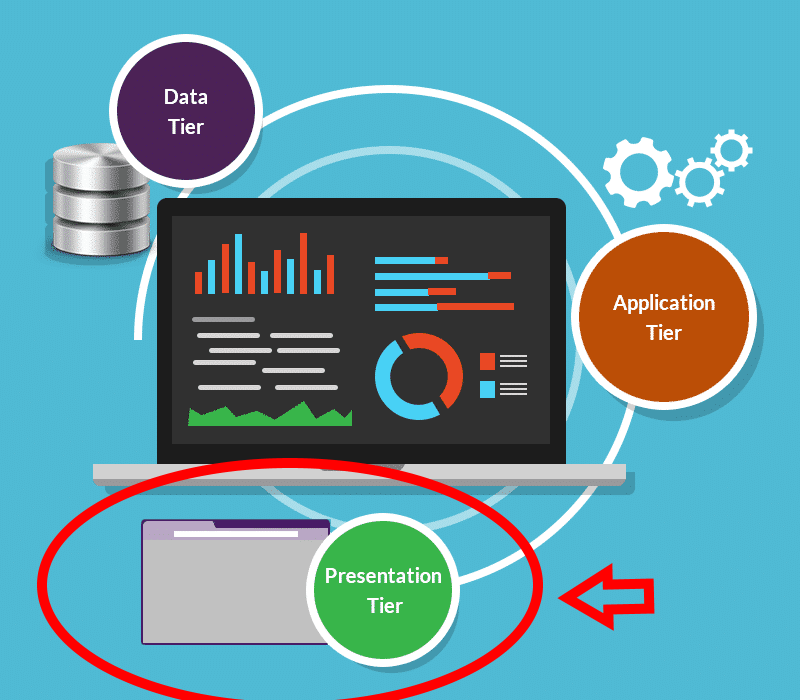
- 6TIER WHERE THE USER interface for the system is developed; SHIELDS THE USER from the underlying logic of the systems as well as the underlying data structuresPresentation Tier
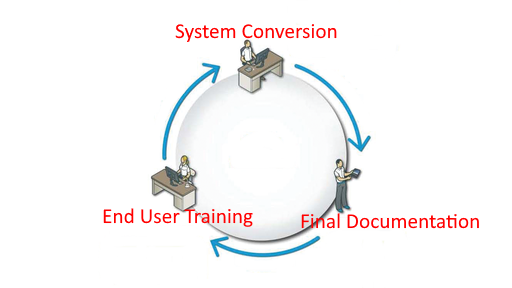
- 7SYSTEMS DEPLOYMENT Steps 1. System Conversion 2. Final Documentation 3. End User TrainingSystem Deployment
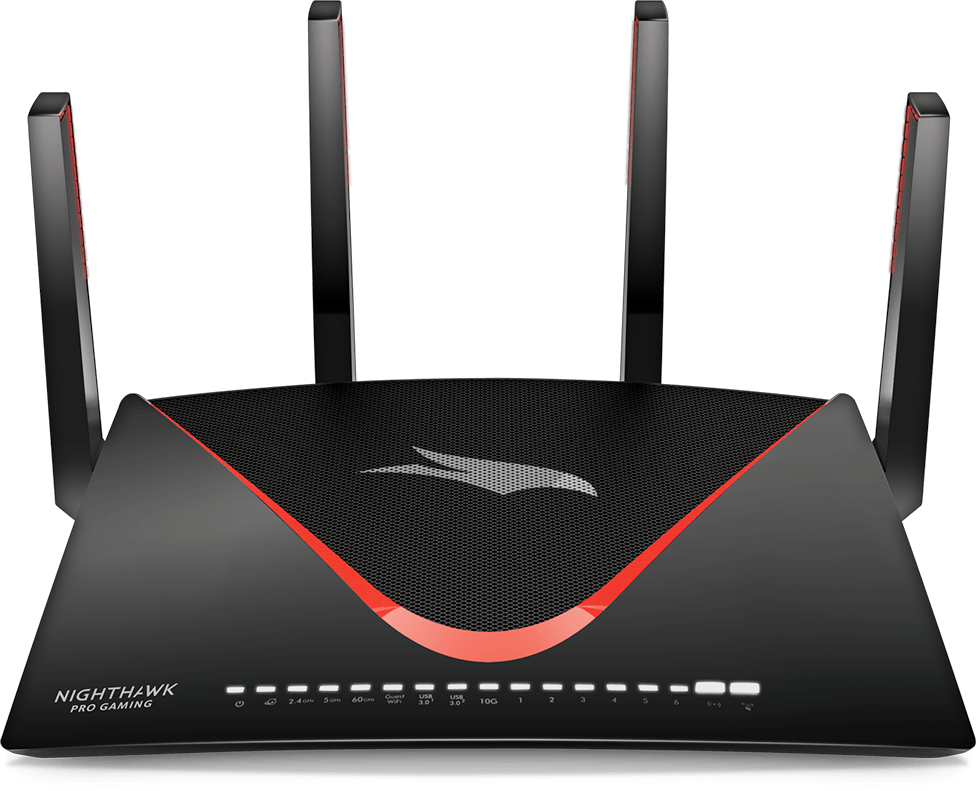
- 8CONNECTS MULTIPLES networks together; can be used to directly connect computers to a network; will relay messages to computers with APPROPRIATE IP ADDRESSROUTER
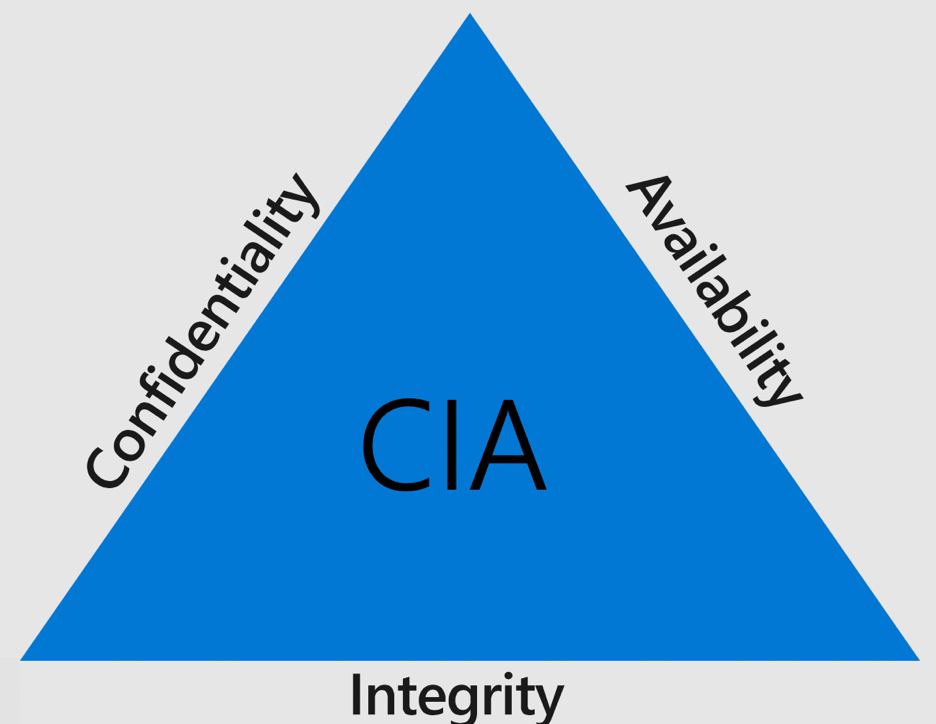
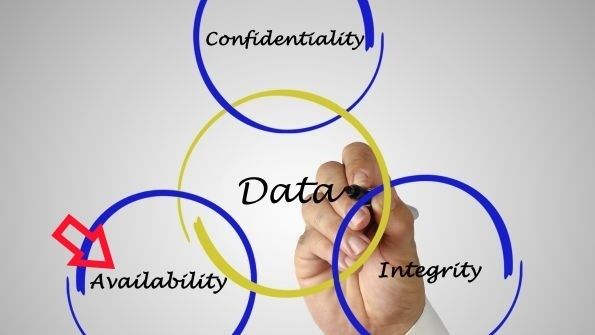
- 9Requires that data is KEPT secure so that they are not accidentally provided or obtained by unauthorized usersConfidentiality

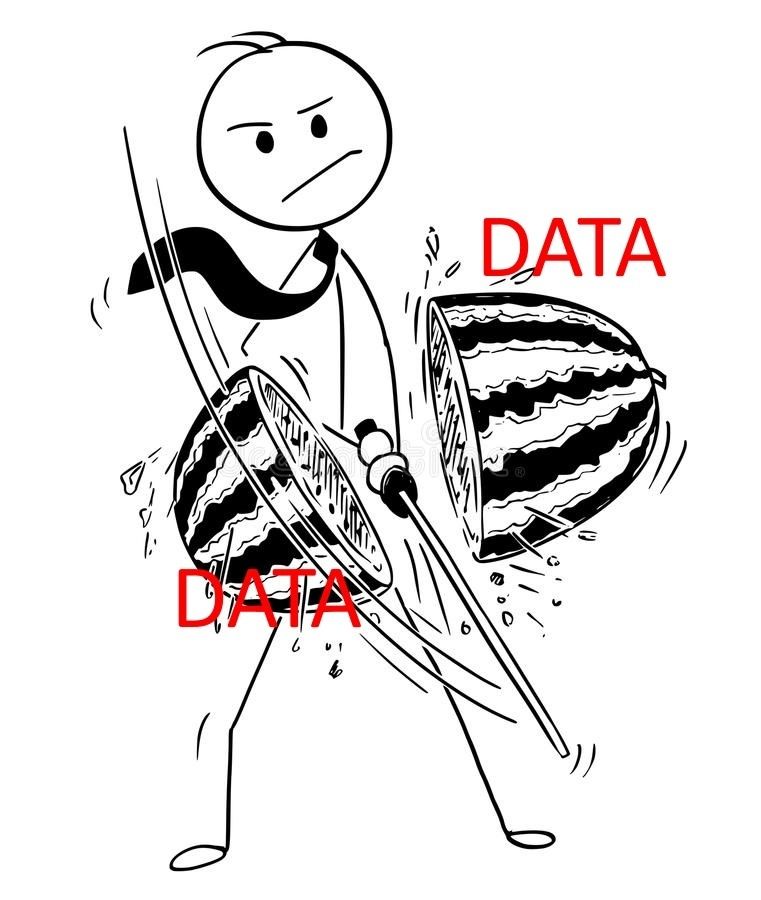
- 10Protecting EVERY LAYER that SURROUNDS ((( DATA )))Defense in Depth

- 11Can take on DIFFERENT FORMS depending on the complexity of the application; in certain instances, it is AN ACTUAL OBJECT that is an ACTUAL IMPLEMENTATION of the applicationTHE MODEL

- 12Creates a subset of the data by reducing the data from multiple dimensions to one dimensionSlicing Data
- 13The technology used in creating, maintaining, and making information accessible.Information Technology
- 14In charge of all aspects of the COMPUTER NETWORKSNetwork Administrator
- 15Focuses on the design, development, and support of DATABASE MANAGEMENT systems (DBMSs).Database Administrator
- 16Installs, configures, maintains, secures, and troubleshoots web severs.Web Administrator
- 17Processed data.Information
- 18INFORMATION THAT HAS BEEN PUT TO USE information placed into a context. Refined information such that the user of the knowledge is able to call forth only relevant portions of information when needed.Knowledge in DIKW

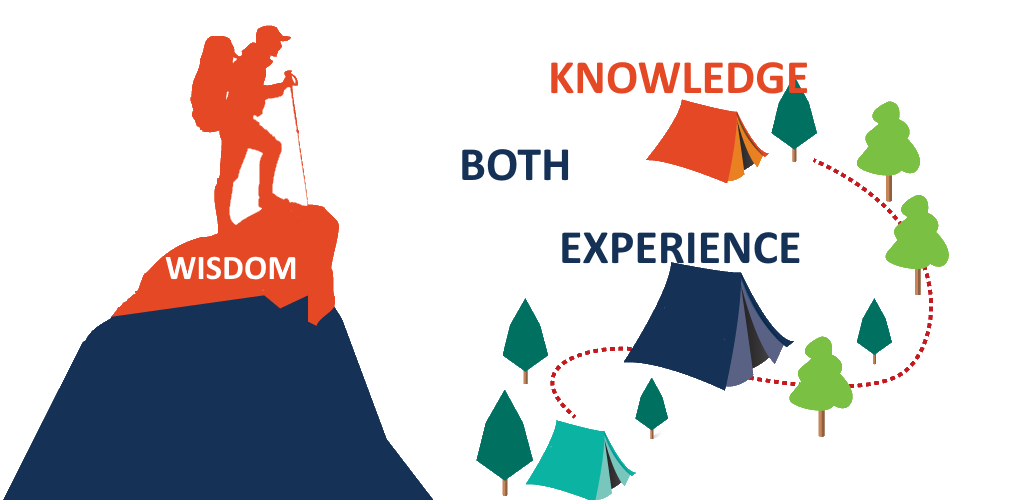
- 19Provides a social setting to knowledge; AN UNDERSTANDING OF THE ((( WHY ))) Can only come by having BOTH KNOWLEDGE and EXPERIENCEWISDOM
- 20The INPUT Processing, OUTPUT, STORAGE CycleI.P.O.S.
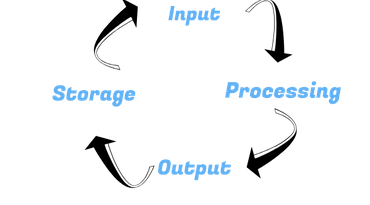
- 21Raw data is organized or structured for usefulness.PROCESSED DATA
- 22Information is output so user can see results.OUTPUT DATA
- 23Processed information is stored for permanent record.STORAGE

- 24A collection of components that work together to meet the needs of the user; typically : CATEGORIZED AS EITHER HARDWARE, SOFTWARE, NETWORKS AND USERSCOMPUTER SYSTEM
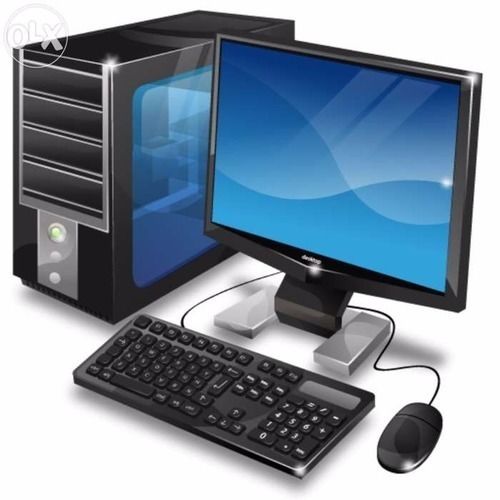
- 25Physical components of a computer system which include the system unit and its components and peripheral devices; TANGIBLE ASPECTS OF THE COMPUTERHARDWARE

- 26A collection of computers and resources CONNECTED by various media so that they can COMMUNICATE WITH EACH OTHER.NETWORK

- 27Systems Software and Applications SoftwareSOFTWARE CATEGORIES

- 28RULES provided by WHICH NETWORKS communicate with each other.IP PROTOCOL

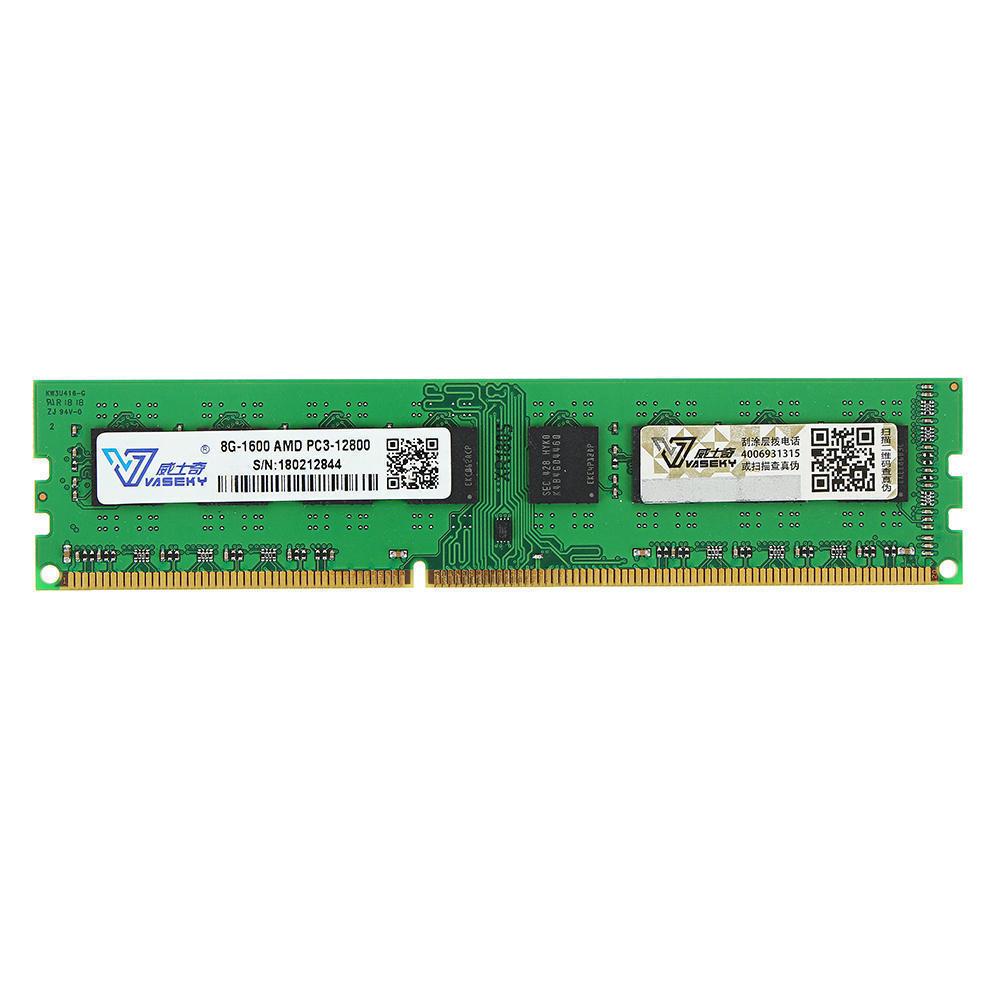
- 29STORES the programs BEING EXECUTED and the data they are using.COMPUTER MEMORY
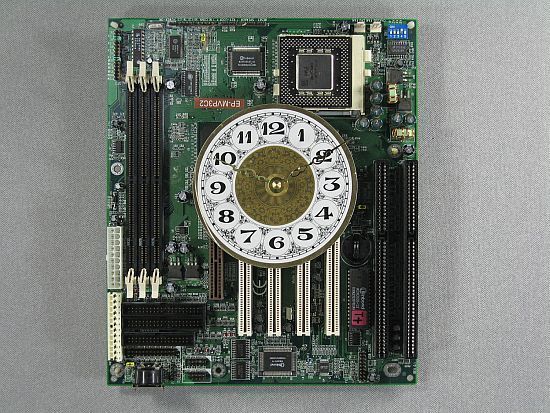
- 30Controls THE SPEED at which instructions are processed.SYSTEM CLOCK
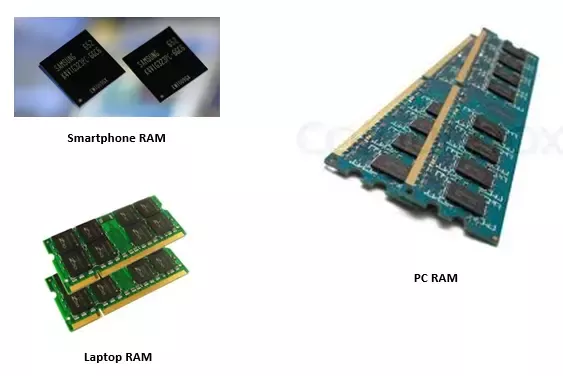
- 31Stands for Random Access Memory. It temporarily stores data before it is processed and sent to your screen or printer. IT IS VOLATILE (means data or information stored disappears when the computer is turned off or loses power).RAM
- 32Transistor components, magnetic core memory, smaller size, easier to program, disk drives and drums, called mainframe computers2nd Generation of Computers
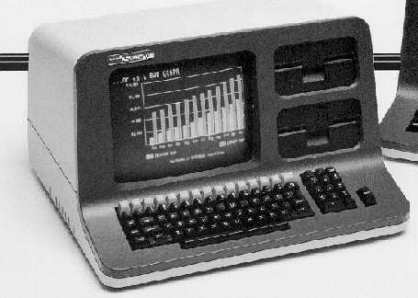
- 33Silicon chips (known as ICs - integrated circuits), reduced cost, called mini computers, networks introduced via dumb terminals3rd Generation of Computers
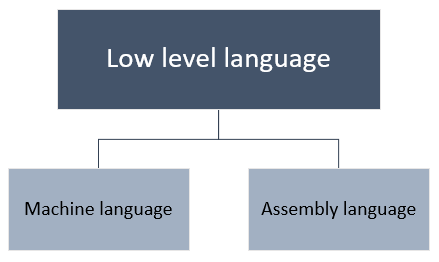
- 34Written for a specific machine by the engineers who built and ran the computers; no need for OS since only one program could run at a timeLow-level Language
- 35Easier than machine but still required detailed, precise LOW LEVEL instructionsAssembly Language
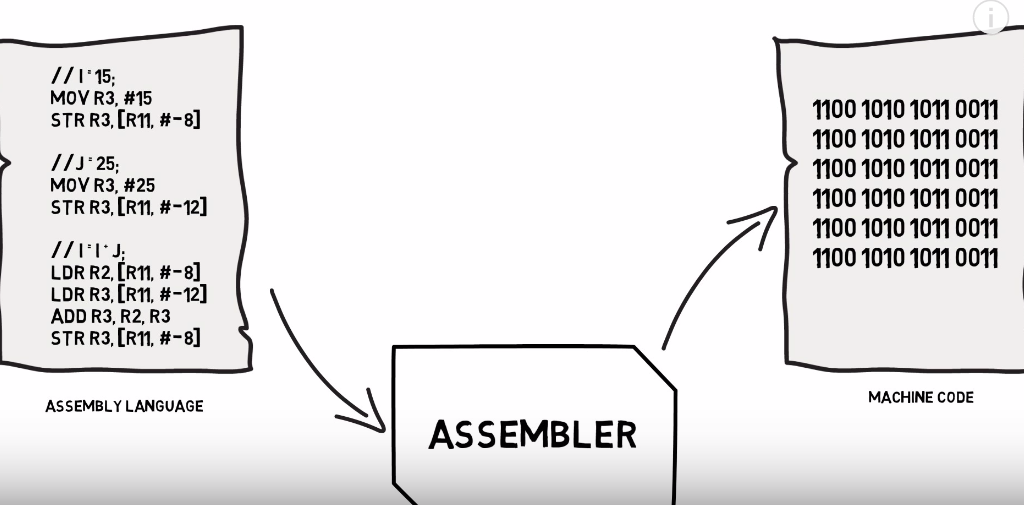
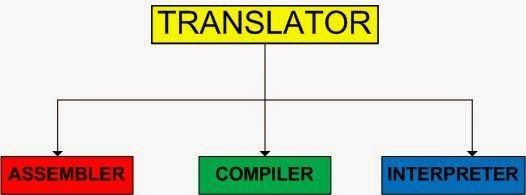
- 36Function is to TRANSLATE ONE LANGUAGE TO ANOTHER; take source code and convert it to another form; source code by itself cannot be read by a computerLanguage Translator Programs
- 37Programmer is limited to high level control constructs such as while loops, for loops, and if/else statements and not allowed to use primitive GOTO statementsStructured Programming

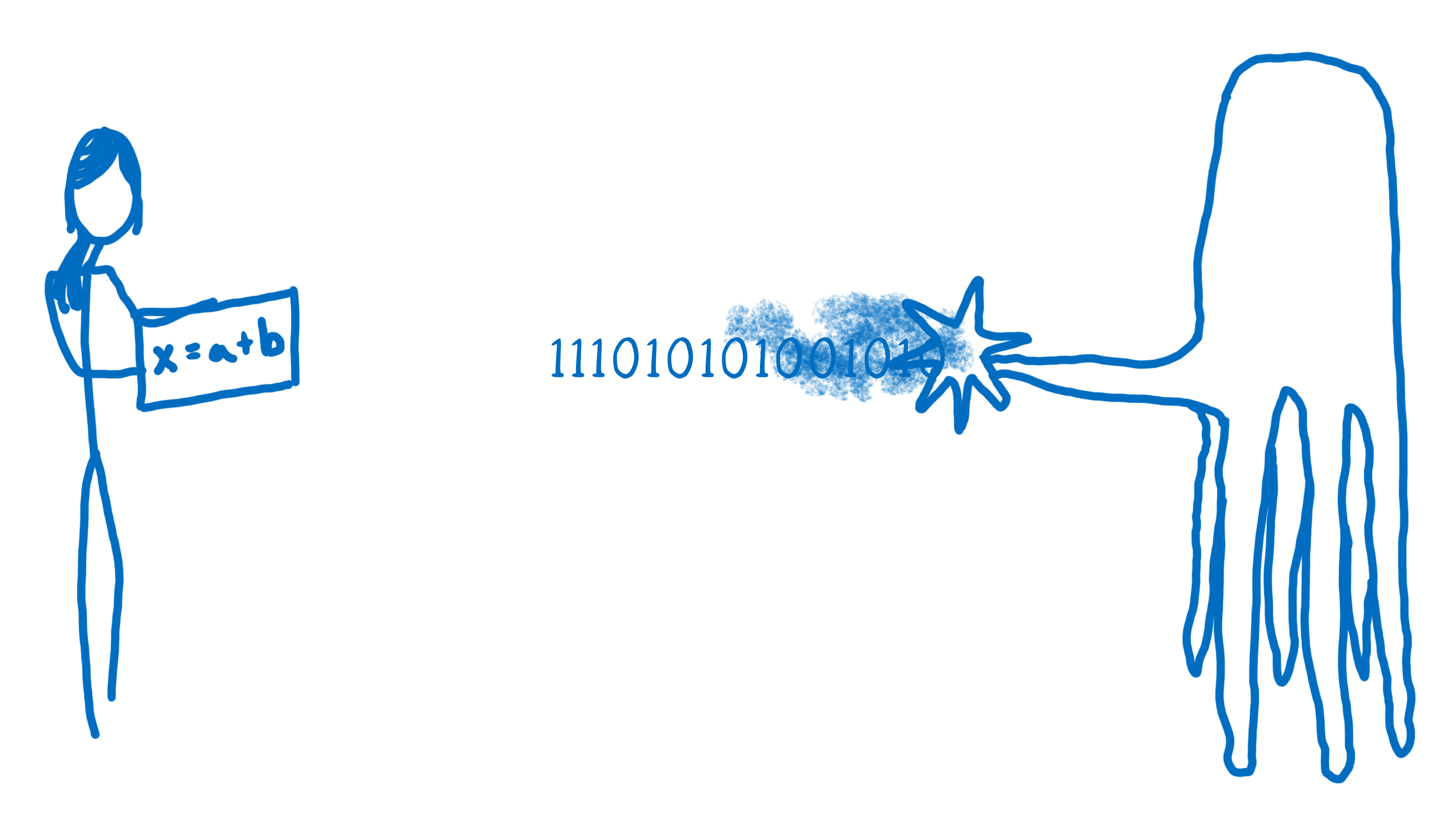
- 38A type of programming language for which most of its implementations EXECUTES INSTRUCTIONS DIRECTLY AND FREELY, without previously compiling a program into machine-language instructions.Interpreted Language (Code)
- 39Small programs that place Linux commands or DOS batch files into a fileShell Scripting

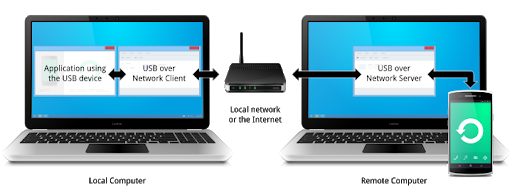
- 40The computer that the user is using; physically present withLocal Computer
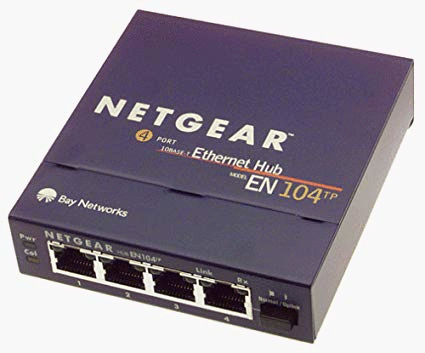
- 41Connects computers to each other with NO REAL UNDERSTANDING OF WHAT IS BEING TRANSFERRED Used for private networks with local computers.Network Hub
- 42Like a hub, but this will only send data that is INTENDED FOR SPECIFIC COMPUTERNetwork Switch
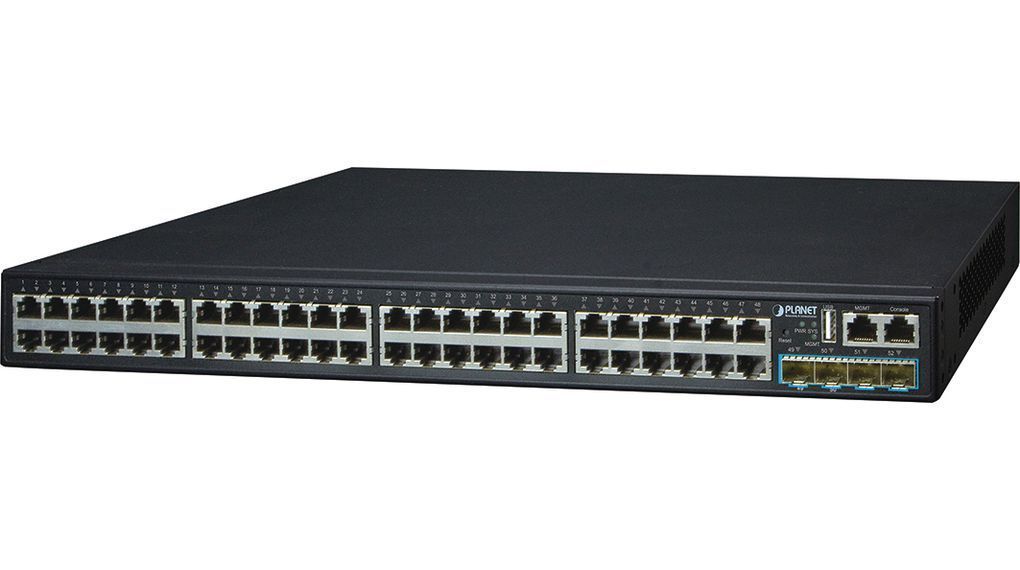
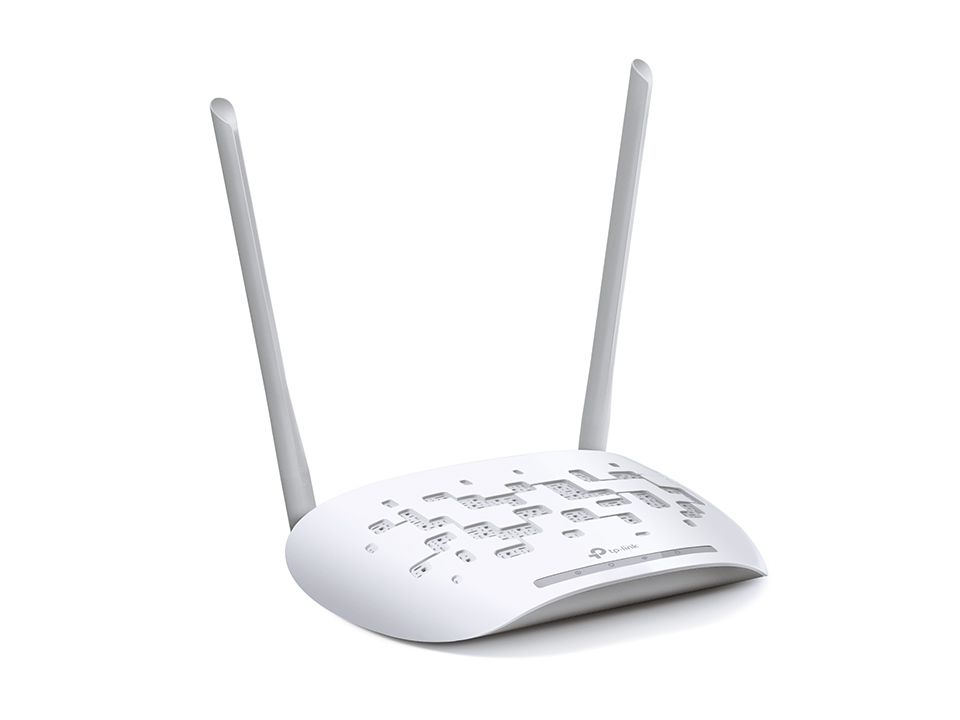
- 43Can be connected to hub, switch, or router; many routers now also act as a wireless access point; sends out a wireless signal so computers on the network can connect without a cableWireless Access Point
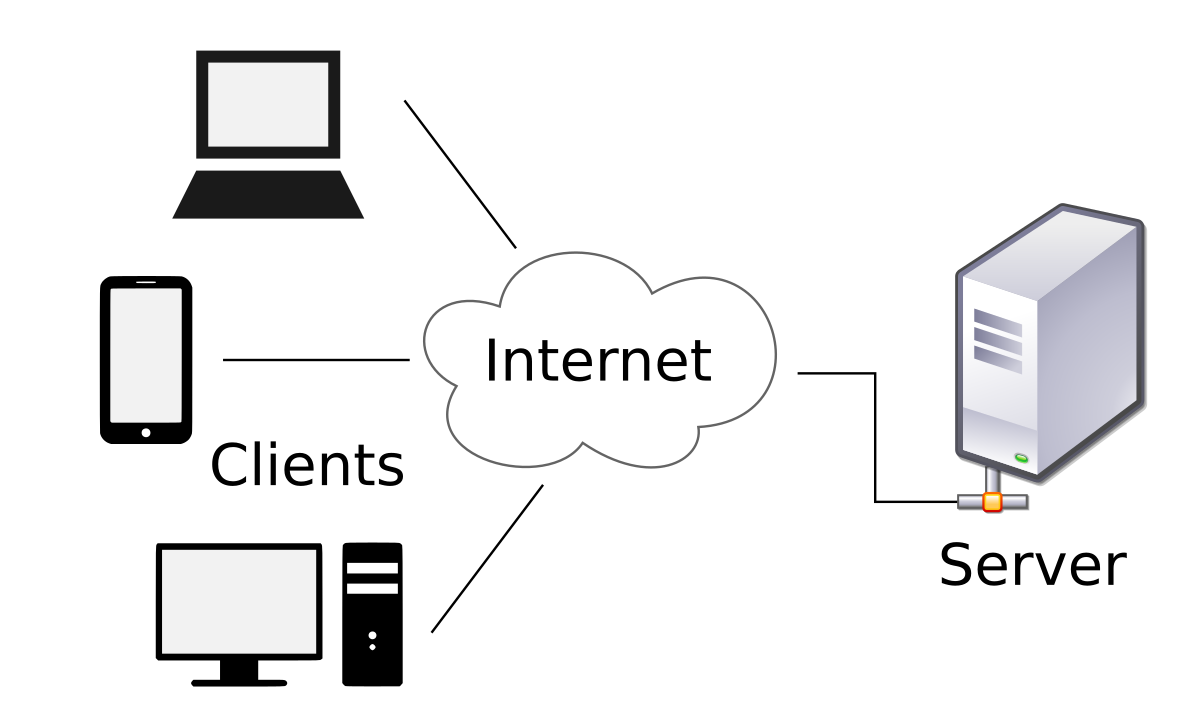
- 44Contains one or more servers; client is a computer that will request information from another computer; server is a computer that takes requests and responds with the requested information; the software used facilitates communication with remote serversClient-server Network
- 45Stores data files (web pages) and programs (scripts). Responds from anywhere on the Internet.Web Server
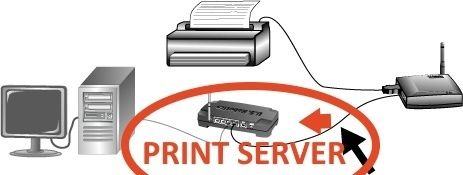
- 46Monitors print jobsPrint Server
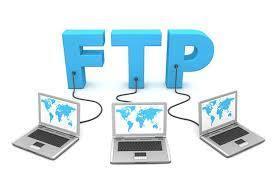
- 47Like web server or file server in that REQUEST ARE FILES and RESPONDED ARE THE FILES data delivered between client and server.FTP Server
- 48Devices connected along a SINGLE CABLE Size of network is restricted.Bus Network

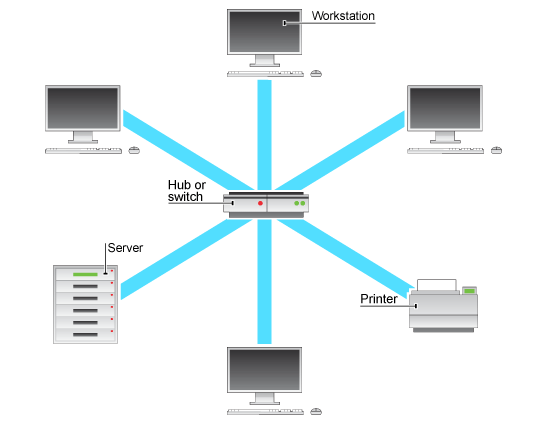
- 49Each device is connected to a CENTRAL DEVICE such as a hub or switch.Star Network
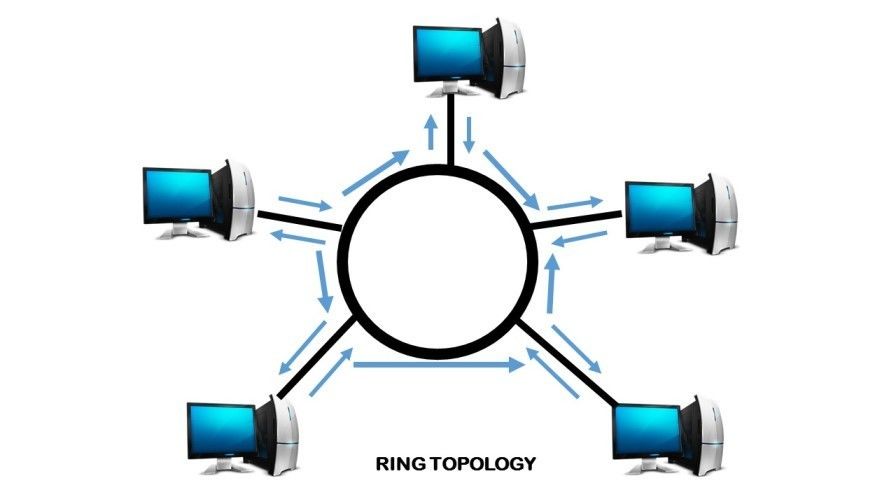
- 50Each device is connected DIRECTLY TO ITS NEIGHBOR and messages are forwarded from device to device until the proper destination is reached.Ring Network
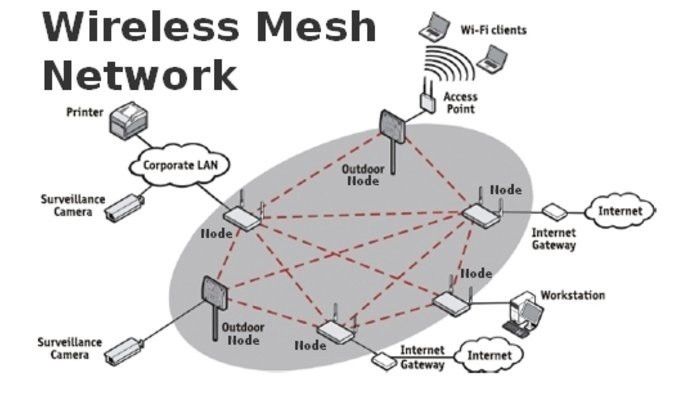
- 51Every device is connected directly to every other device in the network.Mesh Network
- 52Identifies the server on which the web page can be foundDomain Name

- 53Always ends with a period and a THREE or TWO LETTER EXTENSION which signifies the TYPE of organization or country associated with the pageTLD
(Top Level Domain) Name
Exam: www.yourname.com
.edu .net . gov .org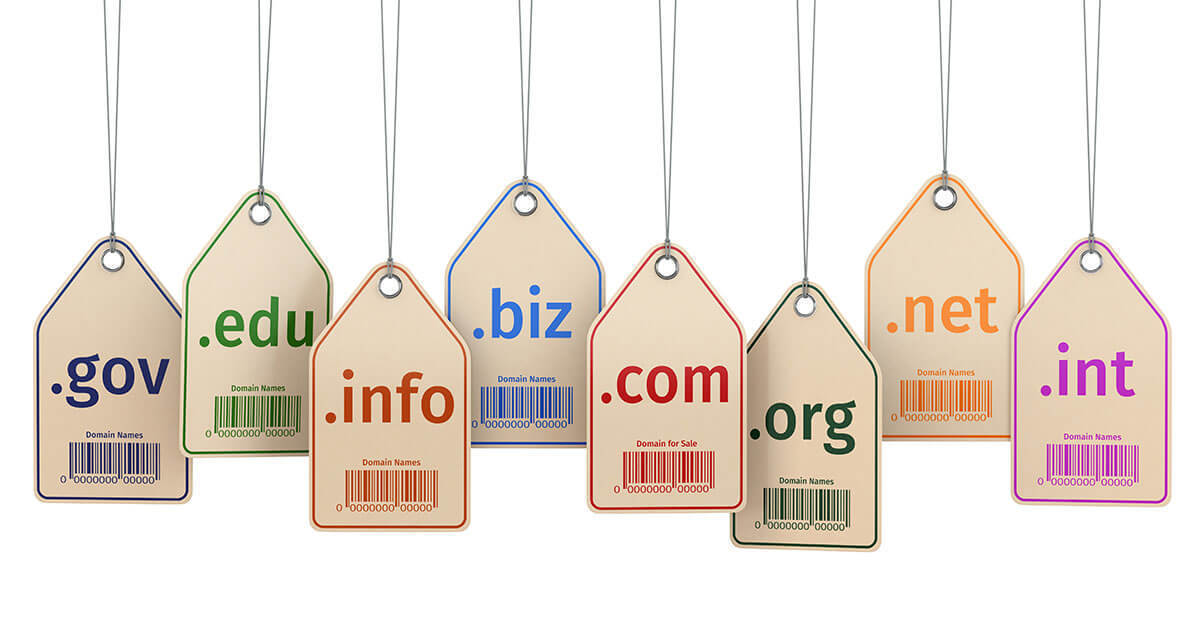
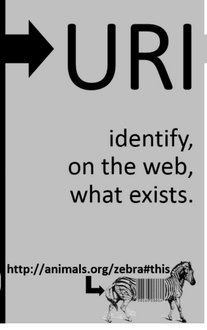
- 54Indicates the name of the file you are accessing, or the location of the document on the serverResource/ Filename ID
- 55Confidentiality, Integrity, AvailabilityCIA
- 561st - Must include a component that ensures the accuracy of the collected data 2nd - Must be entered into the system accurately 3rd - Data modification must be trackedData Integrity Efforts

- 571. Identify the organization's information assets 2. Identify vulnerabilities of each asset 3. Determine threats 4. Prioritizing risks 5. Develop and enact policies that will reduce threatsRisk Management & Strategic Risk Analysis

- 58An attacker issues a SQL command to a web server as part of the URL or as input to a form on a company's website; web server might pass the command onto the database which then allows potentially anything to be done to the databaseSQL Injection
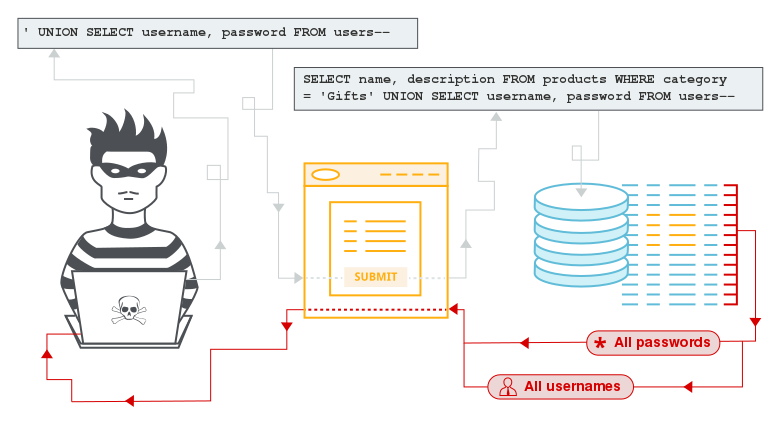
- 59Placing malicious code into the buffer so that it can be executed once stored in memory; oldest and most well known software exploit; software engineers can protect against this when writing codeBuffer Overflow

- 60Informs companies of potential problems with software HACK ATTACKS so companies can fix the problems.White Hat Hacker
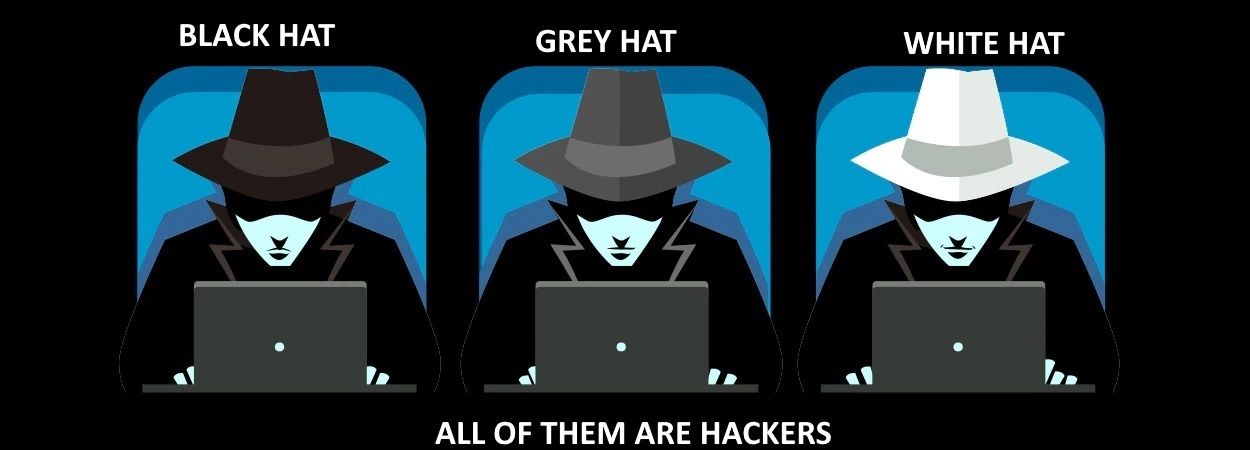
- 61Individuals with MALICIOUS INTENT WHO VIOLATE SECURITY in order to commit crimes or acts of terrorismBlack Hat Hacker
- 62Engage in BOTH WHITE and BLACK hat types of hacking activitiesGrey Hat Hacker
- 63Type of virus that completely replaces an existing application and takes the name of the taken over fileTrojan Horse

- 64Attempts to identify if a file contains a virus or some form of malwareAnti-virus Software
- 65Ensures proper storage of data by providing a means so that data is available even when storage devices are damaged or offlineData Redundancy
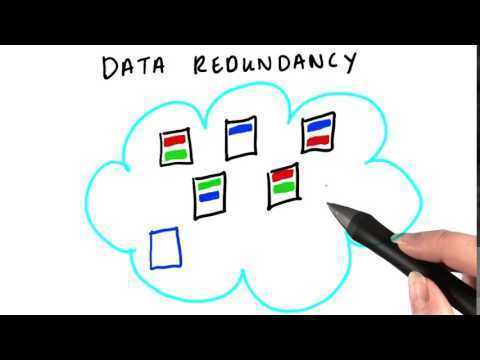
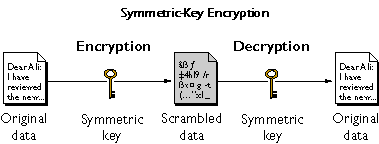
- 66Uses the same key for performing the encryption and decryptionSymmetric Key Encryption
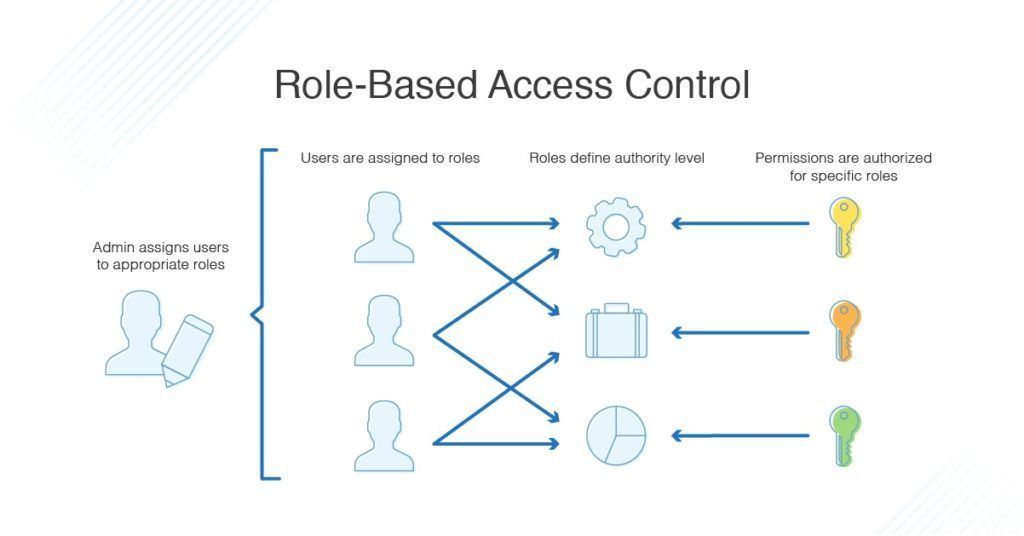
- 67Ensures that the user gains access only to the resources that the user should be able to accessRole-based Access Control
- 681. Cost savings benefits 2. Increased efficiency and productivity 3. Increased facilitation of communicationComputer Network Advantages

- 69Consists of programs that END USERS RUN to accomplish tasksApplication Software

- 70Consists of programs that MAKE UP THE OS software that directly supports the computer system itselfSystem Software

- 71Works with hardware to provide a NETWORK SERVICEServer Software
- 72A LAN that uses the Internet ProtocolIntranet

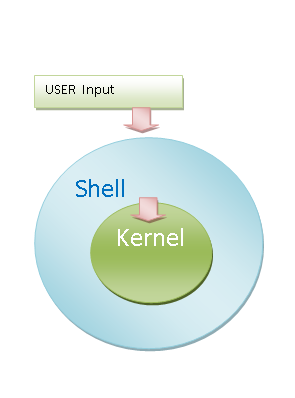
- 73Core components of the OS that is loaded when the computer is first booted.Kernel
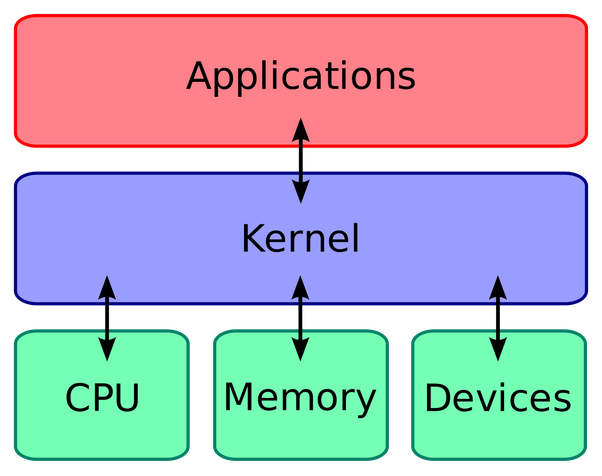
- 74An interface for the user, often personalized for that given user, that provides access to the kernel.Shell
- 75Administration and SupportIT Professional Roles

- 76Maintains all aspects of the system including hardware, software, and programming.System Administrator
- 77Installs, configures, and administers firewall security to protect systems and proactively work to stop intrusions.Security Administrator

- 78Help desk and training.Support IT Professionals

- 79Defines the transition of data to information from knowledge to wisdom. (Data Information Knowledge Wisdom)DIKW Hierarchy
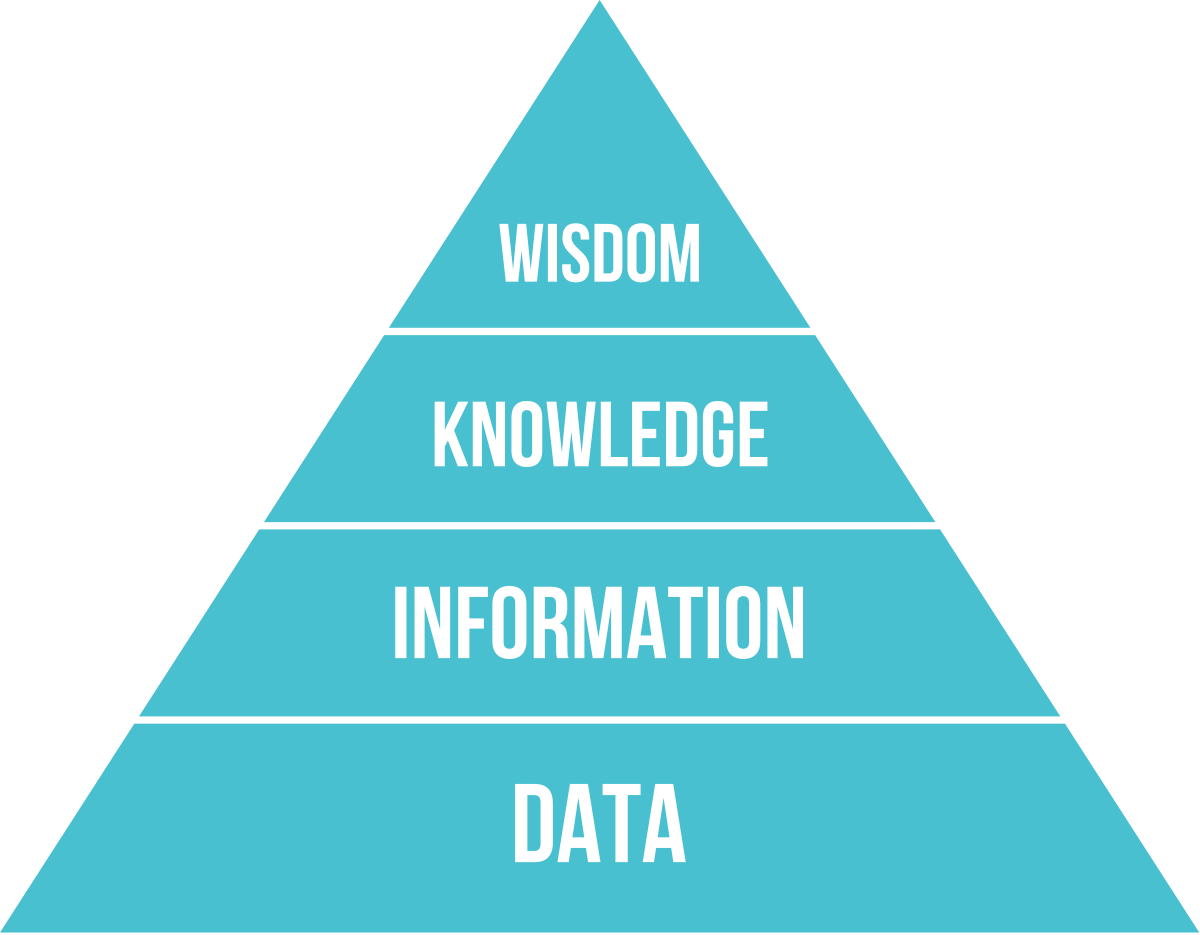
- 80The input directly received by the user (or computer). It is generally not usable until it has been converted into a relevant form.Data in DIKW
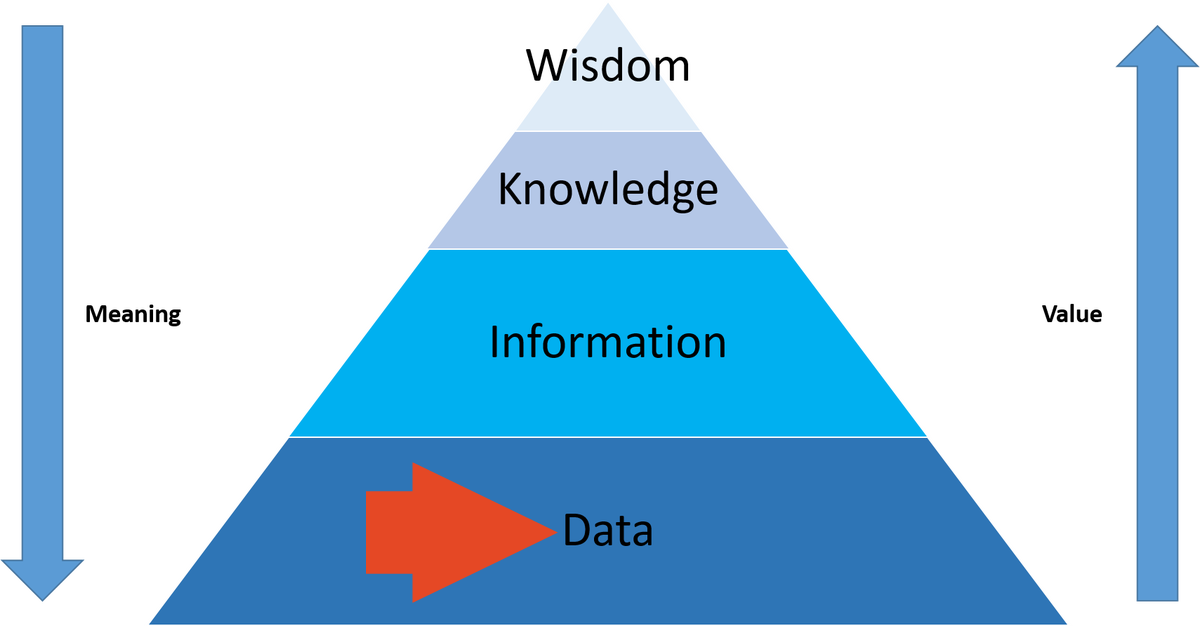
- 81Having been inferred from data; one or more processes have been applied to the data to transform it into a more useful form.Information in DIKW
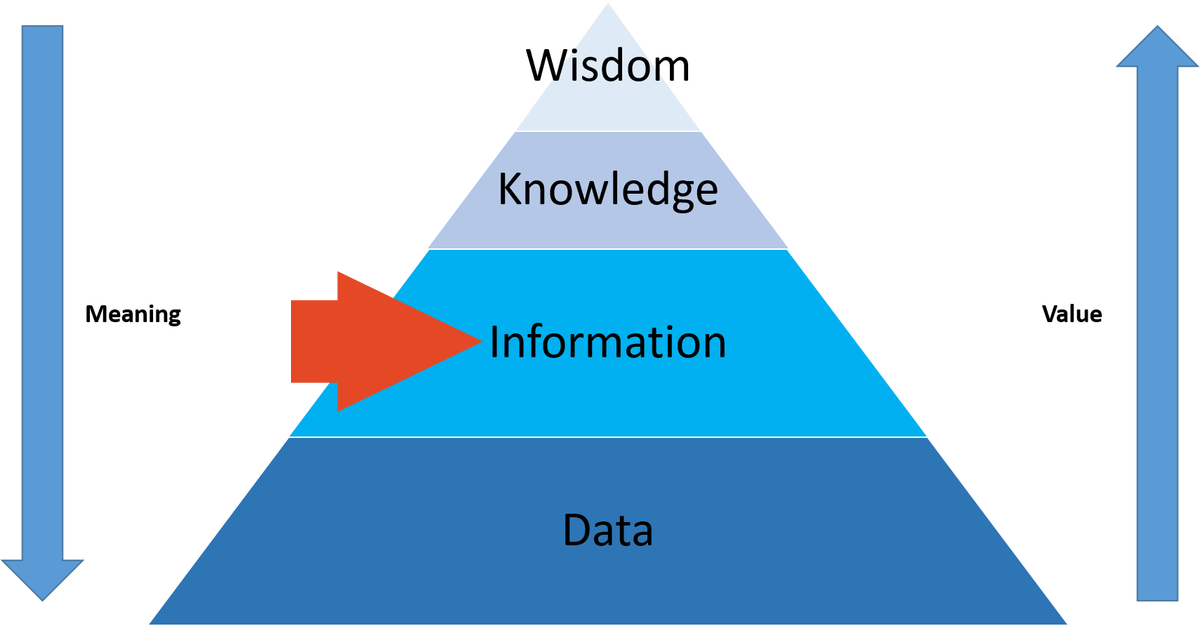
- 82A collection of data and information used to support the management of an organization. Also refers to the technical components and human resources that enable the assembly, storage, and processing of data and the delivery of information. This has existed for a lot longer than computers.Information Systems
- 83RELEVANCE - the data being used must apply directly to the decision being made TIMELY - data must be efficient and must be provided in a timely manner THOROUGH - the data must be complete ACCURATE - data should be captured only once, where possible and should be captured as close to the point of activity as possible. RELIABLE - data should reflect stable and consistent data collection processes across collections points and over timeCharacteristics of Quality Data
- 84Raw data is entered BY THE USERInput

- 85COMPUTER PROGRAMS that tell the computer what to do--how to execute commands and process informationSoftware

- 86Transmission Control Protocol/Internet Protocol. Most commonly used protocol; is required of all computers that communicate over the Internet.TCP/IP

- 87A collection of protocols. TCP/IP is an example.Protocol Stack
- 88CPU, Memory and Storage, Peripheral DevicesComponents of a Computer

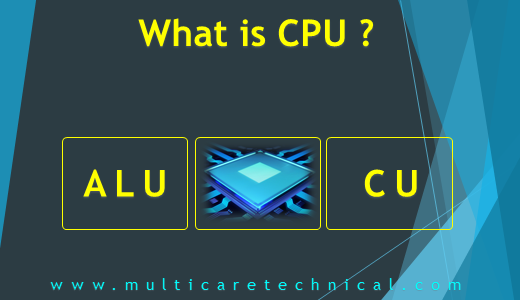
- 89Executes programs' instructions and commands various components in the computer. Referred to as the "chip".CPU

- 90All peripheral devices where long term storage devices are used.
- 91Permits information to move between each component; electrical channels that enable communication among the electronic componentsSystem Bus

- 92Critical component of all computer based systems; consists of most of the hardware the computer needs in order to run; comes in a variety of shapes and sizes.System Unit
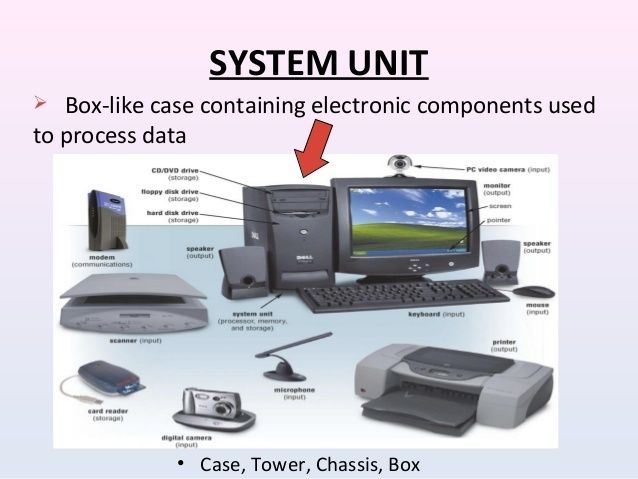
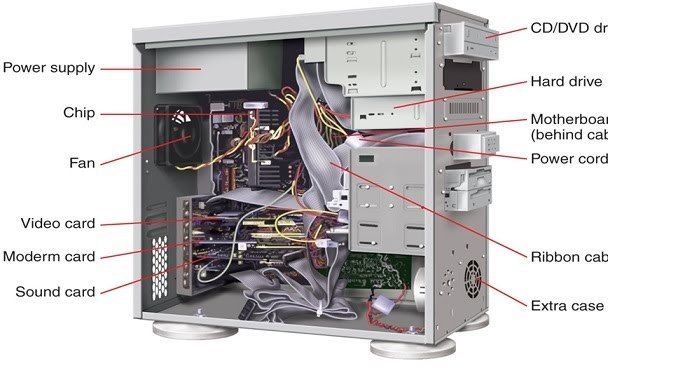
- 93Case, Internal Bays, Buses, Ports, Hard Drive, Motherboard, CPU, CPU Cooler, Memory Module (RAM), Power Supply Unit (PSU), Expansion Slots/CardsInternal Components of the System Unit
- 94Control Unit (CU) - retrieves the instructions and the raw data that is input and coordinates or controls the sending of those instructions and data to the ALU Arithmetic Logic Unit (ALU) - does the actual processing of the data; completing mathematical calculations and logical operations to process the data and converting the input of the keyboard text entry to output displayed on the screenParts of the CPU
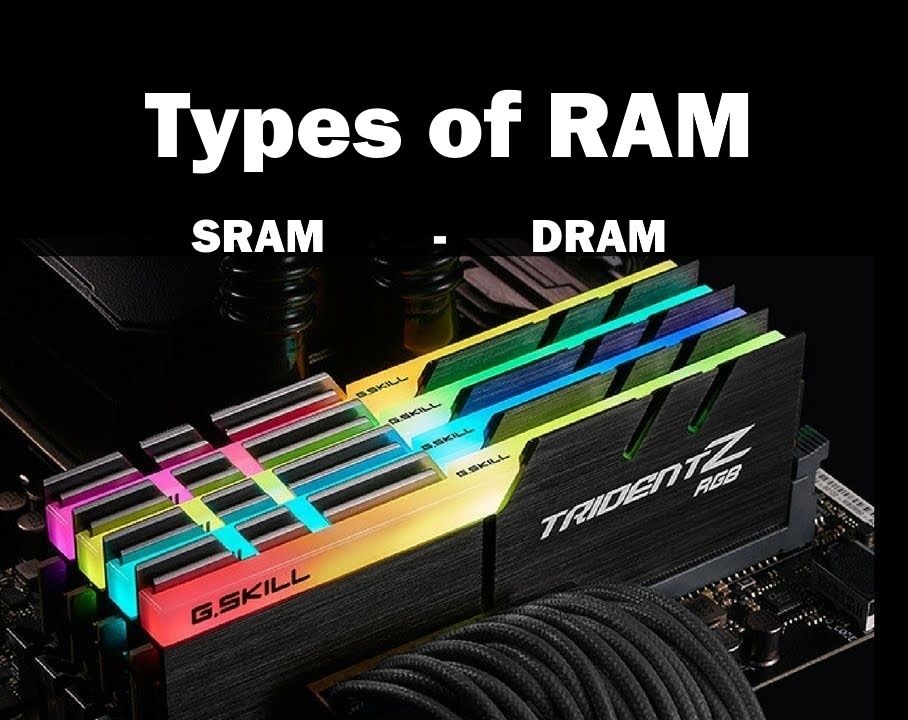
- 95Dynamic RAM (DRAM) - typically called main memory Static RAM (SRAM) - cache memory and registersTypes of RAM
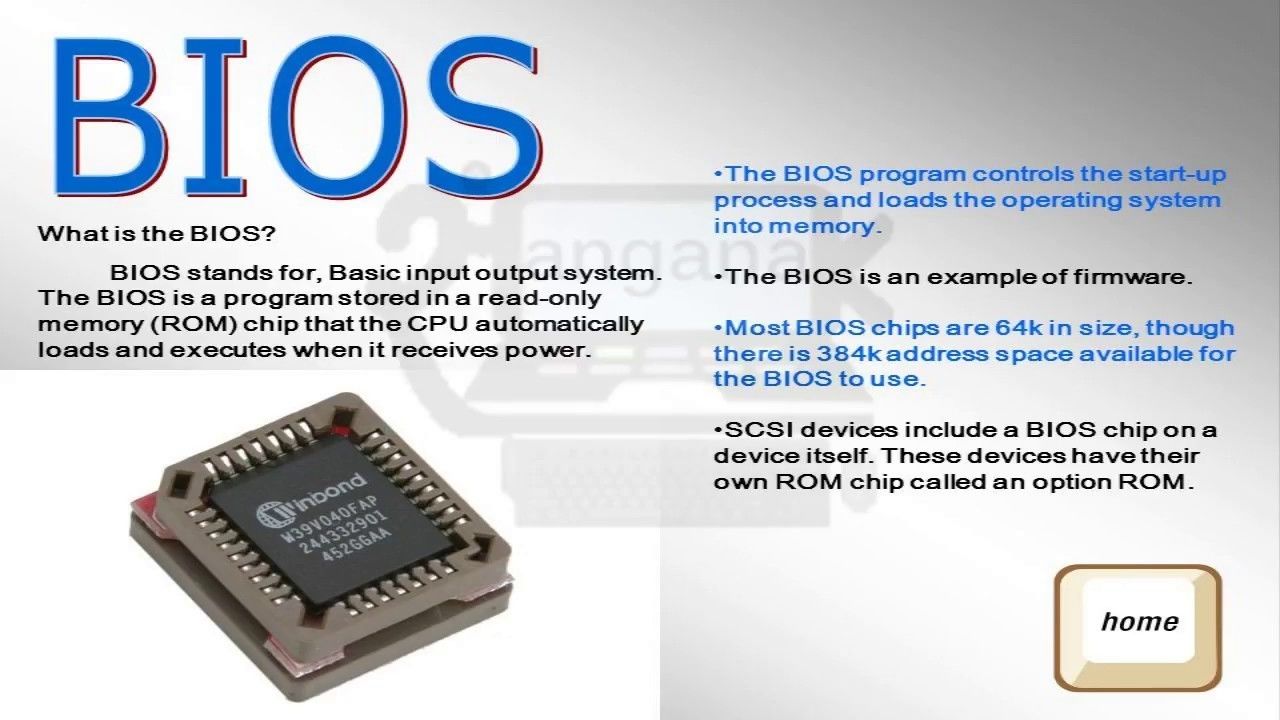
- 96BIOS stands for: Basic Input Output System; ROM stands for Read Only Memory. Typically stored in ROM chip on the motherboard. Is software NOT hardware, ("basic" operating system that runs when the computer is first turned on). Runs tests of memory and the CPU and initializes hardware components so that the actual Operating System can be loaded from the hard disk. Can't choose the amount or contents.BIOS ROM
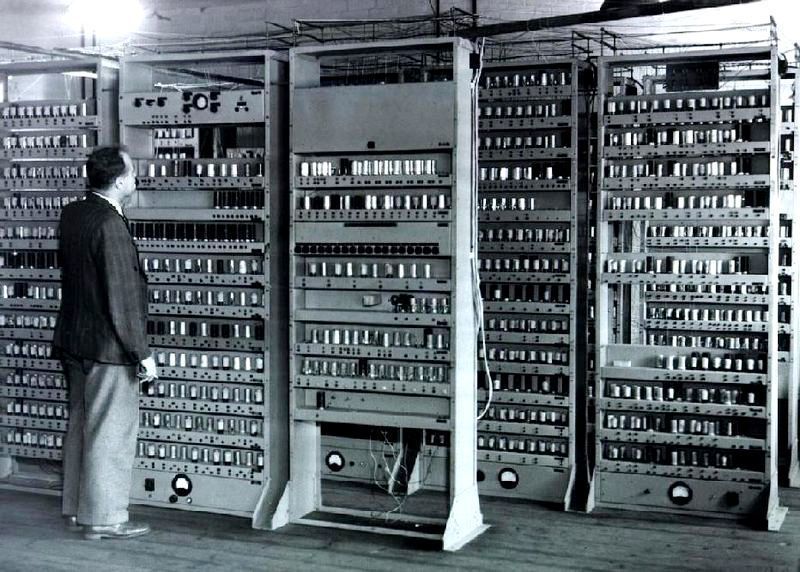
- 97Vacuum tubes, relay switches, the need to program in machine language1st Generation of Computers
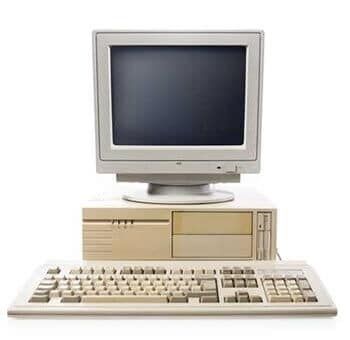
- 98Single chip processor, called microcomputer, first personal computer, rudimentary computer graphics, home use4th Generation of Computers
1971 – 1980.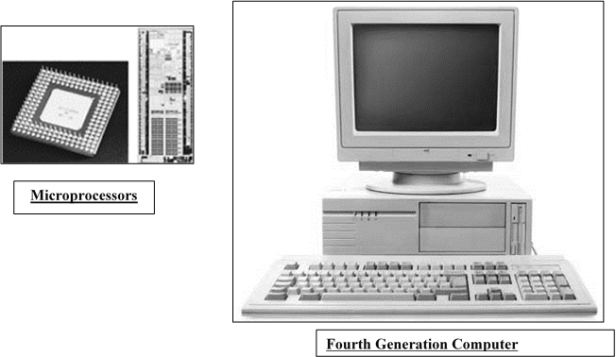
- 99Doubling of transistor count roughly every 18 - 24 months (exponential increase)Moore's Law

- 100Punch cards, magnetic tape, hard disks, floppy disks, optical discs, flash memory, cloud storageEvolution of Storage
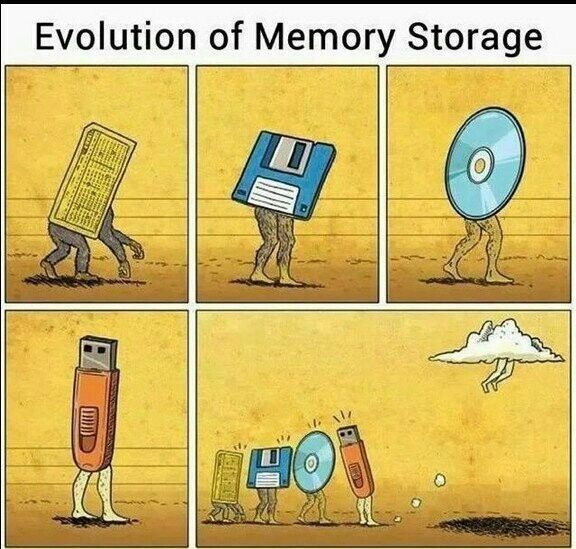
- 101Improve language translator; requires that the components of the software all be defined before compilation can begin; code is more efficientCompiler

- 102Characterized by the creation of windowed operating systems, easier real-world object modeling in programming code, and the application of inheritance in program code.Object Oriented Programming
- 103A computer being accessed over the networkRemote Computer
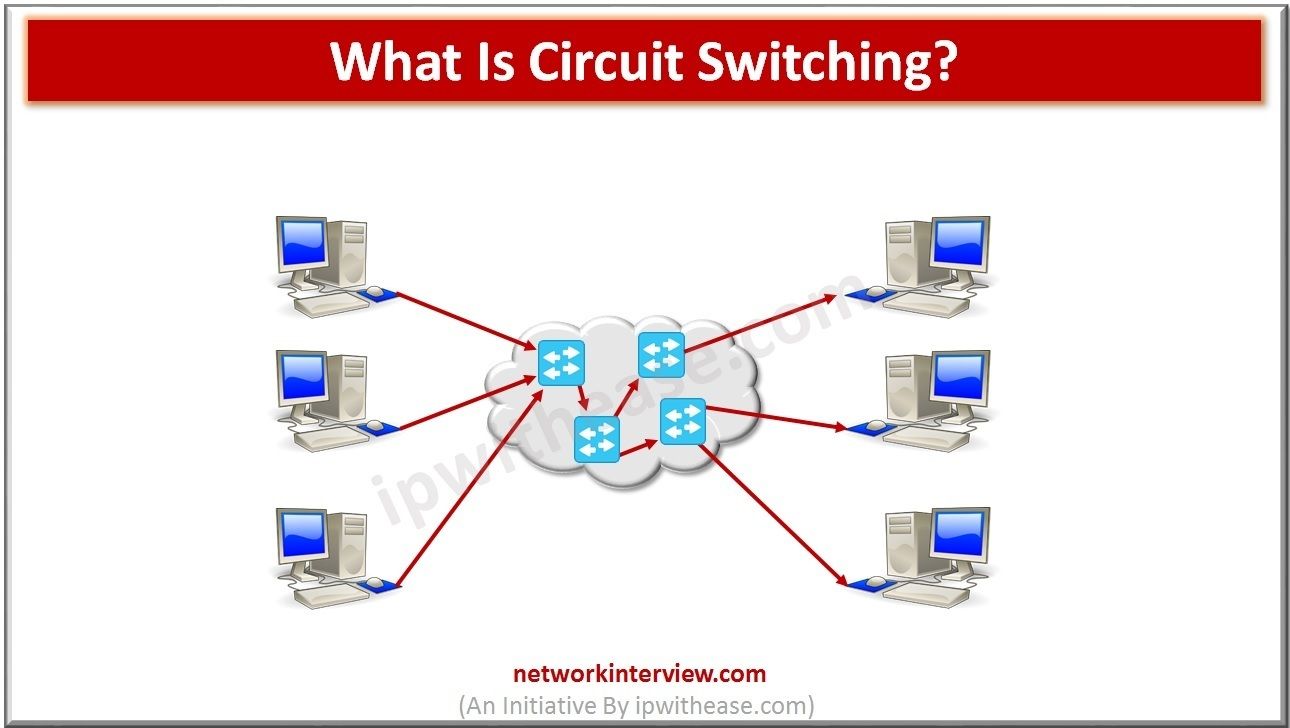
- 104Requires that a full pathway, or circuit, be established before transmission can begin and maintained during the entire transmission; like calling someone on the phoneCircuit Switched Network
- 105A message's pathway is only established as it is sent; the choice of pathway is based on availability and amount of message trafficPacket Switched Network
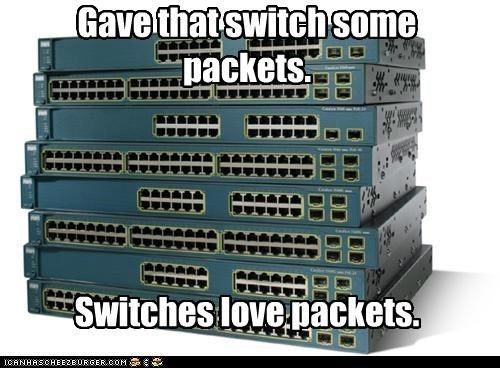
- 106Creates and maintains client network connections to remote serversWorkstations
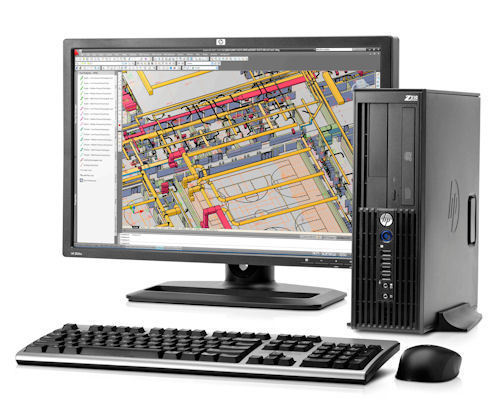
- 107A software emulator program that permits a computer user to use multiple computers and multiple platforms without the expense of purchasing multiple computers; allows a user to run software for different OS platform in their computer that would not otherwise be able to run that software; this allows multiple users on a network to access the software to support collaboration.Virtual Machine (VM)

- 108Computers that have greater hard disk storage, faster response time and are used to respond to request from other computers on the networkServer
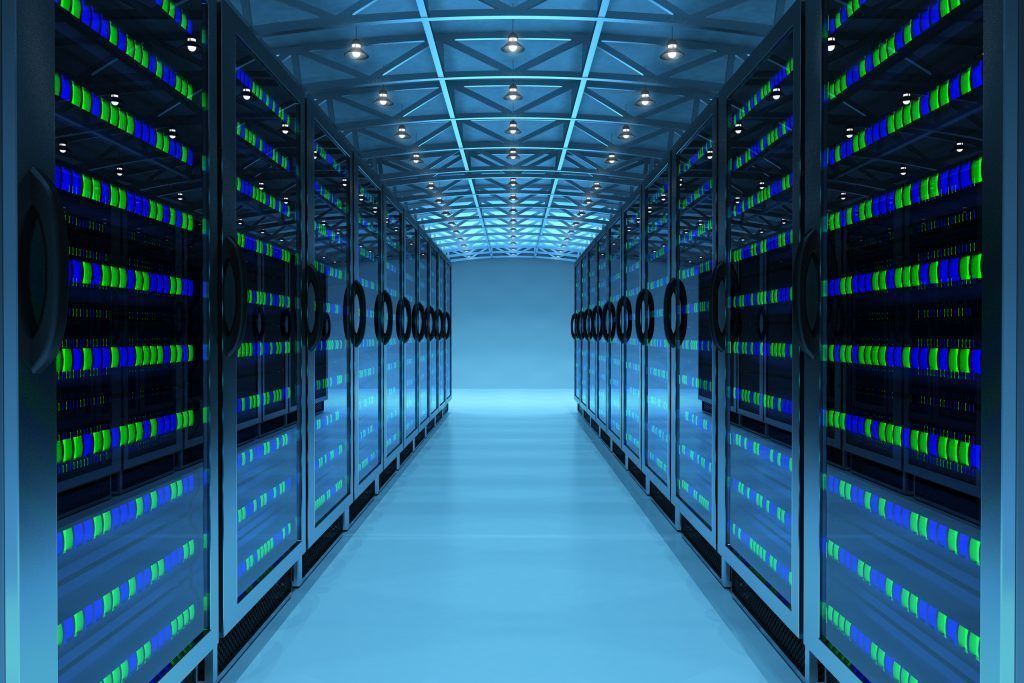
- 109Responds to queries by pulling from the database. Typically only to local clients.Database Server
- 110Two email servers communicate with each otherMail Server
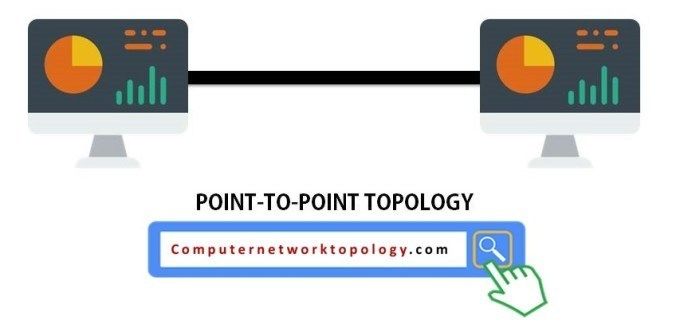
- 111Link between two resources; links two routers without any host or network in betweenPoint-to-Point Network
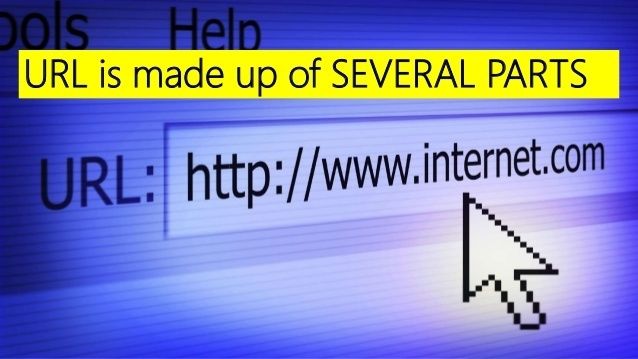
- 112Protocol, Domain name, Resource/FilenameParts of URL (Uniform Resource Locator)
- 113Requires that data is correctIntegrity
- 114Requires that information is available when neededAvailability
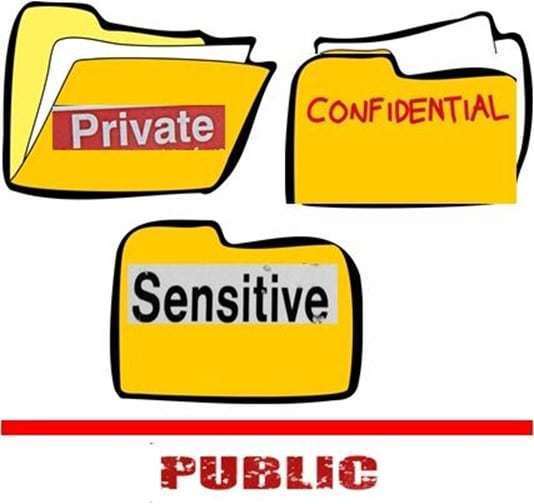
- 115Public - available through public sources; includes names and addresses Sensitive - not considered a threat to a person's privacy if others learn of it; include email addresses Private - information that could be a threat if disclosed to others; includes social security and credit card numbers Confidential - information that an organization will keep secret; includes patentable information and business plansInformation Security Classifications
- 116Emails to people to redirect them to a website to perform some operation but the website is a fake and just takes the informationPhishing

- 117Allows you to obtain anything being sent over a network if the data being transmitted isn't encryptedPacket Sniffing
- 118Self contained programs that do not need other programs to propagate across computers and computer networksWorm

- 119Idea of obfuscating the information that resides on a computer or sent over a network so that if it is intercepted the hacker will be unable to use the informationEncryption
Information
- Description
- WGU Visual FlashCards For C182 OBjective Proctored Exam
- Created by
- Frenk Watutzii
- Views
- 7,036
- Tags
- Rating