
GoConqr has a new look! Let us know what you think.

Flashcards

Common Carlsbad NM Plants

forrest miceli English 66 cards

Common Carlsbad NM Plants

Cards in this deck (66)

  1. 1FORBSA herbaceous flowering plant other than a grass
  2. 2—Asteraceae
    Acourtia nana
    ACNA2
    Dwarf Desert-Peony
    Asteraceae Acourtia nana ACNA2 Dwarf Desert-Peony
  3. 3—Asteraceae
    Grindelia havardii
    GRHA2
    Havard’s gumweed
    Key features: leaves sessile along stem
    Asteraceae Grindelia havardii GRHA2 Havard’s gumweed Key features: leaves sessile along stem
  4. 4—Asteraceae
    Gutierrezia microcephala
    GUMI
    Small-head snakeweed
    Key features: 1-3 ray flowers (only
    way to tell apart from GUSA2)
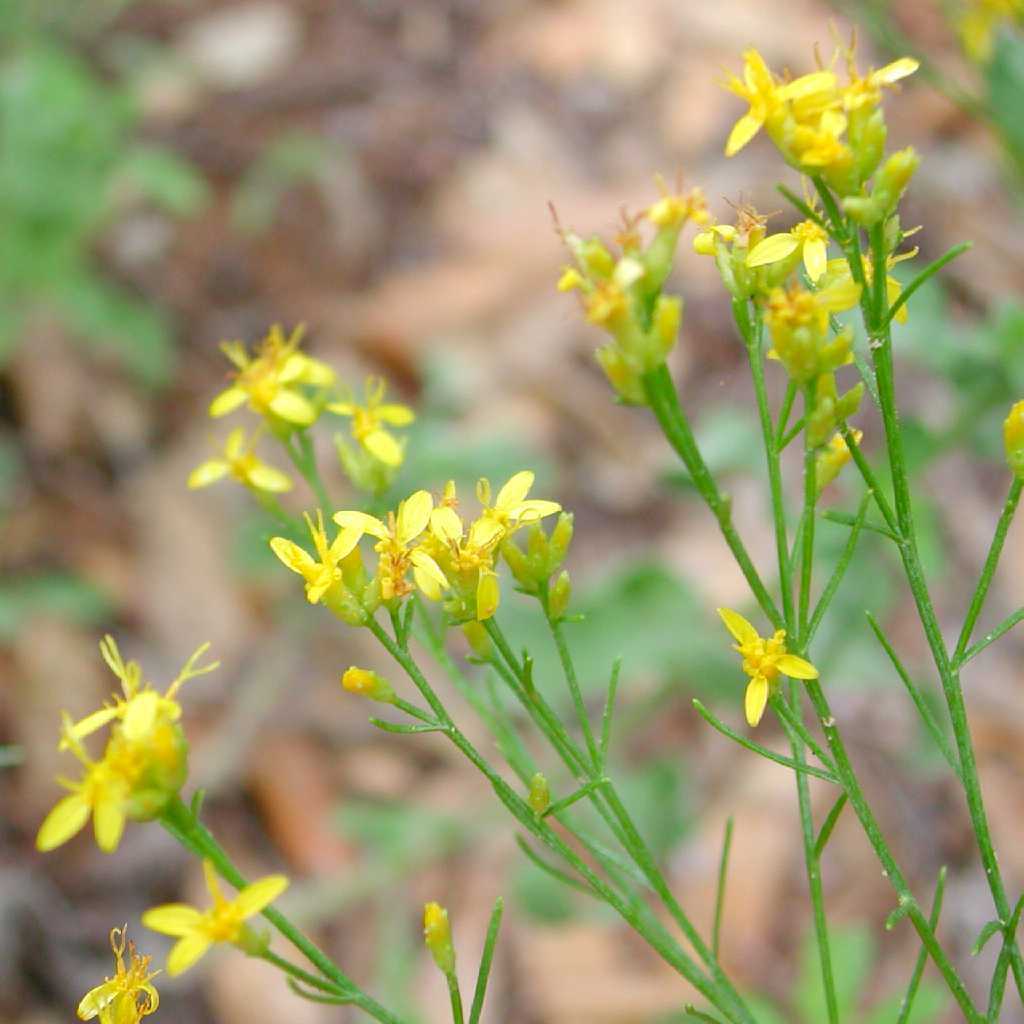
    Asteraceae Gutierrezia microcephala GUMI Small-head snakeweed Key features: 1-3 ray flowers (only way to tell apart from GUSA2)
  5. 5—Asteraceae
    Gutierrezia saraothrae
    GUSA2
    Broom snakeweed
    Key features: greater than 3 ray
    flowers (only way to tell apart from
    GUMI)
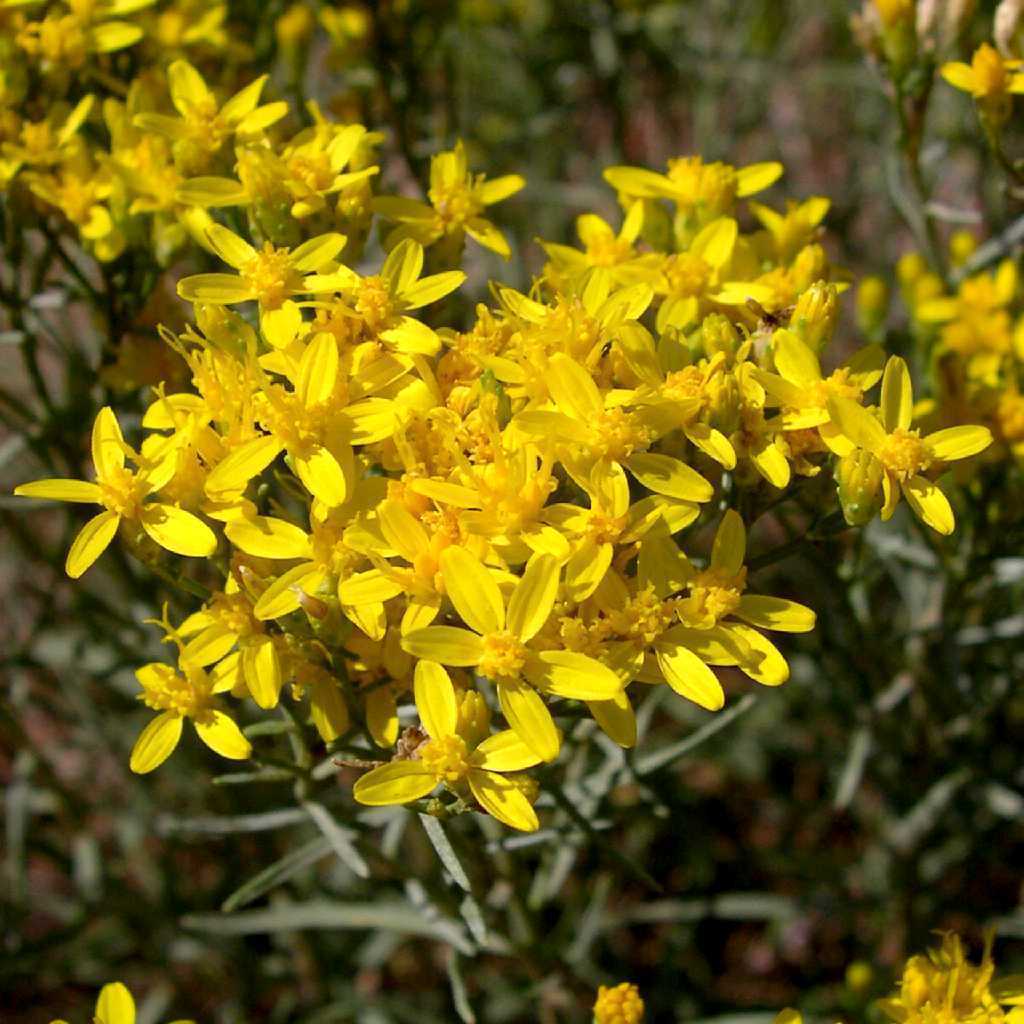
    Asteraceae Gutierrezia saraothrae GUSA2 Broom snakeweed Key features: greater than 3 ray flowers (only way to tell apart from GUMI)
  6. 6—Asteraceae
    Gutierrezia sphaerocephala
    GUSP
    Round-leaf snakeweed
    Key features: rooted by single stem,
    greater than 4 ray flowers
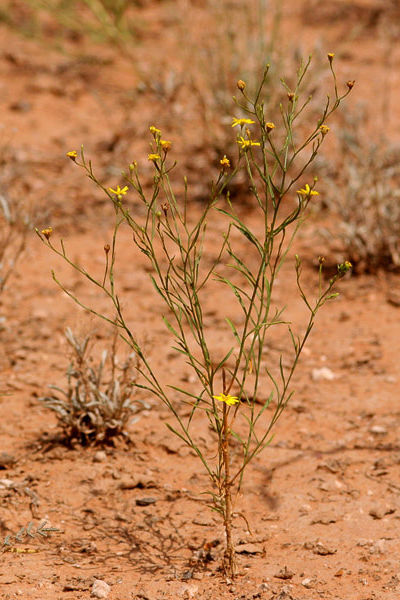
    Asteraceae Gutierrezia sphaerocephala GUSP Round-leaf snakeweed Key features: rooted by single stem, greater than 4 ray flowers
  7. 7—Asteraceae
    Heterotheca subaxillaris
    HESU3
    Camphorweed
    Key features: sessile leaves
    subtending branching stems, leaves
    sticky/gummy to the touch
    Asteraceae Heterotheca subaxillaris HESU3 Camphorweed Key features: sessile leaves subtending branching stems, leaves sticky/gummy to the...
  8. 8—Asteraceae
    Machaeranthera tanacetifolia
    MATA2
    Takhoka daisy
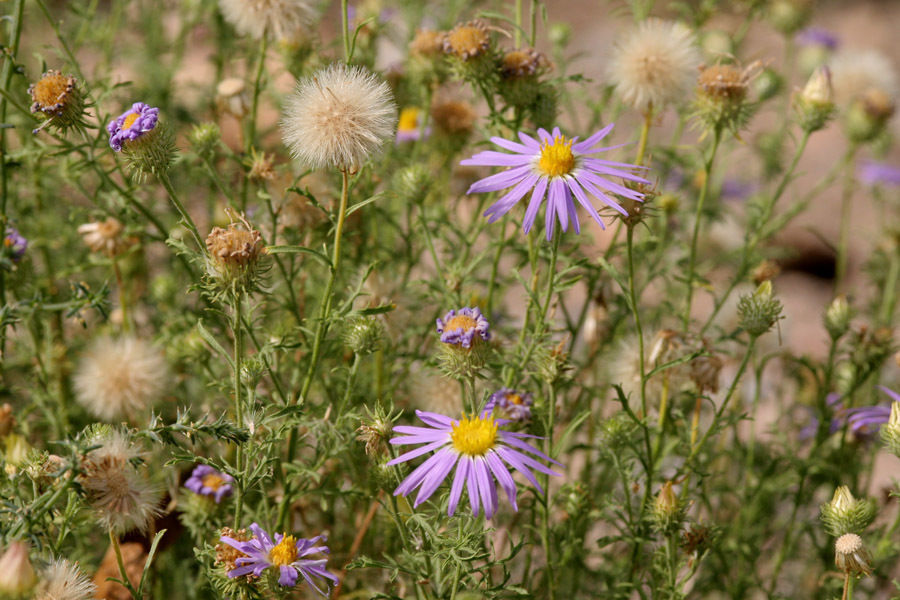
    Asteraceae Machaeranthera tanacetifolia MATA2 Takhoka daisy
  9. 9—Asteraceae
    Melampodium leucanthum
    MELE2
    Blackfoot daisy
    Asteraceae Melampodium leucanthum MELE2 Blackfoot daisy
  10. 10—Asteraceae
    Senecio flaccidus
    SEFL3
    Thread-leaf ragwort
    Key features: glaucous leaves
    Asteraceae Senecio flaccidus SEFL3 Thread-leaf ragwort Key features: glaucous leaves
  11. 11—Asteraceae
    Thymophylla acerosa
    THAC
    Prickly leaf dogweed
    Key features: orange glands on phyllaries and leaves, peduncle < 1cm long
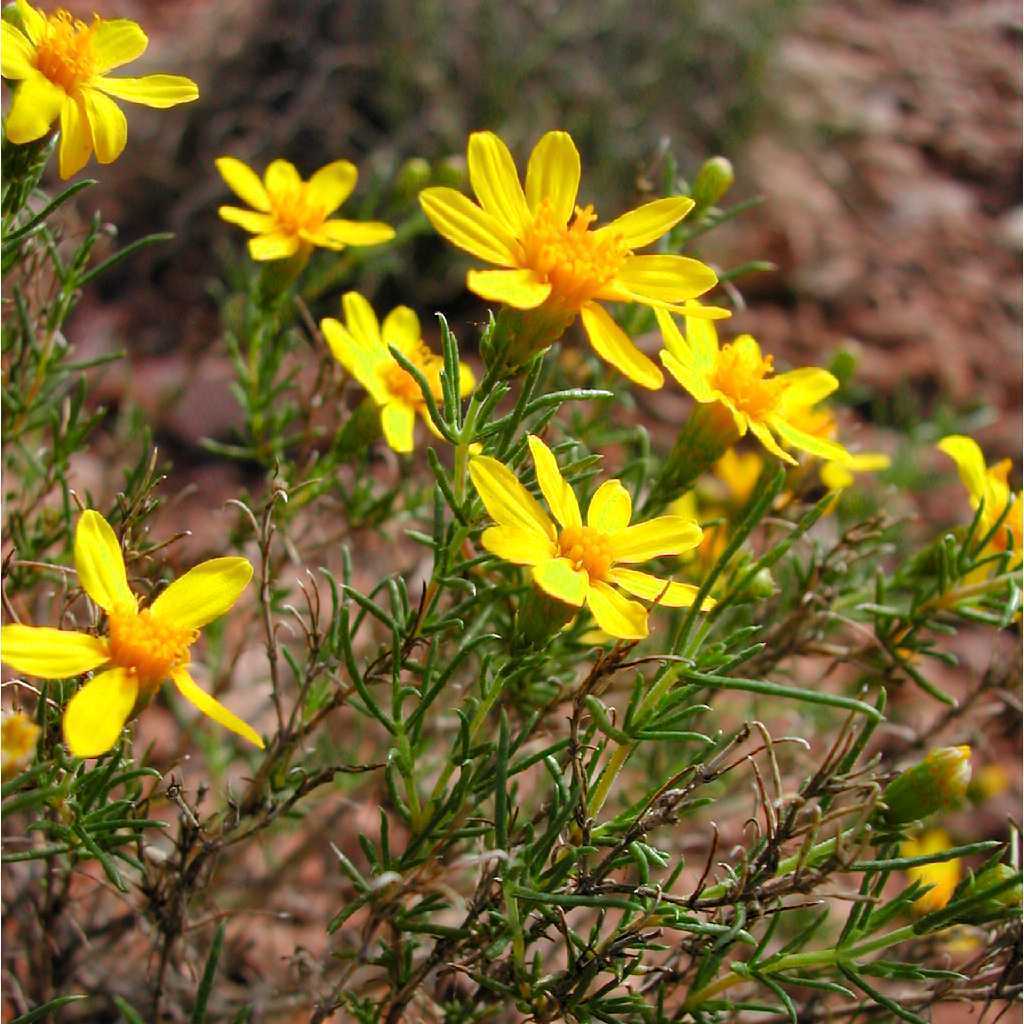
    Asteraceae Thymophylla acerosa THAC Prickly leaf dogweed Key features: orange glands on phyllaries and leaves, peduncle &lt; 1cm long
  12. 12—Asteraceae
    Thymophylla pentachaeta
    THPE4
    Five-needle pricklyleaf
    Key features: peduncle > 2cm long,
    leaves 5-7 tipped
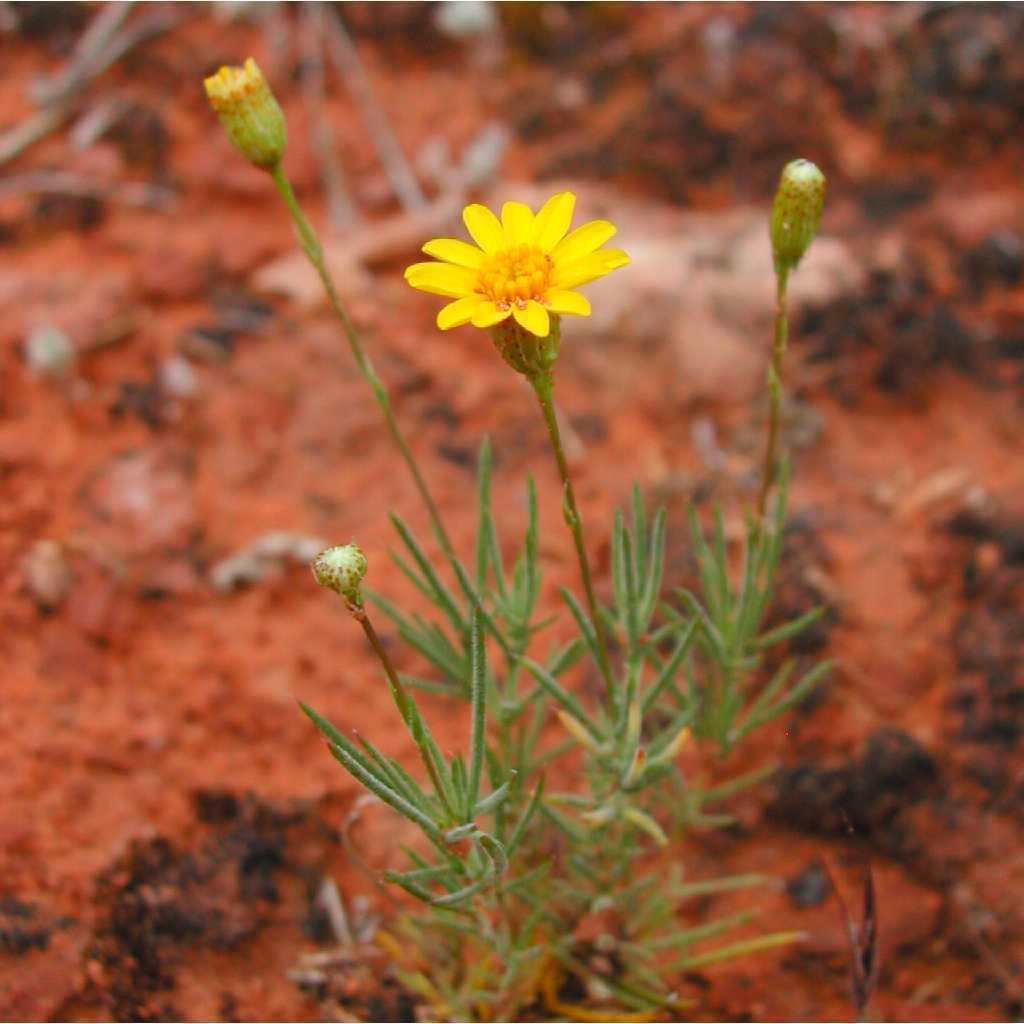
    Asteraceae Thymophylla pentachaeta THPE4 Five-needle pricklyleaf Key features: peduncle &gt; 2cm long, leaves 5-7 tipped
  13. 13—Asteraceae
    Parthenium incanum
    PAIN2
    Mariola
    Key Features: could be confused with
    PACO11, except PAIN2 is the only woody
    mariola we have around here
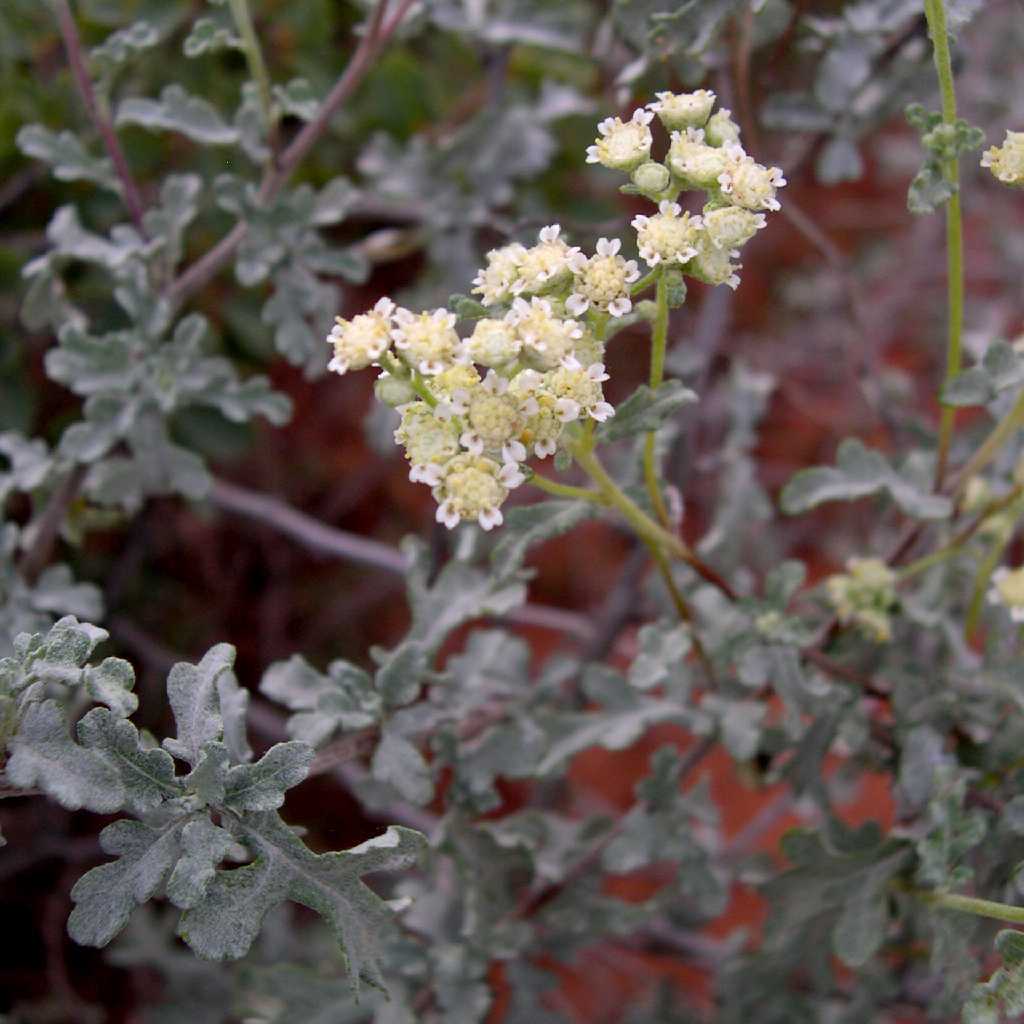
    Asteraceae Parthenium incanum PAIN2 Mariola Key Features: could be confused with PACO11, except PAIN2 is the only woody mariola we have a...
  14. 14—Asteraceae
    Physaria fendleri
    PHYFEN
    Fendler’s bladderpod
    Key features:
    leaves with stellate hairs
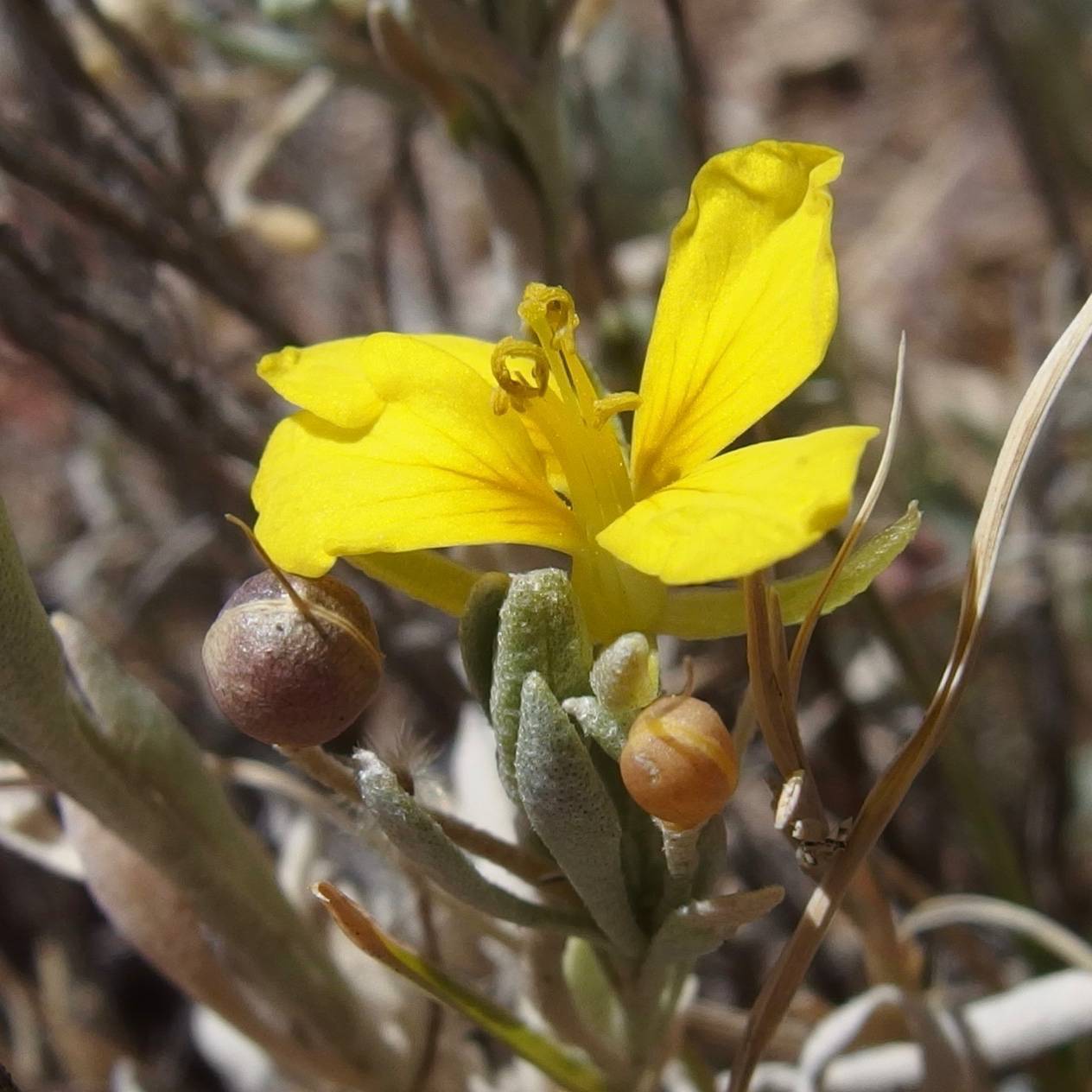
    Asteraceae Physaria fendleri PHYFEN Fendler’s bladderpod Key features: leaves with stellate hairs
  15. 15—Asteraceae
    Solanum elaeagnifolium
    SOEL
    Silverleaf nightshade
    Key features: often armed with red
    spines (on leaves, stems, midveins),
    conspicuous orange drupe fruits
    Asteraceae Solanum elaeagnifolium SOEL Silverleaf nightshade Key features: often armed with red spines (on leaves, stems, midveins), cons...
  16. 16—Asteraceae
    Verbesina encelioides
    VEEN
    Golden crownbeard
    Asteraceae Verbesina encelioides VEEN Golden crownbeard
  17. 17—Asteraceae
    Xanthisma spinulosum
    XASP
    Lacy tansy-aster
    Key features:
    toothed leaves are spine-tipped
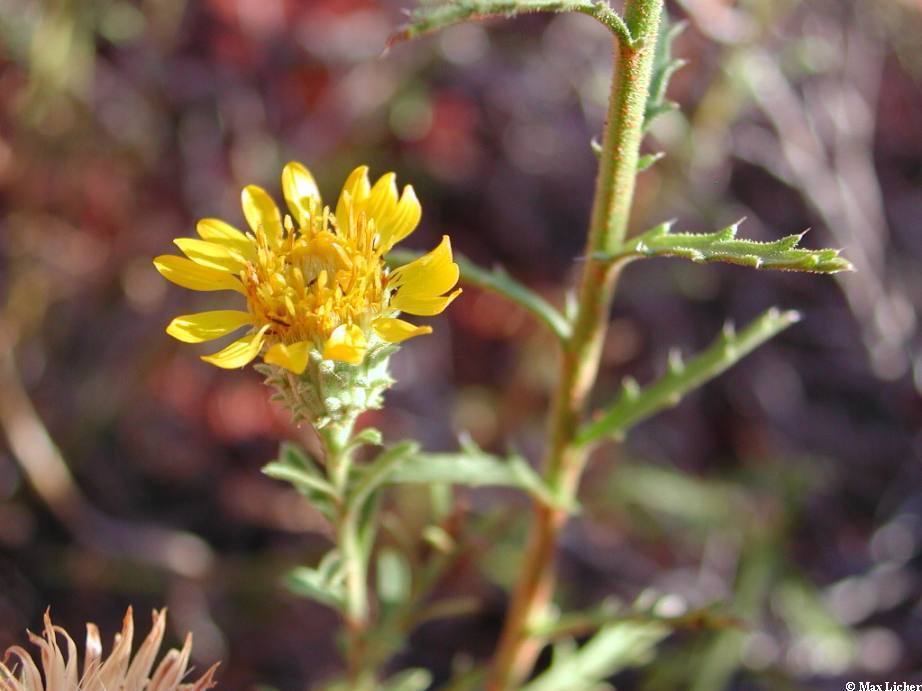
    Asteraceae Xanthisma spinulosum XASP Lacy tansy-aster Key features: toothed leaves are spine-tipped
  18. 18—Loasaceae
    Cevallia sinuata
    CESI
    Stinging serpent
    Loasaceae Cevallia sinuata CESI Stinging serpent
  19. 19—Euphorbiaceae
    Croton dioicus
    CRDI6
    Grassland croton
    Key features: mid-stem petiole length (less than 1/2 of leaf length), leaves generally narrower than CRPO5
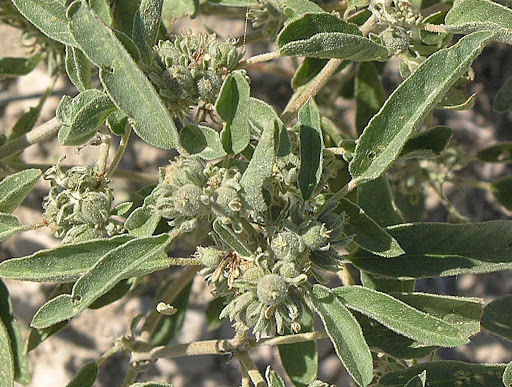
    Euphorbiaceae Croton dioicus CRDI6 Grassland croton Key features: mid-stem petiole length (less than 1/2 of leaf length), leaves generall...
  20. 20—Euphorbiaceae
    Croton pottsii
    CRPO5
    Leatherweed
    Key features: mid-stem petiole length
    (greater than 1/2 leaf length), leaves
    generally wider than CRDI6
    Euphorbiaceae Croton pottsii CRPO5 Leatherweed Key features: mid-stem petiole length (greater than 1/2 leaf length), leaves generally wid...
  21. 21—Brassicaeae
    Dimorphocarpa wislizeni
    DIWI2
    Spectacle pod
    Key features: seed pods shaped like
    spectacles
    Brassicaeae Dimorphocarpa wislizeni DIWI2 Spectacle pod Key features: seed pods shaped like spectacles
  22. 22—Polygonaceae
    Eriogonum annuum
    ERAN4
    Annual buckwheat
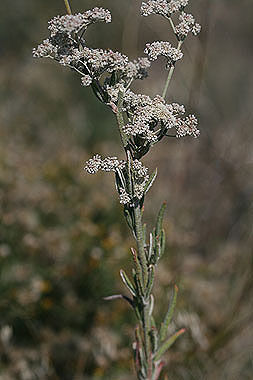
    Polygonaceae Eriogonum annuum ERAN4 Annual buckwheat
  23. 23—Verbenaceae
    Glandularia bipinnatifida or wrightii
    GLWR / GLBI
    Mock vervain
    Key Features: flowers can be various
    shades of pink and purple, leaves more
    deeply lobed than true Verbenas
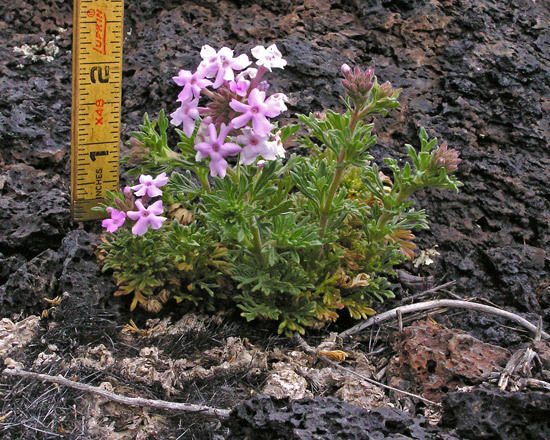
    Verbenaceae Glandularia bipinnatifida or wrightii GLWR / GLBI Mock vervain Key Features: flowers can be various shades of pink and purple...
  24. 24—Brassicaceae
    Lepidium alyssoides
    LEAL4
    Mesa pepperwort
    Key features: flattened circular seed
    pods, lower leaves pinnatifid with
    upper typically entire
    Brassicaceae Lepidium alyssoides LEAL4 Mesa pepperwort Key features: flattened circular seed pods, lower leaves pinnatifid with upper typ...
  25. 25—Carophyllaceae
    Paronychia jamesii
    PAJA5
    James’ nailwort
    Key features: conspicuous long
    stipules, often translucent
    Carophyllaceae Paronychia jamesii PAJA5 James’ nailwort Key features: conspicuous long stipules, often translucent
  26. 26—Boraginaceae
    Phacelia integrifolia
    PHIN
    Gypsum phacelia
    Boraginaceae Phacelia integrifolia PHIN Gypsum phacelia
  27. 27—Fabaceae
    Senna bauhinioides
    SEBA3
    Twinleaf senna
    Key features: leaflets in pairs
    Fabaceae Senna bauhinioides SEBA3 Twinleaf senna Key features: leaflets in pairs
  28. 28—Boraginaceae
    Tiquilia hispidissima
    TIHI
    Hairy crinklemat
    Key Features: typically found low-growing in gypsum soils
    Boraginaceae Tiquilia hispidissima TIHI Hairy crinklemat Key Features: typically found low-growing in gypsum soils
  29. 29—Boraginaceae
    Tiquilia canescens
    TICA3
    Woody crinklemat
    Key Features: typically found on
    limestone/rocky soils
    Boraginaceae Tiquilia canescens TICA3 Woody crinklemat Key Features: typically found on limestone/rocky soils
  30. 30—Verbenaceae
    Verbena perennis
    VEPE
    Pin-leaf vervain
    Key features: typically found in
    foothills on limestone
    Verbenaceae Verbena perennis VEPE Pin-leaf vervain Key features: typically found in foothills on limestone
  31. 31—Verbenaceae
    Verbena plicata
    VEPL
    Fan-leaf vervain
    Key features: often found on reclamations,
    yellow when dried, look for stems with
    persistent sepals tapering in size
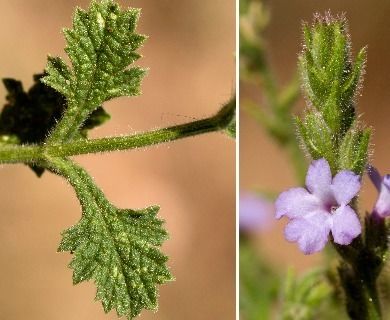
    Verbenaceae Verbena plicata VEPL Fan-leaf vervain Key features: often found on reclamations, yellow when dried, look for stems with persi...
  32. 32SHRUBSA woody plant smaller than a tree, usually having multiple permanent stems branching from or near the ground
  33. 33—Asteraceae
    Baccharis pteronioides
    BAPT
    Yerba de pasmo
    Key features: Flowering vegetation is radial with a pale yellow hue. Leaves have spiked tips
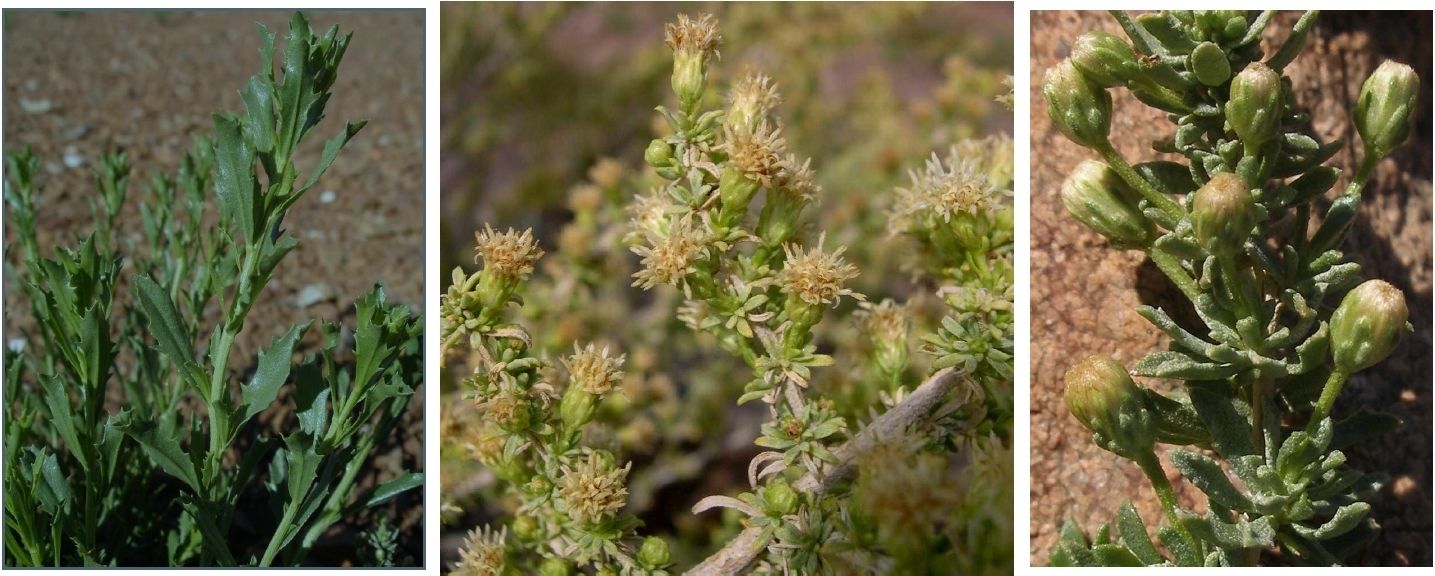
    Asteraceae Baccharis pteronioides BAPT Yerba de pasmo Key features: Flowering vegetation is radial with a pale yellow hue. Leaves have sp...
  34. 34—Brickellia laciniata
    BRLA
    Split-leaf brickellbush
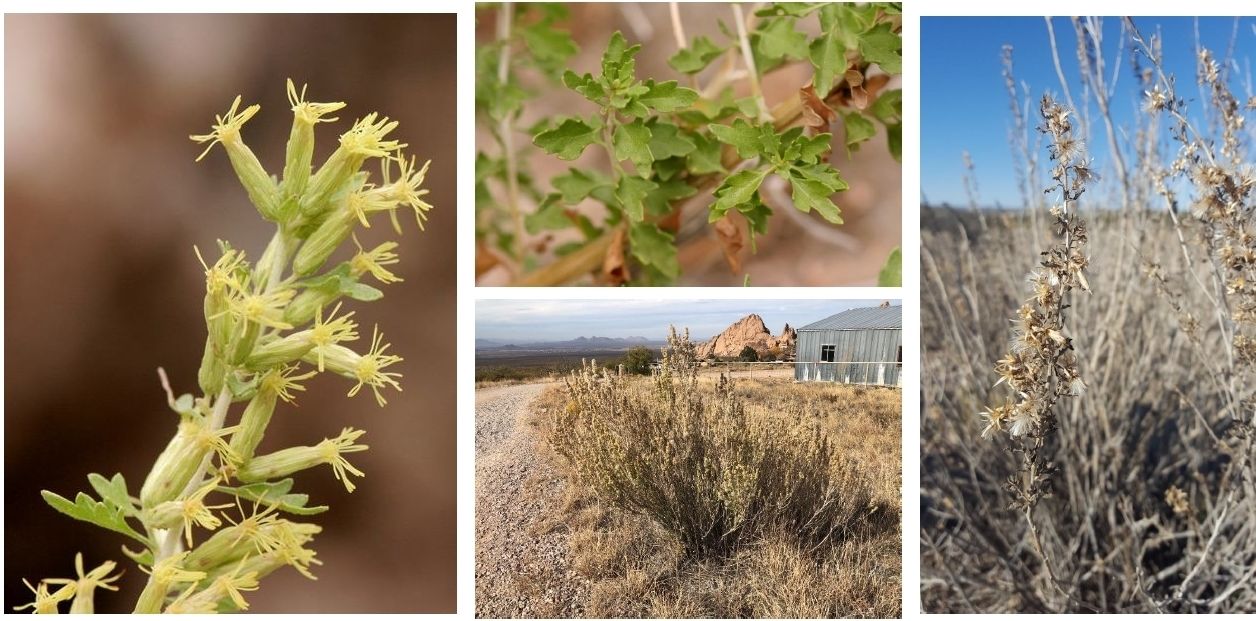
    Brickellia laciniata BRLA Split-leaf brickellbush
  35. 35—Fabaceae
    Dalea Formosa
    DAFO
    Featherplume
    Key Features:
    calyx tube variously
    hairy and feather -like, leaves succulent-like with glands
    Fabaceae Dalea Formosa DAFO Featherplume Key Features: calyx tube variously hairy and feather -like, leaves succulent-like with glands
  36. 36—Fabaceae
    Dalea frutescens
    DAFR
    Black dalea
    Key features:
    calyx tube glabrous,
    growth form more forb-like than D. formosa
    Fabaceae Dalea frutescens DAFR Black dalea Key features: calyx tube glabrous, growth form more forb-like than D. formosa
  37. 37—Asteraceae
    Flourensia cernua
    FLCE
    Tarbush, American tarwort
    Key features: sticky leaves
    Asteraceae Flourensia cernua FLCE Tarbush, American tarwort Key features: sticky leaves
  38. 38—Zygophyllaceae
    Larrea tridentata
    LATR2
    Creosote
    Key Features:
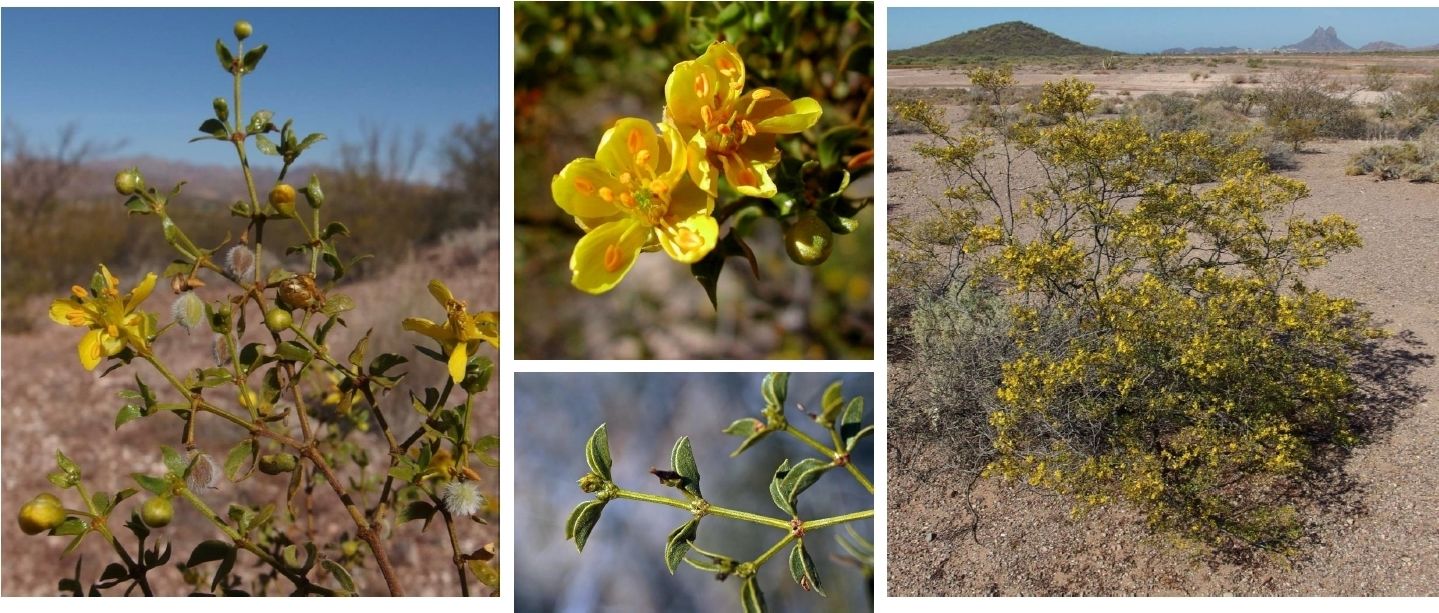
    Zygophyllaceae Larrea tridentata LATR2 Creosote Key Features:
  39. 39—Fabaceae
    Prosopis glandulosa
    PRGL2
    Honey mesquite
    Fabaceae Prosopis glandulosa PRGL2 Honey mesquite
  40. 40—Fagaceae
    Quercus havardii
    QUHA3
    Havard oak
    Key features:
    typically found low growing/clonal in sand/dunes
    Fagaceae Quercus havardii QUHA3 Havard oak Key features: typically found low growing/clonal in sand/dunes
  41. 41GRASSESCattle like it
  42. 42—Poaceae
    Aristida purpurea
    ARPU9
    Purple three awn
    Key features: awns of equal to sub
    equal length, many varieties of this
    species means increased plasticity
    Poaceae Aristida purpurea ARPU9 Purple three awn Key features: awns of equal to sub equal length, many varieties of this species means in...
  43. 43—Poaceae
    Bouteloua eriopoda
    BOER4
    Black gramma
    Key features:
    only gramma with hairy internodes
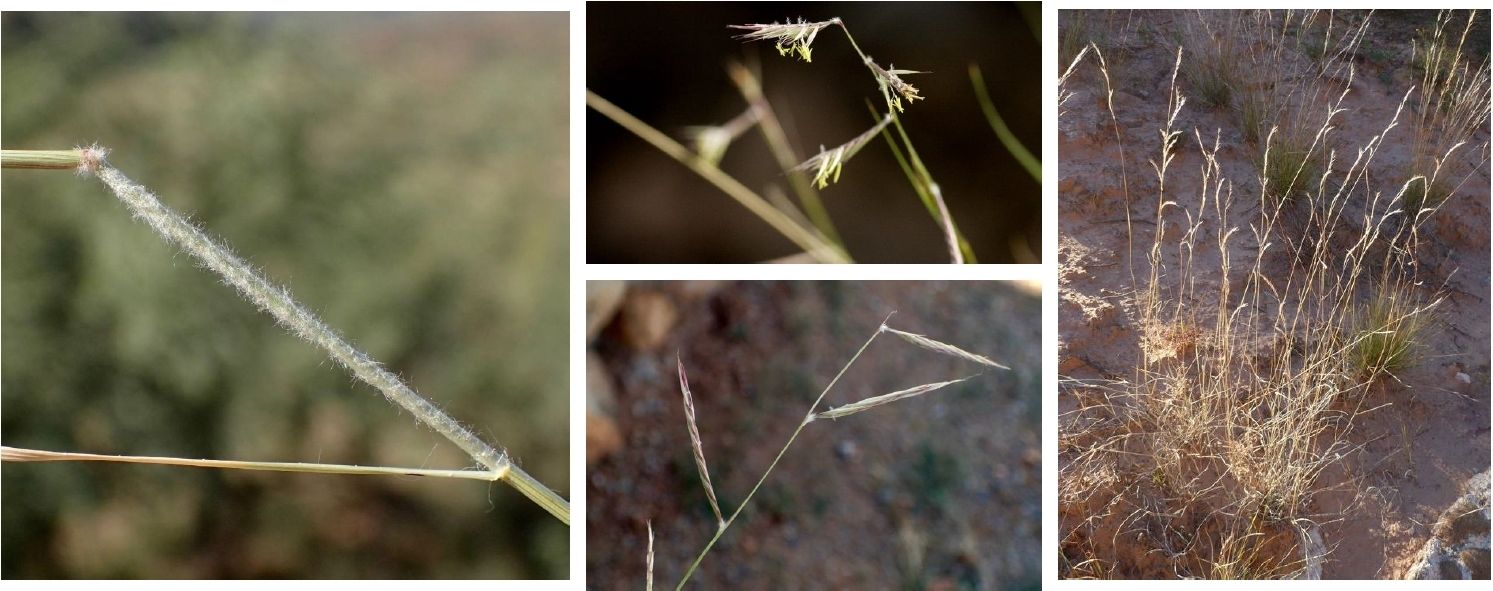
    Poaceae Bouteloua eriopoda BOER4 Black gramma Key features: only gramma with hairy internodes
  44. 44—Poaceae
    Bouteloua gracilis
    BOGR2
    Blue gramma
    Key features: 40 130 spikelets per
    branch
    Poaceae Bouteloua gracilis BOGR2 Blue gramma Key features: 40 130 spikelets per branch
  45. 45—Poaceae
    Dasyochloa pulchella
    DAPU7
    Fluff grass
    Key features: “fluffy” appearance
    Poaceae Dasyochloa pulchella DAPU7 Fluff grass Key features: “fluffy” appearance
  46. 46—Poaceae
    Eragrostis lehmanniana
    ERLE
    Lehmann lovegrass
    Key features : invasive, will find
    along roadsides and in development
    Poaceae Eragrostis lehmanniana ERLE Lehmann lovegrass Key features : invasive, will find along roadsides and in development
  47. 47—Poaceae
    Scleropogon brevifolius
    SCBR2
    Burro grass
    Key features: Dioecious (separate male
    and female plants) with female plants
    having long spreading awns, and males
    having terminal contracted panicles
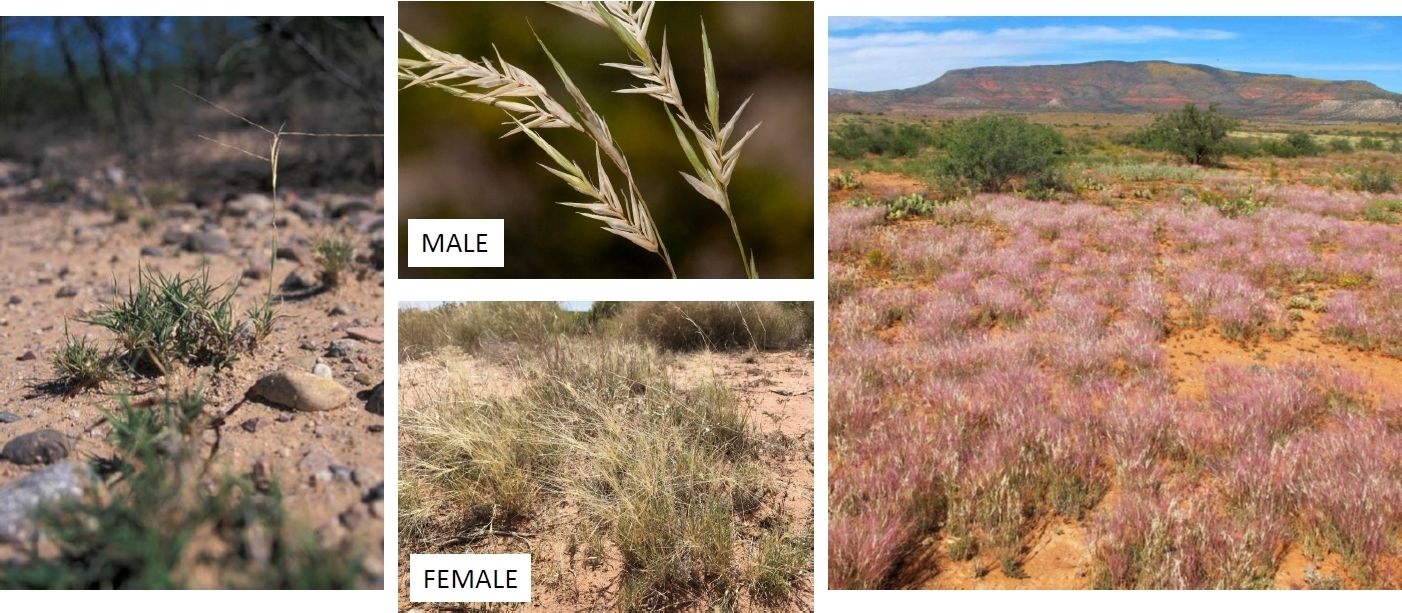
    Poaceae Scleropogon brevifolius SCBR2 Burro grass Key features: Dioecious (separate male and female plants) with female plants having lon...
  48. 48—Poaceae
    Muhlenbergia porteri
    MUPO2
    Bush muhly
    Key features: often found growing
    in shrubs (but not always)
    Poaceae Muhlenbergia porteri MUPO2 Bush muhly Key features: often found growing in shrubs (but not always)
  49. 49—Poaceae
    Pleuraphis mutica
    PLMU3
    Tobosagrass
    Key features: White/translucent
    margins on leaves, papery bracts,
    curly/tangled appearance, sandpaper leaves, fuzzy joints
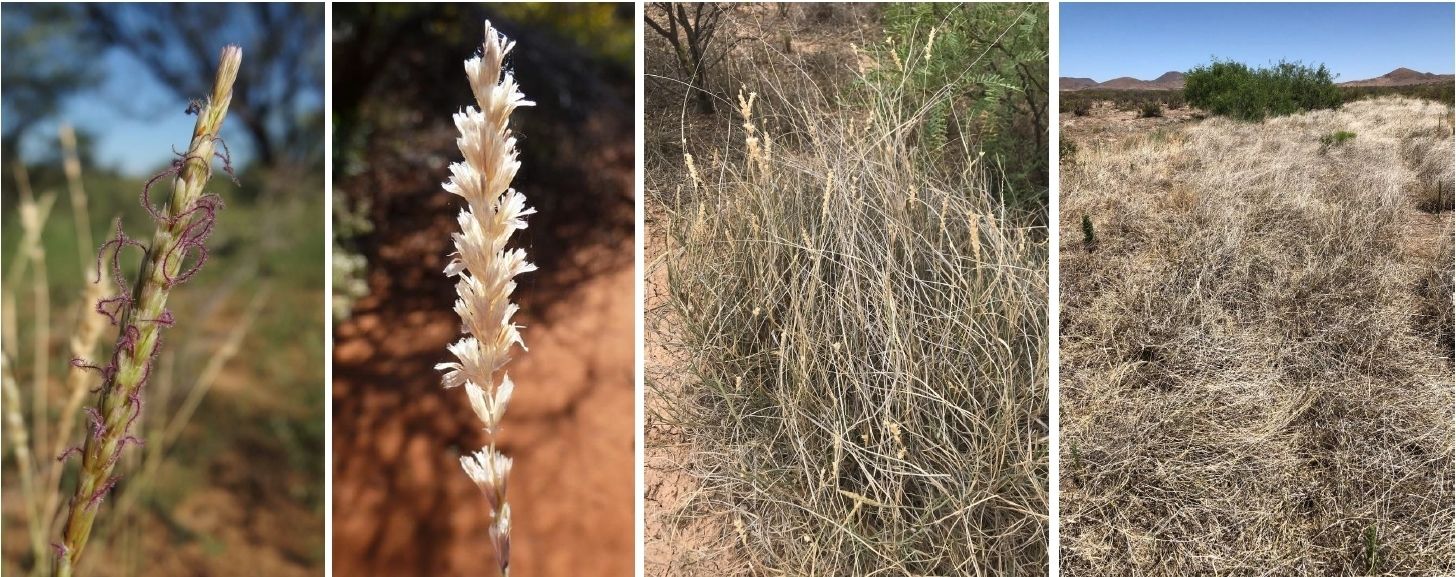
    Poaceae Pleuraphis mutica PLMU3 Tobosagrass Key features: White/translucent margins on leaves, papery bracts, curly/tangled appearance, s...
  50. 50—Poaceae
    Setaria leucopila
    SELE6
    Plains bristlegrass
    Key features: persistent bristles
    subtending hardened spikelets , looks
    like corn on the cob with shrunken
    kernels
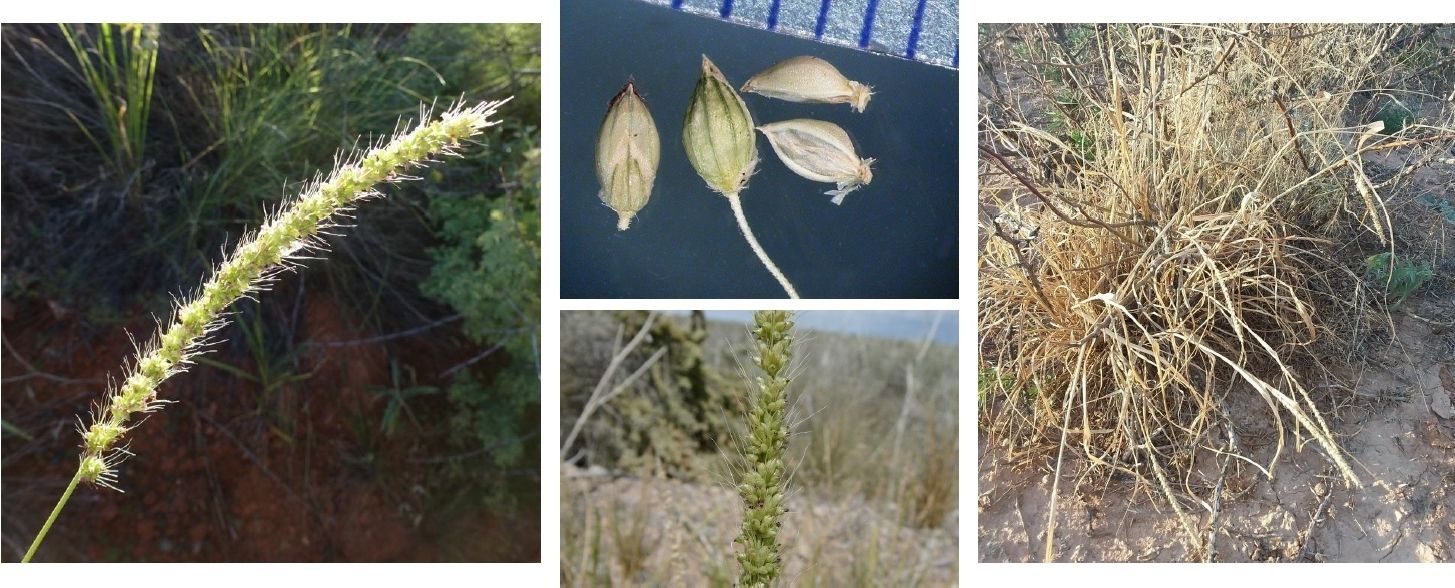
    Poaceae Setaria leucopila SELE6 Plains bristlegrass Key features: persistent bristles subtending hardened spikelets , looks like corn on ...
  51. 51Cacti and SucculentsThey don't need tons of water, but might poke ya.
  52. 52—Asparagaceae
    Agave lechuguilla
    AGLE
    Lechuguilla
    Key features: unique to Chihuahuan
    Desert
    Asparagaceae Agave lechuguilla AGLE Lechuguilla Key features: unique to Chihuahuan Desert
  53. 53—Asparagaceae
    Agave parryi
    AGPA5
    Parry’s agave
    Key features : blue ish glaucous
    color, spreading branches of flower
    stalk
    Asparagaceae Agave parryi AGPA5 Parry’s agave Key features : blue ish glaucous color, spreading branches of flower stalk
  54. 54—Cactaceae
    Cylindropuntia imbricata
    CYIM2
    Tree cholla
    Key features:
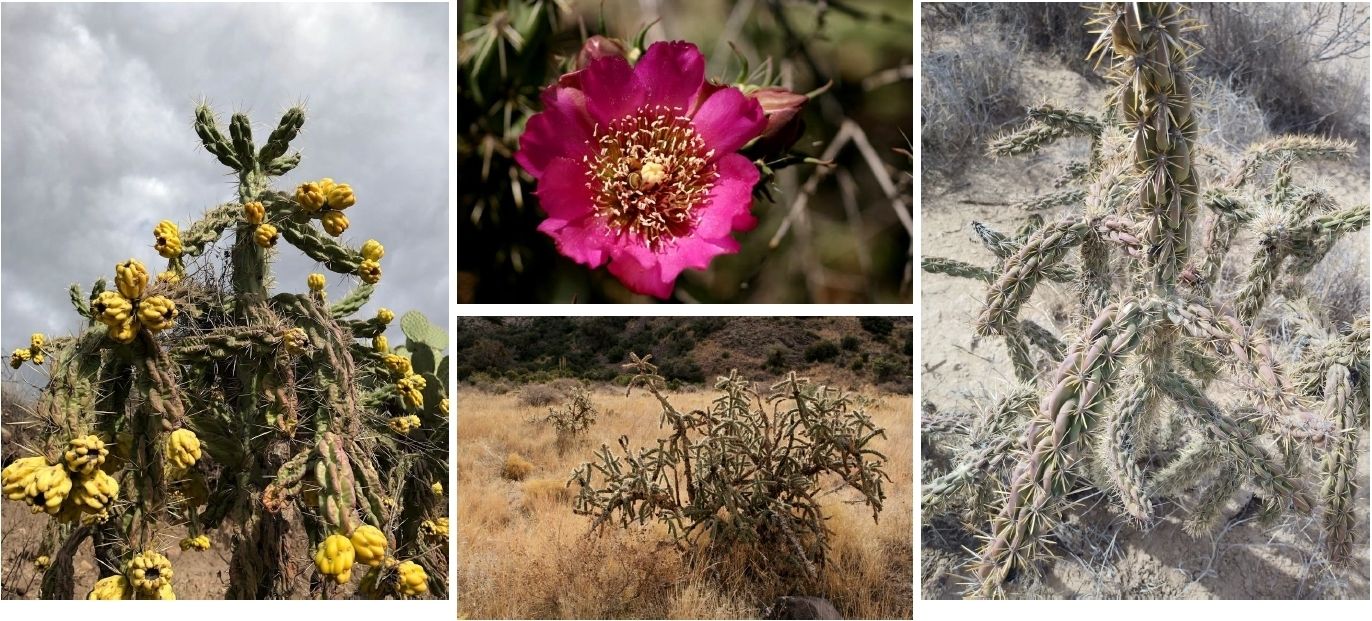
    Cactaceae Cylindropuntia imbricata CYIM2 Tree cholla Key features:
  55. 55—Cactaceae
    Cylindropuntia leptocaulis
    CYLE8
    Christmas or pencil cholla
    Key features : stems and branches
    pencil thin, red fleshy fruits
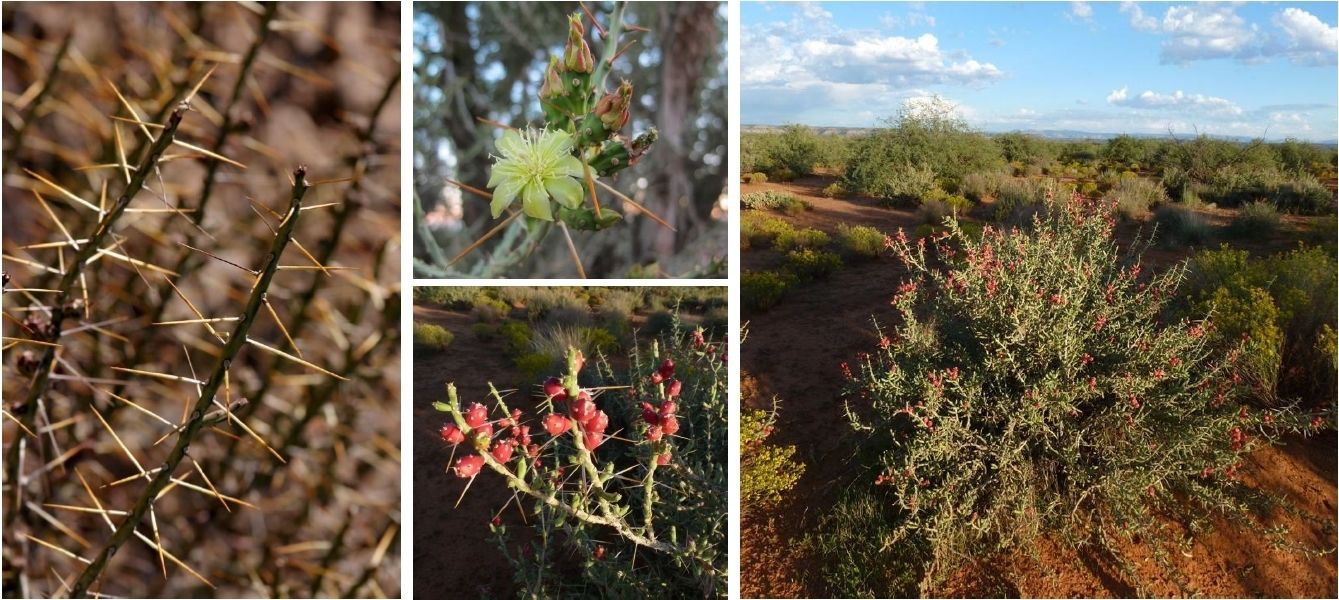
    Cactaceae Cylindropuntia leptocaulis CYLE8 Christmas or pencil cholla Key features : stems and branches pencil thin, red fleshy fruits
  56. 56—Asparagaceae
    Dasylirion leiophyllum
    DALE2
    Green sotol
    Key features:
    curved spines point toward leaf base (retrorse)
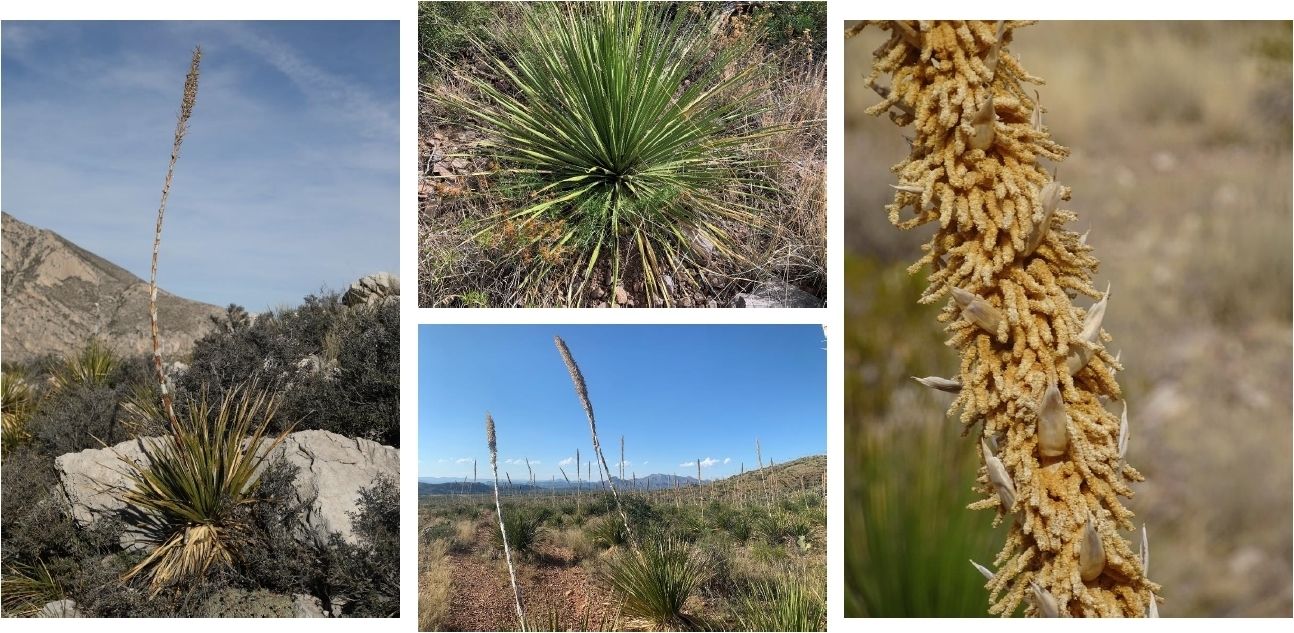
    Asparagaceae Dasylirion leiophyllum DALE2 Green sotol Key features: curved spines point toward leaf base (retrorse)
  57. 57—Asparagaceae
    Dasylirion wheeleri
    DAWH
    Common sotol
    Key features: curved spines point
    toward leaf apex
    Asparagaceae Dasylirion wheeleri DAWH Common sotol Key features: curved spines point toward leaf apex
  58. 58—Cactaceae
    Echinocereus dasyacanthus
    ECDA
    Spiny hedgehog cactus
    Key features : very common, looks similar to E. chloranthus ssp. chloranthus but does not have the elongated central spines
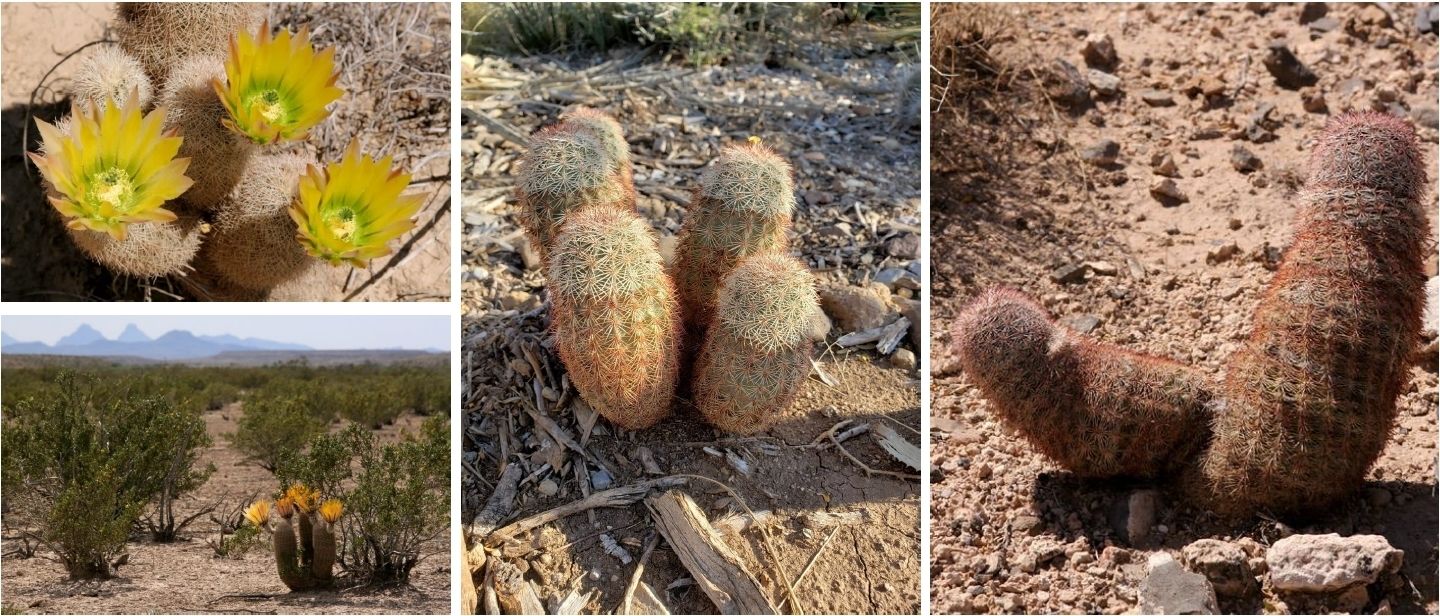
    Cactaceae Echinocereus dasyacanthus ECDA Spiny hedgehog cactus Key features : very common, looks similar to E. chloranthus ssp. chloranth...
  59. 59—Cactaceae
    Echinocactus horizonothalonius
    ECHO
    Devil’s head
    Key features: typically 8 13 ribs
    spreading radially
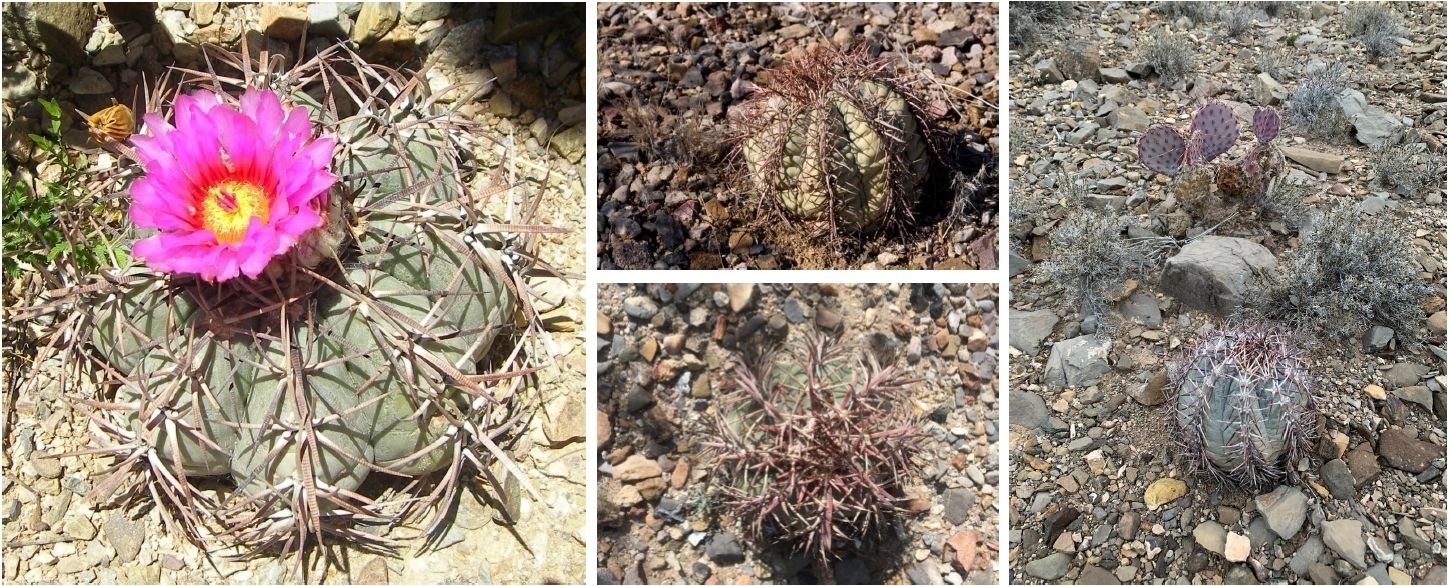
    Cactaceae Echinocactus horizonothalonius ECHO Devil’s head Key features: typically 8 13 ribs spreading radially
  60. 60—Cactaceae
    Echinocactus texensis
    ECTE
    Horse crippler
    Key features: typically at least 13
    ribs spreading radially
    Cactaceae Echinocactus texensis ECTE Horse crippler Key features: typically at least 13 ribs spreading radially
  61. 61—Fouquieriaceae
    Fouquieria splendens
    FOSP2
    Ocotillo
    Key features:
    unique to Chihuahuan Desert
    Fouquieriaceae Fouquieria splendens FOSP2 Ocotillo Key features: unique to Chihuahuan Desert
  62. 62—Cactaceae
    Opuntia engelmannii
    OPEN3
    Cactus apple
    Key features: broader pads and fewer spines than most other Opuntias in the area
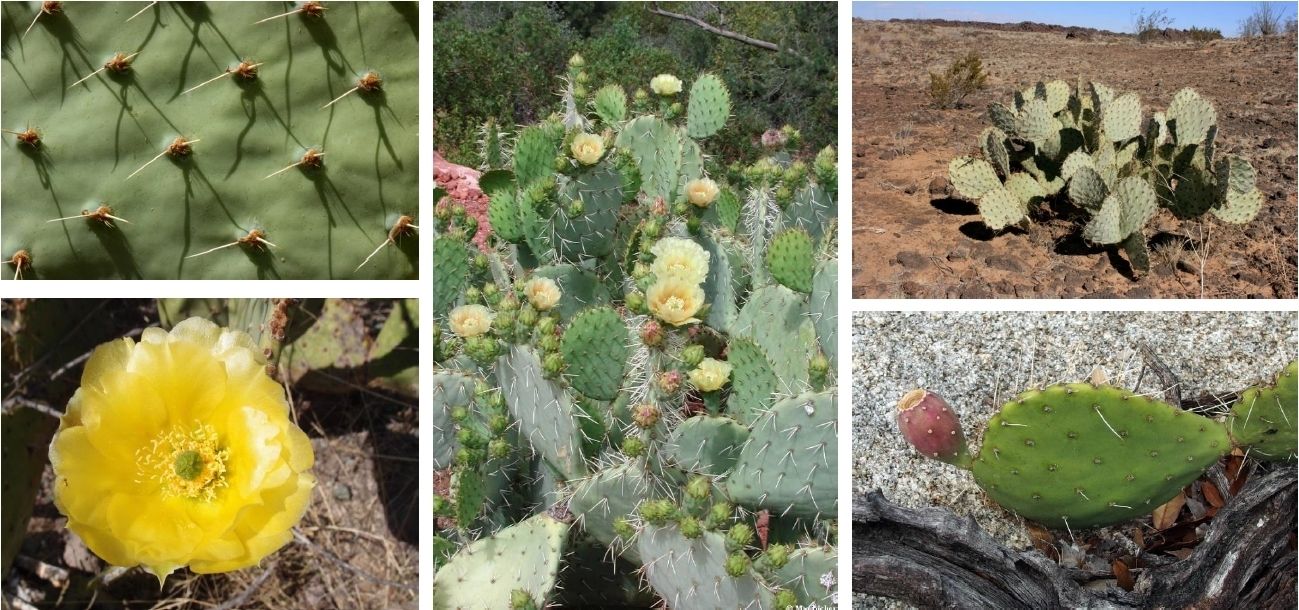
    Cactaceae Opuntia engelmannii OPEN3 Cactus apple Key features: broader pads and fewer spines than most other Opuntias in the area
  63. 63—Cactaceae
    Opuntia macrocentra
    OPMA8
    Purple pricklypear
    Key features: often purple under
    stress, especially around areoles
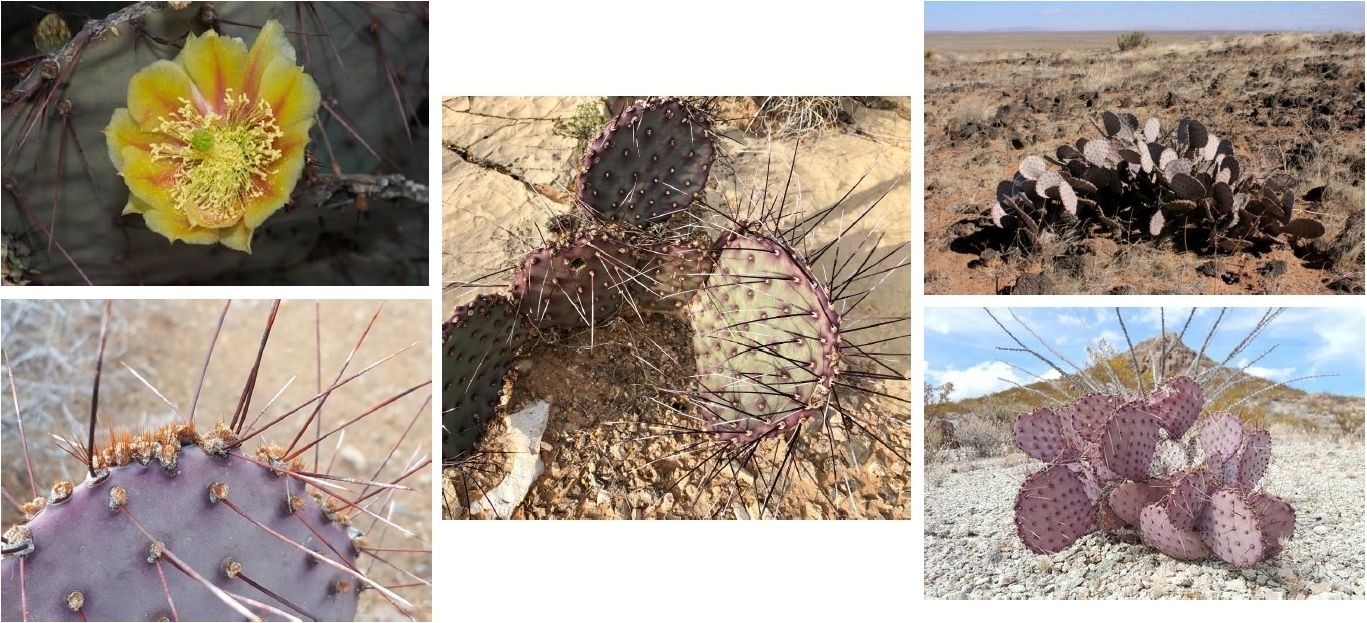
    Cactaceae Opuntia macrocentra OPMA8 Purple pricklypear Key features: often purple under stress, especially around areoles
  64. 64—Cactaceae
    Opuntia polycantha
    OPPO
    Plains pricklypear
    Key features:
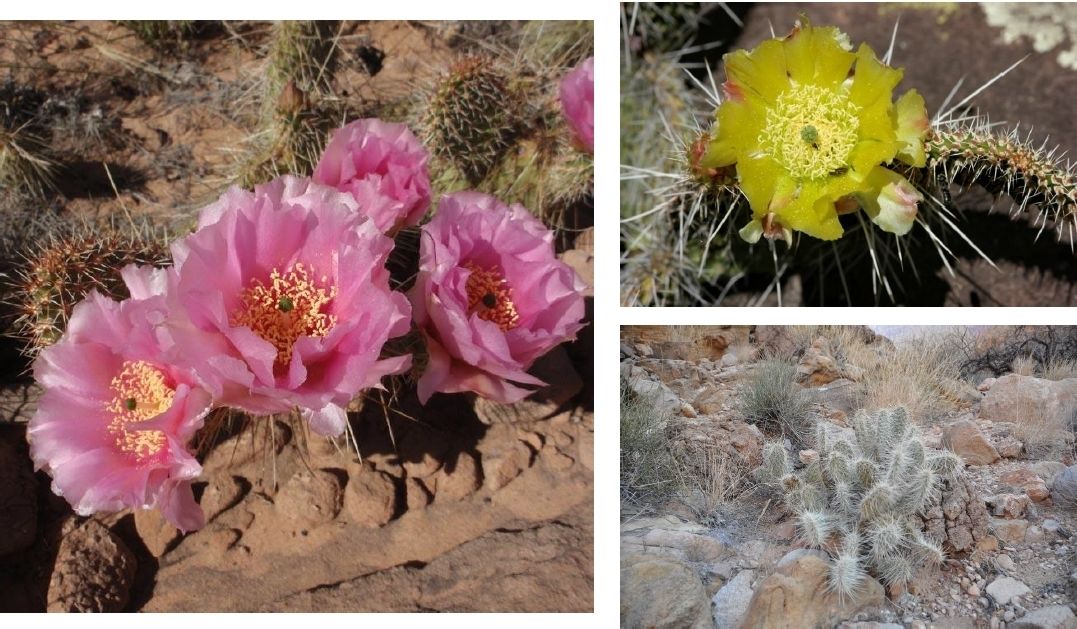
    Cactaceae Opuntia polycantha OPPO Plains pricklypear Key features:
  65. 65—Asparagaceae
    Yucca campestris
    YUCA
    Plains yucca
    Key features: similar to YUELE, but has little to no trunk and is generally smaller overall
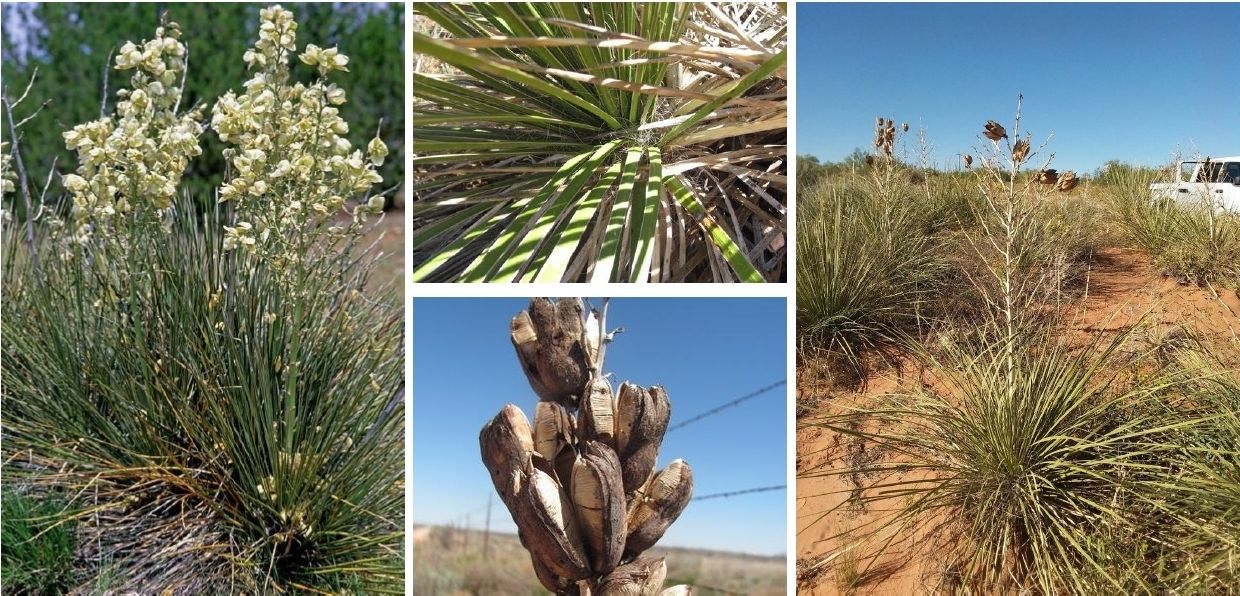
    Asparagaceae Yucca campestris YUCA Plains yucca Key features: similar to YUELE, but has little to no trunk and is generally smaller overall
  66. 66—Asparagaceae
    Yucca elata
    YUELE
    Soaptree yucca
    Key features:
    often grows on a trunk over 1m tall,
    larger in stature than YUCA
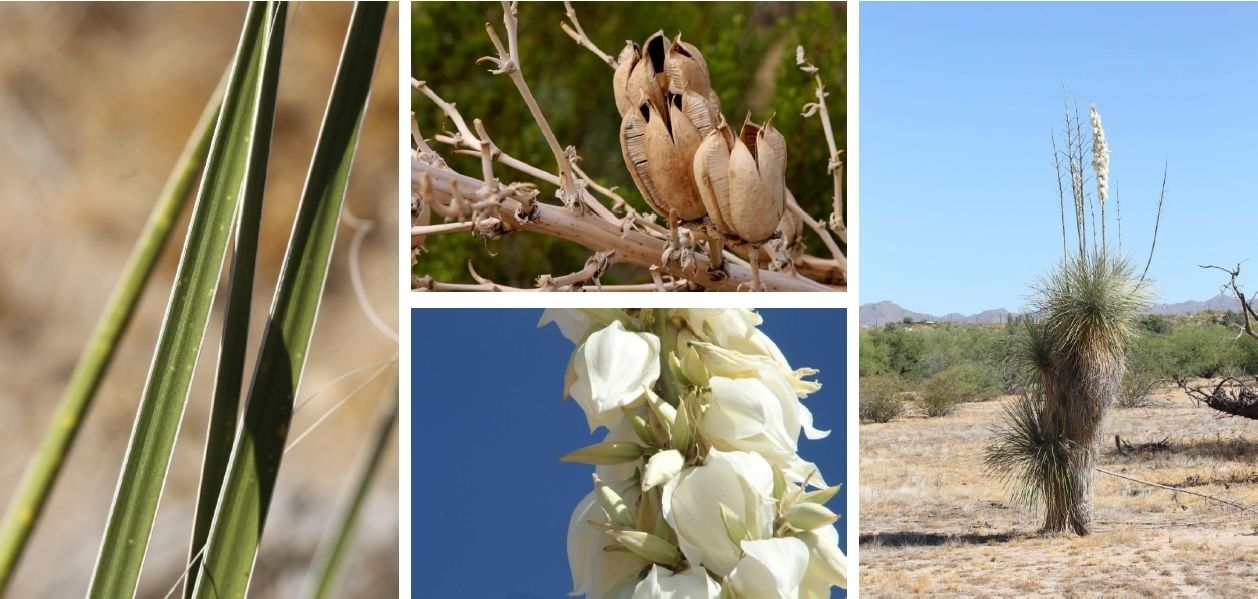
    Asparagaceae Yucca elata YUELE Soaptree yucca Key features: often grows on a trunk over 1m tall, larger in stature than YUCA

Information

Description
Flashcards on Common Carlsbad NM Plants, created by forrest miceli on 24/05/2021.
Created by
forrest miceli
Views
31
Rating

Feedback

What is it about?

What do you think of the new look?

How do you like it?