
Flashcards
Unit 7- Cognition
Cards in this deck (67)
- 1Memorythe persistence of learning over time through the encoding, storage, and retrieval of information
- 2encodingthe processing of information into the memory system
- 3storagethe process of getting information out of memory storage
- 4retrievalthe process of getting information out of memory storage
- 5parallel processingthe processing of many aspects of a problem simultaneously; the brain's natural mode of information processing for many functions.
- 6sensory memorythe immediate, very brief of sensory information in the memory system
- 7short-term memoryactivated memory the holds a few items briefly: [seven plus or minus two]
- 8long-term memorythe relatively permanent and limitless storehouse of the memory system. Knowledge, skills, experiences
- 9working memorya newer understanding of short-term memory that focuses on conscious, active processing of informing auditory and visual-spatial information, and of information retrieved from long-term memory
- 10explicit memorymemory of facts and experiences that one can consciously know and 'declare'
- 11effortful processingencoding that requires attention and conscious effort
- 12automatic processingunconscious encoding of incidental information, such as space, time, and frequency, and of well-learned information
- 13implicit memoryretention independent of conscious recollection
- 14iconic memorya momentary sensory memory of visual stimuli (a photographic or picture-image memory lasting no more than a few seconds
- 15echoic memorya momentary sensory memory of auditory stimuli if attention is elsewhere, sounds and words can still be recalled within 3 or 4 seconds
- 16chunkingorganizing items into familiar, manageable units
- 17mnemonicsmemory aids, especially those techniques that use vivid imagery and organizational devices
- 18spacing effectthe tendency for distributed study or practice to yield better long-term retention than is achieved through massed study or practices
- 19shallow processingencoding on a basic level based on the structure or appearance of words
- 20deep processingencoding semantically, based on the meaning of words, tends to yield the best retention
- 21hippocampusa neural center located in the limbic system; helps process explicit memories for storage
- 22flashbulb memorya clear memory of an emotionally significant moment or event
- 23long-term potentiation (LTP)an increase in a cell's firing potential after brief, rapid stimulation. Believed to be a neural basis for learning and memory
- 24recalla measure of memory in which the person must retrieve information learned earlier, as on fill-in-the-blank
- 25recognitiona measure of memory in which the person need only identify items previously learned, as on a multiple choice test
- 26relearninga measure of memory that assess the amount of time saved when learning material again
- 27primingthe activation, often unconscious, of particular associations in memory
- 28mood-congruent memorythe tendency to recall experiences that are consistent with one's current mood
- 29serial-position effectour tendency to recall best the last or first items in a list (recency or primacy respectively)
- 30anterograde amnesiaan inability to form new memories
- 31retrograde amnesiaan inability to retrieve information from one's past
- 32proactive interferencethe disruptive effect of prior learning on the recall of new information
- 33retroactive interferencethe disruptive effect of new learning on the recall of old information
- 34repressionin psychoanalytic theory, the basic defense mechanism that banishes from consciousness anxiety-arousing thoughts, feelings, and memories
- 35misinformation effectincorporating misleading information into one's memory of an event
- 36source amnesiaattributing to the wrong source an event we have experienced, heard about, read about or imagined.
- 37deja vuthat eerie sense that 'i've experienced before' cues from the current situation may unconsciously trigger retrieval of an earlier experience
- 38cognitionall the mental activities associated with thinking, knowing, remembering, and communication
- 39concepta mental grouping of similar objects, events, ideas, people
- 40prototypea mental image or best example of a category.
- 41creativitythe ability to produce novel and valuable
- 42convergent thinkingnarrows the available problem solutions to determine the single best solution
- 43divergent thinkingexpands the number of possible problem solutions
- 44algorithma methodical, logical rule or procedure that guarantees solving a particular problem
- 45heuristica simple thinking strategy that often allows us to make judgement and solve problems efficiently
- 46insighta sudden realization of a problem's solution; contrasts with strategy-based solutions
- 47confirmation biasa tendency to search for information that supports our preconceptions and to ignore or distort contradictory evidence
- 48mental seta tendency to approach a problem in one particular way, often a way that has been successful in the past
- 49intuitionan effortless, immediate, automatic feeling or thought, as contrasted with explicit, conscious reasons
- 50representativeness heuristicjudging the likelihood of things in terms of how well they seem to represent, or match, particular prototyes
- 51availability heuristicestimating the likelihood of events based on their availability in memory
- 52overconfidencethe tendency to be more confident than correct- to overestimate the accuracy of our beliefs and judgments
- 53belief perseveranceclinging to one's initial conceptions after the basis on which they formed has discredited
- 54framingthe way an issue is posed; how an issue is framed can significantly affect decisions and judgments
- 55phonemein language, the smallest distinctive sound unit
- 56morphemein a language, the smallest unit that carries meaning
- 57grammarin a language, a system of rules that enables us to communicate with and understand others.
- 58semanticsthe set of rules for deriving meaning from sounds
- 59syntaxthe set of rules for combining words into grammatically sensible sentences
- 60babbling stagebeginning at about 4 months, the stage of speech development in which the infant spontaneously utters various sounds at first unrelated to the household language
- 61one-word stagethe stage in speech development, from 1-2, during which a child speaks mostly in single words
- 62two-word stagebeginning about age 2, the stage of speech development during which a child speaks mostly in two-word statements
- 63telegraphic speechearly speech stage in which a child speaks like a telegram -- go car -- using mostly nouns and verbs
- 64aphasiaimpairment of language, usually caused by left-hemisphere damage
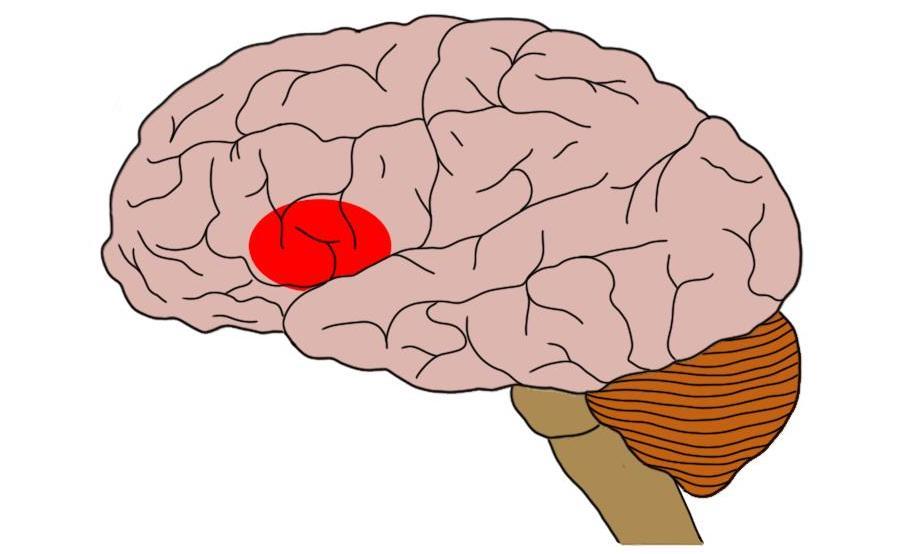
- 65Broca's Areacontrols language expression- direction muscle movements used in speech
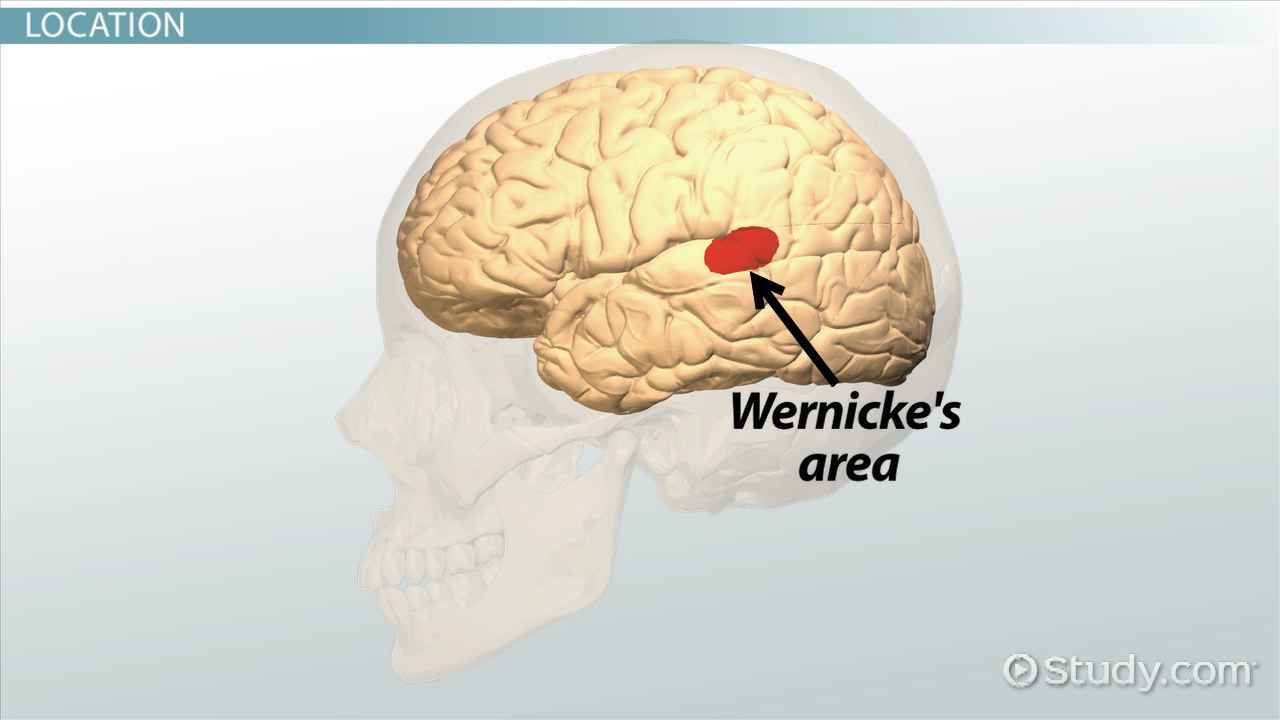
- 66wernicke's areacontrols language reception- language comprehension and expression.
- 67linguistic determinismWhorf's Hypothesis that language determines the way we think