
Fichas
The Last WYNTK
Fichas del conjunto (100)
- 1AmendmentA change to a document, specifically the Constitution. These can add or remove laws.
- 2AssimilateTo become like something else, like when white colonists tried to assimilate native americans to their way of life.
- 3BiasBeing on a certain side, normally in a situation where you are supposed to be neutral.
- 4BicameralHaving two houses, such as the American Congress, with a House of Representatives and the Senate.
- 5BlockadeTo stop or block incoming and outgoing movement from a place. This also includes supplies and shipments.
- 6BoomtownA town that suddenly grows very fast, normally because of economical growth. This could be from a gold rush or profitable businesses.
- 7CapitalismThe style of economy with everyone having the ability to do as they please, but there is also competition from everyone else. This leads to better products and consumer profit.
- 8Captain of IndustryA businessman who got his riches from his smarts and skills, and is also an entrepreneur.
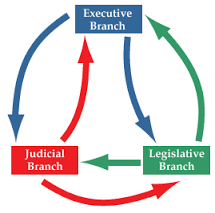
- 9Checks and BalancesWhen one branch of the government is able to control the other two in some way, and all three branches are able to control the others.
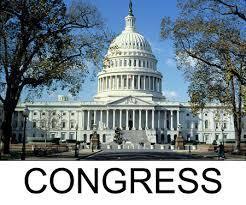
- 10—Congress is the legislative branch of the U.S. government. They create and write laws, and are made up of 2 houses, the House of Representatives, and the Senate.
- 11Due Process of LawThis is a law instituted in the 5th amendment, and gives all citizens the same treatment when arrested, no matter their standing or riches.
- 12EconomicsHaving to do with money or business
- 13EmancipatedTo become free
- 14EnfranchiseTo give the right to vote to someone
- 15EnumeratedListed exactly
- 16FederalismWhen power is divided between the local, state, and federal government, each having seperate jobs.
- 17Forty-ninersPeople that rushed to California for the gold rush, called such because it was during the year 1849.
- 18Free EnterpriseThe right for businesses to exist for profit without the government heavily regulating them.
- 19Habeas CorpusThe right to fair trial and a trial by judge and jury.
- 20IndustryProcessing raw materials into a good
- 21JudicialThe branch of government that interprets the laws, and is made up of the Supreme Court.
- 22Ku Klux KlanA group formed shortly after the Civil War in Pulaski, Tennessee. This group used violence to spread their message of white supremacy.
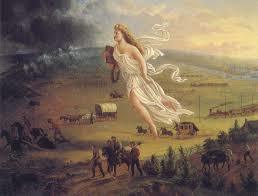
- 23Manifest DestinyThe belief that America was destined to stretch from coast to coast, and was a time period when people migrated west.
- 24MartyrSomeone who dies for their beliefs, and are known for it.
- 25MonopolyHaving sole control over a section of industry, and being the only place to get a certain product, normally achieved by buying out or "getting rid of" all other competition.
- 26NomadicWhen a civilization or society does not have a set home, but instead travels depending on the time, season, or movement of food.
- 27OverrideHaving authority that goes above someone else's, much like how Congress can override a veto by getting a 2/3 majority.
- 28Popular SovereigntyThe ideal that the power of the government comes from the people, and that without the people the government would be nothing
- 29RatifyTo make and have it take effect, such as a bill
- 30RadicalHaving views that are much more extreme than most others
- 31RepublicanismWhen the government and people are ruled by representatives of the people, not self-elected individuals
- 32Robber BaronA rich businessman who used underhand and sneaky tactics to gain his wealth, and often gained said wealth at the detriment of other businesses and employees
- 33RuralFarming area, or area outside the urban and suburban section of a town
- 34Separation of PowersThe powers of the government are divided into 3 equal parts, the Judicial, Legislative, and Executive branches.
- 35Social DarwinismApplying Darwinism to people and social settings, namely that the most fit, intellectual, and adaptable person will survive and prosper while those less fit will fail.
- 36SuffrageThe right to vote
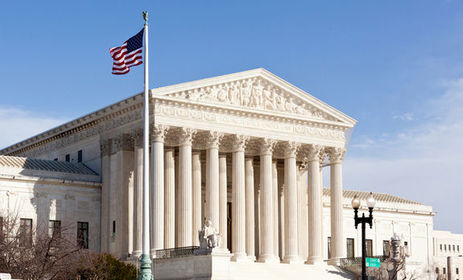
- 37Supreme CourtOtherwise known as the Judicial branch, they are in charge of interpreting the laws, and judge on cases that have national importance.
- 38TariffA tax on an imported or exported product
- 39Taxation without RepresentationThis was the cause the colonies claimed their independence for. They were getting taxed on many different things, and they had no say in the government to stop or change these taxes.
- 40Trade UnionWhen a group of workers join together to try and get better pay, working conditions, or benefits.
- 41UrbanThe city and production part of a civilization, as opposed to the suburban and urban areas.
- 42VetoTo say no to, the right the president has for any bill that he is asked to sign
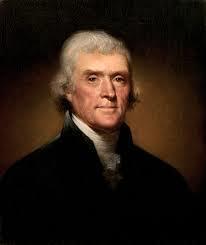
- 43Thomas JeffersonWriter of the Decleration of Independance and a founding father, he eventually became the 3rd president of the United States.
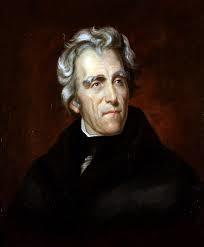
- 44Andrew JacksonThe 7th president of the United States, he is famous for his victories in the Battle of 1812. There is also much infamy because of his decision to force all native americans out of Florida, causing the now famous "Trail of Tears"
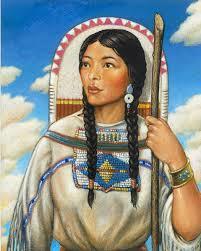
- 45SacagaweaShe was a guide for Lewis and Clark as they and the Corps of Discovery traveled the country, she saved their lives many times by her translating skills and sometimes simply by her presence.
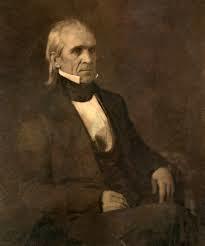
- 46James PolkOtherwise known as "Mr. Manifest Destiny", he was the president that gained the most amount of land for the United States.
- 47Frederick DouglassOriginally a slave, he escaped around wrote a memoir. He influenced many others, and was a leader of the Abolitionist cause.
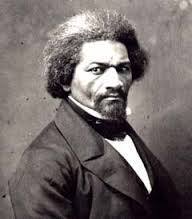
- 48Harriet Beecher StoweAuthor of "Uncle Tom's Cabin", she was an Abolitionist and helped her cause gain much support because of her book.
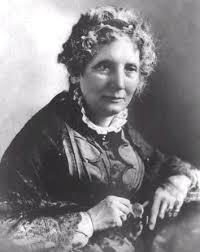
- 49John BrownAn Abolitionist that wanted to end slavery with violence. He raided Harper's Ferry and attempted to arm slaves and lead a rebellion. He was later hung.
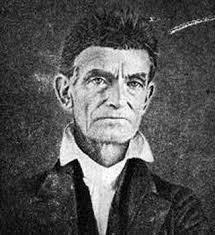
- 50Robert E. LeeHe was the leader of the Confederate troops during the Civil War, and was feared for his military tactics. Only Ulysses S. Grant could match his skills, and once Lee surrendered, the Civil War was considered over.
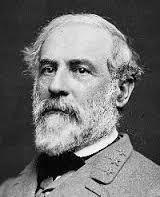
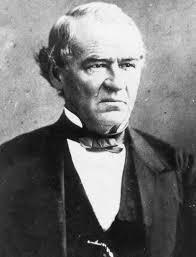
- 51Andrew JohnsonSuccessor to President Lincoln, Johnson sympathized with the ex-Confederate states and helped ease the transition for them, even letting many old rebels join their state's governments.
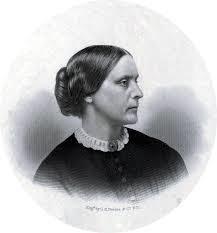
- 52Susan B. AnthonyLeader of the Women's Suffrage movement, she helped lead many others and brought to light the fact that women should too have the right to vote.
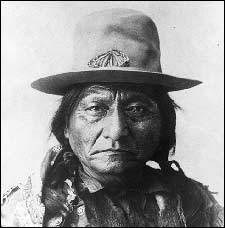
- 53Sitting BullA Native American chief, he defied the U.S. government in many battles, including the battle of Little Bighorn. He was supposedly the last Native American to give in to the American army.
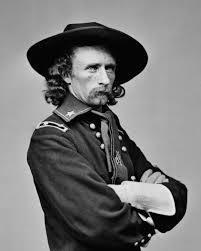
- 54George CusterA general of the Civil War, he later helped in the fight against the Native American population. He and his army were killed in the Battle of Little Bighorn.
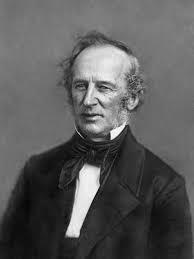
- 55Cornelius VanderbiltA leader of the economy during the Gilded Age, Vanderbilt gained most of his wealth off of the blooming railroad business, which earned him billions of dollars.
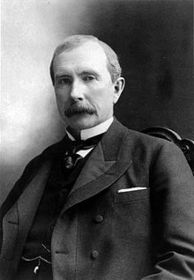
- 56John RockefellerThe richest person ever to live, he gained his fortune during the Gilded Age, where he saw the opportunity of fossil fuel and oil in the expanding industrialized America. His ownership of this oil and his many monopolies earned him billions of dollars.
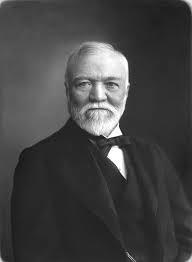
- 57Andrew CarnegieOriginally a poor man, he saw that the future held bright promise for steel. He used a newly discovered way to mass-produce steel cheaply, and so gained himself a large fortune during the Gilded Age.
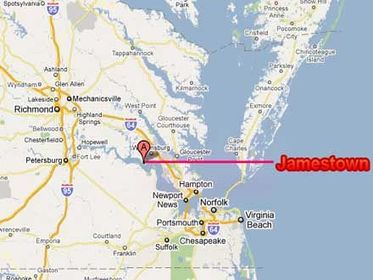
- 58JamestownThe first permanent colony created in America, it was funded by Europe and almost failed, were it not for the Native Americans teaching them ways to grow crops.
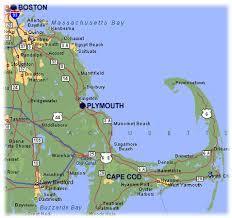
- 59PlymouthThe colony founded by the Pilgrims, a group of Quakers seeking religious freedom. This was the 2nd permanent colony, and was the site of the first Thanksgiving.
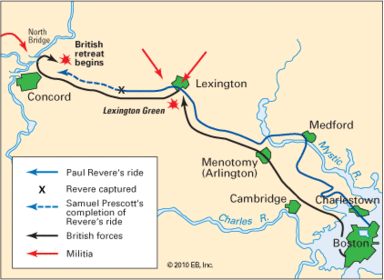
- 60Lexington and ConcordThe places where the first official battles of the Revolutionary war was fought. British forces were sent to take a hidden cache of weapons, and a local militia defeated them, kicking off a full scale war.
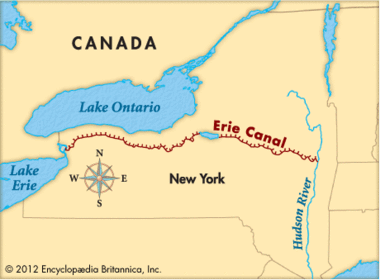
- 61Erie CanalThis canal allowed things to be transported on the new steamboats, and was a sign of the begining of transportation in the U.S.
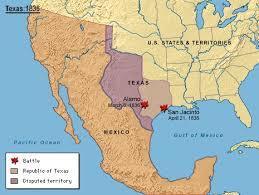
- 62The AlamoAn American fort in Texas, it was overrun and the inhabitants killed by Mexican soldiers. This sparked the Mexican-American war, and "Remember the Alamo" was used as a battle cry for many Texan soldiers.
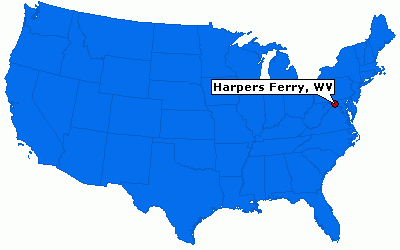
- 63Harper's FerryAt this location, the largest store of Federal weapons was held. Abolitionist John Brown lead a raid here to try and liberate the weapons to arm slaves.
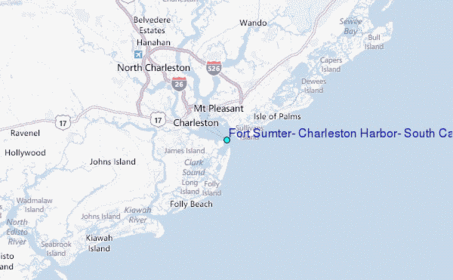
- 64Fort SumterFirst official battle of the Civil War. Confederate forces bombed Fort Sumter, no casualties occurred however.
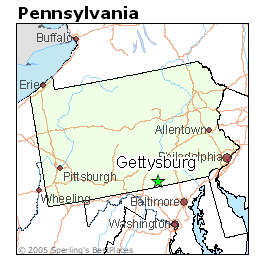
- 65GettysburgThe location the bloodiest day occurred in the Civil War. This was a big victory for the Union, and possibly turned the war towards their favor.
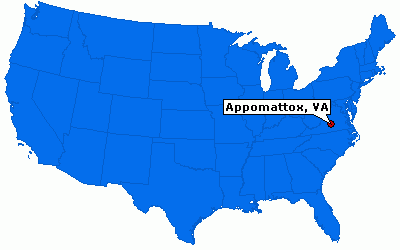
- 66Appomattox CourthouseIt was in this location Robert E. Lee official surrendered, and this is considered the end of the Civil War.
- 67Ford's TheaterAt this location, President Abraham Lincoln was shot and killed. This was just days after the end of the Civil War.
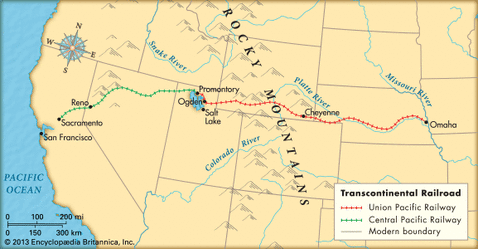
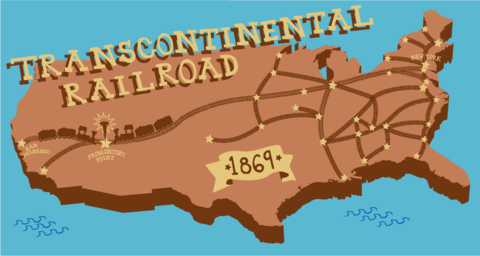
- 68Promontory Point, UtahAt this location, the giant railroad systems of the east and west met, and trains were now able to reach from coast to coast.
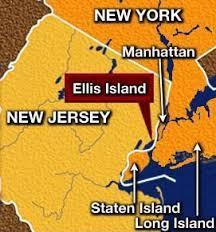
- 69Ellis Island and Angel IslandThese were the locations new immigrants to the U.S. would originally come. They would be tested for any diseases, then released into New York, where they were allowed to start a life in any way they like.
- 70Declaration of IndependanceThis was a letter sent to King George the Third declaring the 13 colonies' independence from Britain. It was signed by the Founding Fathers, and was considered treason.
- 71Revolutionary WarThis was the war fought between the newly formed United States of America and Britain. The U.S. was fighting for its freedom and eventually won it, while Britain fought for them back. This war was also won by the help of the French.
- 72Articles of ConfederationThe original Constitution, it was a list of laws and rules for the nation to follow. It soon failed, because of its inability to enforce its own laws.
- 73Great CompromiseThis is what eventually created a 2 house Congress, as small states like Rhode Island wanted senators to be selected evenly for each state. Large states such as Pennsylvania wanted states senators to be selected by population. A compromise was reached by having 2 houses, one with 2 senators from each state, and the other selected by the state's population.
- 74Passing of the ConstitutionThe Constitution was passed after much trouble. One party wanted to make sure citizens had certain rights, and so demanded a Bill of Rights. The other wanted the government to be very controlling. Eventually the two sides agreed and the Constitution was passed. The Bill of Rights was later added.
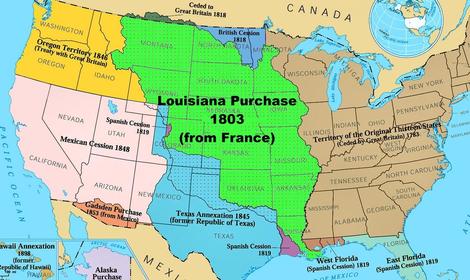
- 75Louisiana PurchasePresident Thomas Jefferson made a deal with Napoleon Bonaparte for a large stake of land west of the colonies. French was desperate for money, and so sold the land for an extremely low amount, around 4 cents an acre in today's money.
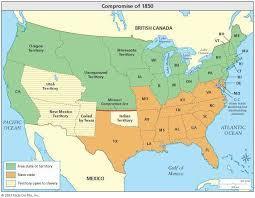
- 76Missouri CompriseBecause of disagreements about human slavery, people were afraid of one side gaining too much power in government or other places. To satisfy the pro-slavery states, a law was passed that any new states above Missouri would be free, and any below would be pro-slavery states.
- 77Indian Removal Act (Trail of Tears)Passed by President Andrew Johnson, this act removed all Native Americans from the Florida territory. This caused thousands of Native Americans through very tough travels, and many of them died on their way to their new reservation in modern day Kansas. This is now called the Trail of Tears because of the many lives lost and tears shed.
- 78Mexican-American WarBecause of the secession of Texas from Mexico, America feared that Mexico may try to steal it back. This prompted a military defense, and the U.S. beat them back, claiming Texas as a new state.
- 79California Gold RushGold was discovered in California in 1848. Many people dreamed of going and striking rich, and so thousands and thousands flocked to California in 1849. This created many new towns, and sparked many new businesses.
- 80Homestead ActAn act created by Abraham Lincoln to promote westward expansion. Plots of land were given out for free, as long as the owners farmed and continued to own the land for the next five years.
- 81Industrial RevolutionThis is a time in U.S. history when new machines and industries started to blossom. Towns changed from agricultural and rural to urban, industrial cities.
- 82Underground RailroadA system of hideouts and safe houses that was used by many slaves escaping North.
- 83Seneca Falls ConventionThe first meeting concerning women's rights, it was the beginning of the Suffrage movement and brought into light the treatment of women in society.
- 84Compromise of 1850An act passed during the Abolition age, it was made attempting to pacify the southern states. It greatly strengthened the Fugitive Slave Act, and outlawed the slave market in D.C..
- 85Kansas-Nebraska ActThis law repealed the Missouri Compromise and allowed the territories of Kansas and Nebraska to be able to vote on their decision of pro or anti slavery. This later caused much violence.
- 86Dred Scott V. SandfordThis was a Supreme Court case which eventually decided that slaves and African Americans were not considered citizens, and so had no rights.
- 87Fugitive Slave ActThis act allowed southern slave owners to find and capture slaves that had run away, and many other things that allowed the recapturing of slaves to be easier.
- 88Bleeding KansasBecause of the Kansas-Nebraska act, much was riding on the vote in Kansas on whether they would be a free or pro-slave state. Many Missourians decided to use violence to influence the vote, and so threatened many citizens into voting their way. Other Kansans decided to end this and fought back. This led to the sacking and burning of Lawrence, and other violent acts.
- 89Civil WarThis was a war fought between the United States and the Confederate States. The Confederacy wanted slavery and their own way of life, and so broke off of the Union. The U.S. fought back against this, and the war between the two factions continued for many years. Eventually, the United States gained victory and forced the Confederacy to dissolve, taking back the states.
- 90Emancipation ProclamationThis was a law passed by Abraham Lincoln freeing all slaves in states currently in rebellion. This greatly helped the Union's cause, as they now had new reinforcements consisting of the now free slaves. This also outraged the South.
- 91Civil War Draft RiotsBecause of the need to win the war, President Lincoln instituted the Draft, forcing all of-age men to fight in the war, unless they could hire a substitute. This outraged many people, and riots and mobs started. These mobs attacked both draft offices and homes of those rich enough to hire someone to go for them.
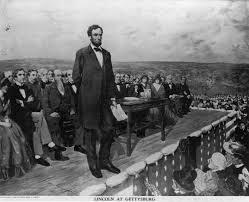
- 92Gettysburg AddressThis was a speech given by Abraham Lincoln at the dedication of the Gettysburg Cemetery at the location of the Battle of Gettysburg. It was fairly short, but contained a powerful message of courage and the fact they needed to win this war.
- 93ReconstructionThis was the period after the Civil War where the country was trying to repair itself. During this time, the south was kept under heavy guard until laws later changed it, and rights for blacks were heavily skewed. Andrew Johnson was the president during the majority of this period, and made many controversial laws. The KKK was also founded during this period.
- 94Civil War AmendmentsThese are 3 amendments created shortly after the Civil War, and are called such because they represent all the war was fought for. The 13th amendment abolished the practice of slavery forever in the U.S. The 14th amendment made all african americans official citizens. The 15th amendment gave all black males the right to vote.
- 95Completion of Transcontinental RailroadThe Transcontinental Railroad was completed at Promontory Point, Utah. There were large train networks in both the east and the west, and this network met in Utah. Goods and people could now be shipped anywhere in the U.S. from any location.
- 96Indian WarsThis was a war fought by the American Army against the Native American population. They did not want to give up their land and their way of life, and so disagreed when Americans tried to force them to. After violence broke out, a full scale war started. The Indians, led by Sitting Bull, fought against the U.S. army and tried to preserve their way of life. They were eventually overwhelmed and forced to assimilate to modern day traditions, or move into reservations.
- 97Gilded AgeThis was a time during American history where the rich got even richer and the poor got even poorer. Many of the richest people ever appeared during this time, including Rockefeller and Carnegie. The icons of this age were either Robber Barons or Captains of Industry, depending on what facts you look at. Many businesses created during this time still exist today. The first ever monopolies in U.S. history also occurred during this time, forcing the government to get involved and break them up.
- 98Populist PartyThis was a party that opposed Republicans because they felt they were too involved and influenced by the rich men of the time. It was founded in Kansas, and got many officials elected, including the governor of Kansas and a number of mayors. The party eventually merged with the Democratic party, and no longer exists.
- 99Plessy V. FergusonThis was a Supreme Court case involving black rights. Plessy had boarded a white only train car and said he was black. He said that it violated the 13th and 14th amendments. The Court ruled that segregation of facilities and other things was legal as long as they were equal.
- 100Adding the Bill of RightsThe Bill of Rights consists of the first 10 amendments to the Constitution. These are the rights all citizens have, and they can not be changed by the government. Federalists did not want a Bill of Rights because they believed it was not needed, while Anti-Federalists believed that there was too much danger not having rights set forth at the beginning promising certain rights to citizens. Anti-Federalists eventually won, and the Bill of Rights was added.
Información
- Descripción
- List of 100 vocab words needed to be known for Social Studies.
- Creado por
- Tyler Jeanneret · may 2015
- Actualizado
- 6 abr 2018
- Visitas
- 37
- Etiquetas
- Valoración