
Fichas
Ch. 1 Introducing Psychology
Fichas del conjunto (41)
- 1Psychologythe study of behavior and mental processes of humans and animals
- 24 Goals of Psychology1. To describe behavior
2. To explain behavior
3. To predict behavior
4. To influence (control or modify) the behavior - 3Nature vs. NurtureLong standing debate about relative contributions of heredity and environment on behavior
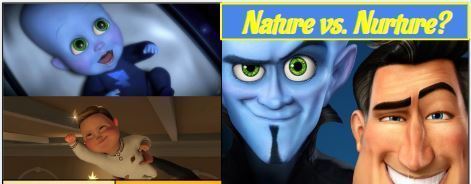
- 4Nature vs. NurtureMay surprise you to learn that the movie Megamind addresses the nature vs. nurture issue: are we a product of our “nature” (genes) or our “nurture” (how we were raised) ?

- 5Physiologicalrelating to the body (key word=physical)
- 6Cognitiverefers to mental activities
- 7Tabula Rasa (John Locke's Big Idea)(COPY)
idea that we are born a blank slate KNOWING NOTHING, "we are born a white sheet of paper & experience writes upon it
- 8John Locke said we are born a "blank slate" in other words a white sheet of paper that experience writes on. this is called a __________ ___________.Tabula Rasa
- 9—(COPY)
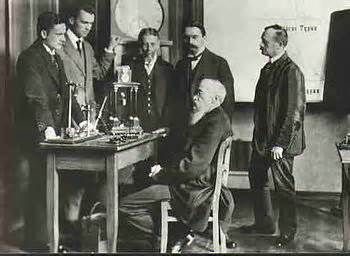
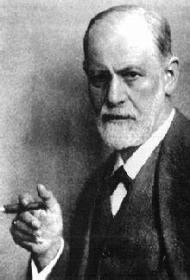
Wilhelm Wundt opened the first psychology laboratory in 1879; considered to be the "father of psychology" - 10Sigmund FreudFounded psychoanalysis; used techniques like free association and dream analysis to study unconscious mind
- 11—John B. Watson
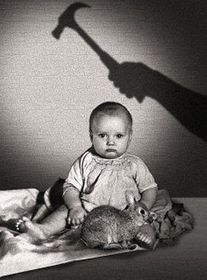
One of the founders of behaviorism. Known for the "infamous" Little Albert experiment.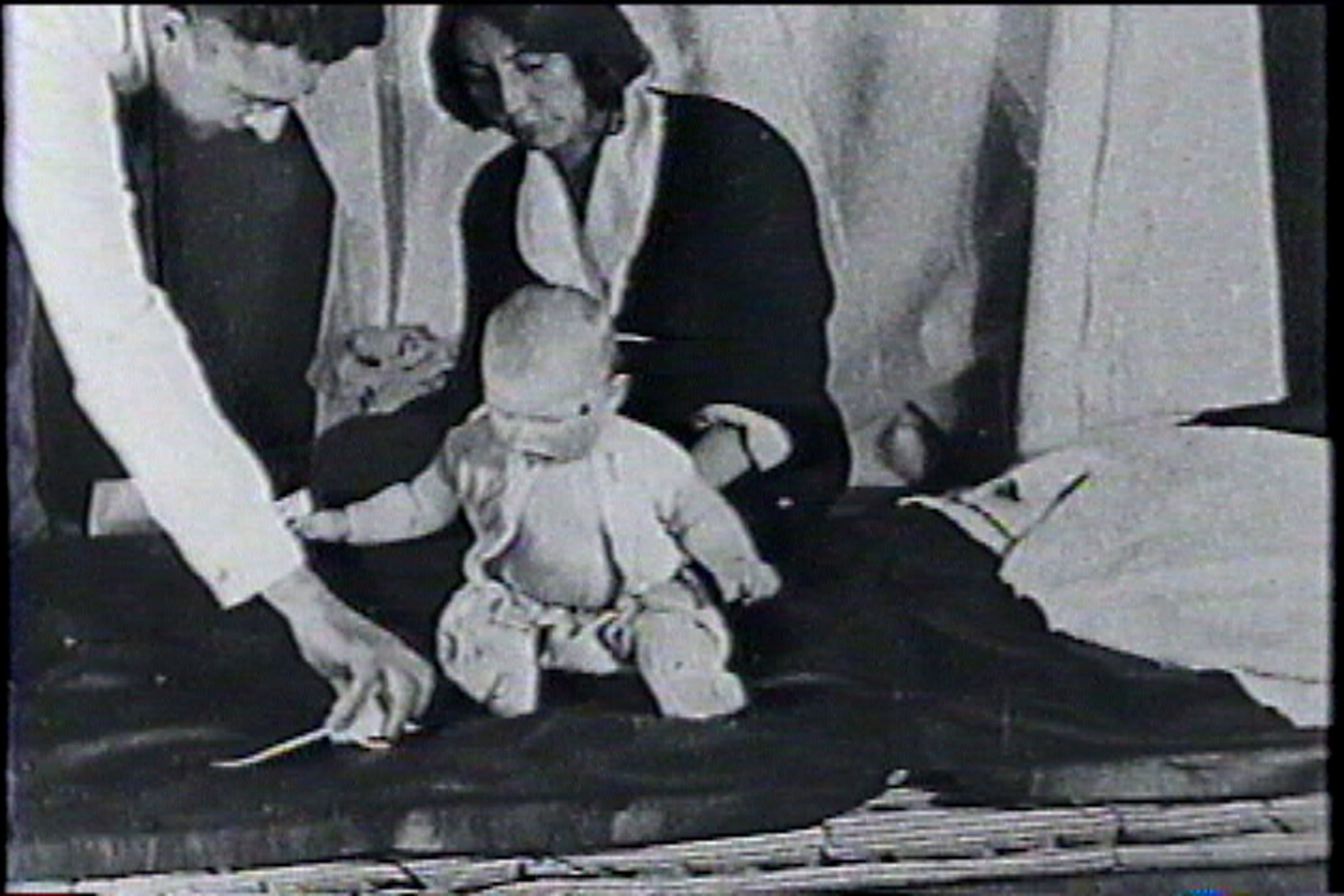
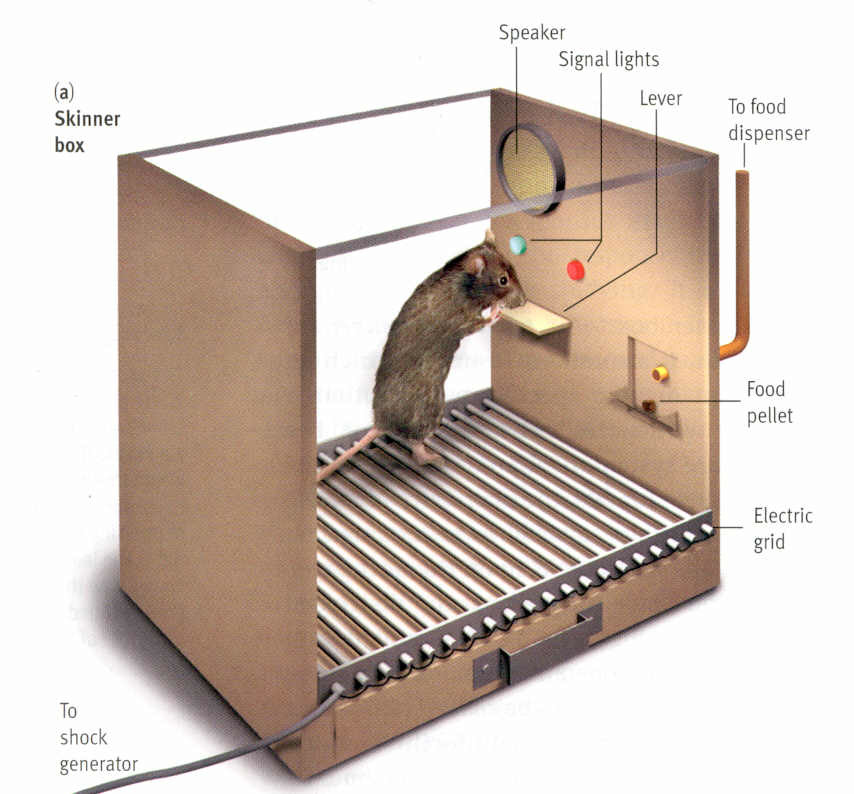
- 12B.F. SkinnerBehaviorist believed that psychology should focus exclusively on observable behavior . His BIG ideas include operant conditioning, reinforcements, and the Skinner Box.
- 13Early behaviorist; did the Little Albert Experiment; a boy called Little Albert was conditioned to be afraid of a white ratJohn B. Watson
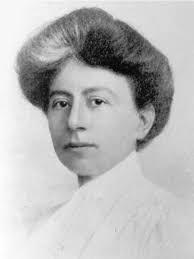
- 14First American woman to receive a PH.D in psychologyMargaret Floy Washburn
- 15First female president of the American Psychological Association (APA)Mary Whiton Calkins
- 16an educated guess; a testable predictionHypothesis
- 17research or science meant to expand our knowledge base; OPPOSITE of applied scienceBasic (pure) research
- 18research or science used to solve real problems: in other words you APPLY psychology principles to solve problemsApplied Research (aka Applied Science)
- 19step-by-step procedure psychologists use when conducting research.scientific method
- 20dualismBelief that the mind and the body are separate entities
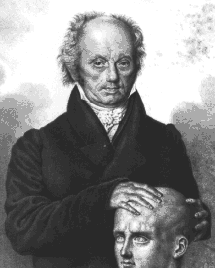
- 21science of skull bumpsPhrenology
- 22Early approach in psychology developed by Edward Bradford Titchener ( a student of Wilhelm Wundt) that used introspection to identify the most basic components, or structures of conscious experiencesstructuralism
- 23Introspection"looking inward" and examining one's self and one's own actions in order to gain insight.
Problem with introspection not very scientific, unreliable relies on self reporting, Read more about introspection at
https://www.verywell.com/what-is-introspection-2795252 - 24—Introspection (Structuralism)
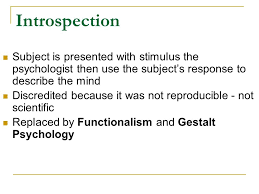
- 25_______ was an early approach that rejected introspection. Instead of asking subjects to describe the emotion of fear, ________ studied how fear enables people to adapt to their environment.Functionalism; functionalists
- 26—Structuralism- Edward Bradford Titchener, introspection
Functionalism-William James (wrote 1st psych textbook); based on theory of evolution emphasized studying the function of a behavior; "how does the behavior help the organism to adapt & survive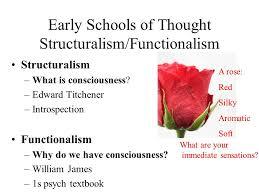
- 27This approach emphasized the role of unconscious urges and conflicts in determining behaviorpsychoanalysis (aka psychoanalytic perspective)
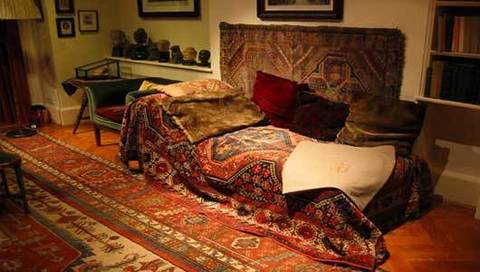
- 28Founded psychoanalysis ("Analysis of the Mind"; "The Talking Cure") Some of his BIG ideas include the id,ego, and superego, Oedipus Complex, free association, Freudian slip, defense mechanisms, & dream interpretation.Sigmund Freud
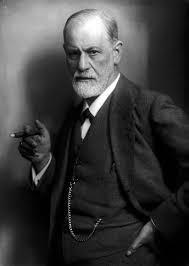
- 29looks at the human mind and behavior as a whole. Originating in the work of Max Wertheimer, Formed partially as a response to structuralism which focused on breaking down mental events and experiences to the smallest elementsGestalt psychology

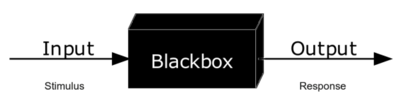
- 30Perspective that emphasizes observable BEHAVIOR that can be objectively measuredBehaviorism
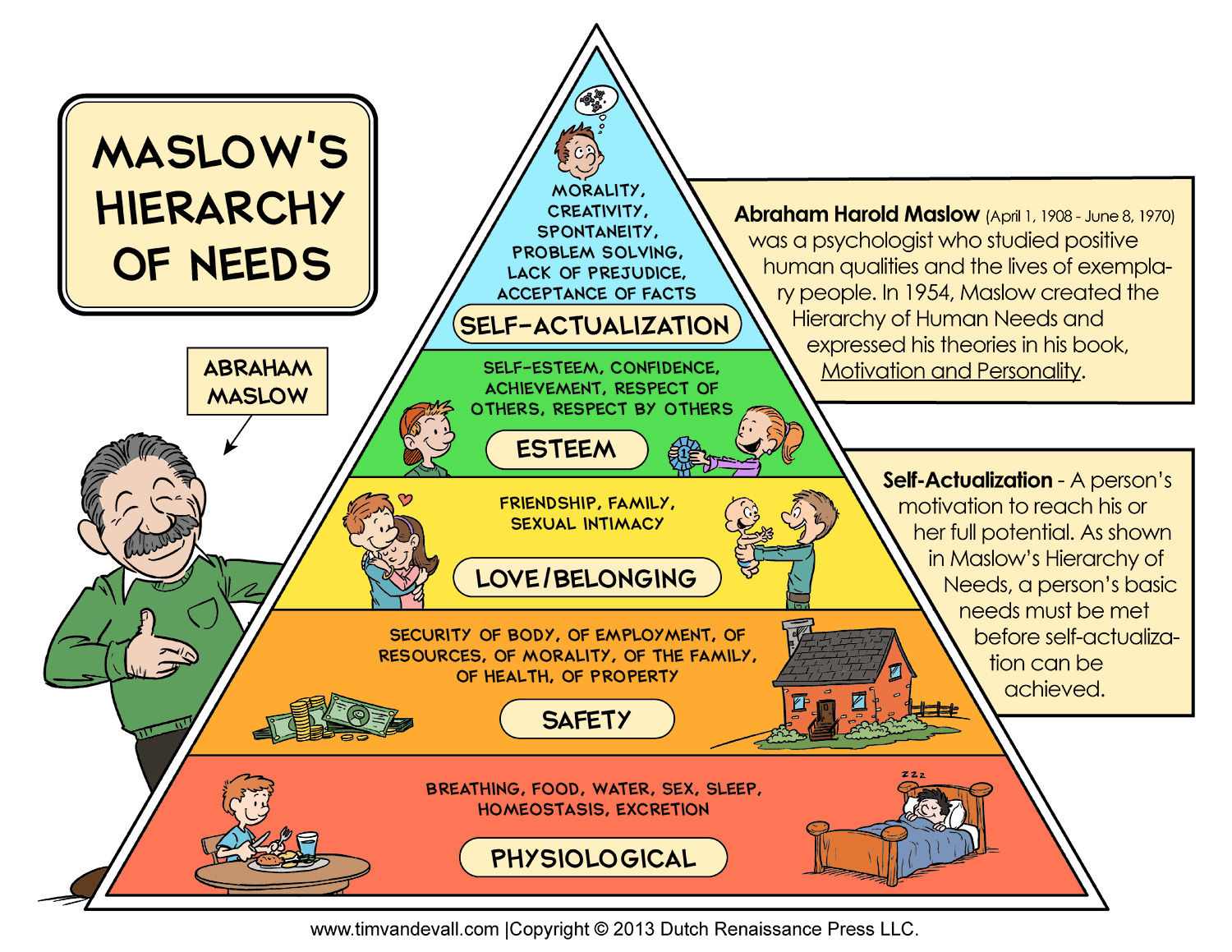
- 31Perspective that emphasizes the importance of self-esteem, free will, and choice in human behaviorHumanistic psychology
- 32This perspective compares the mind to a computer that encodes, processes, and stores information. Emphasizes thinking, perceiving, and information processingCognitive perspective
- 33Influenced by the writings of Charles Darwin, this perspective emphasizes the role played by natural selection and adaptation in the evolution of behavior and mental processes.evolutionary perspective
- 34Psychologists who employ the __________ perspective study biological basis of human and animal behaviorbiological (aka biomedical)
- 35This perspective focuses on how culture and social situations affect the way people think, feel, and behave.sociocultural
- 36The most popular career in psychology. These psychologists specialize in the evaluation, diagnosis, and treatment of psychological disorders.clinical psychology
- 37________________ psychologists apply the principles of psychology to the workplace, including employee motivation, job satisfaction and personnel selection.Industrial-Organizational (I/O) psychologists

- 38Harry Harlow Monkey StudyBIG IDEA-- "contact comfort"
Cruelty towards monkeys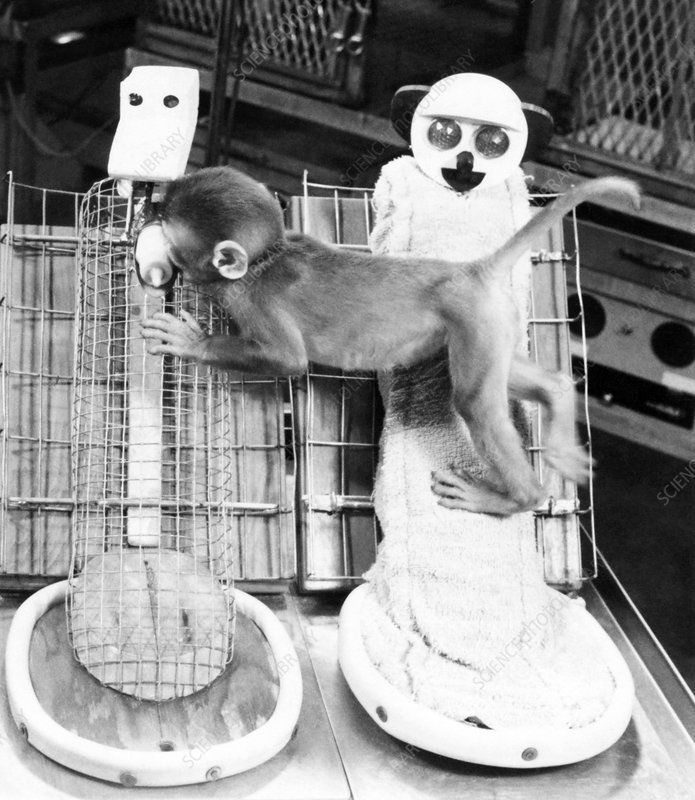
- 397 Perspectives
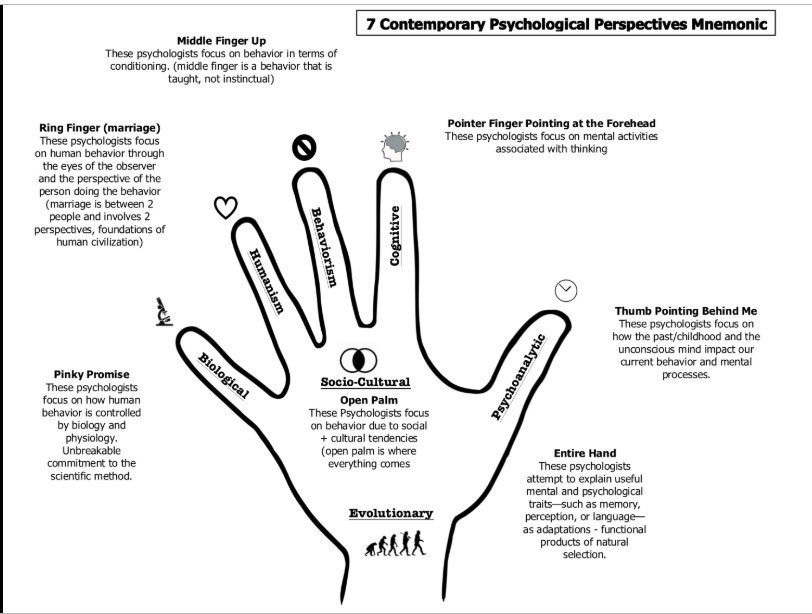
- 407 Perspectives (Hand Mnemonic)1. Psychoanalytic (thumb, look back over your shoulder.)
2. Cognitive (Pointer finger. tap side of your head.)
3. Behavioral (Middle finger, it's a learned behavior.)
4. Humanistic (ring finger, marriage, having a family living up to your "fullest potential"
5. Biological (Pinky finger, "Pinky and the Brain")
6. Socio-cultural (palm of your hand)
7. Evolutionary (imaginary 6th finger) - 41Marshmallow experiment1972, at Stanford University. Psychologist Walter Mischel studied delayed gratification (patience) in children.

Información
- Descripción
- Chapter 1 Psychology Vocabulary words
- Creado por
- victoria russ
- Visitas
- 658
- Etiquetas
- Valoración