
Fichas
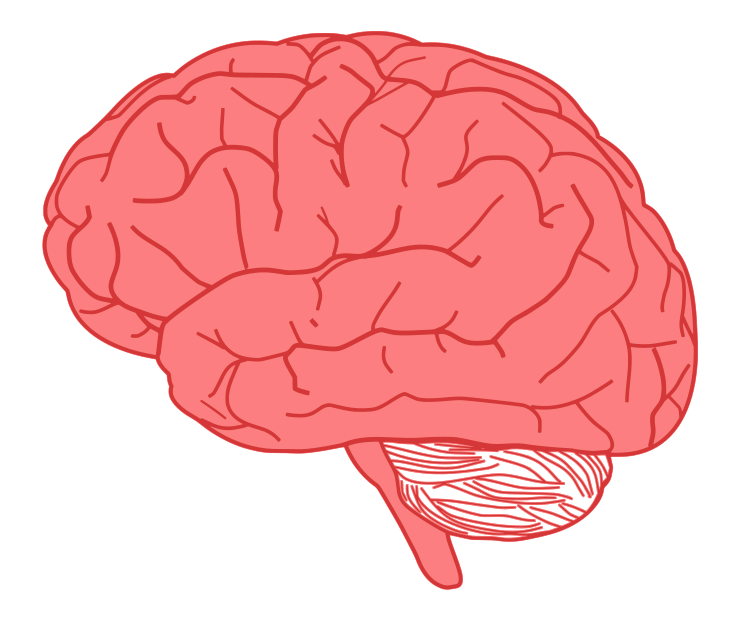
Neurobiology and behaviour - the brain WJEC
Fichas del conjunto (26)
- 1The Brainweighs 1300-1400g
100 billion neurones
protected by skull/cranuim + membranes called meninges (inflammation of meninges called meningitis) - 2Ventricles of the Braincontains 4 ventricles - filled with cerebro spinal fluid
which supplies glucose & oxygen, protects against shocks + mechanical injury
maintains contract pressure in and around the brain - 3Regions of the Brainforebrain - hypothalamus, thalamus & cerebrum
midbrain - contains nerve fibres that link the forebrain to the hindbrain
hindbrain - contains medulla oblongata + cerebellum - 4Medulla Oblongatacontrols breathing, heart rate & blood pressure
contains centres of the autonomic nervous system - 5Hypothalamusreceives info about body from nerve impulses from many parts of the brain
intergrates the infomation then brings about responses through autonomic nervous system or from secretions of pituitary gland
acts as coordinating centre
functions - regulates body temp, solute conc, thirst hunger and sleep
helps control secretion of hormones from endocrine glands, directly connected to the pituitary gland - 6Thalamusimportant relay centre, sending and recieving info to and from the cerebral cortex
correlates seveerl precesses incl consciousness, sleep and sensory interpretation - 7Hippocampuslearning, reasoning & personality
limbic system structure - important in forming new memories
one on left one on right hemishere of the brain - 8Cerebellummaintenance of posture + coordination of voluntary muscular activity
also involved in learning of tasks which require carefully coordinated movements
largest division of the brain - largest division of the brain, divided by buncle of nerves called corpus callosum - 9Cerebral Cortexfunctions - thinking, language, emotions, personality, planning, memory
- 10Frontalmemory formation, emotions, decision making/reasoning, personality
- 11Temporalhearing, organisation/comprehension of language, information retrival
- 12Occipitalprocessing, intergration, interpretation of visual stimuli
- 13Parietalsences + sensations, spacial awareness + perceptions
- 14Human Nervous SystemNervous System
-CNS
Brain & Spinal cord
& Periheral Nerous System
Somatic & Autonomic - 15Autonomic Nervous Systemincludes all the motor neurones that take information to the internal organs
controls - activity of the smooth muscle in the body
rate of breathing in the in the cardiac muscle
sympathetic - fight or flight
parasympathetic -rest and digest - 16Sympatheitcaxons of motor neurones pass to all organs within the body
neurotransmitter released is noradrenaline
increase in -
heart rate, breathing rate, blood pressure, dilation of pupil of the eye - 17Parasympatheticnerve pathways involved all begin in brain, top of spinal cord, bottom of spinal cord
acetylchocine released
decreases heart + breathing rate
control of the heart:
cardiac muscle are myogenic. SAN generates an action potential which travels through the AVN and purkyge fibres
cardiovascualr system in the medulla oblongata
effect freq of contractions
action potentials sent along accelerator nerve increase heart rate - 18Medulla Oblongatacontrols heart rate
sympathetic is linked to the sino atrial node - increases heart rate
Parasympathetic - decreases heart rate - 19Cerebral cortexdivided into 3 areas according to function
1 - snesory areas - receive sensory info from receptors in the body
2 - association areas - process + interpret information
3 - motor areas - initiate responses - 20Sensory Areasrecieve impulses from different sense organs
2 hemisphreres recieve info from different sides of the body, left hemsphere from right
primary sensory areas recieve impulses first - 21Assiciation Areasrecieve impulses from the primary sensory area
memory, reasoning, judgement, emotions & verbilisation - 22Motor Areasgenerate nerve impulses which are carried via motor neurones to effectors (muscle) on other side of the body
- 23Broca's Areaprodcution of articulate speech (clear and fluent)
involved in analysing the grammatical structure of sentances, helps to extract meaning from sentances
motor neurones from Broca's area stimulates the muscles of the mouth, larynx + intercostal muscles & diaphram to produce sounds
injury to area means you might know what words you are trying to say but dont come out
- expressive aphasia - 24Wernicke's Areainvolved in the interpretation of written & spoken language
vital for locating appropriate words from memory to understand someone
called receptive aphasia - 25MOtor Homunclusif each part grew in proportion to the area of the cortex of brain concerned with its movement
- 26Sensory Homunclusif each part grew in proportion to the area of the cortex of brain concerned with sensory perception
Información
- Descripción
- A level (Component 3) Biology Fichas sobre Neurobiology and behaviour - the brain WJEC, creado por Poppy Hardman el 20/05/2017.
- Creado por
- Poppy Hardman
- Visitas
- 139
- Etiquetas
- Valoración