
Mapa mental
Storage
Contenido del mapa
Storage
Primary
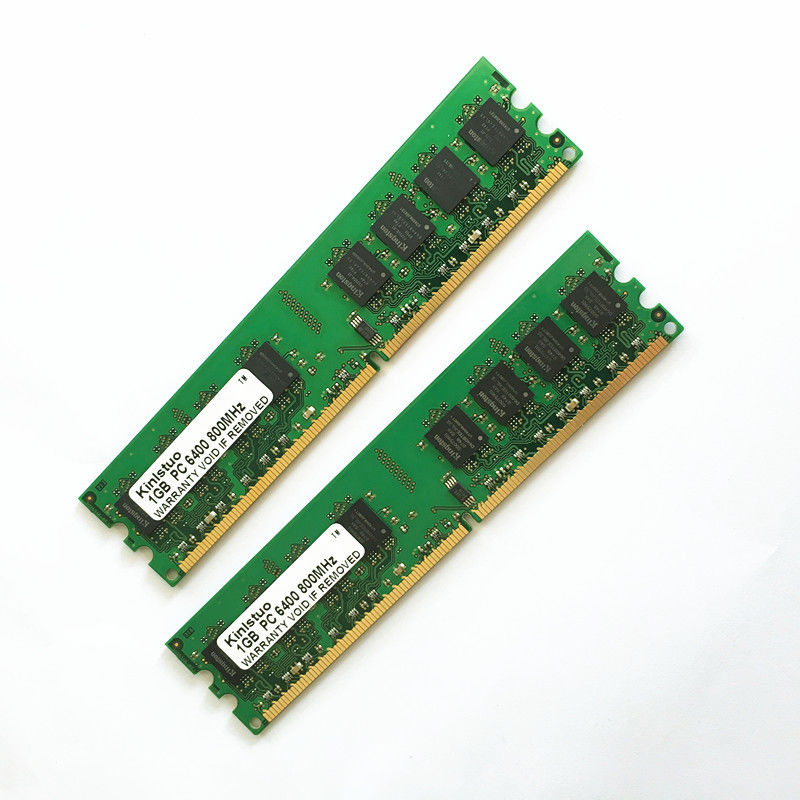
- RAM
- Random-access memory is a form of computer data storage that stores data and machine code currently being used.
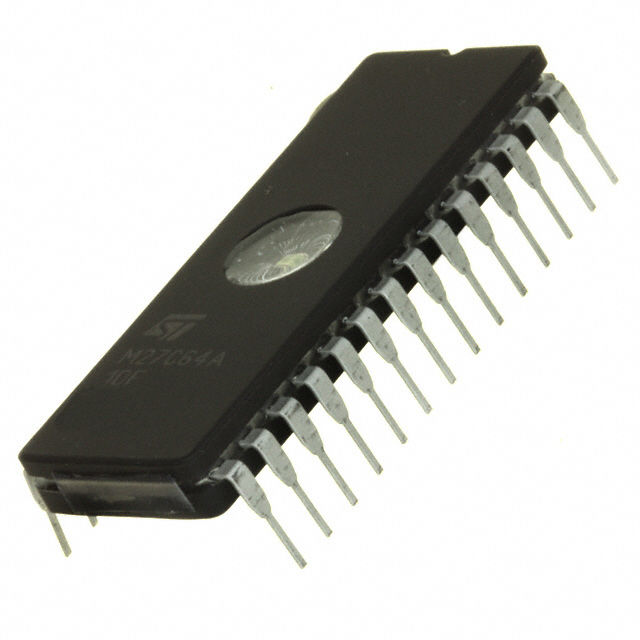
- ROM
- Read-only memory (ROM) is a type of storage medium that permanently stores data on personal computers (PCs) and other electronic devices. It contains the programming needed to start a PC, which is essential for boot-up; it performs major input/output tasks and holds programs or software instructions.
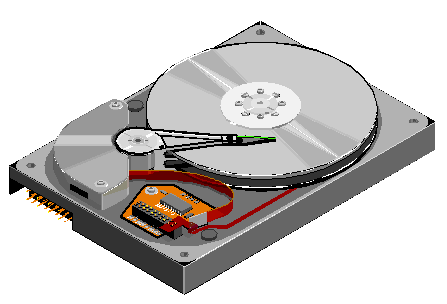
- Hard disk
- a rigid non-removable magnetic disk with a large data storage capacity.
- RAM
Secondary
- -
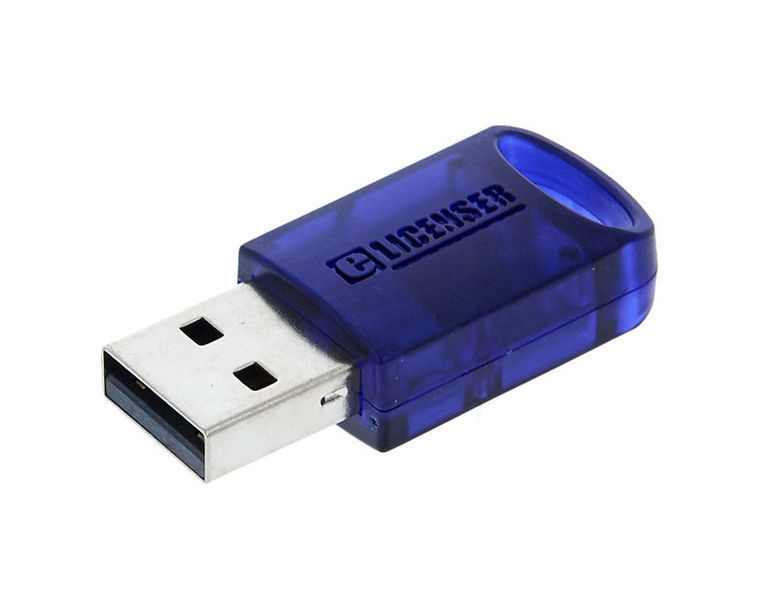
- USB flash drive
- A flash drive is a small, ultra-portable storage device which, unlike an optical drive or a traditional hard drive, has no moving parts. Flash drives connect to computers and other devices via a built-in USB Type-A plug, making a flash drive a kind of combination USB device and cable.
- Micro-Drive
- Microdrive is a registered trademark for miniature, 1-inch hard disks produced by IBM and Hitachi. These rotational media storage devices were designed to fit in CompactFlash (CF) Type II slots. The release of similar drives by other makers led to them often being referred to as "microdrives" too.
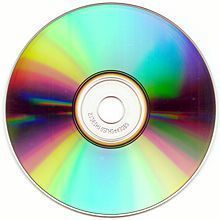
- CD
- Known by its abbreviation, CD, a compact disc is a polycarbonate with one or more metal layers capable of storing digital information. The most prevalent types of compact discs are those used by the music industry to store digital recordings and CD-ROMs used to store computer data.
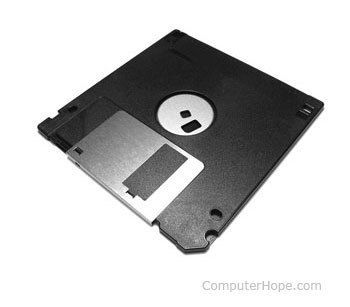
- Floppy Disk
- a flexible removable magnetic disk (typically encased in a hard plastic shell) for storing data.
- USB flash drive
- -
- Optical storage
- Optical storage is the storage of data on an optically readable medium. Data is recorded by making marks in a pattern that can be read back with the aid of light, usually a beam of laser light precisely focused on a spinning optical disc.
- Solid state
- An SSD is a type of mass storage device similar to a hard disk drive (HDD). ... Unlike hard drives, SSDs do not have any moving parts (which is why they are called solid state drives). Instead of storing data on magnetic platters, SSDs store data using flash memory.
- Magnetic storage
- Data storage is a critical component of any computer system. Magnetic storage is one of the most affordable ways to store large amounts of data and has been implemented using magnetic tape, floppy disks and hard disk drives.
- Optical storage
- -
Virtual memory
- memory that appears to exist as main storage although most of it is supported by data held in secondary storage, transfer between the two being made automatically as required.
Characteristics
- Capacity
- storage capacity - Computer Definition. The amount of data a storage device such as a disk or tape can hold. Storage capacity is measured in kilobytes (KB), megabytes (MB), gigabytes (GB) and terabytes (TB). See space/time, magnetic disk, magnetic tape and optical disc.
- speed
- In a computer, clock speed refers to the number of pulses per second generated by an oscillator that sets the tempo for the processor. Clock speed is usually measured in MHz (megahertz, or millions of pulses per second) or GHz (gigahertz, or billions of pulses per second).
- portability
- Capacity
Imágenes y archivos del mapa
Información
- Descripción
- Mapa Mental sobre Storage, creado por Rio Porter el 08/05/2018.
- Creado por
- Rio Porter
- Visitas
- 0
- Valoración