
Mapa mental
Chemistry
Contenido del mapa
Chemistry
Atoms and Elements
- The building blocks of everything
- What is inside?
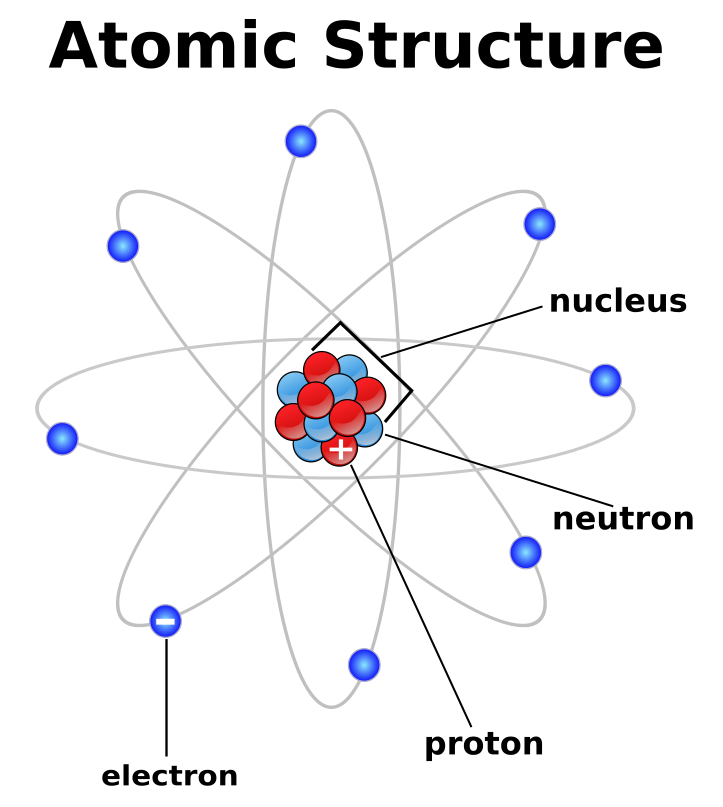
- The nucleus is the middle of the atom
- Contains protons and neutrons
- Neutrons; 0 charge
- Protons; + charge
- Contains protons and neutrons
- The electrons move around the nucleus; they have a - charge
- The nucleus is the middle of the atom
- Always equal
- There is no overall charge
- The charge of the protons and electrons cancel each other out
- Hence, there is always equal amounts of protons and electrons
- Otherwise if it is unequal it is becomes charge, called an ION
- Elements
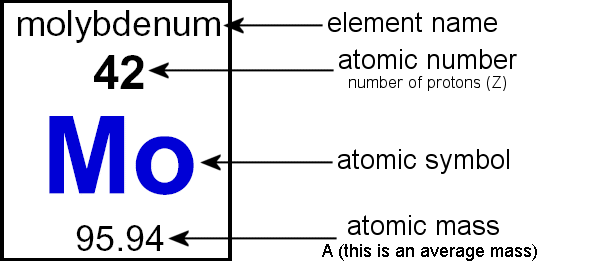
- The number of protons in the nucleus decides what element it is
- Elements consist of ONLY one type of atom
The Periodic Table
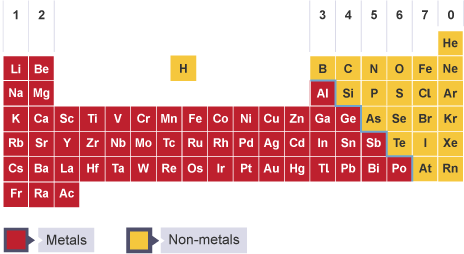
- A table full of all the elements
- Atoms are represented by symbols
- EG
- C= carbon
- O= oxygen
- Pb= lead
- Fe= iron
- EG
- Atoms with similar properties are in the same columns
- The columns are labeled in groups
- All of the elements in that group have the same electrons in their shells
- The columns are labeled in groups
- Group 0
- Noble gases
- They have a full outer shell; making them unreactive/ stable
- Why do elements react?
- They react if they don't have a full outer shell, so they react to gain more electrons
- How to work out electrons protons and neutrons?
- Number of protons and electrons
- Total number of protons and neutrons
- To find out the neutrons subtract one from another
- Number of protons and electrons
Electronic shell
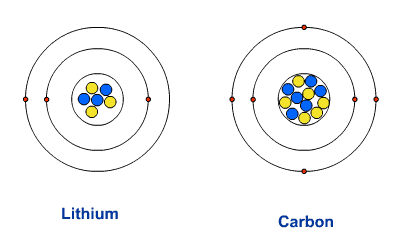
- Electrons occupy the outer shells of atoms
- They fill up from inwards to outwards
- Each shell can only contain a certain amount of electrons
- 1st Shell= 2
- 2nd Shell= 8
- 3rd Shell = 8
- Atoms always want a full outer shell and react with other elements to gain electrons
- You write them seperating with a ,
- EG
- Nitrogen has 7 electrons so...
- electronic structure = 2,5
- Nitrogen has 7 electrons so...
- EG
Balancing equations
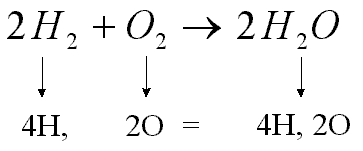
- Atoms are never lost just used over and over again.
- There needs to be an equal amount on both sides as you don't loose anything
- The start (reactants)
- The end (the product)
- EG
- Magnesium + Oxygen - magnesium oxide
- 2 Mg + 02 - 2Mg0
Compounds
- Atoms join together to make compounds
- Chemically bonded
- Difficult to separate out again
- What are they?
- Giving and sharing of electrons make the reaction
- ONLY THE ELECTRONS INVOLVED NOT THE NUCLEI
- Giving and sharing of electrons make the reaction
- IONS
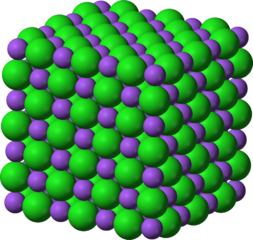
- If formed from a metal and non- metal consists of IONS
- THE METAL ATOMS lose electrons to form positive charge ions
- THE NON- METAL ATOMS gain electrons to form negative charged ions
- The opposite charges mean they are strongly attracted to each other called IONIC BONDING
- IONIC BONDING
- Positive and negative ions attract one another and bind together forming a new substance. This is called ionic bonding.
- IONIC BONDING
- The opposite charges mean they are strongly attracted to each other called IONIC BONDING
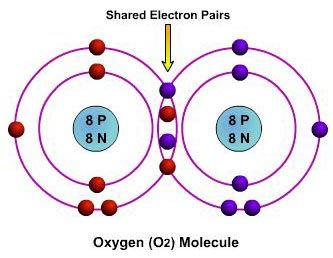
- COVALENT BONDS
- A compound formed from non-metals
- Share electrons
- The properties are totally different then the elements
- Atoms join together to make compounds
Lime Stone
- What is Lime Stone?
- It is mainly calcium carbonate (CaCO3)
- Reacts with acid to form calcium salt, carbon dioxide and water.
- The type of salt depends on the acid used
- Reacts with acid to form calcium salt, carbon dioxide and water.
- It is mainly calcium carbonate (CaCO3)
- Where does it come from?
- It is quarried out of the ground
- Thermal Decomposition
- Thermal decomposition is when one substance chemically changes into at least two other substances
- When Calcium Carbonate is thermally decomposed it becomes calcium oxide and carbon dioxide
- Magnesium, copper and zinc act in the same way
- Need a high temperature to thermally decompose something.
- Calcium oxide and water
- Forms calcium hydroxide
- Ca0+ H20 -- Ca(OH)2
- Alkali metal
- Neutralise acidic soil
- Test for carbon dioxide
- Lime water test
- If the solution goes cloudy when gas is bubbled through then carbon dioxide is present
- Lime water test
- Forms calcium hydroxide
- Uses
- Heated to make cement
- Cement mixed with sand and water to make MORTAR
- Attach bricks together
- Cement and aggregate to make CONCRETE
- Cement mixed with sand and water to make MORTAR
- Heated to make cement
- Issues
- Huge ugly holes left behined
- Destroys habitats
- Quarrying - noise and dust
- Transportation- noise pollution
- Energy is need - burning fossil fuels
- Cement factories- dust - breathing problems
- On the plus side
- Produces useful things
- Some chemicals use limestone
- Can neutralise things
- Provides jobs
- Economy
- When finished the landscape is usually fixed
- Cheap
- Easy to cut
- Hard wearing
- Quick way of construction
- Doesn't rot like wood
- Can't be eroded by insects
- What is Lime Stone?
Getting metal from rocks
- Ores
- An ore is a rock which contains enough metal to make it worth while extracting
- The ore is an oxide of metal
- Metals are extracted using chemical reactions
- The profitability changes over time
- Market price may change
- Technology improvements
- How are they extracted?
- Chemically, reduction or by electrotysis
- If they are more reactive then you use electrotysis
- Eg: Copper
- Purified by electrotysis but uses carbon to remove the oxygen
- Eg: Copper
- Expensive process- uses a lot of energy
- Using carbon to remove the oxygen
- Called SMELTING
- Needs to be less than Carbon in the REACTIVE SERIES
- Breaking down of a substance using electricity
- liquid to conduct the electricity; called electrolyte
- Made from metal salt solutions
- Has free ions
- These conduct electricity
- Electrons are taken away by anode
- If they are more reactive then you use electrotysis
- Chemically, reduction or by electrotysis
- Displacement
- More reactive metals react more vigorously
- When a metal is put in a dissolved metal compound the stronger metal replaces the weaker one in the compound
- Copper sulfate + iron - iron sulfate + copper
- If you want to get a metal out of a compound this is the method
- PROS
- Useful products can be made
- Jobs - Economy
- CONS
- Noise pollution
- Mind shafts can be dangerous
- Why recycle ?
- Extraction uses fossil fuels
- Global warming
- Saves money
- Less rubbish for land fill; less pollution
- Ores
Metals
- Properties of meatals
- Strong but can be bend and hammered into different shapes
- Good for bridges and car bodies
- Good conductors of heat
- Saucepans
- Conduct electricity well
- Electrical wires
- Metal fatigue is when they are stresses and strains are repeated on them
- Strong but can be bend and hammered into different shapes
- Specific metals
- Copper
- Conducts electricity
- Durable
- Doesn't react with water
- Aluminium
- Corrosion resistance
- Low density
- Forms strong alloys
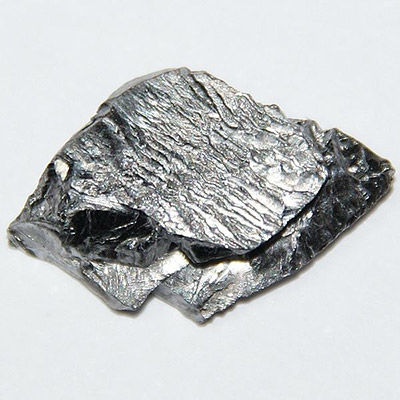
- Titanium
- Very strong
- Corrosion resistant
- Copper
- Alloys
- A metal made by combining two or more metallic elements
- The mixing of metals gives it different properties
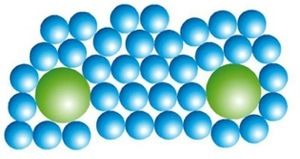
- Makes them harder to slide over each other
- Bronze = copper + tin
- Pure metals atoms move easily as it is all one pattern so they can be bent easily
- Properties of meatals
Imágenes y archivos del mapa
Información
- Descripción
- Mapa Mental sobre Chemistry, creado por bertram.lg el 27/05/2015.
- Creado por
- bertram.lg
- Visitas
- 0
- Valoración