
Mapa mental
The RollerCoaster of Type 1 Diabetes Mellitus
Contenido del mapa
The RollerCoaster of Type 1 Diabetes Mellitus
Etiology & Pathophysiology
- Autoimmune Disease
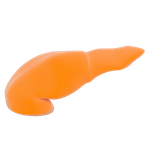
- Pancreas
- Destruction of Pancreatic Beta Cells
- Little or no insulin being produced
- Hyperglycemia
- Body begins to use fat source for energy
- Diabetic Ketoacidosis aka DKA
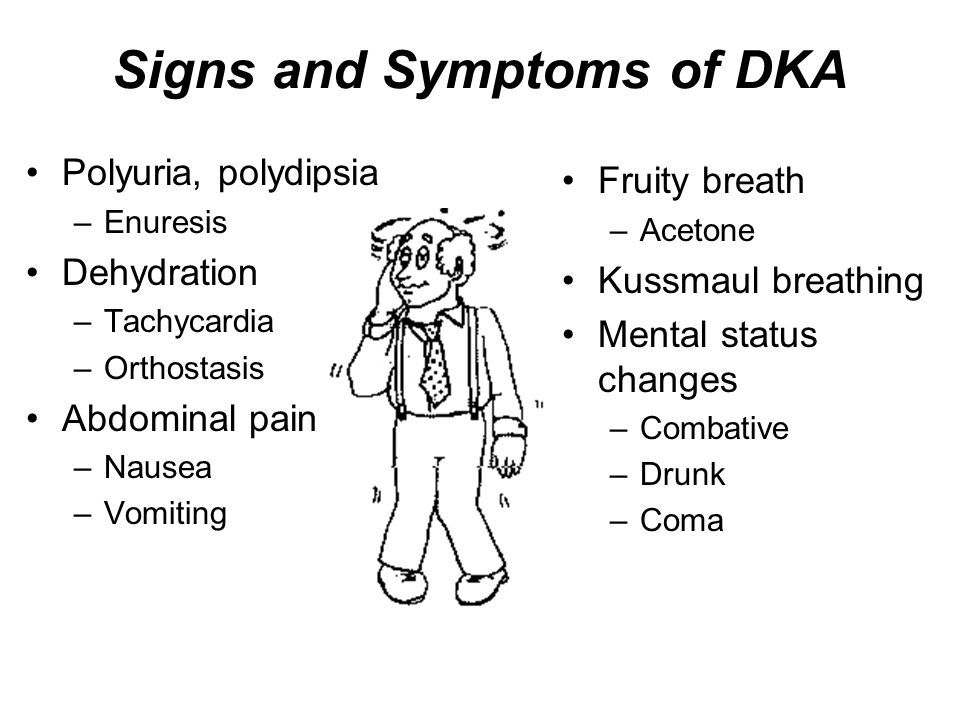
- Signs and Symptoms
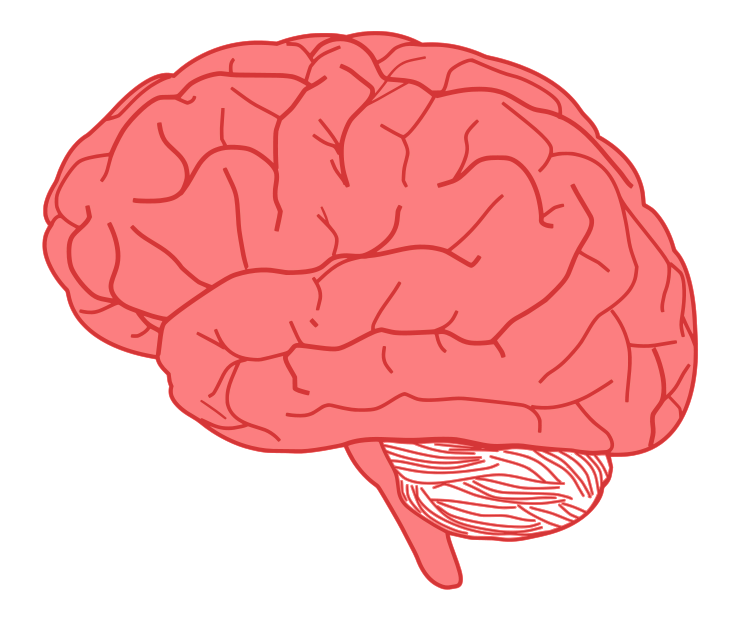
- Confusion
- Fruity smelling breath
- Abdominal pain
- Nausea & vomitting
- High levels of ketones in urine
- Body produces high levels of blood acids called ketones. DKA develops when body cannot produce enough insulin
- Warning Signs
- Blood sugar is over 240mg/dL
- Symptoms of dry mouth, feeling thirsty, or peeing alot
- If Ignored
- Diabetic Coma
- Death
- Treatment
- Fluid replacement
- Insulin administration intravenously (IV)
- Nursing Intervention: Assess skin turgor, mucous membrane and thirst. Monitor intake and output. Assess vital signs especially for orthostatic hypotension.
- Monitor blood glucose and, ketones
- Ongoing clinical assessment of patient
- Educate patient
- Ongoing clinical assessment of patient
- Monitor blood glucose and, ketones
- LIFE THREATENING
- Signs and Symptoms
- Diabetic Ketoacidosis aka DKA
- Body begins to use fat source for energy
- Hyperglycemia
- Little or no insulin being produced
- Destruction of Pancreatic Beta Cells
- Genetic Predisposition
- Human Leukocyte Antigens (HLAs)
- Exposure to a Virus
- Pancreas
- Diagnostic Studies
- A1C Blood Test > 6.5%
- Random Plasma Glucose >11mmol/L
- Fasting Plasma Glucose >7mmol/L
- 2hr OGGT level after a 75g oral glucose load >11.1mmol/L
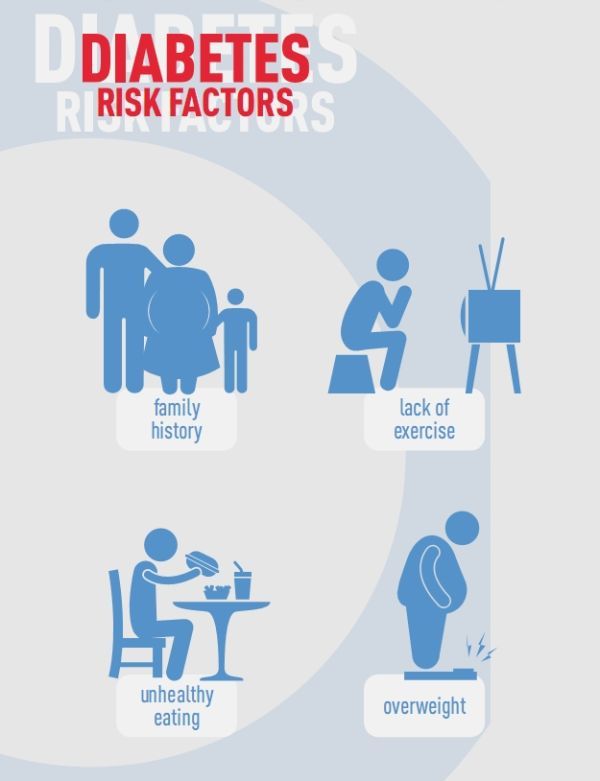
- Risk Factors
- Family History
- Genetics
- Geography
- Age
- Environmental
- IMPORTANT FACT: Researchers have noticed that more type 1 diabetes are diagnosed in northern climates, leading to suggest that environmental triggers play a role
- Viral infection
- About one third of all people with diabetes do not know they have the disease
- Autoimmune Disease
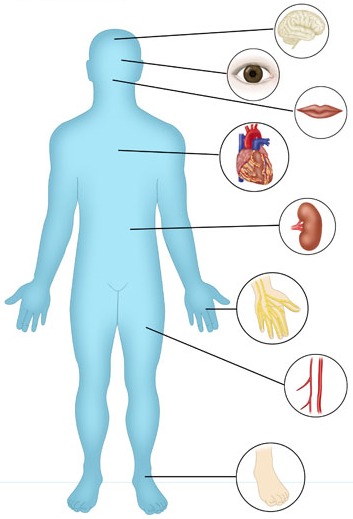
Complications
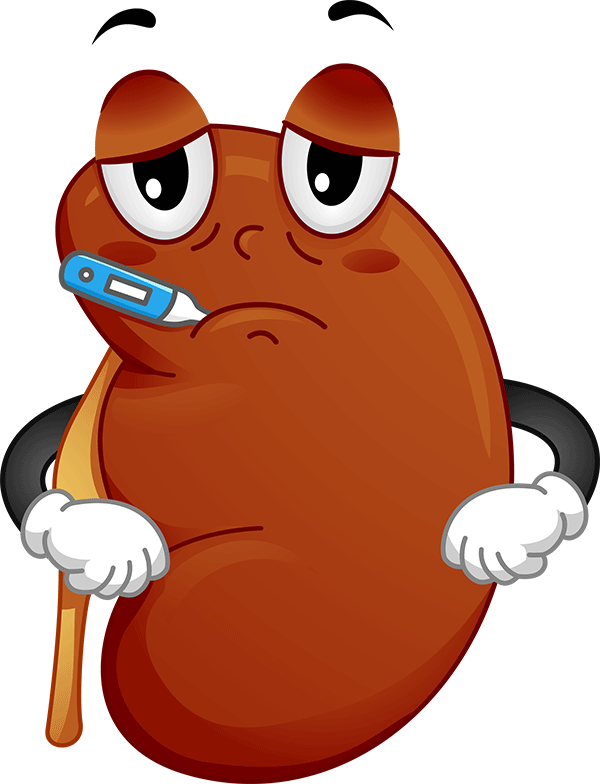
- Nephropathy
- Glomeruli of Kidney
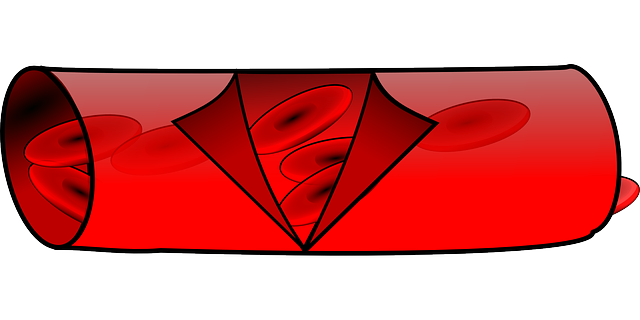
- Damage to small blood vessels
- Glomeruli of Kidney
- Neuropathy
- Damages Nerve Fibers
- Macrovascular Angiopathy
- Cerebrovaascular Disease
- Cardiovascular Disease
- Integumentary
- Necrobiosis Lipoidica Diabeticorum
- Granuloma Annulare
- Foot
- Risks
- Sensory Neuropathy
- Peripheral Artery Disease
- Possible Amputation
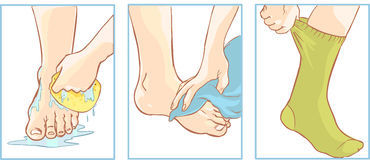
- Caring for your feet
- Check feet everyday
- Be acive
- Keep skin soft and smooth
- Wash feet everyday
- wear shoes and socks at all times
- Trim toe nails
- Risks
- Microvascular Angiopathy
- Thickening of blood vessel membranes
- Can lead to
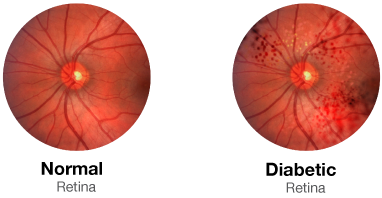
- Retinopathy
- Damage to Retina
- Dermopathy
- Nephropathy
- Neuropathy
- Retinopathy
- Can lead to
- Thickening of blood vessel membranes
- Long- term complications develop gradually. Good blood glucose management can help lower risk of complications
- Diabetes complications are all related to poor blood glucose control. Must work closely with health care team, to correctly manage your blood sugar
- Nephropathy
Nursing Management
- Health Promotion
- Monitoring
- Educating the Client and Family
- Evaluation
- Expected Client Outcomes
- Risk Reduction
- Wear Medical Alert Identification
- Lower Stress
- Who can help?
- Family Physician
- Diabetes Educator
- Nurse
- Endocrinologist
- Pharmacist
- Foot Care Specialist
- Eye care Specialist
- Help prevent or delay the development of complications by keeping blood sugar in a target range (4-6 mmol/L).
- Attend regular checkups
- Planning
- Maintenance of Normal Blood Glucose Levels
- Prevent, Minimize, or Delay Chronic Complications
- Overall Goals
- Reduce Symptoms
- Promote Well-being
- Support Groups
- Connecting with others living with diabetes, that understands
- Community support groups
- Health Promotion
Treatment
- Drug Therapy
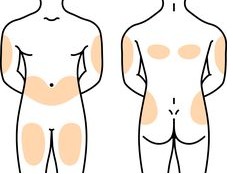
- Insulin Injection
- Route: Abdomen, arm, thigh, buttock
- Problems
- Somogyi Effect
- Hormones released that increase glucose levels (Hyperglycemia)
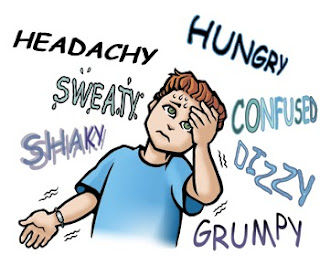
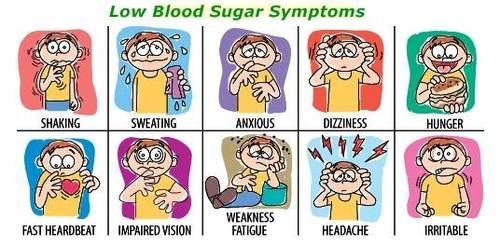
- Blood glucose level < 4mmol/L
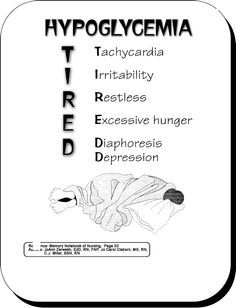
- Treatment for hypoglycemia:
- If you are conscious: 15 grams of simple carbohydrates
- Glucose tablets
- 2 tablespoons of raisins
- 8 ounce of nonfat or 1% milk
- 1 tablespoon sugar, honey or corn syrup
- Glycemic Index (GI)
- If you are unconscious:
- Someone call 911
- Patient MUST be given an injection of 1 mg of glucagon
- If you are conscious: 15 grams of simple carbohydrates
- Severe hypoglycemia: Blood glucose < 2.8 mmol/L
- Treatment for hypoglycemia:
- Blood glucose level < 4mmol/L
- Glucose level drops too low in early morning hours (hypoglycemia)
- Nursing Intervention: lower insulin dose in P.M or increase food intake in A.M
- Hormones released that increase glucose levels (Hyperglycemia)
- Dawn Phenomenon
- Early- morning (4 a.m to 8 a.m) rise in blood glucose level
- Steps that may help: 1) Eat dinner earlier in the evening 2) Do something active (such as going for a walk)
- Nursing Intervention:Educate patient about diet, exercise and insulin regimens
- Early- morning (4 a.m to 8 a.m) rise in blood glucose level
- Lipodystrophy
- Educate patient about routing injection sites
- Allerigic Reactions
- Somogyi Effect
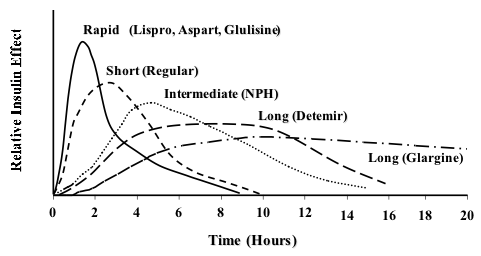
- Lispro
- Rapid Acting onset: 10-30 minutes
- Regular
- Short Acting onset: 30 minutes to 1 hr
- NPH
- Intermediate- Acting Onset: 1.5-4 hrs
- Lantus Levemir
- Long Acting Onset: 0.8- 4 hrs
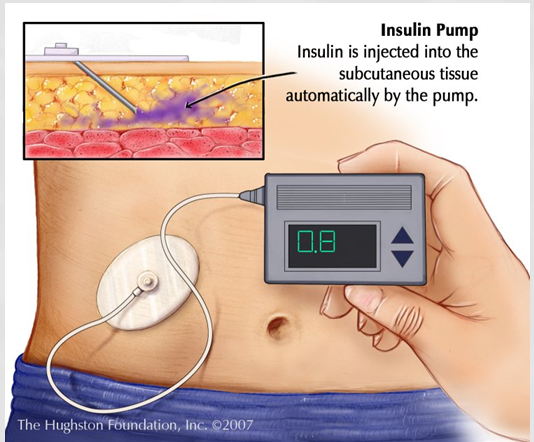
- Insulin Pump
- Insulin travels into body through flexible tube that ends with a tiny needle called a "cannula" inserted just under the skin
- Diabetes is so called Juvenile-onset diabetes, but this is no longer called that as more adults are being diagnosed.
- Insulin is injected into the subcutaneous tissue aautomatically by the pump
- Insulin travels into body through flexible tube that ends with a tiny needle called a "cannula" inserted just under the skin
- Insulin Injection
- Nutritional Therapy
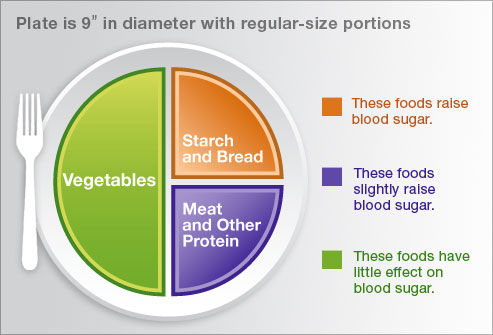
- Plate Method
- Helps maintain body weight
- Helps maintain blood glucose
- Plate Method
- Physical Activity
- Benefit of exercise
- More Energy
- Stronger Bones
- Leaner, stronger muscles
- Better Control of weight
- Lower Blood Pressure
- Types of Exercise
- Aerobic
- Walking
- Jogging
- Tennis
- Swimming
- Biking
- Strength Training
- 20-30mins, 2-3 times a week
- Recommend: 150mins Moderate intensity
- Flexibility Training
- Aerobic
- Benefit of exercise
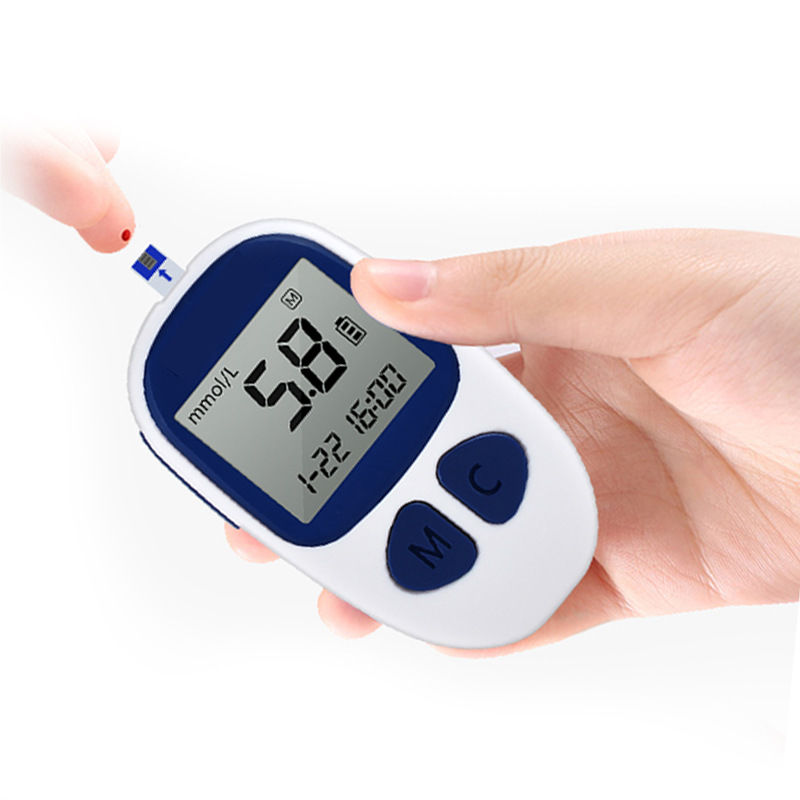
- Self Monitoring
- Track trends and patterns
- Can detect hypoglycemia and hyperglycemia
- Drug Therapy
Clinical Manifestations
- Weight loss
- Poor Healing
- Fatigue
- Polyuria
- Urination
- Polyphagia
- Thirst
- Polydipsia
- Hunger
- Blurred Vision
- Diabetes is the leading cause of blindness in working age adults
By: Khamoy Kitson
- & Lilian Lu
- Welcome to the Type 1 Diabetes Express! Thank you for joining us on this exhilarating ride!
Imágenes y archivos del mapa





























Información
- Descripción
- Hey Khamoy! This is our mindmap :)
- Creado por
- Lilian Lu
- Visitas
- 13
- Etiquetas
- Valoración