Mapa mental
Cardiogenic Shock
Contenido del mapa
Cardiogenic Shock
Diagnosis
- Pathophysiology
- Myocardial Dysfunction, Structural Abnormalities, or Dysrhythmias
- Decreased Stroke Volume
- Decreased cardiac output
- Decreased cellular oxygen supply
- Decreased tissue perfusion
- Impaired cellular metabolism
- Decreased tissue perfusion
- Decreased cellular oxygen supply
- Decreased cardiac output
- Diastolic Dysfunction: ineffective filling
- increased pulmonary pressure
- Pulmonary edema
- Decreased Oxygenation
- Pulmonary edema
- increased pulmonary pressure
- Decreased Stroke Volume
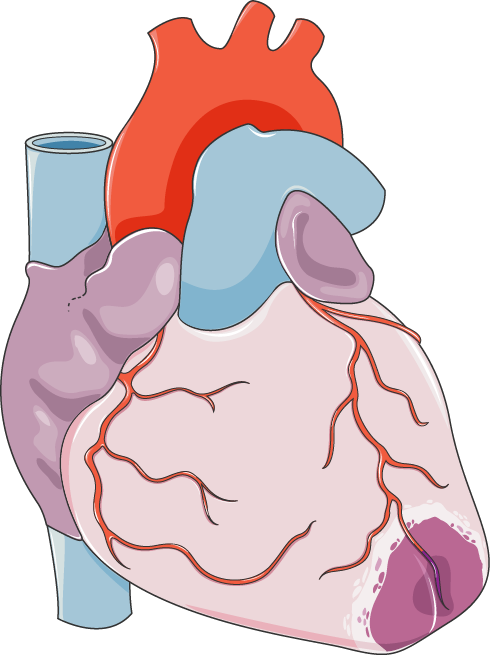
- Occurs most often after an acute myocardial infarction
- Myocardial Dysfunction, Structural Abnormalities, or Dysrhythmias
- Diagnostic Studies
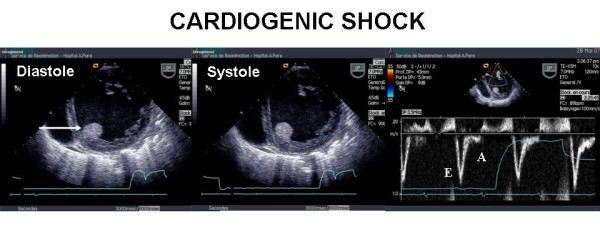
- Echocardiography - determine left ventricular function and reveal valvular abnormalities
- Physical Examination
- Health and Medical History
- History of heart attack or heart failure?
- Elevated lactate levels (>4 mmol/L)
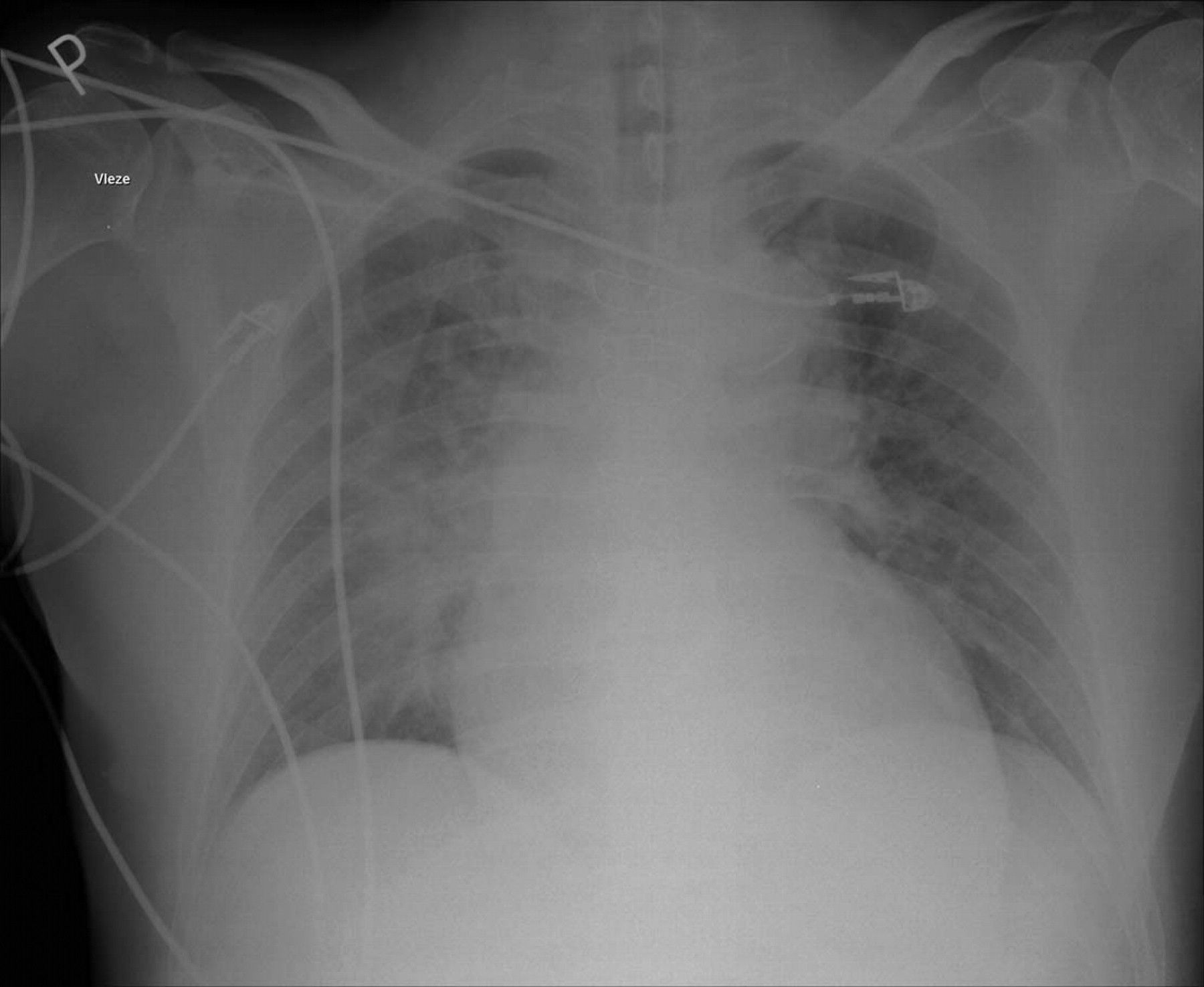
- Chest X-Ray
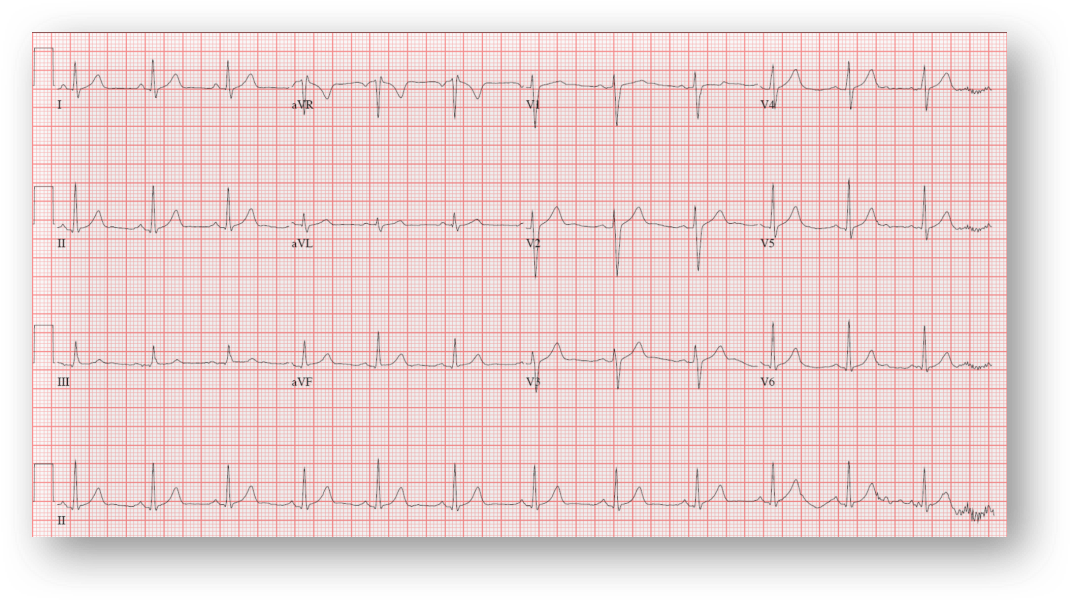
- Electrocardiography - show possible evidence of acute MI, ischemia, or ventricular aneurysm
- ABG analysis - may show metabolic acidosis and hypoxia
- ↑ Cardiac markers
- ↑ Blood glucose
- ↑ Blood Urea Nitrogen (BUN)
- Pathophysiology
Assessment
- Risk Factors
- Older age
- Hx of myocardial infarction or heart failure
- Diabetes
- Coronary heart disease
- High blood pressure
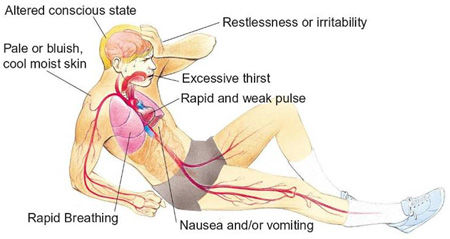
- Clinical Presentation
- Neurological
- Altered mental status/ cerebral hypoxia
- Cerebral infarction
- Lethargy
- Stupor
- Coma
- Respiratory
- Dyspnea
- Accessory respiratory muscle use
- Air hunger
- Tachypnea
- Hypoxia
- Low O2 saturation <90%
- Cardiovascular
- Tachycardia
- Hypotension
- Arrhythmias
- Conduction disturbances
- Delayed capillary refill
- Extra heart sound S3 or murmur suggesting mechanical complication
- Renal
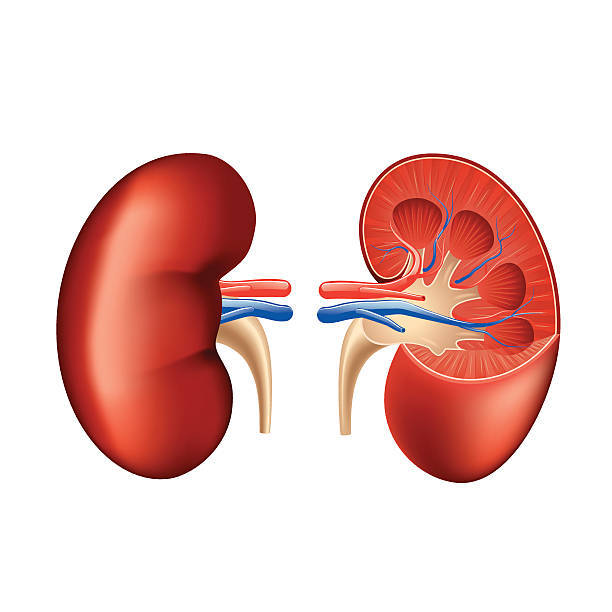
- Oliguria (<o.5 ml/kg/hour)
- Excretion of low solute urine
- Acute tubular necrosis
- Acute renal failure
- Skin
- Pallor
- Cool, Clammy
- Gastrointestinal
- Decreased bowel sounds
- Nausea and vomiting
- Neurological
- Risk Factors
Treatment
- Nursing Interventions
- Monitor hemodynamic status
- Assess vitals regularly
- HR
- BP
- RR
- Pulse
- SpO2
- Skin status
- Level of consciousness
- Temperature
- ECG monitoring
- Arrhythmia
- Changes in cardiac rhythm
- Maintain arterial line, if applicable
- Monitor lab values
- Electrolyte abnormality
- Acid/Base balance
- Monitor pulmonary status
- Respiratory distress
- Auscultate for adventitious sounds
- Assess vitals regularly
- Administer medications & IV fluids
- Monitor input & output
- Urine output
- Note concentration & amount
- If fluid overload
- Administer diuretic, if prescribed
- If hypovolemic
- Fluid resuscitation
- Only if no presence of pulmonary edema
- Fluid resuscitation
- Urine output
- Maintain IV infusion sites
- Signs of infection
- Bleeding
- Assess vitals before & after administration
- Monitor input & output
- Limit myocardial oxygen demand
- Administer analgesics/sedatives, if necessary
- Comfortable positioning
- Careful not to displace/fracture catheter
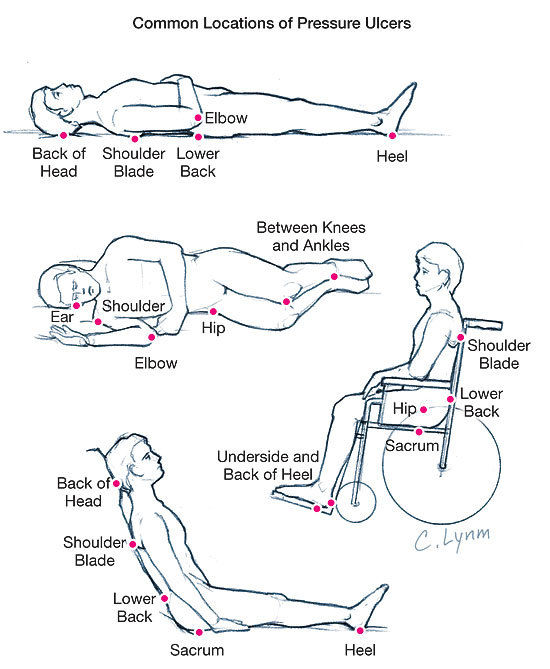
- Implement measures to prevent skin breakdown
- Limit activities
- When bedrest, monitor signs for impaired skin integrity
- Adequate protein & calories in diet
- Provide emotional support
- Calm & peaceful environment
- Reduce anxiety
- Patient education
- pain management
- Family & significant others invovlement
- Enhance myocardial oxygen supply
- Administer O2
- Monitor respiratory status
- ABGs
- Monitor hemodynamic status
- Oxygenation
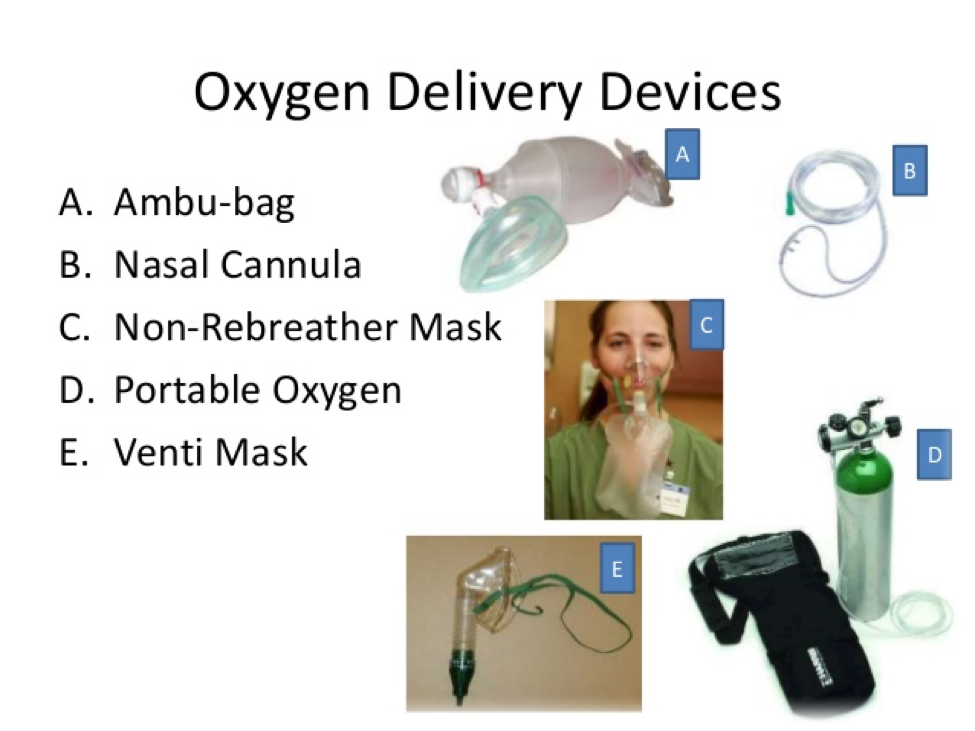
- Supplemental oxygen (via nasal prong or venti mask
- Initiate intubation and mechanical ventilation if necessary
- Pharmacological Therapy
- Thrombolytics
- Reduces frequency of cardiogenic shock
- Nitrates
- Nitroglycerin
- Dilates coronary arteries
- Decreases systemic vascular resistance and blood pressure
- Nitroglycerin
- Inotropes
- Increase myocadial contractility
- Eg. Dobutamine
- Decrease ventricular filling pressures
- Vasopressors
- Dopamine
- Increase myorcardial contractility Increase automacity
- In low doses: increase blood flow to renal, mesenteric, and cerebral circulation
- Norepinephrine
- Dopamine
- Diuretics
- Eg. Furosemide
- If patient has pulmonary edema
- Antiarrhytmic
- Amiodarone
- Thrombolytics
- Circulatory Assist Devices
- Ventricular Assist Device (VAD)
- Used of refractory to the IABP
- A temporary measure for patients who are in cardiogenic shock or awaiting cardiac transplantation
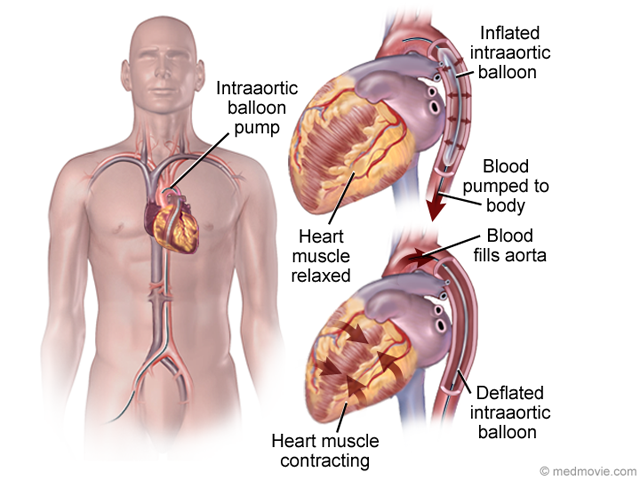
- Intra-Aortic Balloon Pump (IABP)
- Reduces afterload via deflation Coronary perfusion via inflation
- Balloon catheter inserted into the femoral artery and placed in the descending thoracic aorta
- Increased myocardial oxygen supply and reduced left-ventricular workload
- Reduces afterload via deflation Coronary perfusion via inflation
- Ventricular Assist Device (VAD)
- Early recognition and rapid treatment are key!
- Nursing Interventions
Evaluation
- Patient Education
- Heart healthy lifestyle
- Control hypertension & diabetes
- Heart healthy diet
- Maintain healthy weight
- Regular physical activity
- Avoid smoking
- Limit alcohol intake
- Stress management
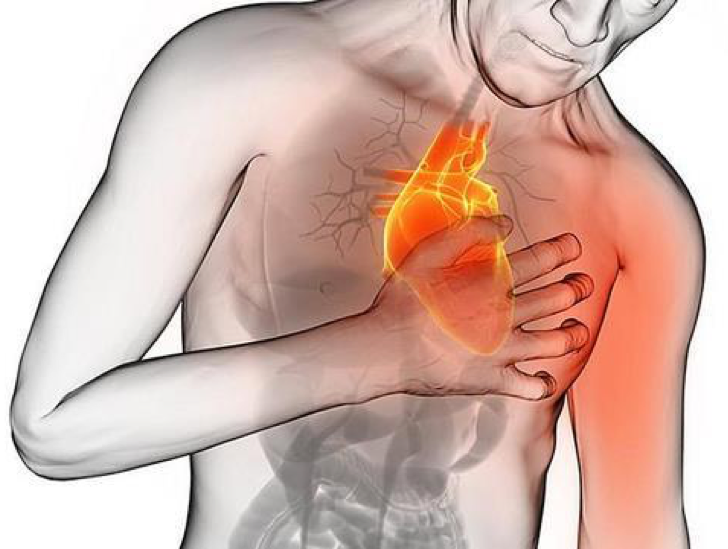
- Warning signs of heart attack
- Chest pain/discomfort
- Upper body discomfort
- Shortness of breath
- If symptoms not relieved by rest/nitroglycerin, call 911
- Restrict fluid intake to 2-2.5L/day
- Report if
- Weight gain of >4lbs in 2 days
- Increased difficulty breathing
- Presence of edema
- Report if
- If history of heart disease
- Adhere to the treatment regime
- Regular check-ups
- Heart healthy lifestyle
- Prevention
- Early identification of patients at risk
- Prevent recurrence of cariogenic shock
- Adequate oxygenation
- Decrease cardiac workload
- Treatment of underlying conditions
- Complications
- Cardiopulmonary arrest
- Sudden loss of heart function resulting in loss of blood flow
- Symptoms
- Loss of consciousness
- Abnormal/absent breathing
- Life-threatening emergency
- Assess ABCD's
- Call 9-1-1
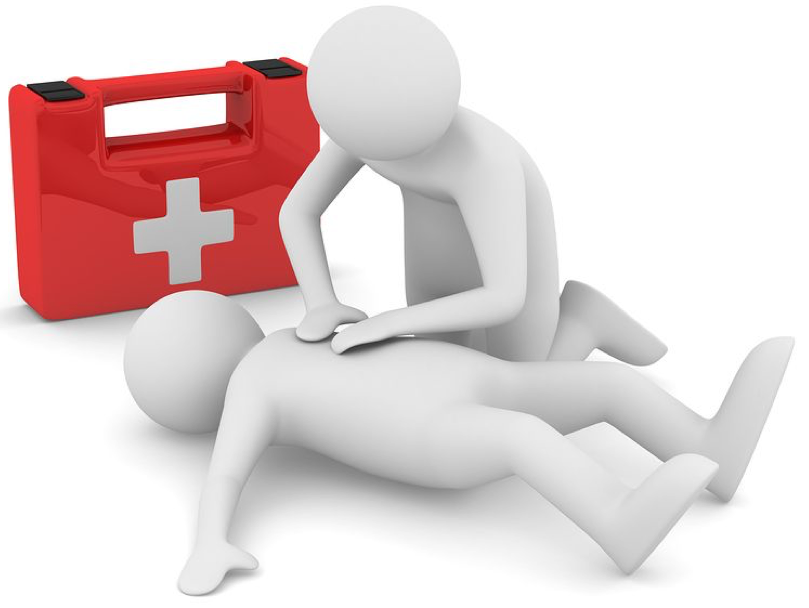
- Defibrillate & perform CPR
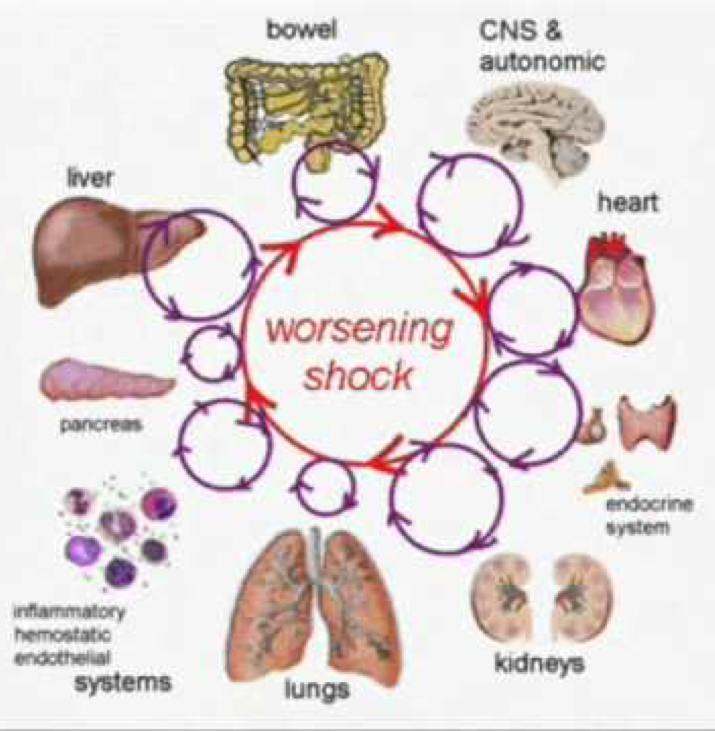
- Multiple organ dysfunction syndrome
- Acute sequential failure of several organ systems
- Renal damage
- Brain damage
- Liver damage
- Require external interventions to maintain hemostasis
- Supportive care
- Safeguarding hemodynamics
- Respiration
- Acute sequential failure of several organ systems
- Thromboembolic sequelae
- Symtoms
- SOB/dysnpea
- Chest pain
- Syncope
- Tachycardia
- Fever
- Anticoagulant/thrombolytic therapy required
- Symtoms
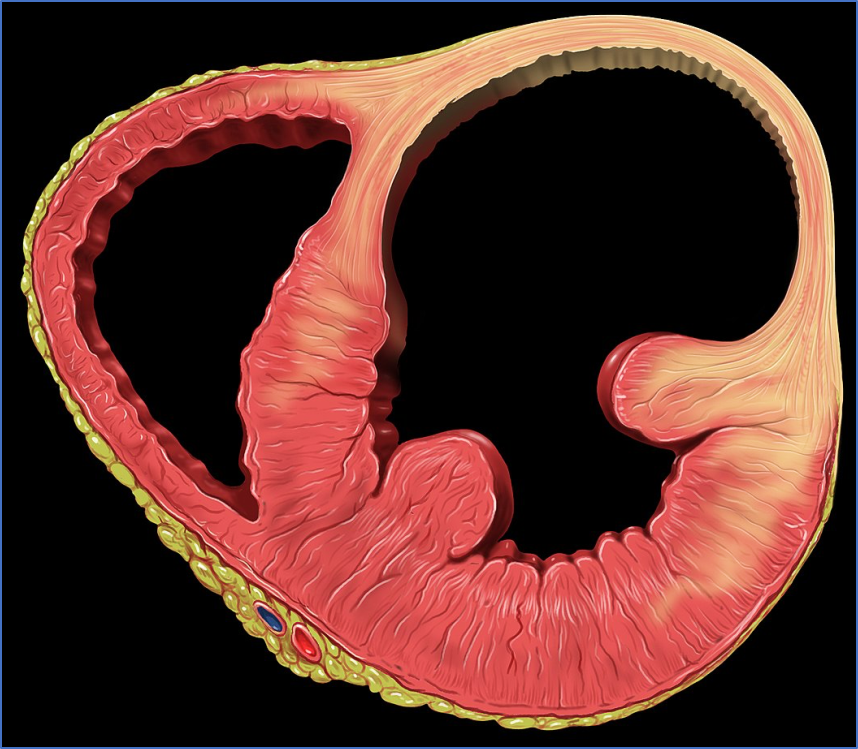
- Ventricular aneurysm
- Abnormal dilation of the ventricular wall
- May cause
- Angina pectoris
- Heart failure
- Thrombus formation
- Ventricular tachycardia
- Arrhythmia
- Coma
- Death
- Cardiopulmonary arrest
- Patient Education
By: Min Jee Bae and Ervine Nicole Rulloda