
Mapa mental
Atoms,Compounds And Isotopes
Contenido del mapa
Atoms,Compounds And Isotopes
Ionic Bonding
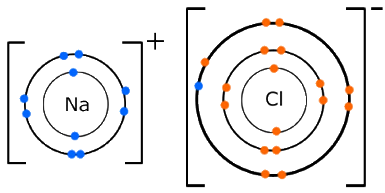
- Metal atoms form positive ions, while non-metal atoms form negative ions. The strong electrostatic forces of attraction between oppositely charged ions are called ionic bonds.
- Metal atoms lose the electron, or electrons, in their highest energy level and become positively charged ions
- Non-metal atoms gain an electron, or electrons, from another atom to become negatively charged ions
- Conducts electricity when molten or in solution.
- Very Strong electrostatic force
- High Melting Point And Boiling Point
- Metal atoms form positive ions, while non-metal atoms form negative ions. The strong electrostatic forces of attraction between oppositely charged ions are called ionic bonds.
Compounds are substances in which atoms of two or more elements are chemically combined.
Isotopes
- Isotopes are different atomic forms of the same element which have the SAME number of PROTONS but DIFFERENT number of NEUTRONS
- SAME atomic number
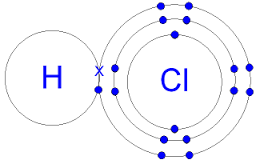
Covalent Bonding ( SHARING OF ELECTRONS)
- Can only share electrons in outer shells
- Structure
- Simple Molecular
- Very strong covalent bonds
- Forces of attraction is weak
- Low melting Point And Boiling
- DON'T conduct electricity as no ions or electrical charge
- Giant Covalent
- No Charged Ions
- Very Strong Covalent Bond
- High MTP and BP
- Diamond
- 4 Covalent Rigid Bonds
- Silicon Dioxide
- What sand is made of
- Graphite
- Each Carbon Atom Forms 3 Coavlent Bonds
- Creates Layers That Are Free To Slide
- Soft And Slippery
- Only metal which is good conductor of electricity and heat
- Soft And Slippery
- Creates Layers That Are Free To Slide
- Each Carbon Atom Forms 3 Coavlent Bonds
- Simple Molecular
Imágenes y archivos del mapa
Información
- Descripción
- Mapa Mental sobre Atoms,Compounds And Isotopes, creado por Gurkiran Kang el 13/10/2014.
- Creado por
- Gurkiran Kang
- Visitas
- 40
- Etiquetas
- Valoración