
Mapa mental
All Life on Earth
Contenido del mapa
All Life on Earth
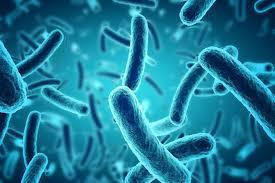
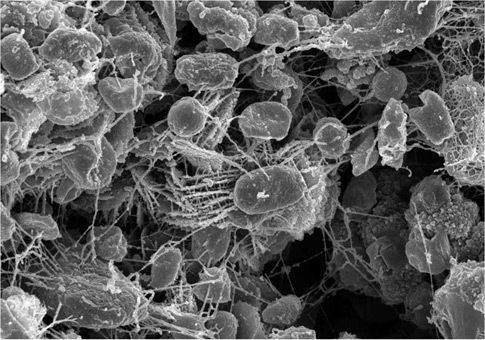
Prokaryotic
- Unicellular organisms that lack organelles or other internal membrane-bound structures.
- Prokaryotes lack an organized nucleus and other membrane-bound organelles.
- Prokaryotic cell size ranges from 0.1 to 5.0 μm in diameter.
- The cell wall of a prokaryote acts as an extra layer of protection, helps maintain cell shape, and prevents dehydration.
- Prokaryotic DNA is found in a central part of the cell called the nucleoid.
- The small size of prokaryotes allows quick entry and diffusion of ions and molecules to other parts of the cell while also allowing fast removal of waste products out of the cell.
- Prokaryotes have a prokaryotic cytoskeleton
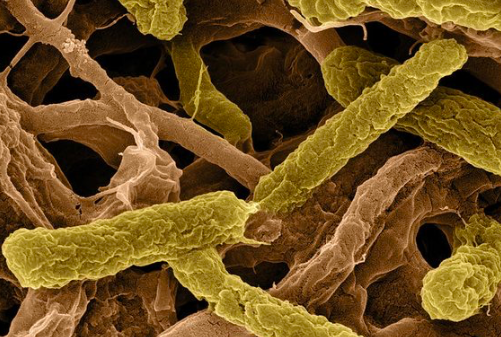
- Bacteria are an example of prokaryotic cells
- Bacteria are an example of prokaryotic cells
- Unicellular organisms that lack organelles or other internal membrane-bound structures.
Eukaryotic
- Fungi
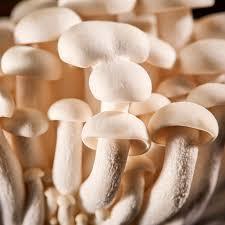
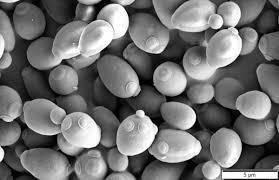
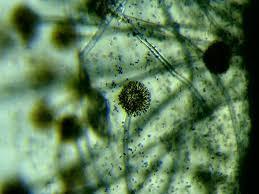
- a kind of living organism: yeasts, moulds and mushrooms are types of fungi. The fungi are a separate kingdom of living things, different from animals and plants. Fungi have cells with nuclei. Their cell walls contain chitin, unlike the cell walls of plants, which contain cellulose.
- The most common form of fungi are mushrooms, molds and yeasts
- Mushrooms
- Experts believe the only 3/5 of what is assumed to be all the species of mushrooms has been discovered. That's a staggering 60%!
- Moulds
- Yeasts
- Mushrooms
- Around 120,000 species of fungi have been described by taxonomists
- The most common form of fungi are mushrooms, molds and yeasts
- a kind of living organism: yeasts, moulds and mushrooms are types of fungi. The fungi are a separate kingdom of living things, different from animals and plants. Fungi have cells with nuclei. Their cell walls contain chitin, unlike the cell walls of plants, which contain cellulose.
- Animals
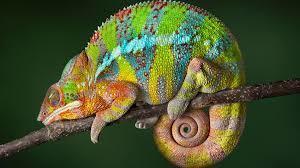
- A living organism that feeds on organic matter, typically having specialized sense organs and nervous system and able to respond rapidly to stimuli.
- Invertebrates, fish, amphibians, reptiles, birds and mammals are the 6 main animal groups.
- Invertebrates
- Phylum Porifera
- Sponges
- Phylum Cnidarians
- Jellyfish, Corals, Anemones, Hydra
- Phylum Echinodermata
- Sea stars, Brittle stars, Sea urchins, Sea cucumbers
- Phylum Platyhelminthes
- Flatworms, Flukes, Tapeworms
- Phylum Chordata
- Sea squirts, Lancelets
- Phylum Nematoda
- Ascaris, Vinegar eel, Hookworms, Filaria worms, Pinworms
- Phylum Mollusca
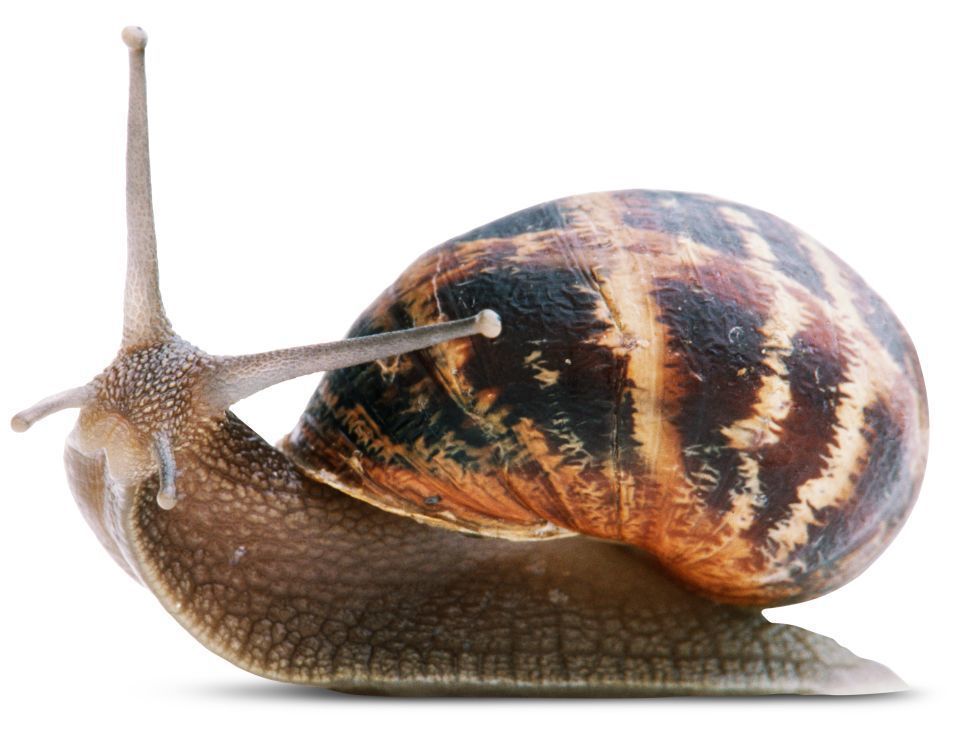
- Snails, Clams, Squids, Octopuses, Other Mollusks shells
- Phylum Arthropoda
- Crabs, Scorpions, Insects, Spiders, Millipedes, Centipedes, Barnacles
- Phylum Annelida
- Earthworms, Leeches, Lugworms
- Phylum Porifera
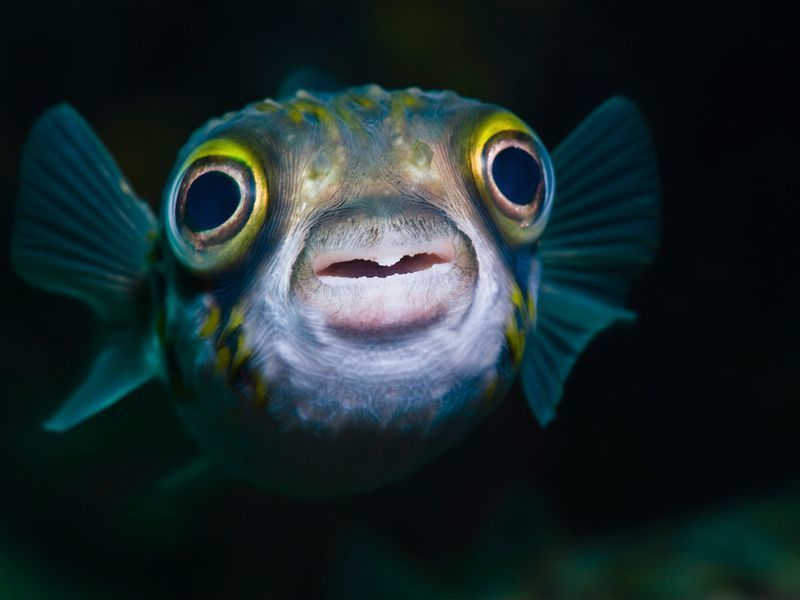
- Fish
- Jawless
- cartilaginous
- bony fishes
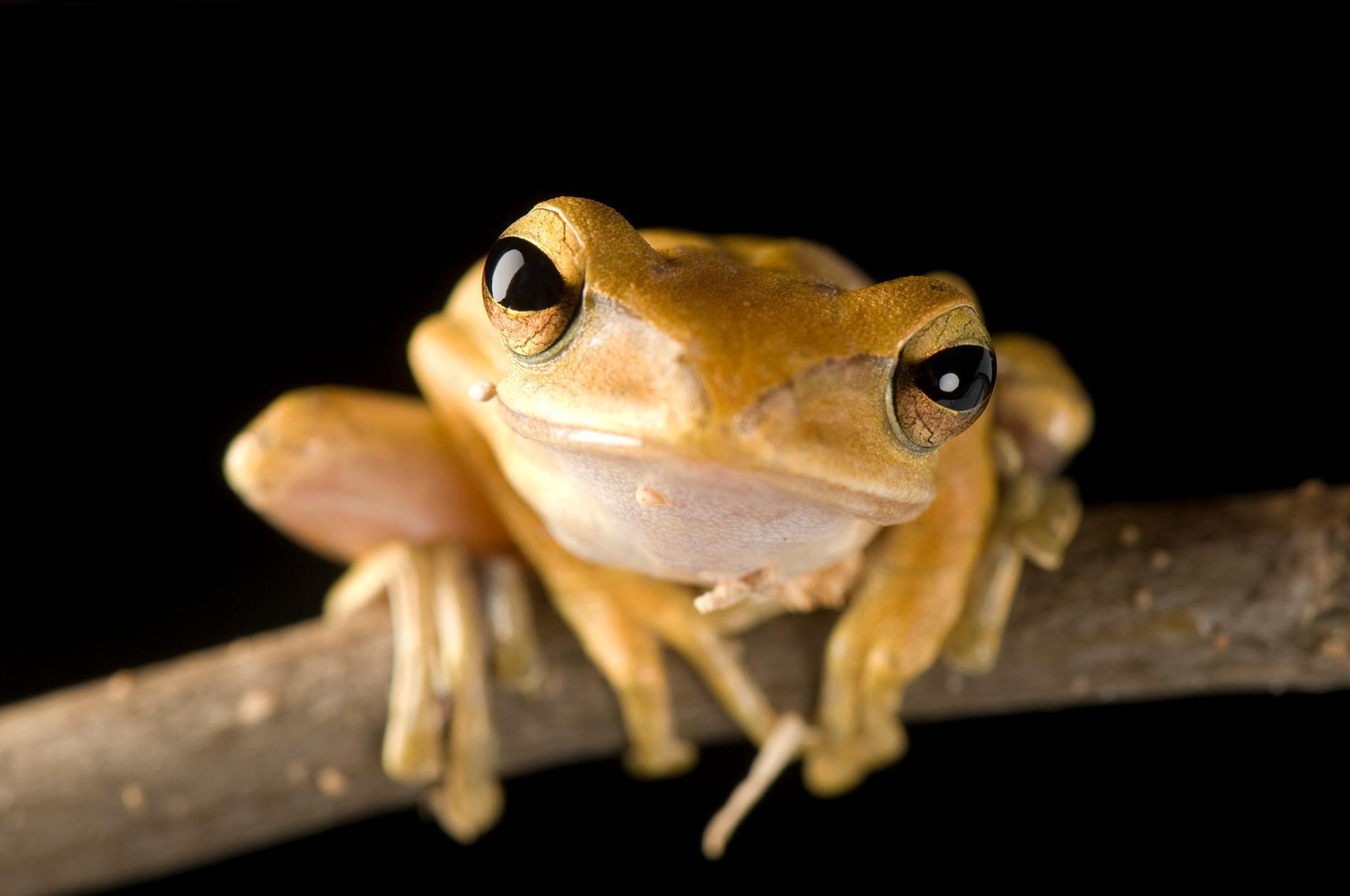
- Amphibians
- Anura
- Caudata
- Gymnophiona
- Reptiles
- Crocodilia
- sphenidontia
- Squamata
- Testudines
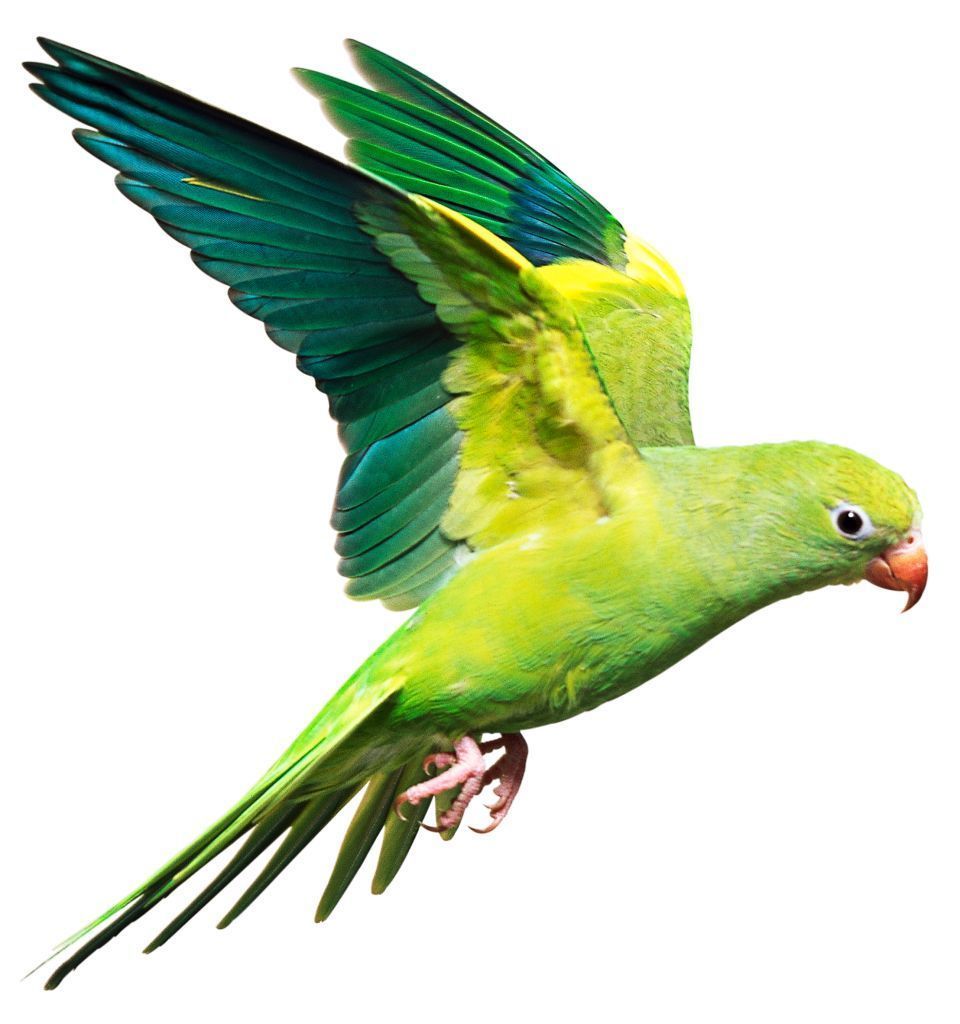
- Birds
- Strisourus
- Columbaves
- Gruiformes
- Aequorlitornithes
- Inopinaves
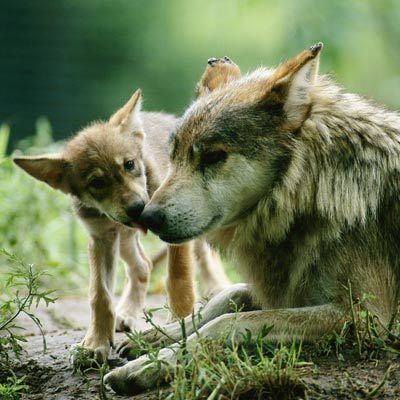
- Mammals
- eutheria
- metatheria
- prototheria
- Invertebrates
- Invertebrates, fish, amphibians, reptiles, birds and mammals are the 6 main animal groups.
- A living organism that feeds on organic matter, typically having specialized sense organs and nervous system and able to respond rapidly to stimuli.
- Archea
- microorganisms that are similar to bacteria in size and simplicity of structure but radically different in molecular organization. They are now believed to constitute an ancient intermediate group between the bacteria and eukaryotes.
- Methanogens, halophiles, and thermophiles are the main types of archaebacteria.
- Methanogens
- Produce methane
- Halophiles
- Salt-loving
- Thermophiles
- Thrive in high temperatures
- Methanogens
- Methanogens, halophiles, and thermophiles are the main types of archaebacteria.
- microorganisms that are similar to bacteria in size and simplicity of structure but radically different in molecular organization. They are now believed to constitute an ancient intermediate group between the bacteria and eukaryotes.
- Plants
- a living organism of the kind exemplified by trees, shrubs, herbs, grasses, ferns, and mosses, typically growing in a permanent site, absorbing water and inorganic substances through its roots, and synthesizing nutrients in its leaves by photosynthesis using the green pigment chlorophyll.
- mosses and liverworts, ferns, gymnosperms, and angiosperms are the four groups of the plant kingdom
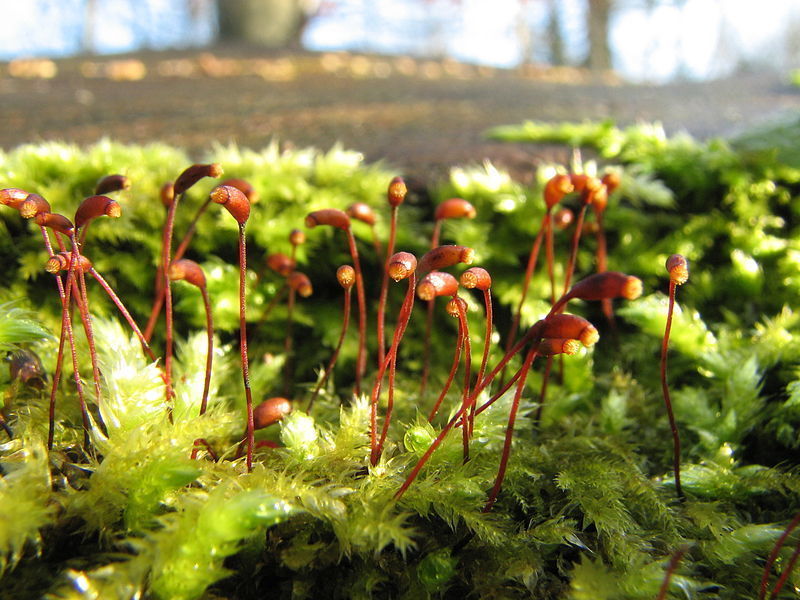
- Mosses and Liverworts
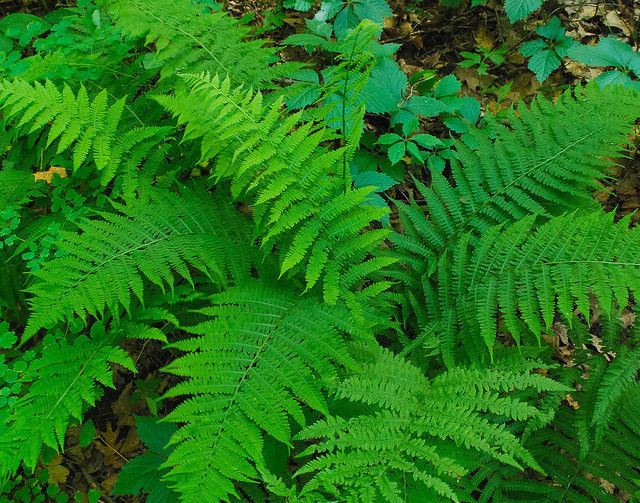
- Ferns
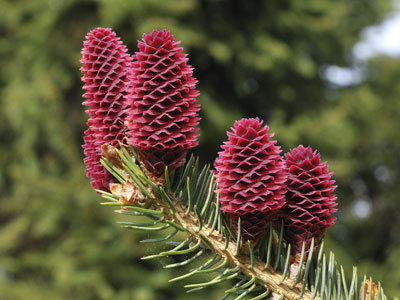
- Gymnosperms
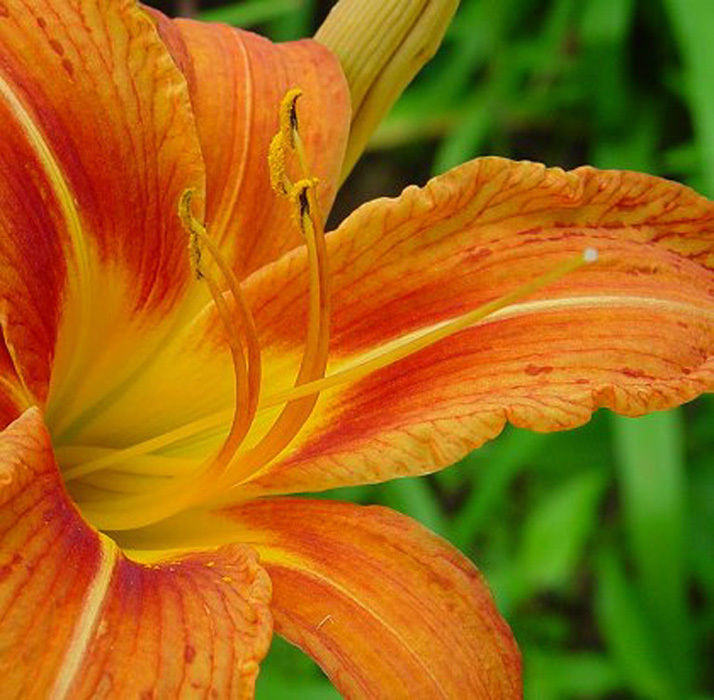
- Angiosperms
- Mosses and Liverworts
- mosses and liverworts, ferns, gymnosperms, and angiosperms are the four groups of the plant kingdom
- a living organism of the kind exemplified by trees, shrubs, herbs, grasses, ferns, and mosses, typically growing in a permanent site, absorbing water and inorganic substances through its roots, and synthesizing nutrients in its leaves by photosynthesis using the green pigment chlorophyll.
- Fungi
Imágenes y archivos del mapa
Información
- Descripción
- Mapa Mental sobre All Life on Earth, creado por alex0891 alex0891 el 19/03/2019.
- Creado por
- alex0891 alex0891
- Visitas
- 66
- Etiquetas
- Valoración