
Mapa mental
GCSE Chemistry C1.1 - Fundamental Ideas in Chemistry
Contenido del mapa
GCSE Chemistry C1.1 - Fundamental Ideas in Chemistry
Subatomic Particles
- Atomic Particle / Relative Charge
- Proton
- Neutron
- Electron
- Neutron
- +1
- 0
- -1
- 0
- Proton
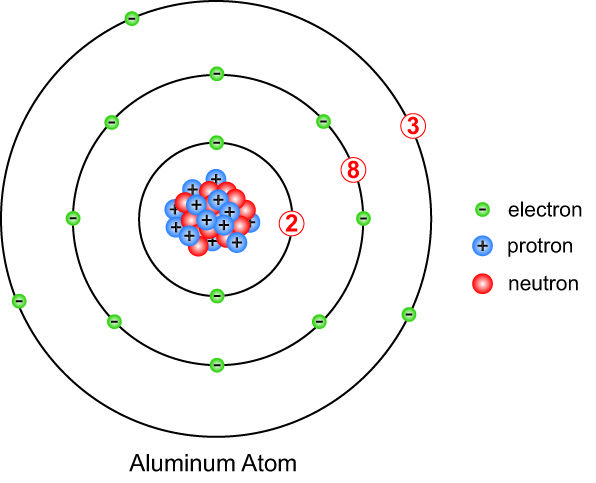
- Atomic & Mass Numbers
- The find out the number of neutrons an atom contains = mass number - atomic number
- Atomic number - The amount of protons OR Electrons an atom contains
- Mass Number - The TOTAL amount of protons AND neutrons an atom contains - Nom of protons+Nom of neutrons
- Atomic number - The amount of protons OR Electrons an atom contains
- The find out the number of neutrons an atom contains = mass number - atomic number
- Electronic configuration
- The first shell always contains a number of 2 electrons, the rest contains 8.
- For an atom that contains 6 electrons, their electronic configuration would be written as [2,6]
- The first shell always contains a number of 2 electrons, the rest contains 8.
- Atomic Particle / Relative Charge
Alkali Metals (group 1)
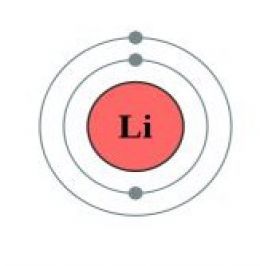
- Lithium 2,1
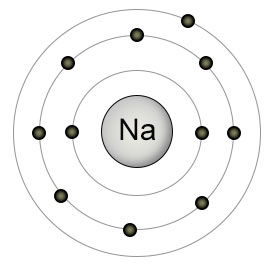
- Sodium 2,8,1
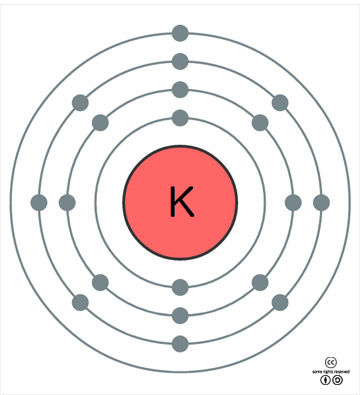
- Potassium 2,8,8,1
- Sodium 2,8,1
- All alkali metals react violently when added to water they also always produce hydrogen gas and a metal hyrdoxide e.g.) Potassium+water-->potassium hydroxide+hydrogen
- When the alklai metals react with oxygen they always produce a metal oxide e.g) sodium+oxygen-->sodium oxide
- Lithium 2,1
Halogens (group 7)
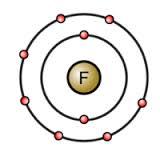
- Flourine 2,7
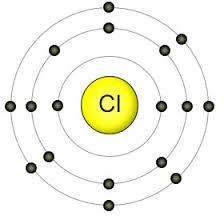
- Chlorine 2,8,7
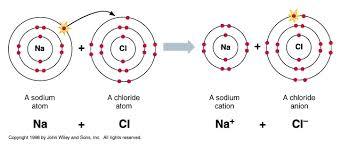
The halogen atoms and the alkali metals with react together to form an ionic compound in which these are called halide ions and have a single negative charge.
Noble Gases (Group 0)
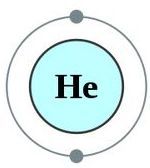
- Helium 2
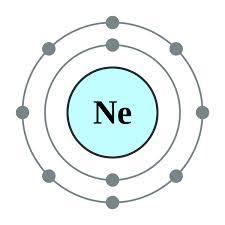
- Neon 2,8
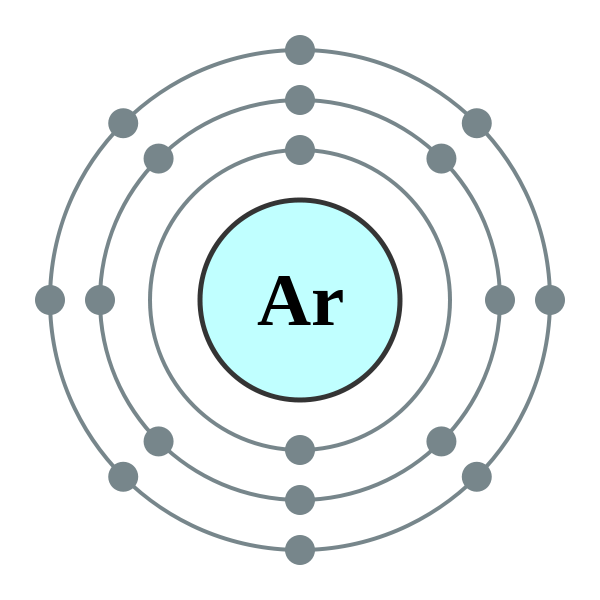
- Argon 2,8,8
- Neon 2,8
- Noble gases are unreactive as they all have a full outer shell.
- Helium 2
Mixtures and Compounds
- A mixture consists of two or more elements or compounds that are not chemically joined, the properties of the substances remain unchanged and specific to each substance.
- A compound is a substance contains two or more elements are chemically joined together.
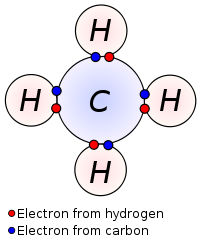
- Non metal + Non metal = Covalent bonding
- Sharing of electrons
- Sharing of electrons
- Non metal + metal = Ionic bonding
- gaining/losing electrons
- gaining/losing electrons
- Non metal + Non metal = Covalent bonding
- Either way of bonding, covalent or ionic results in all outer shells being full.
Imágenes y archivos del mapa
Información
- Descripción
- C1.1 of second C1-C3, Chemistry GCSE
- Creado por
- chancice.branscombe
- Visitas
- 1.489
- Etiquetas
- Valoración