
Mapa mental
The carbon cycle and Decomposition
Contenido del mapa
The carbon cycle and Decomposition
The whole thing is powered by photosynthesis
- In photosynthesis plants convert the carbon from CO2 in the air into sugars.
- Plants then incorporate this carbon into other carbohydrates & fats &proteins
- carbon compounds are passed through the animal and food chain through eating
- Both plants& animals respire when the organism is alive - releases CO2 back in the air
- Plants &animals eventually die &decay.
- they are then broken down by bacteria and fungi in the soil
- these decomposers release CO2 back into the air by respiration as they break down the material
- over millions of years, material from dead animals &plants turn into fossil fuels - coal and oil
- when fossil fuels are burnt CO2 is released back into the air
- over millions of years, material from dead animals &plants turn into fossil fuels - coal and oil
- these decomposers release CO2 back into the air by respiration as they break down the material
- they are then broken down by bacteria and fungi in the soil
- Plants &animals eventually die &decay.
- Both plants& animals respire when the organism is alive - releases CO2 back in the air
- carbon compounds are passed through the animal and food chain through eating
- Plants then incorporate this carbon into other carbohydrates & fats &proteins
- In photosynthesis plants convert the carbon from CO2 in the air into sugars.
recycling carbon & other nutrients takes longer in waterlogged soils than in well-drained soils.
- Bcuz bacteria & fungi that decompose organic material need oxygen to respire &produce energy.
- waterlogged soils don't have much oxygen
- decomposers have less energy &work more slowly.
- waterlogged soils don't have much oxygen
- Bcuz bacteria & fungi that decompose organic material need oxygen to respire &produce energy.
Nutrient recycling takes longer in acidic soil than in neutral.
- bcuz extremes of pH slow down the reproduction of decomposers or kill them
Carbon is also recycled in the sea
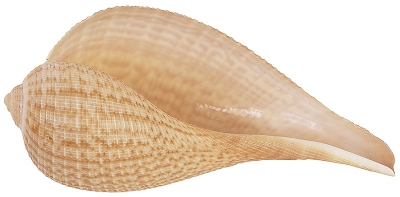
- species make shells made of carbonates
- when the organisms die the shells fall to the ocean floor
- eventually forming limestone rocks
- the carbon in these rocks returns to the atmosphere as CO2 - when weathering takes place in rocks or during a volcanic explosion
- eventually forming limestone rocks
- when the organisms die the shells fall to the ocean floor
- species make shells made of carbonates
Imágenes y archivos del mapa
Información
- Descripción
- GCSE (Biology module 2) BIOLOGY Mapa Mental sobre The carbon cycle and Decomposition, creado por pwincess_sana97 el 05/09/2013.
- Creado por
- pwincess_sana97
- Visitas
- 165
- Etiquetas
- Valoración