
Mapa mental
Social Action Theory
Contenido del mapa
Social Action Theory
- Structural theories fail to recognize we have free will. Macro theory thinks our actions are due to the structure of society.
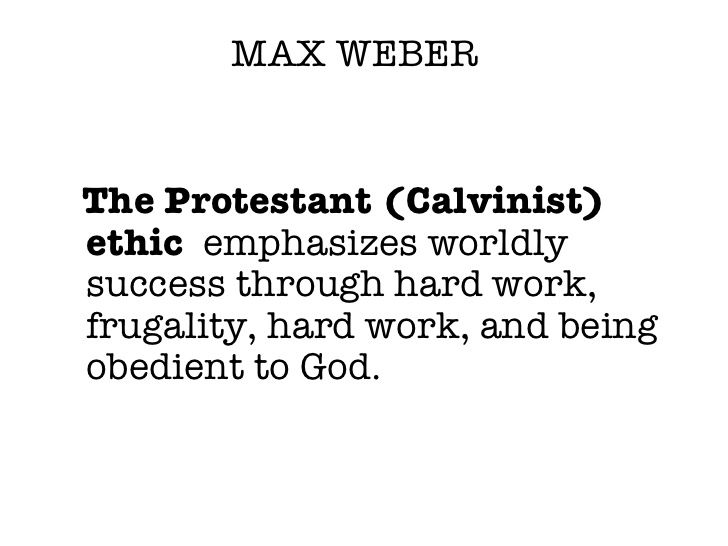
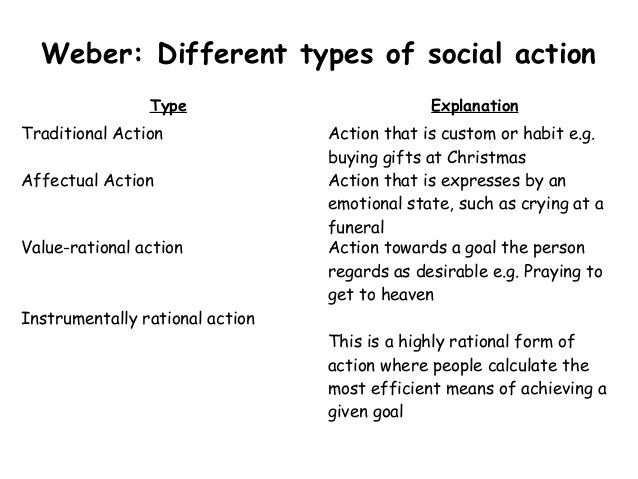
Weber
- 'Level of cause' - external structure influences actions
- 'Level of Meaning' - subjective, individual interpretations
- Types of Action
- Evaluation
- Too individualistic - shared meanings
- Typology is difficult to apply or too restrictive
- Can never truly understand their motives
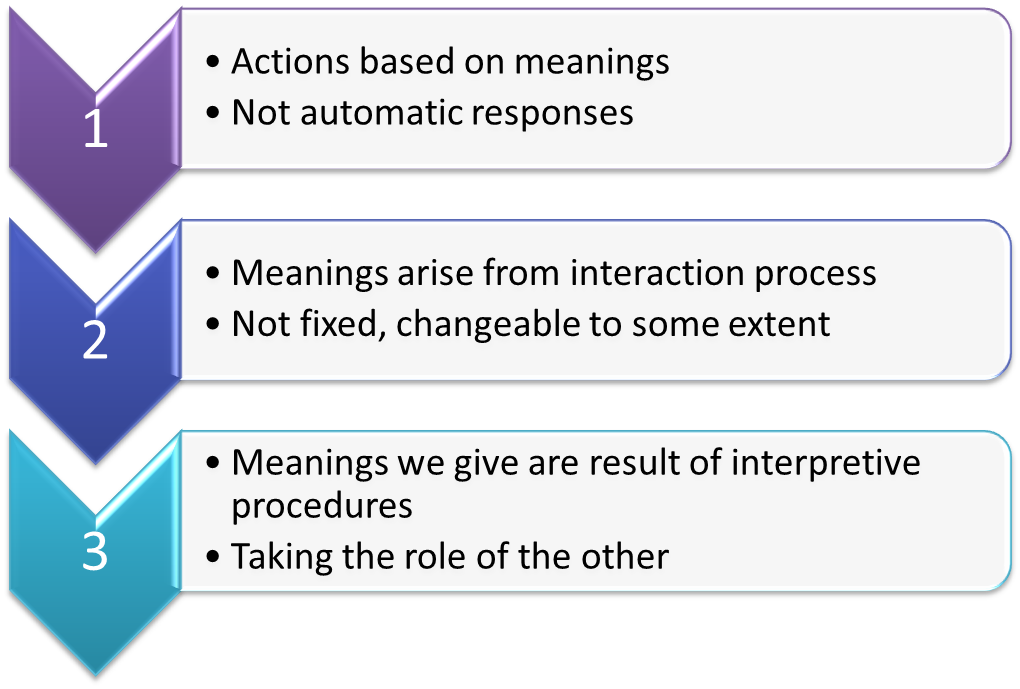
Symbolic Interactionism
- Symbol versus instincts
- Taking the role of the other - based on experience and prior learning (Socialization)
- Interpretive Phase
- Blumer
- Labeling Theory
- SFP
- Looking glass self
- Dramaturgical Model
- Impression Management
- Roles - Script - Front Stage - Back Stage - Props
- Roles
- Role distance
- Roles are loosely scripted by society and have freedom in how we play them
- Role distance
- Impression Management
- Evaluation
- Loose collection of ideas rather than an explanatory theory
- Ignores wider structures
- Interactionist questionnaire - indentified concepts they felt were essential, most popular were 'role', 'self' and 'interaction'. Only two chose 'power' or 'class'.
- Actions preformed unconsciously
- Everyone plays both actor and audience, and interactions are unrehearsed
- Fails to explain how actors create meanings
- Symbol versus instincts
Phenomenology
- Typification
- Awareness through Socialisation
- Allows us to communicate effectively. Accurate individual responses, stabilize meanings of how to act
- Awareness through Socialisation
- Natural Attitude
- Assume unknown will perform a whole series of operations in particular sequence.
- Typification
Ethnomethodology
- Indexicality: clear ideas that we share, but they can change
- Reflexivity: Commonsense understanding
- Evaluation
- Actively construct order and meaning, rather than just being puppets.
- 'Uncovering' taken-for-granted rules that aren't a surprise to anyone.
- No particular reason to accept EM's views
- If EM argues everyone creates order and meaning by identifying patterns and producing explanatiosn that are essentially fictions.
- People share wider concepts of society.
- 'Commonsense knowledge' is ruling-class ideology
Giddens Structuration
- Combine Structure and Action to understand behaviour
- Evaluation
- Capacity of structures to resist change.
- Isn't really a theory, doesn't explain society, only describes things we'll find when we study society
- Fails to apply his theory to large-scale structures like economy and the state
Imágenes y archivos del mapa

Información
- Descripción
- Sociology Mapa Mental sobre Social Action Theory, creado por sinead.r34 el 06/05/2015.
- Creado por
- sinead.r34
- Visitas
- 274
- Etiquetas
- Valoración