
Mapa mental
The Chemistry of Life ---Kary
Contenido del mapa
The Chemistry of Life ---Kary
The Nature of Matter
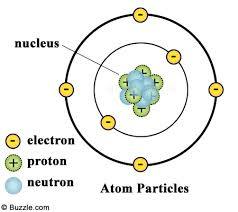
- Atom:
- Atom is the smallest constitution of a matter
- - electrons
- Electron is the small particle inside an atom, which carrying negative electric charge.
- Electron has a mass about 1/1836 of that of proton
- In an atom, if the number of electrons are equal to the number of protons, then the atom is electrically neutral.
- Nucleus
- Nucleus is the center of an atom, which consists positive electric charged protons and neutrons
- + protons
- The small particles inside nucleus, which carrying positive electric charge
- A protons with mass approximately to an atom mass unit
- atomic number
- The number of protons contains in the nucleus of an atom is called atomic number
- neutrons
- A small particle inside nucleus, which carrying no net electric charge
- A neutron has a mass slightly larger than that of protons
- mass number
- The mass number of an atom equals to the proton number plus the neutron number of an atom
- Chemical Compounds
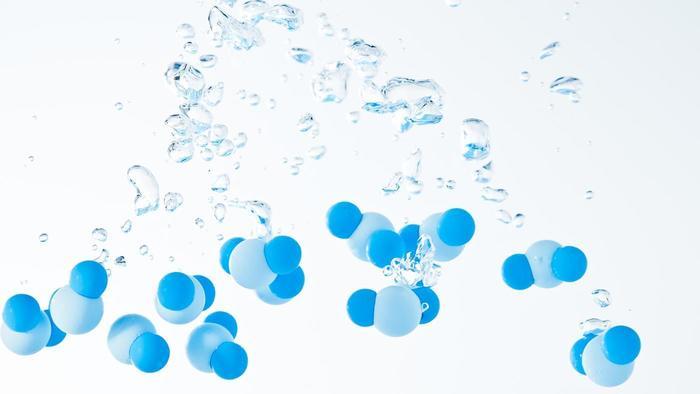
- A chemical compound is a chemical substance formed by 2 or more elements in definite proportions. For example, H2O, NaCl, etc.
- Shorthand formula
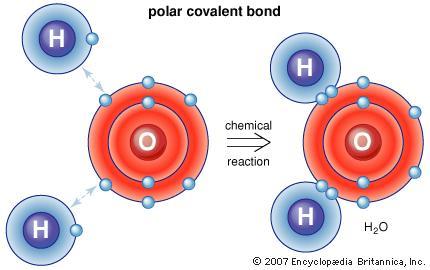
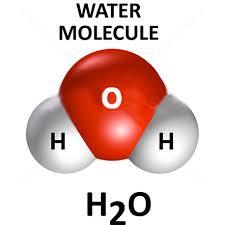
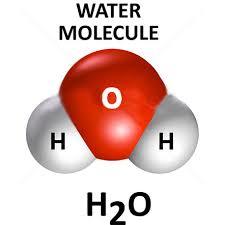
- Water: H2O
- Indicate the chemical compound -- Water contains 2 H and 1 Oxygent
- Indicate the chemical compound -- Water contains 2 atoms of Hydrogent and 1 atoms of Oxygent
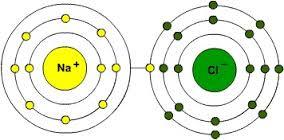
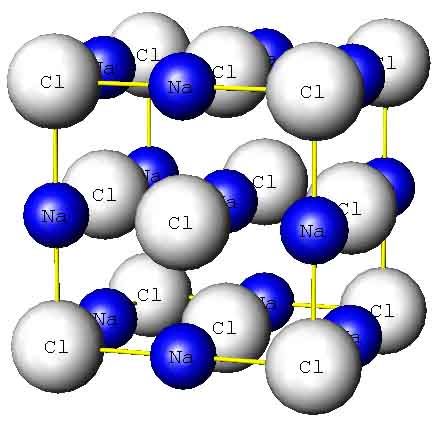
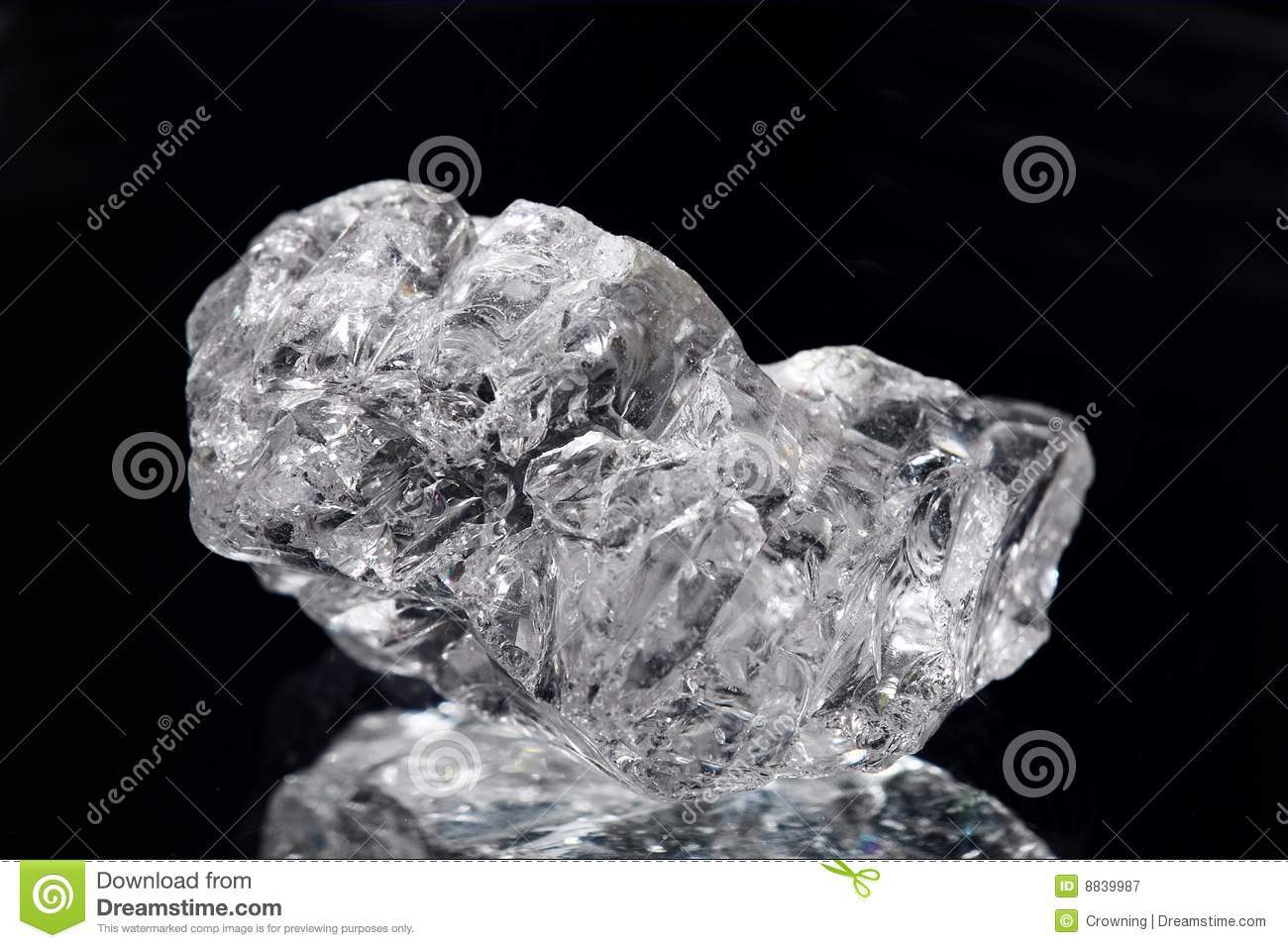
- Table Salt: NaCl
- NaCl indicates that the elements that make up table salt - sodium and chlorine - combine in a 1:1 ratio
- Water: H2O
- Physical Properties vs Chemical Properties
- are usually very different from those of the elements from which it is formed
- Chemical Bond
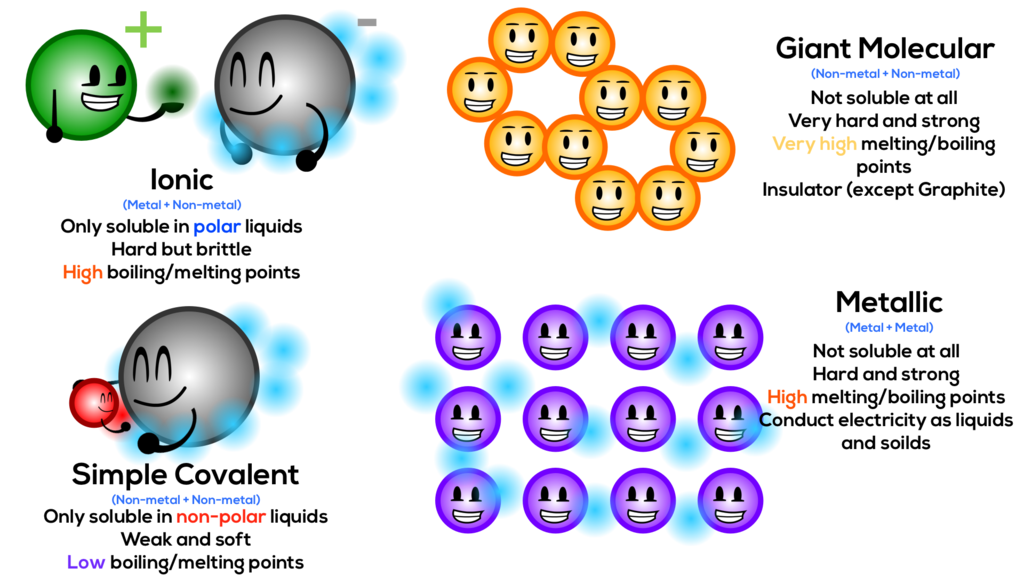
- Chemical Bonds hold the atoms in chemical compounds together. The bond is caused by the electronic attraction between opposite charges.
- There are varies kind of chemical bond, among them, Ionic and covalent bonds are strong bonds.
- Ionic Bonds
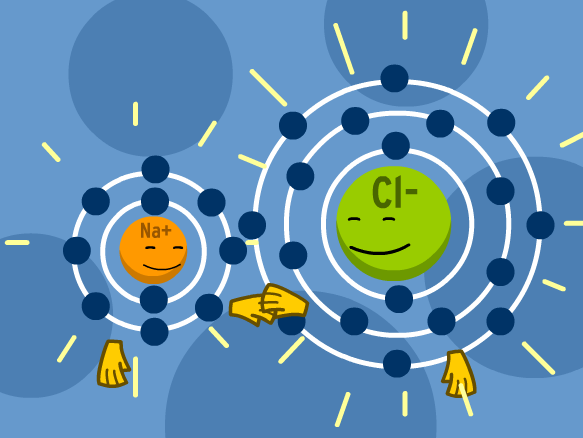
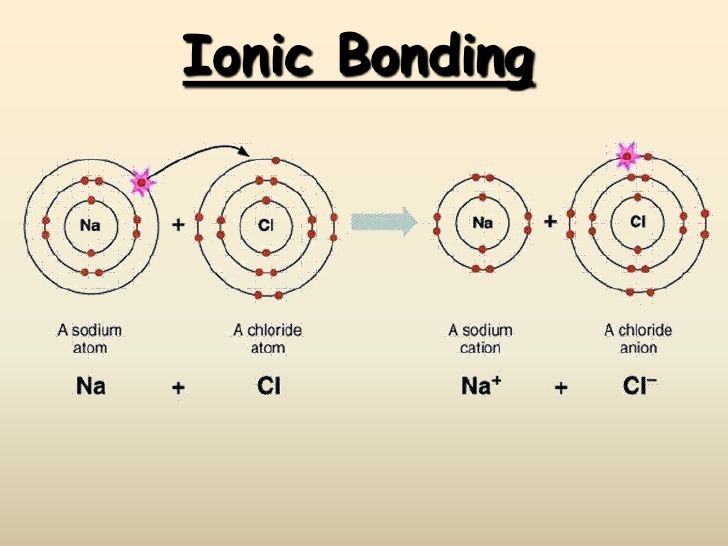
- Ionic bonds is formed when one or more electrons are transferred from one atom to another.
- Ions
- In an atom, if the number of electrons are equal to the number of protons, then the atom is electrically neutral. Otherwise, if the atom contains more or fewer electrons than protons, then the atom is overall electrically negative or positive, it becomes an ions
- Covalent Bonds
- When electrons are shared by atoms instead of being transferred, in this case, the moving electrons travel about the nuclei of both atoms, it is called a covalent bond
- molecules
- The molecule is the smallest unit of most compounds
- Van Der Waals Forces
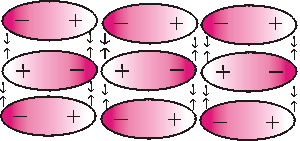
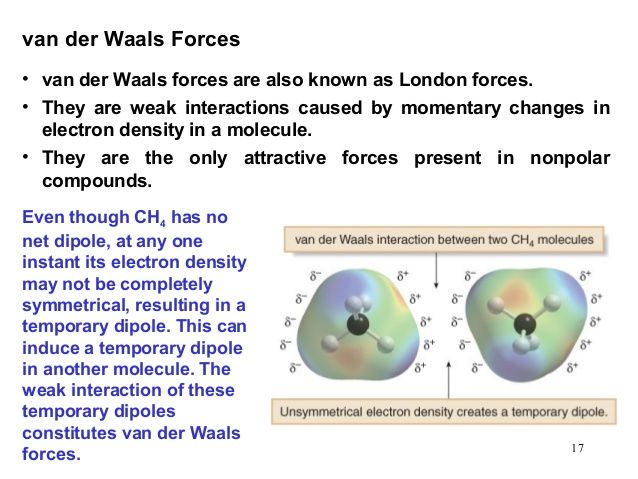
- Because of their structure, atoms of different elements do not all have the same ability to attract electrons. Some have a stronger attraction for electrons than the other atoms do. When the atoms in a covalent bond share electrons, the sharing is not always equal. Even when the sharing is equal, the rapid movement of electrons can create regions on a molecule that have a tiny positive or negative charge.
- Van Der Waals Forces are weak chemical bonds. Since there are tiny positive or negative charge area in a molecule, when molecules are close together, a slight attraction can be developed between the oppositely charged areas of nearby molecules, this is called Van Der Waals Forces.
- bond molecules together, especially when molecules are large
- Elements and Isotopes
- Isotopes:
- Isotopes are atoms of the same element, which means with the same number of protons in the nucleus, but the number of neutrons in the nucleus is different
- Isotopes are atoms with the same atomic number, but different mass number
- mass number
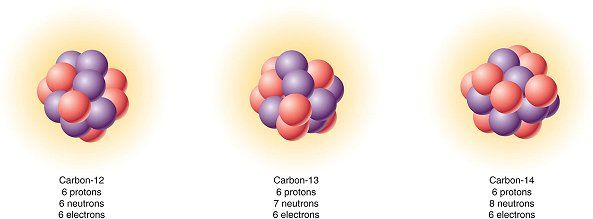
- Isotopes for the same element are identified by their mass number. For example, Carbon-12, where 12 is the mass number, and equals to 6 protons + 6 neutons
- Isotopes of Carbon
- All the isotopes of carbon have the same number of electrons, all isotopes of an element have the same chemical properties
- Carbon-12
- nonradioactive
- Carbon-13
- nonradioactive
- Carbon-14
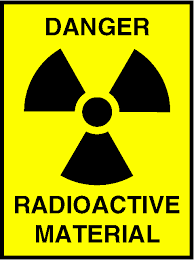
- radioactive
- Radioactive Isotopes
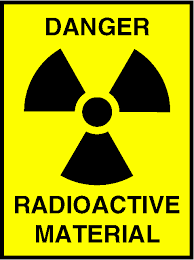
- The nuclei of radioactive isotopes are unstable and break down at a constant rate over time
- ages of rocks
- Trace cancer
- Kill Bacteria
- Label or Tracers
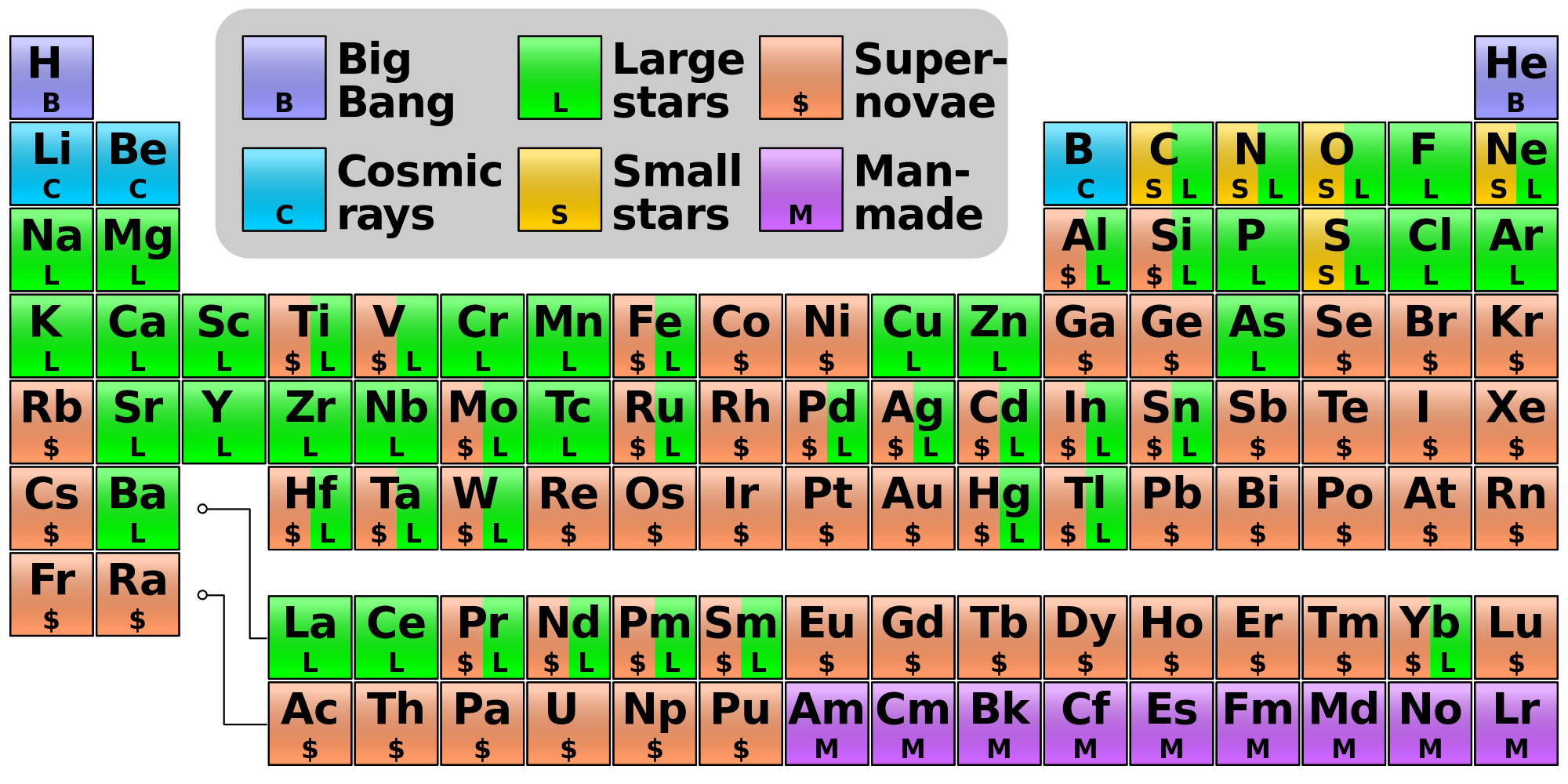
- Element
- a pure substance which contains single type of atom with specific atomic number
- There are 118 known elements as shown in the period table
- Isotopes:
- Atom:
Imágenes y archivos del mapa


Información
- Descripción
- This is a mega mind map about nature of life.
- Creado por
- kary2001
- Visitas
- 87
- Etiquetas
- Valoración