
Mapa mental
Plant Oils and Their Uses - C1
Contenido del mapa
Plant Oils and Their Uses - C1
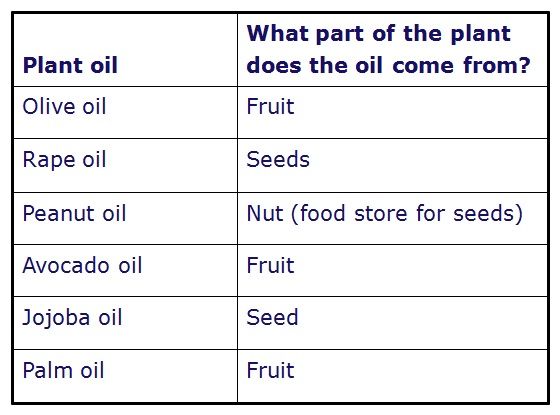
Many plants produce useful oils
- can be converted into consumer products
- e.g. processed food
- can be converted into consumer products
EMULSIONS
- can be made and have a number of uses
- oils don't dissolve in water
- they can be used to produce EMULSIONS
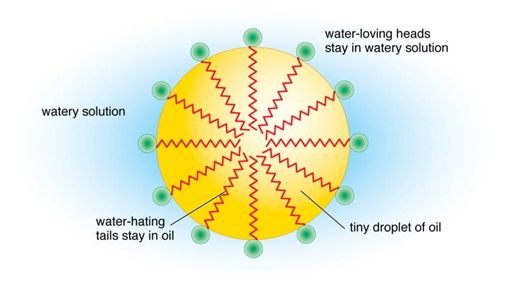
- = tiny droplets of oil suspended in water
- they can be used to produce EMULSIONS
- thicker than oil or water
- have many uses that depend on their special properties
- provide better TEXTURE, COATING ABILITY and APPEARANCE
- e.g. in salad dressings, ice creams, cosmetics and paints
- emulsifiers have HYDROPHILIC and HYDROPHOBIC properties
- EMULSIFIERS MAKE EMULSIONS STABLE
- they have these properties:
- HYDROPHILIC = water loving
- HYDROPHOBIC = water hating
- they have these properties:
- EMULSIFIERS MAKE EMULSIONS STABLE
VEGETABLE OILS
- can be hardened to make margarine
- biodiesel produce from vegetable oils
- important foods and fuels because they provide a lot of energy
- higher boiling points than water
- so can be used to cook foods at higher temperatures than boiling
- produces quicker cooking and different flavours
- increases energy that the food produces when eaten
some fruits, seeds and nuts are rich in oils
- can be extracted
- the plant material is crushed and the oil is removed by pressing
- or, the oils is dissolved in a solvent e.g. hexane and the solvent is then distilled off leaving the oil behind
- water and other impurities are removed
- or, the oils is dissolved in a solvent e.g. hexane and the solvent is then distilled off leaving the oil behind
SATURATED and UNSATURATED OILS
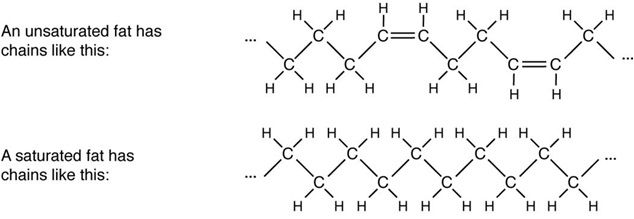
- UNSATURATED
- contain CARBON-CARBON DOUBLE BONDS
- they are sometimes called POLYUNSATURATED FATS
- can be detected by REACTING with BROMINE WATER
- BROMINE WATER TURNS FROM ORANGE-BROWN TO COLOURLESS WHEN IT REACTS WITH UNSATURED FATS
- can be hardened to make them spreadable
- by reacting them with HYDROGEN in the presence of a NICKEL CATALYST at about 60°c
- HYDROGEN adds to the carbon-carbon double bonds
- HYDROGENATED OILS have HIGHER MELTING POINTS
- SOLIDS at ROOM TEMP
- useful as spreads and in cakes and pastries
- SOLIDS at ROOM TEMP
- HYDROGENATED OILS have HIGHER MELTING POINTS
- HYDROGEN adds to the carbon-carbon double bonds
- by reacting them with HYDROGEN in the presence of a NICKEL CATALYST at about 60°c
- contain CARBON-CARBON DOUBLE BONDS
- UNSATURATED
Imágenes y archivos del mapa
Información
- Descripción
- GCSE Chemistry Mapa Mental sobre Plant Oils and Their Uses - C1, creado por Georgia Freeman el 26/05/2014.
- Creado por
- Georgia Freeman
- Visitas
- 343
- Etiquetas
- Valoración