
Apuntes
Nitrogen - created from Mind Map
Contenido del apunte (1)
Página 1
Why Nitrogen
Nitrogen Balance
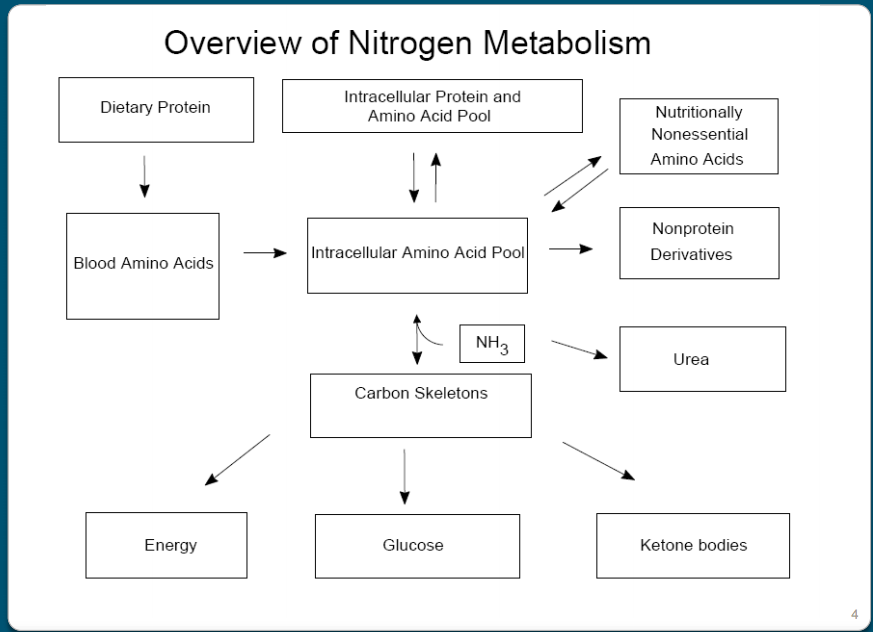
Nitrogen Metabolism
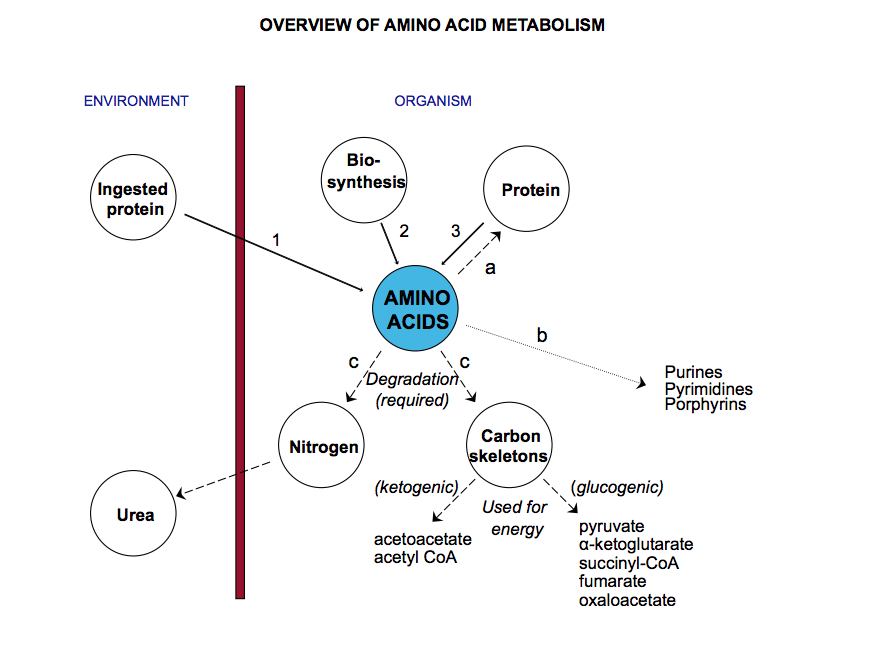
AA Metabolism
In all living organism
3% dry human weight
Animal Waste (Urea/ ammonia/ plants that cannot fix nitrogen)
Protein content constant between 10-15%
NB = Nitrogen ingested - Nitrogen excreted
NB = 0 --> protein synthesis = Protein degradation
NB = + --> PS > PD
NB = - --> PS < PD
Physiological aspects
Protein Degradation
Digestion
Absorption
Excretion
Cannot be absorbed directly from intestine
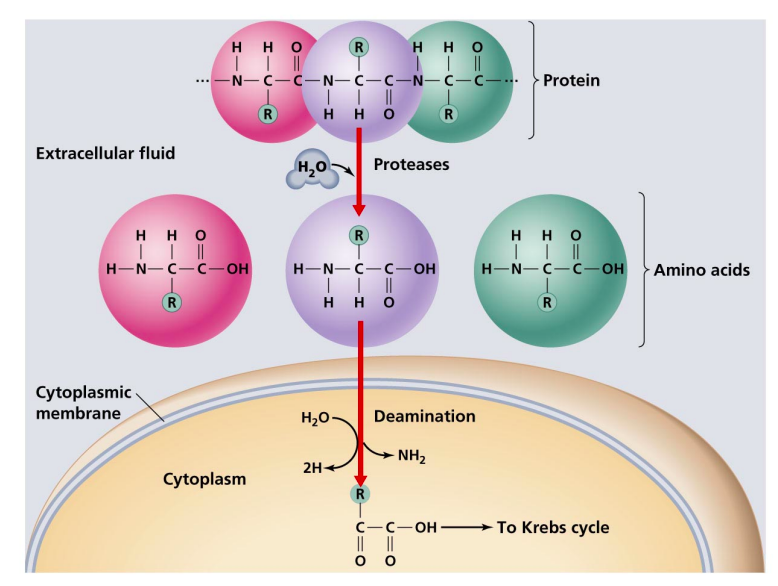
Hydrolysed by proteases and peptidases to AA tripeptides, dipeptides.
1st MAJOR site = Stomach ---> PEPSIN
Then: - Pancreatic Ez - trypsin / chymotrypsin
then Intestinal peptidases.
AA and small peptides transported into the intestinal cells
Brush border with AA specific transports - require Na+
N2 constantly being lost
Urea - 12-20g a day
Ammonium
Uric acid
Creatine
Amount depends on metabolic state of Ureotelic-excrete urea
Protein turnover
Ubiquitin
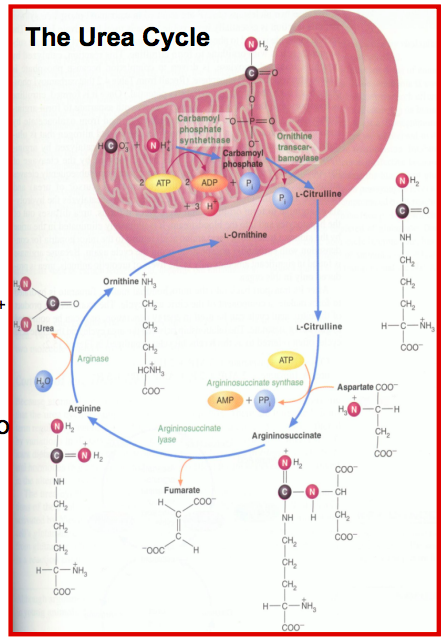
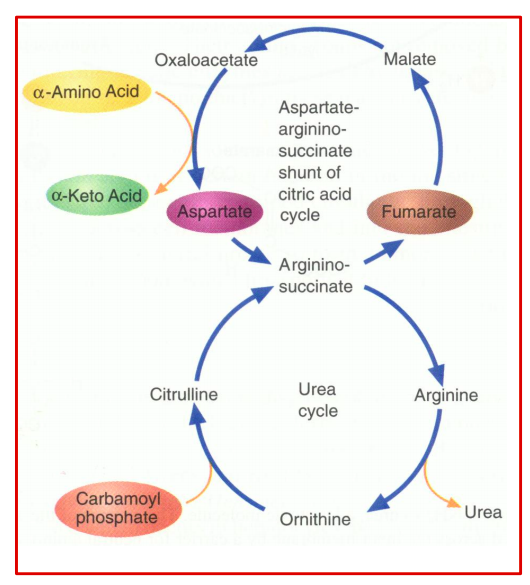
Urea cycles
Rates of breakdown / turnover different
Some Ez = few hours /// Red blood cells - 120 days
Small Regulatory Protein. 76 AA
Found in all eukaryotic cells
Directs proteins to compartments in the cell.
Citruline transported across inner membrane by neutral AA carrier
FUMARATE - transported into mitochondrial matrix for conversion to malate
The enzyme Carbamoyl phosphate synthetase
Why?
Urea Formation
Deficiency of Urea cycle
Ammonia is toxic
Readily ionises to ammonium ion.
Liver / Excreted by kidney
Hyperammonemia
Treatment
Elevates ammonia in the blood which is toxic especially in the brain
High Ammonia levels leads to..
Drive Glutamine synthase
As a result - Glutamate dehydrogenase
Leads to Glutamate depletion
Leads to depletion of α-ketoglutarate
PLays big role in cancer
Which is an essential Krebs cycle intermediate - could impair energy to the brain.
Catalyses reversible oxidative deamination of...
Depends on the deficient Ez
Limited protein Intake = adding a-Keto acid to the diet
Liver Transplant - liver carries out urea cycle
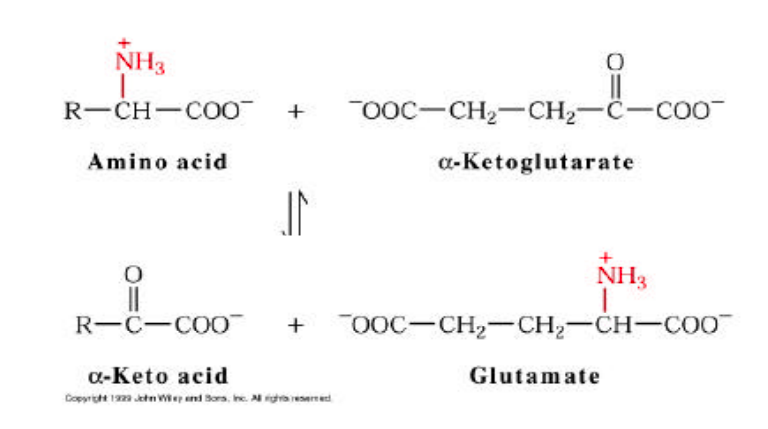
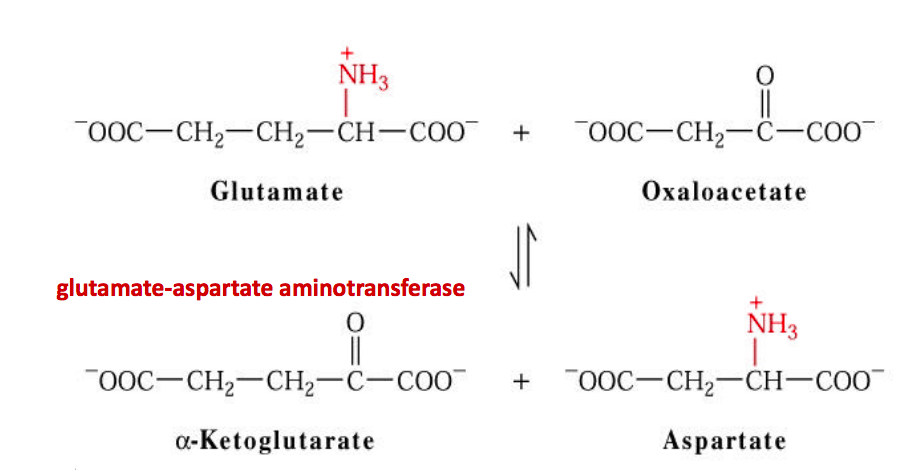
Transamination
Deamination
Formation of urea
Conversion of AA to Ez
1st reaction - glutamate production
2nd - transfer of Amino Group - Formation of Aspartate
Aspartate used in urea synthesis
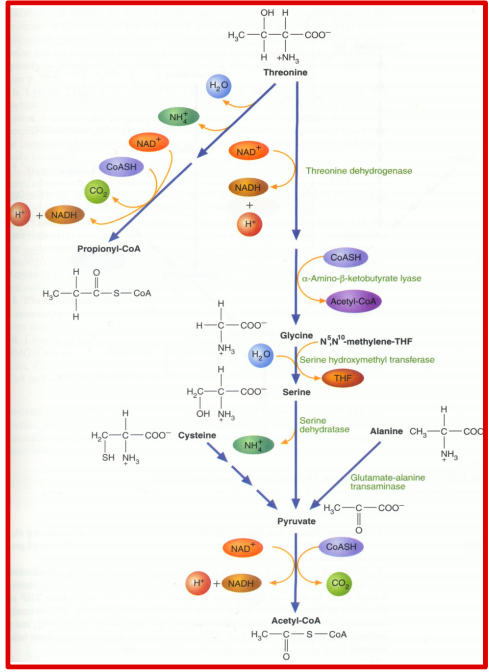
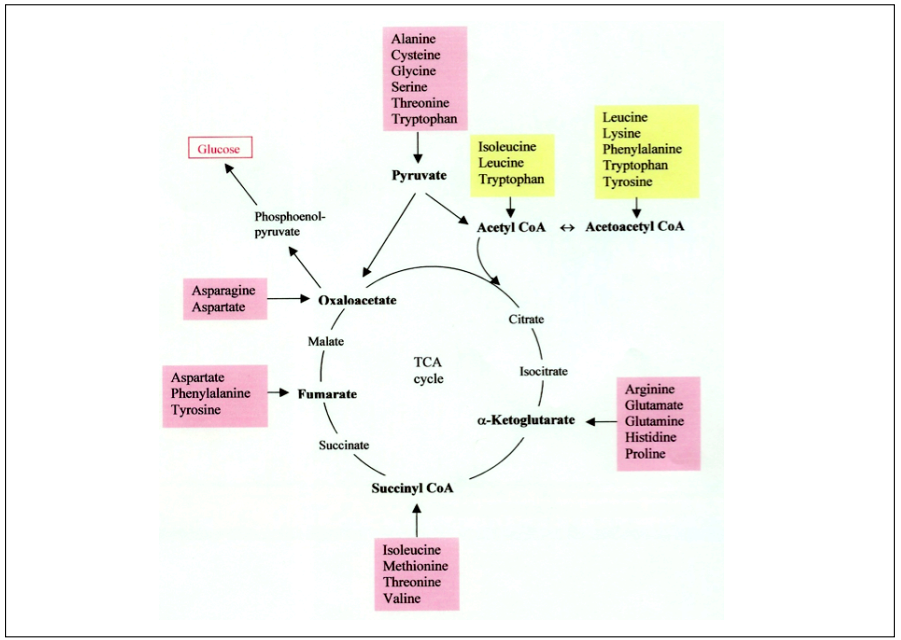
Catabolic (Break down) Pathway of: Threonine, Glycine, Serine, Cysteine and Alanine
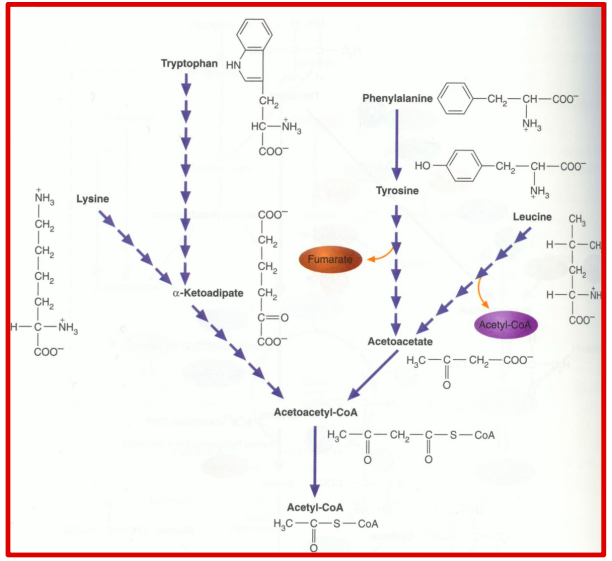
The catabolic pathway of Lysine, Tryptophan, Phenylalanine, Tyrosine and Leucine
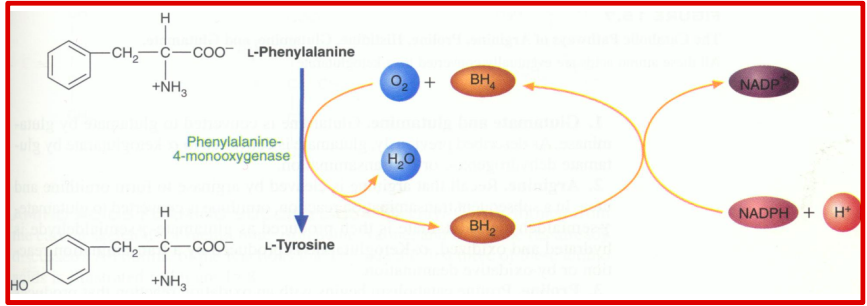
Phenylalanine to Tyrosin
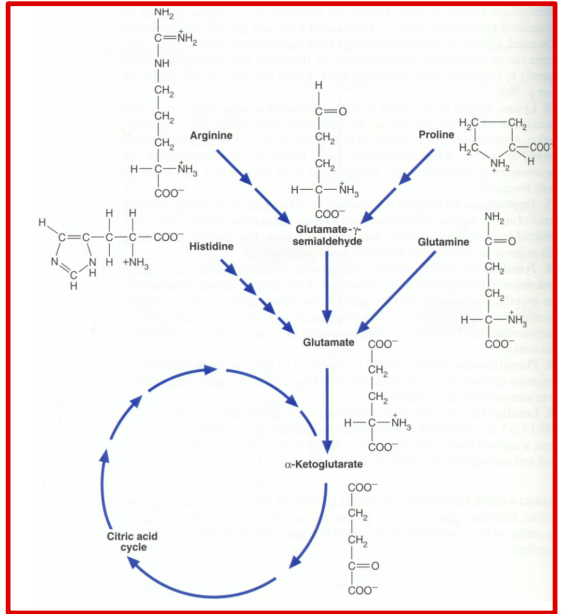
The catabolic pathway of Arginine, Proline, Histidine, Glutamine and Glutamate
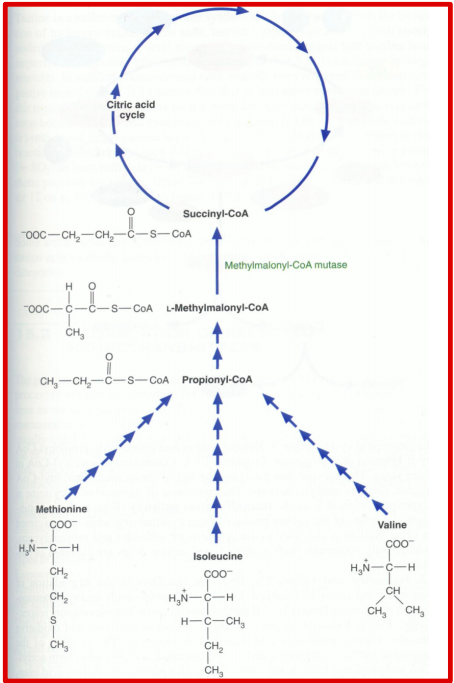
The catabolic pathway of Methionine, Isoleucine, valine.
Carbon skeletons
SUMMARY
! Important ! Form acetyl CoA
Production of ATP
"Building block of proteins"
Catalysed by Phenylalanine-4-monooxygenase
Irrevesible reaction
Production of α- ketoglutarate.
Krebs / Citric acid cycle
Forms - Succinyl - CoA
Krebs / citric cycle
Glucogenic
Ketogenic
TCA intermediates or Pyruvate
I.E Energy source
Acetyl CoA
Acetoacetyl CoA
Acetoacetate
Información
- Descripción
- Biology Apunte sobre Nitrogen - created from Mind Map, creado por Jamie Jamieson-Black el 31/10/2017.
- Creado por
- Jamie Jamieson-Black · oct 2017
- Actualizado
- 6 feb 2018
- Visitas
- 1
- Historial
-
- Creado por Jamie Jamieson-Black · 31 oct 2017
- Copiado a Apunte por Jamie Jamieson-Black · 31 oct 2017
- Valoración