
Apuntes
breathing , gaseous exchange and respiration
Contenido del apunte (8)
Página 1
Study, draw and label over each diagram
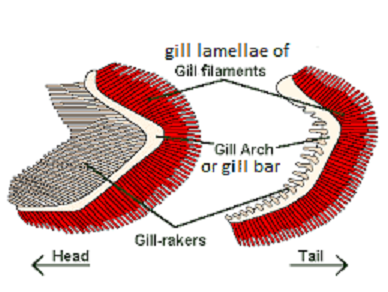
G.e.s. of fish
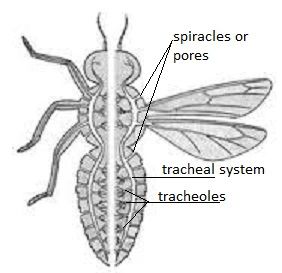
G.e.s. of insects
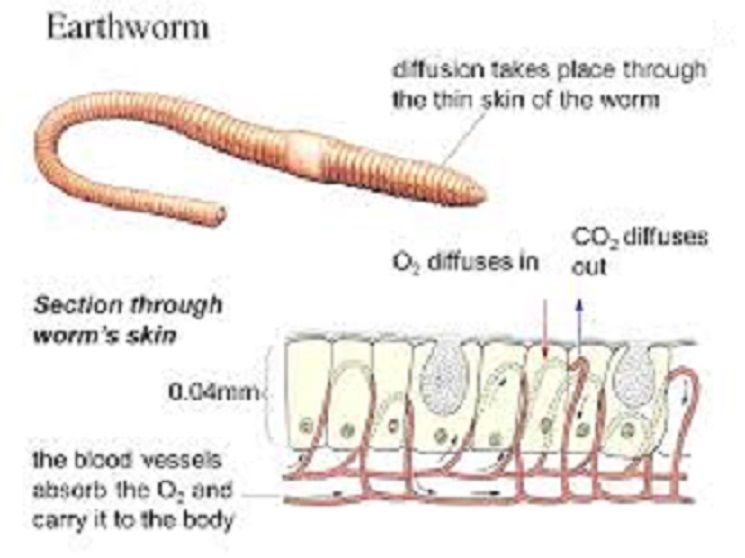
The gaseous exchange surface of an
earthworm
G.e.s. of an amoeba
Breathing
the mechanism
1.
Define the term breathing
2.
Outline the sequence of events that occur in the process of
breathing
3.
Describe the sequence of events when breathing in / inhalation*
4.
Outline the path taken by air from outside into the lungs
5.
describe the function of the following parts
a. larynx
b. c shaped cartilage of the
trachea
c. goblet cells and ciliated
epithelial cells of the windpipe
6.
This structure forms a seal around the lungs. and
secretes fluid that lubricates the surface of the lungs that is in contact with
the inner surface of the rib cage---what is the _______________________
7.
Explain the difference between inhaled air and exhaled air.
·
BREATHING IS A mechanism by which air is brought into and
removed from the lungs.
·
1: muscles contract and relax
2:
movement of the rib cage and diaphragm
3:
volume changes
4;
pressure changes
5:
air movement
·
1: external intercostal
muscles contract
Internal intercostals relax
Diaphragm
contracts
2:
rib cage expands up and out
Diaphragm drops
3:
volume of thoraxic cavity increases
4:
pressure decreases below external pressure
5:
air rushes into the lungs and it inflates
·
nose and nasal cavity
Pharynx
at the back
Larynx
/ voice box area
Trachea
/ wind pipe
Left
& right bronchi
Branching
bronchioles
Alveoli
/ air sacs
·
1. It is the voice box
that contains the vocal cords. These vibrate creating sound when air is passed through
2.
These support the trachea leaving space
for is to expand when filled with air
3.
These trap air contaminants in mucus and
sweep it all up to be swallowed.
·
pleural membrane and pleural
fluid
·
inhaled air has
1.
More oxygen 20% vs. 16%
2.
More moisture
3.
More contaminants
4.
Less carbon dioxide 0.3/0.4% vs. 4%
5.
Irregular temperature vs. warm body temperature range
Gaseous exchange
1.
define a gaseous exchange surface
2.
describe some properties that a g.e.s. must have if it
depends on slow passive diffusion for movement
3.
describe the gaseous exchange surface of
a. plants
b. Amoeba
c. worms
4.
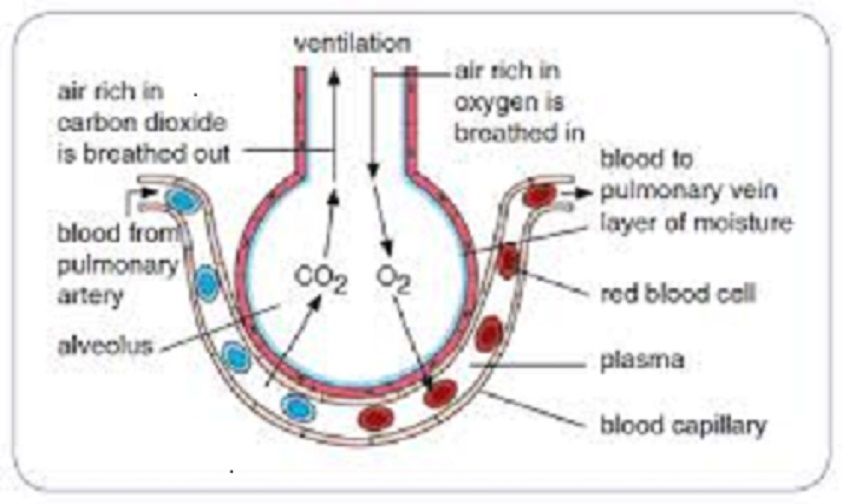
describe the gaseous exchange surface of
a. insects
b. fish
c. mammals
·
a surface adapted for the diffusion of carbon
dioxide and oxygen
·
1. it should be thin ensuring a short distance
for travel of the gases
2. it should have a large surface area to maximize
absorption
3. it should be moist as gases diffuse faster when
dissolved in a liquid
4. close to a rapid transport system to move gases to cells
quickly and maintain a steep concentration gradient at the surface
·
1. stomata pores on the under surface of leaves
that allow air to flow into the air spaces of the mesophyll layer
2. The cell surface membrane where gas diffuse across
3. Moist skin as the worm lives in the soil. Surface cells
also secrete mucus for easier diffusion
·
4. tracheal system starting with outer
pores into air channels and chambers
throughout the insects body
5. Gill lamellae that is inflated by oxygenated water
6. Alveoli air sacs that are filled with oxygen rich air at
inhalation
Página 2
Página 3
Página 4
Página 5
Página 6
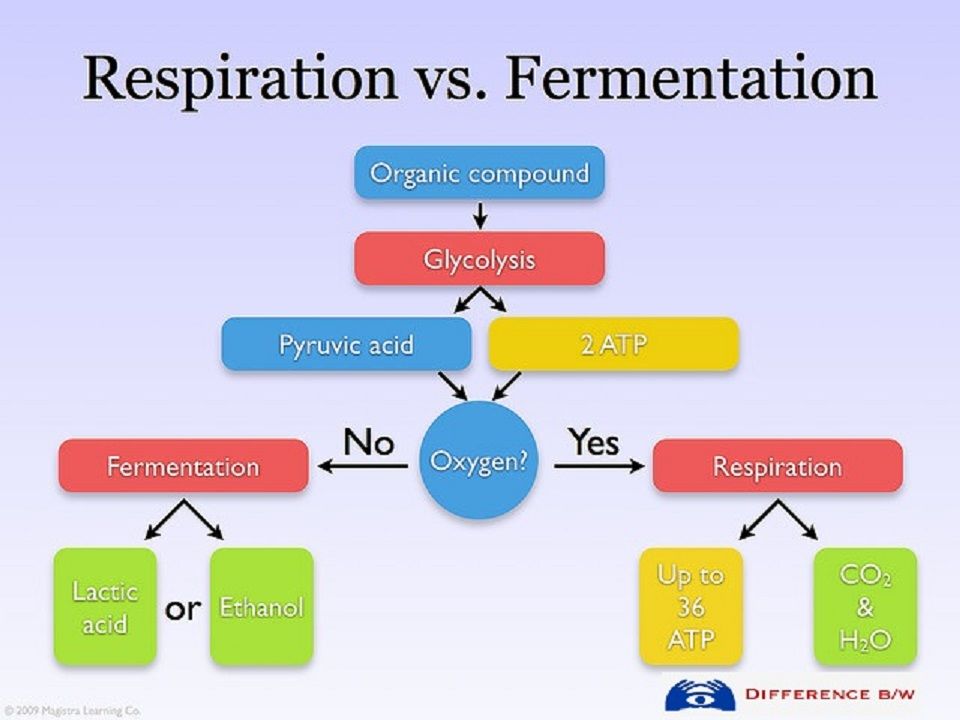
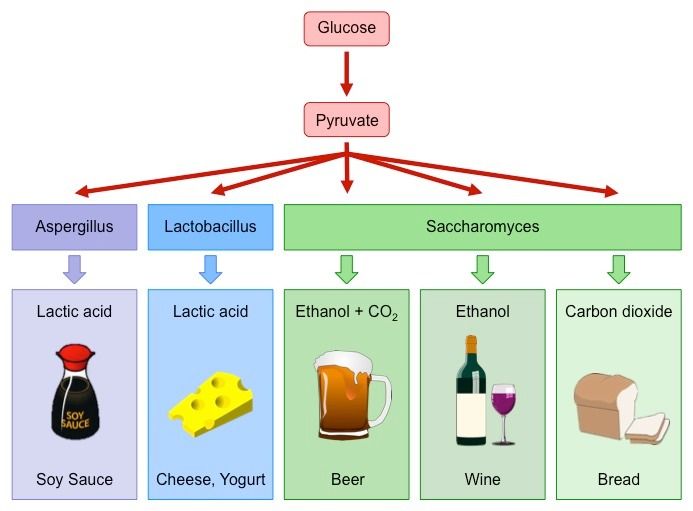
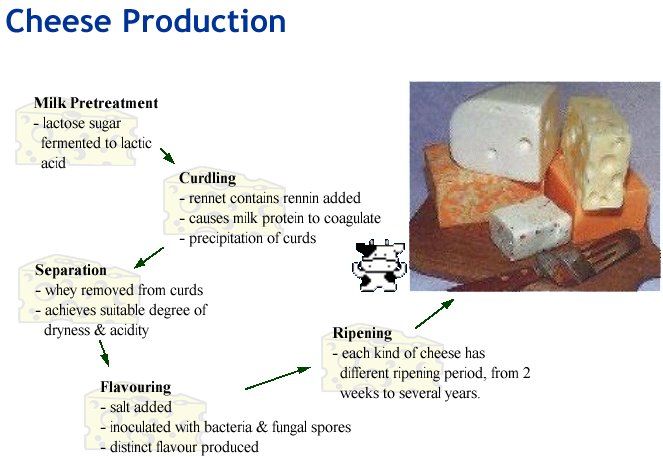
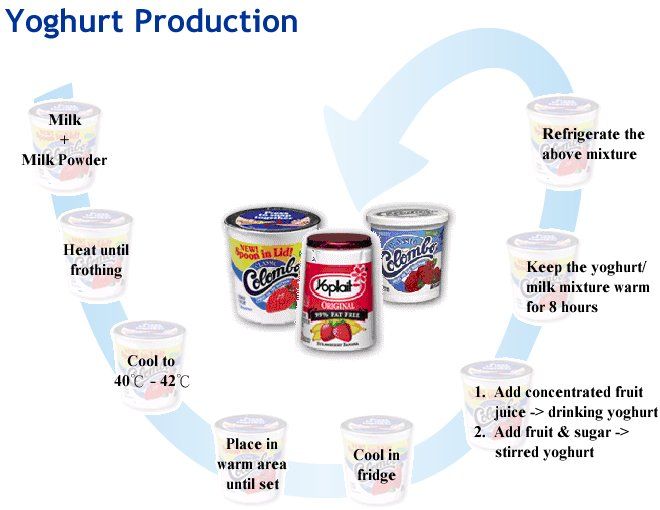
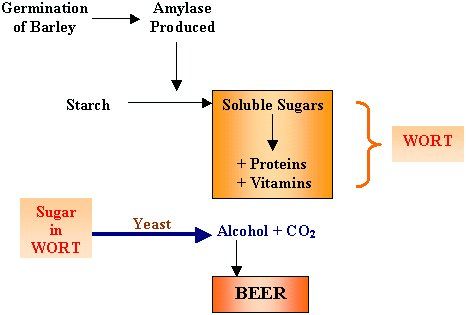
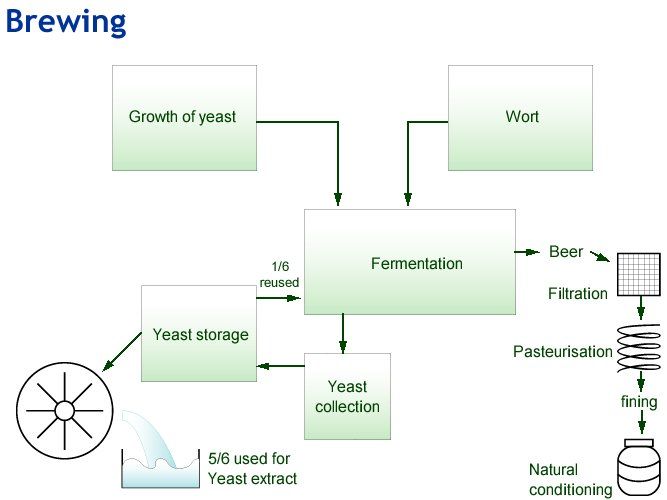
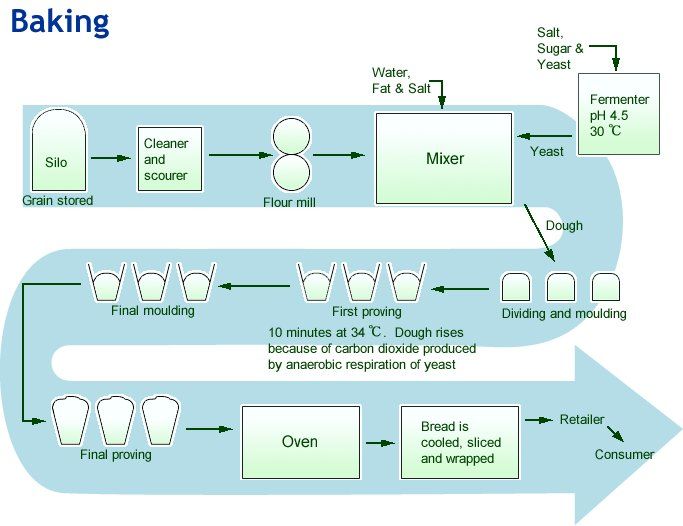
the uses of anaerobic respiration\ fermentation - the anaerobic process can be directed to produce foods. some of which have become essential today. biotechnology as it is called uses the natural process of anaerobic respiration by various microbes on various substrates to produce different foods as shown in the diagram of the next page.
Página 7
Página 8
Single Cell Protein - SCP
Microorganisms can grow on a whole range of cheap or waste materials, and then they are harvested and purified or processed to become food for humans or livestocks.
If the foodstuff produced is a protein, the product is called single cell protein (SCP).
Many microorganisms are suitable for this process, including algae, yeast, fungi and bacteria.
Advantages of using Microorganisms to Produce SCP
- Rapid growth rates
- Great varieties of substrates can be exploited
- Easy manipulation of genetic characteristics
- Fairly high protein content
- Grow independently of climate
Examples of SCP Production
1. Spirulina
Spirulina is a blue-green bacterium which has been grown for many years as SCP.
It is photosynthetic. It grows in ponds and needs carbon dioxide and inorganic ions only.
Dried Spirulina has a high nutrient value and can be fed to animals.
Información
- Descripción
- 3-5 Biology Apunte sobre breathing , gaseous exchange and respiration, creado por allisten cooper el 28/04/2016.
- Creado por
- allisten cooper
- Visitas
- 1.216
- Valoración