
Circulation
Diapositivas del conjunto (12)
-

- Circulation
- By: Sahro Hussein
-
- The circulatory system is your body's transport system. It:
- Carries nutrients and oxygen for respiration
- Removes carbon dioxide from the cells
- Transports other wastes products to where they can be disposed of
- Distributes heat around the body\
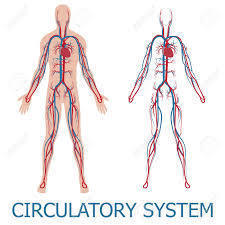
- The circulatory system consists of your heart, blood vessels, and blood
-
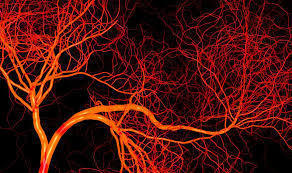
- Your body contains 3 blood vessels:
- Arteries
- Capillaries
- Veins
-
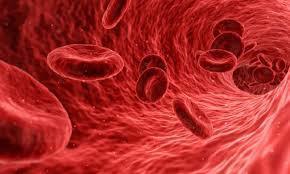
- Arteries carry blood vessels from the heart. They have tough walls so they can be able to withstand the pressure of when the heart pumps the blood into the arteries under pressure.
-
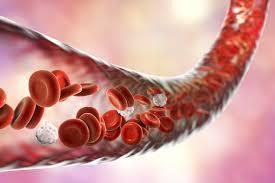
- Capillaries are the finest blood vessels. Their walls are only 1 cell thick so dissolved materials can pass through. MAterials need for the cell pass through the capillaries and materials that come from the cell pass through the capillaries
-
- Veins carry blood back to the heart. Their wall doesn't need to be thick because the pressure is lost when it goes through the capillaries.
-
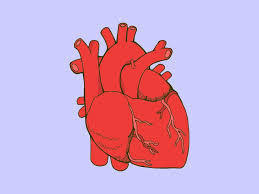
- Your heart is the size of your fists. IT is located in the middle of your chest behind the breastbone. It is made up of cardiac muscle. Your heart doesn't get tired. They work continuously in response to the pacemaker. There are 2 circuits:
- In the first, blood flows from the heart to the body and back to the heart
- In the second, blood flows from the heart to the lungs and back again.
- Because there are 2 circuits your heart is divided into 2 by a septum.
-
- there are 3 main phases of a heartbeat:
- The 2 atria's contract, pushing blood down into the ventricles
- The ventricles contract, forcing blood out of the heart to the body and lung
- The heart muscles relax and the atria fill with blood
-
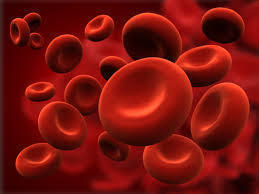
- They are made in the bone marrow and the ribs. They contain a chemical called haemoglobin which gives them their colour
-
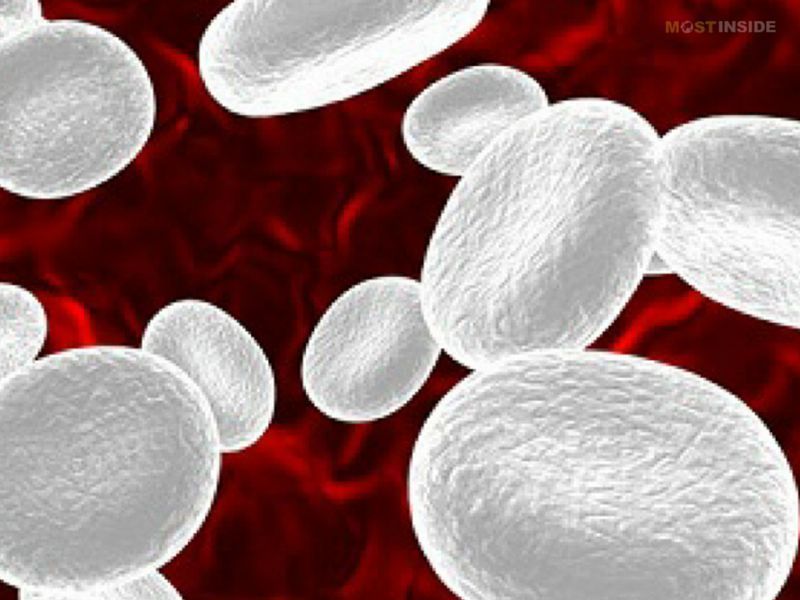
- They a bigger than the red blood cells and are part of the immune system
-
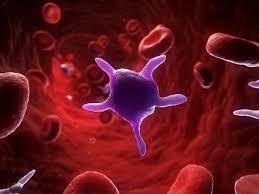
- They are broken bits of cells that allow blood to clot. Too little platelets can cause excessive bleeding but too little platelets can cause blood to clot the blood vessels
-

- Plasma is a clear yellowish liquid that is 90% water and 10% other dissolved materials
Información
- Descripción
- Diapositivas sobre Circulation, creado por Sahro Hussein el 25/03/2019.
- Creado por
- Sahro Hussein · mar 2019
- Actualizado
- 25 mar 2019
- Visitas
- 4
- Valoración