
Test
AQA (9-1) Topic 2
Este test tiene tipos de pregunta que se abren en el reproductor de siempre.
Preguntas del test (11)
1Which part of the periodic table informs you how many electrons are in the outershell of any element?
- AAtomic Number
- BMass Number
- CGroup Number
- DPeriod Number
2Ionic bonds are formed of positive and negative ions that are held together by strong electrostatic forces of attraction
- AVerdadero
- BFalso
3Oxidation is [blank_start]Loss[blank_end], Reduction is [blank_start]Gain[blank_end]
Metals always form [blank_start]positive[blank_end] ions (oxidised/lose [blank_start]electrons[blank_end]).
A group 2 metal will form a [blank_start]2+[blank_end] ion ([blank_start]loses[blank_end] two electrons).
Non-metals form [blank_start]negative[blank_end] ions ([blank_start]reduced[blank_end]/gain electrons).- ALoss
- BGain
- Cpositive
- Delectrons
- E2+
- F1+
- G3+
- Hloses
- Igains
- Jnegative
- Kreduced
- Loxidised
4Which of the following compounds are examples of covalent bonding?
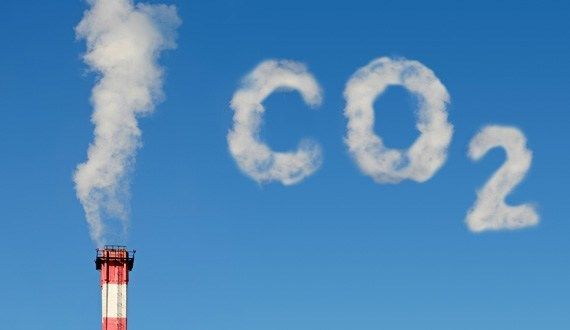
- ACarbon dioxide
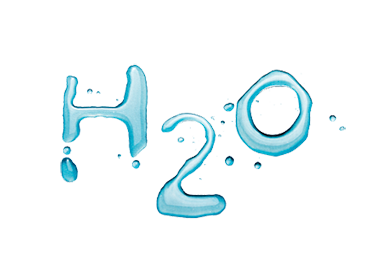
- BWater
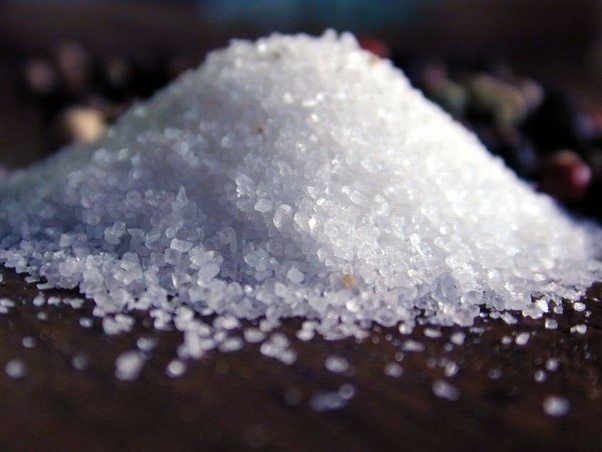
- CSodium chloride (NaCl)
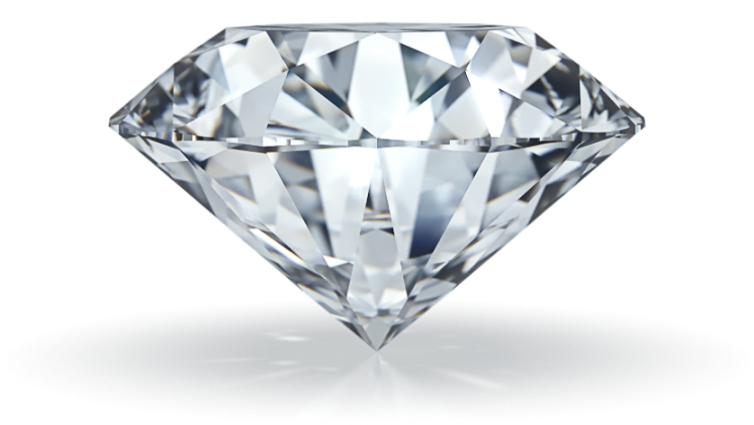
- DDiamond
- ACarbon dioxide
5Metallic bonding is made of positive ions that are held together by a “sea of [blank_start]delocalised[blank_end] electrons” from the outer shells of metal atoms.
The strong [blank_start]electrostatic[blank_end] forces between the ions and electrons mean metals have very high melting points.- Adelocalised
- Belectrostatic
6Giant covalent compounds are [blank_start]solid[blank_end] at room temperature. All of the atoms in a giant covalent structure are held together by strong [blank_start]covalent[blank_end] bonds. These bonds have to be broken, by large amounts of [blank_start]energy[blank_end], to melt or boil these substances.
[blank_start]Diamond[blank_end] is made up of carbon forming [blank_start]four[blank_end] covalent bonds.
[blank_start]Graphite[blank_end] is made of hexagonal rings of carbon, each atom forming [blank_start]three[blank_end] bonds. Each atom contributes an [blank_start]electron[blank_end] to the “sea of delocalised electrons”.- Asolid
- Bcovalent
- Cenergy
- DDiamond
- EGraphite
- Fthree
- Gfour
- Helectron
7Simple covalent compounds can conduct electricity.
- AVerdadero
- BFalso
8Solids, Liquids and Gases are the three main states of matter.
Which is the correct order of state changes?- ASolid (evaporation) --> Liquid
- BLiquid (freezing) --> Gas
- CGas (condensation) --> Liquid
- DGas (sublimation) --> Solid
9Alloys are less [blank_start]malleable[blank_end] than pure metals as they have [blank_start]irregular[blank_end] layers, and so they cannot [blank_start]slide[blank_end] over each other as easily. The atoms are still held together by metallic bonding.
- Amalleable
- Birregular
- Cslide
10These compounds are usually liquids or [blank_start]gases[blank_end] at room temperature as the molecules are held together by [blank_start]weak[blank_end] intermolecular forces of attraction (but the atoms in the compounds are held together internally by strong [blank_start]covalent[blank_end] bonds), so only a small amount of [blank_start]energy[blank_end] is required to change state. This means simple molecules often have [blank_start]low[blank_end] melting and boiling points.
- Agases
- Bweak
- Ccovalent
- Denergy
- Elow
11Which of the following is not a property of an ionic compound?
- Athey have high melting points
- Bthey can conduct electricity as a solid
- Cthey are good insulators
Información
- Descripción
- GCSE (AQA) Chemistry Test sobre AQA (9-1) Topic 2, creado por https:// revisechemistry.uk el 26/01/2018.
- Idioma
- English
- Visitas
- 3.706
- Etiquetas
- Valoración
- Aún sin valoraciones Valora este test