
Test
AQA (9-1) Topic 9
Este test tiene tipos de pregunta que se abren en el reproductor de siempre.
Preguntas del test (11)
1The early atmosphere was formed by green plants and algae producing oxygen.
- AVerdadero
- BFalso
2Select the four TRUE statements.
- ACondensation of water from the Earth’s atmosphere formed the oceans.
- BCarbon dioxide dissolved into the sea, reacting to form sediment on the sea bed.
- CThe shells and skeletons of marine life contained carbonates from the ocean.
- DCrude oil is formed from compressed deposits of plankton.
- EMost of carbon dioxide from the early atmosphere was taken back in by volcanic pressure.
- FLimestone is mostly made of calcium trioxide deposits from the bones of dinosaurs and mammals.
- GCoal is made from the collection of carbon sediment form the sea bed, originally formed when carbon dioxide dissolved into the sea.
3Select the main greenhouse gases.
- ACarbon dioxide
- BWater
- CMethane
- DOxygen
- EHydrogen
- FNitrogen
4Increasing levels of carbon dioxide have been linked to climate change
- AVerdadero
- BFalso
5What is the main reason it's so hard to fully understand the Earth’s climate?
- AThere are too many variables
- BWe don’t understand particle physics well enough
- CThings have been oversimplified
- DAl Gore
6Select the main FOUR effects of climate change
- Aincreased temperatures will cause survival stress on humans and wildlife
- Bless water availability will cause stress as fresh water supplies will diminish
- Cdecrease in food production of some regions will cause food shortages
- Dchanges to wildlife distribution, and migration patterns
- Eincrease in sulphur in the atmosphere, may make some areas uninhabitable
- Ftornadoes in countries, like the UK
7Select six sensible ways to reduce carbon footprints
- Ause more alternative energy supplies
- Breduce your energy consumption, and efficiency, in your home
- Creduce your use of cars, or increase the fuel efficiency
- Dstore carbon emissions deep underground, in areas such as old oil wells
- Etax greenhouse gas emissions
- Frecycle more
- Guse industrial air conditioners to cool down the Earth
- Hleave the Paris Climate Agreement
- Ikill all the animals we breed for food
8The carbon footprint can be reduced by reducing emissions of carbon dioxide and methane. Here are some of the ways that governments can reduce our carbon footprint:
capture, and store, carbon - [blank_start]carbon dioxide gas[blank_end] from power stations can be stored underground
increase/introduce taxes - penalise companies/individuals for releasing too many [blank_start]greenhouse gases[blank_end]
carbon off-setting - plant more trees ([blank_start]reforestation[blank_end]) to convert [blank_start]carbon dioxide[blank_end] into [blank_start]oxygen[blank_end]
carbon neutrality - companies introduce methods, such as [blank_start]planting trees[blank_end], to take out as much carbon dioxide as they put into the atmosphere. Overall the amount of [blank_start]carbon[blank_end] entering the atmosphere would be zero- Agreenhouse gases
- Breforestation
- Cdeforestation
- Doxygen
- Ecarbon dioxide
- Fcarbon dioxide gas
- Gplanting trees
- Hcarbon
9[blank_start]carbon monoxide[blank_end] is a toxic, colourless and odourless gas, and it preferentially (and permanently) binds to haemoglobin in red blood cells instead of oxygen
[blank_start]carbon particulates[blank_end] are unreacted carbon atoms that cause soot that can damage/clog up appliances, contributes to smog and global dimming
[blank_start]sulfur dioxide[blank_end] is caused by sulfur impurities in fossil fuels like coal and crude oil can react with oxygen when the fuels are burned
[blank_start]sulfur dioxide[blank_end] can dissolve in rain water to produce acid rain, which can damage structures, and wildlife habitats such as lakes and forests
[blank_start]nitrogen oxides[blank_end] form when when fuels are burned in engines, oxygen and nitrogen from the air can react together at high temperatures to produce oxides of nitrogen, these can also dissolve in rain water to produce acid rain- Acarbon monoxide
- Bcarbon particulates
- Csulfur dioxide
- Dnitrogen oxide
- Ecarbon particulates
- Fcarbon monoxide
- Gcarbon dioxide
- Hcarbon dioxide
- Isulfur dioxide
- Jnitrogen oxide
- Kcarbon monoxide
- Lnitrogen oxides
- Mcarbon oxides
- Nsulfur oxides
- Osulfur dioxide
- Pcarbon dioxide
- Qcarbon monoxide
- Rcarbon particulates
10Carbon dioxide is a much more powerful greenhouse gas than methane.
- AVerdadero
- BFalso
11Complete the diagram below
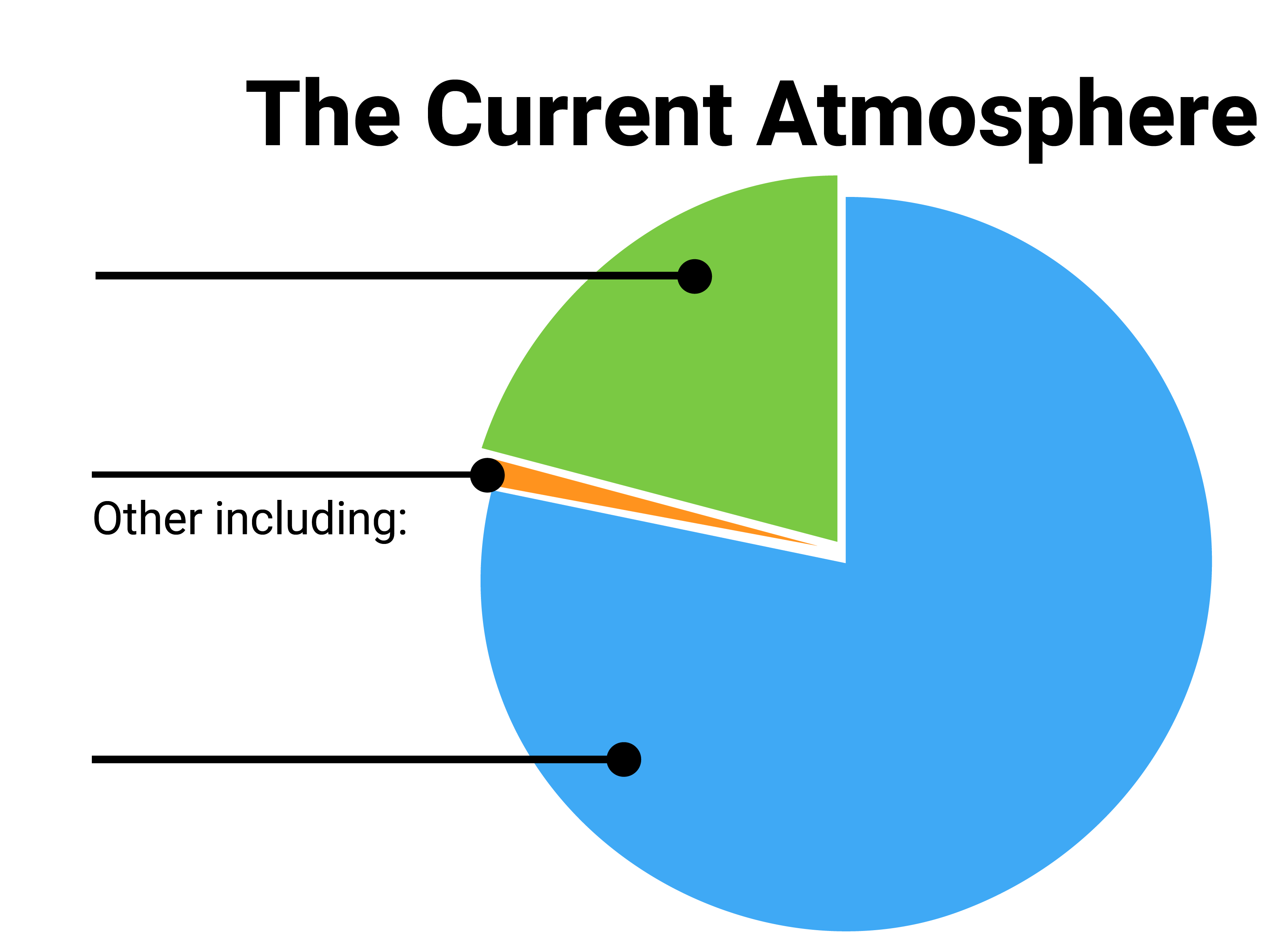
- AOxygen
- BNitrogen
- CCarbon dioxide
Información
- Descripción
- GCSE (AQA) Chemistry Test sobre AQA (9-1) Topic 9, creado por https:// revisechemistry.uk el 08/03/2018.
- Idioma
- English
- Visitas
- 2.705
- Etiquetas
- Valoración
- Aún sin valoraciones Valora este test