
Test
A&P Exam 4
Este test tiene tipos de pregunta que se abren en el reproductor de siempre.
Preguntas del test (17)
1Upon digestion amino acids and monosaccharides are brought to the liver by the [blank_start]mesenteric vein[blank_end], which will merge into the [blank_start]hepatic portal[blank_end] vein. Chylomicrons are secreted into the [blank_start]lacteals[blank_end], which are a part of the lymphatic system. Lymph vessels (and their chylomicron rich content) will be emptied into the subclavian veins.
- Amesenteric vein
- Bhepatic portal
- Clacteals
2Volatile fatty acids are short chained carbons typically produced by bacterial fermentation. The 3 main VFAs are:
1. [blank_start]acetic acid[blank_end]
2. [blank_start]butyric acid[blank_end]
3. [blank_start]propionic acid[blank_end]- Aacetic acid
- Bbutyric acid
- Cpropionic acid
3There are [blank_start]20[blank_end] amino acids that make the proteins of the body. An amino acid that is [blank_start]essential[blank_end] must be [blank_start]consumed[blank_end] in the diet. Conditionally or [blank_start]pseudoessential[blank_end] amino acids are only essential in certain conditions (age, health status) or can only be made out of essential amino acids. An example of a conditional EAA is [blank_start]arginine[blank_end] in human infants and chicks.
- A20
- Bessential
- Cconsumed
- Dpseudoessential
- Earginine
4[blank_start]Scurvy[blank_end] is the disease that you will develop if you don't consume enough [blank_start]Vitamin C (ascorbic acid)[blank_end] - another essential nutrient for humans.
- AScurvy
- BVitamin C (ascorbic acid)
5[blank_start]ATP (adenosine triphosphate)[blank_end] is the universal energy carrier and it is generated by the degradation of metabolic fuels:
1. [blank_start]glucose[blank_end] is the preferred method and the only method available in all tissues.
2. [blank_start]fatty acids[blank_end] through beta oxidation of [blank_start]fatty acids[blank_end]; used in some tissues (e.g. muscles at rest) but can't be used in the brain
3. [blank_start]ketone bodies[blank_end] - they are made out of FAs by the liver and distributed through the body via the blood supply. This is not ideal as too much of it creates acidosis and the brain does not like to use it
4. [blank_start]amino acids[blank_end] - pathological (starvation or diabetes)- AATP (adenosine triphosphate)
- Bglucose
- Cfatty acids
- Dfatty acids
- Eketone bodies
- Famino acids
6[blank_start]Eukaryotic[blank_end] produces lactate. This is what we do when we are in anaerobic conditions and need energy at a rapid pace. This is also called anaerobic glycolysis.
[blank_start]Prokaryotic[blank_end] produces ethanol and CO2. This is what occurs in the rumen of the ruminants.- AEukaryotic
- BProkaryotic
7[blank_start]Hormonal responses[blank_end] and the [blank_start]autonomic nervous system[blank_end] are responsible for the coordination of all organs involved for digestion.
- AHormonal responses
- Bautonomic nervous system
8[blank_start]Endopeptidase[blank_end] digests proteins by cutting the link between amino acids anywhere in the chain.
[blank_start]Exopeptidase[blank_end] removes terminal amino acids, cutting off a single amino acid at a time. The results of the digestion by these enzymes are either [blank_start]oligopeptides[blank_end] which are short peptide chains or even single amino acids.- AEndopeptidase
- BExopeptidase
- Coligopeptides
9Protein digestion starts in the [blank_start]stomach[blank_end] thanks to [blank_start]pepsin[blank_end] but happens mainly in the [blank_start]duodenum and jejunum[blank_end] thanks to the enzymes secreted by the [blank_start]pancreas[blank_end] and the ones found on the cytoplasmic membrane of [blank_start]enterocytes[blank_end].
- Astomach
- Bpepsin
- Cduodenum and jejunum
- Dpancreas
- Eenterocytes
10Carbohydrate digestion starts in the [blank_start]mouth[blank_end] thanks to [blank_start]amylase[blank_end] secreted by the [blank_start]salivary glands[blank_end]. However, it happens mainly in the [blank_start]duodenum and jejunum[blank_end] where, thanks to the pancreatic [blank_start]amylase[blank_end], starches are glycogen are digested. Cellulose on the other hand, is digested by microorganisms through a process called [blank_start]fermentation[blank_end], which happens in a special compartment that can change depending on the species. For example, in ruminants, this process occurs mainly in the [blank_start]rumen[blank_end] and in horses, it occurs in the [blank_start]cecum[blank_end] and the [blank_start]colon[blank_end].
- Amouth
- Bamylase
- Csalivary glands
- Dduodenum and jejunum
- Eamylase
- Ffermentation
- Grumen
- Hcecum
- Icolon
11Label the following diagram/flowchart.
- Aglycolysis
- BKreb's cycle (citric acid cycle)
- Coxidative phosphorylation (ETC)
- Dglucose
- EADP
- FATP
- GO2
- HH2O
- Iacetyl CoA
- JCO2
- KFAD/NAD+
- LFADH/NADH
- MATP also
- NADP also
- OADP too
- PATP as well
12Label the following diagram/flowchart.
- Aanaerobic glycolysis
- Bglucose
- Cgluclose also
- Dlactate
- Elactate also
- Fglycogenesis
- Gother
- HADP
- IATP
- Jglyconeogenesis
- Kliver
- Lblood
- Mmuscle
13Fill in the following flowchart describing the pathway of deoxygenated blood through the heart.
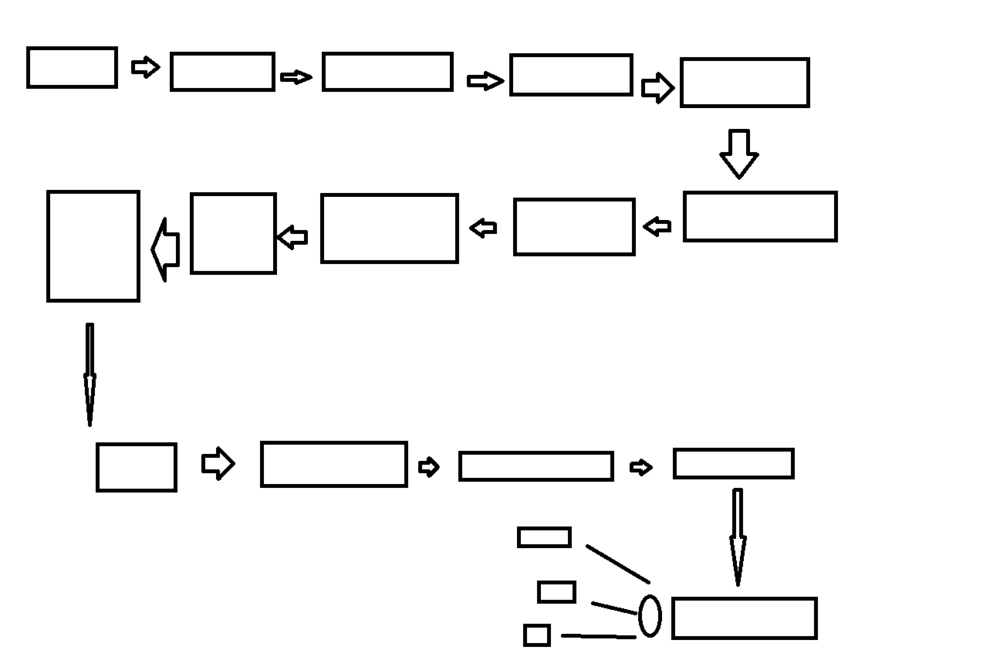
- Asuperior and inferior vena cava
- Bright atrium
- Ctricupsid valve
- Dright ventricle
- Epulmonary artery
- Fleft ventricle
- Glungs
- Hpulmonary vein
- Ileft atrium
- Jmitral valve (bicupsid valve)
- Kleft ventricle again
- Laortic valve
- Maorta
- Nbody
- Ovia
- Pleft subclavian artery
- Qleft common carotid artery
- Rbrachiocephalic trunk
14Label the diagram/flowchart of creatine phosphate showing what happens at rest and during intense activity.
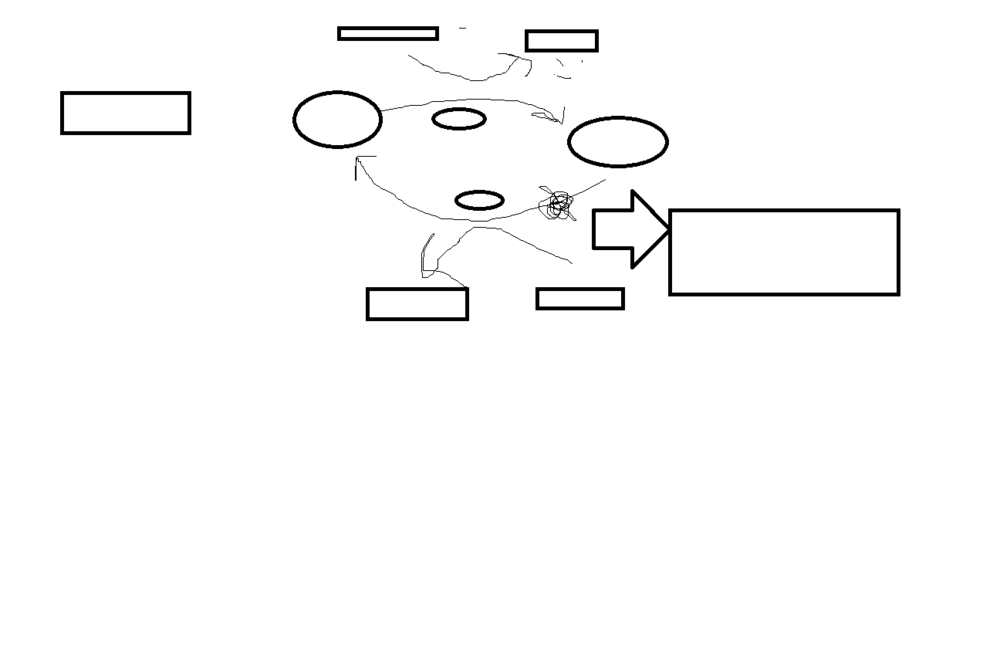
- Acreatine
- Bglycolysis uses ATP to make creatin/ADP
- Cintense activity
- Dat rest
- EPi
- Fcreatin
- GATP
- HADP + Pi
- IADP + Pi also
- JATP also
15Label the following diagram/flowchart showing the metabolic pathways that lead to ketogenesis.
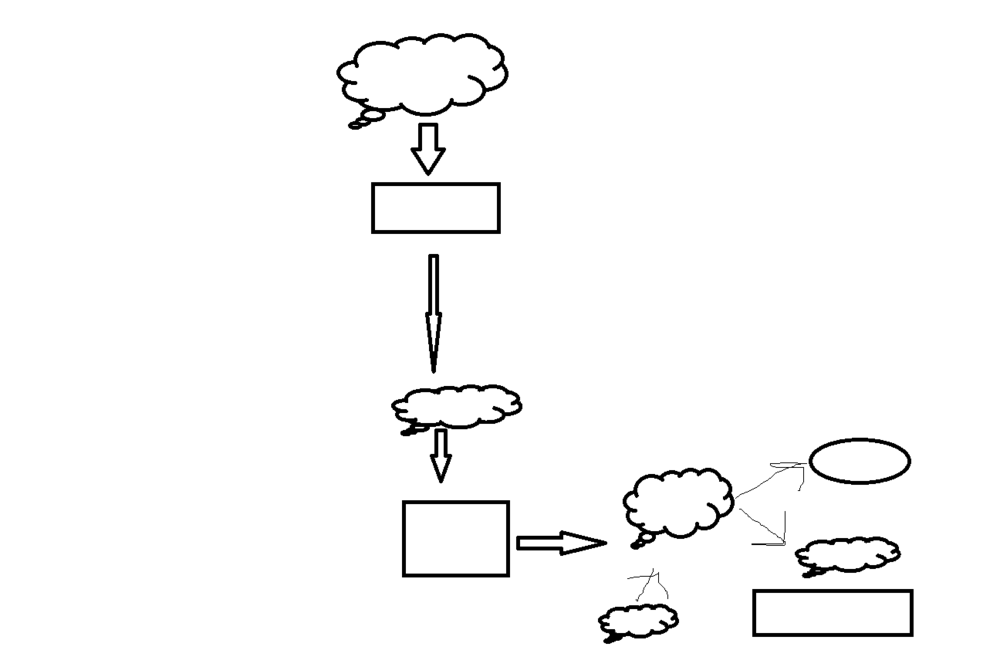
- Afatty acid
- Bbeta oxidation
- Cacetyl CoA
- Dketogenesis
- Eacetoacetate
- Fbeta hydroxy-butarate
- GCO2
- Hacetone
- Iacetone = ketone body
16Label the following diagram/flowchart for the gastro-duodenal feedback loop.
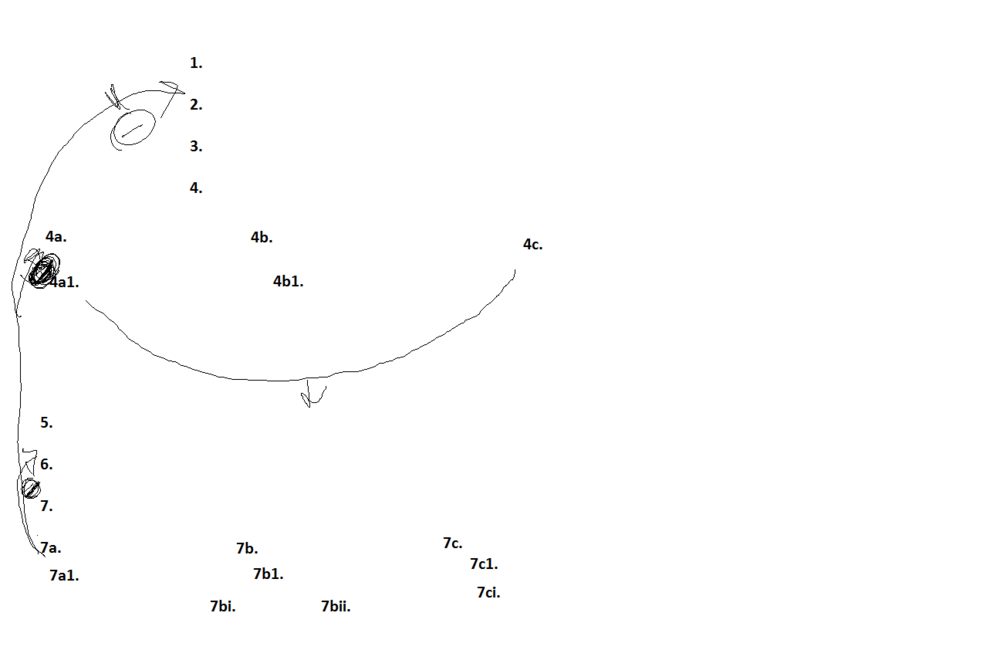
- Afood in stomach
- Bfundus contracts to keep excess storage
- Carrives at antrum
- Dactivates secretion of gastrin by G cell
- EHCl by parietal cells
- Fpepsinogen by chief cells
- Gperistalsis for mixing
- Hchemical digestion
- Ienzymatic digestion of proteins
- Jbolus becomes chyme
- Kpylorus opens/chyme arrives at duodenum
- Lsecretion of
- MGIP
- NCCK
- Osecretin
- Pfundus relaxes/- HCl/pylorus closes
- Qinduces production of pancreatic juices
- RHCO3- buffers chyme
- Senzymes digest proteins, carbs, lipids
- Tincreases bile by liver from gallbladder
- Uemulsification of lipids
17Label the following diagram of the heart.
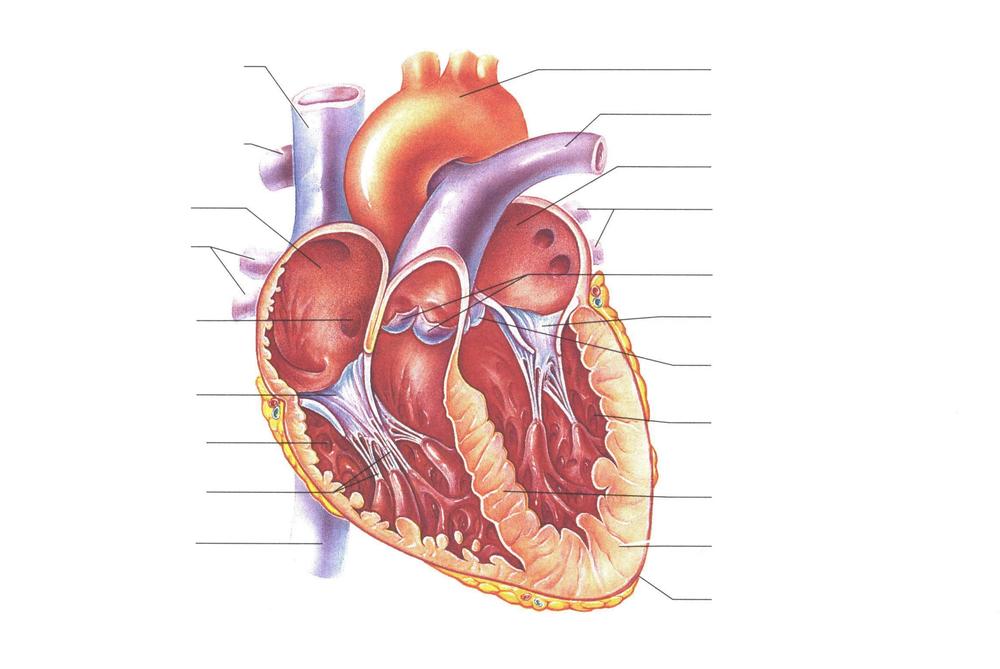
- Aaorta/aortic arch
- Bright atrium
- Cleft atrium
- Dright ventricle
- Eleft ventricle
- Finferior vena cava
- Gsuperior vena cava
- Hseptum
- Iright pulmonary artery
- Jright pulmonary veins
- Ktricuspid valve
- Lmitral/bicuspid valve
- Mapex
- Nsemilunar valves
- Oleft pulmonary artery
- Pleft pulmonary veins
- Qchordae tendinae
- Rbrachiocephalic artery
- Sleft common carotid artery
- Tleft subclavian artery
Información
- Descripción
- A&P Exam 4
- Autor
- tlcorbett
- Idioma
- English
- Visitas
- 71
- Etiquetas
- Valoración
- Aún sin valoraciones Valora este test