
C1 Atomic Structure
Diapositivas del conjunto (8)
-
- All substances are made up of atoms
- The periodic table list all the chemical elements
- eight main groups each containing elements with similar chemical properties
- Elements contain only one type of atom
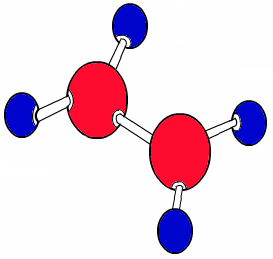
- Compounds contain more than one type of atom
- An atom has a tiny nucleus at its centre, surrounded by electrons
- Pie de imagen: Compound
-
- No new atoms are ever created or destroyed in a chemical reactions
- total mass of reactants = total mass of products
- There is the same number of each type of atom on each side of a balanced symbol equation
- You can include state symbols to give extra information in balanced symbol equations
- s - solid
- l - liquid
- g - gas
- aq - aqueous
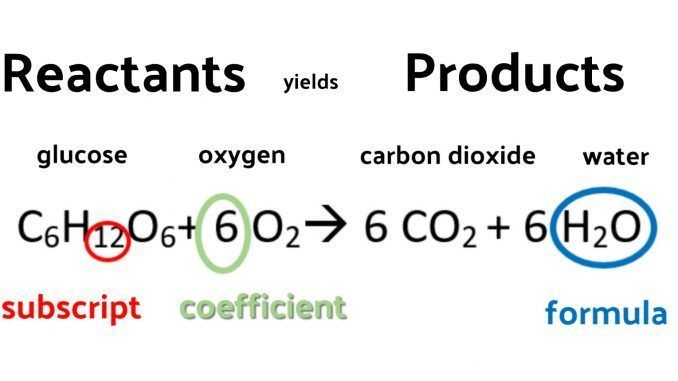
- Pie de imagen: Equation for respiration
-
- A mixture is made up of two or more substances that are not chemically combined together
- Mixtures can be separated physically
- Filtration
- Crystallisation
- Simple distillation
- Separation
- Fractional distillation
- Chromatography
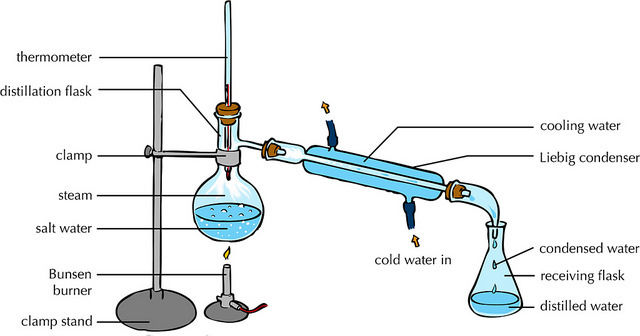
- Pie de imagen: Simple distillation
-
C1.4 Fractional Distillation and Paper Chromatography
- Fractional distillation is an effective way of separation miscible liquids using a fractioning column
- It is possible because of the different boiling points in a mixture
- Paper chromatography separates pictures of substances dissolved in a solvent as they move up a piece of chromatography paper
- They are separated because of their different solubilities in the solvent used
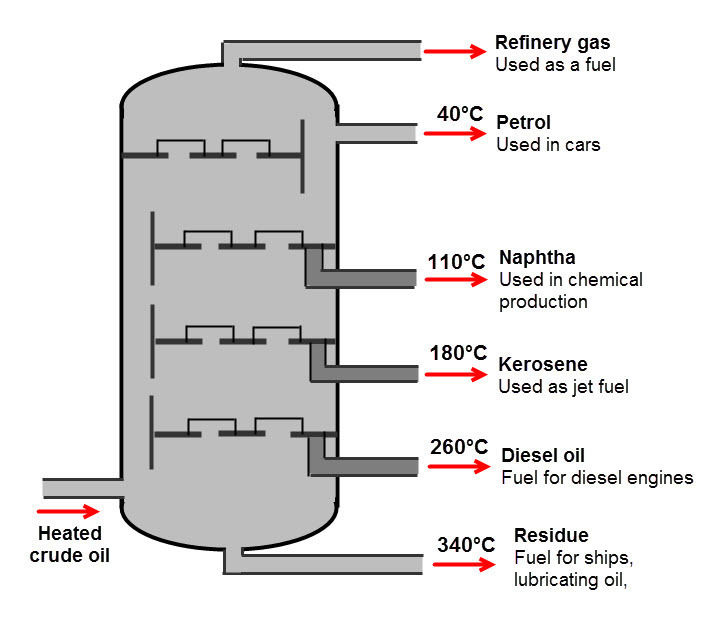
- Pie de imagen: Fractional distillation
-
- Ideas about atoms have changes over time
- New evidence has been gathered from the experiments of scientists who have used their modes of the atom to explain their observations and calculations
- Key ideas were proposed successively by Dalton, Thomson, Rutherford and Bohr before getting the model of the atom we use in GCSE
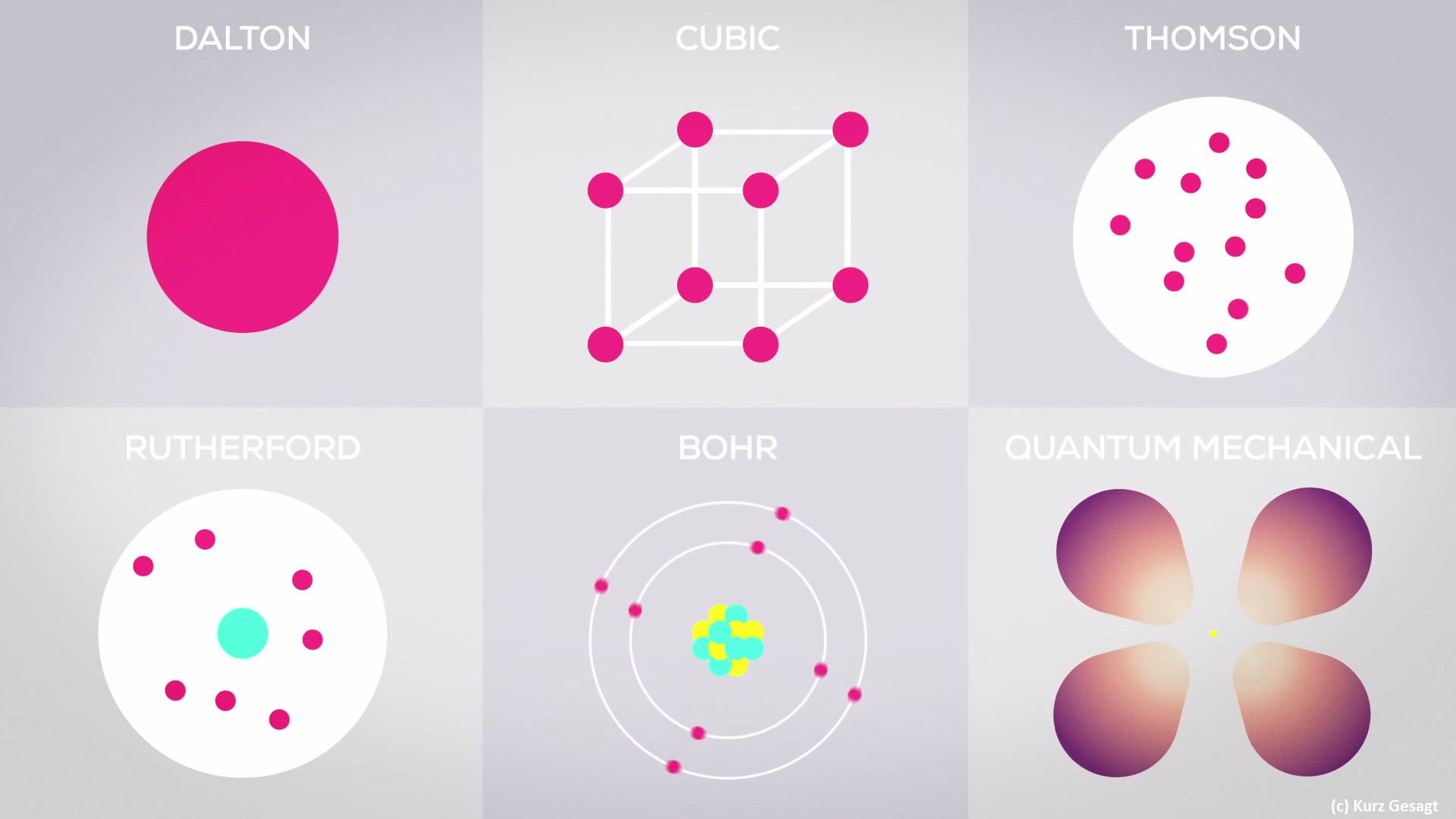
- Pie de imagen: Atoms throughout time
-
- Atom are made of protons (+1), neutrons (0) and electrons (-1)
- Relative mass of a proton and a neutron are both 1
- Atoms contain an equal number of protons and electrons and so carry no overall charge
- Atomic number = number of protons (= number of electrons)
- Mass number = number of protons + number of neutrons
- Atoms of the same element have the same number of protons in their atoms
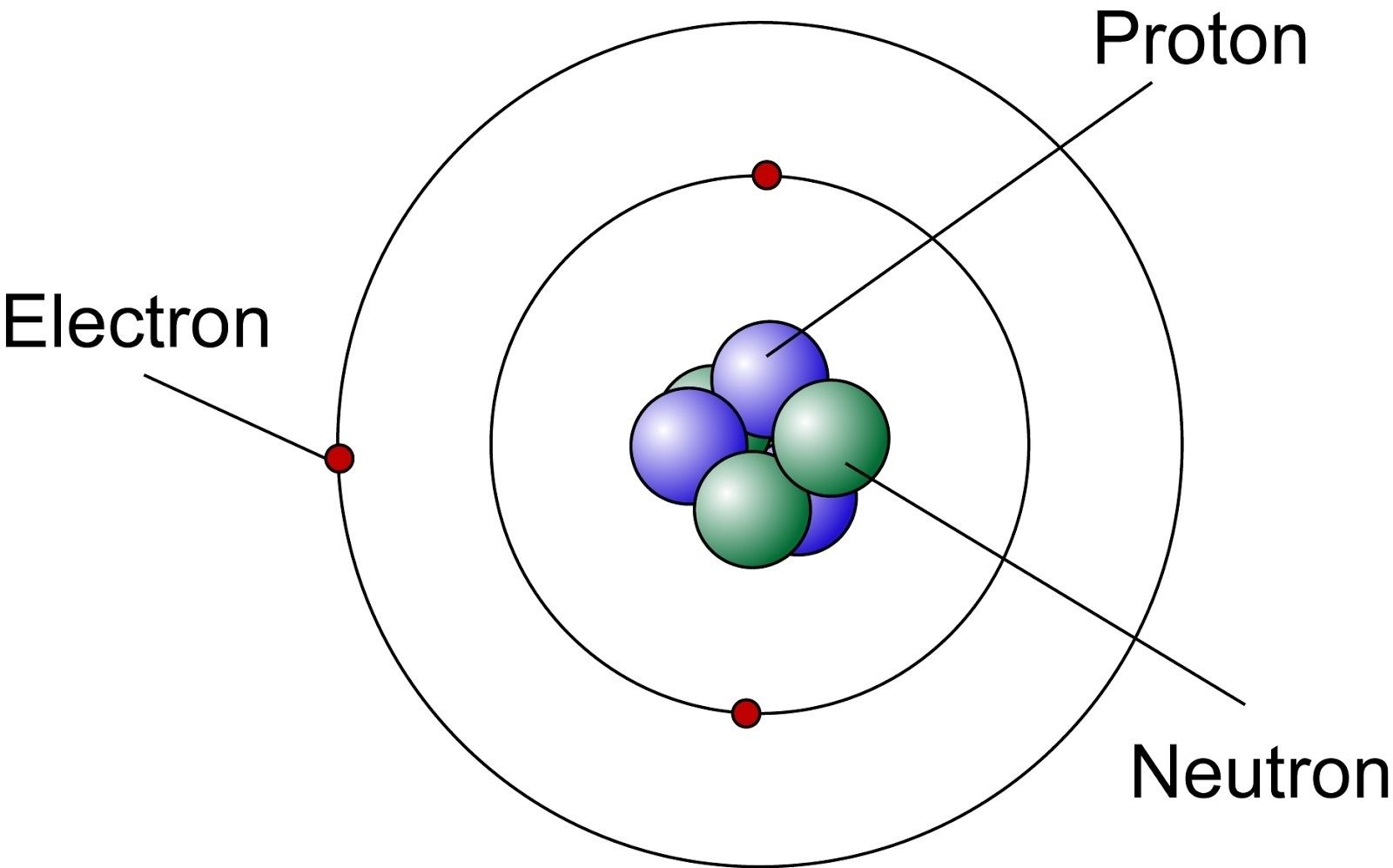
- Pie de imagen: Structure of an atom
-
- Atoms that gain electrons form negative ions (anions)
- Atoms that lose electrons form positive ions (cations)
- The atomic number is the small number in the periodic table and the mass number is the larger one
- Isotopes are atoms of the same element with different numbers of neutrons
- Identical chemical properties
- Physical properties, such as density, could be different
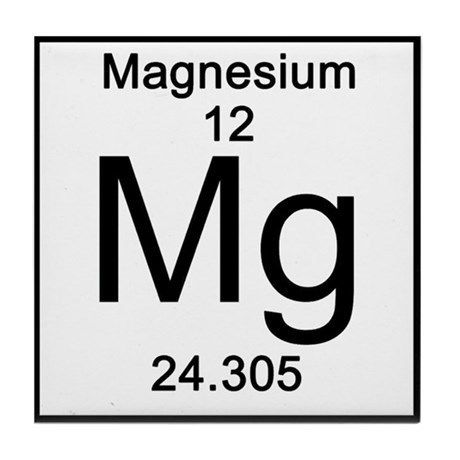
- Pie de imagen: Magnesium
-
- The electrons in an atom are arranges in energy levels or shells
- The lowest energy shell, the 1st shell, can hold up to 2 electrons
- The next energy shell, the 2nd shell, can hold up to 8 electrons
- The number of electrons in the outermost shell of an element determines the way in which that element reacts
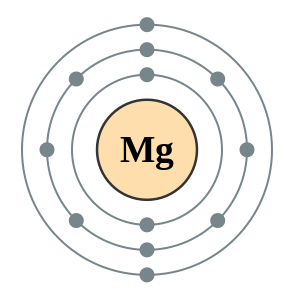
- Pie de imagen: Electronic structure of magnesium
Información
- Descripción
- GCSE (1 Atoms, bonding and moles) Chem Diapositivas sobre C1 Atomic Structure, creado por Jess Wang el 30/03/2019.
- Creado por
- Jess Wang
- Visitas
- 0
- Valoración