
Flashcards
Teaching Listening Techniques

Cards in this deck (21)
- 1How to train your students to develop a listening skill?By Marlymarìa Hernàndez Melèndez

- 2When we want to learn a second language, it is really important to develop the listening skill. Unfortunately, this skill is most of the time regard as the most difficult language skill to learn.During this presentation you will find some difficulties that students experience when they want to learn this skill, and how you as a teacher can help them to improve their listening skill.
- 3What makes listening difficult?Students get really sad when they are trying to practice this skill, because they dont have the right tools to listen effectively.
There are 8 characteristics of spoken language, which learners need to pay special attention to because they highly influence the processing of speech and can often block comprehension if they are not attended to.
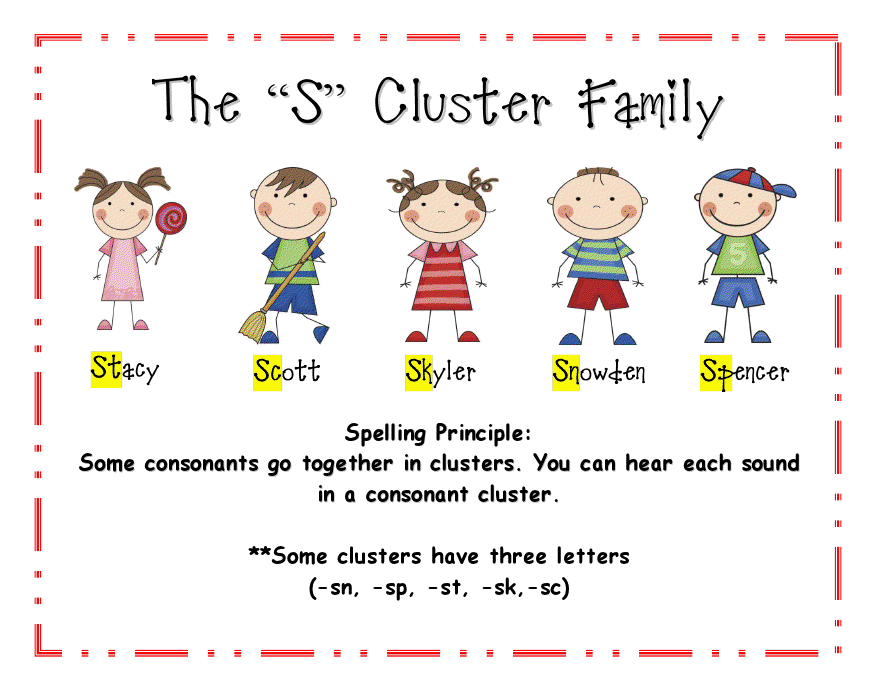
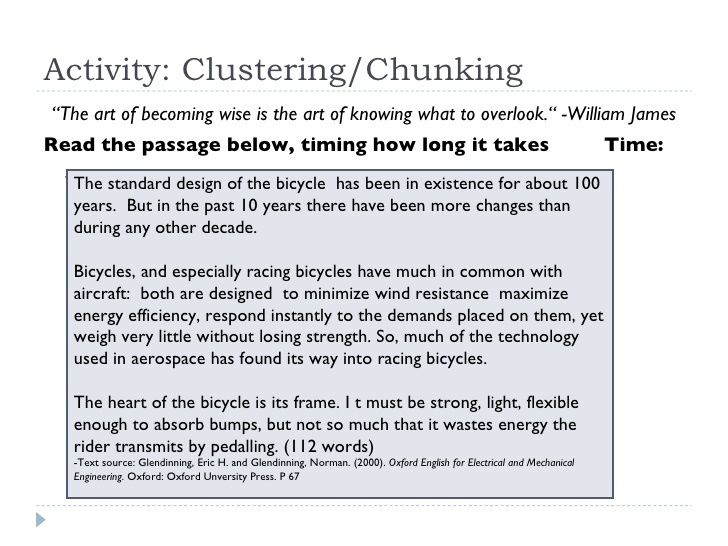
- 4CLUSTERINGWe break down speech into smaller groups of words.
Clauses are common constituents.
Teacher helps students to pick out manageable clusters.
- 5EXAMPLE
- 6REDUNDANCYRedundance helps to process meaning by offering more time and extra information. Learners can train themselves to profit from such redundancy by first becoming aware that not every new sentence or phrase will necessarily contain new information and by looking for the signals of redundancy.

- 7EXAMPLE

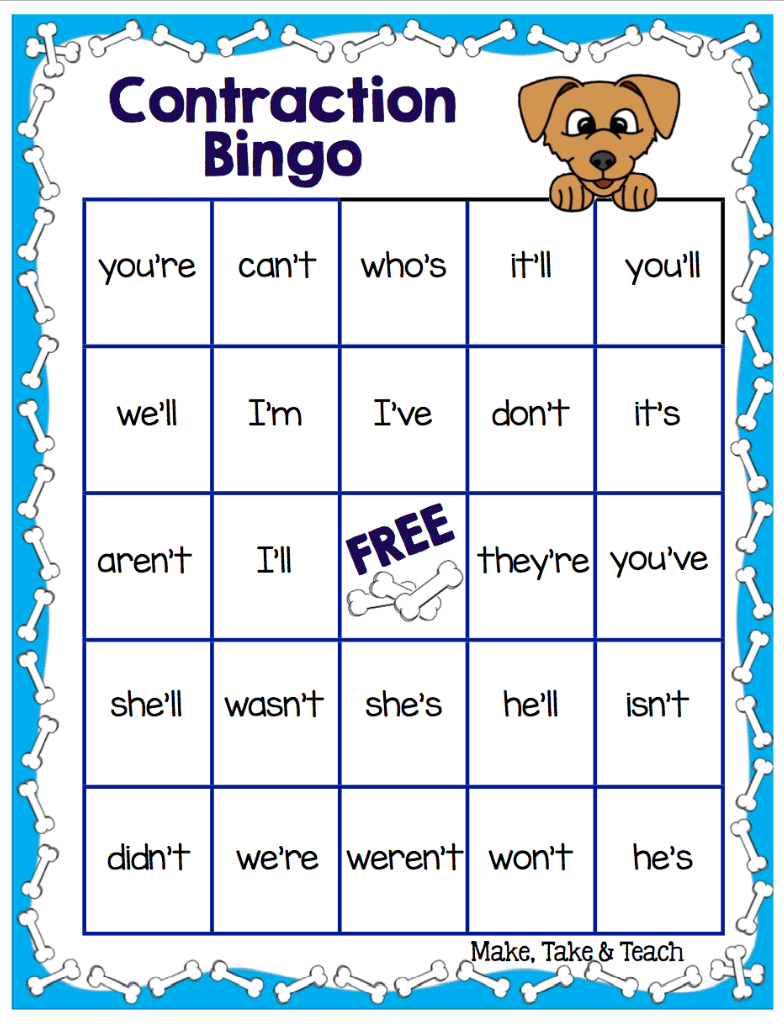
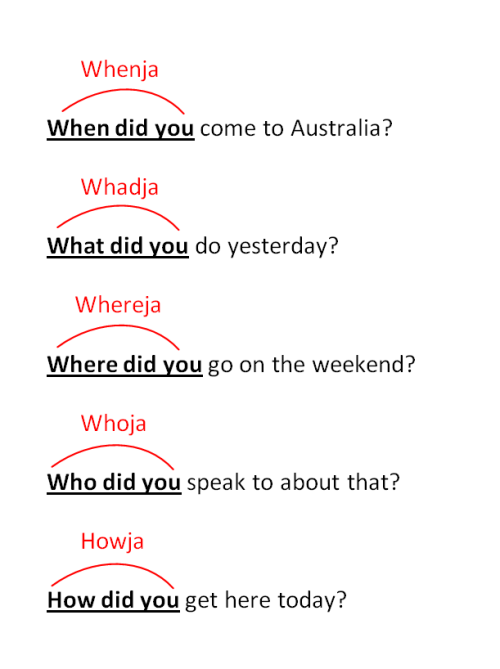
- 8REDUCED FORMSWhile spoken language does indeed contain many reduced forms.
Listeners need to train themselves to listen for meaning in the midst of all these distracting performance variables. .
- 9MORPHOLOGICALPHONOLOGICAL
- 10PERFORMANCE VARIABLESLearners have to train themselves to listen for meaning in the midst of all the distracticn performance variable.
- 11EXAMPLE“But, uh –I also –to go with this of course if you’re playing well –if you’re playing well then you get uptight about your game. You get keyed up and it´s easy to concentrate. You know you’re playing well, and you know… in with a chance then it’s easier, much easier to –to you know get in there and –and start to… you don’t have to think about it. I mean it’s gotta be automatic.”


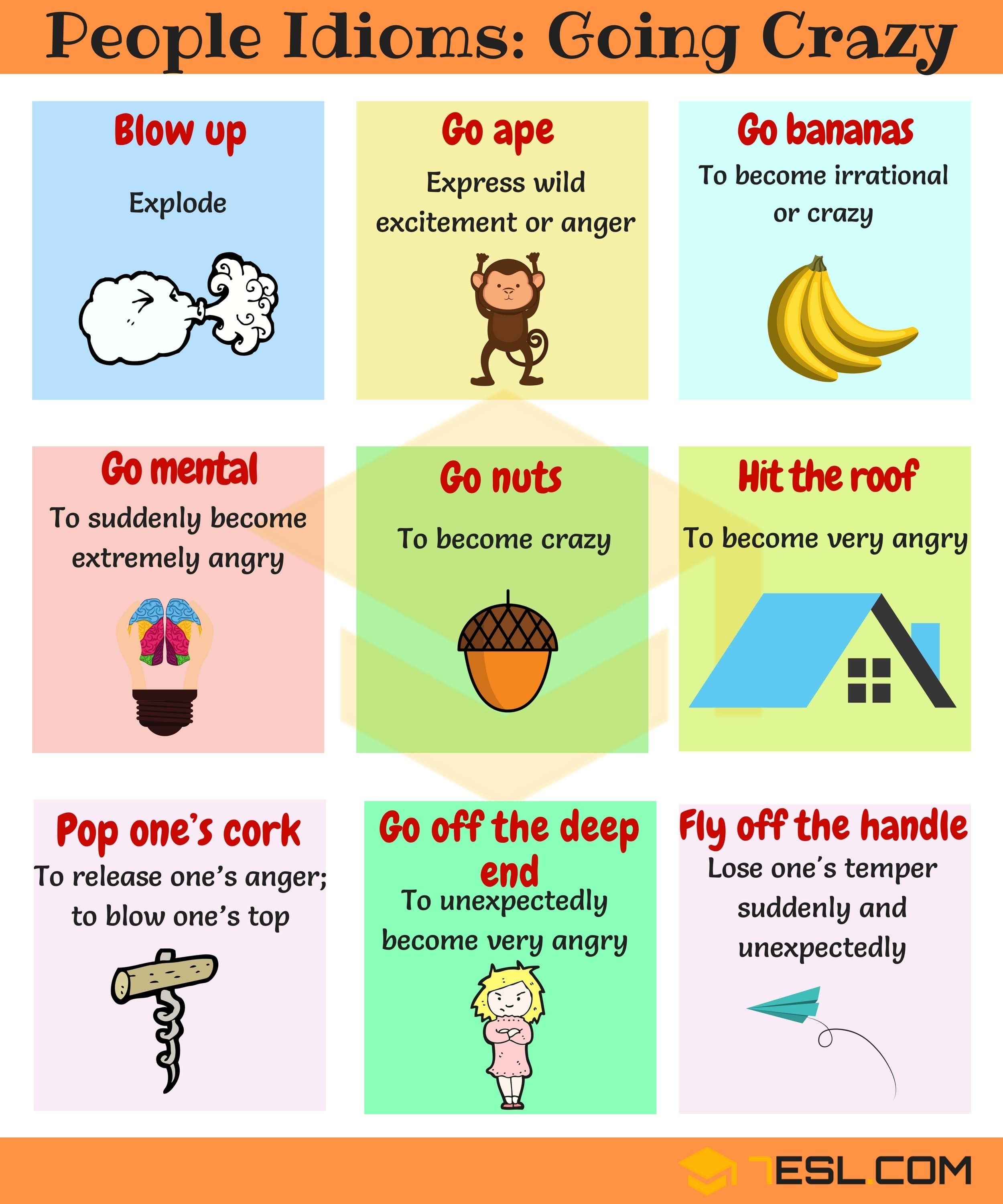
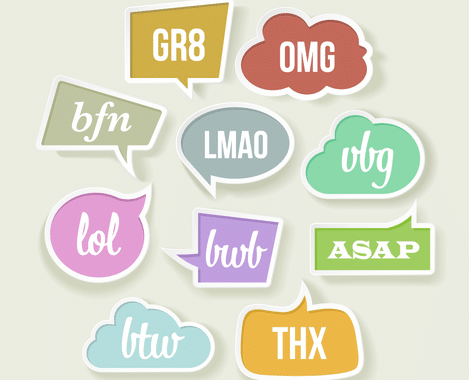
- 12COLLOQUIAL LANGUAGEIt is when writers use informal words and phrases or even slang in a piece of writing.

- 13IDIOMSSLANG
- 14RATE OF DELIVERYWhen listening, the learner may not always have the opportunity to stop the speaker. Instead, the stream of speech will continue to flow.

- 15—
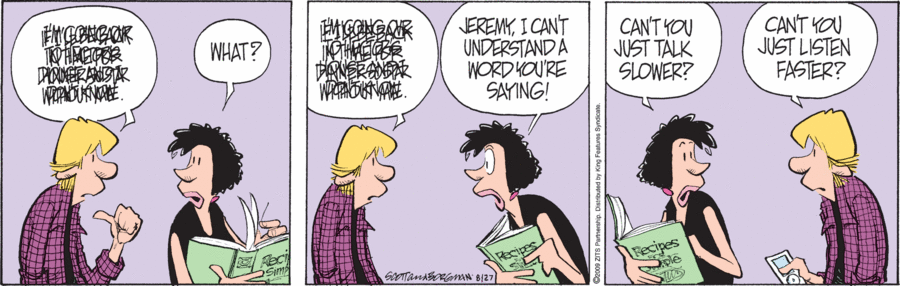
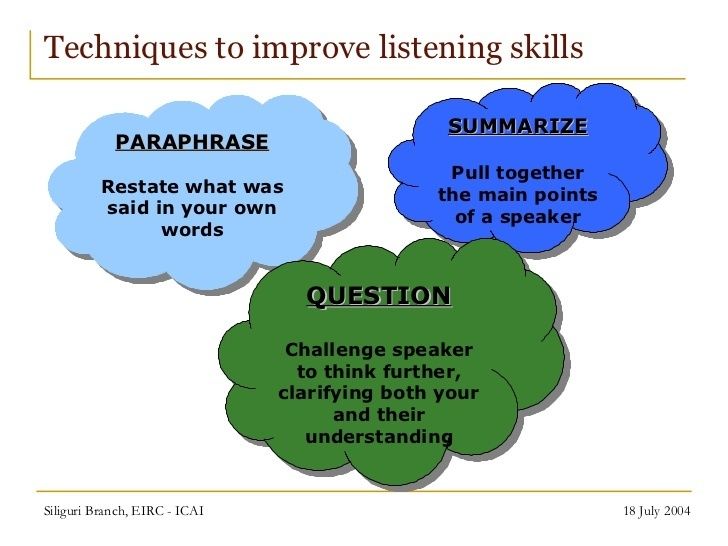
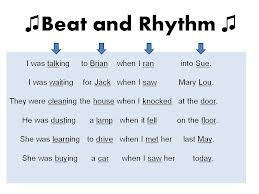
- 16STRESS, RHYTHM, AND INTONATIONThe prosodic features of the English language are very important for comprehension.

- 17—
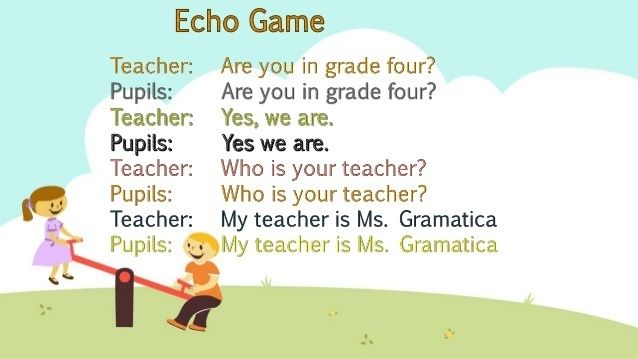
- 18INTERACTIONLearn to respond and to continue a chain of listening and responding.
Students need to understand that good listeners are good responders. - 19—

- 20CONCLUSIONThere are many factors that make listening difficult, but as teachers we are here to help, encourge and motivate our students to improve in their listening skill. Some of the tips that we can use are: balance the talking time, cooperative atmosphere, and let them think. Make your class interactive and let them shine!
- 21Thank You!
Information
- Description
- You will find activities and tips to help your students to improve their listening skill.
- Created by
- Marly Hernandez
- Views
- 11
- Rating