
Flashcards
Basic Semantic Relations _step2_lilibet
Cards in this deck (8)
- 1The semantic relationship includes those relationships that are established between words, say hyponymy, synonymy, polysemy, homonymy, and antonym; It is the relationship that exists between two elements with meaning.
- 2PARAPHRASE: An utterance is a paraphrase of another when it has the same meaning as another. Example: Mark bought a car / Mike purchases an automobile.
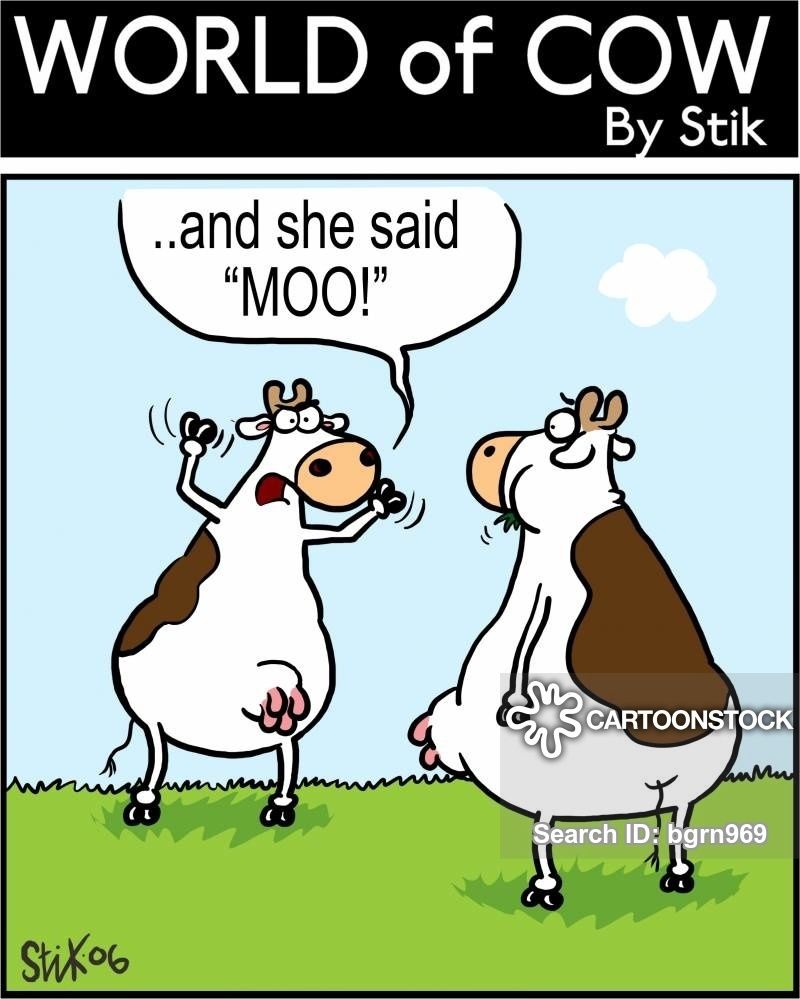
- 3ENTAILMENT, OR IMPLICATION: is a relationship that applies between 2 sentences or propositions, where the truth of one implies the truth of the other because of the meaning of the words involved. One utterance is a logically necessary consequence of the other (one way). In the following example, the 2 sentences deep inside contain the same informative aim. “Everyone passed the exam” / “No – one failed the exam”.
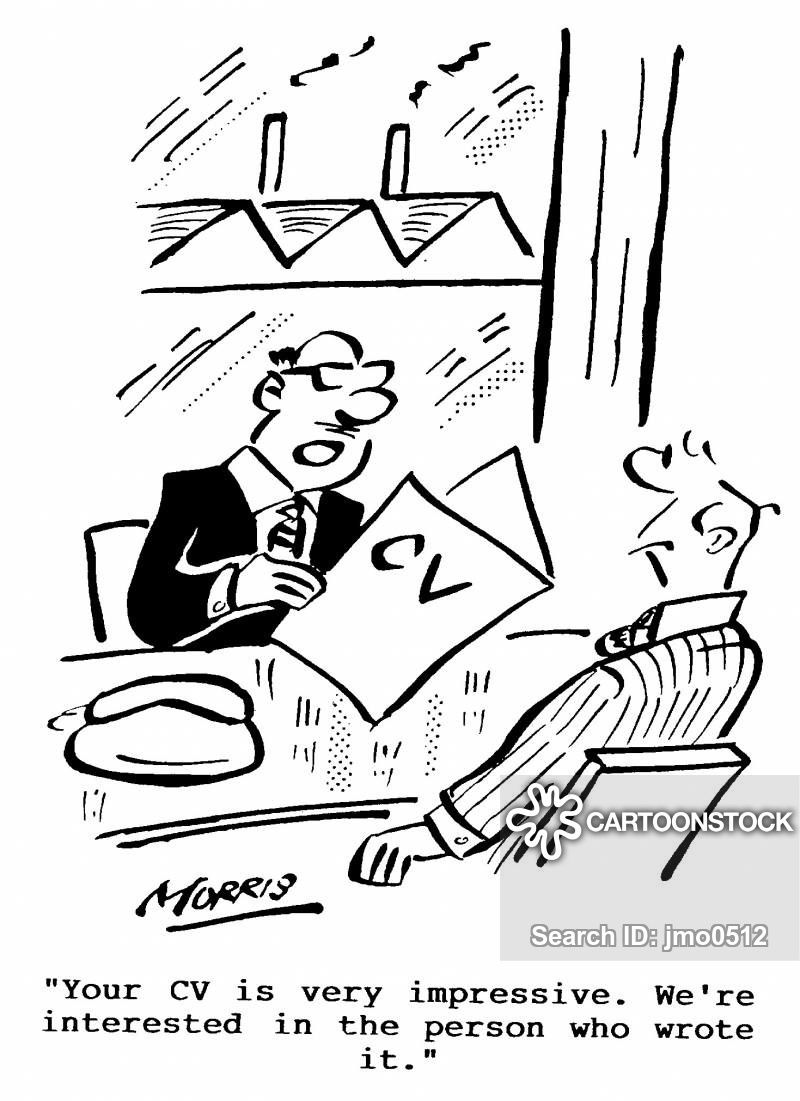
- 4INCLUSION: Type of semantic relation which exists between 2 words in the meaning of 1 word contains the semantic feature constituting the meaning of the other word. Also, we can define it as a word may include another (A – B) but B doesn´t include A. it means that the first word includes the second one, but the second doesn´t include the first. Examples: fruit / apple- animal / lion.
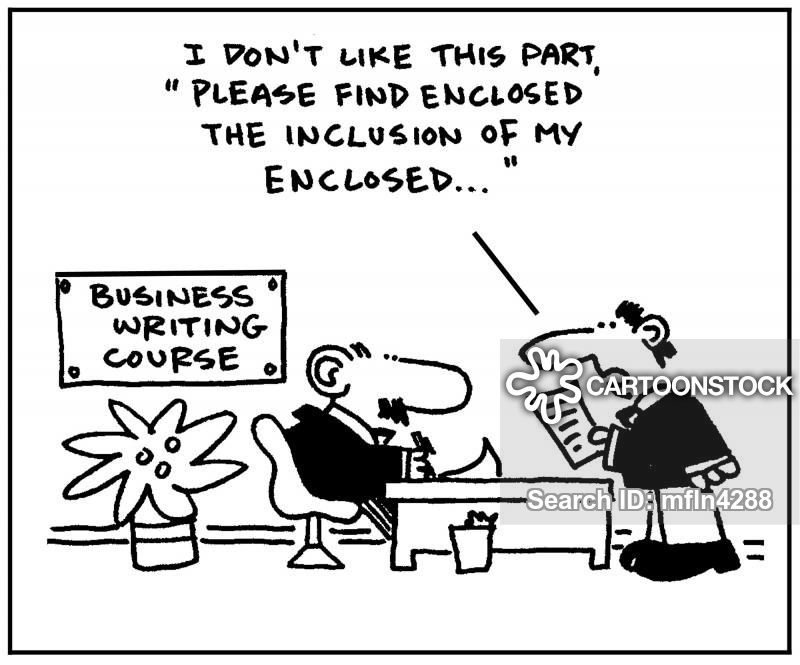
- 5CONTRADICTION: is a negation of the other proposition or as the suggested reading set, statement or sequence of utterances is logically contradictory; that is, if one is true, the other must be false. Example: My car was cheap / My car was expensive.
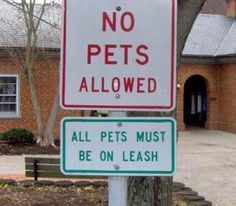
- 6ANOMALY: Refers to “meaningless”. Is a derivation of from normal semantic rules to create “nonsense” of something irregular or contradictory. An utterance has no meaning in the everyday world; it violates semantic rules. The most famous example is the one made of Noam Chomsky “Colorless green ideas sleep furiously”.
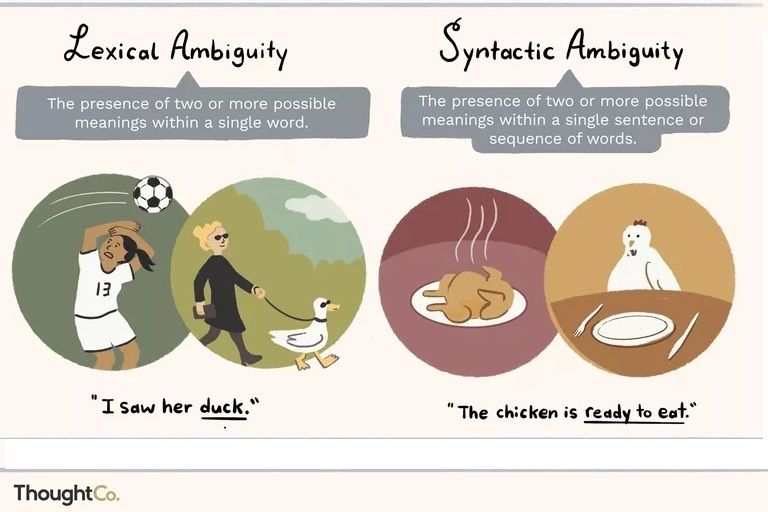
- 7LEXICAL AMBIGUITY: This arises when at least one word in a phrase has more than one meaning. In other words, lexical ambiguity means that a word or phrase allows more than one meaning in context, as in an old friend, which may denote a friend who is aged or a friend whom one has known for a long time (two different meanings of old), or a large bill, which may denote a large beak of a bird or a large check at a restaurant (two different words bill), or he lost his head, which may mean that he became discomposed (a metaphorical interpretation) or that he was decapitated (the literal interpretation). Examples: “Mary met Lucy at the bank that is in Central park.” / “The book is on the brown bank”. “The tanks were full of water”. “I don´t like military tanks”.
- 8DENOTATION/CONNOTATION: Both are methods of describing the meaning of words. “Denotation refers to the literal meaning” of the word; is the explicit definition of a word as in dictionaries. While “Connotation” refers to the association or the emotional suggestions that are connected to a certain word. In other words, it can be explained as the associations that words usually bring to mind. In any but the most mundane uses of language, connotations are an important aspect of meaning. Words may also carry social meaning, indicators of the identity of the speaker (age, sex, social class, race) or the formality of the context. These are also significant to the meaning of a discourse. Examples: The Word summer detonates season of the year, but connotes positives associations with holy, log, sunny days. “The heavy rain turned the river onto a raging torrent”. “The police officer answered with a torrent of abuse”
Information
- Description
- Licenciatura en Inglés Flashcards on Basic Semantic Relations _step2_lilibet, created by Lilibet Zuluaga Sossa on 17/10/2020.
- Created by
- Lilibet Zuluaga Sossa
- Views
- 7
- Rating