
15515323
Description

Flashcards by Margarita Ku, updated more than 1 year ago

|
Created by Margarita Ku
about 7 years ago
|
|
| Question | Answer |
| Describe the development of the royal burial monuments of Old Kingdom Egypt in form & ritual. | - Monuments were large to show importance and to reach gods/cosmos - Many chambers to worship kings, who were viewed as gods - Stacked mastaba developed into pyramids - Used stone for construction - Aligned with cosmic events |
| How did burial practices differ between the Old & New Kingdoms? | Old Kingdom: - Ritual and burial areas in the same place - People would worship the dead pharaohs and saw them as gods - Burial sites were very important New Kingdom: - Ritual sites were more public, burial areas were hidden - Religious temples were more important than pharaohs’ tombs |
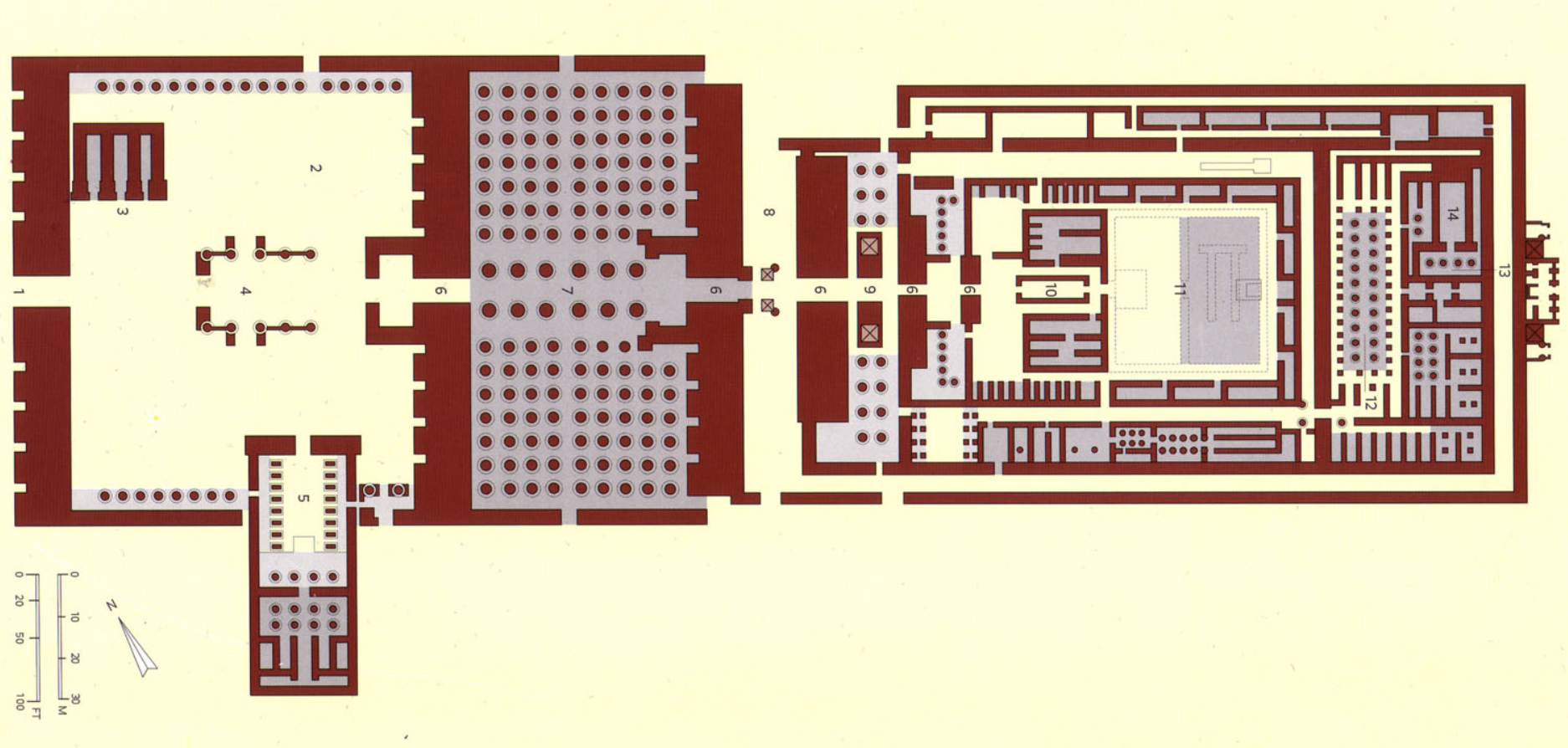
| What are the major elements and composition of the temple of New Kingdom Egypt? | - pylon= entryway, symbolically representing the Nile River with its cliffs on either side - forecourt= courtyard - Hypostyle hall= big hall full of highly decorative columns - Inner sanctuary= area where the spirit of god comes down to witness the obedience of the people and recieve their gifts |
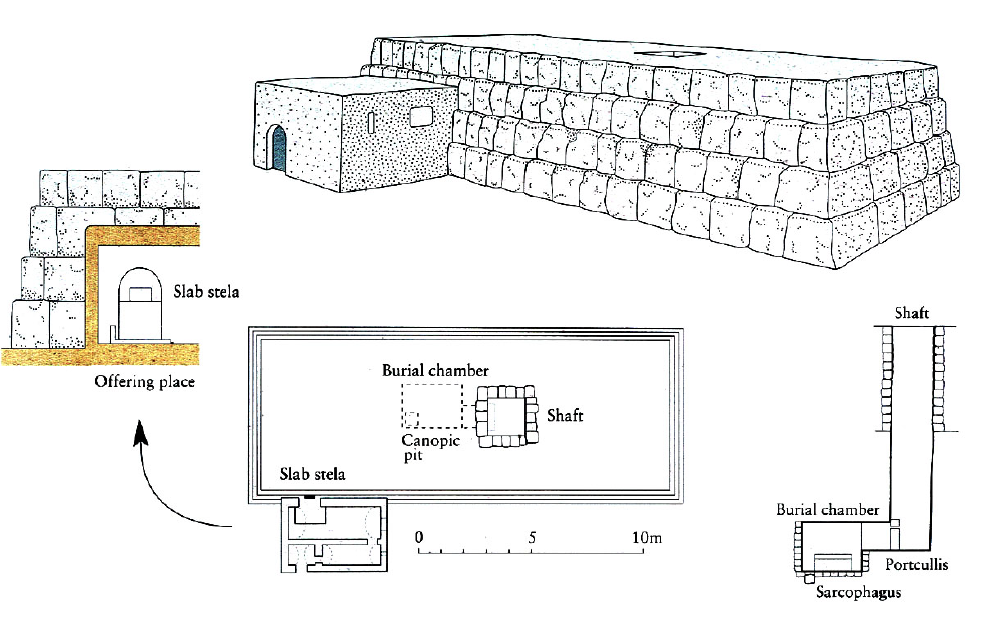
| Mastaba -rectangular mound tomb for Egyptian king - Chapel at ground level, burial chamber underneath - To produce the earthly environment and provide sustenance for the king’s soul | |
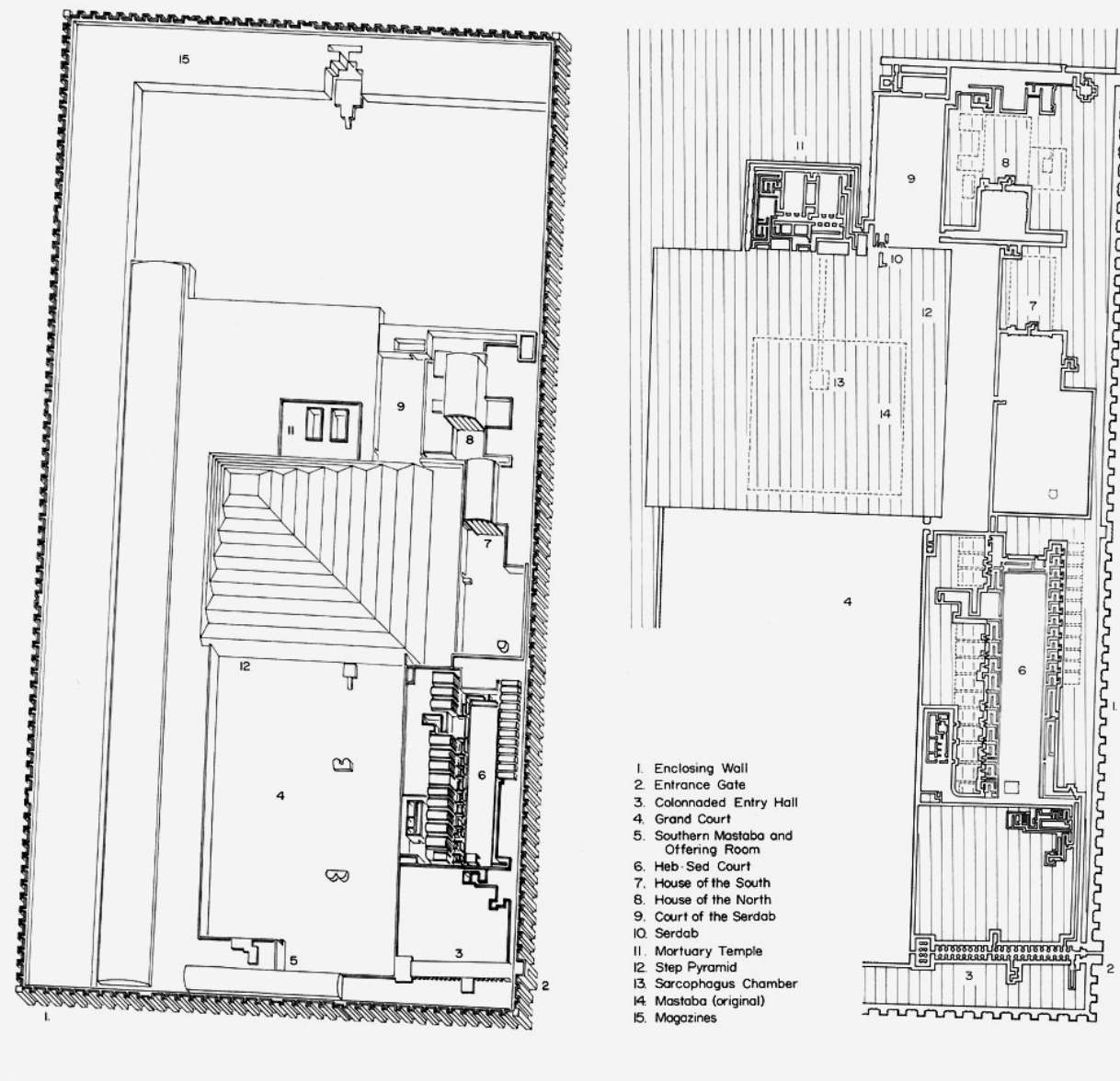
| Mortuary Complex of Zoser (Saqqara, Egypt) - Designed by Imhotep - Used stone instead of brick, stone columns instead of wood columns - Columns were abstract, undecorated - Stacked mastabas to create a pyramid shape | |
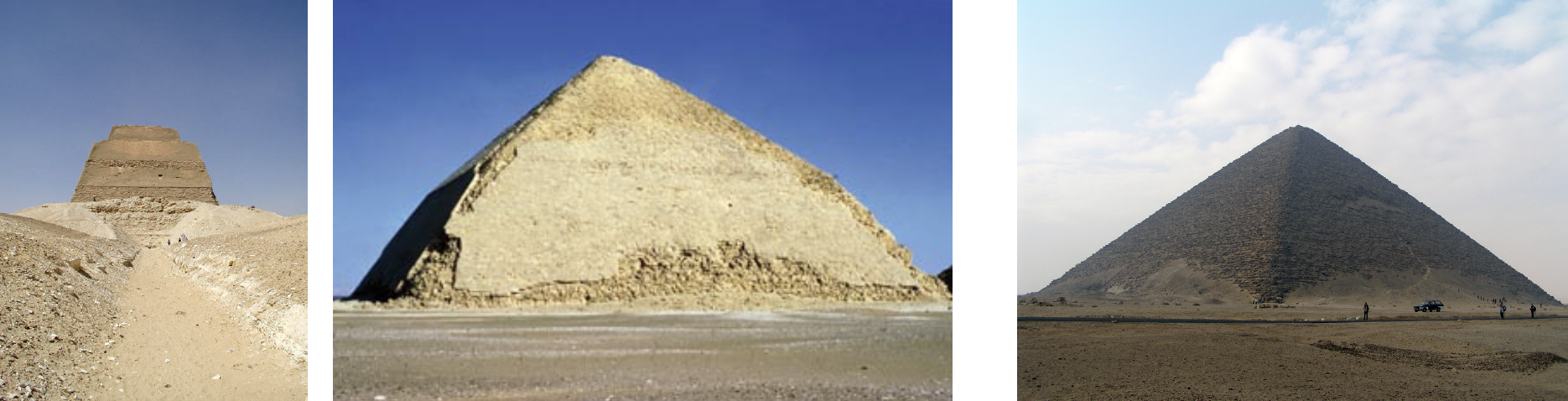
| Sneferu's Pyramid Experimentation (Egypt) - Pyramid of Meidum - Bent Pyramid of Sneferu - Red Pyramid of Sneferu | |
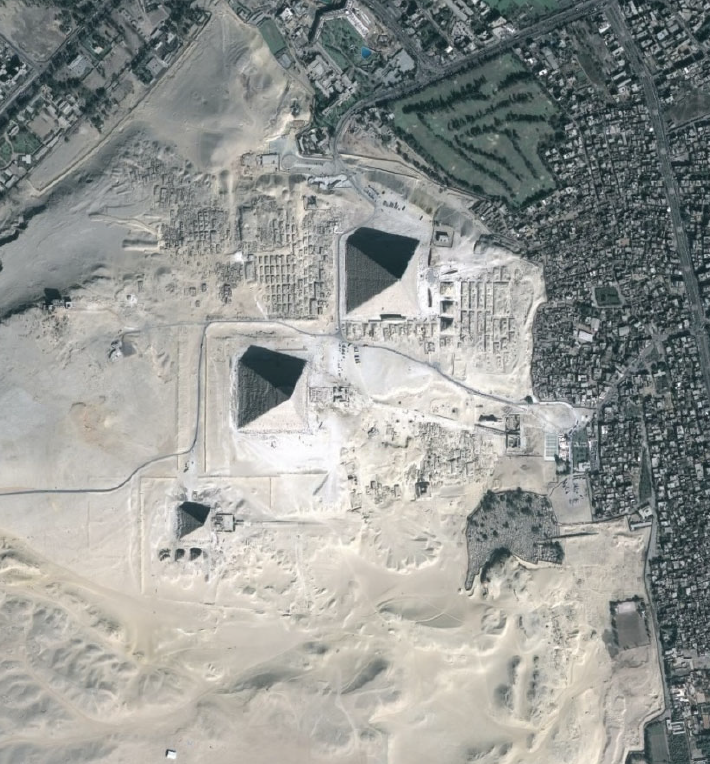
| Great Pyramids (Giza, Egypt) - Orientation placed the in relationship with Egyptian sacred cosmology - Each was a series of buildings: valley temple, causeway, mortuary temple, pyramid - Elaborate internal systems to protect from looters | |
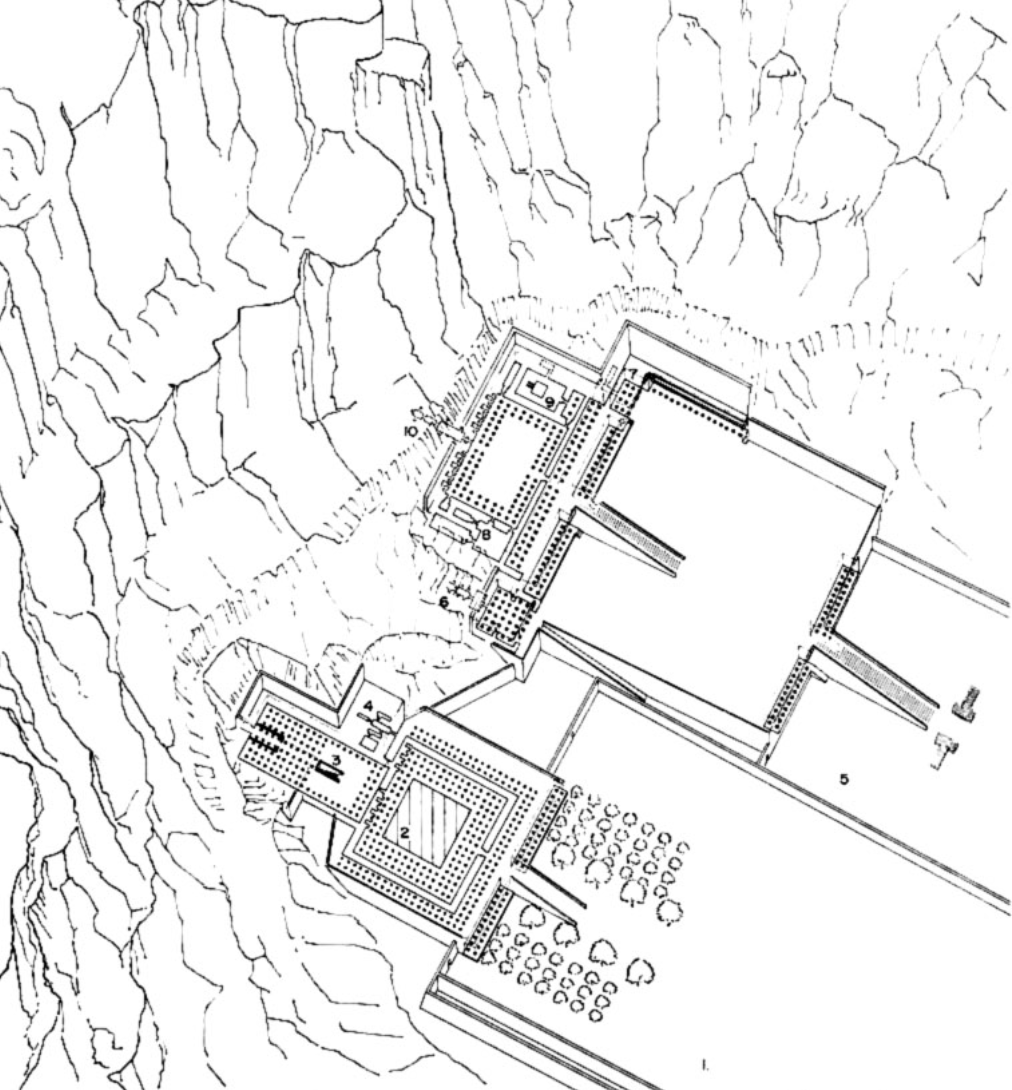
| Temple of Queen Hatshepsut (Deir-el-Bahri, Egypt) - Designed by Senmut - Places herself in relation to Mentuhotep II & the god Amun - Added temples and roads for ceremonial processions to show the gods’ support of her - Separated offering temple & hidden distant tomb to protect against looters - Early use of extensive open collonades | |
| Temple of Amun (Karnak, Egypt) - Tendency to axial symmetry - Temples take on a distinct form with four basic elements - Pylon= entryway, symbolically representing the Nile River with its cliffs on either side - Forecourt= courtyard - Hypostyle hall= highly decorative hall full of columns - Inner sanctuary= area where the spirit of god comes down to witness the obedience of the people and recieve their gifts |
Want to create your own Flashcards for free with GoConqr? Learn more.