
Flashcards
Ichthyology
Cards in this deck (31)
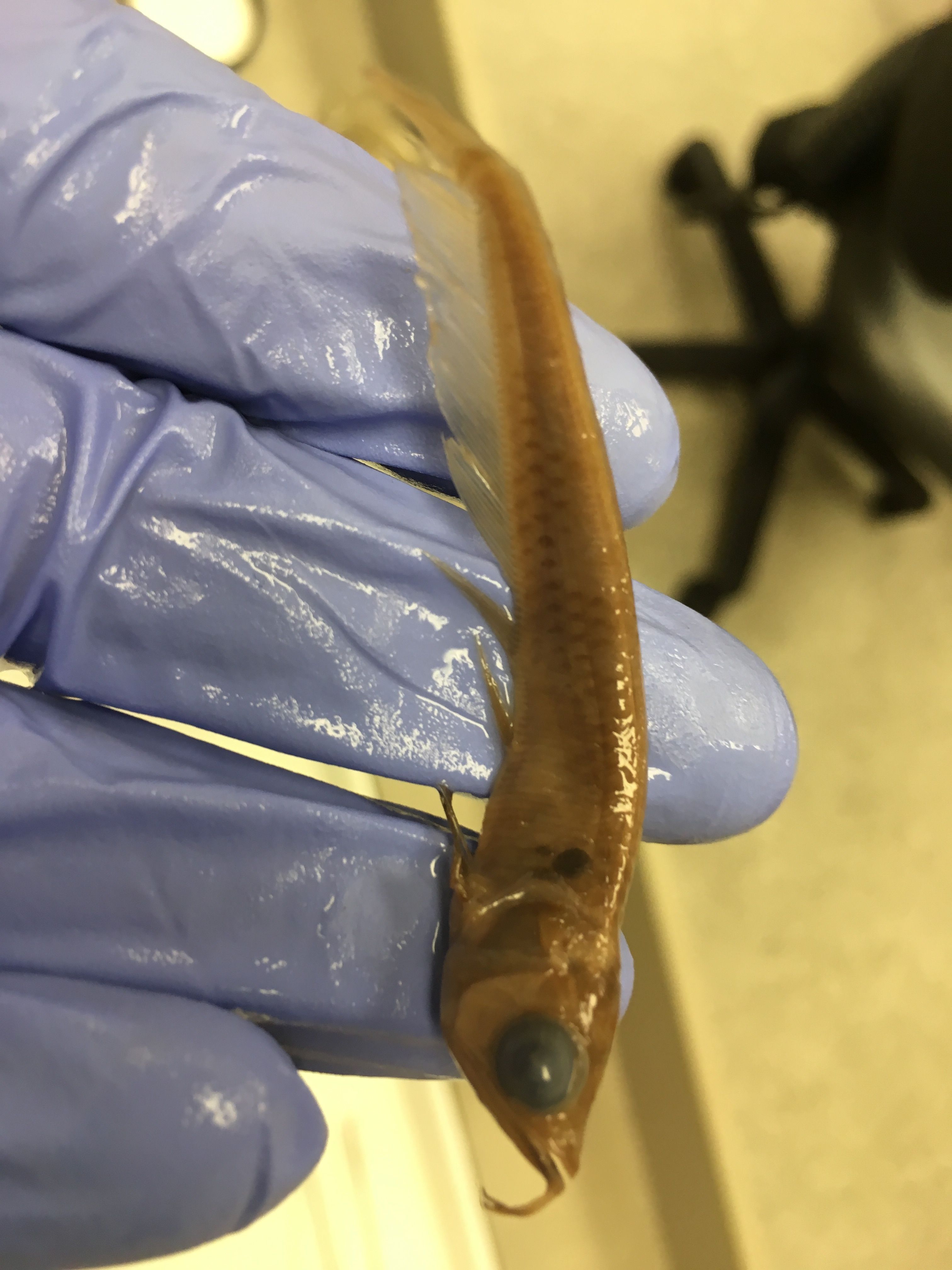
- 1—Osteoglossidae - pelvic fins behind base of pectorals. mandibular barbels present. small caudal fin. base of dorsal fin long and set far back on body
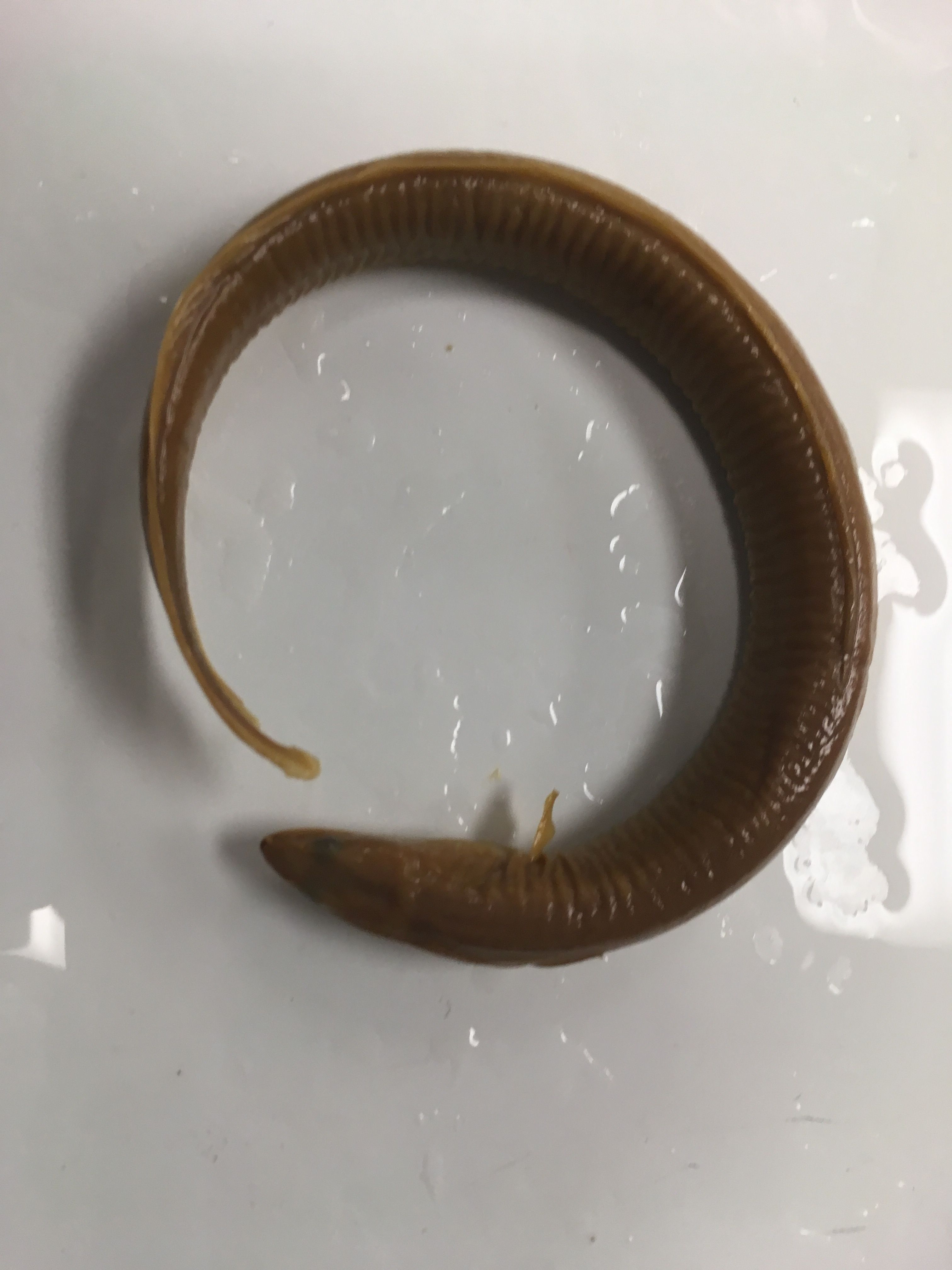
- 2—Ophicthidae - snake eels. basket like structure in the ventral wall of the throat. posterior nostril usually within or piercing other lip
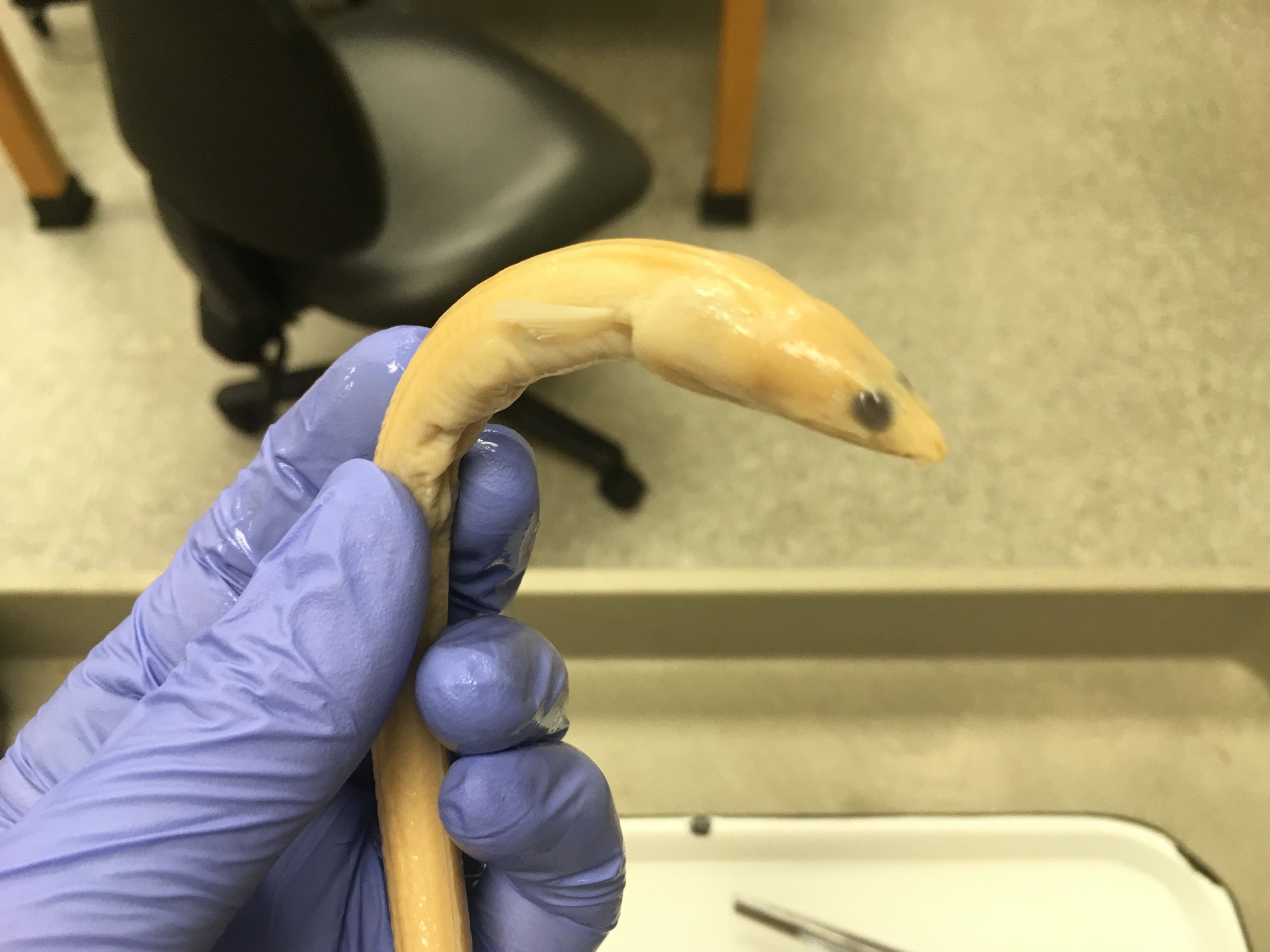
- 3—Anguillidae - freshwater eels. pelvic fins absent. minute scales present. pectoral fins present and well developed. gill opening is crescentric
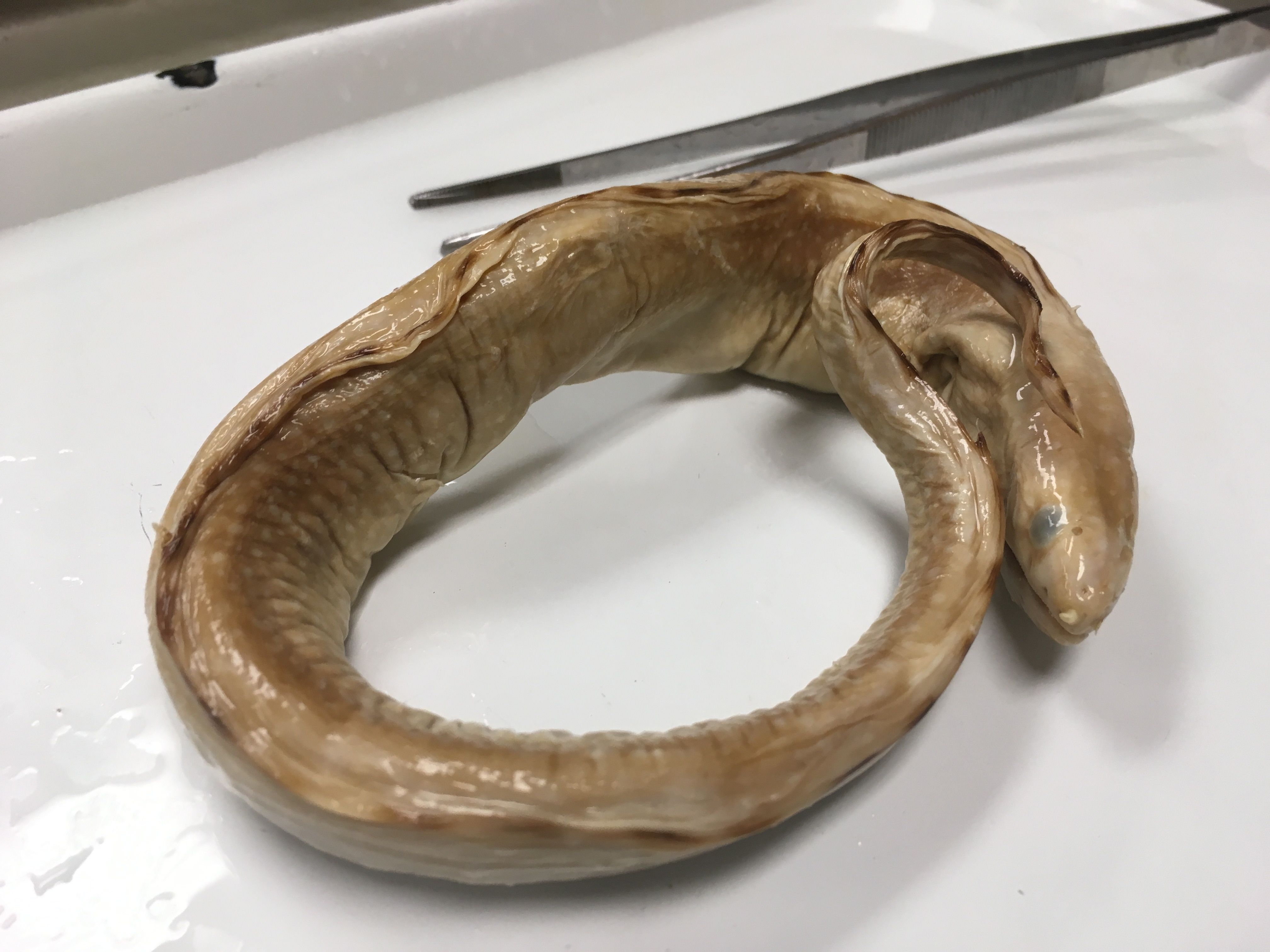
- 4—Muraenidae - morays. no scales. pectorals absent. gill openings small and roundish, long fanglike teeth
- 5—Megalopidae - tarpons. last ray of dorsal fin elongated. large scales. body laterally compressed. mouth terminal.
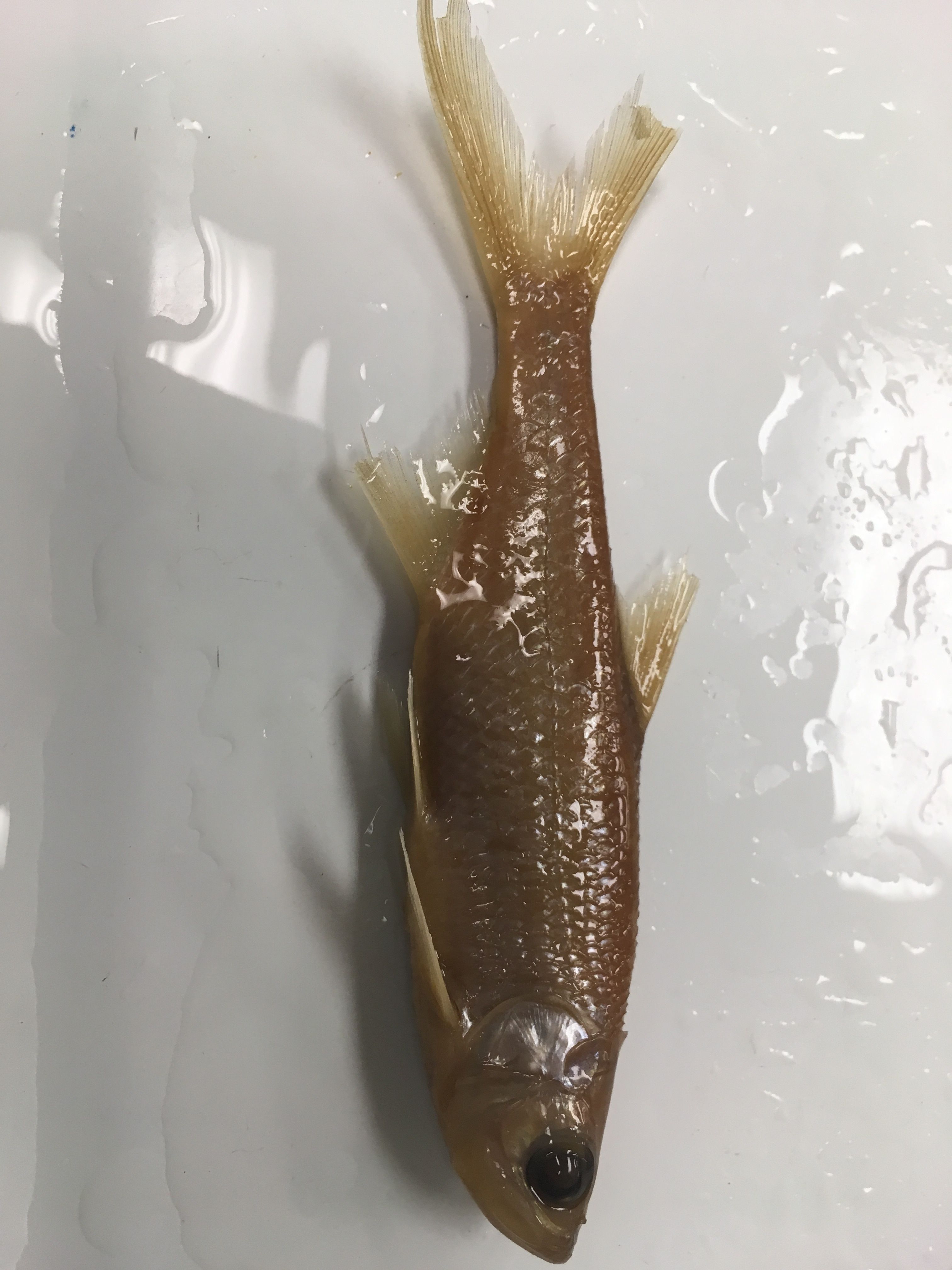
- 6—Sygnathidae - seahorse, pipefish. it's a fuckin seahorse.
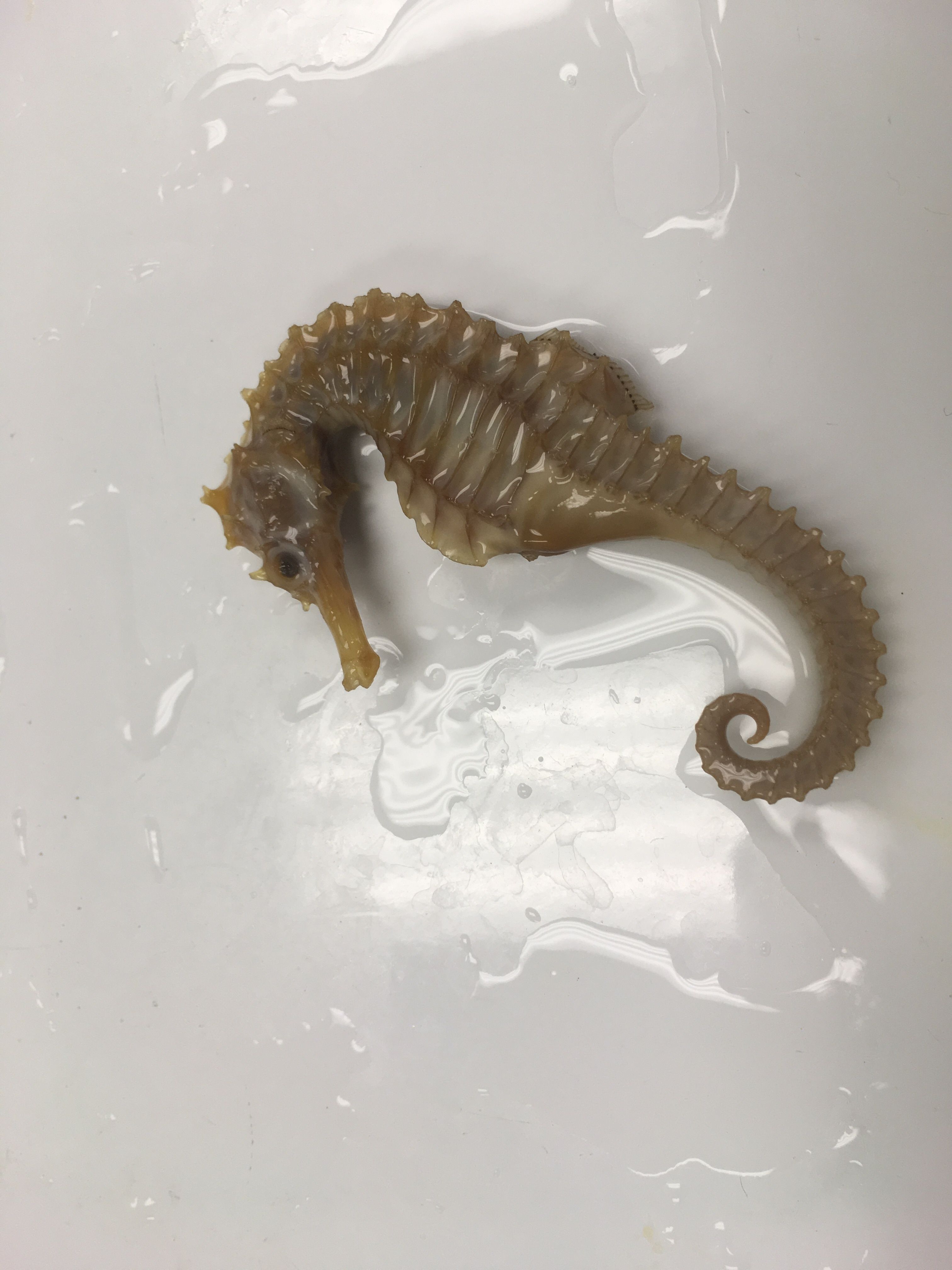
- 7—Triglidae - searobin. lower 2 or 3 pectoral rays enlarged and individually separated from other rays. bony head. dorsal fin separate
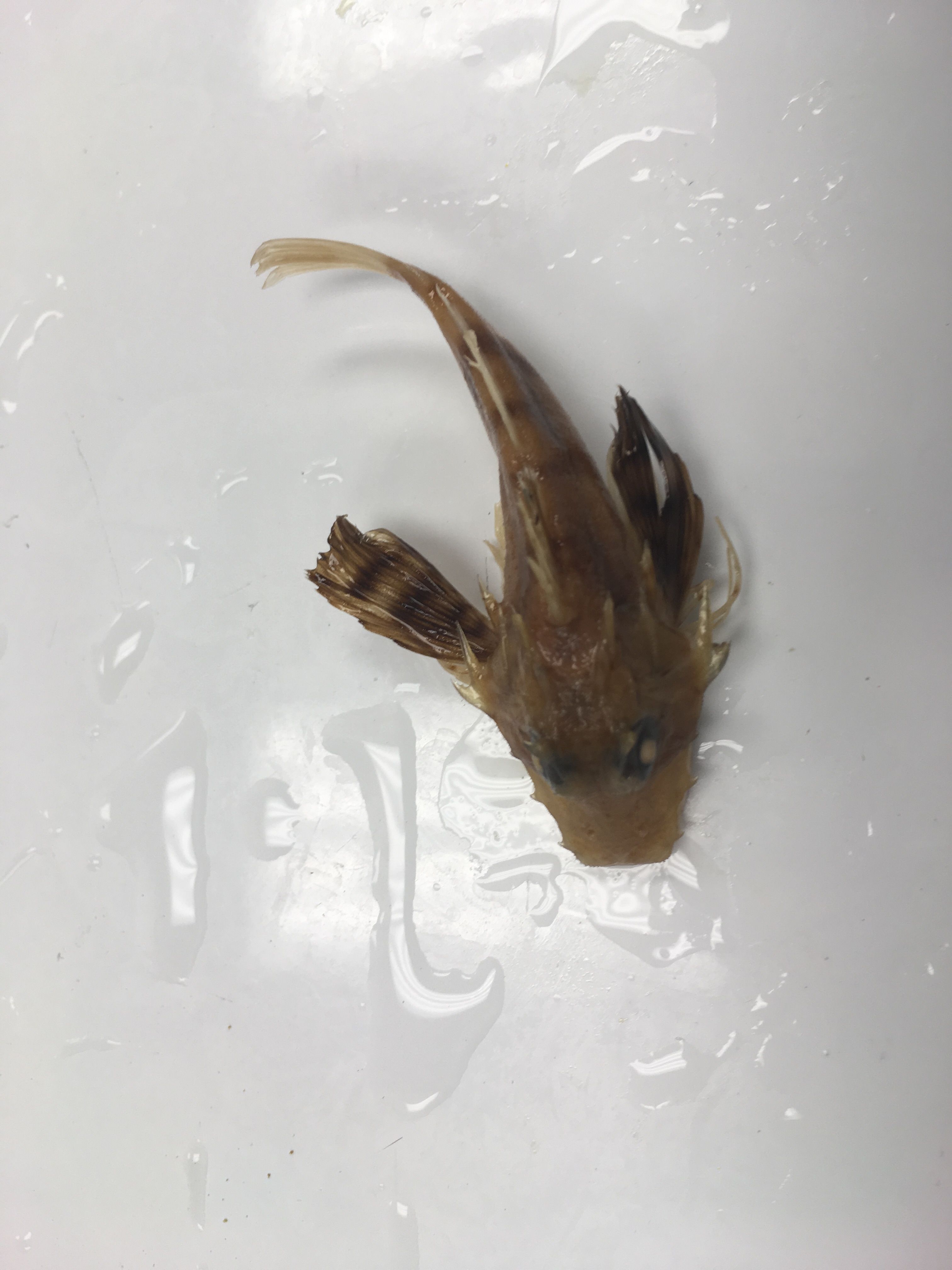
- 8—Gasterosteidae - sticklebacks. series of 3-16 isolated dorsal spines, followed by a normal dorsal fin. pelvic fin with one spine
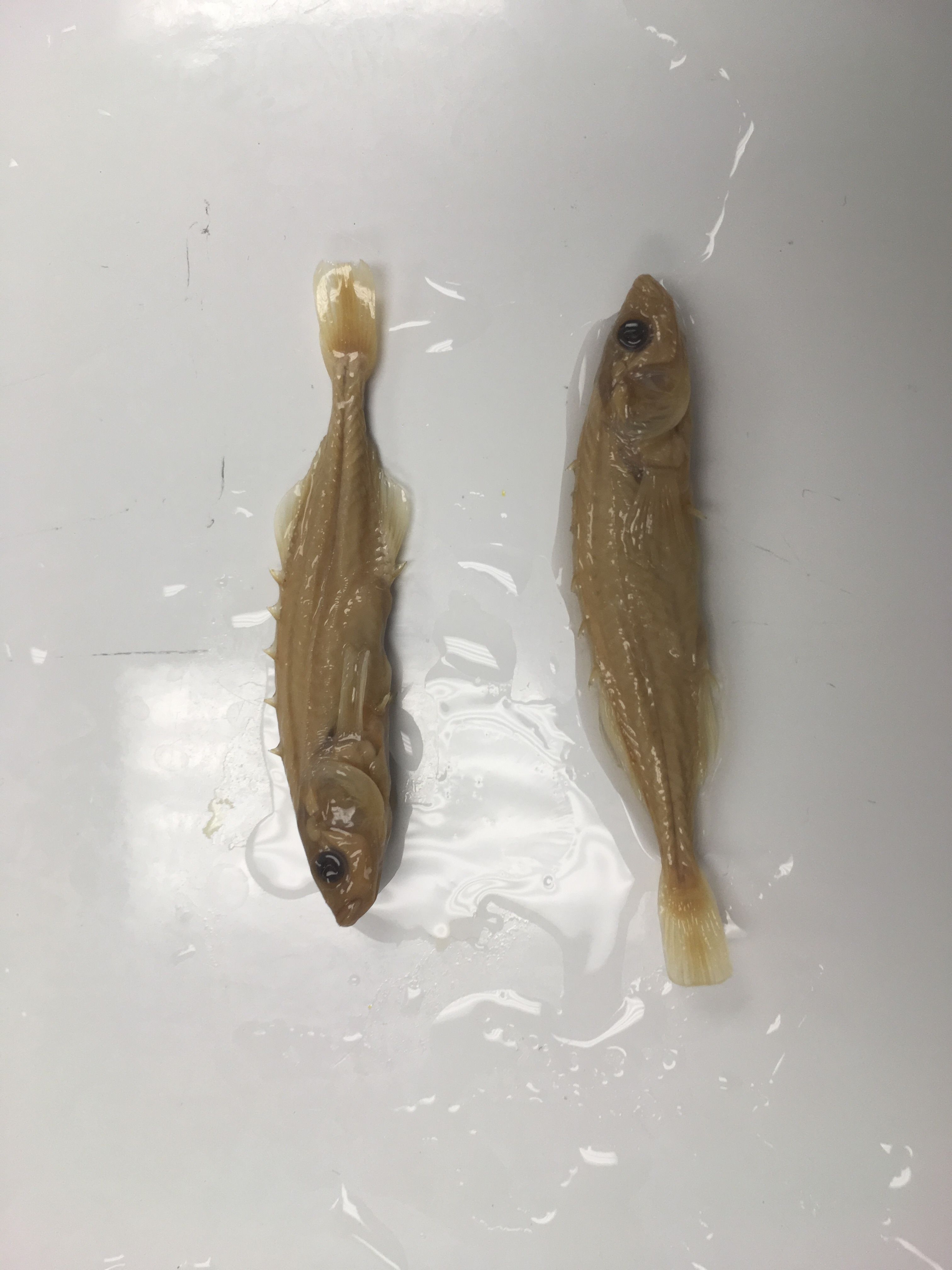
- 9—scorpaenidae - scorpion fishes. head usually with ridges and spines. dorsal fin usually single (often with a notch). pectoral and caudal fin usually rounded. body compressed. scales usually ctenoid
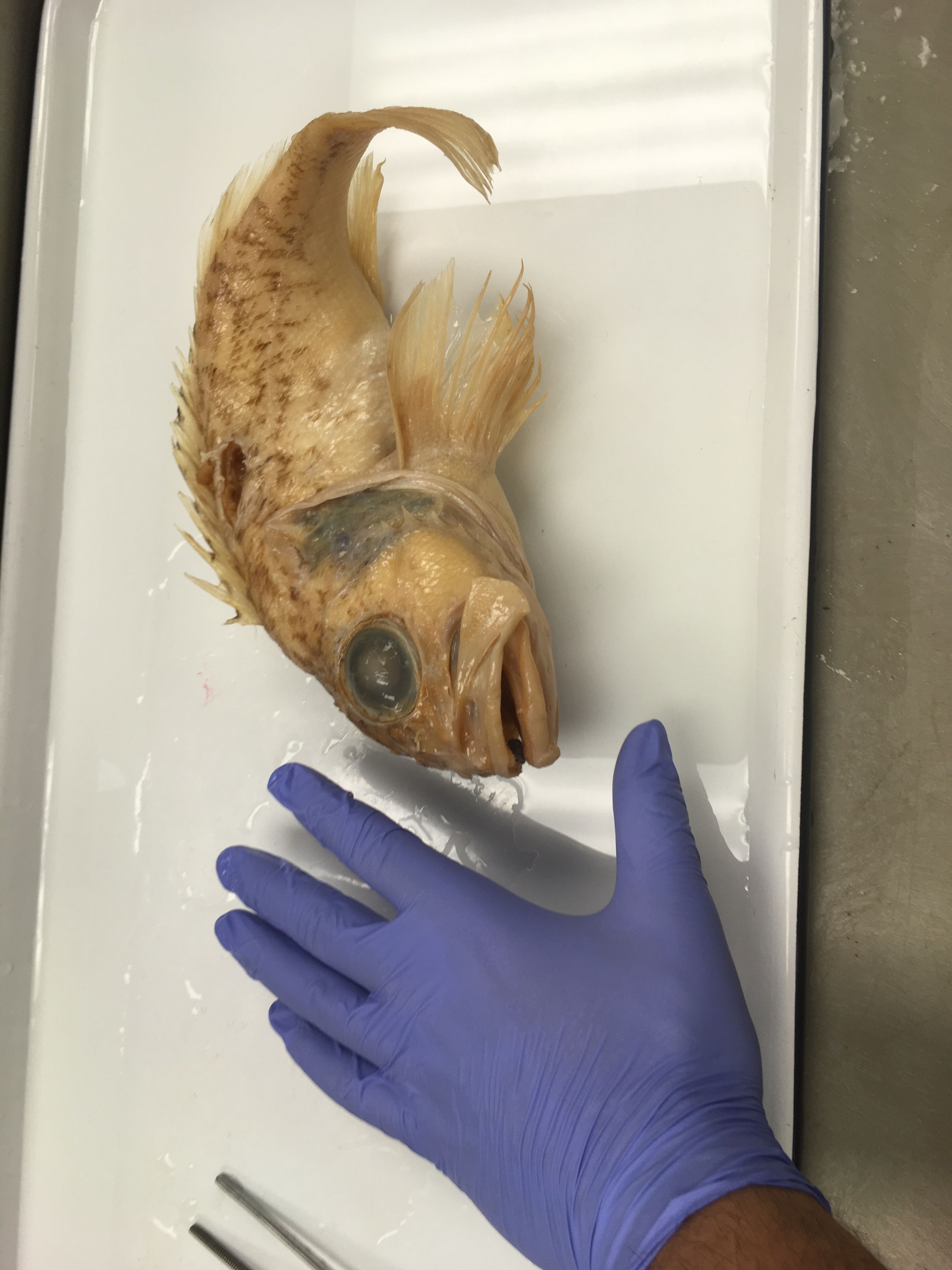
- 10—Mastacembelidae - spiny eels. series of 9-42 spines proceeding the dorsal. Fleshy rostral appendage. long, posterior placed anal fin. pelvic fins absent
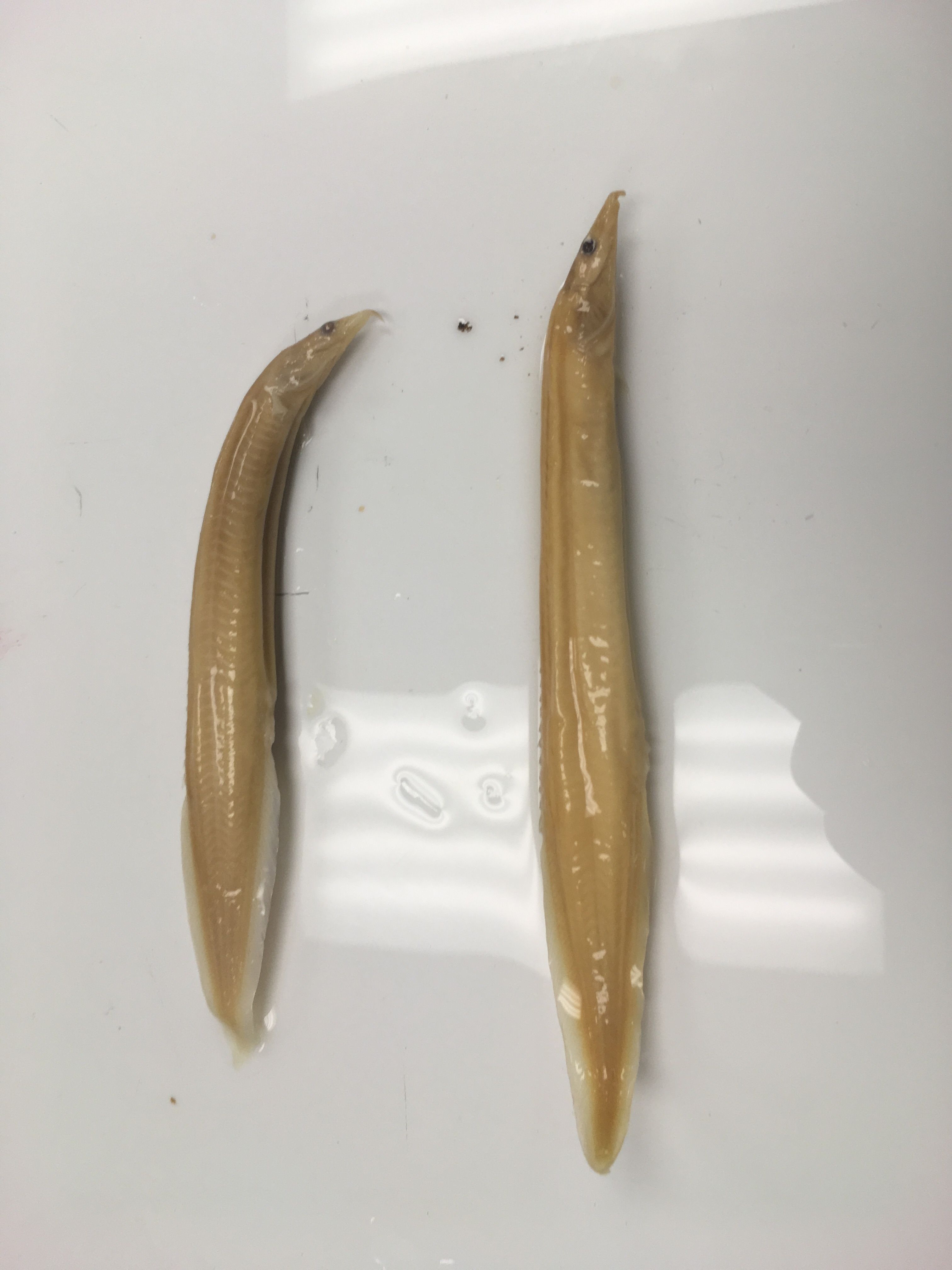
- 11—Percidae - perch/darters/walleyes. 0-1 opercular spines. 1-2 anal spines. 2 dorsal fins, separate. Tail slightly forked.
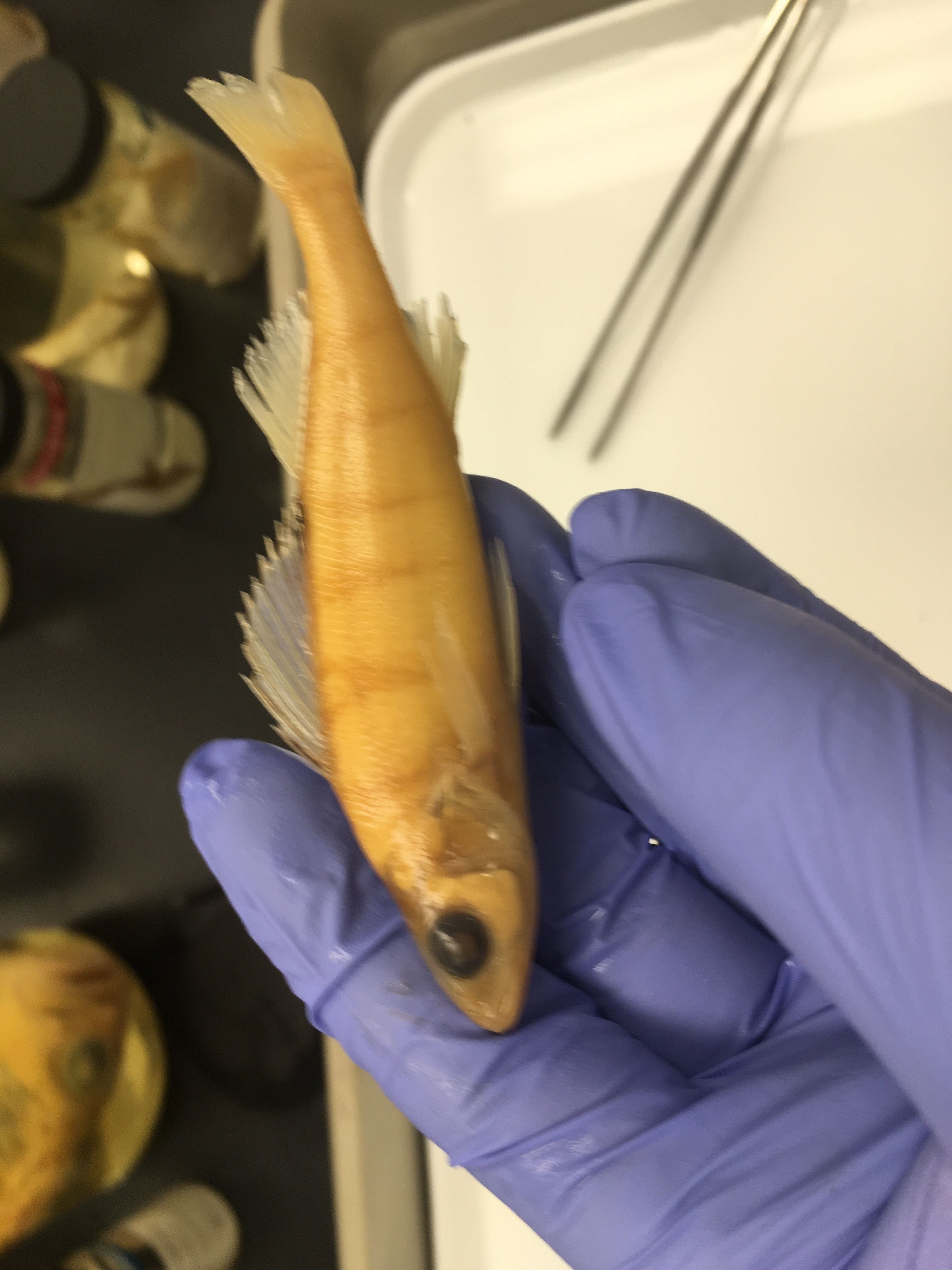
- 12—Echeneidae - remoras. sucking disc on head. body elongate, head flattened. lower jaw projecting past upper jaw
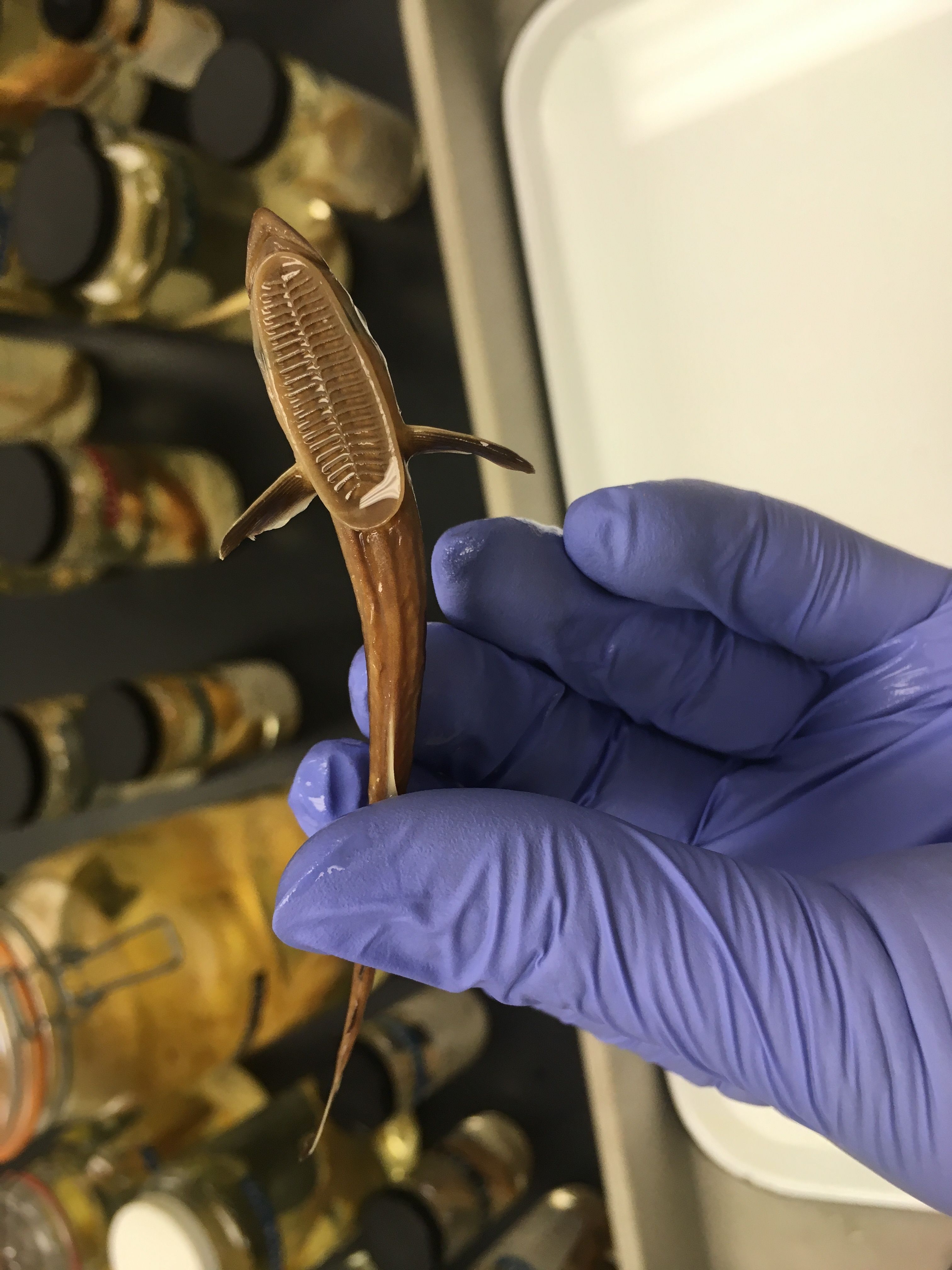
- 13—Serranidae - seabass. opercle with 3 spines. 3 anal fin spines. Dorsal fin continuous or with notch. Caudal fin rarely forked.
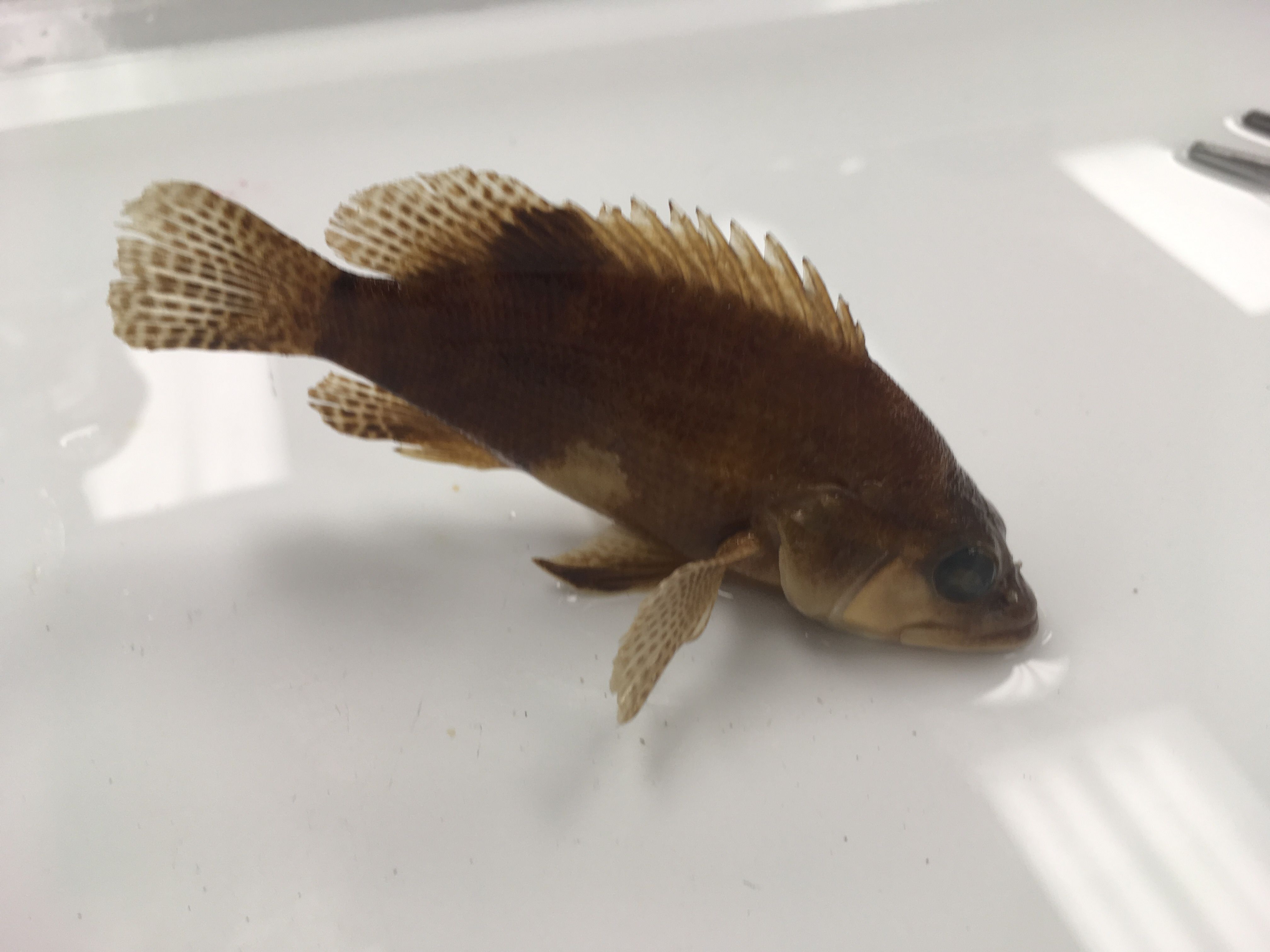
- 14—centrarchidae - sunfishes. no opercular spines. 3 or more anal spines. tail forked. dorsal fin continuous or with notch
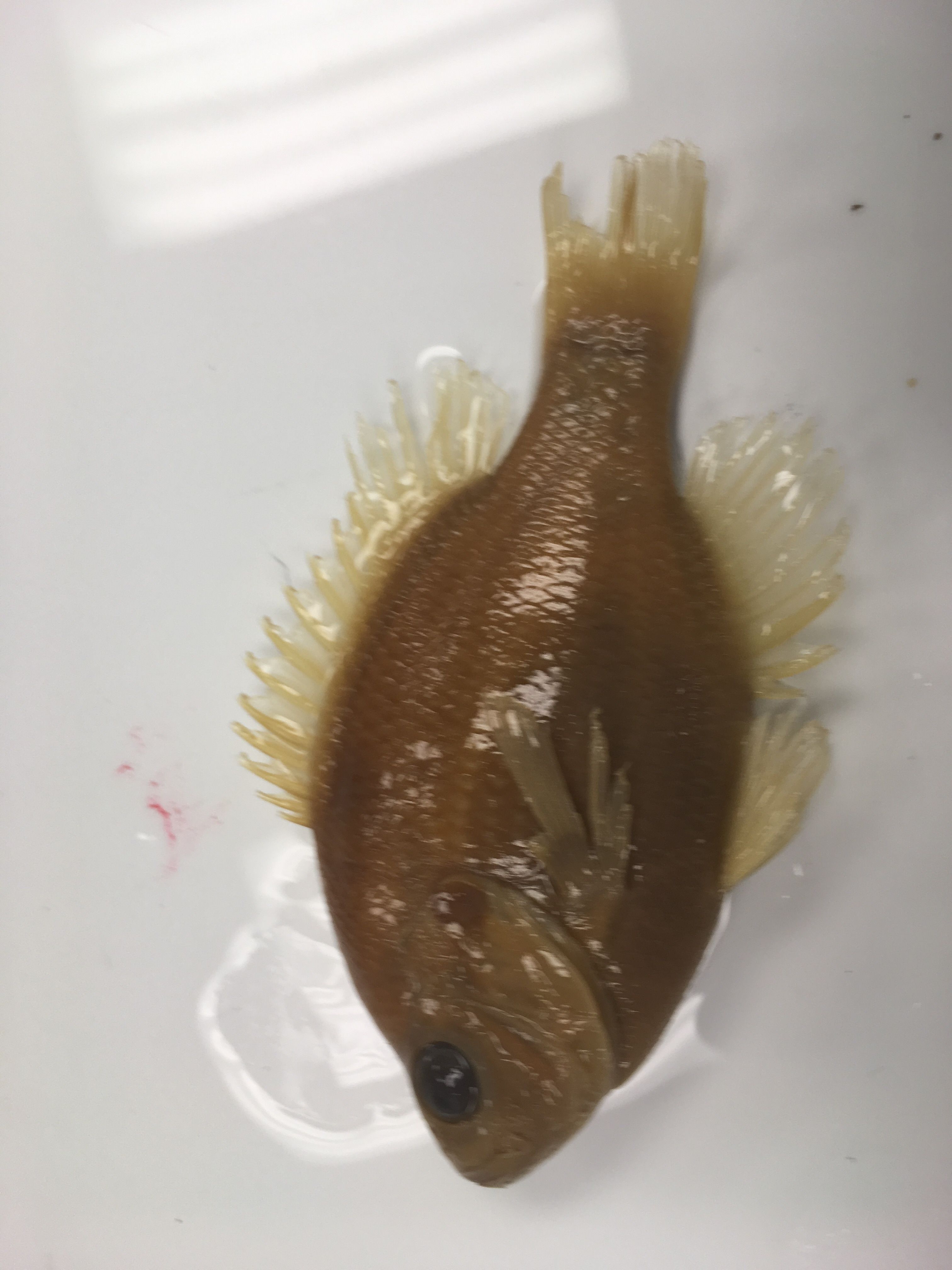
- 15—Carangidae - jacks and popanos. 2 dorsal fin with one spine in the second. caudal fin deeply forked. narrow caudal penduncle. body generally compressed. up to 9 finlets sometimes present behind dorsal and anal fins
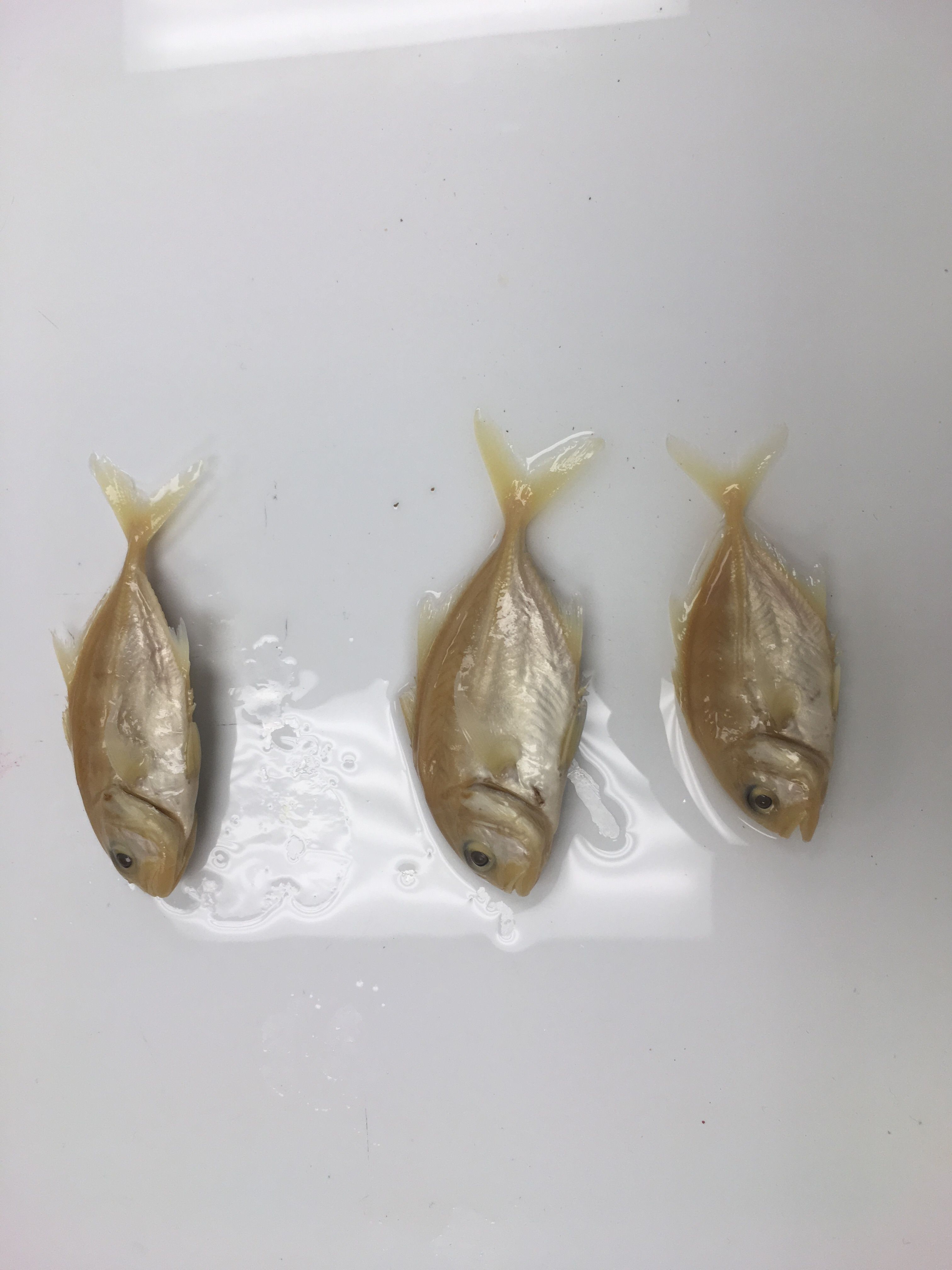
- 16—Agonidae - poachers. body usually elongate and covered with bony plates. pelvic fins thoracic each with one spine and two rays
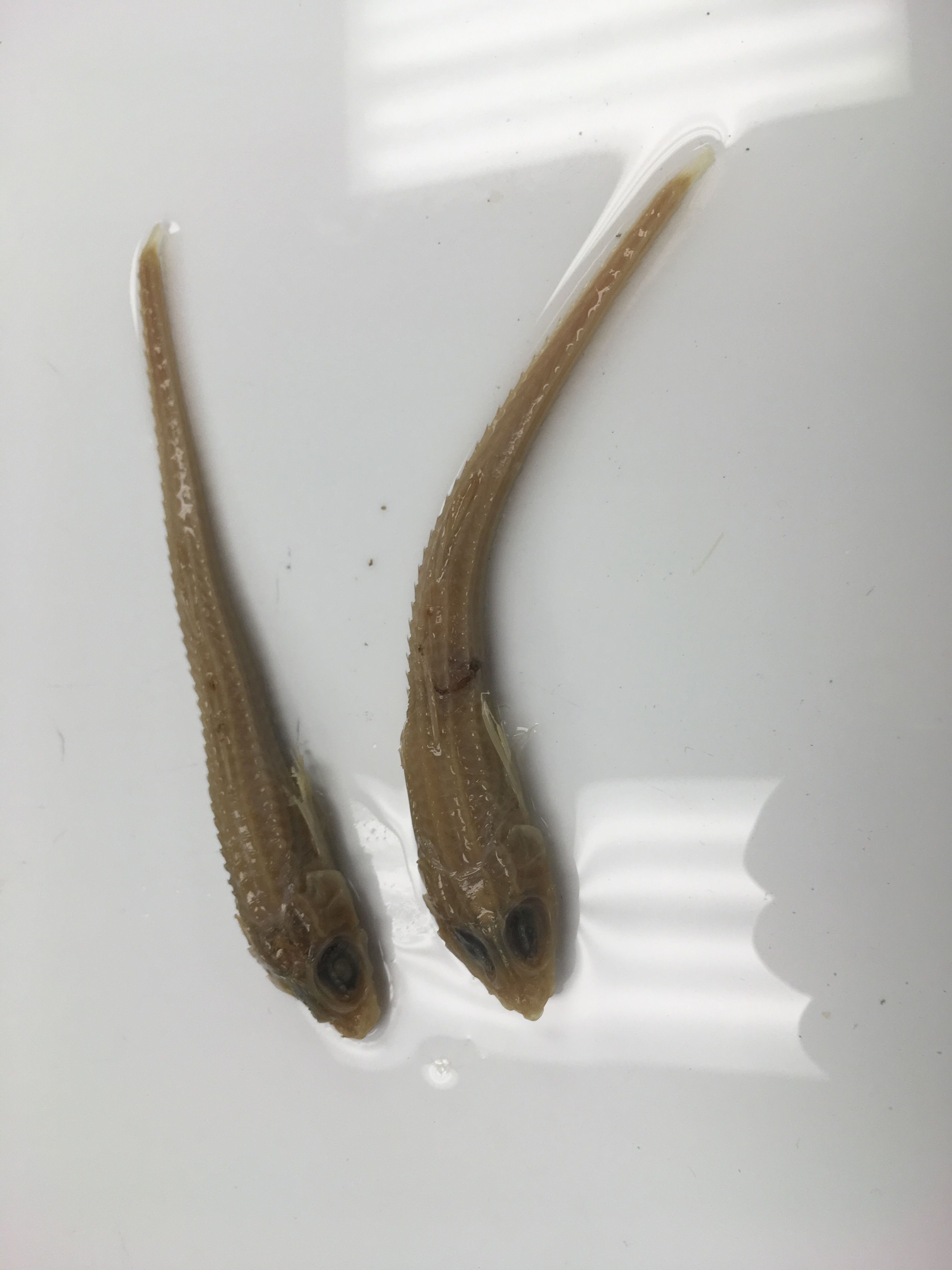
- 17—Moronidae - temperate basses. two dorsal fins. opercle with 2 rounded spines. lateral line extends to most caudal fin. 3 anal fin spines
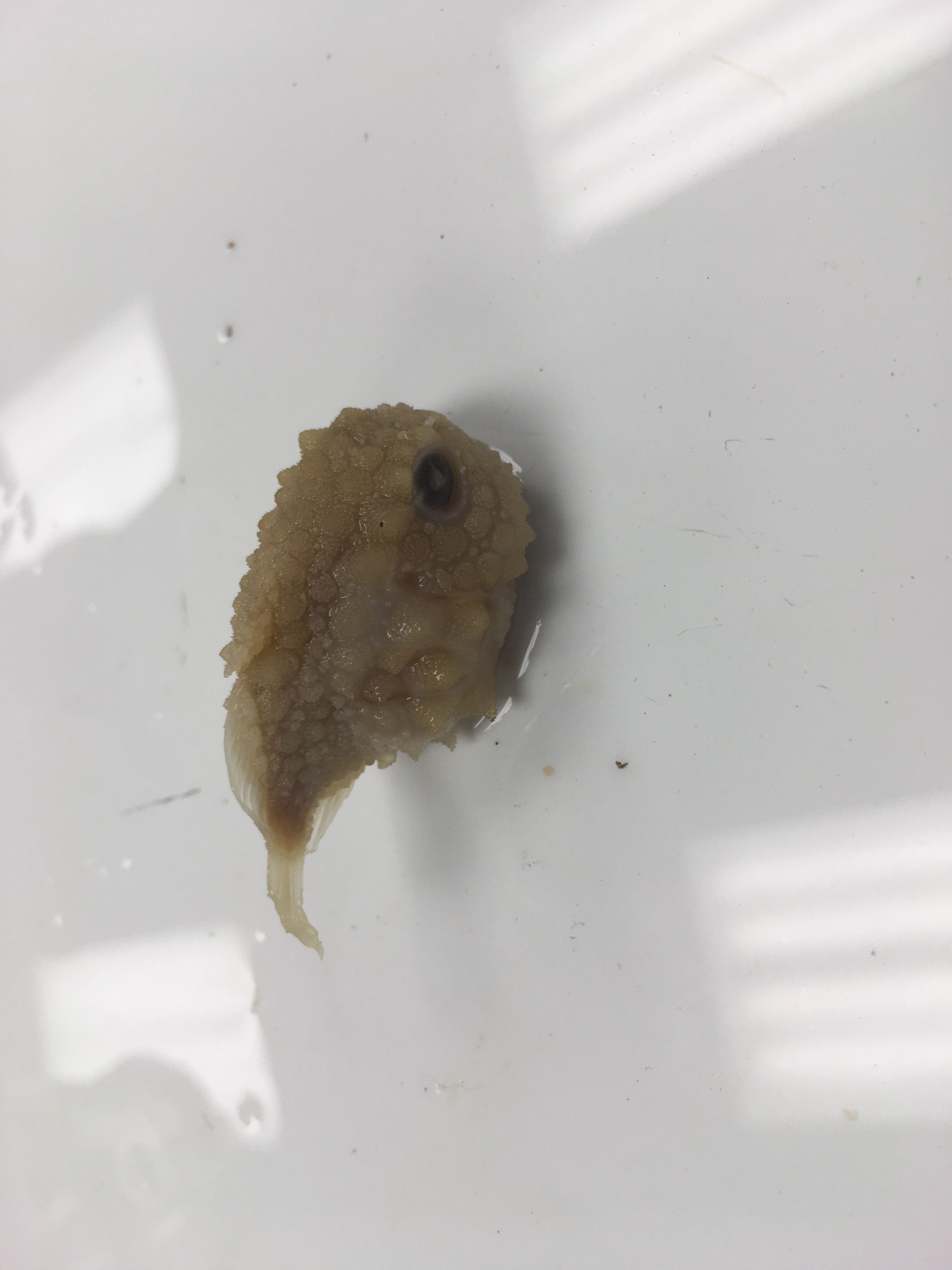
- 18—Cyclopteridae - lumpfishes. body globose. body usually covered with tubercles.
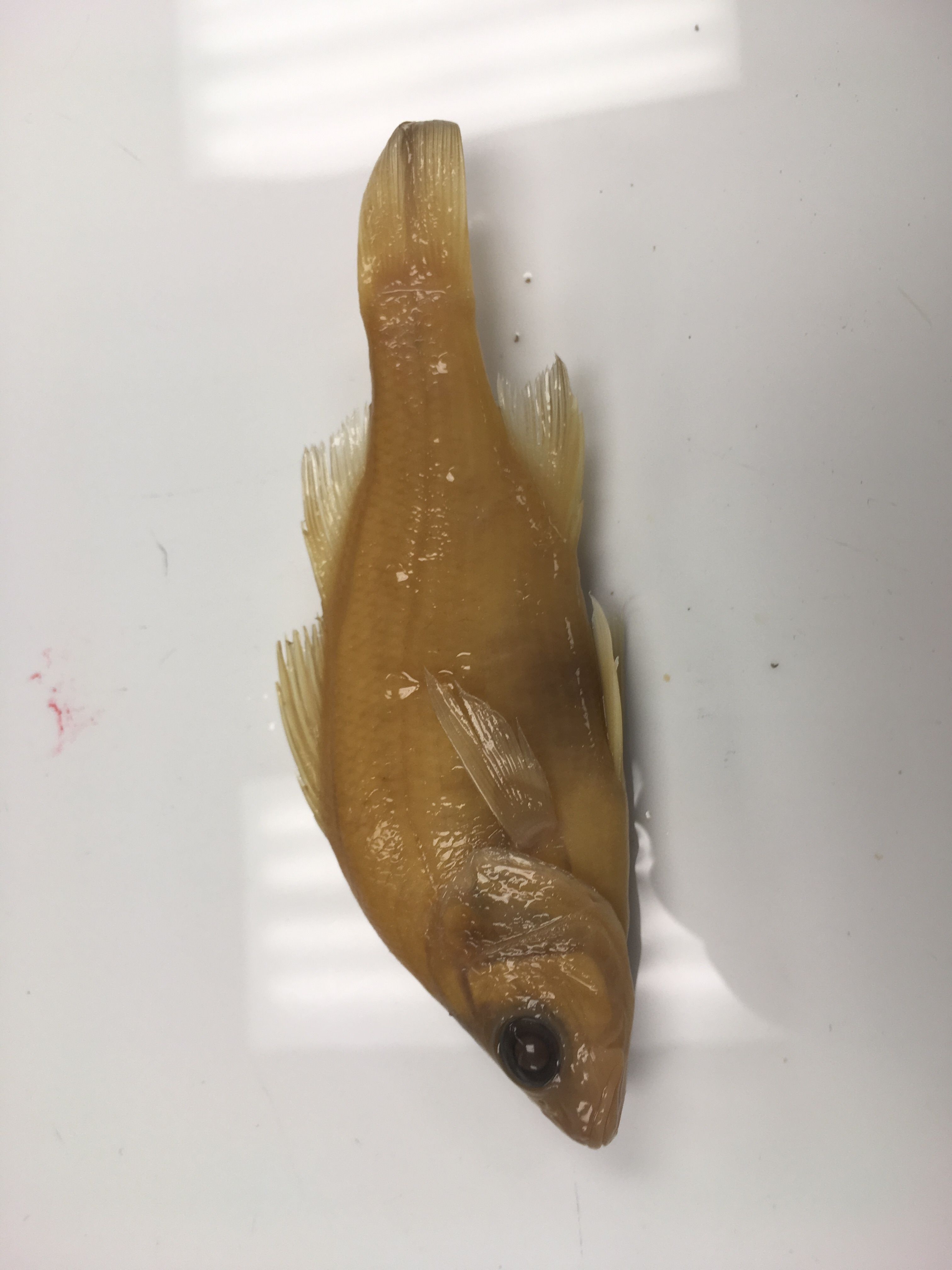
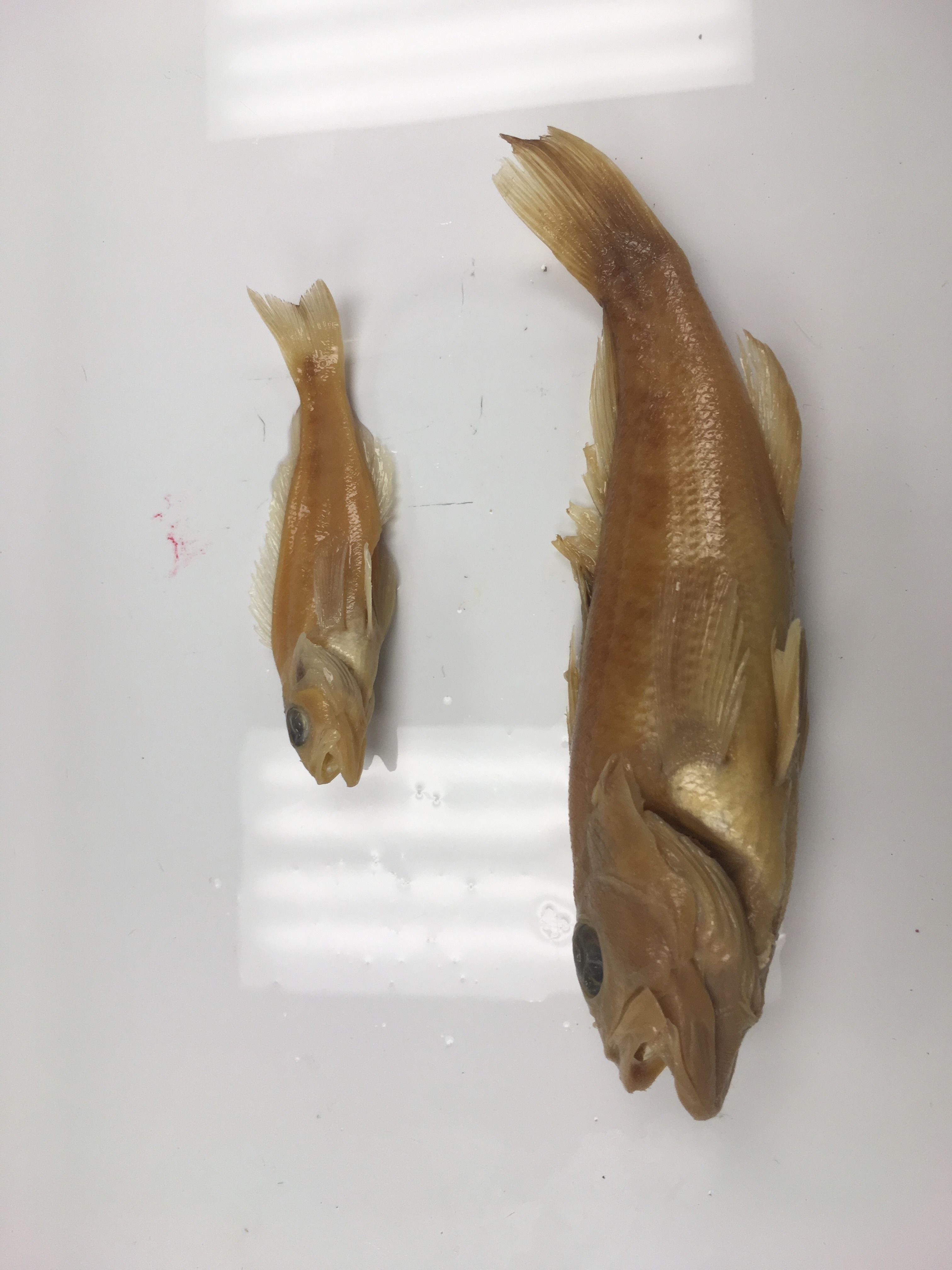
- 19—Serranidae - sea basses/groupers. opercle with 3 spines. 3 anal fins. dorsal fin
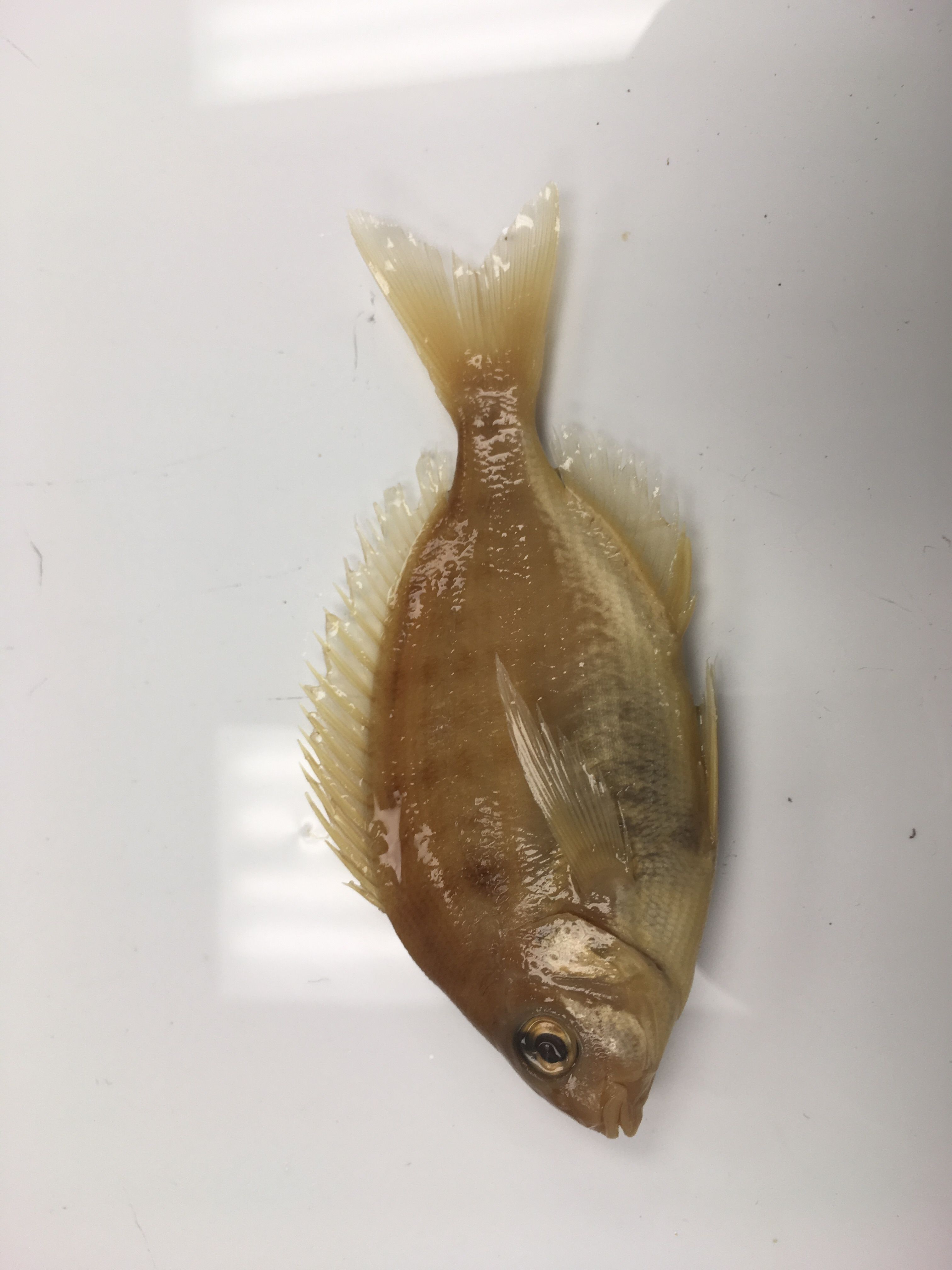
- 20—Sparidae - porgies. deep bodied. maxilla covered by a sheath when closed. dorsal fin continuous(10-13 spines). anal fin with 3 spines
- 21—Chaetodontidae - butterlyfish. body very compressed. mouth small, terminal, and protractile mouth.
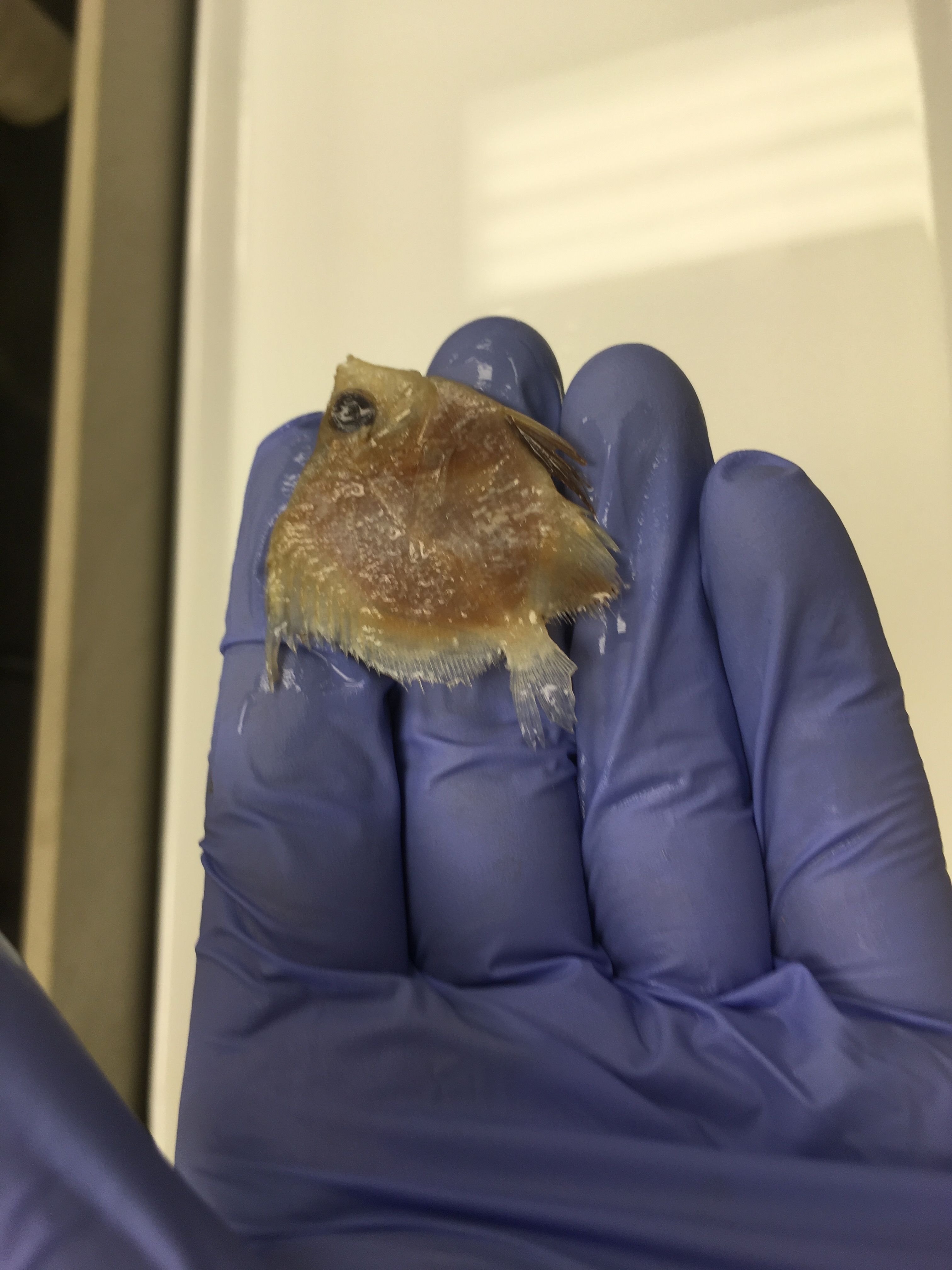
- 22—Opistognathidae - mouth large. pelvic fins ahead of pectorals. dorsal fin continuous (9-12 spines). lateral line high
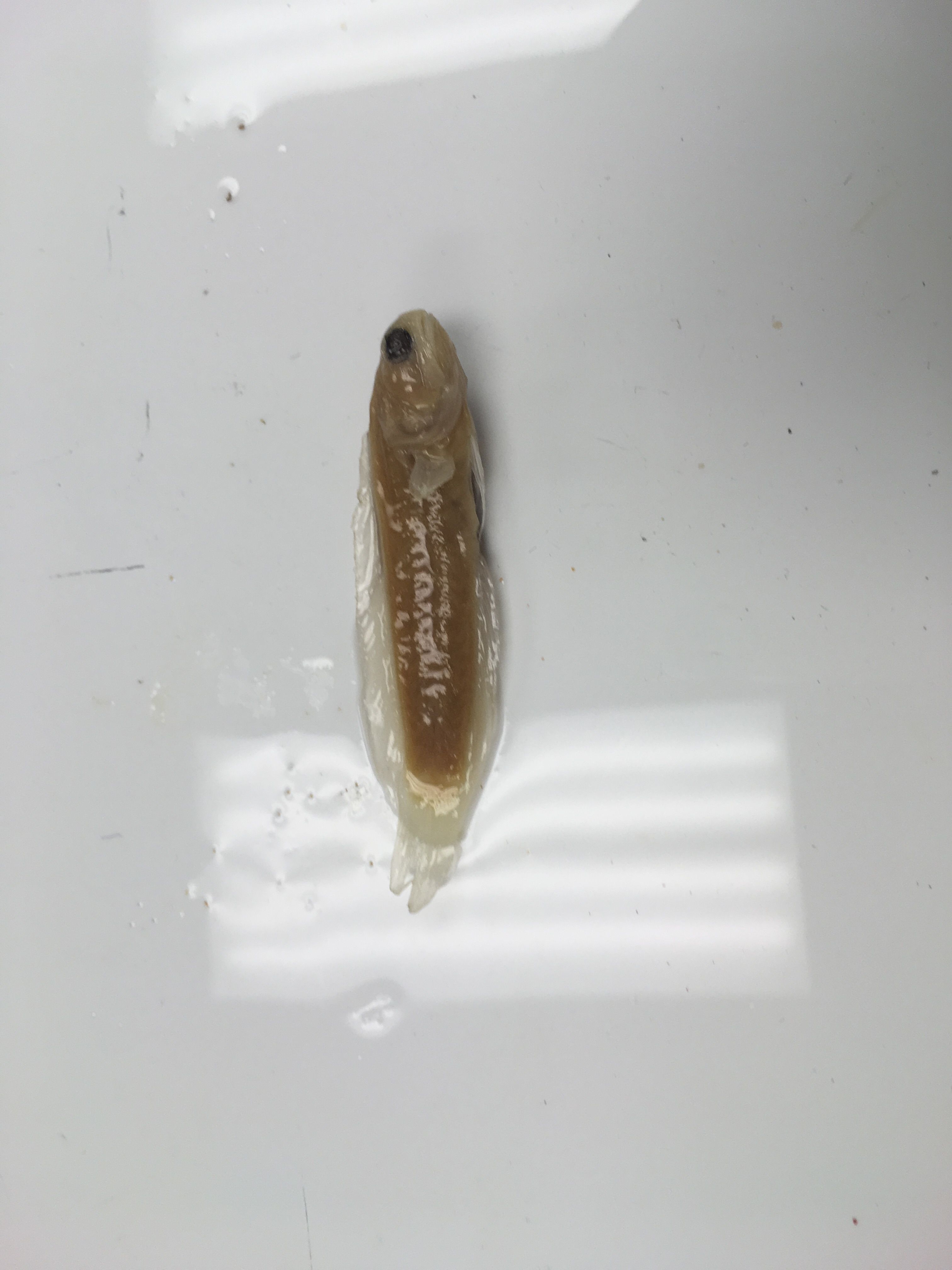
- 23—Carangidae - jacks and pompanos. 2 dorsal fin with one spine in the second. caudal fin deeply forked. narrow caudal peduncle. body generally compressed. up to 9 finlets sometimes present behind dorsal and anal fin
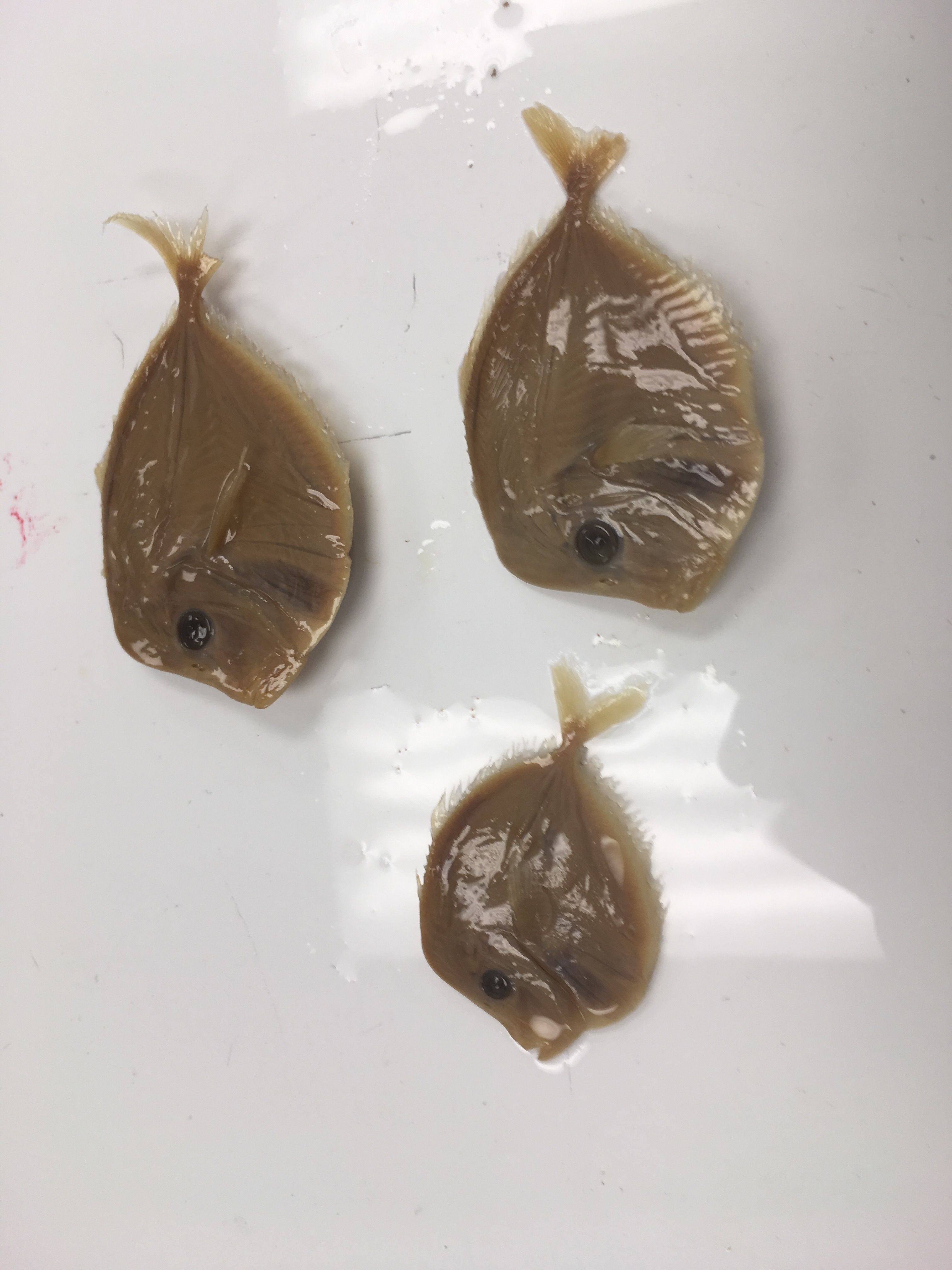
- 24—Lutjanidae - snappers. large canine teeth. mouth terminal and large. pelvic fins inserted just behind pectoral fin base. dorsal fin continuous or with shallow notch. locks opercular spines.
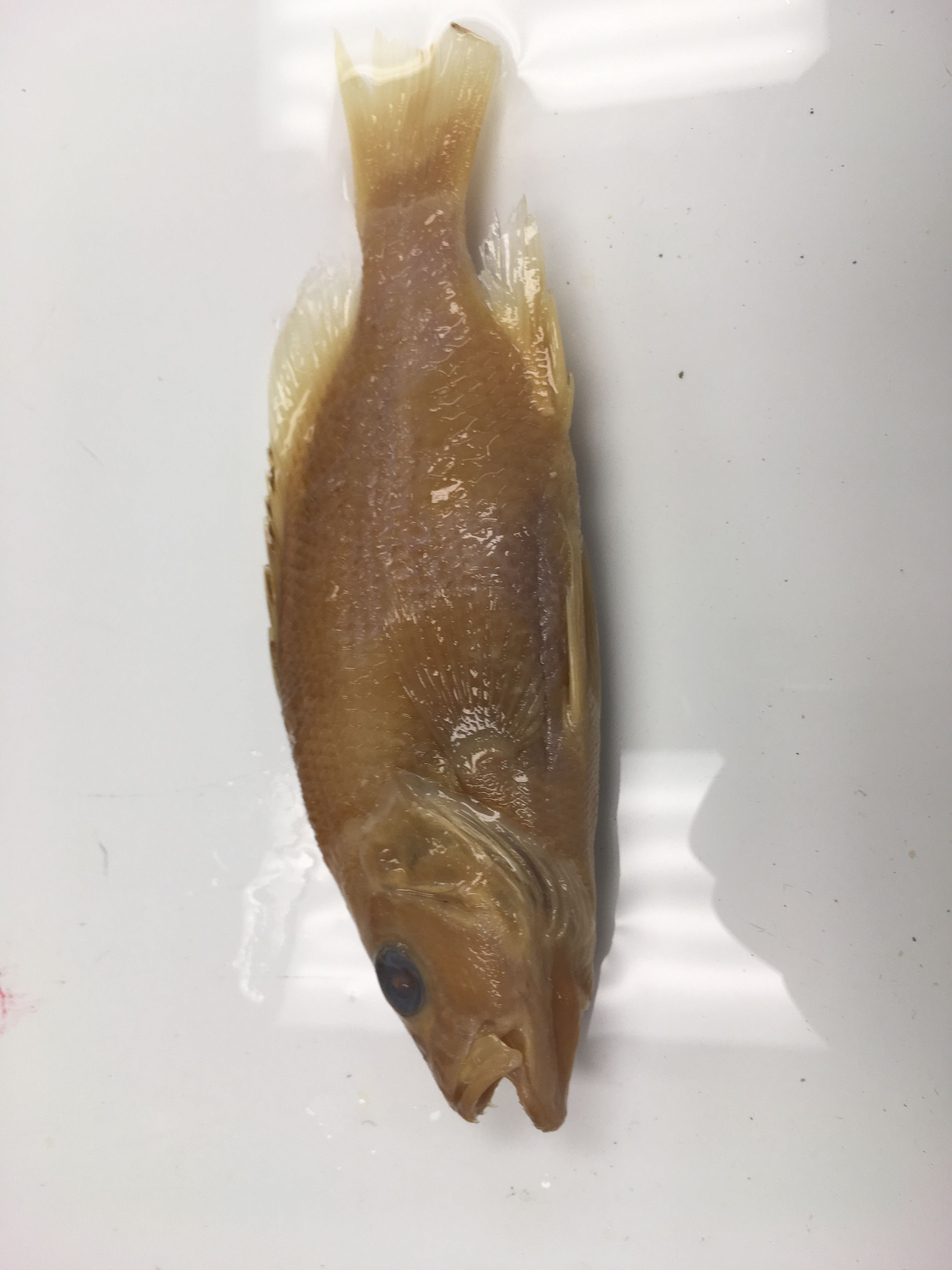
- 25—Sciaenidae
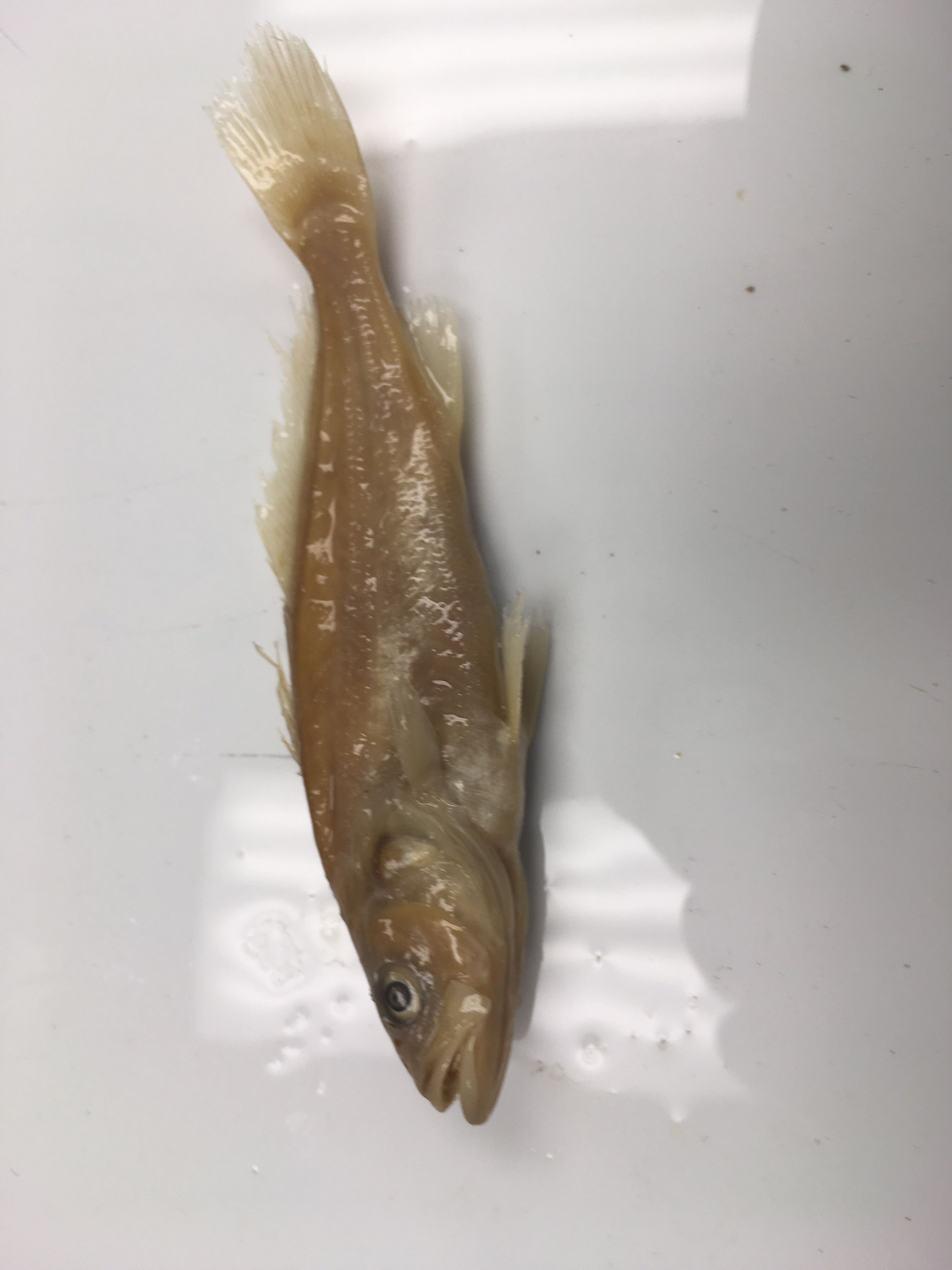
- 26—Haemulidae
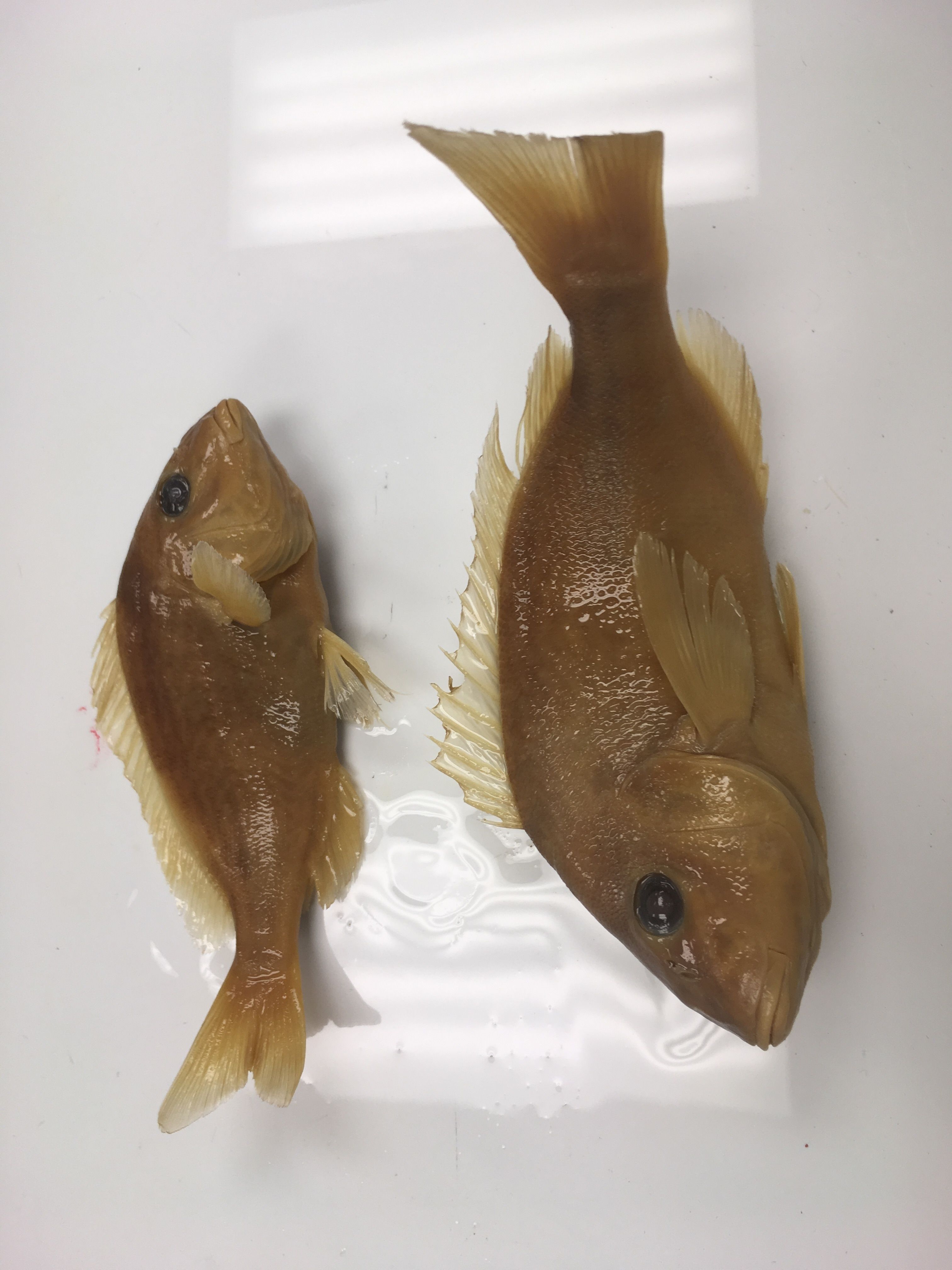
- 27—Pomacanthidae
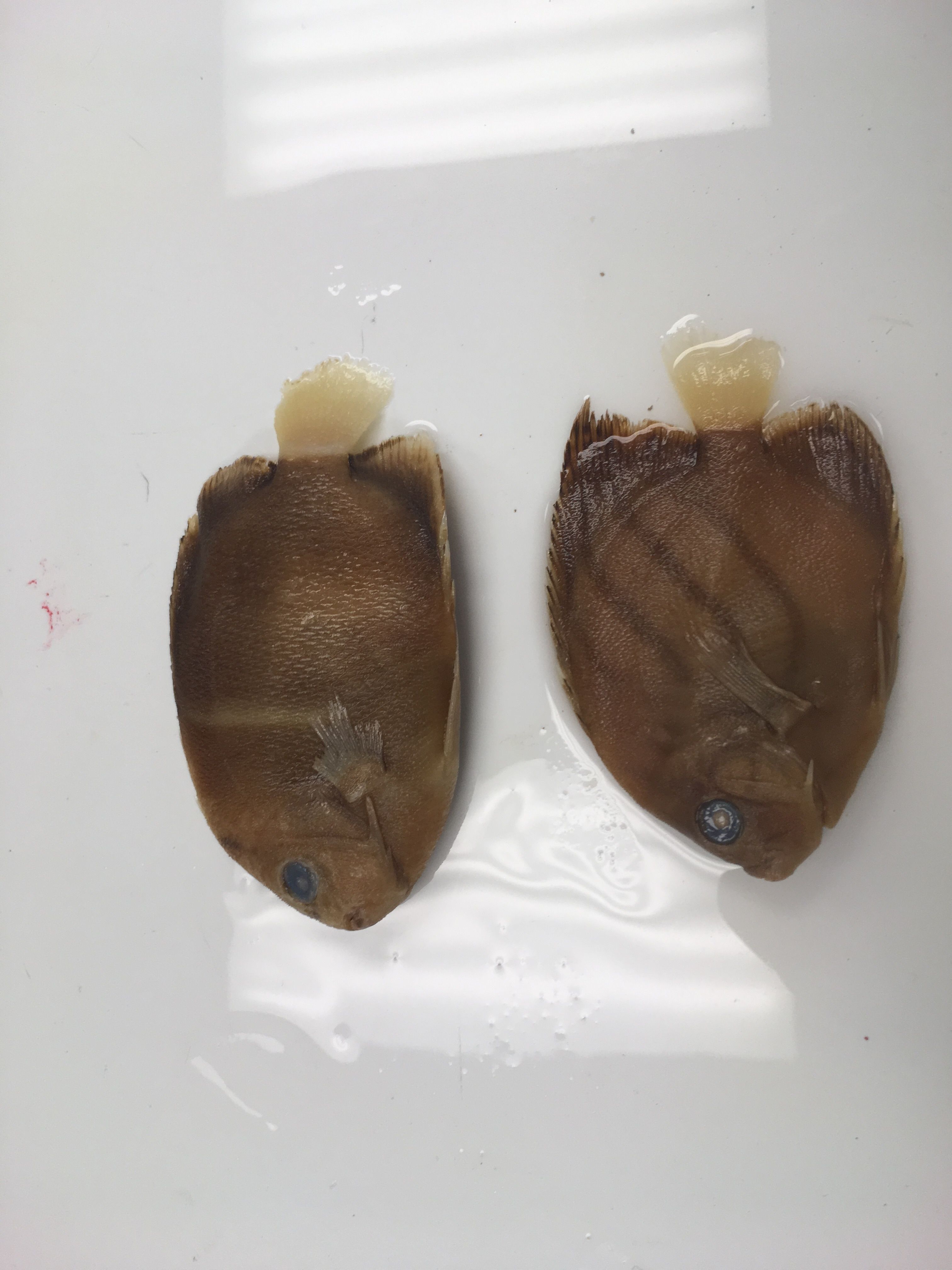
- 28—Sciaenidae
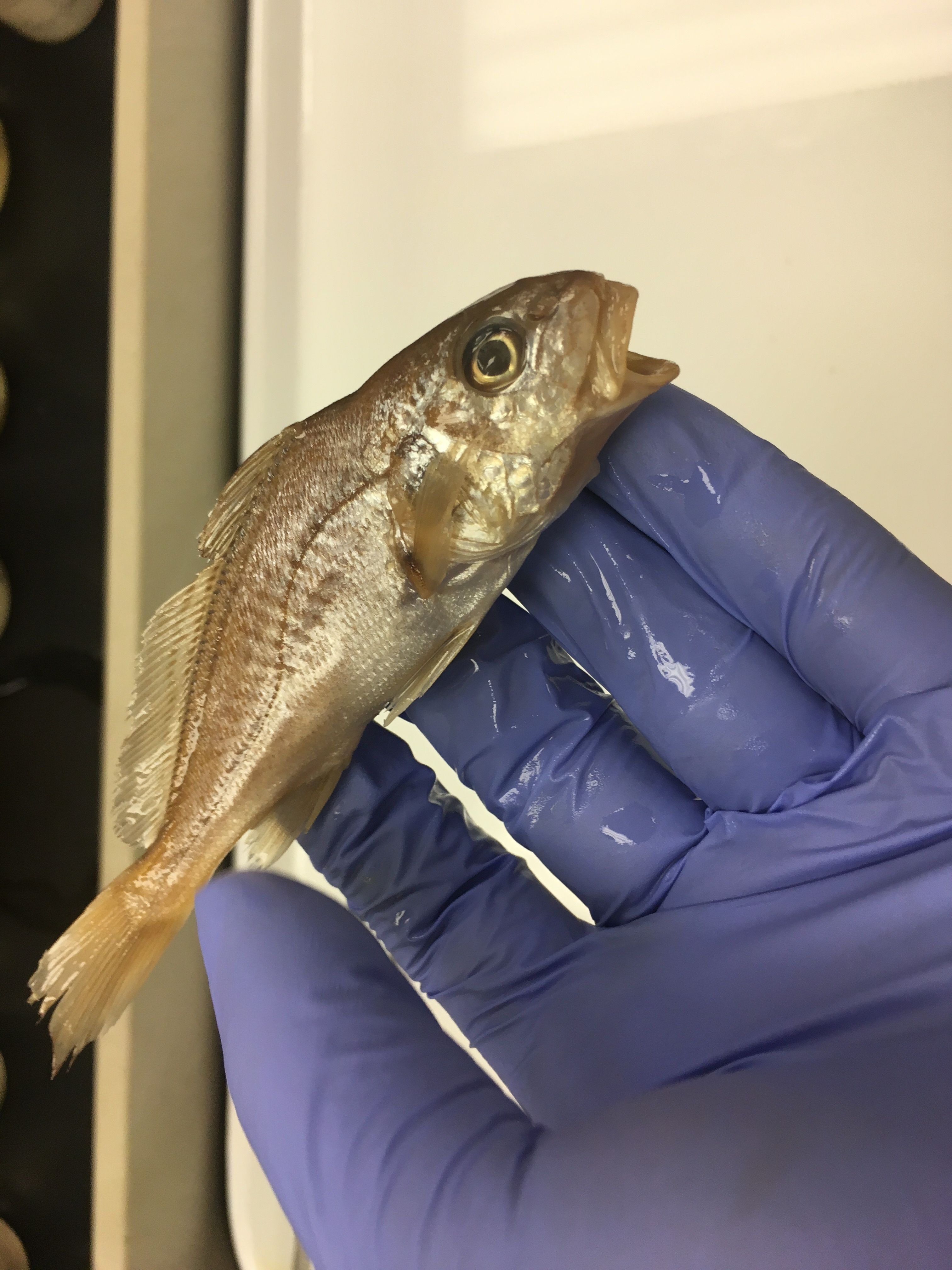
- 29—Sparidae
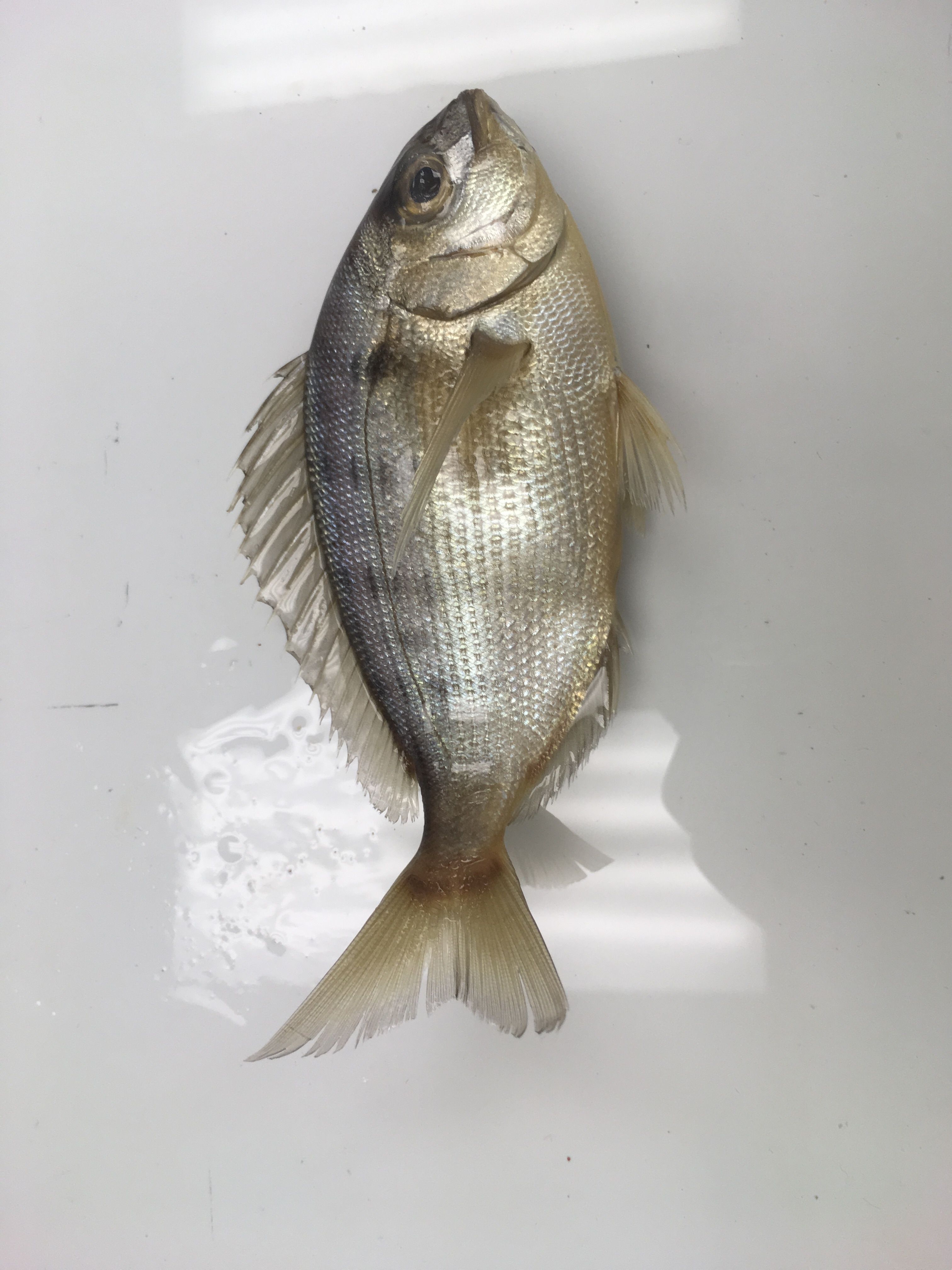
- 30—Elassomatidae
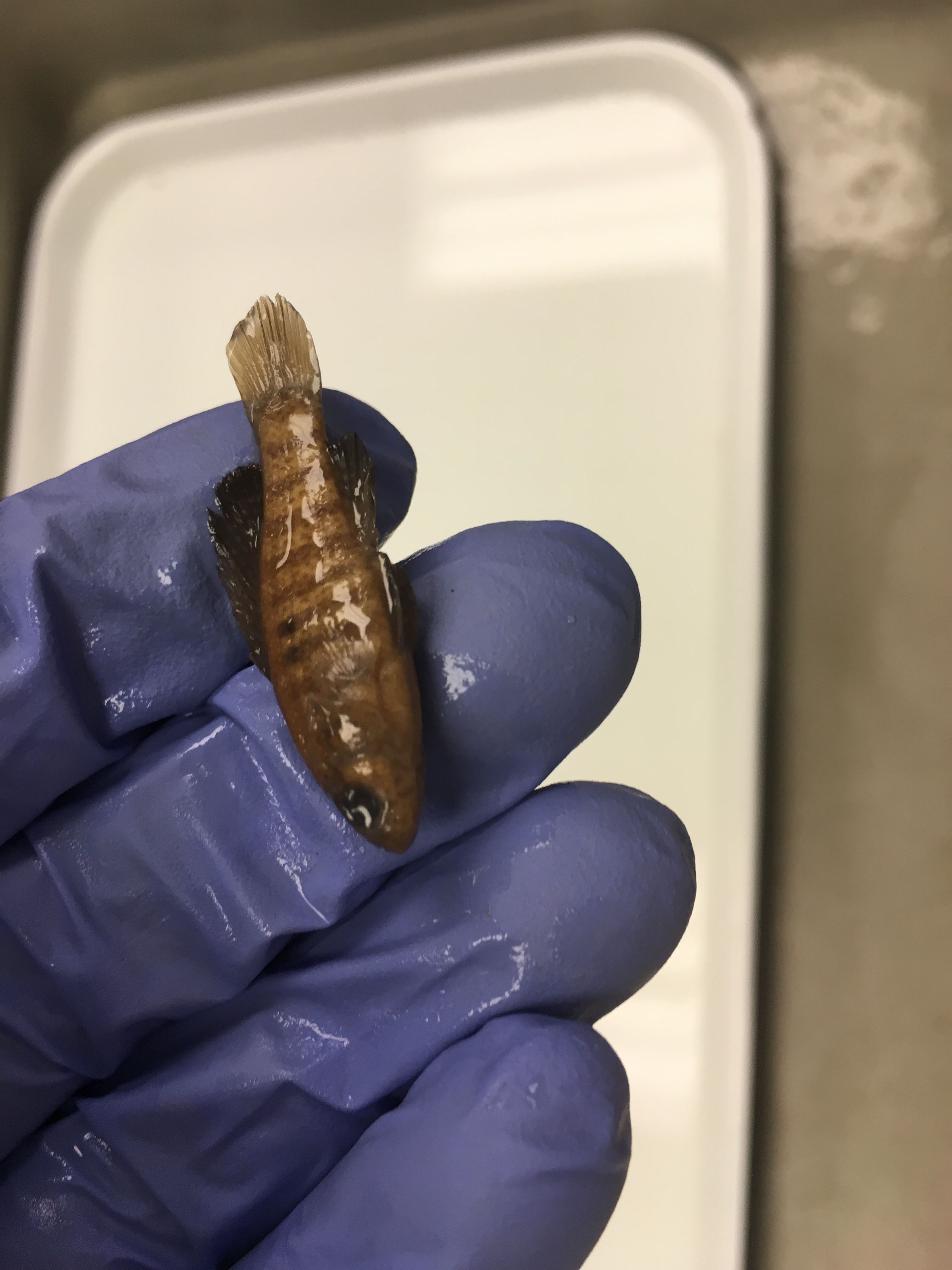
- 31—