
Vertebrates
155 resources created by 124 users
This Vertebrates page on GoConqr gathers community-made quizzes, mind maps, flashcards and notes, from fish, amphibians and reptiles to birds and mammals. It's built for university students, school students and primary pupils, plus teachers after ready-made material. Learners practise identifying species, naming families and comparing body plans. There are over 1,300 resources here, including more than 100 quizzes, over 400 mind maps and over 600 flashcards, made by over 900 contributors. Try a quiz to find your gaps.
Top Vertebrates resources
-
99 cardsFish form and function and ocean zones intro and form and function powerpoints
-
96 cardsZoology Final Groups of Lissamphibia (3)
-
23 questionsChapter 6: Biology in the Present The dental pattern of Old World higher primates is
-
23 cardsZOO 2090 Final Aspects of Amphibian Skin
-
17 questionsMarine Mammals Study guide for Marine Mammals in Marine Verts class
-
14 cardsFrogs and Toads Michigan frog and toad species
-
64 cardsUpland Birds and Waterfowl
-
20 cardsBIO 362 WEEK 7 Cottidae Cottus bairdii Northern Mottled Sculpin p216
Quizzes
See all 23 quizzes-
23 questionsChapter 6: Biology in the Present The dental pattern of Old World higher primates is
-
17 questionsMarine Mammals Study guide for Marine Mammals in Marine Verts class
-
6 questionsJane Goodall Quiz Who first hired Jane Goodall?
-
200 questionsOrnithology Practical 1 This quiz does not have the songs/calls, habitat, food, nesting, or range maps of the species.
-
100 questionsMammals of Michigan Also known as the "cinereus shrew", I live most of my life underground and therefore rarely seen.
-
23 questionsOrder Perciformes
-
6 questionsOrder Testudines, Family Cheloniidae & Family Chelydridae
-
25 questionsFish Quiz What is this?
Mind maps
See all 37 mind maps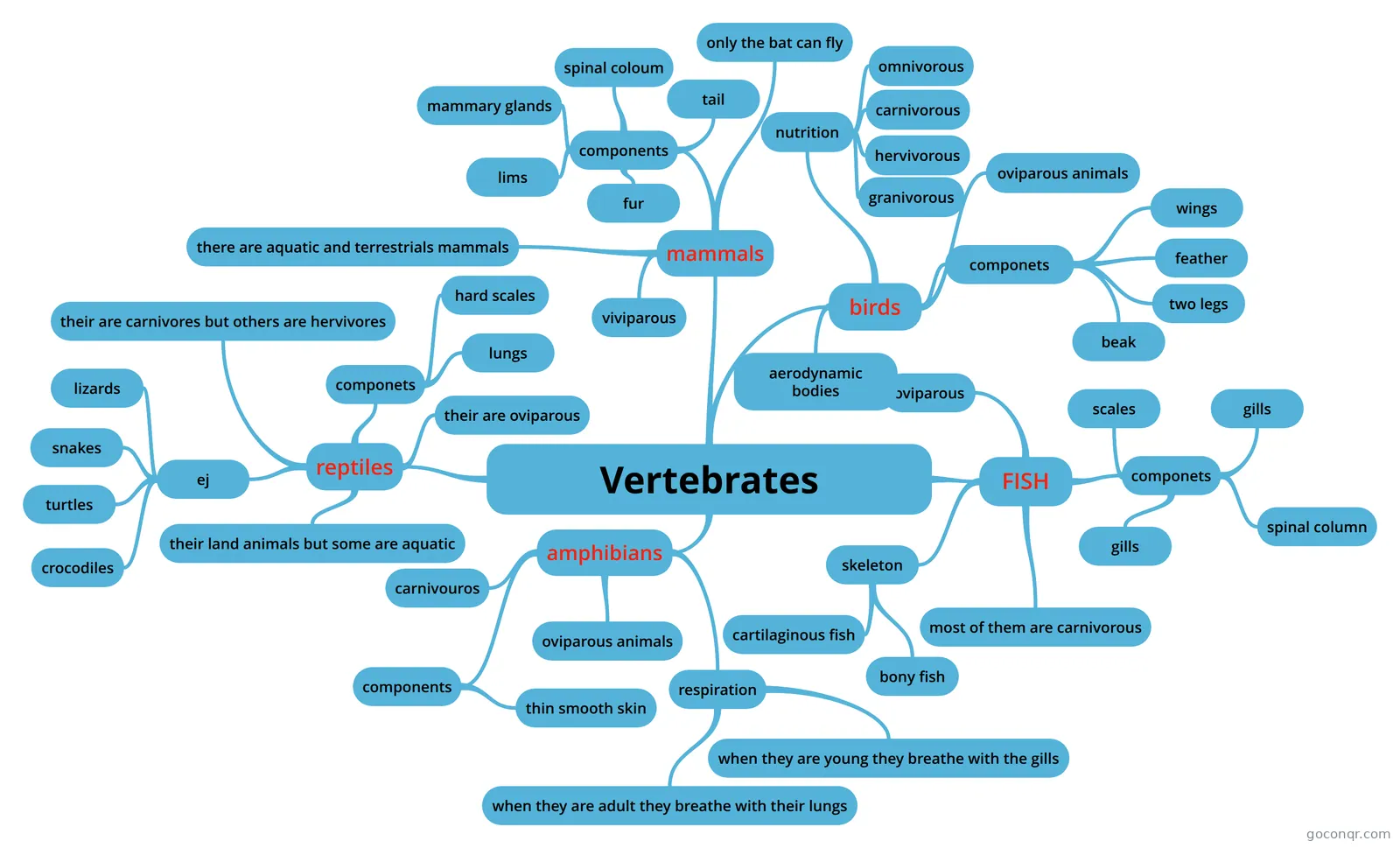
Flashcards
See all 90 flashcards-
99 cardsFish form and function and ocean zones intro and form and function powerpoints
-
96 cardsZoology Final Groups of Lissamphibia (3)
-
23 cardsZOO 2090 Final Aspects of Amphibian Skin
-
14 cardsFrogs and Toads Michigan frog and toad species
-
64 cardsUpland Birds and Waterfowl
-
20 cardsBIO 362 WEEK 7 Cottidae Cottus bairdii Northern Mottled Sculpin p216
-
20 cardsBirds of Florida Orders Orders of birds and representative members
-
43 cardsAmphibian & Reptile ID
Flowcharts
Notes
Slides
More Biology and natural sciences topics
About Vertebrates
GoConqr OriginalWhat the unit covers
The unit follows the vertebrate groups one by one. Fish are covered by the flashcards on fish form and function and ocean zones, which run from hagfish and lampreys to cartilaginous and bony fish. Amphibians and reptiles have their own decks, such as Frogs and Toads and Amphibian & Reptile ID. Birds and mammals are well represented too, with decks on upland birds and waterfowl, plus the Cetacean ID Quiz.
Where to start
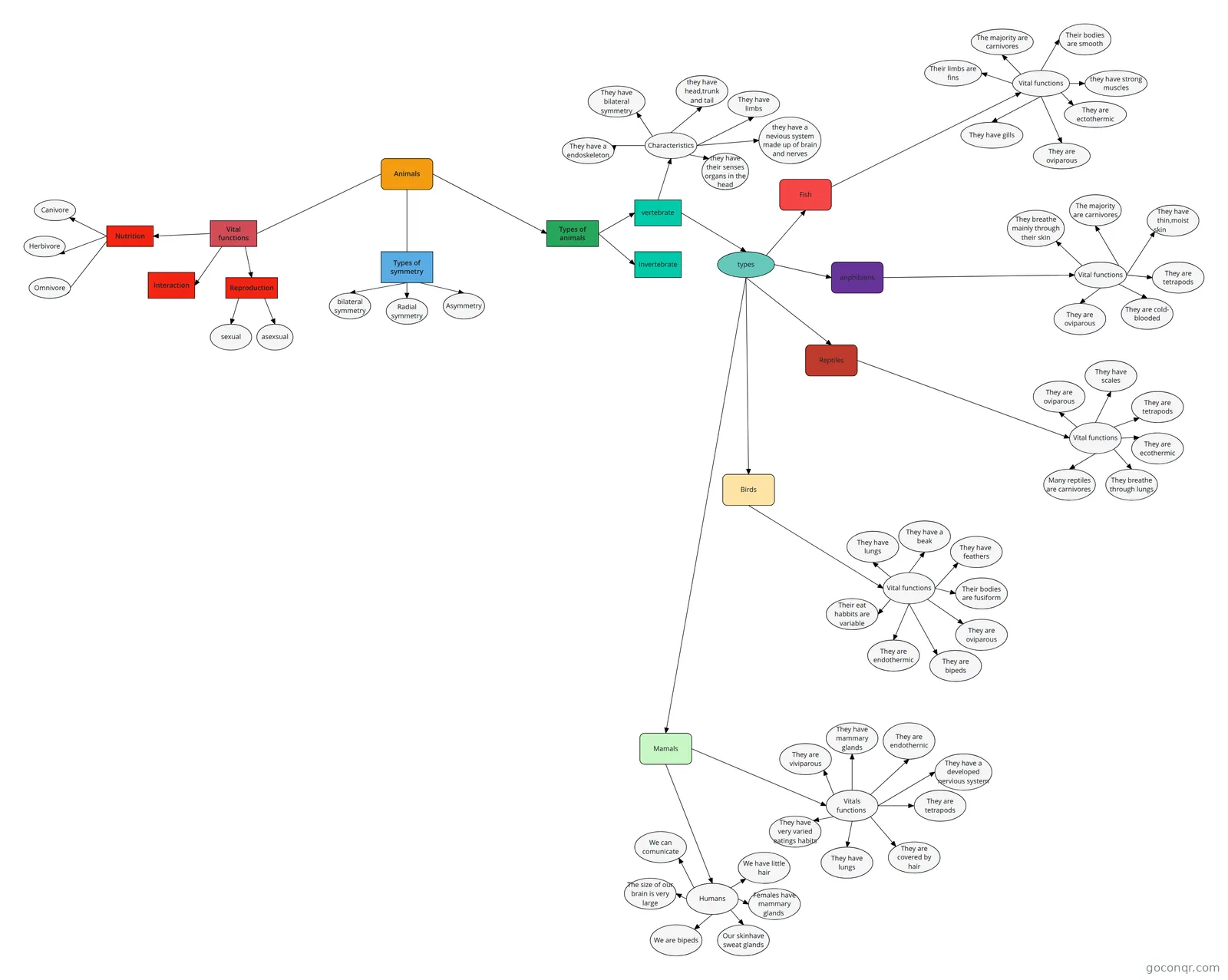
Begin with the overview material. The mind map called Vertebrates sketches fish, amphibians and the other groups, with points on skeletons, respiration and reproduction. The Vertebrates flowchart is a quick second look. Several notes, such as Introduction and Intro and evolution, sit alongside them.
- Read an overview mind map or flowchart.
- Move to the group you need: fish, amphibians, reptiles, birds or mammals.
- Work through the flashcard decks for names and features.
- Finish with a quiz on the same group.
Using quizzes and maps together
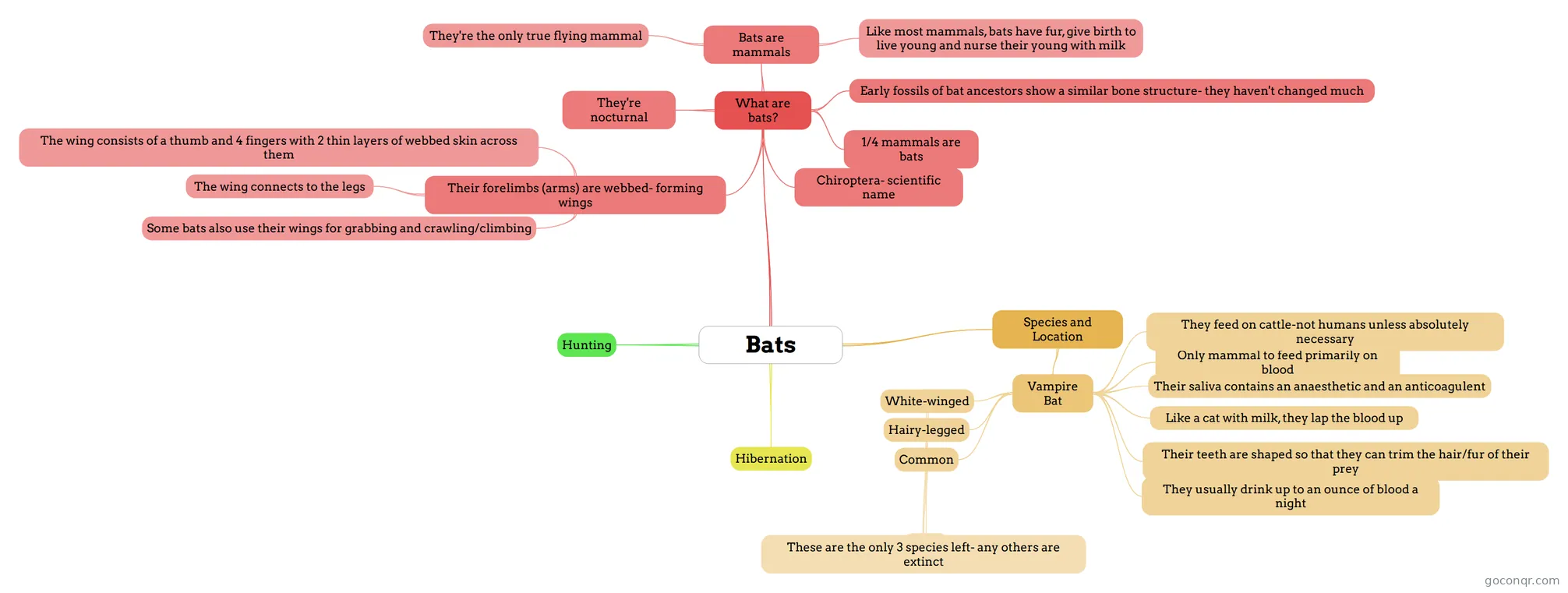
Maps show how a group hangs together. Quizzes show what you have not yet remembered. After reading a map such as Chondricthyes - Cartilaginous Fish or Osteichthyans (Bony Fish), try a quiz like Fish Reproduction or Order Perciformes. For amphibians, pair the frog and salamander family quizzes with the decks on anuran characteristics. For mammals, try Marine Mammals and Bat families after the mind maps on primates, bats and monotremes.
Where it fits
Vertebrates belongs to the Diversity of Life strand in Biology and natural sciences. The material is mixed in level, so some items suit a first look and others suit detailed lab or field identification work, such as the bird and gull identification decks.
Pick the group you are studying, open a quiz, and then make a map or deck of your own for anything that slipped.
Frequently asked questions
Which resource should I open first?
Start with the mind map called Vertebrates, which gives an overview of fish, amphibians and the other groups. The Vertebrates flowchart is a fast companion. After that, choose the group you are studying and move to its flashcard decks and quizzes.
What do the mind maps on this page cover?
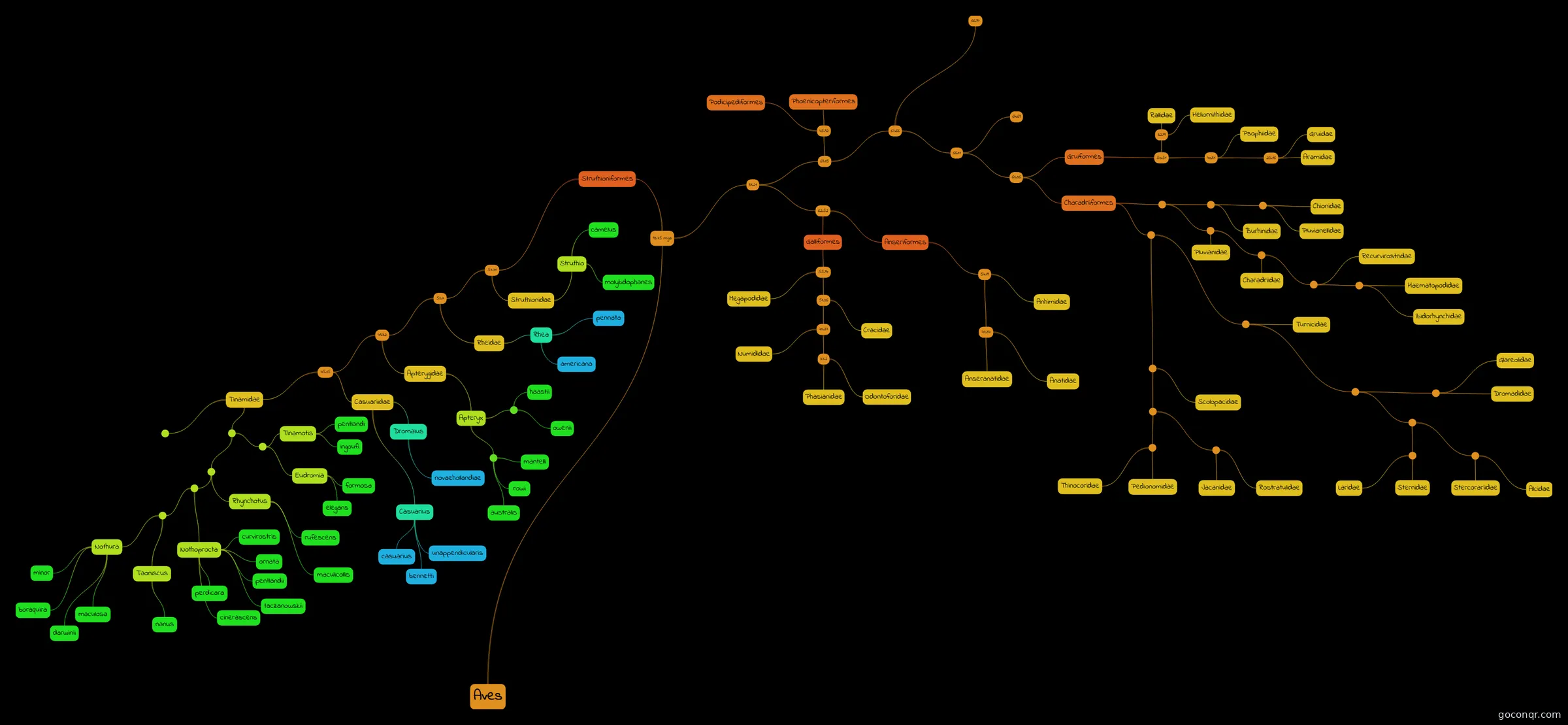
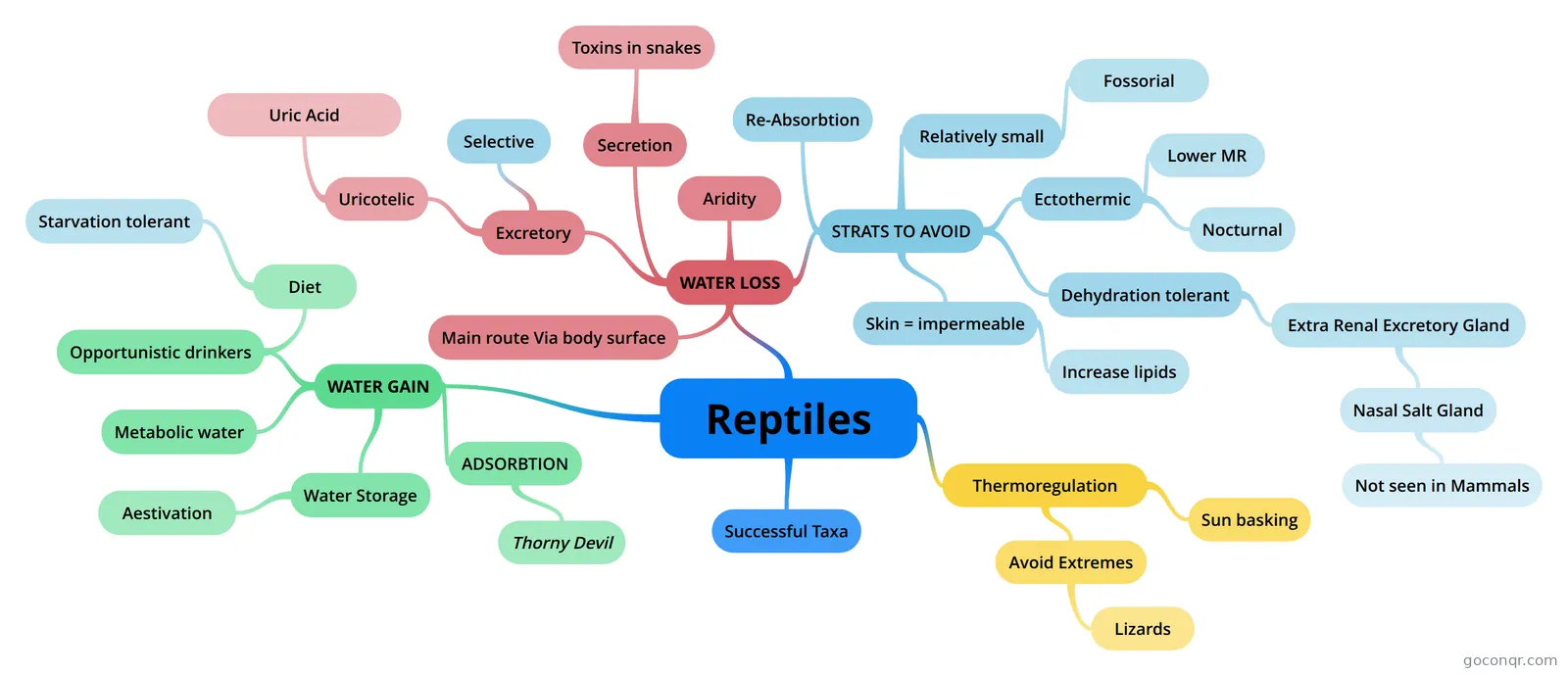
They cover whole groups and narrower topics. Examples include Birds, Reptiles, Frogs, Bats, Primates and Monotremes, along with Chondricthyes - Cartilaginous Fish, Osteichthyans (Bony Fish) and Why so many Teleost fish? There are over 400 in total.
Are the resources free to use?
Yes. Every resource listed here is free to open, study and take, with no account needed. They were made by GoConqr users rather than by GoConqr itself, so styles and depth vary from one resource to the next.
Is there anything for identifying species?
Yes. Several decks and quizzes are built for identification, including the Cetacean ID Quiz, Gull Identification Quiz, Sparrow Identification Quiz, Bird Calls and Fish Species ID - questions. Amphibian & Reptile ID is useful for salamanders, newts and similar animals.
Who are these resources for?
They suit university students most of all, then school students and primary pupils. Teachers can also use them as ready-made material. Learners practise naming groups, comparing features and recognising species.
What if I cannot find my topic?
Try a nearby group first, since fish, amphibians, reptiles, birds and mammals each have several items. A free account lets you save quiz scores and make your own quizzes, mind maps, flashcards and notes to fill any gap.