
Flashcards
SS Review and Resources
Cards in this deck (68)
- 1Mr.helpThe five themes of geography (movement, region, human-environment interaction, location, place)
- 2SymbolsCharacters, letters, or graphics on a map that represent an object in the real world.
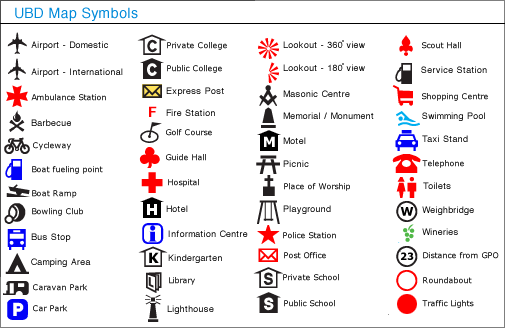
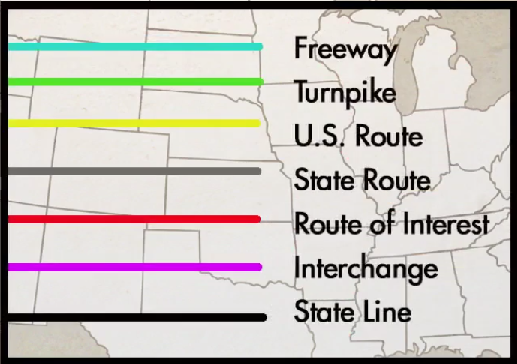
- 3Legend or KeyA visual explanation of the symbols used on the map
- 4LabelsA word or short phrase to describe something on a map
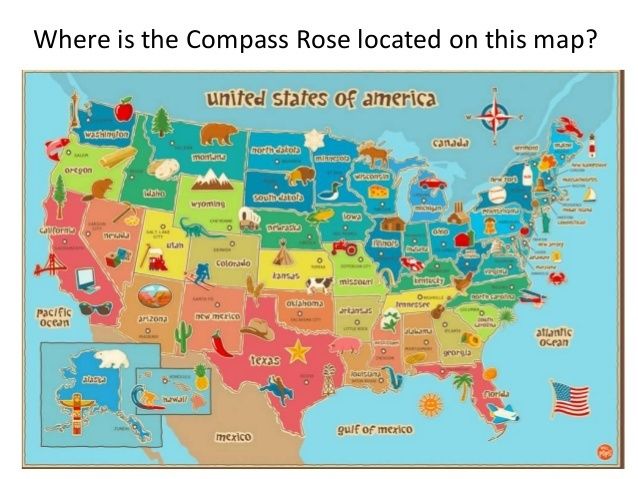
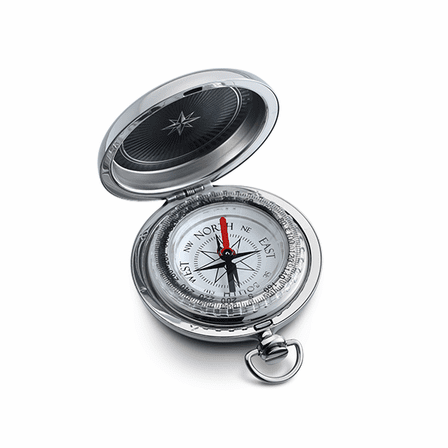
- 5CompassA tool used to display the orientation of the cardinal directions (north, east, south, and west).
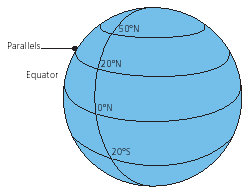
- 6LatitudeHorizontal mapping lines on a map.
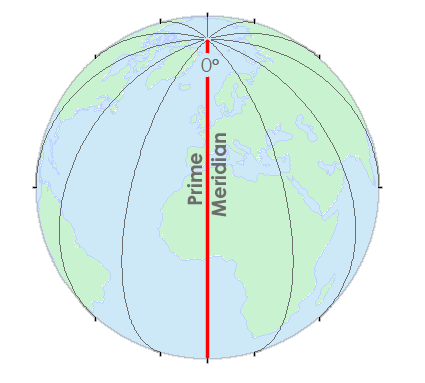
- 7LongitudeVertical mapping lines on a map.
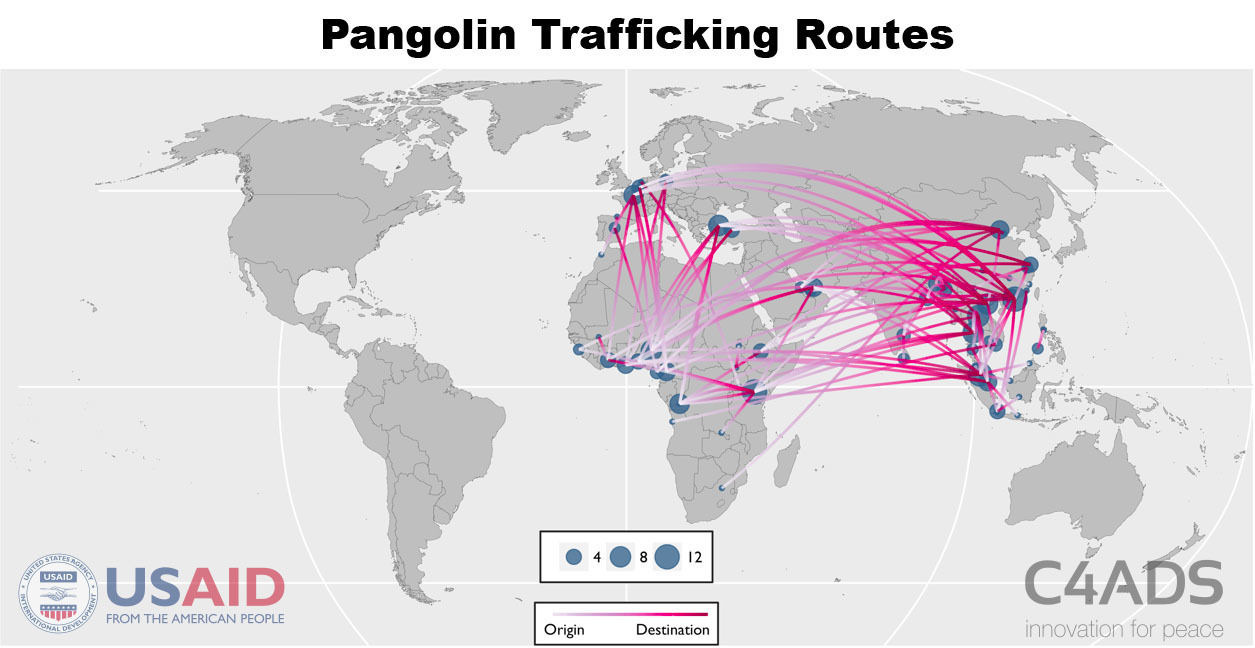
- 8TitleA clearly visible part of the map that explains the information you will find. It will also tell the location and purpose.
- 9GeographyGeography is the study of the earth, its land, its people, and its environments.
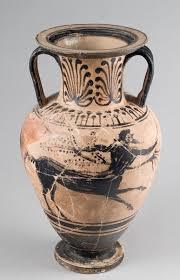
- 10ArtifactAn object made by a human being.
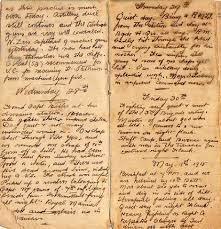
- 11Primary SourceDifferent kinds of records and artifacts based on first person accounts.
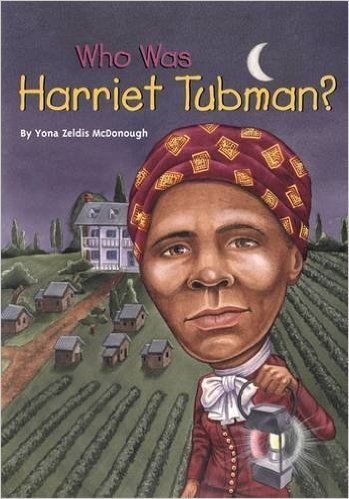
- 12Secondary SourceThings or information created by using original sources for information
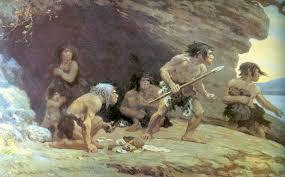
- 13Hunting-gatheringSurviving by hunting wild animals, fishing, and gathering wild fruits, berries, nuts, and vegetables.
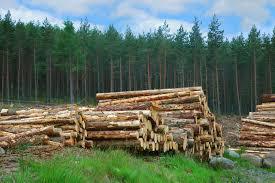
- 14Natural ResourcesSomething that is found in nature and can be used by people. Some examples include light, air, water, plants, animals, and soil.
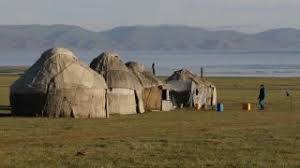
- 15NomadicA way of life with no permanent home. These people were wandering from place to place for resources.
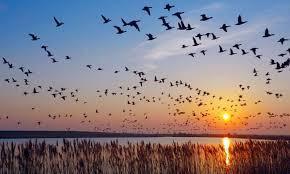
- 16MigrationTo move from one region into another
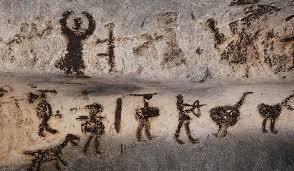
- 17PaleolithicEarly phase of the Stone Age which continued until about 8000 B.C. Hunting and gathering was the way of life.
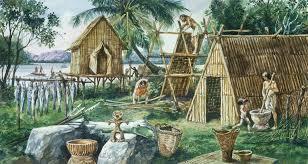
- 18NeolithicHumans stopped being hunter gatherers and settled down to create crops, tame animals and improve tools. This time was the last part of the Stone age.
- 19CivilizationHow society organizes and grows into a more advanced way of life.
Cities
Government
Religions
Social Structure
Writing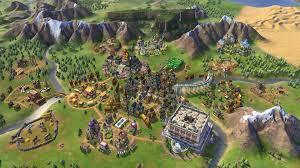
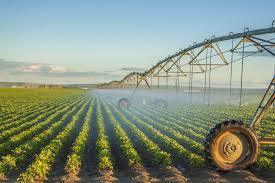
- 20IrrigationA system used to supply water to land or crops to help them grow.
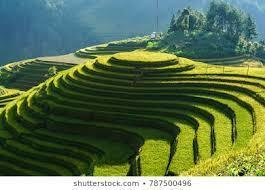
- 21TerracingCutting flat areas out of a hilly or mountainous landscape in order to grow crops.
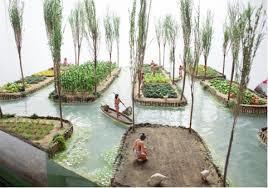
- 22ChinampaMethod of farming that used small, rectangular islands that were created on lakes to grow crops.
- 23City-StateA type of small independent country.
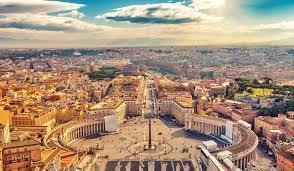
- 24Cradle of CivilizationPlaces where communities first began to grow around rivers.
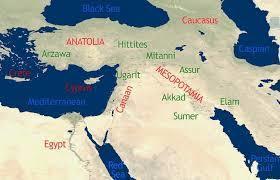
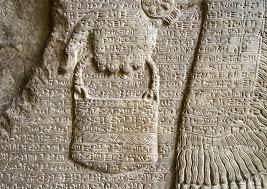
- 25CuneiformA type of picture writing on clay tablets that was used for information and records.
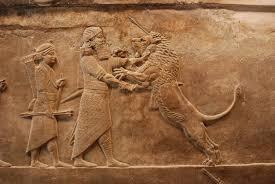
- 26MesopotamiaA Greek word meaning 'between the rivers'. The rivers are the Tigris and Euphrates which flow through modern Iraq.
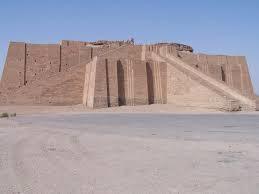
- 27ZigguratA stone temple where early people thought Gods lived.
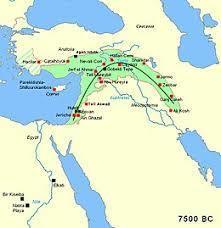
- 28Fertile CrescentAn area known as the first "Cradle of Civilization". It curves like a quarter-moon shape. The soil was perfect for growing crops because it was near the river.
- 29FertileAble to help something grow.
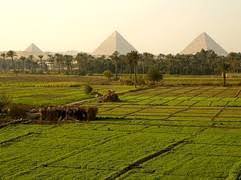
- 30Nile RiverAn African river that is known to be the longest in the world.
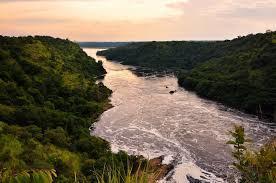
- 31River Valley CivilizationA civilization growing near the river.
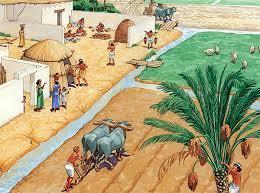
- 32SiltFine pieces of earth, clay, or sand that eventually settle out of water.
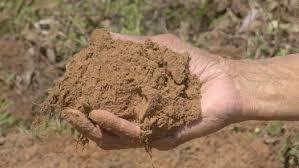
- 33DeltaA triangle of sand and soil at the mouth of some large rivers.
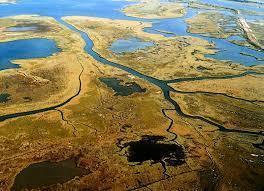
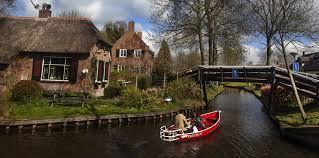
- 34CanalsA body of water made by humans for boat transportation or for bringing water to crops.
- 35MonarchyA government ruled by a monarch such as a king or queen.
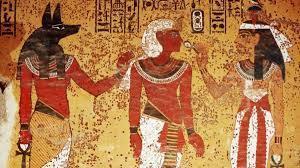
- 36TheocracyA government ruled by a priest.
- 37OligarchyA small group of people are in charge of the government.
- 38AutocracyA government where one person has all of the power.
- 39AnarchyA society where no one is in charge and there is complete freedom.
- 40Direct democracyPeople decide on laws without someone to represent them.
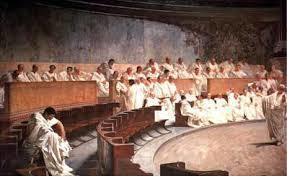
- 41Indirect democracy (republic)System of government in which the people control the government through officials they have elected. Most democracies are set up this way.
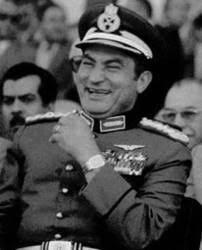
- 42DictatorshipA government that is setup with a single leader who has complete control over all decisions.
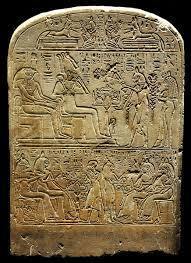
- 43Tribal GovernmentTribes have the power to govern themselves.
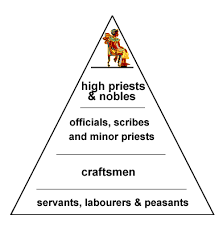
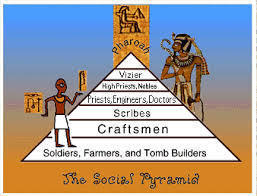
- 44HierarchyA system or organization in which people or groups are placed in order based on status or importance.
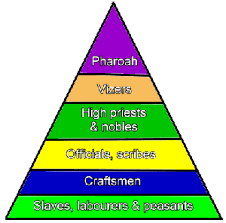
- 45StratificationPlacing something into order by groups.
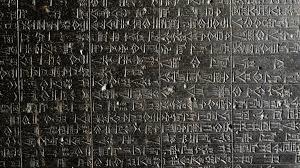
- 46Hammurabi’s CodeOne of the first written records of a code of law by the Babylonians. There were 282 laws that explained the rules and consequences if they were not followed.
- 47MonotheisticThe belief in one God.
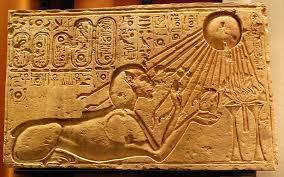
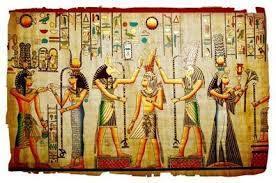
- 48PolytheisticThe belief of many Gods.
- 49NobleA person belonging to a class of people with a high rank or title
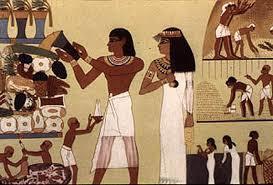
- 50DomesticationTo tame or train a plant or animal.
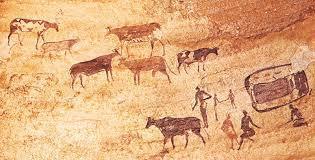
- 51Agriculturethe science and work of raising crops and farm animals; farming.
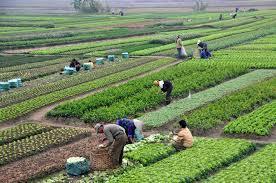
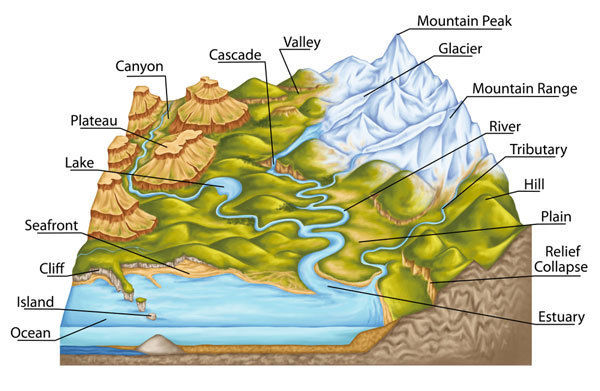
- 52Physical FeaturesLand forms of a place that make up its natural environment.
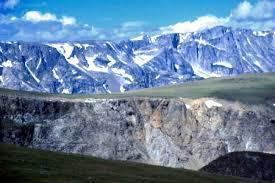
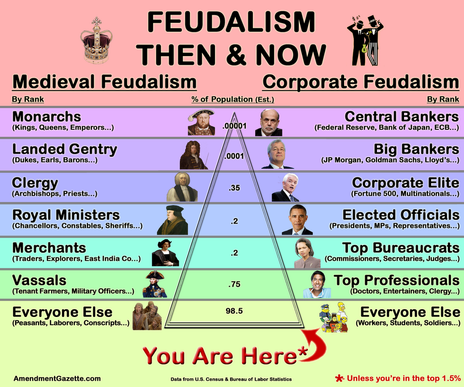
- 53Class systemA system used in the United States that has an upper, middle, and lower level. Income and education are some of the main factors used to determine status.
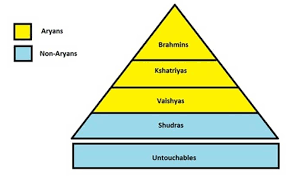
- 54Caste systemA system used in Ancient India where social structure is determined by birth. There were four main statuses and one group that was not considered a part of the system (Brahmins, Kshatriyas, Vaishyas, Shudras and the Untouchables).
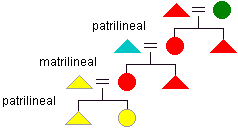
- 55PatrilinealLooking at history through the families of fathers.
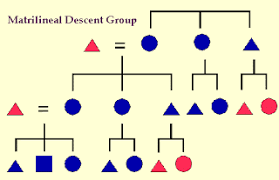
- 56MatrilinealLooking at history through the families of mothers.
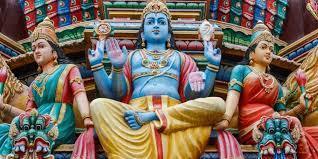
- 57HinduismOne of the world’s oldest religions that started in the Indus Valley. This belief system focuses on dharma (doing respectable things), kharma (the law of cause and effect), and samsara (the cycle of reincarnation).
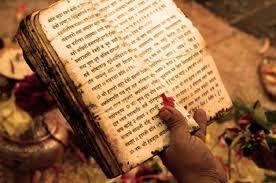
- 58VedasThe most ancient Hindu scriptures that were written in Sanskrit. It is similar to the Bible.
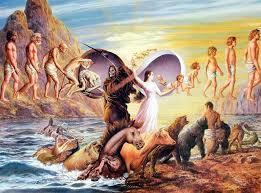
- 59ReincarnationThe belief that after you die, you return to earth again as a human or an animal. To stop repeating the cycle, you must be free from all negative desires.
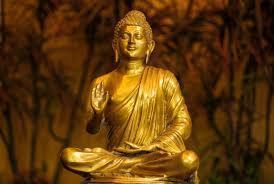
- 60BuddhismDeveloped by Buddha (Siddhartha Gautam). Teaches people how to end their suffering by cutting out greed, hatred and ignorance.
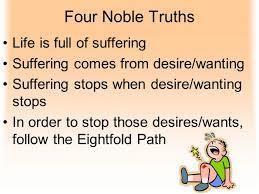
- 61Four Noble TruthsSome of Buddha’s teachings that explain suffering in life and how to find solutions.
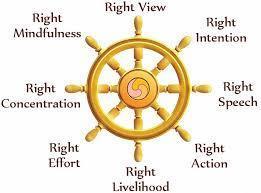
- 62Eightfold PathIs also known as the Middle Path or Middle Way in Buddhism. It is the path to achieve spiritual enlightenment in order to solve any type of suffering. It requires a person to always do, say and think the correct things.
- 63KarmaThe principle that one's actions determine one's future in this life

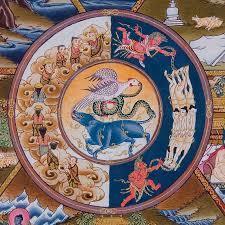
- 64SamsaraThe process of reincarnation which is the endless cycle of every soul's birth, death, and rebirth.
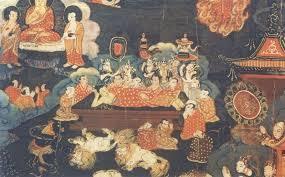
- 65NirvanaThis happens after Enlightenment. It is a state of complete harmony, peace, or joy in both thoughts and actions. Followers work their whole life to achieve this experience or state or mind.
- 66DynastyA family of rulers whose right to rule is passed on within the family.
- 67Mandate of HeavenThe idea that there could be only one legitimate ruler of China at a time and that this ruler had the blessing of the gods.
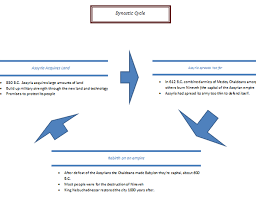
- 68Dynastic CycleThe cycle in Ancient China when a new family, given the Mandate of Heaven, takes charge to unite everyone. Eventually the community begins to have several problems and a new family takes charge.
Information
- Description
- Flashcards on SS Review and Resources, created by Ayden Filipasic on 07/01/2020.
- Created by
- Ayden Filipasic
- Views
- 0
- History
-
- Created by Carson Denninger · Sep 16, 2019
- Copied by Ayden Filipasic · Jan 7, 2020
- Rating