
Flashcards
Principles of Physiology
Cards in this deck (31)
- 1Homeostasis-tendency of organisms to maintain a relatively constant internal environment despite variable external conditions
-allows for stability
-measures int/ext fluctuations - 2Setpointphysiological resting condition for a specific variable
- 3Homeostatic Rangerange of variation around the setpoint
- 4Positive Feedback-Purpose is to move variable farther from setpoint
-Disrupts homeostasis to establish new setpoint or accomplish a specific biological action
-Rare but effective - 5Examples of Positive Feedback-Firing of an AP
-Increase muscle contraction during childbirth (Cervical pressure signals release of oxytocin which produces stronger contractions) - 6Negative Feedback-Purpose is to return variable to setpoint
-Restores homeostasis
-Most Common - 7Example of Negative Feedback-Body shivers to generate heat
-Blood vessels dilate to lower body temp
-Insulin released to stop blood sugar from rising - 8Body Fluid Components-Intracellular Fluid = 40% body weight
-Extracellular Fluid (20% body weight):
-->Interstitial = 15%
--> Plasma = 5% - 9Internal Environment-90% water in most animals
-Dissolved inorganic & organic electrolytes (Na+, K+, Cl-, AA, proteins, nucleic acids)
-Dissolved non-electrolytes (urea, glucose)
-Non-dissolved solids (lipid membranes, cytoskeleton, cellular inclusions [glycogen, lipid]) - 10Extracellular Environment...between cells in multicellular organisms
-provides an additional interface with the external environment - 11Tissue Level of OrganizationA group of similar cells form tissues. These tissues work together to perform specific tasks.
- 12Organ Level of OrganizationA structure made of two or more tissues that work together & are organized to carry out a particular function.
- 13Function of an Organ Systemdepends on the integrated activity of its organs (i.e. digestive organs cooperate to process food)
- 14Types of Tissues1. Epithelial
2. Connective
3. Muscle
4. Nervous - 15Epithelial Tissue-Tightly packed sheets of cells that lets them act as barriers to movement of fluids & potentially harmful microbes
-Cells are polarized/often joined by specialized junctions to reduce leaks
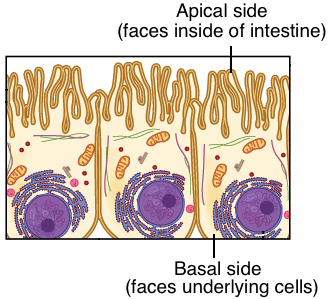
-Lining of GI tract/other hollow organs & skin surface (epidermis) - 16—Polarized Epithelial Cell:
-Apical Side= faces inside of cavity or outside of a structure; usually exposed to fluid/air
-Basal Side= faces the underlying cells - 17Connective Tissue-Supports and connects other tissues
-Consists of cells suspended in an extracellular matrix (Most cases the matrix is made up of protein fibers like collagen and fibrin in a solid, liquid, or jellylike ground substance)
-TYPES: Loose or Dense - 18Loose Connective Tissue-Found throughout body
-Supports organs and blood vessels & links epithelial tissues to the muscles underneath
-Most common type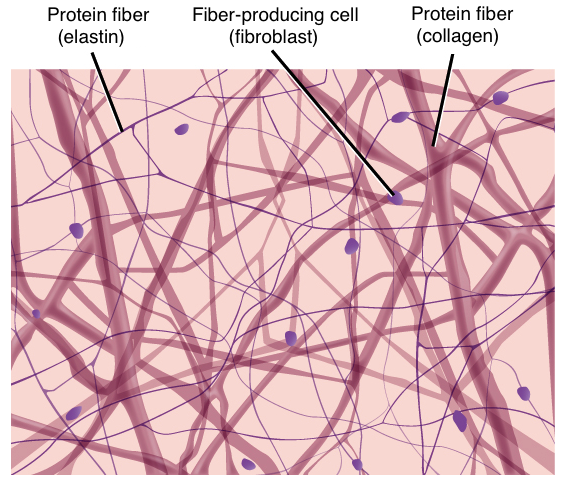
- 19Dense (Fibrous) Connective TissueFound in tendons & ligaments which connect muscles to bones and bones to eahother
- 20Muscle Tissue-Essential for keeping the body upright, allowing it to move, and even pumping blood and pushing food through the digestive tract
-Muscle cells (fibers) contain actin & myosin, which allow them to contract.
-TYPES: Skeletal, Cardiac, Smooth - 21Skeletal Muscle-Striated
-Attached to bones by tendons
-Allows you to consciously control your movements
-EX: the quads in your legs or biceps in your arms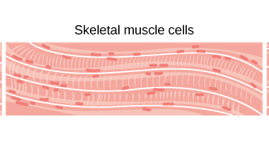
- 22Smooth Muscle-Found in the walls of blood vessels, walls of the digestive tract, the uterus, the urinary bladder, and other internal structures.
-Non-striated
-Involuntary (not under conscious control)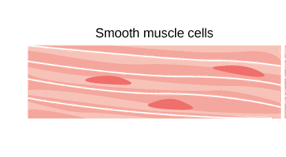
- 23Cardiac Muscle-Found only in the walls of the heart
-Striated
-Not under voluntary control
-Individual fibers are connected by intercalated disks which allow them to contract in sync.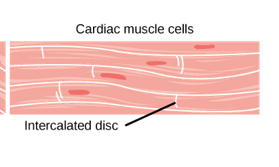
- 24Nervous Tissue-Involved in sensing stimuli—external or internal cues—and processing and transmitting information
-Consists of two main types of cells: neurons and glia. - 25Neurons-Basic functional unit of nervous system
-Generate electrical signals (action potentials) that convey information across the body - 26Gliasupport neuronal function
- 27—Organ with all tissue types
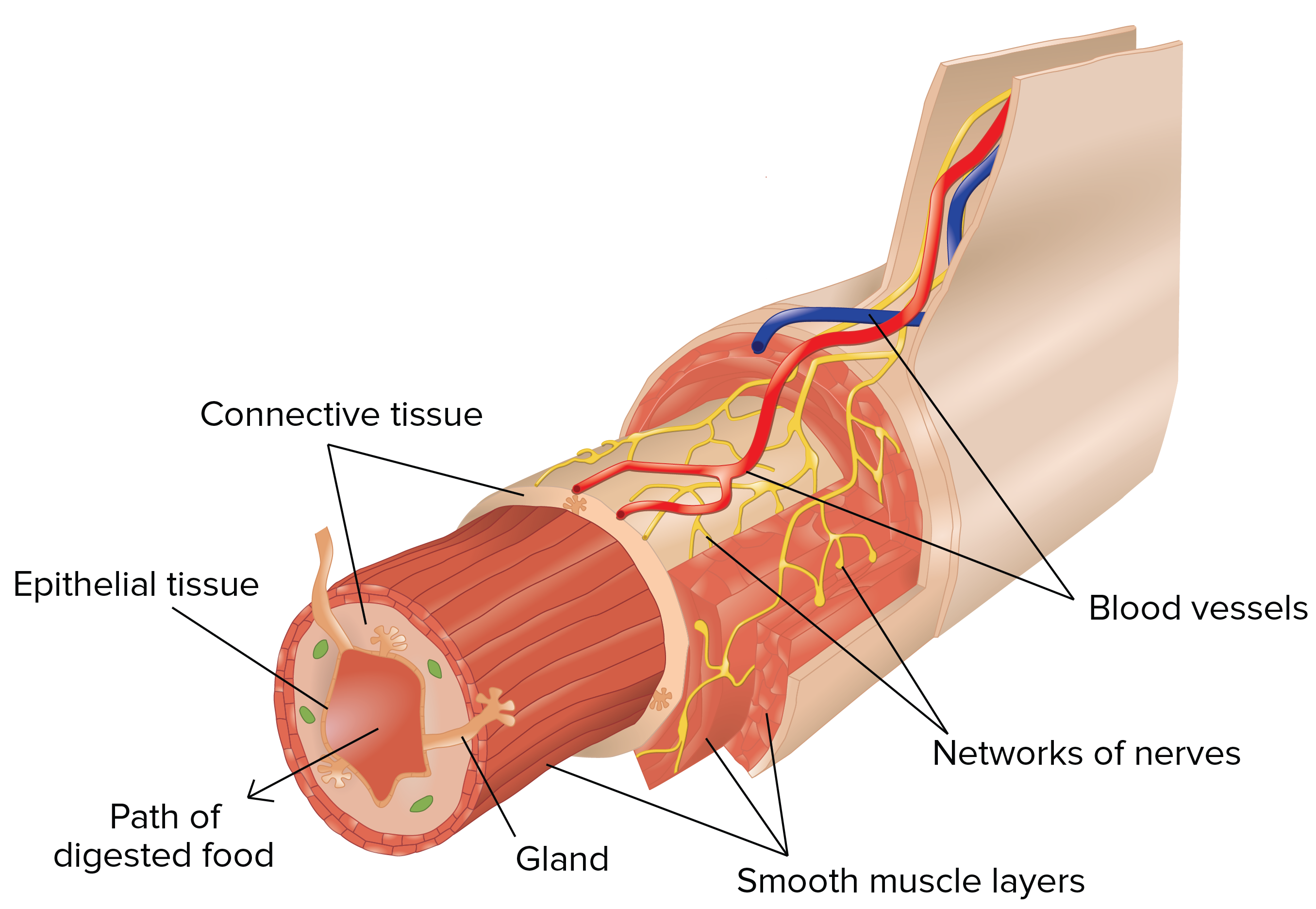
- 28Metabolic Rate-Refers to how quickly fuels are broken down to keep the organism’s cells running
-Varies with activity level (more active= higher metabolic rate) - 29Basal Metabolic RateFor an endotherm, the BMR is also measured when the animal is in a thermoneutral environment, that is, one where the organism does not expend extra energy (above baseline) to maintain temperature.
- 30Conformer-Ectotherm
-Animal internal environment matches external environment
-Linear reationship - 31Regulator-Endotherm
-Regulate temperature by producing heat metabolically or actively losing heat
-Maintain homeostasis around zone of stability
-More energetically expensive
Information
- Description
- Basics of physiology including homeostasis, body structure, thermoregulation, and metabolism.
- Created by
- Spencer Campbell
- Views
- 4
- Rating