
Flashcards
Untitled
Cards in this deck (99)
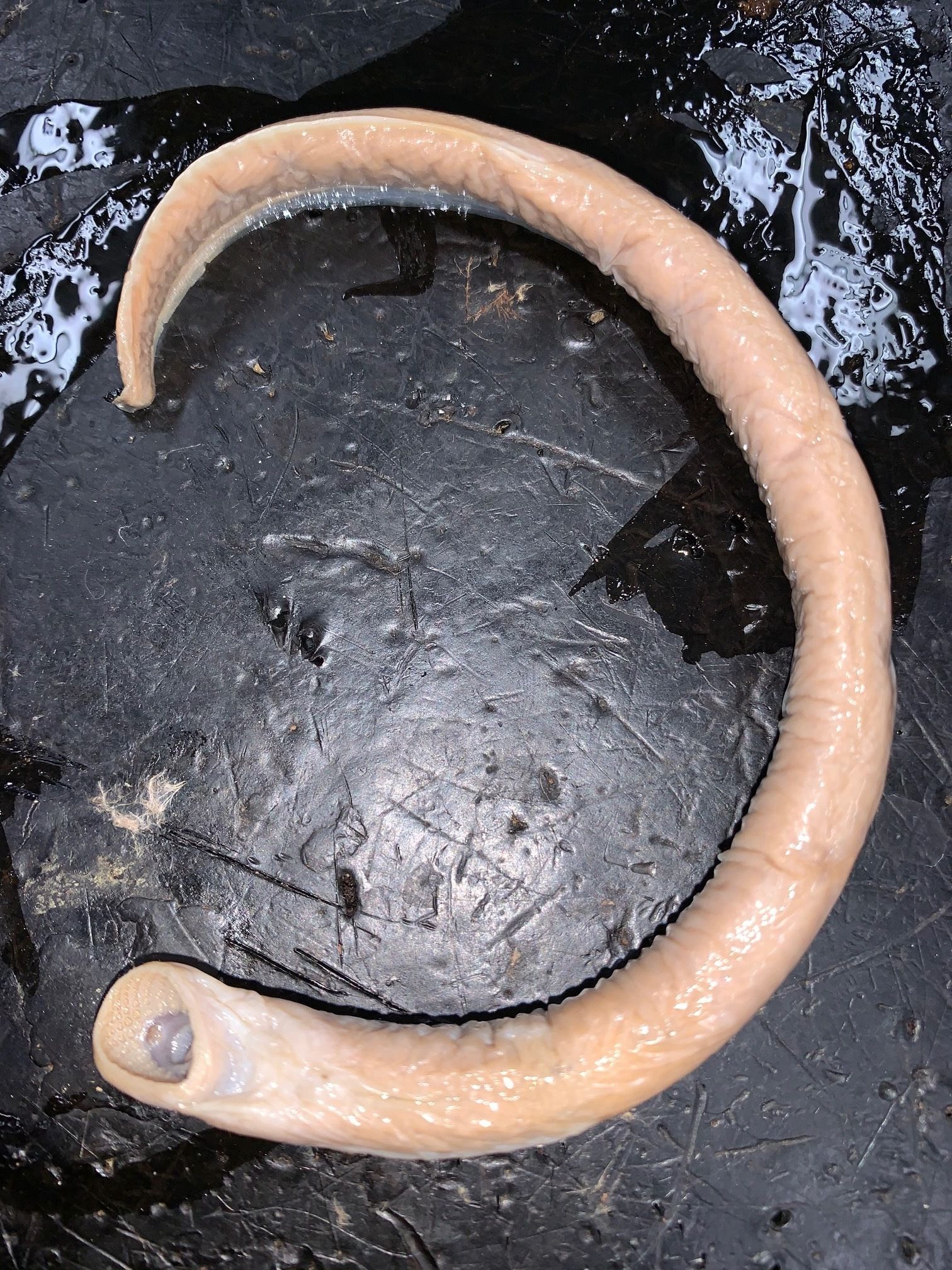
- 1hagfishMyxinidae
a. lacks jaws
b. mouth not disk-like, barbels present
c. fins present as continuous fin-fold
d. semicircular canal fused so that it appears as one.
e. branchial skeleton not well developed
f. eyes degenerate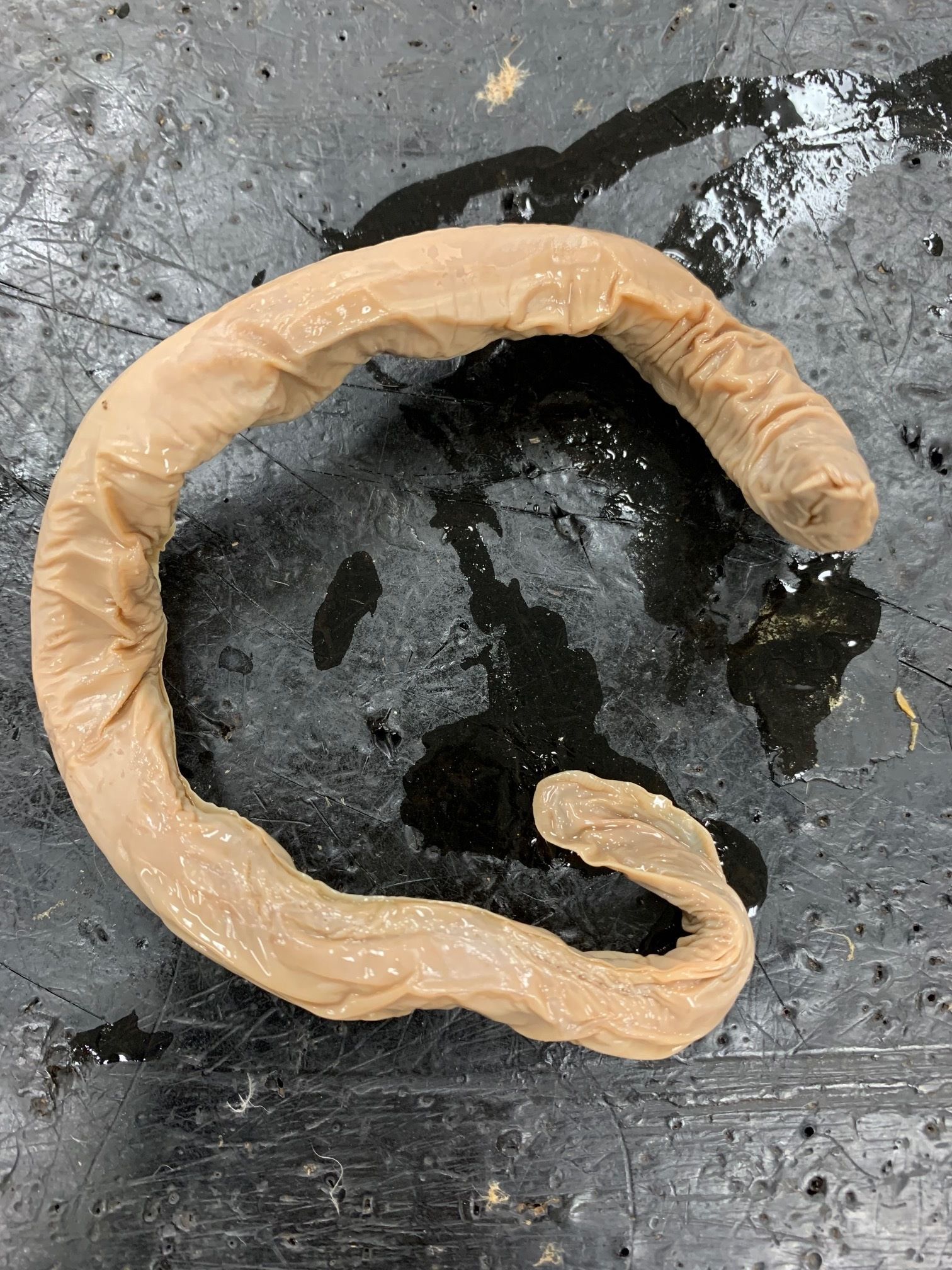
- 2lampreyPetromyzontidae
- 3skateRajidae
a. tail slender, often short
b. two small dorsal fins
c. pectoral fins widely expanded; often with a thin, shelflike plate in front of snout
d. caudal fin reduced or absent
e. may be a row of prickles along back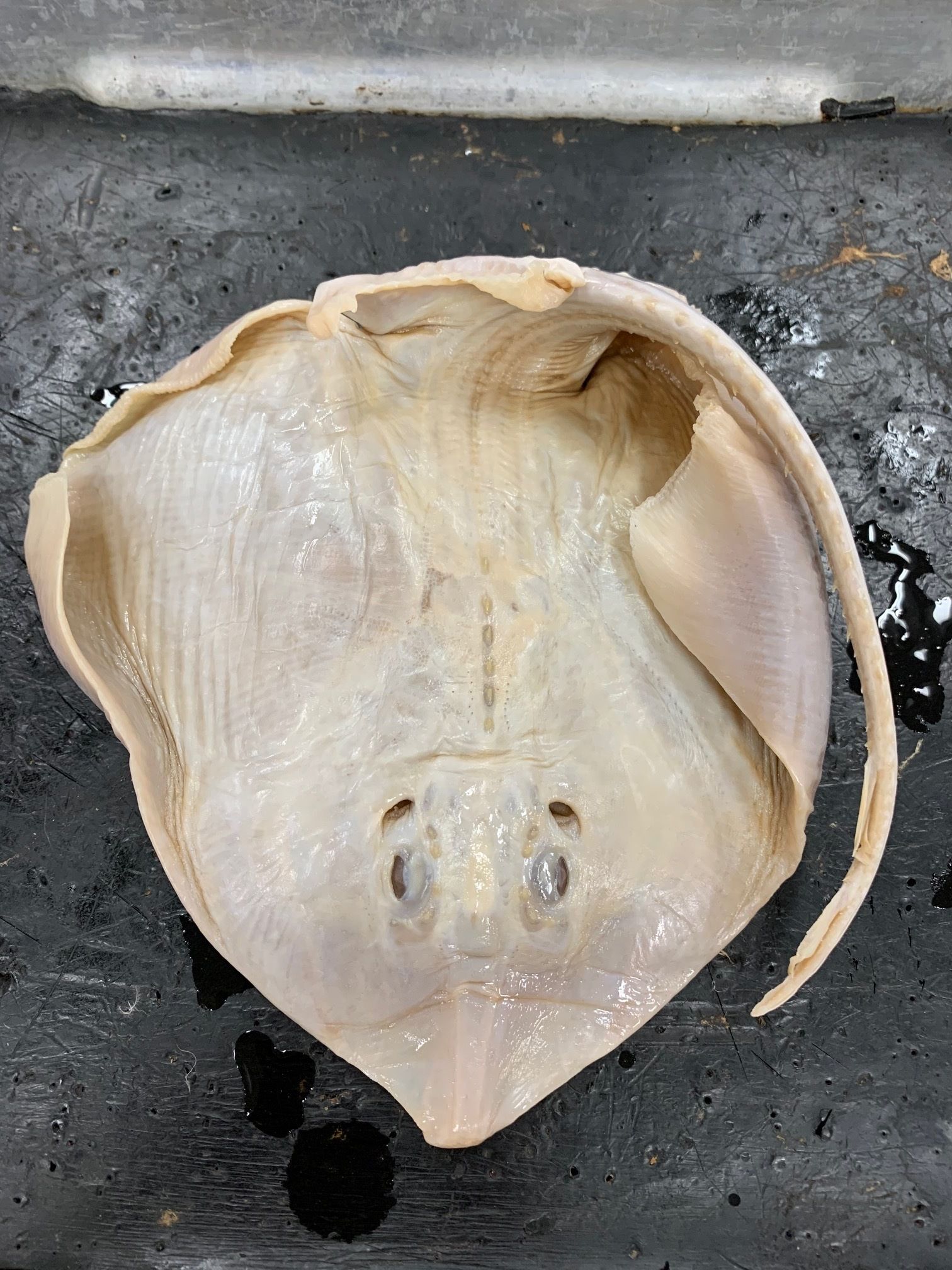
- 4whiptail stingrayDasyatidae
a. tail slender
b. venomous spine usually present
c. no rayed dorsal or caudal fins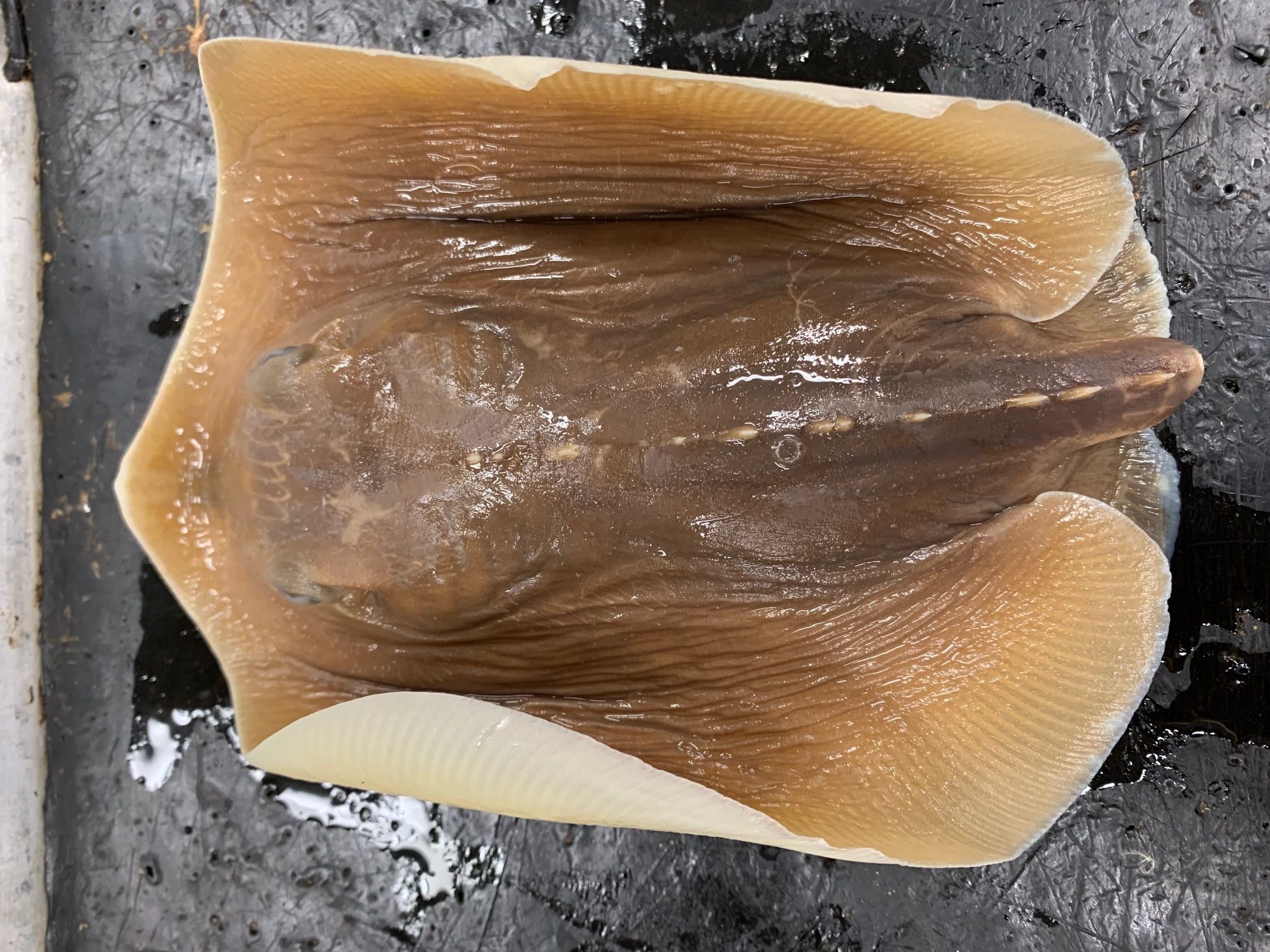
- 5chimaeraChimaeridae
a. one external gill opening, covered by soft operculum
b. teeth fused into plates
c. large pectoral fins with fleshy base
d. elongate "rodent-like" tail
e. snout short and rounded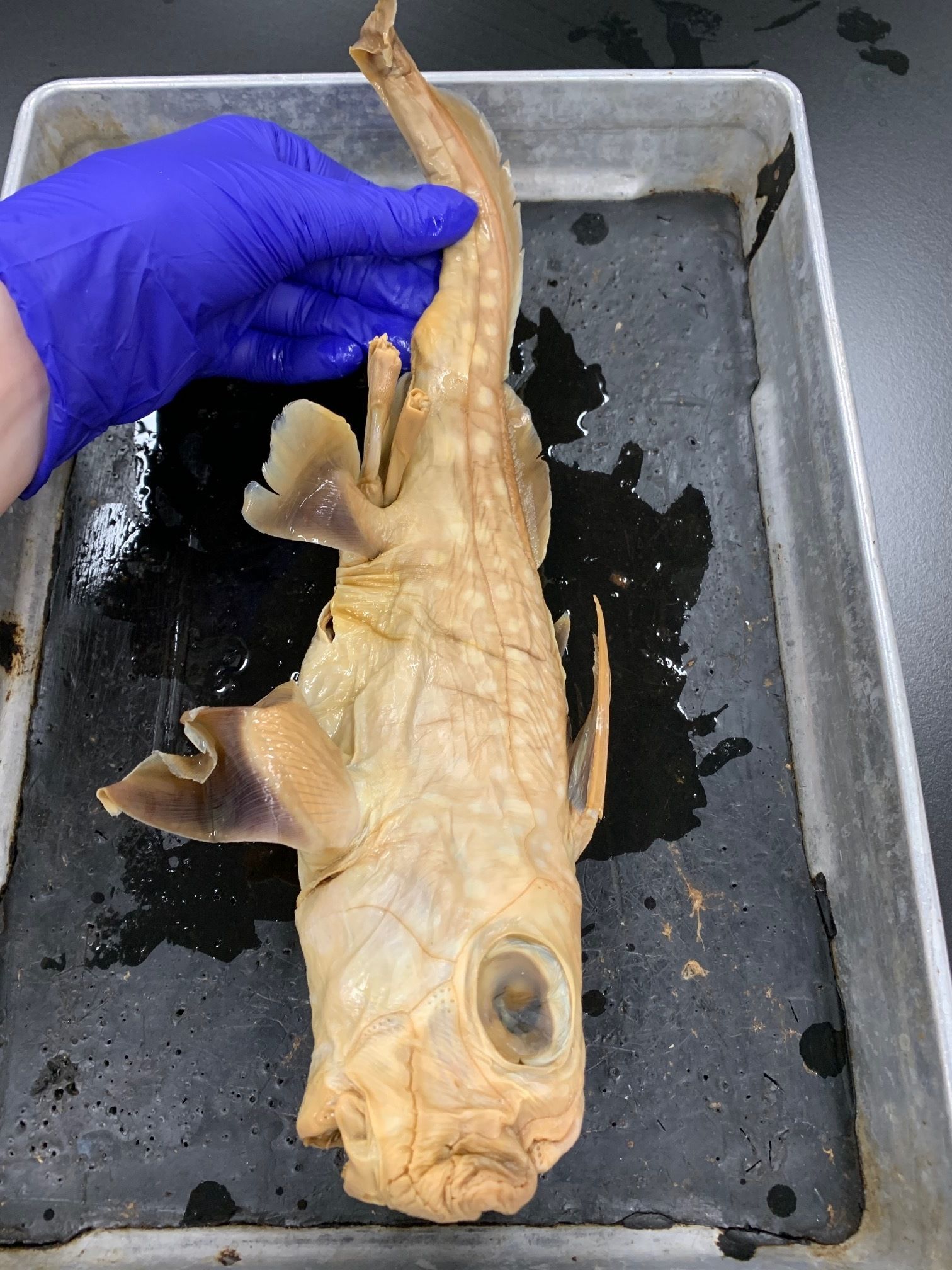
- 66. houndsharksTriakadae
a. Spiracles present
b. Anterior nasal flaps not slender or barbell like
c. Labial furrows moderately long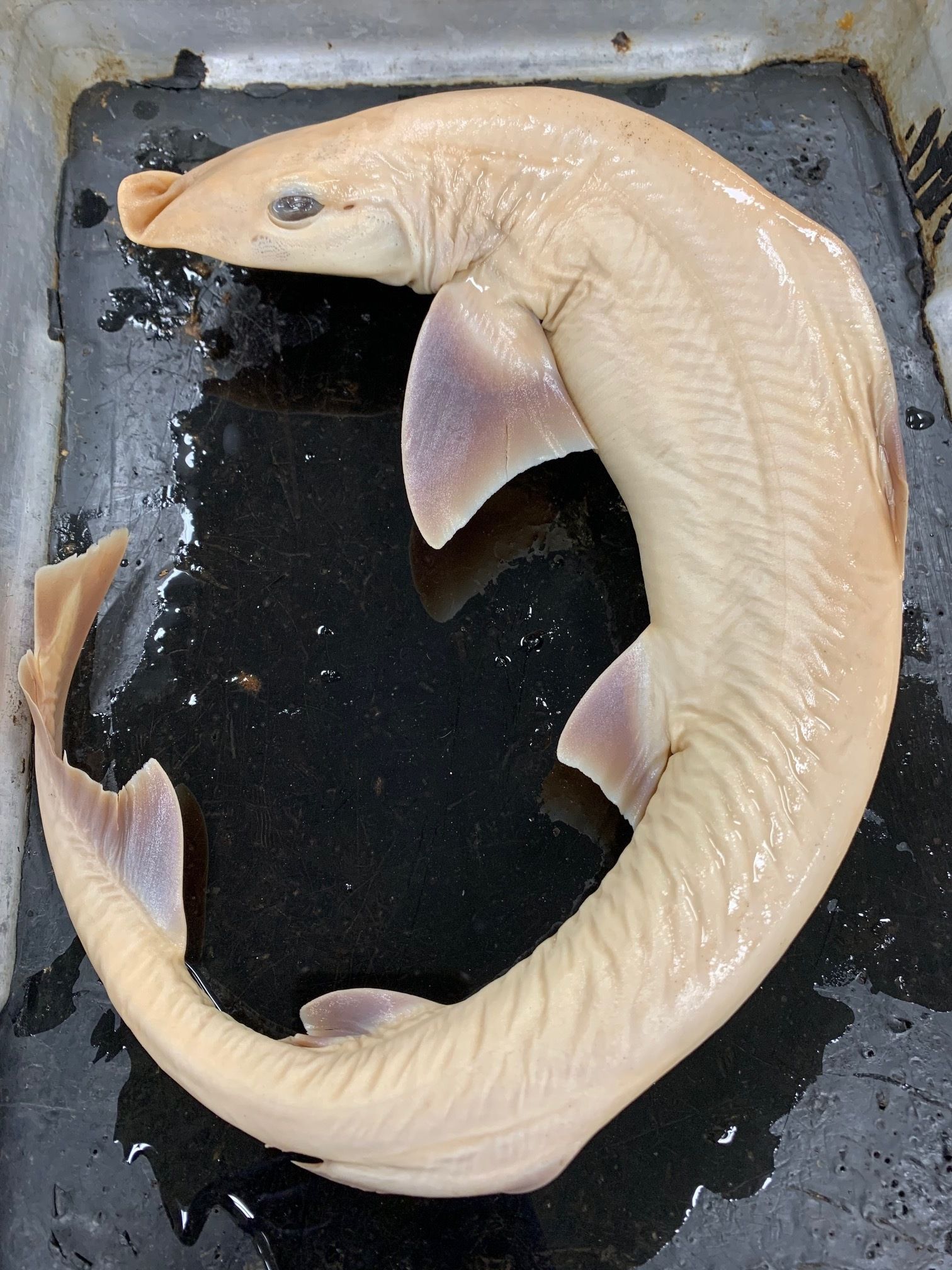
- 77. dogfish sharksSqualidae
a. five gill openings
b. spines before each dorsal fin
c. anal fin absent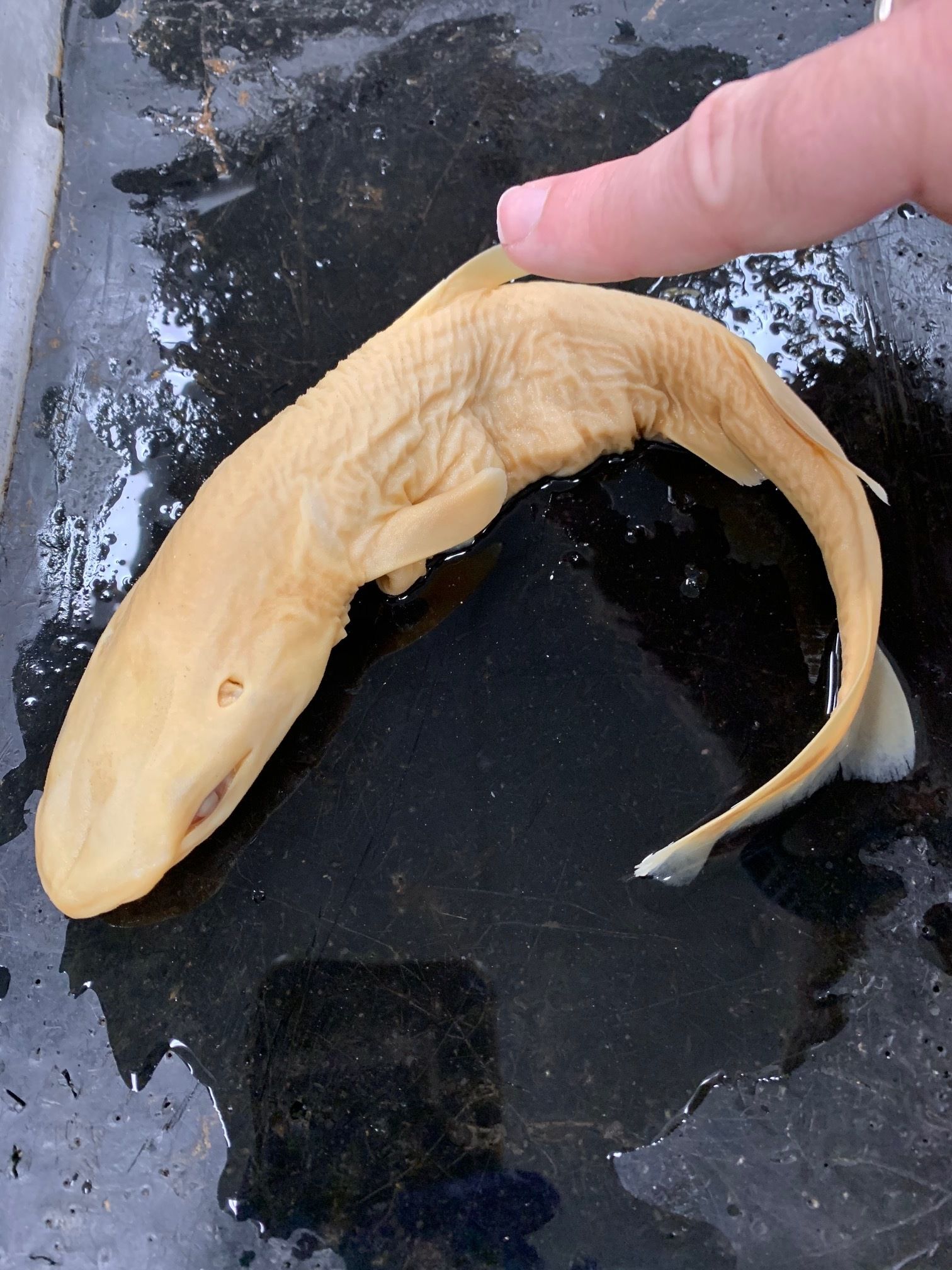
- 88. Hammerhead sharksSphyrnidae
a. five gill openings
b. upper caudal lobe longer than lower
c. no oral-nasal grooves
d. teeth usually blade-like with one cusp
e. caudal with well-marked subterminal notch
f. spiracle absent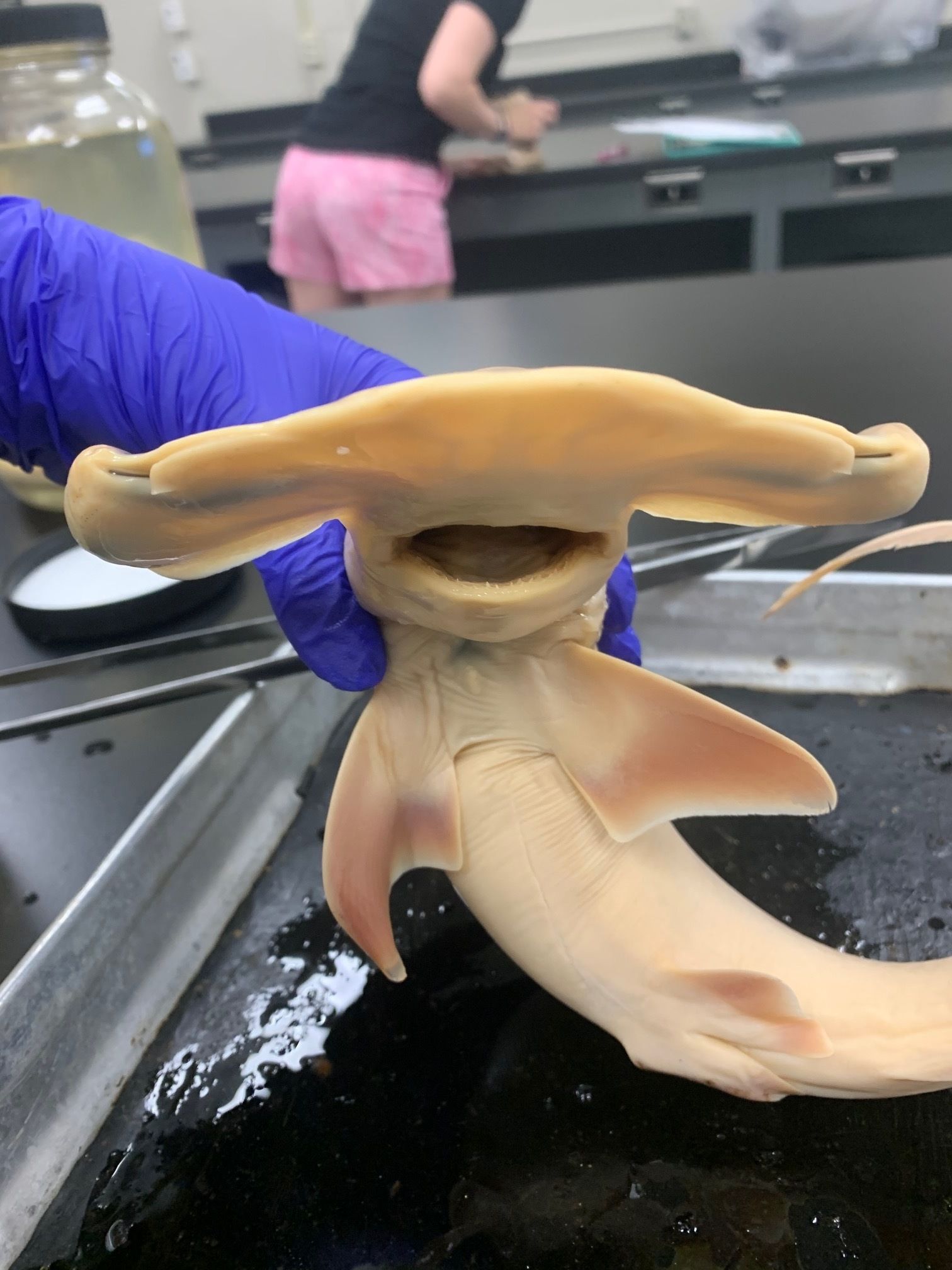
- 99. HerringsClupeidae
(i) connection between swimbladder and ear
(ii) mouth terminal
(iii) maxillary not reaching posterior to eye
(iv) belly usually keeled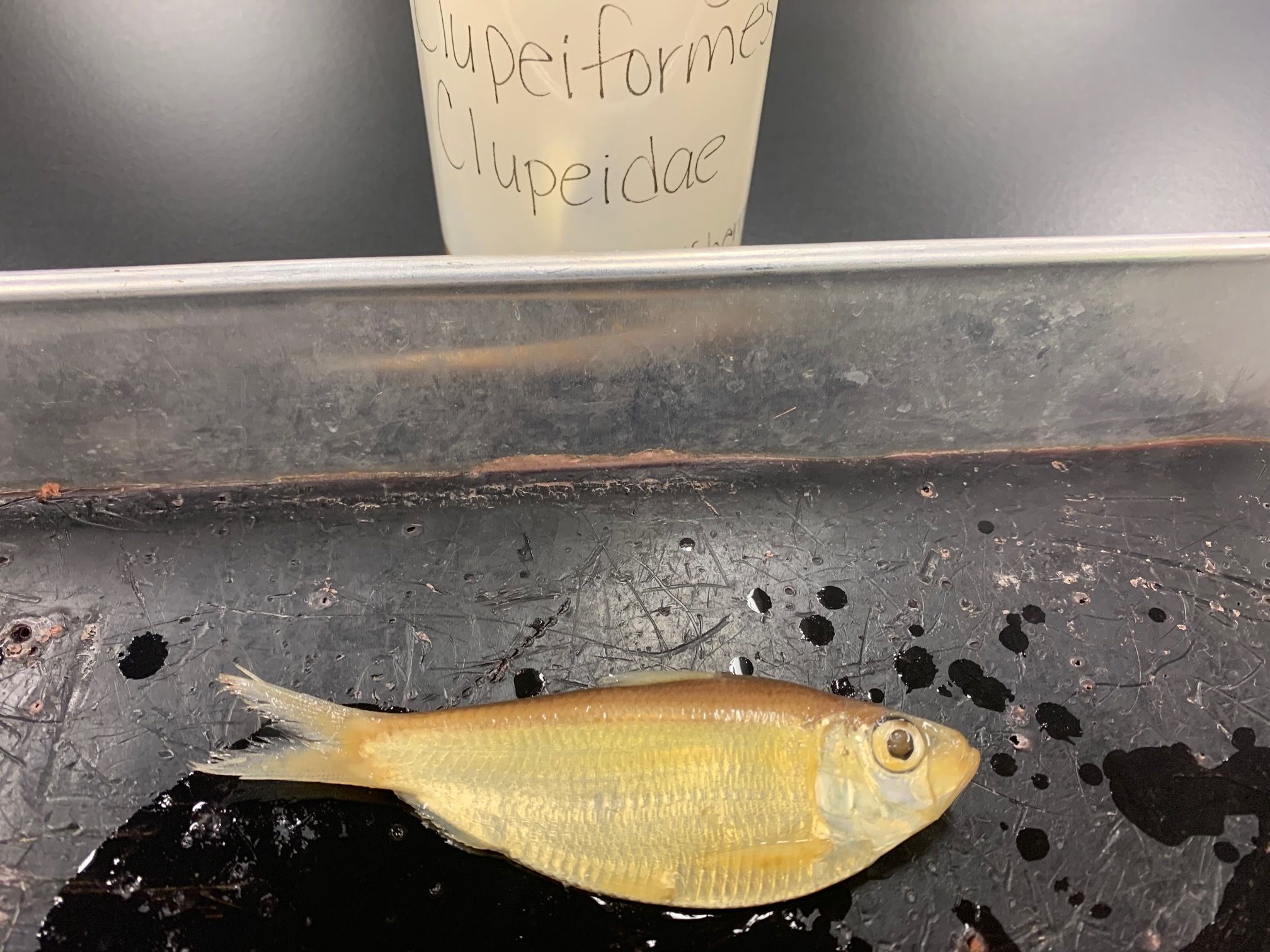
- 1010. GarsLepisosteidae
(a) branchiostegals present, no gular plate
(b) mouth terminal and prolonged into long "beak" with needle-like teeth
(c) ganoid scales
(d) head covered with bony plates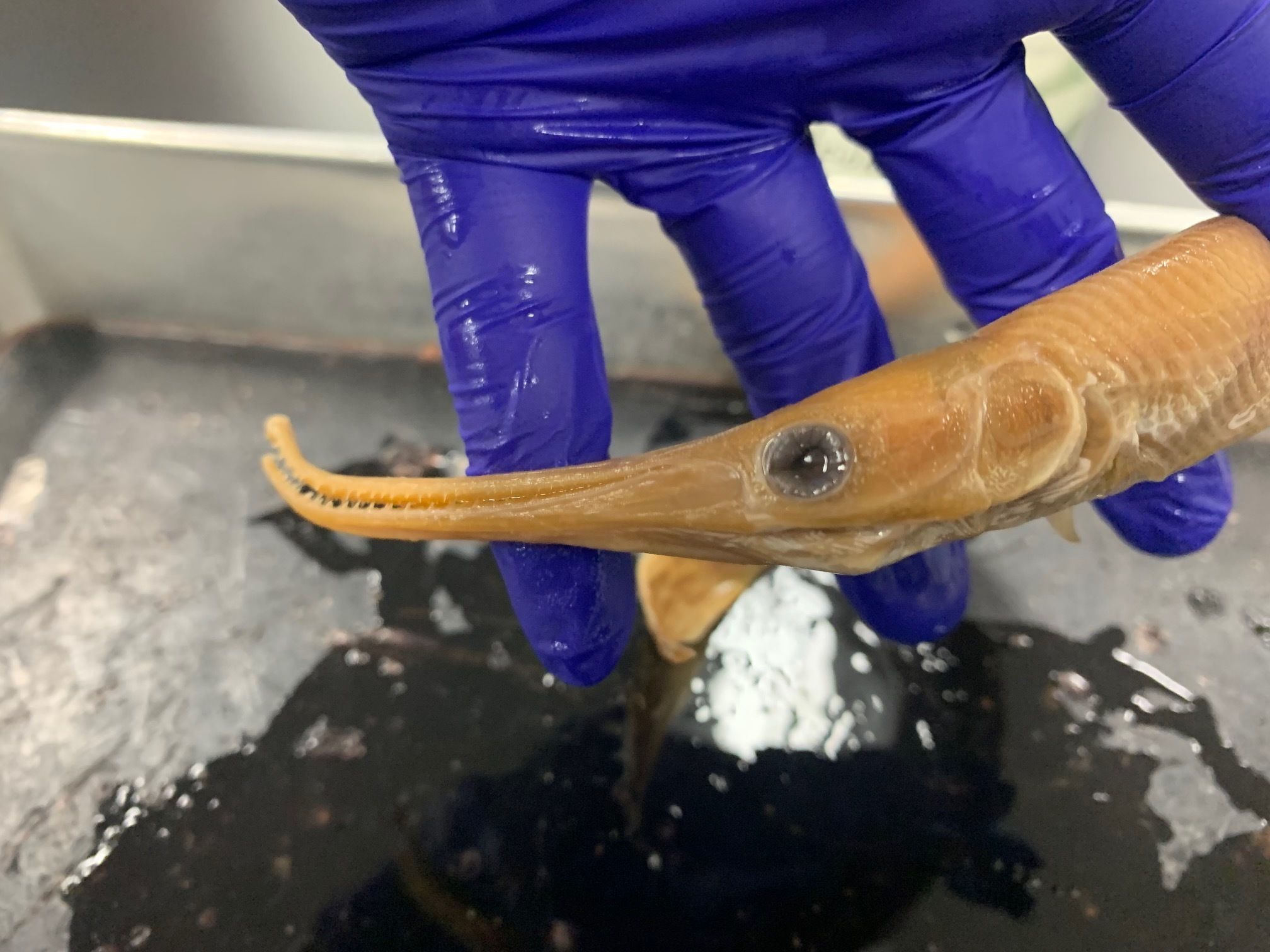
- 1111. CharacinsCharacidae
(i) adipose usually present, but absent in some taxa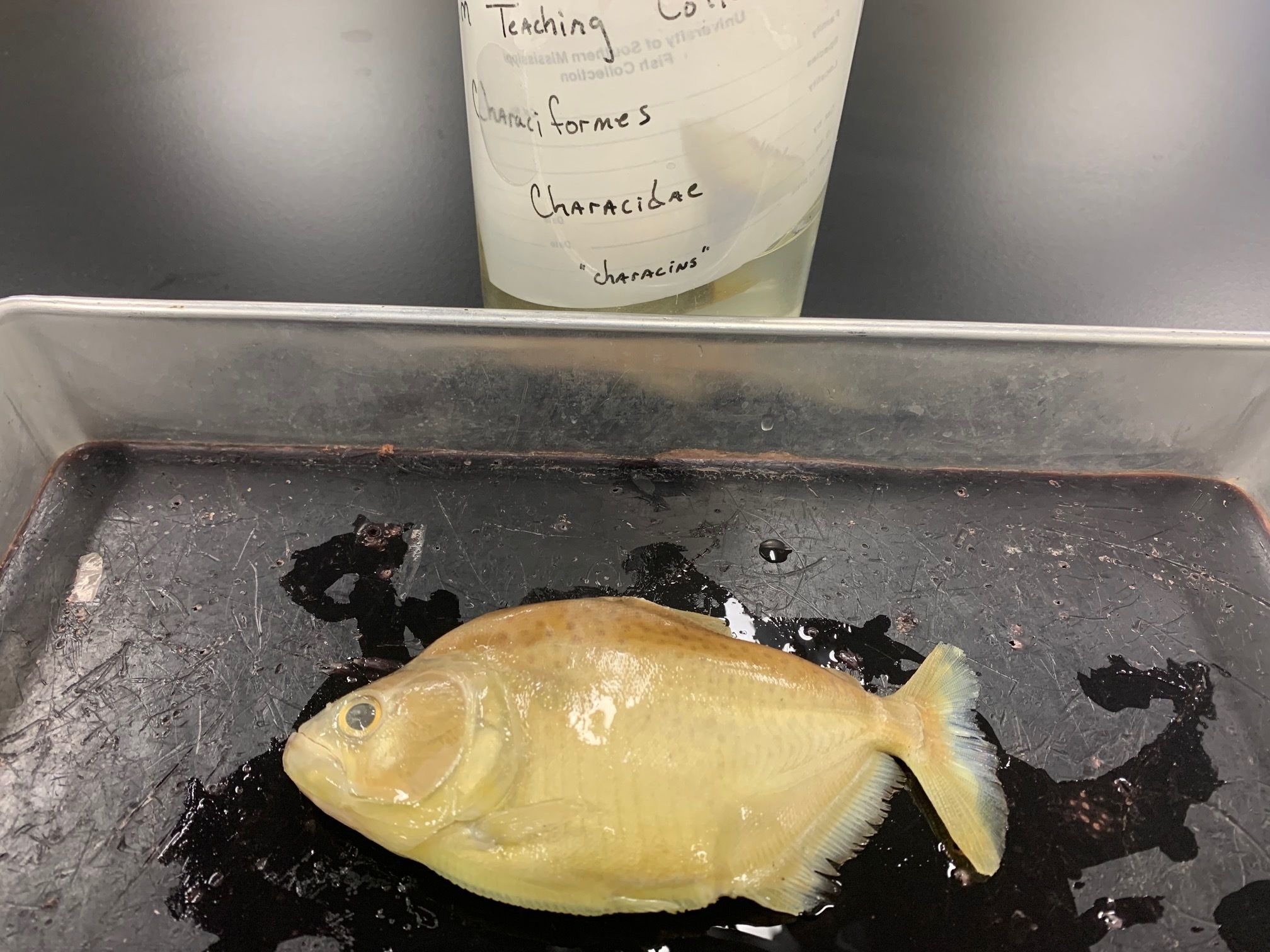
- 1212. moray eelsMuraenidae
(i) leptocephalous larval stage without caudal fin
(ii) scales absent
(iii) lower jaw not protruding beyond upper
(iv) strong jaws with fang-like teeth
(v) posterior nostril dorsal to anterior orbital margin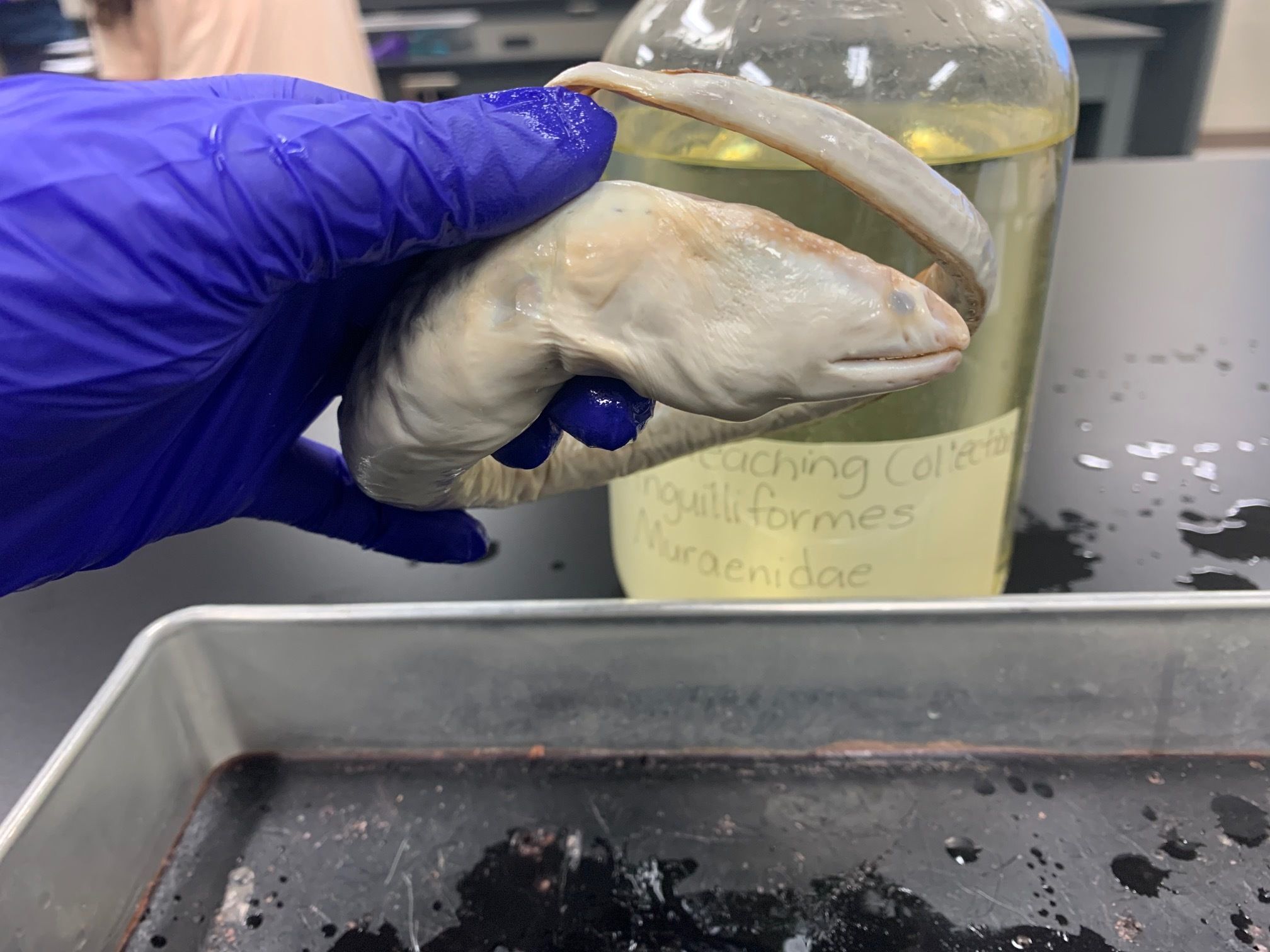
- 1313. snake and worm eelsOphichthidae
(i) leptocephalous larval stage without caudal fin
(ii) pectoral fins present
(iii) opening of posterior nostril pierces upper lip
(iv) tail stiffened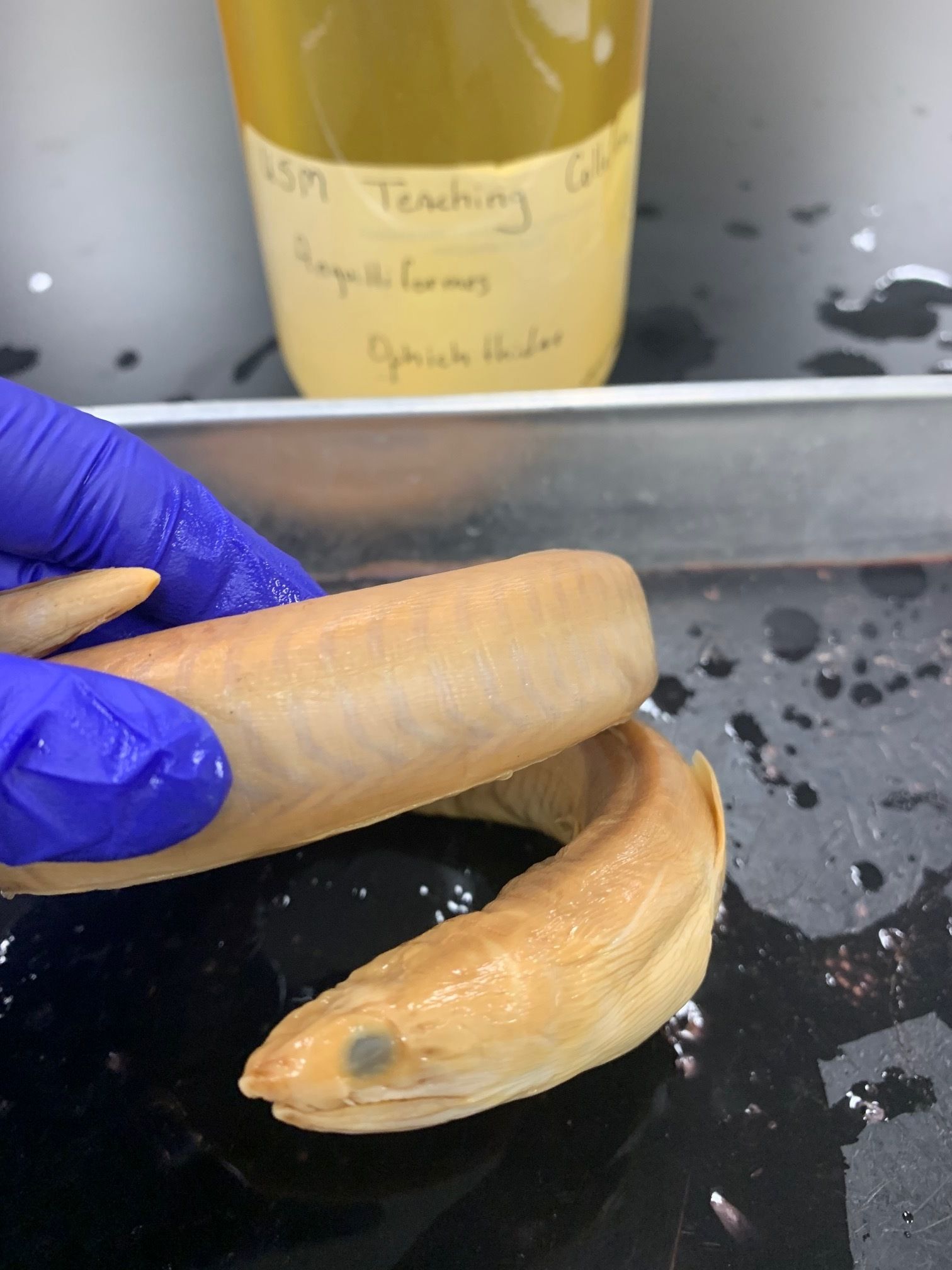
- 1414. scuplinsColtidae
(i) head lacks spines
(ii) anal fin lacks spines
(iii) opercle usually unarmed, or with single spine
(iv) body scaleless or only partially scaled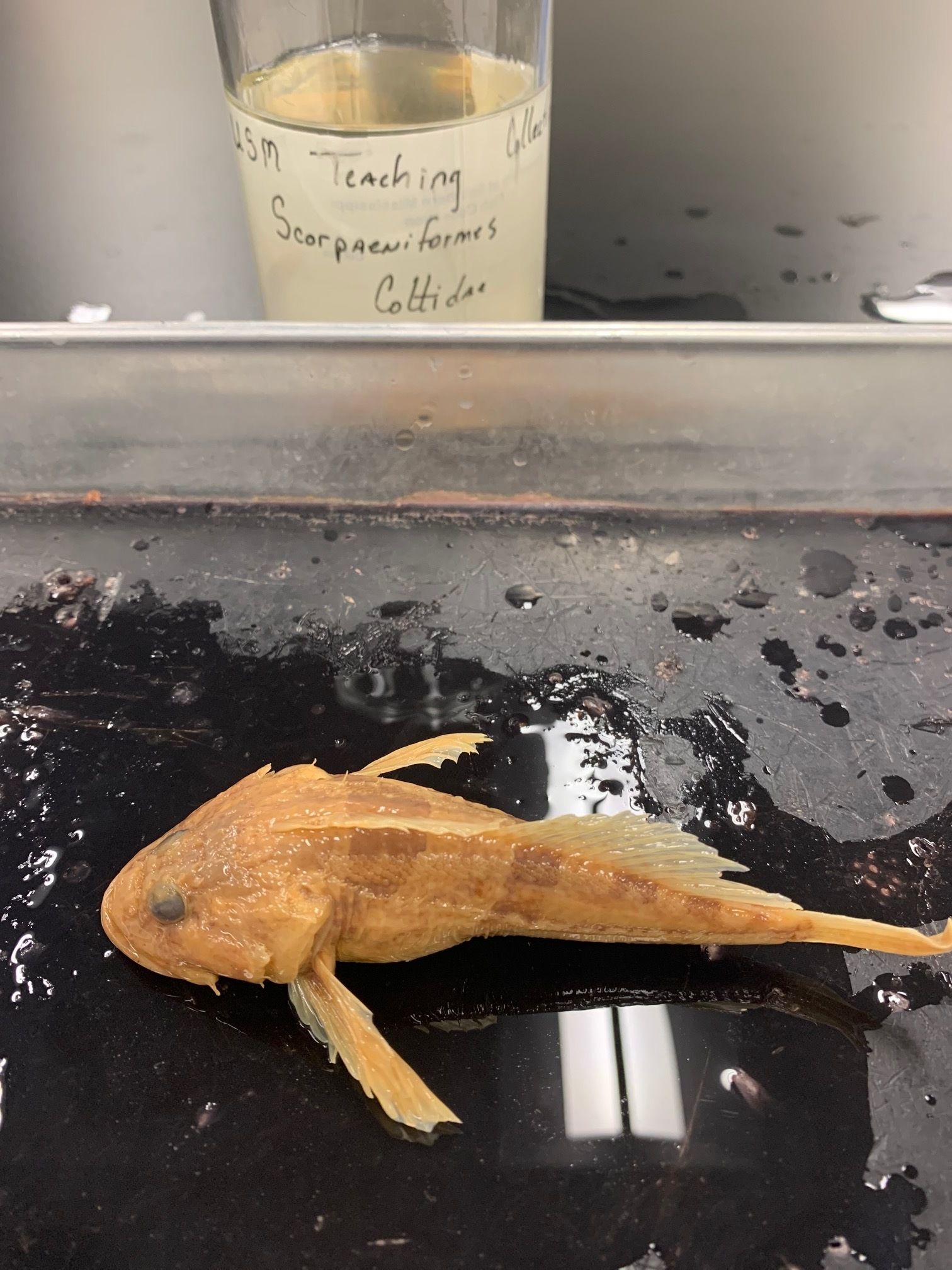
- 1515. paddlefishPolyodontidae
(a) rostrum produced into wide paddle, about 1/3 the length of the fish
(b) body lacks bony plates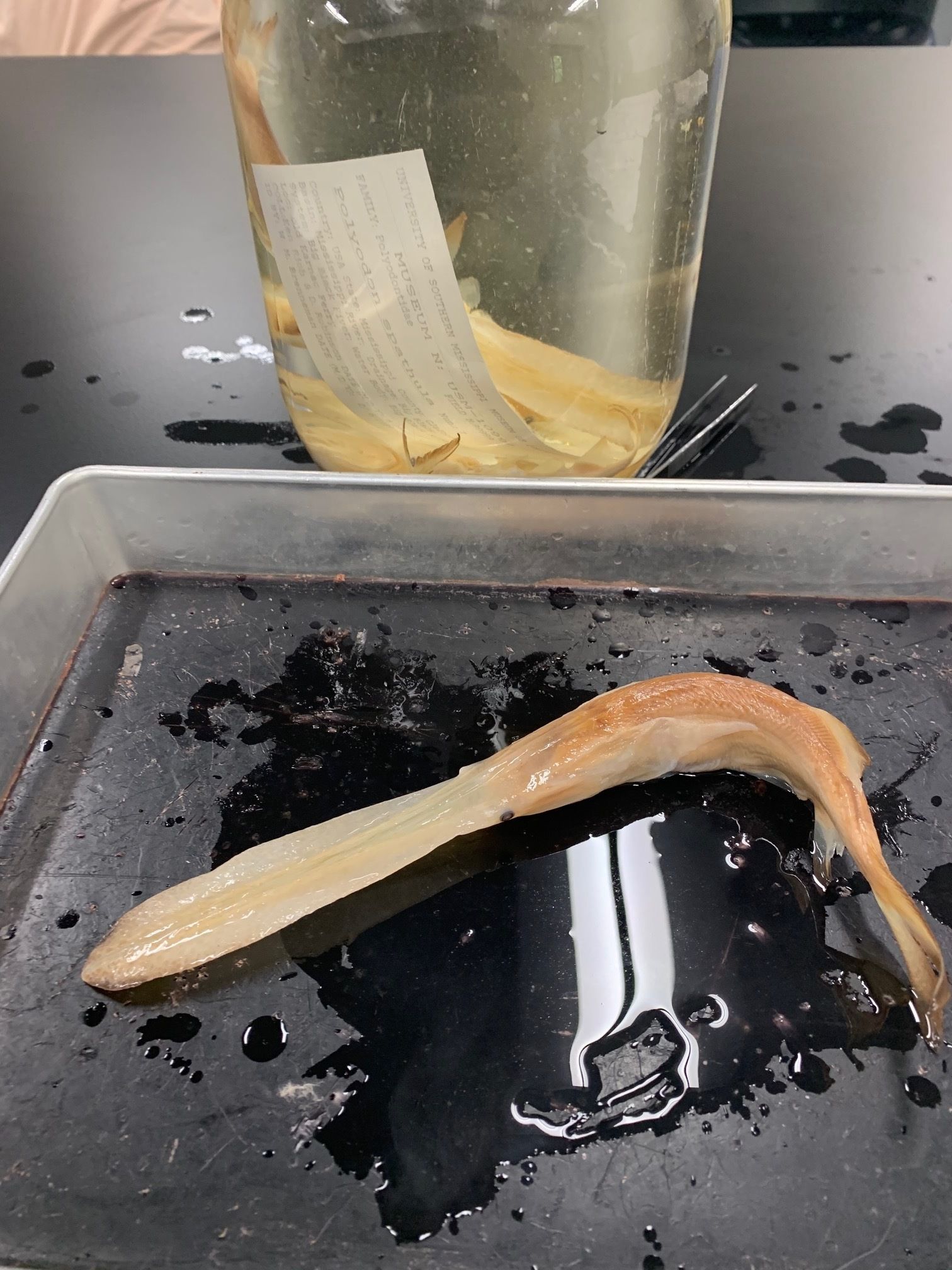
- 1616. lizard fishSynodontidae
(i) adipose fin present
(ii) photophores absent
(iii) mouth large and terminal
(iv) no spines on operculum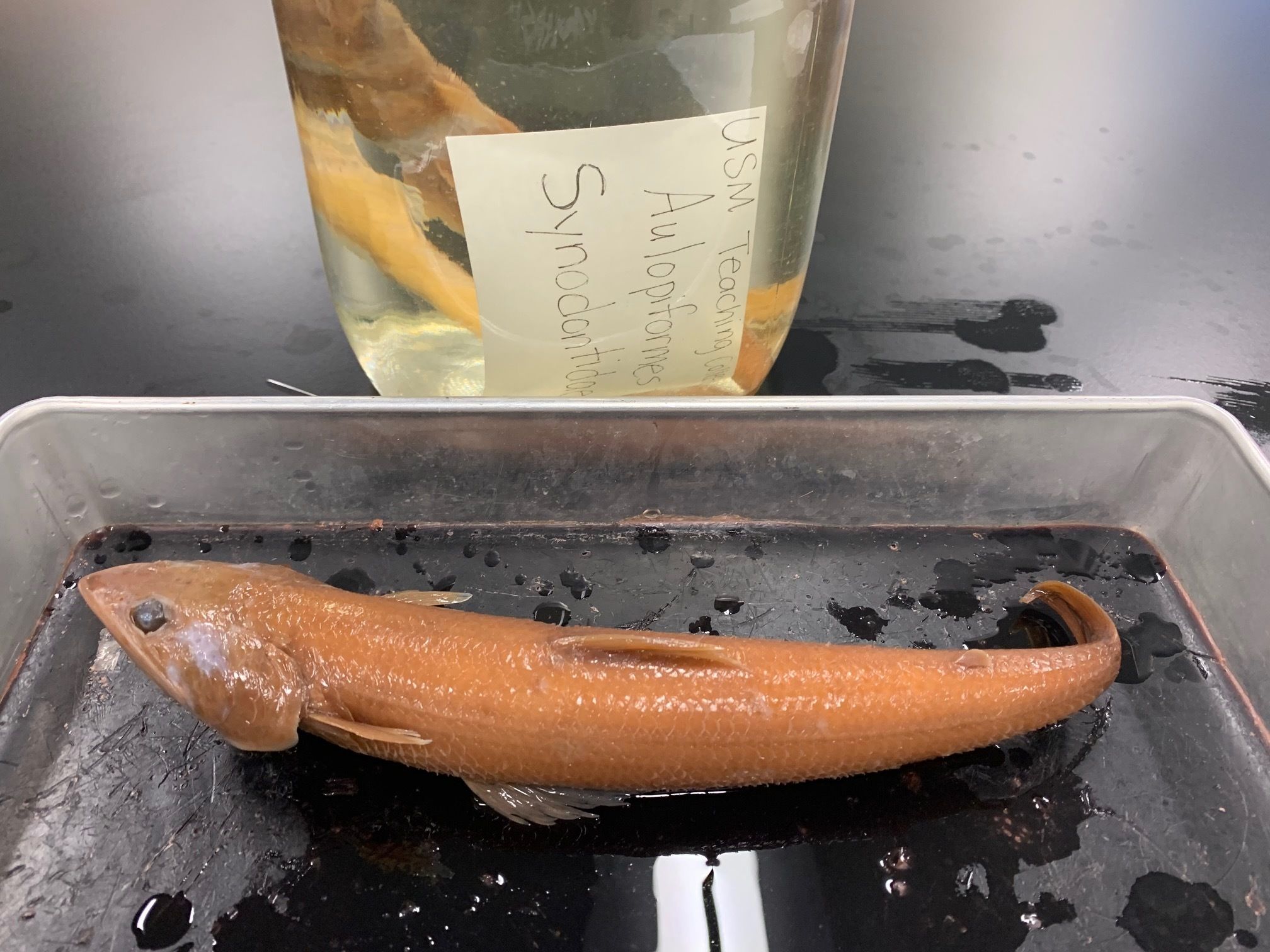
- 1717. electric catfishMalapturidae
(i) Electric organ derived from anterior musculature
(ii) Dorsal fin absent
(iii) Rounded caudal fin
(iv) Three pairs of barbells
(v) Fairly large adipose fin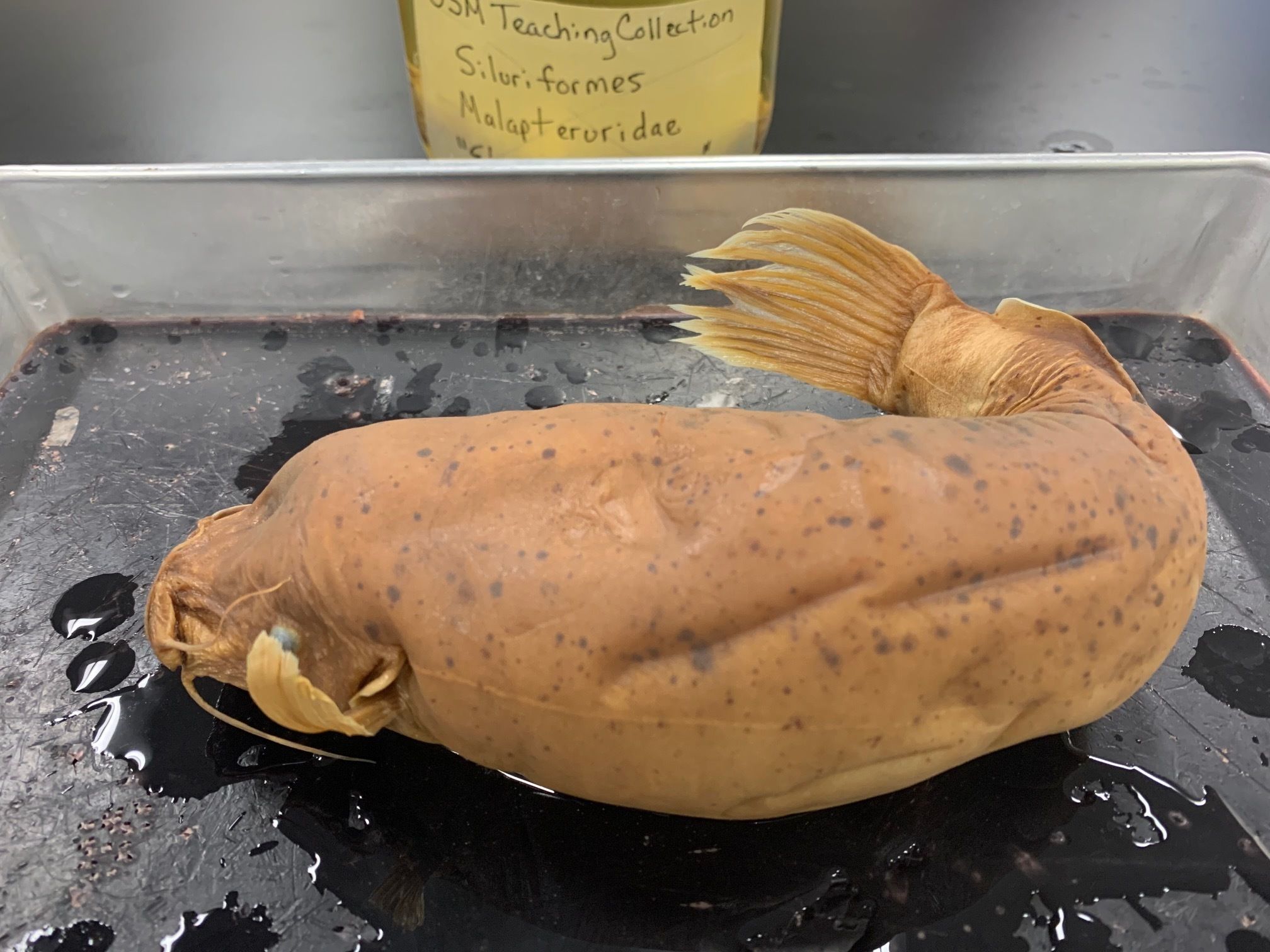
- 1818. batfishOgcocephalidae
(i) Electric organ derived from anterior musculature
(ii) Dorsal fin absent
(iii) Rounded caudal fin
(iv) Three pairs of barbells
(v) Fairly large adipose fin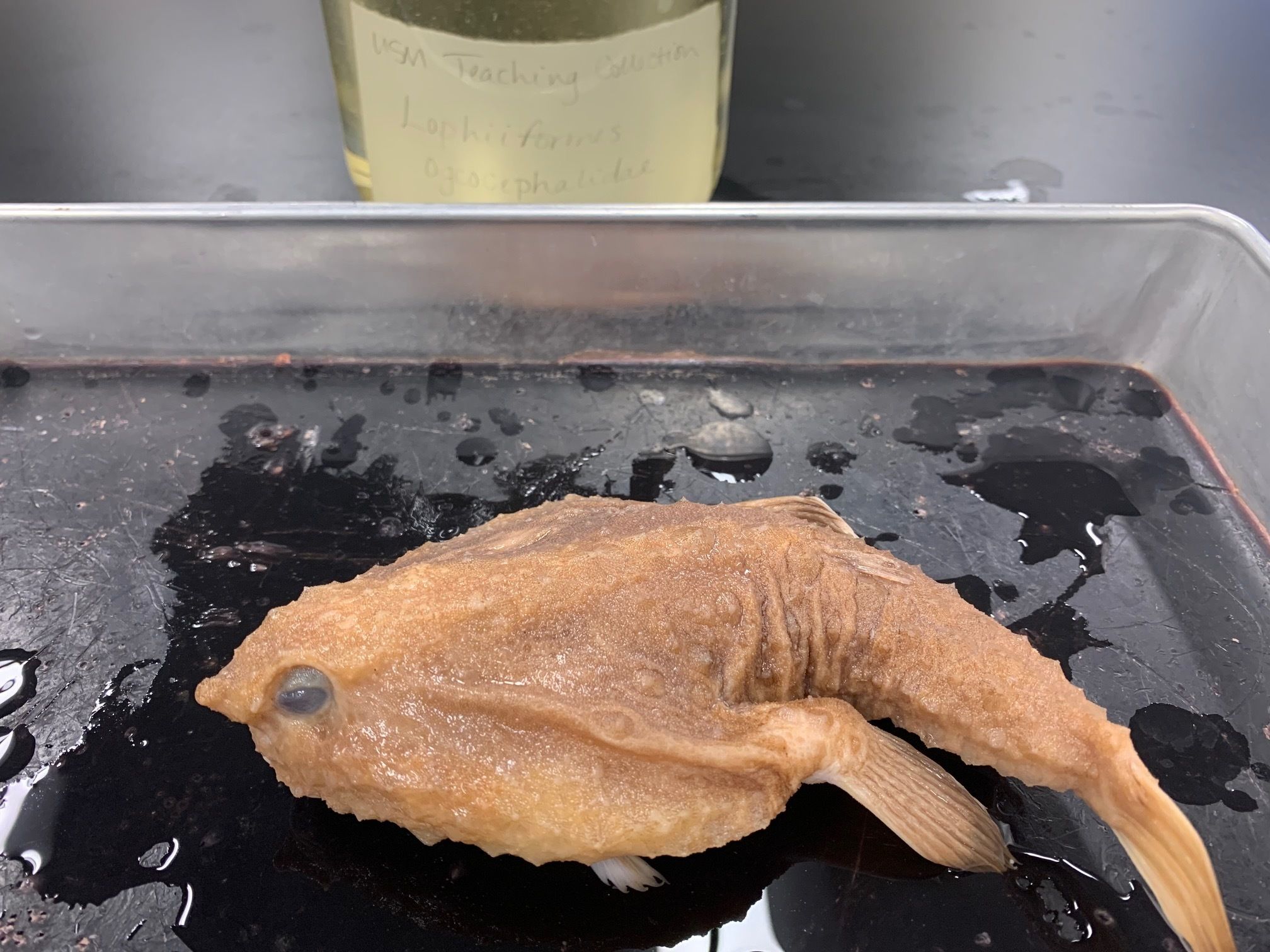
- 1919. algae eatersGyrinocheilidae
(i) No barbels
(ii) Inhalant aperature entering into gill chamber above exhalent aperature
(iii) 140 gill rakers
(iv) 39-43 lateral line scales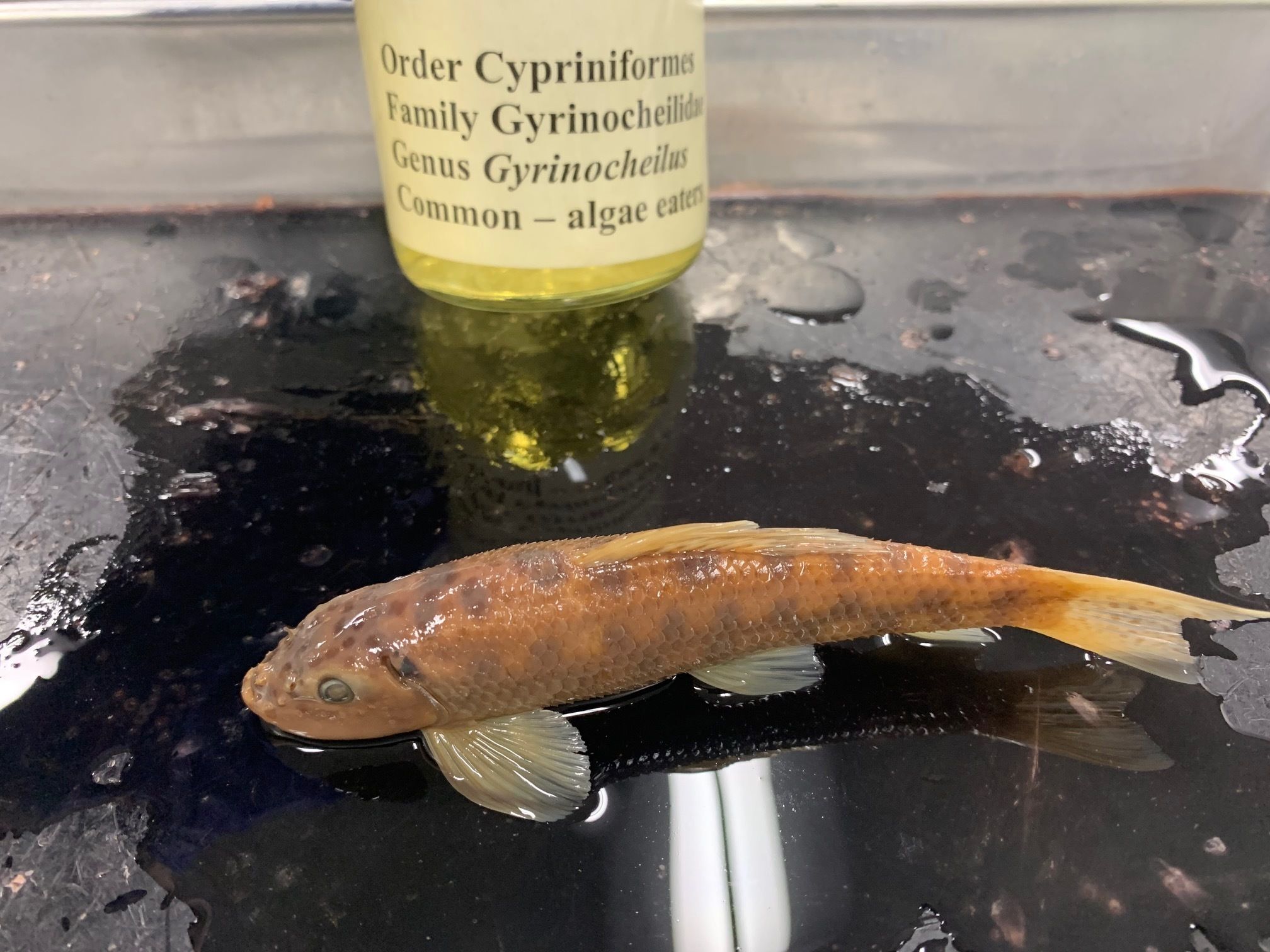
- 2020. lantern fishMyctophidae
(i) adipose fin present
(ii) photophores present
(iii) origin of anal fin under or behind dorsal fin base
(iv) mouth usually large and terminal
(v) operculum spiny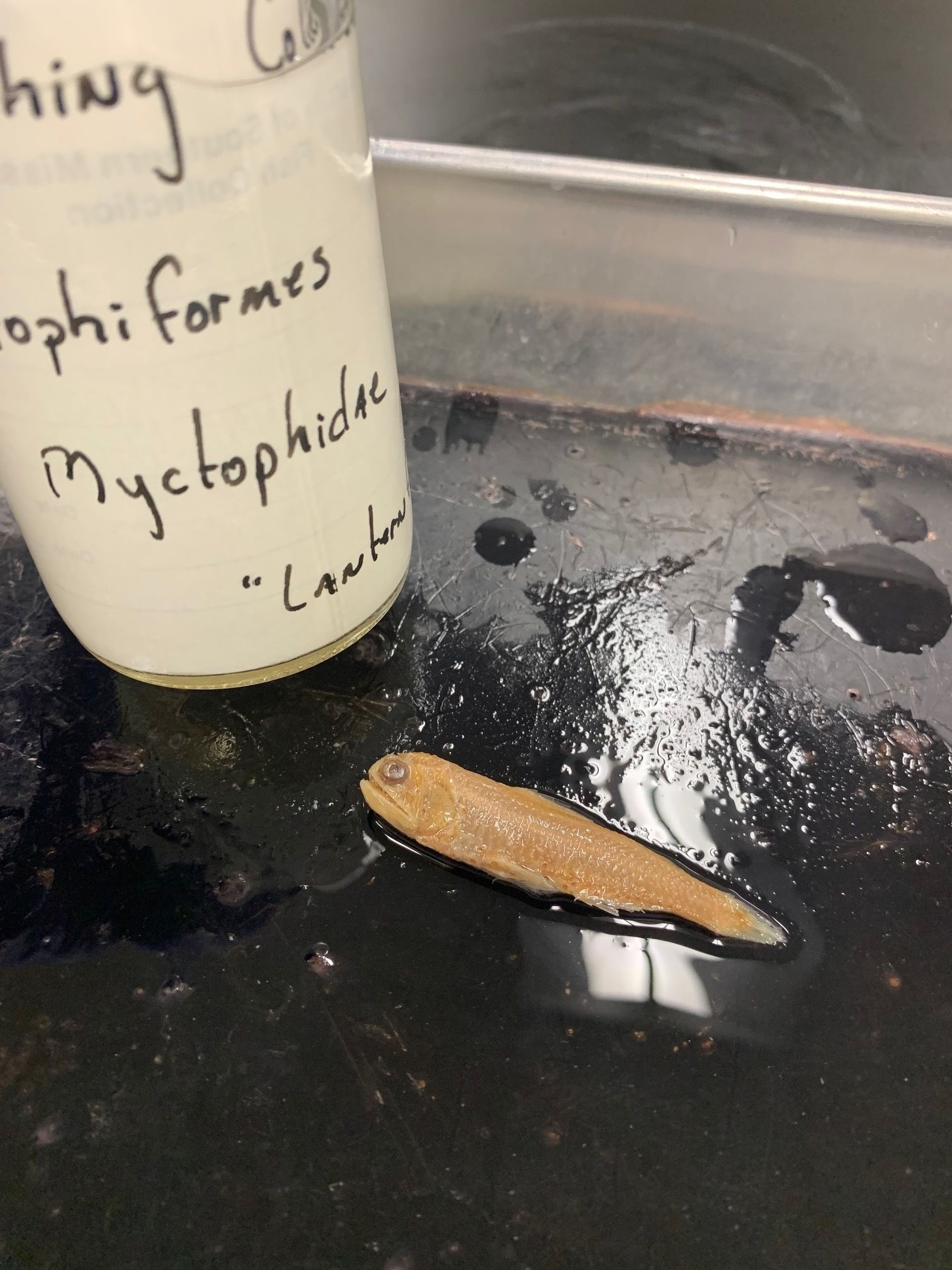
- 2121. flying fishExocoetidae
(i) jaws relatively short and equal
(ii) pectoral fins greatly enlarged
(iii) pelvic fins enlarged
(iv) lower lobe of caudal fin longer than upper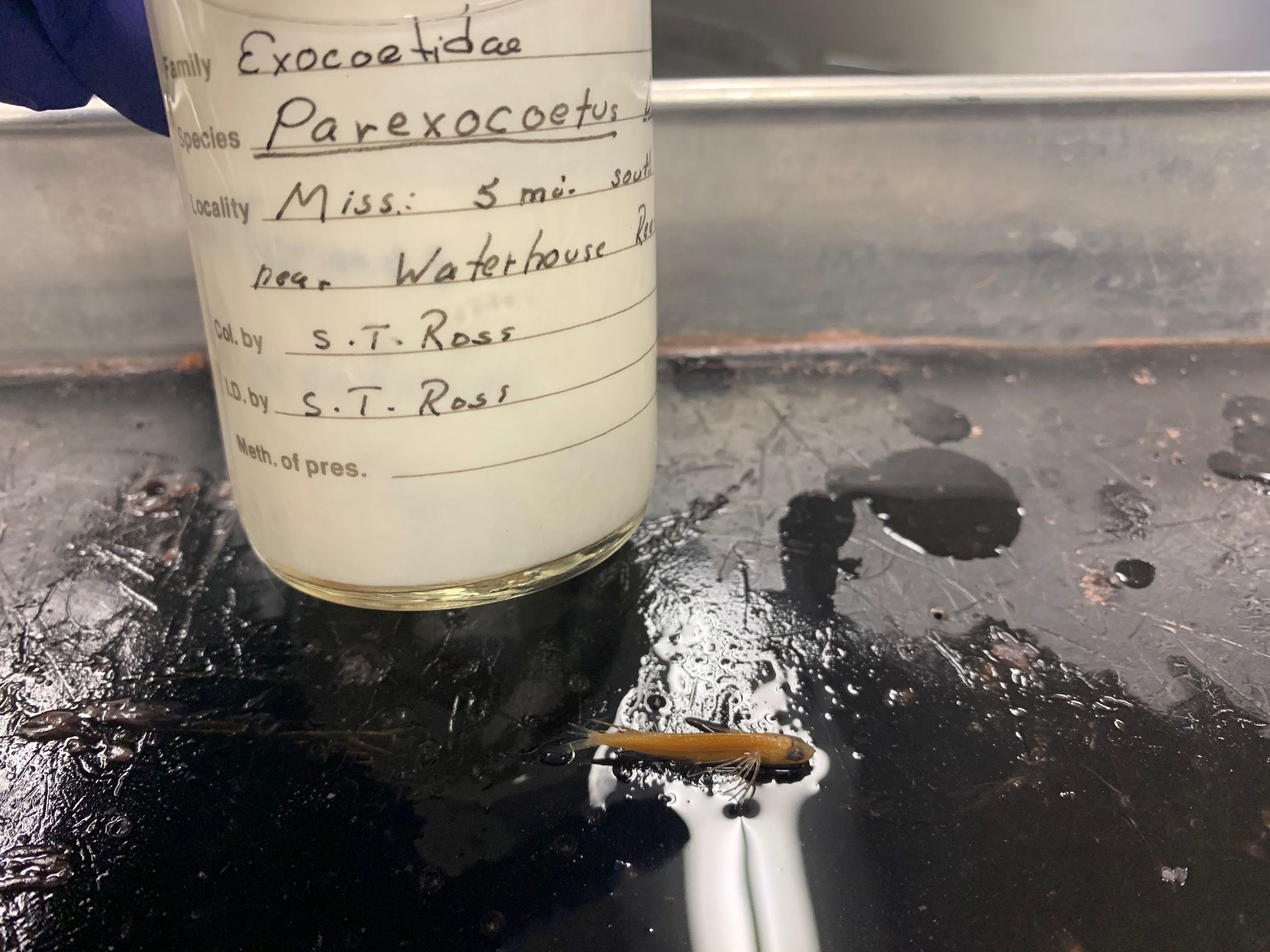
- 2222. GunnelsPholidae
(i) Dorsal fin with 75-100 spines, twice as long as anal fin
(ii) Pectoral fins small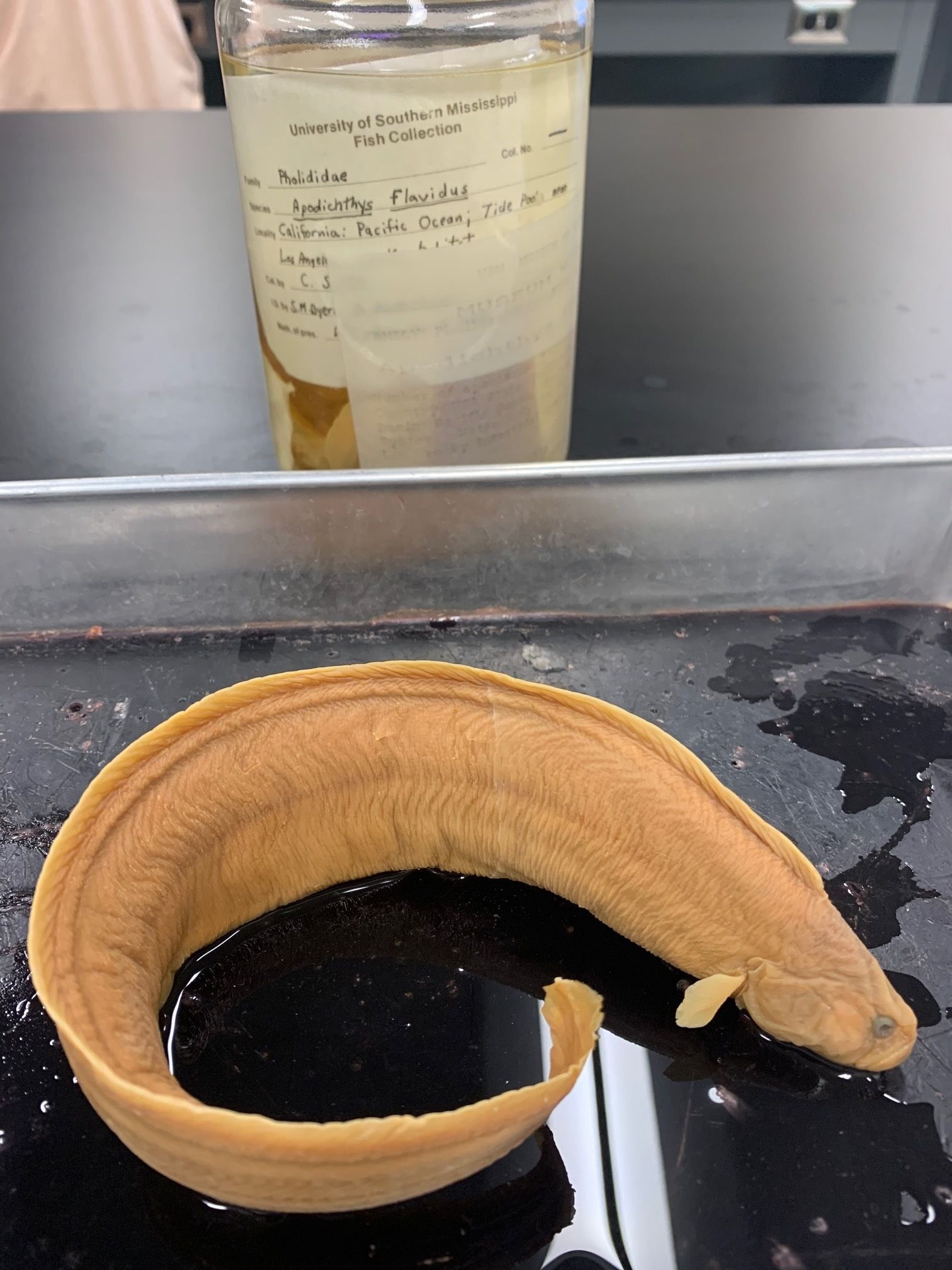
- 2323. toad fishBatrachoididae
(i) pelvic fins jugular
(ii) body lacking scales or with small cycloid scales
(iii) head broad, flattened, mouth wide
(iv) dorsal fin long, anterior portion with 2-3 spines
(v) pectoral fins broad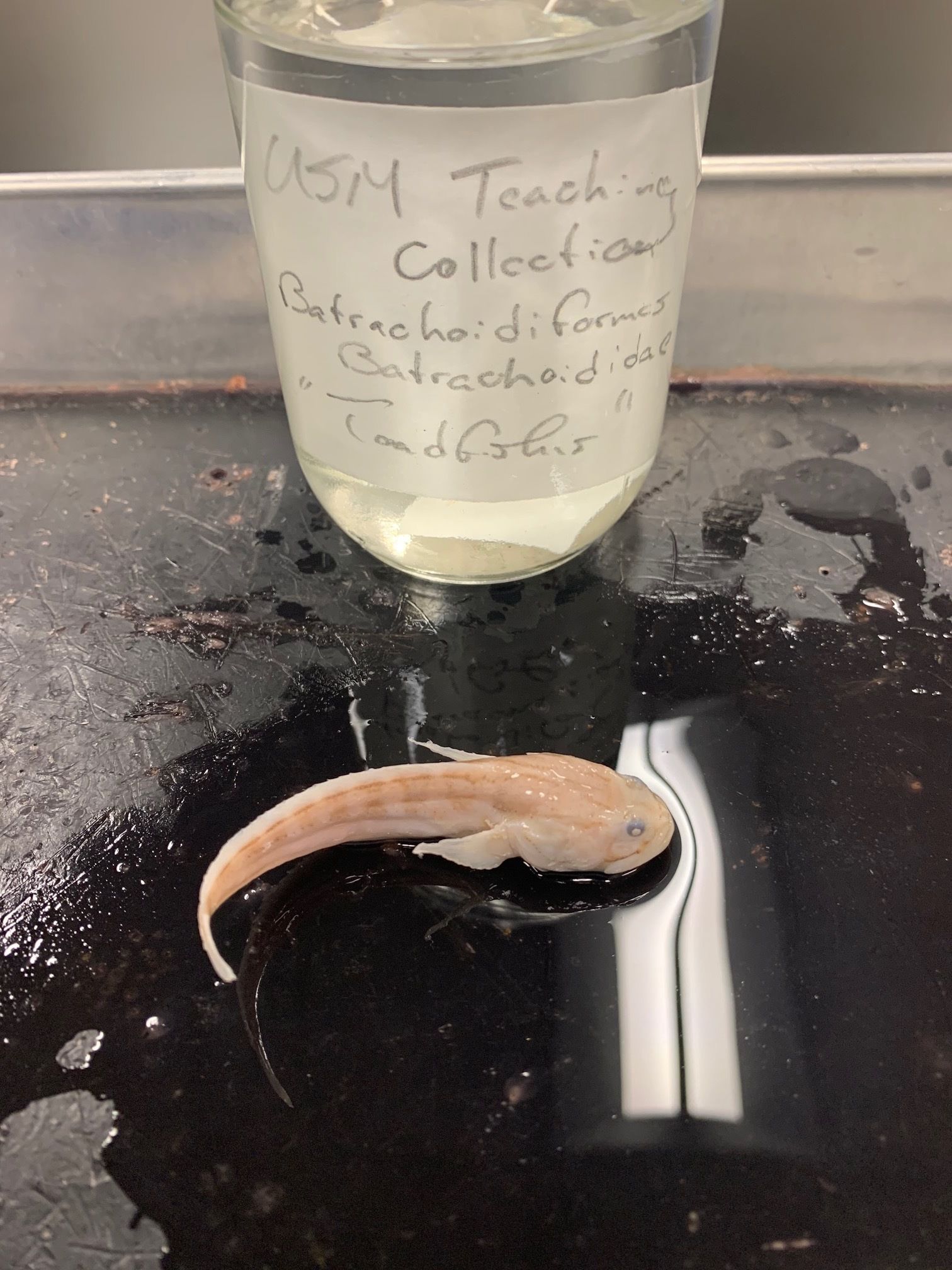
- 2424. frog fishAntennariidae
(i) body compressed
(ii) gill openings below base of pectoral fin
(iii) illicium with esca present
(iv) pectoral fins armlike; pelvic fins jugular
(v) 2-3 spines on head - 2525. ten pounders/lady fishElopidae
(a) leptocephalous larval stage with caudal fin
(b) median gular plate
(c) grooves present into which dorsal and anal fins can be depressed
(d) axillary scales above pectoral and pelvic fins
(e) small cycloid scales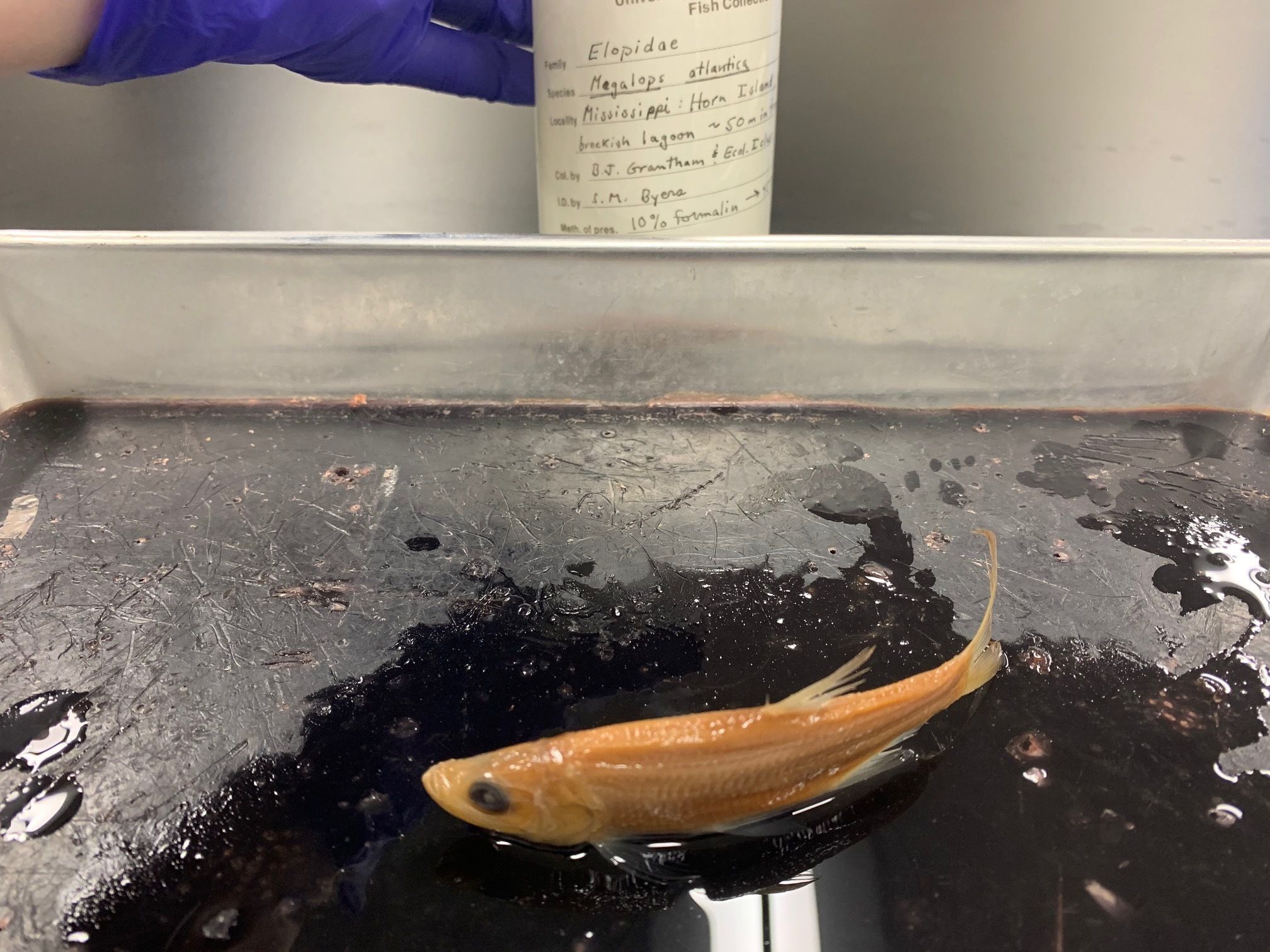
- 2626. needlefishBelonidae
(i) upper and lower jaws elongate (except in larvae & early juveniles) & with numerous needle-like teeth
(ii) pectoral fin short
(iii) pelvic fins abdominal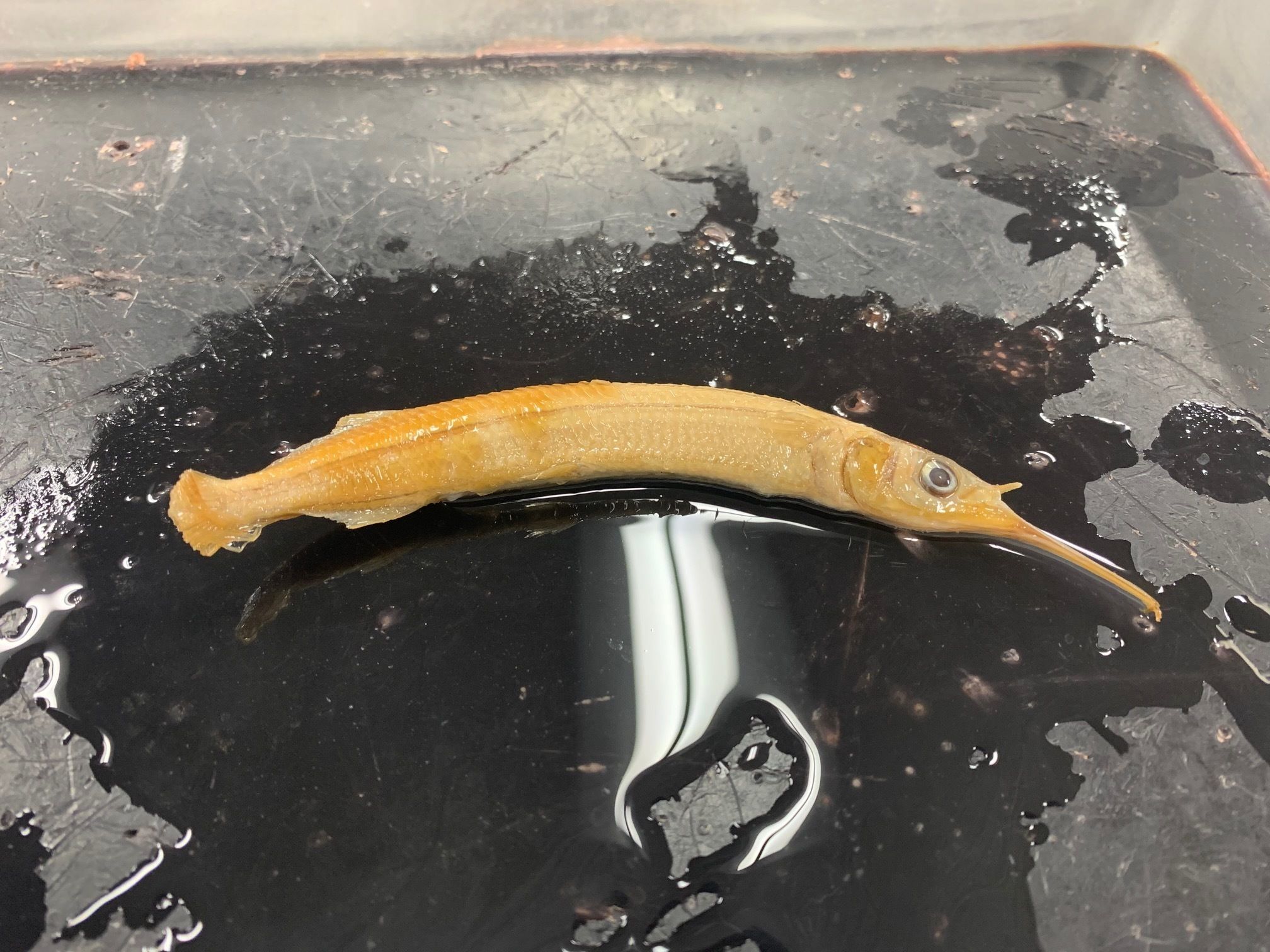
- 2727. minnows or carpsCyprinidae
(i) mouth bordered only by premaxillaries
(ii) pharyngeal teeth arranged in 1,2, or 3 rows
(iii) no more than 9 pharyngeal teeth in single row
(b) Family Psilorhynchidae-mountain carps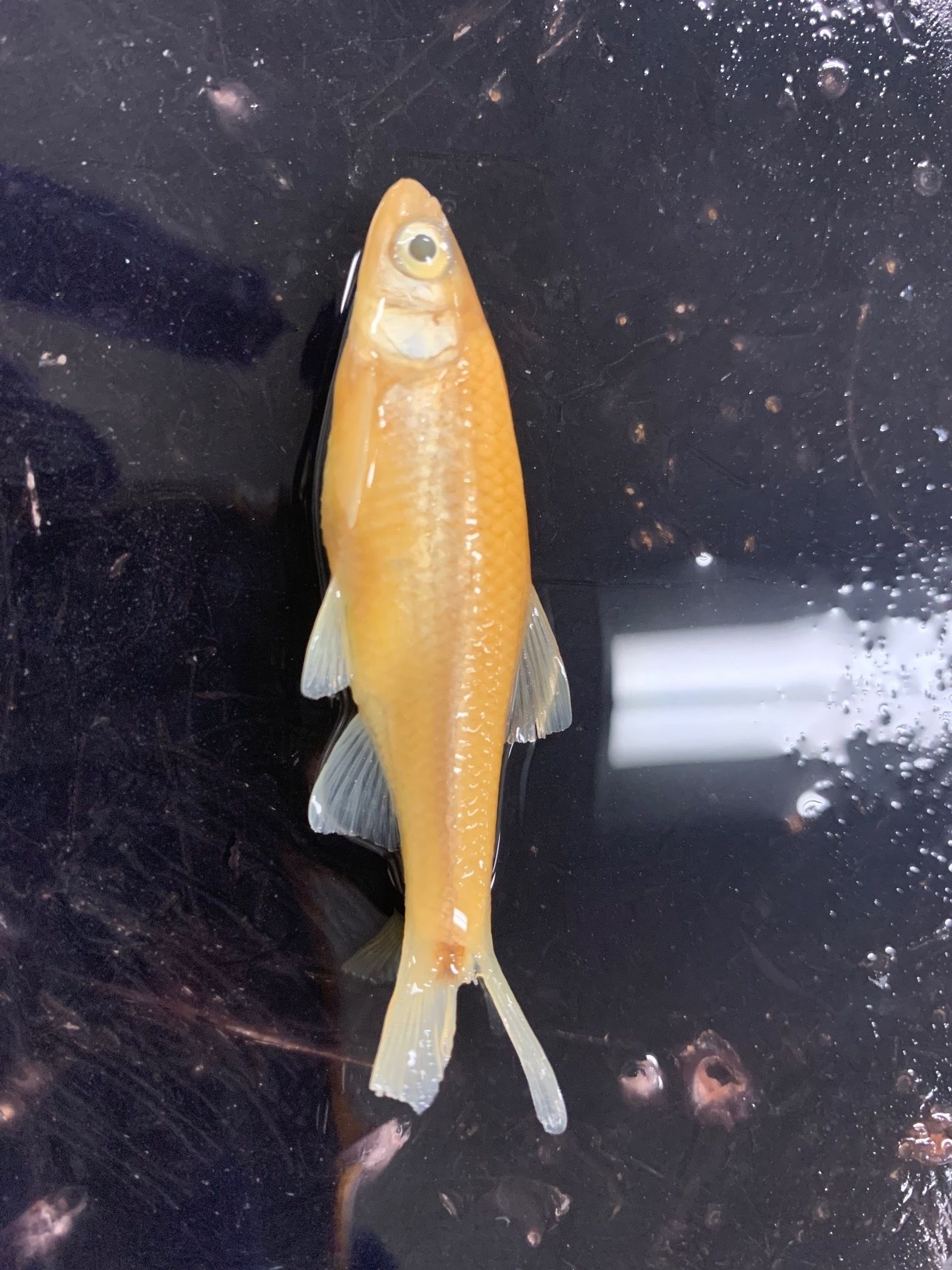
- 2828. tilefishesMalacanthidae
(i) Dorsal fin long and continuous
(ii) Single opercular spine
(iii) Caudal fin truncate or forked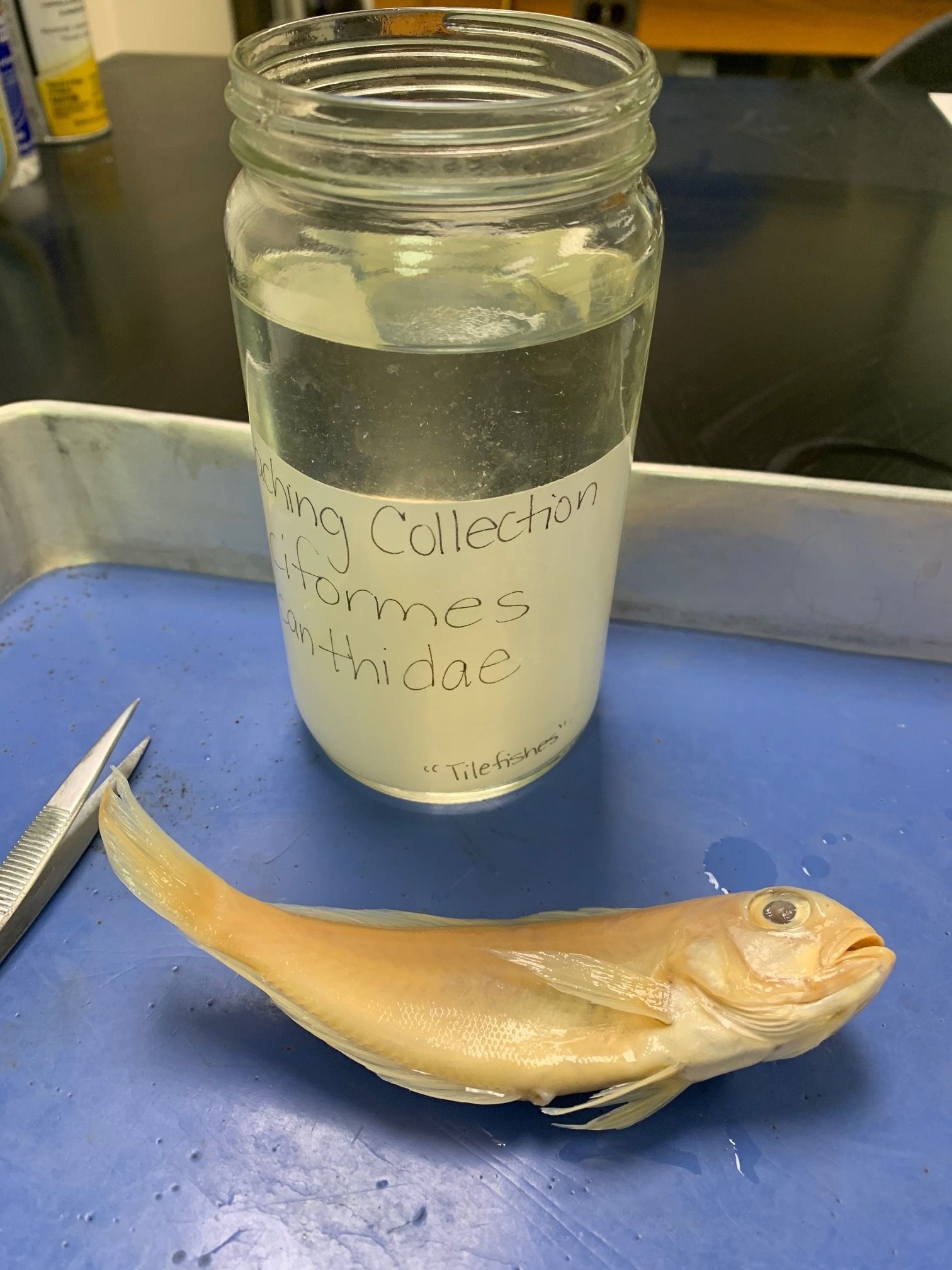
- 2929. Jacks and pompanosCarangidae
(i) anal fin has two free spines, detached from remainder of fin
(ii) caudal fin widely forked or lunate
(iii) scales small or absent; those along posterior portion of lateral line often developed into bony scutes
(iv) preopercle smooth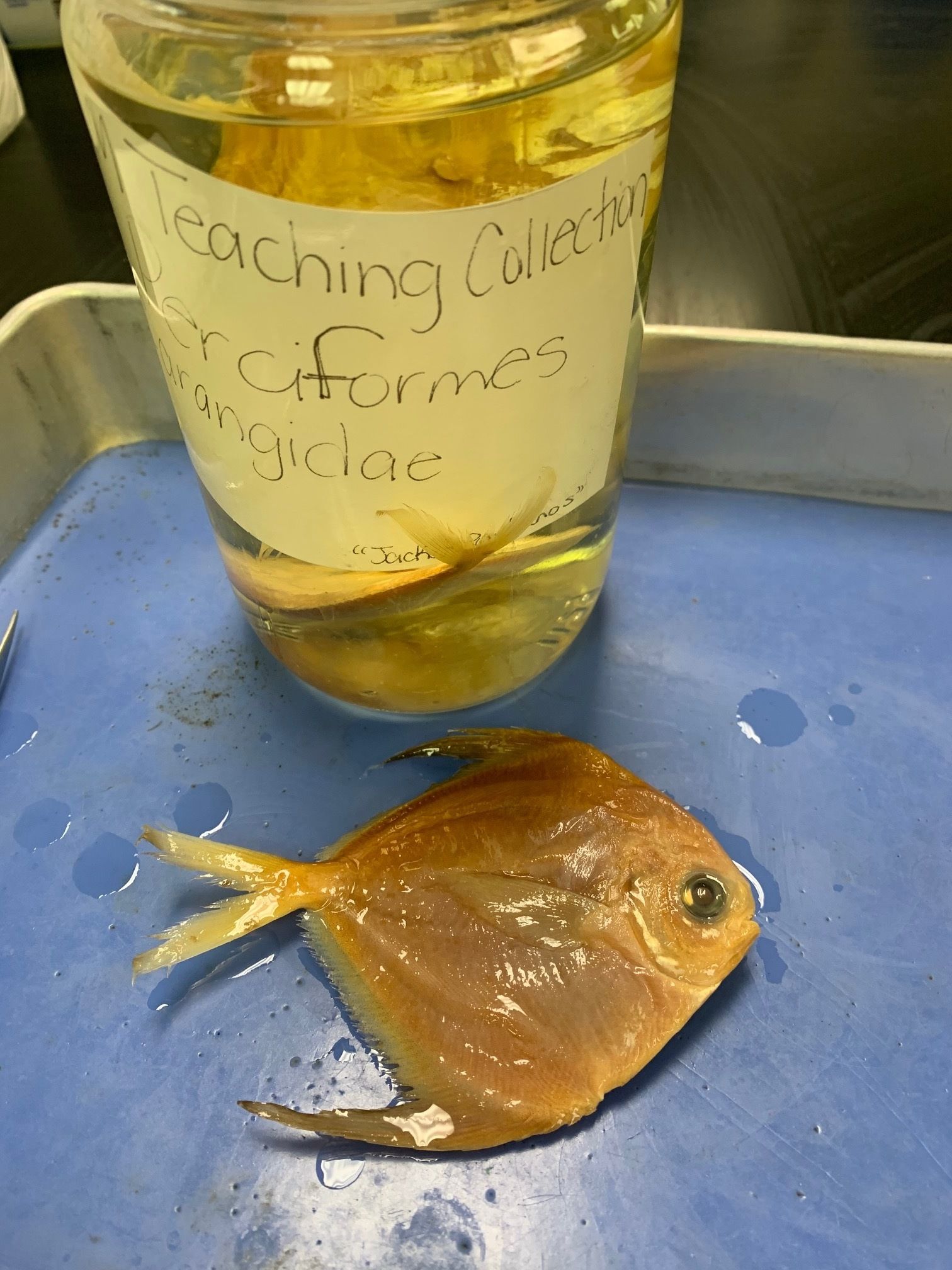
- 30SnappersLutjanidae
(i) dorsal fins continuous with shallow notch
(ii) enlarged canine teeth on jaws
(iii) maxillary slips under preorbital bone when mouth closed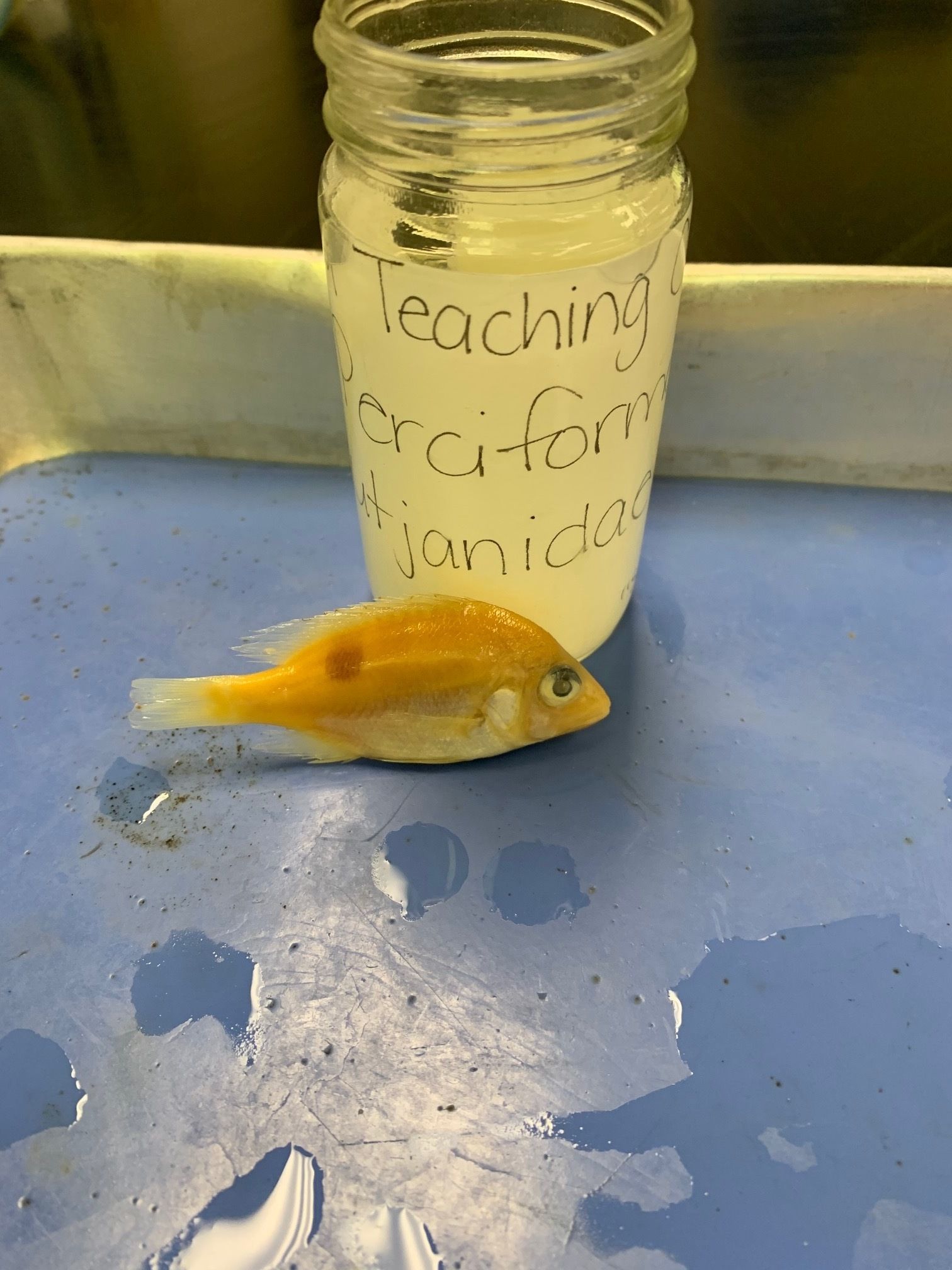
- 31—Rachycentridae
(i) dorsal fin preceded by row of short, separated spiones
(ii) body cylindrical, elongate
(iii) head depressed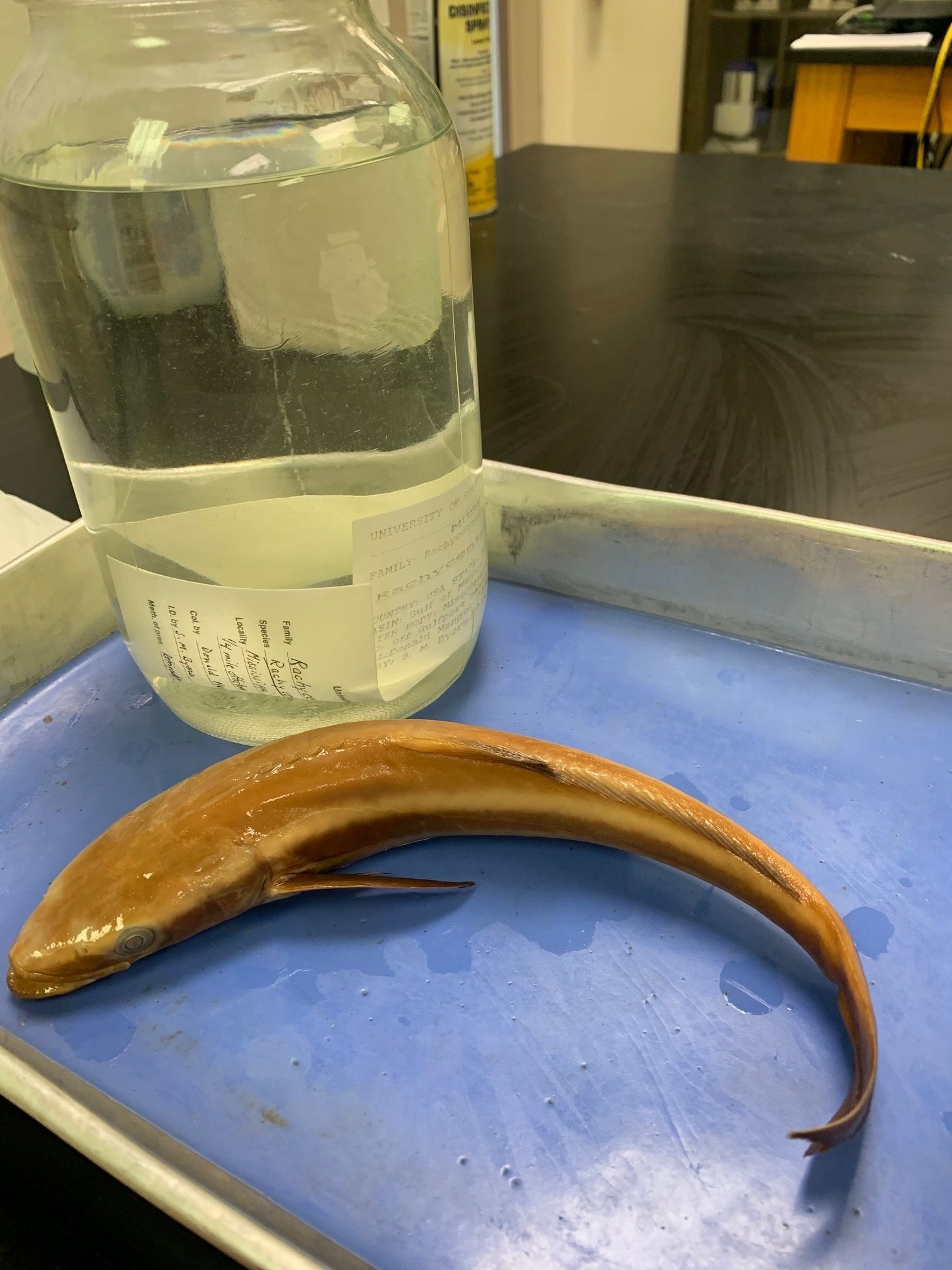
- 3232. remorasEcheneidae
(i) dorsal fin modified into sucking disk
(ii) head depressed, lower jaw projects beyond upper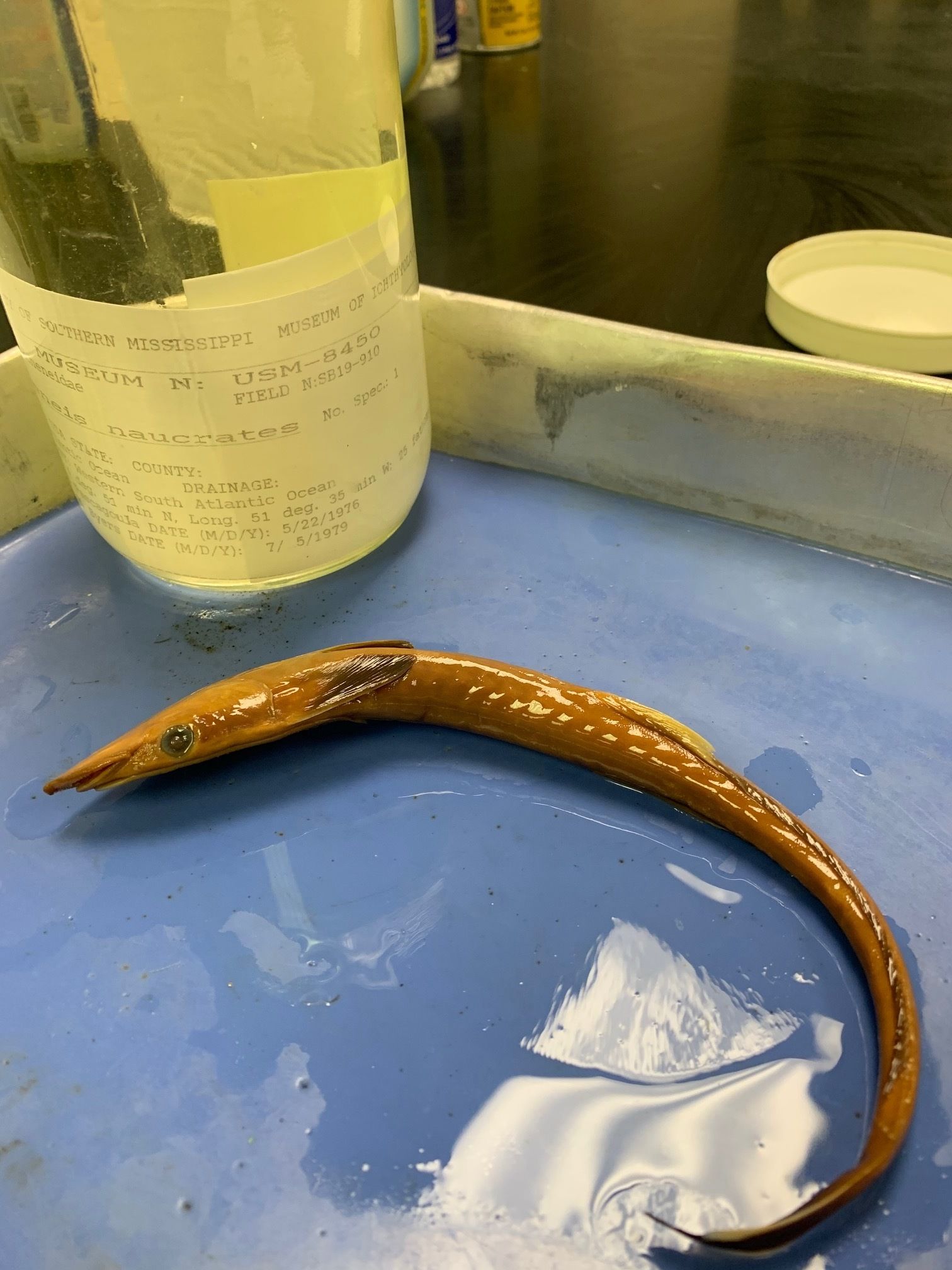
- 3333. tripletailsLobotidae
(i) dorsal and anal fin with rounded lobes, projecting posteriorly about equal to caudal fin
(ii) body laterally compressed
(iii) spinous & soft dorsal continuous (qq) Family Gerreidae-mojarras**
(i) mouth highly protrusile
(ii) dorsal fins continuous
(iii) caudal fin deeply forked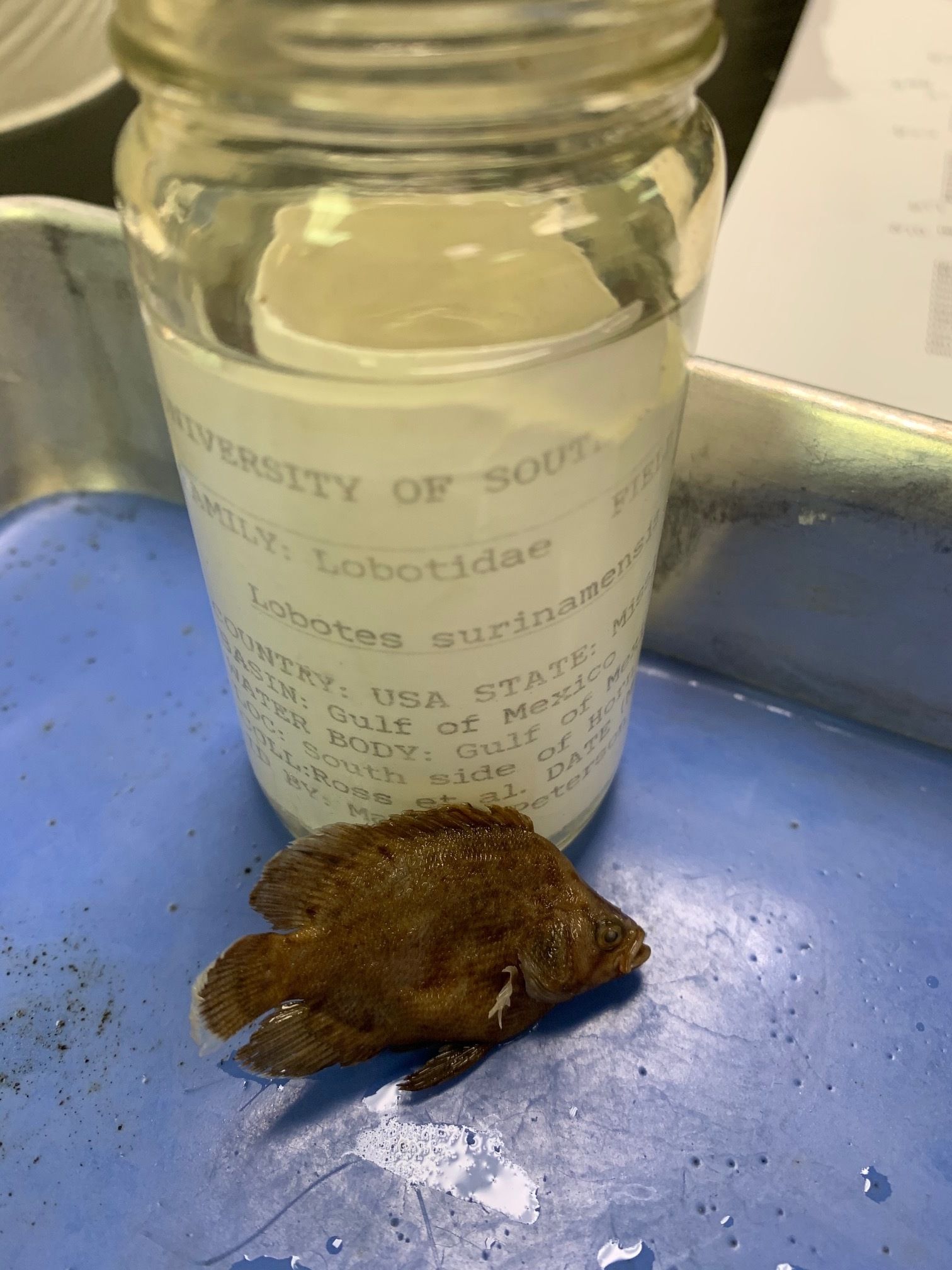
- 3434. butterfishStromateidae
(i) Deep body
(ii) Continuous dorsal fin
(iii) Forked tail
(iv) 2-6 anal rays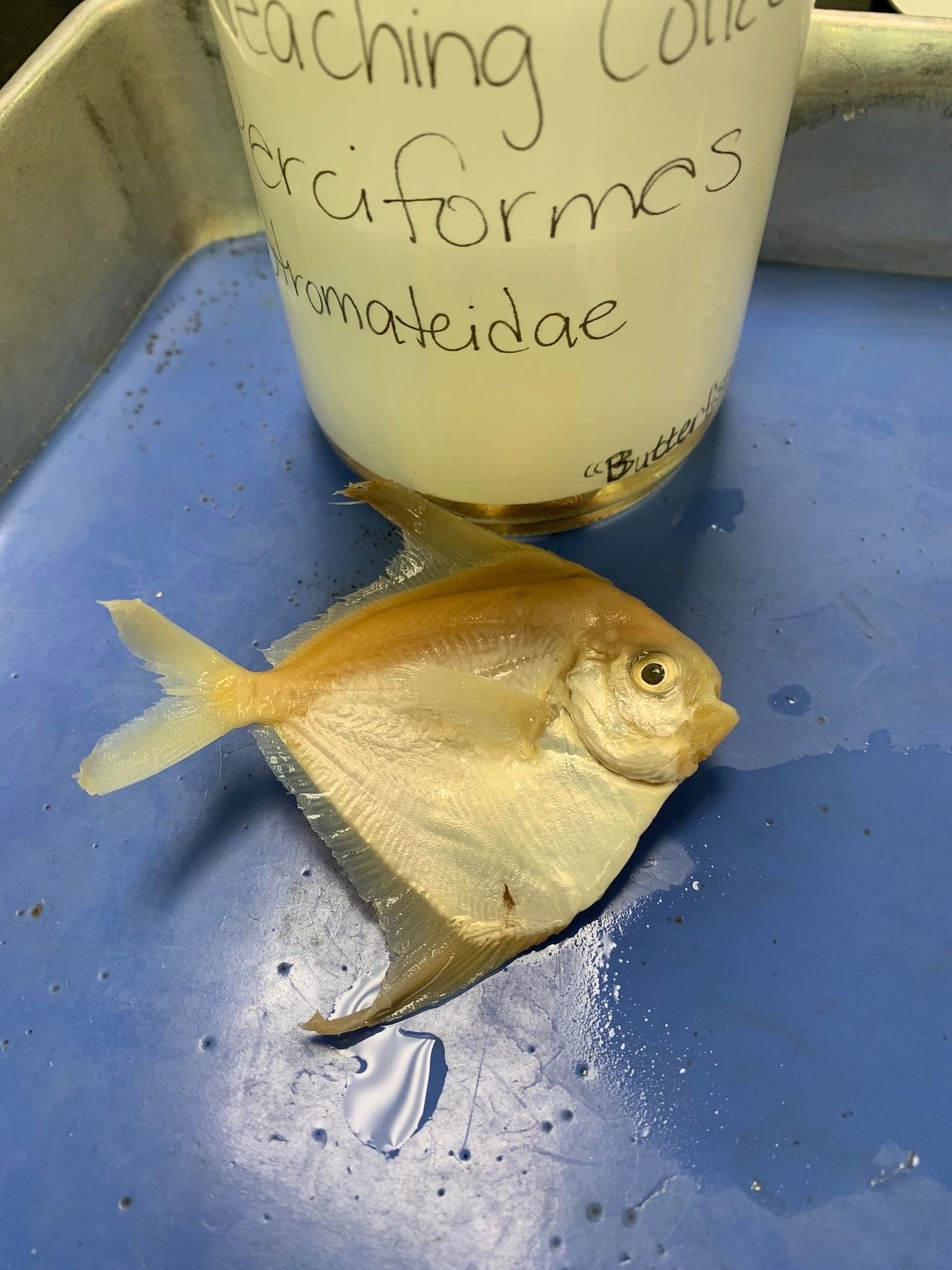
- 3535. scorpionfishScorpaenidae
(i) head usually armed with spines and ridges
(ii) two spines on opercle
(iii) preopercle with 5 spines or points
(iv) anal fin with 1-4 pungent spines
(v) gill membranes not joined to isthmus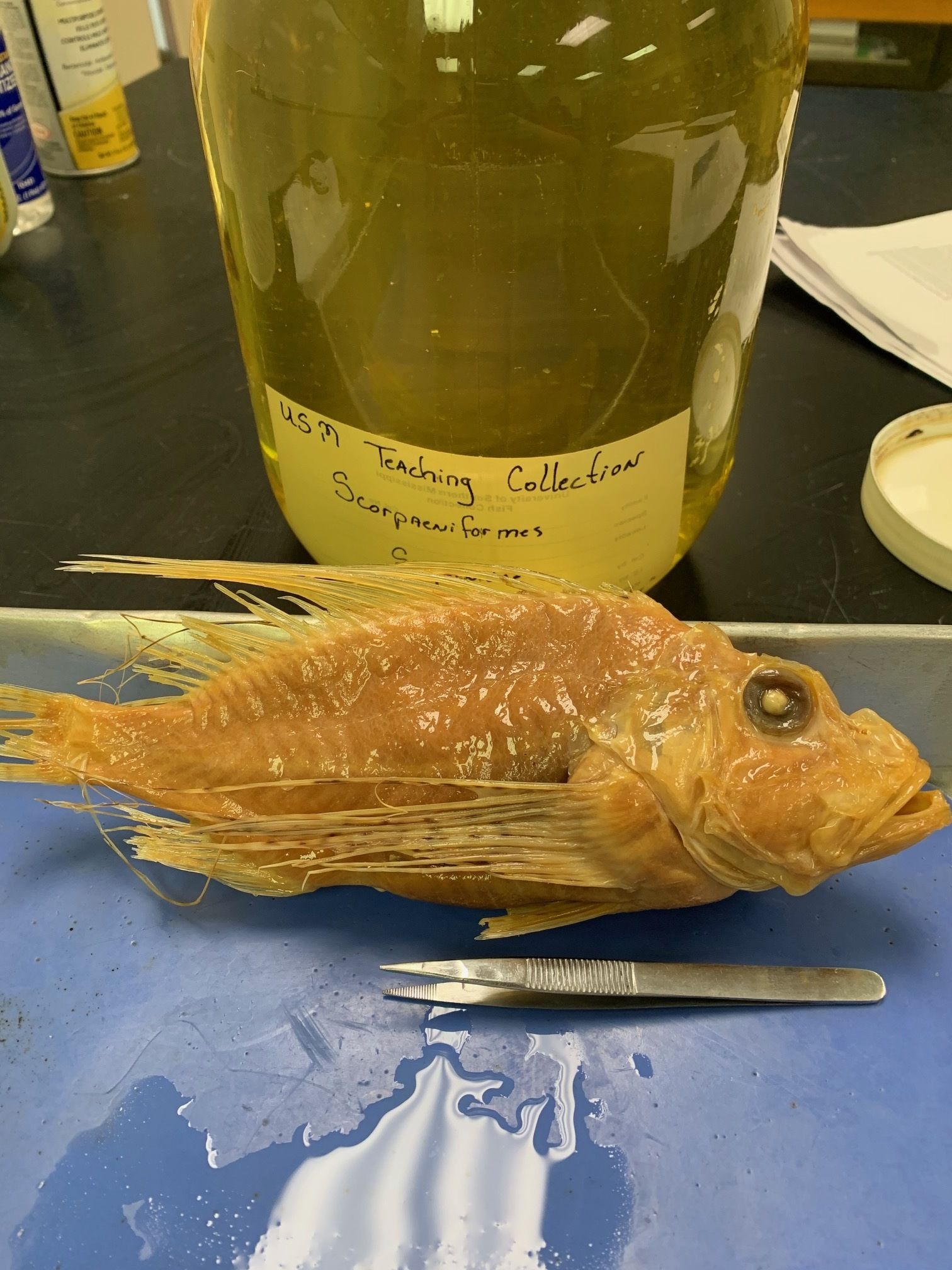
- 3636. sea bassesSerranidae
(i) maxillary exposed with mouth closed
(ii) supramaxillary present
(iii) pseudobranch well developed
(iv) mouth typically large with canine teeth
(v) dorsal fins usually connected or with a deep notch, rarely separate
(vi) preopercle serrated
(vii) lateral line complete and continuous
(viii) caudal fin rounded, truncate, or lunate; rarely forked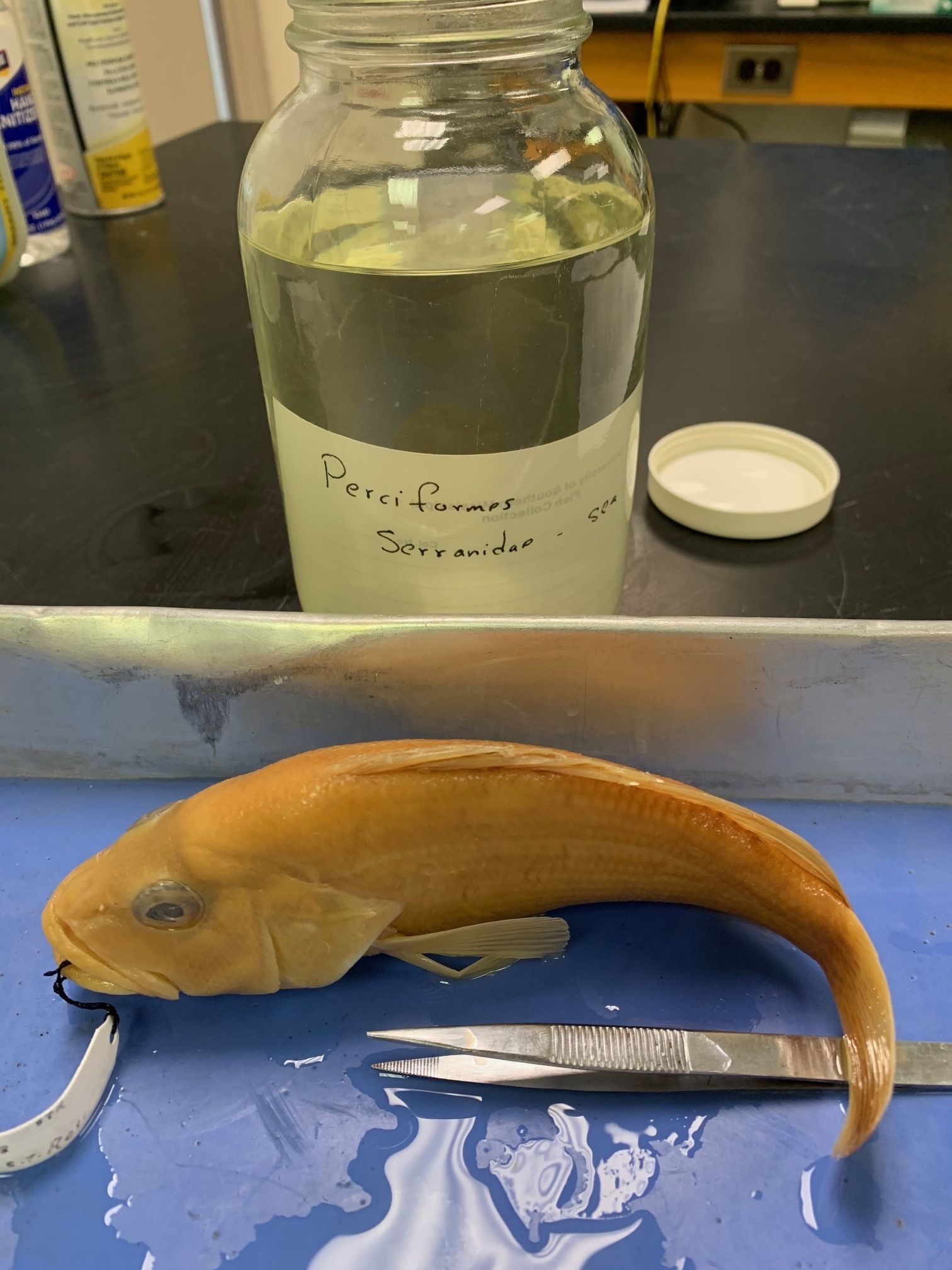
- 3737. sticklebacksGasterosteidae
(i) 3-9 dorsal spines
(ii) lateral bony plates generally present in most populations
(iii) pelvic fins reduced to single stout spine with 1-2 soft rays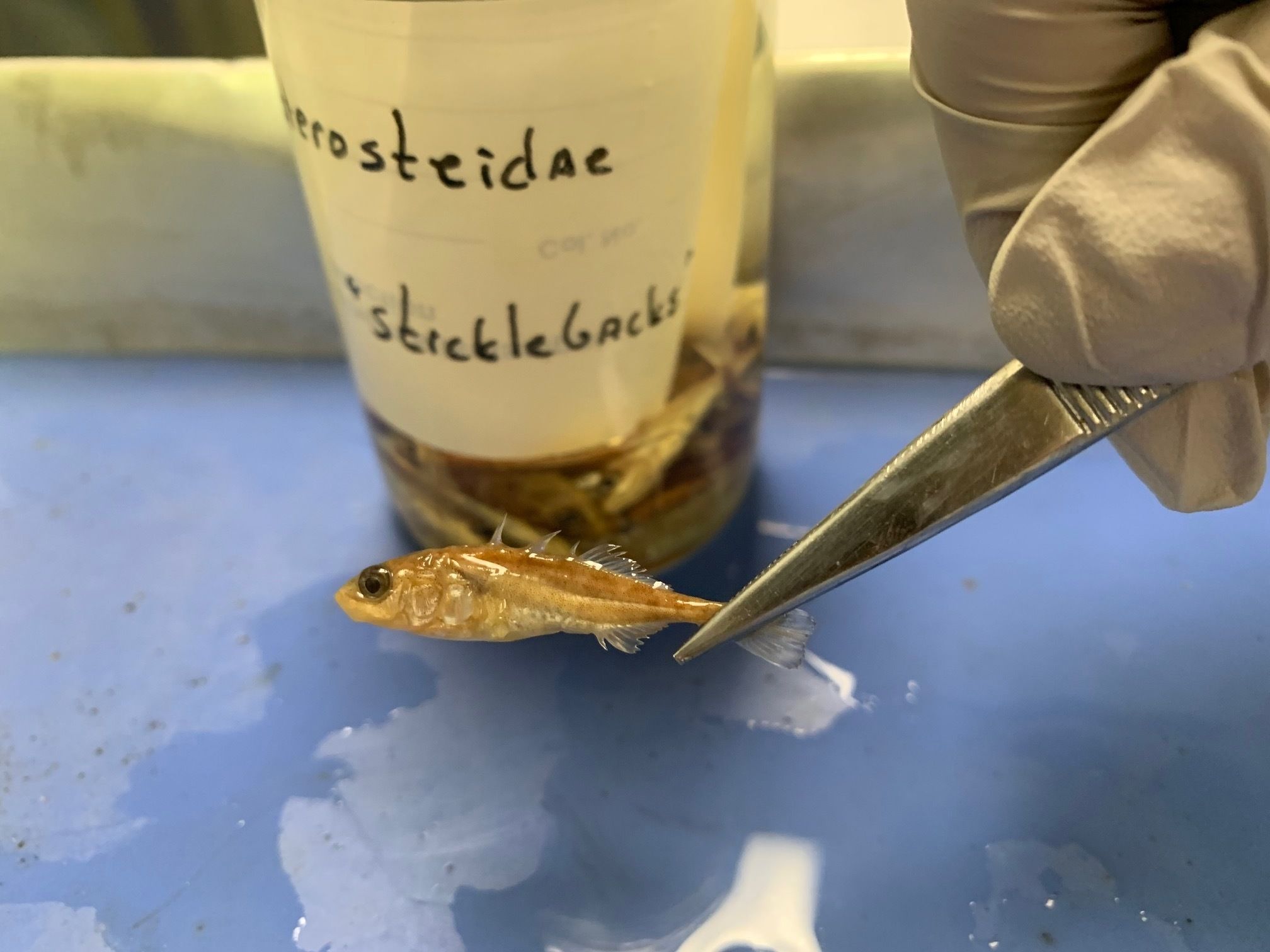
- 3838. gruntsHaemulidae
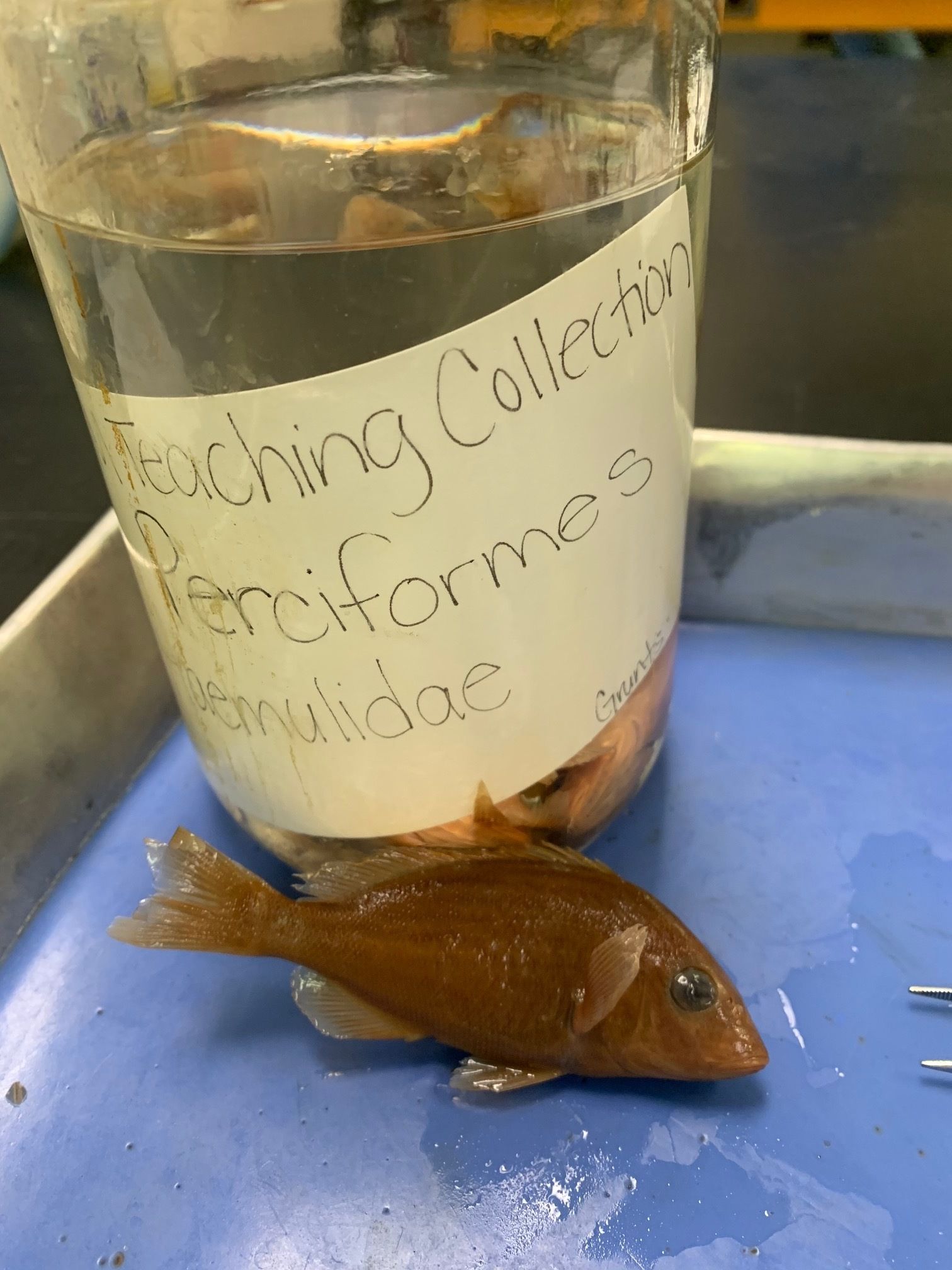
- 3939. pikesEsocidae
(i) snout elongate
(ii) caudal fin forked
(iii) mouth large, teeth of lower jaw strong & erect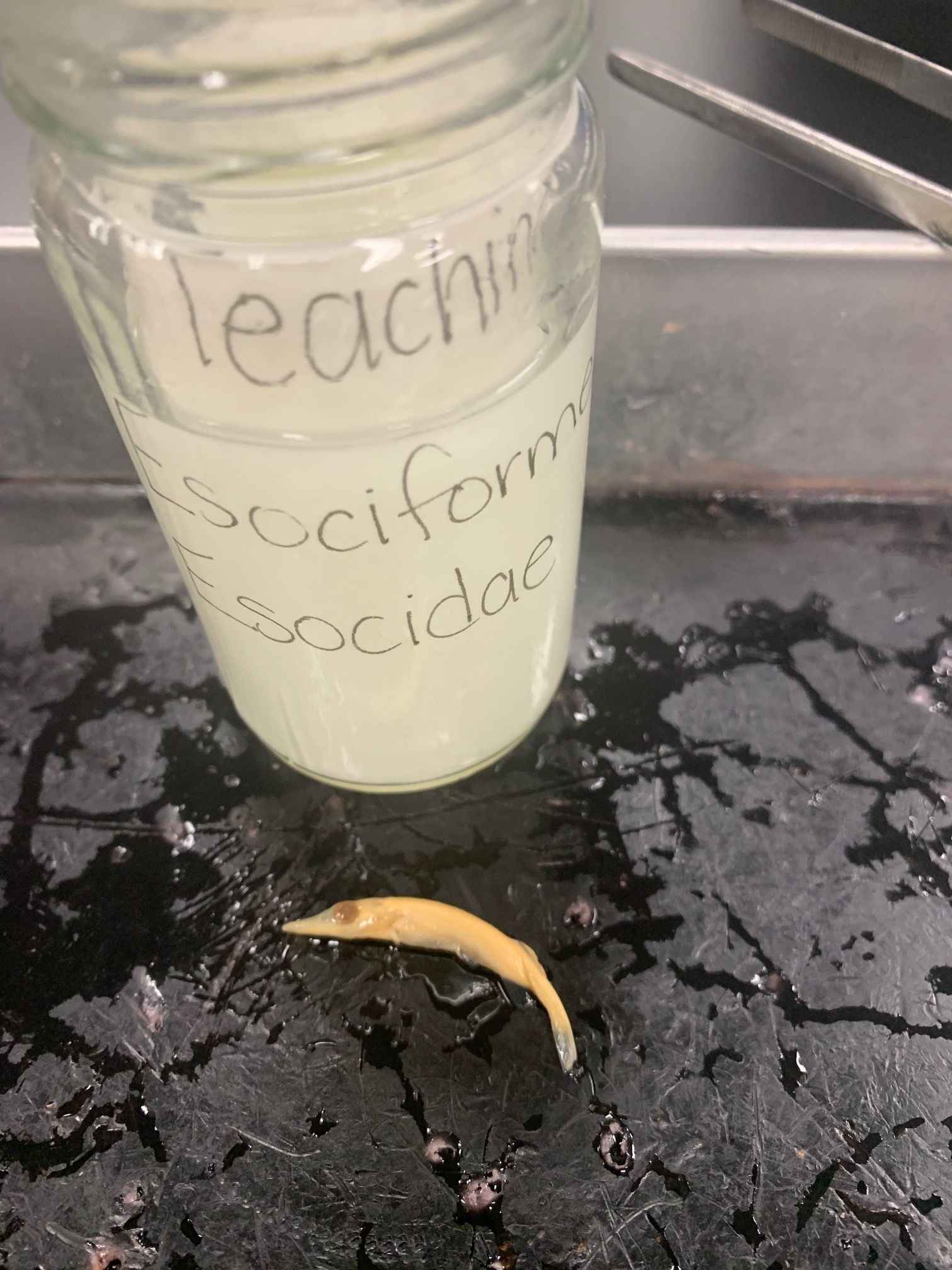
- 4040. frogfishAntennariidae
(i) body compressed
(ii) gill openings below base of pectoral fin
(iii) illicium with esca present
(iv) pectoral fins armlike; pelvic fins jugular
(v) 2-3 spines on head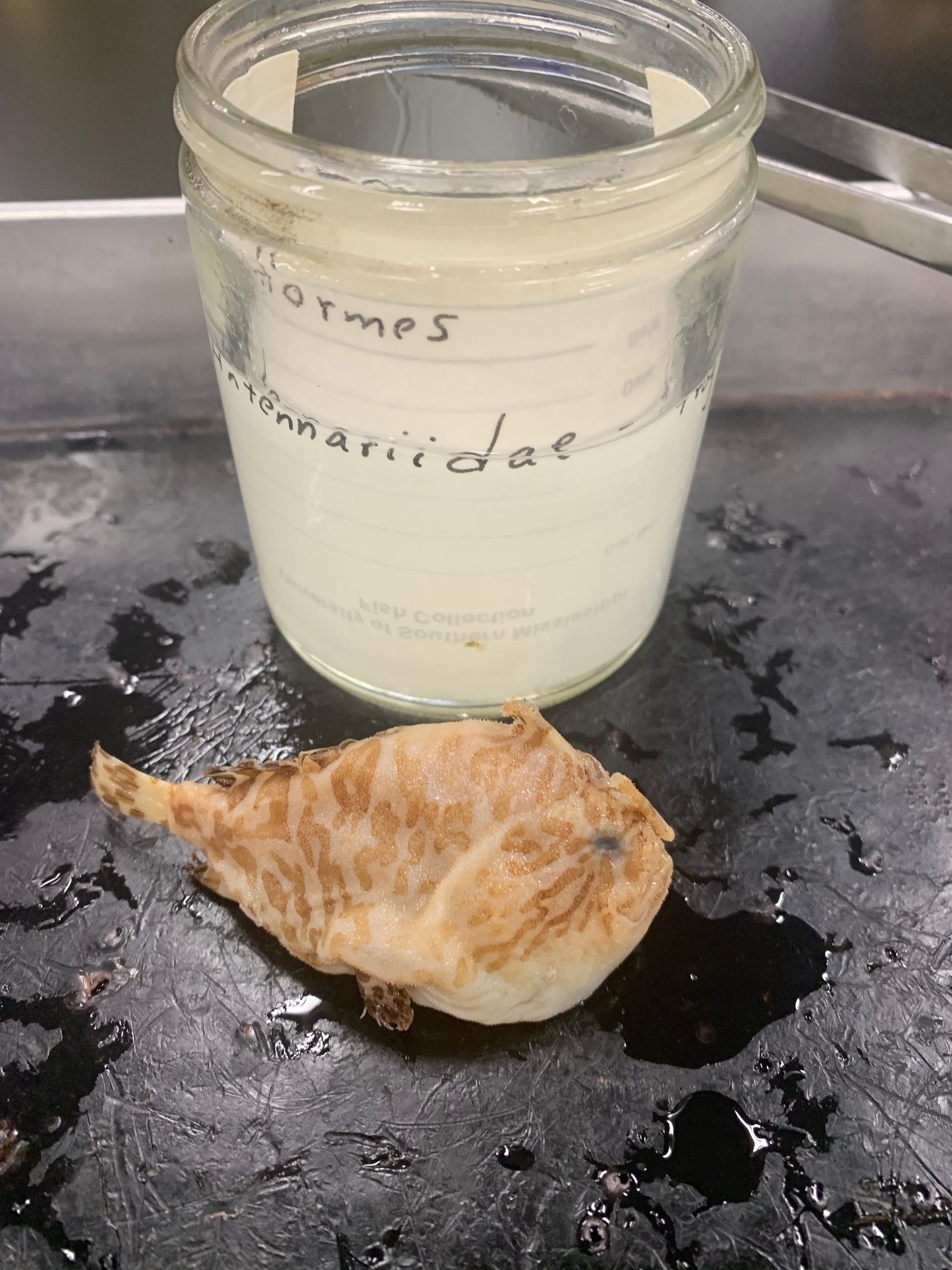
- 4141. marine hatchetfishSternoptychidae
(i) body deep and extremely compressed
(ii) mouth nearly vertical
(iii) abdominal keel-like structure
(iv) tubular eyes
(v) photophores present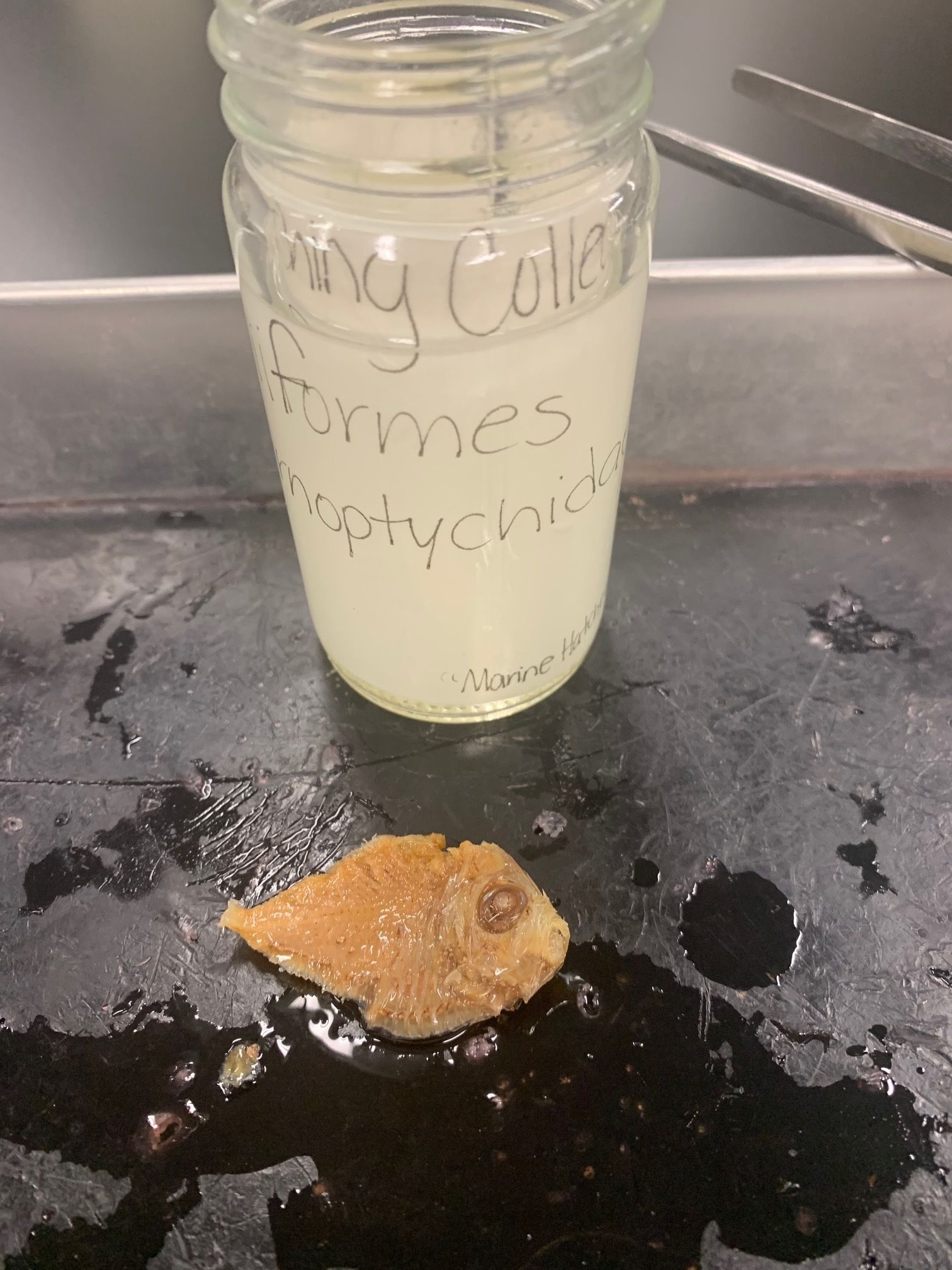
- 4242. pirate perchAphredoderidae
(i) ctenoid scales; sides of head with scales
(ii) anus on throat in adults
(iii) dorsal fin with 3-4 spines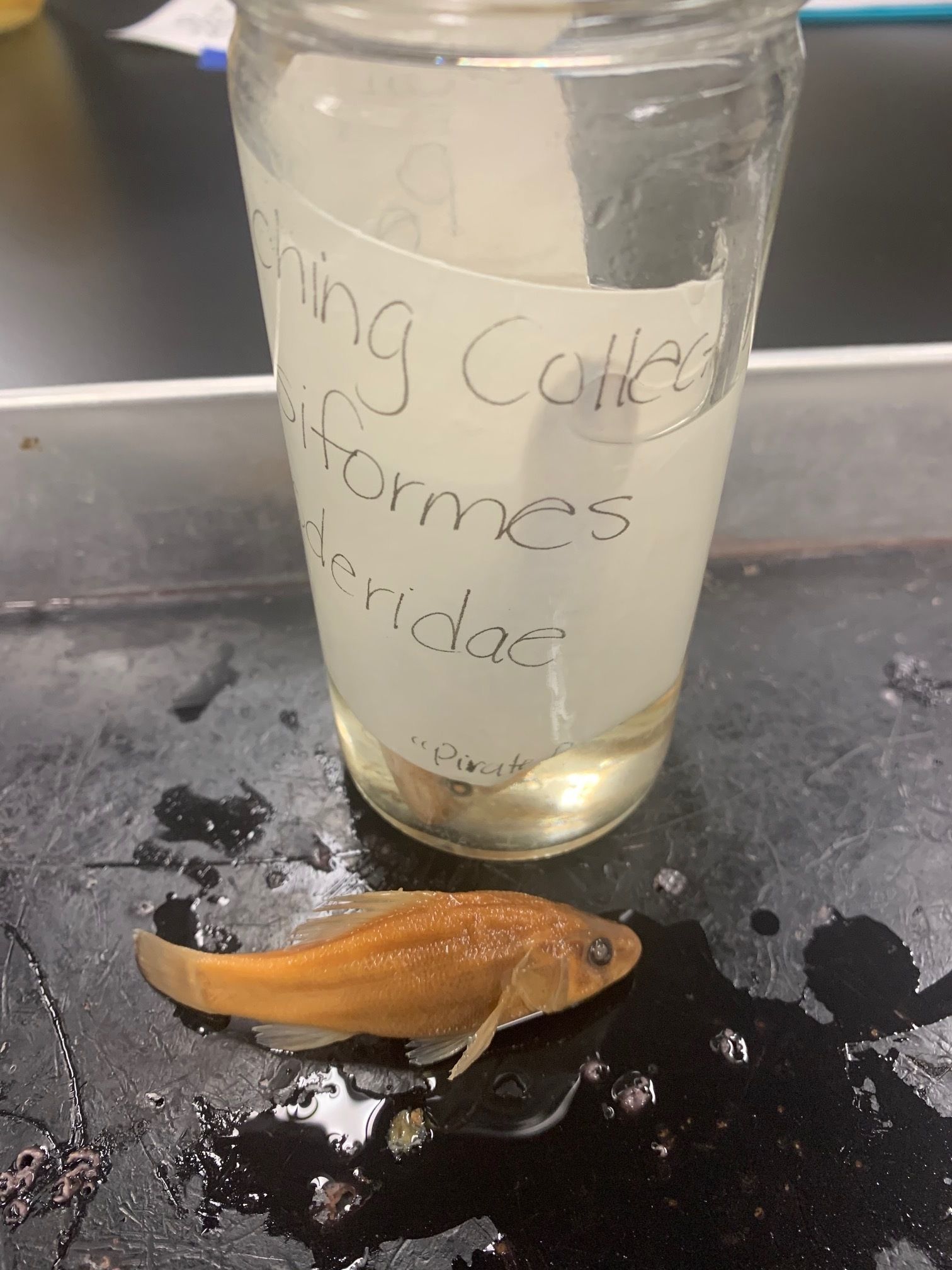
- 4343. new world silversidesAtherinopsidae
(i) spinous dorsal present with 3-9 spines
(ii) anal fin usually preceded by a spine
(iii) body with prominent silvery lateral band (black in preserved specimens) (iv) premaxillaries very protractile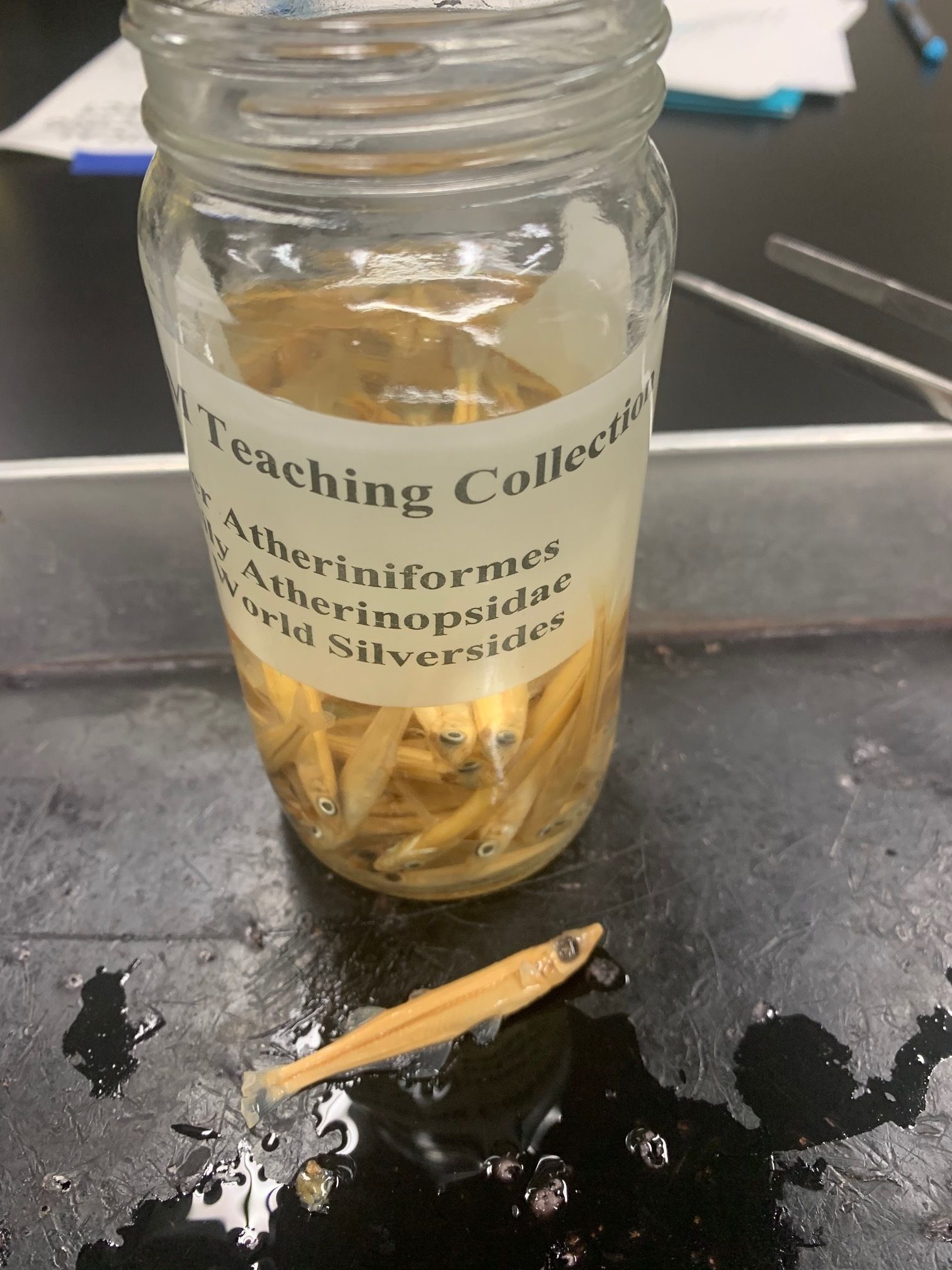
- 4444. halfbeaksHemiramphidae
(i) lower jaw prolonged into beak; upper jaw short
(ii) pectoral and pelvic fins short
(iii) third pair of pharyngeal bones fused and enlarged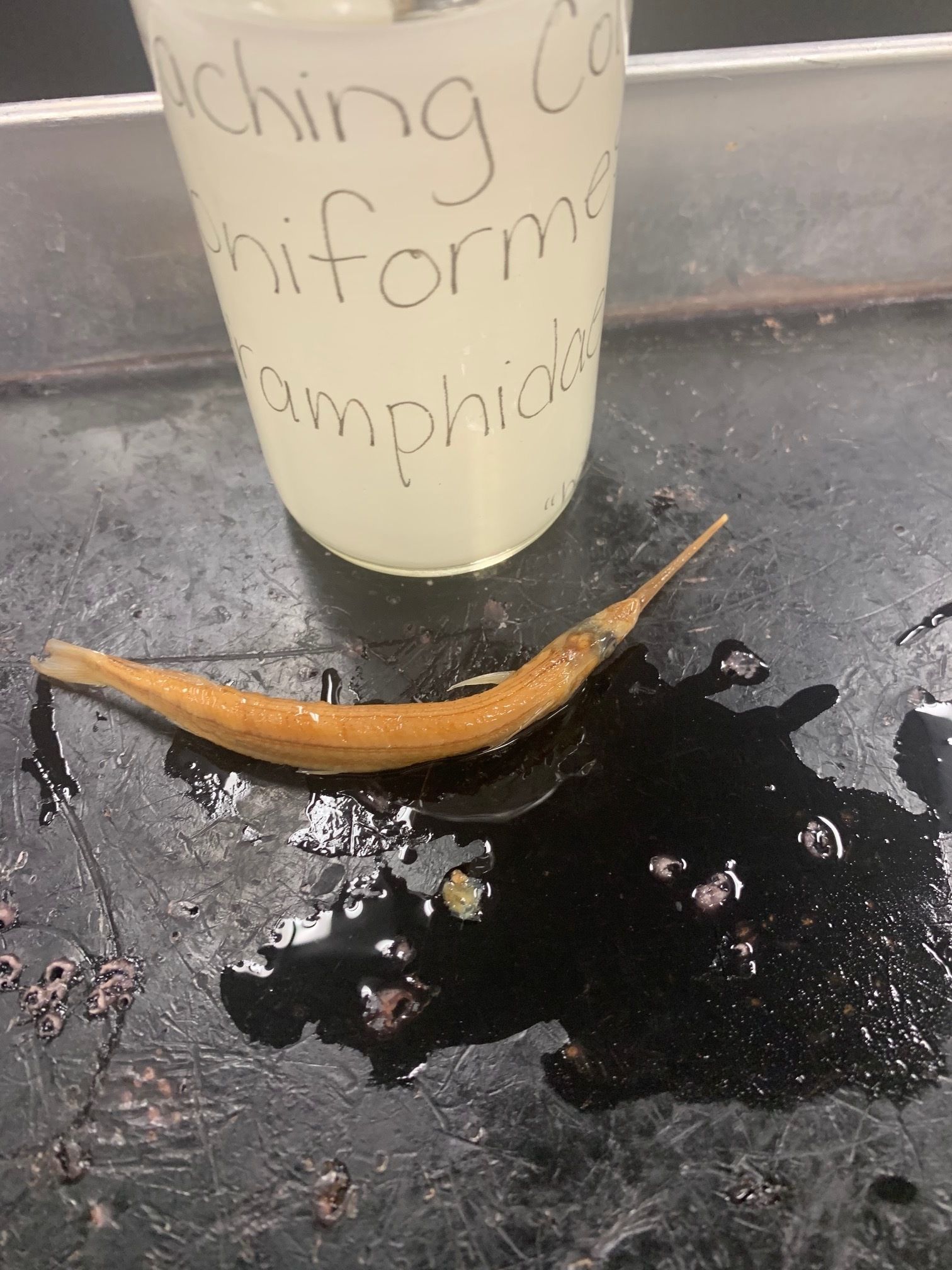
- 45—Exocoetidae
(i) jaws relatively short and equal
(ii) pectoral fins greatly enlarged
(iii) pelvic fins enlarged
(iv) lower lobe of caudal fin longer than upper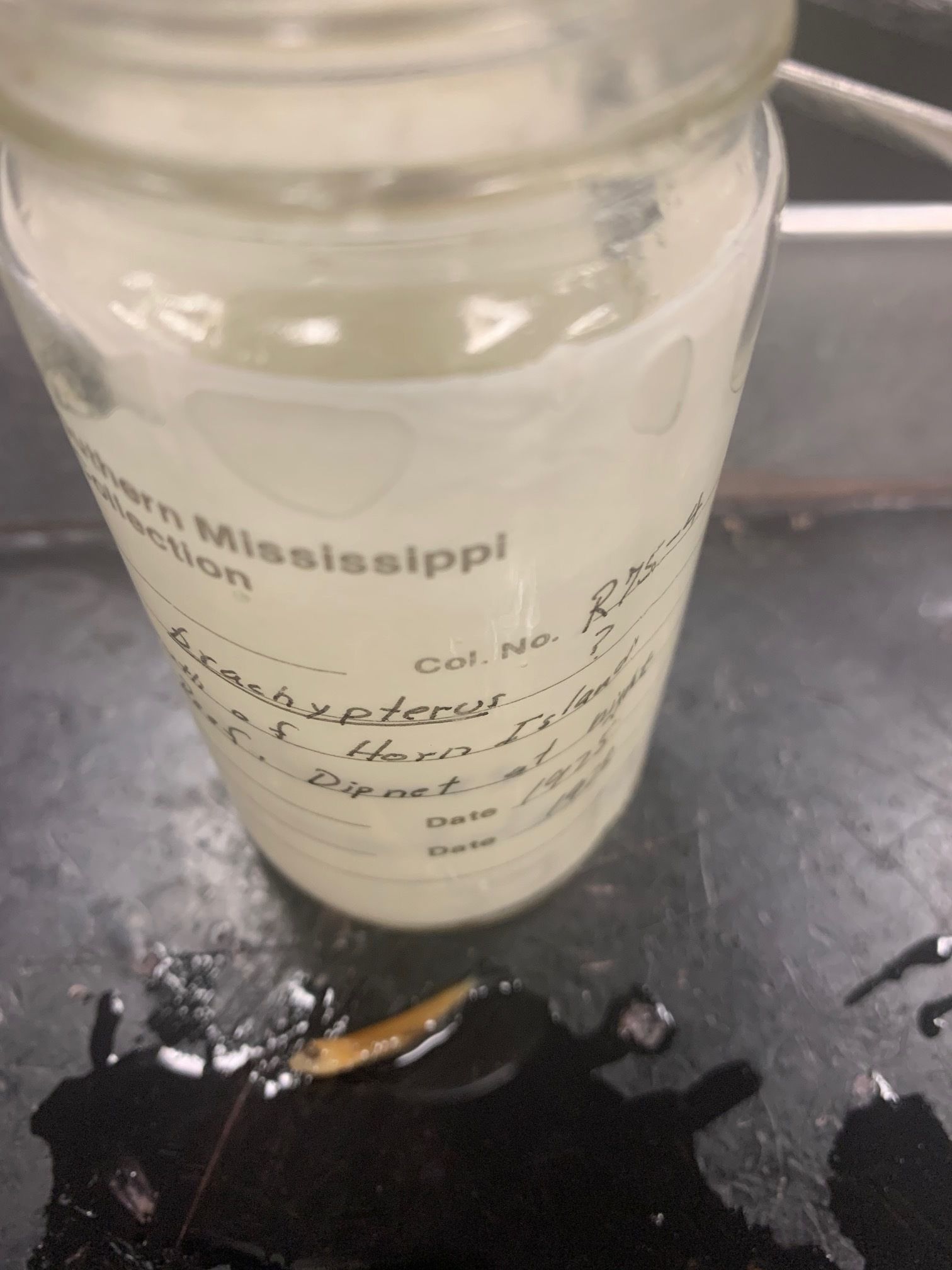
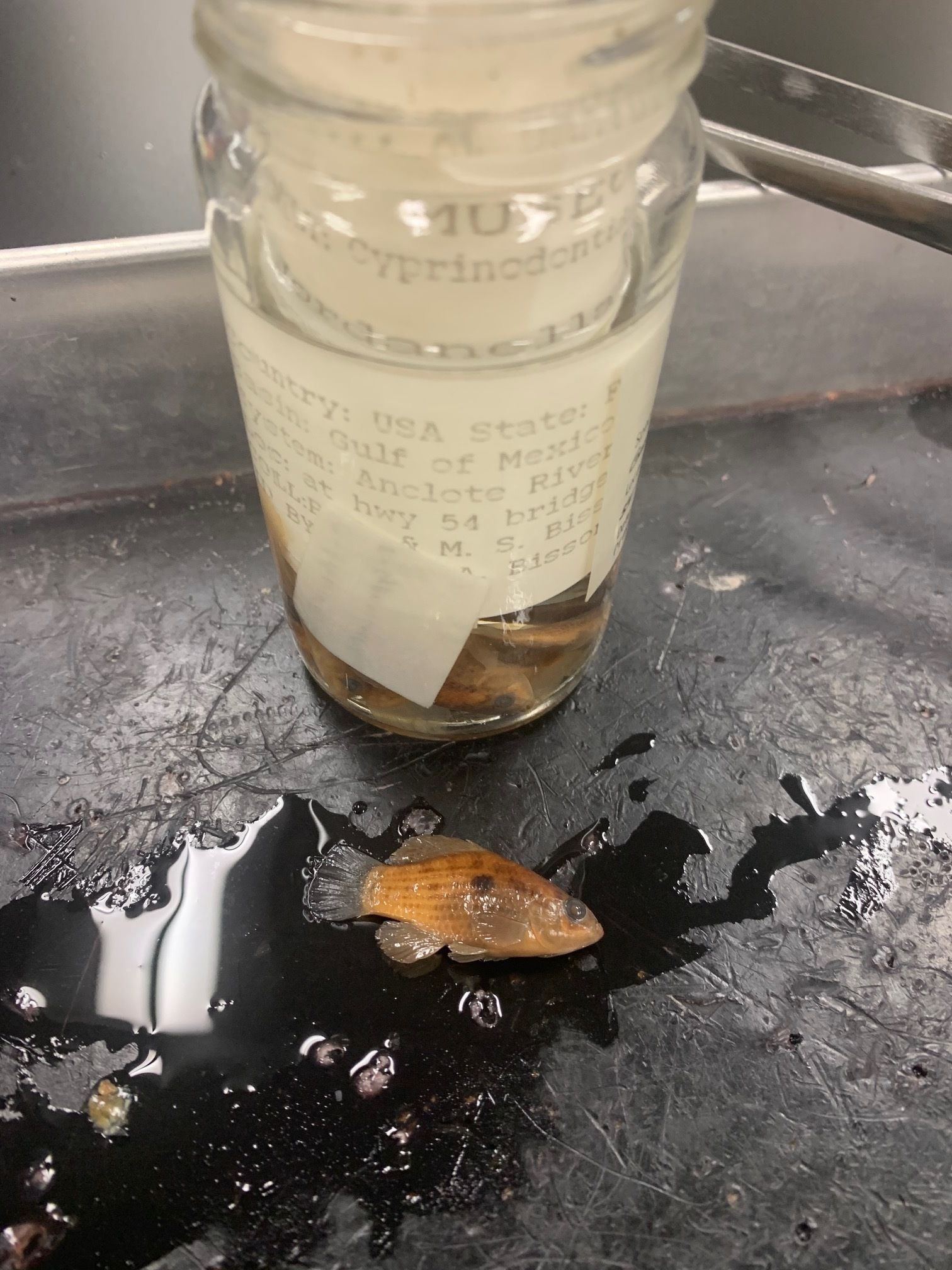
- 46—idk
- 4747. perchesPercidae
(i) two dorsal fins, usually well separated
(ii) opercles end in a flat spine
(iii) pseudobranch small, glandular or concealed
(iv) small, ctenoid scales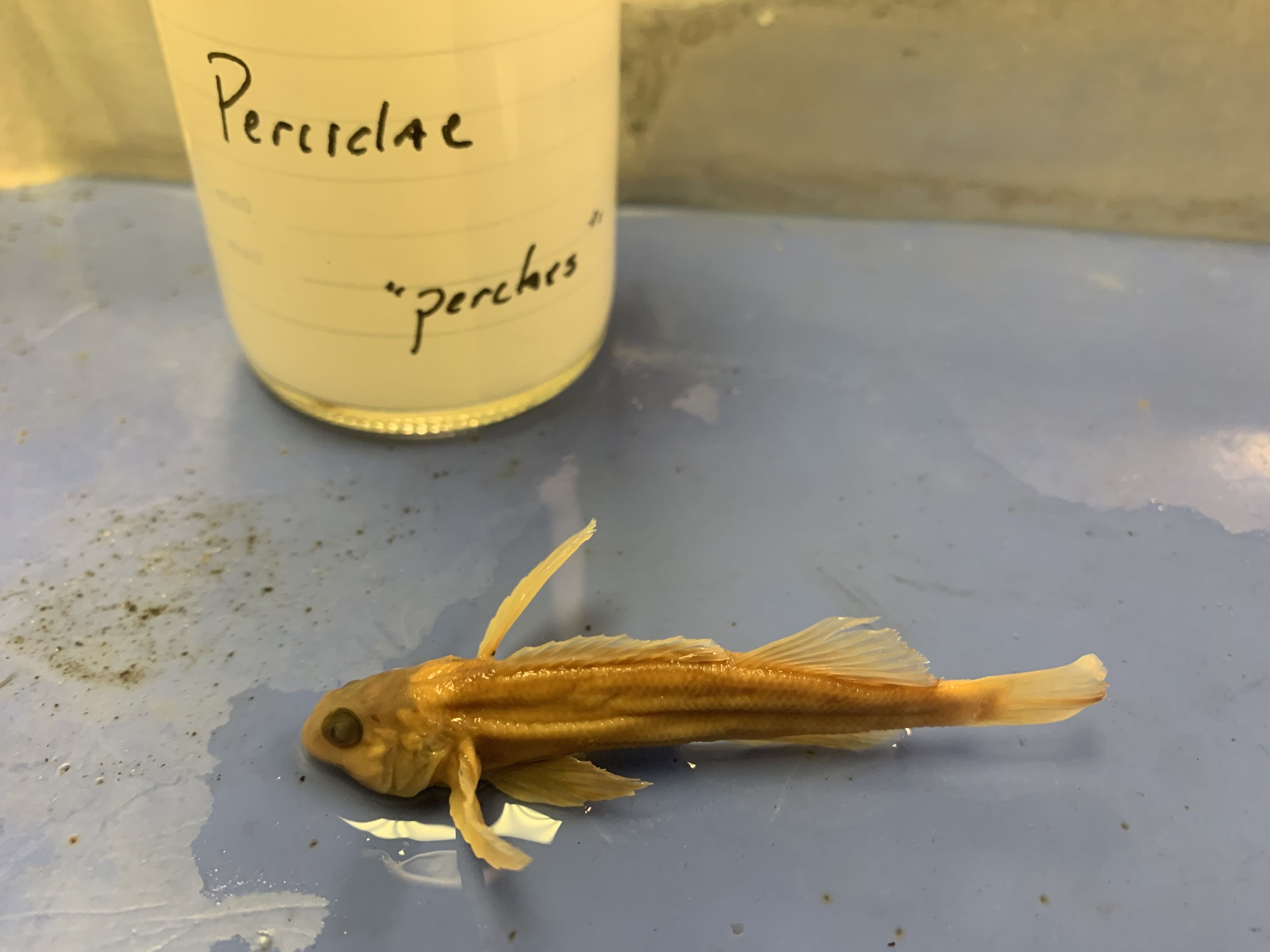
- 4848. surgeonfishAcanthuridae
(i) Three anal spines
(ii) Sharp moveable spine on caudal peduncle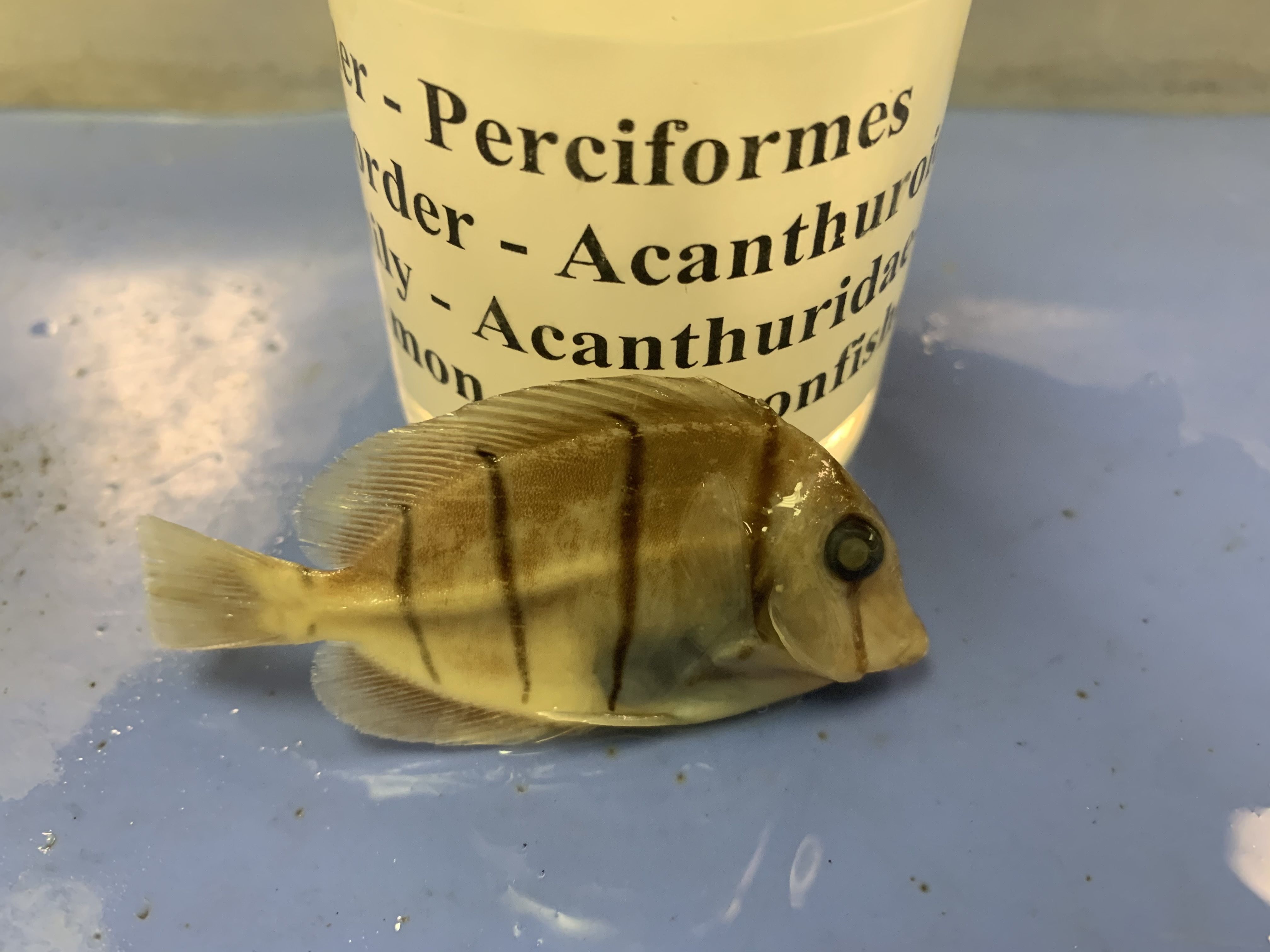
- 49—Gerreidae
(i) mouth highly protrusile
(ii) dorsal fins continuous
(iii) caudal fin deeply forked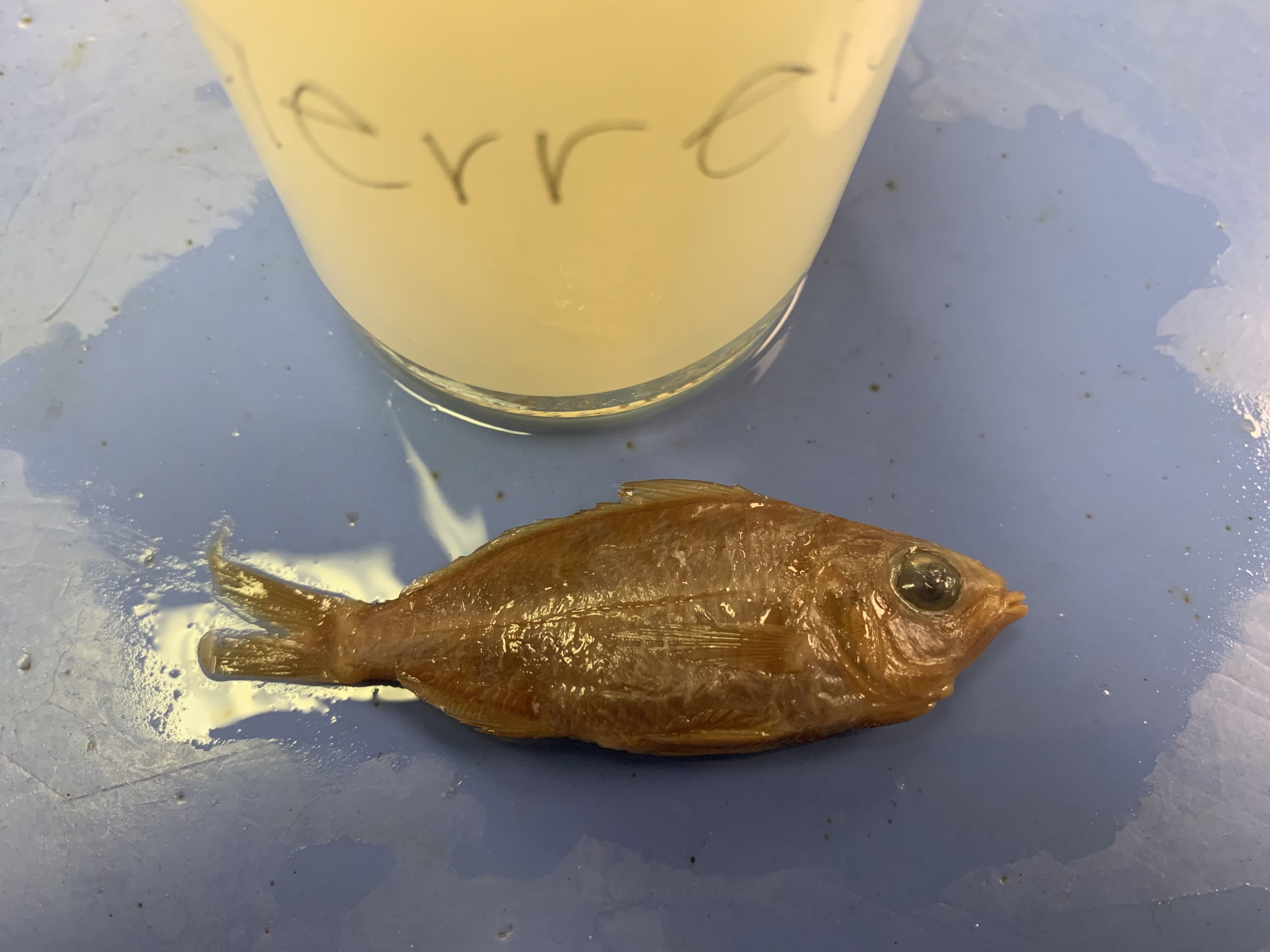
- 50—Cichlidae
(i) dorsal fins continuous
(ii) single nostril on each side of head
(iii) lateral line interrupted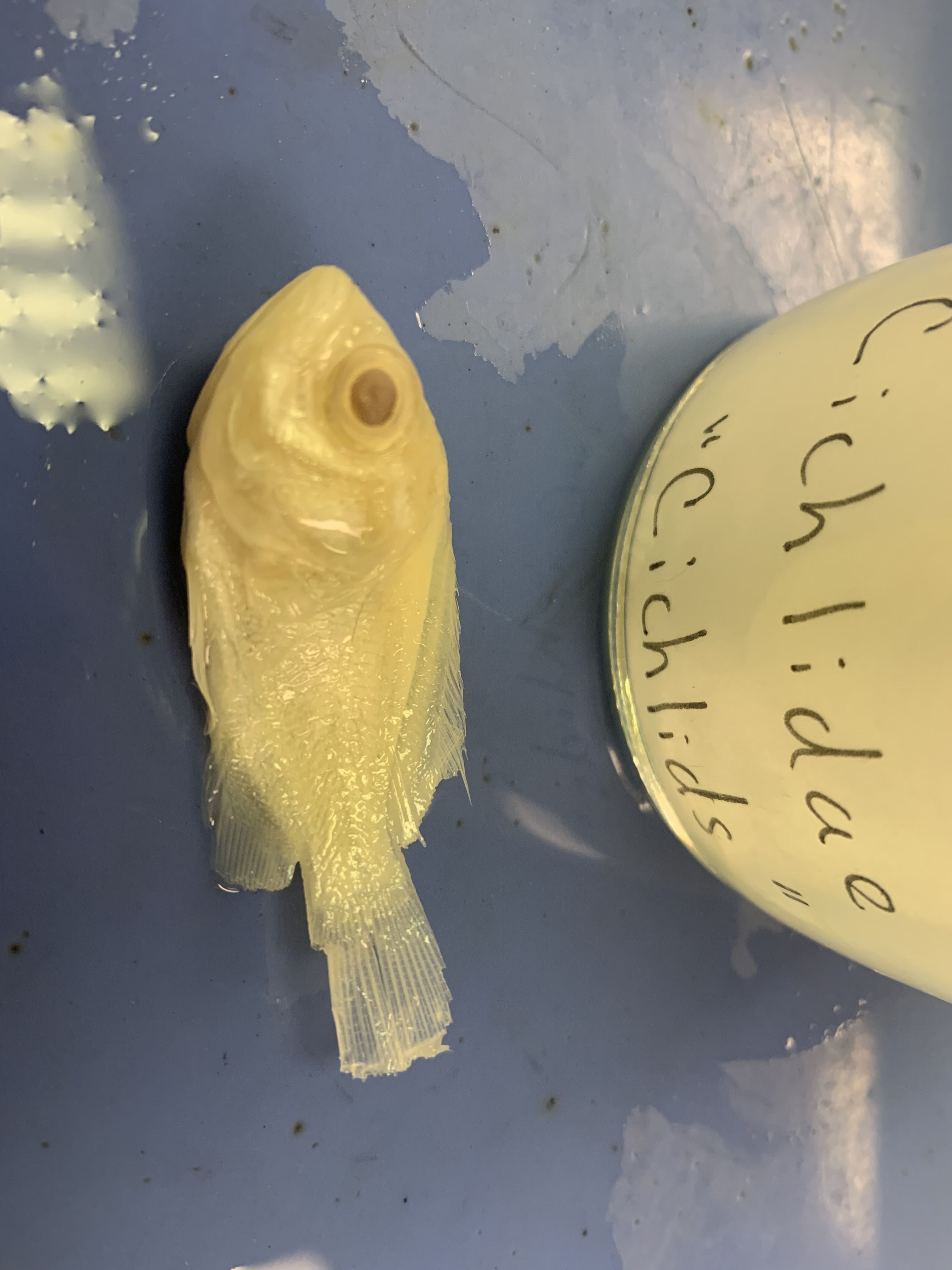
- 51—darters
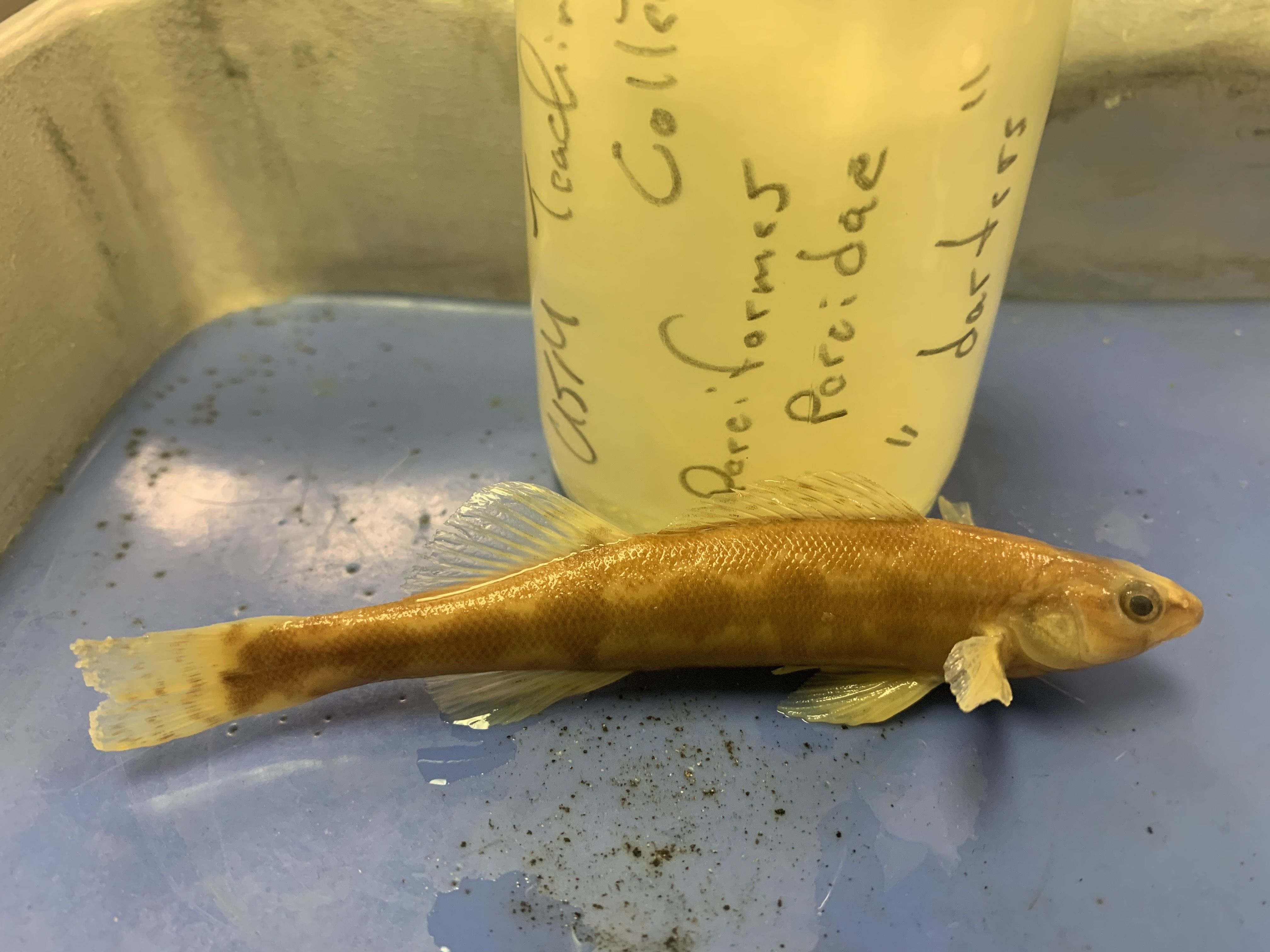
- 52—Gobiesocidae
(i) abdominal adhesive disk
(ii) no spinous dorsal fin
(iii) outer pelvic ray flattened and spatulate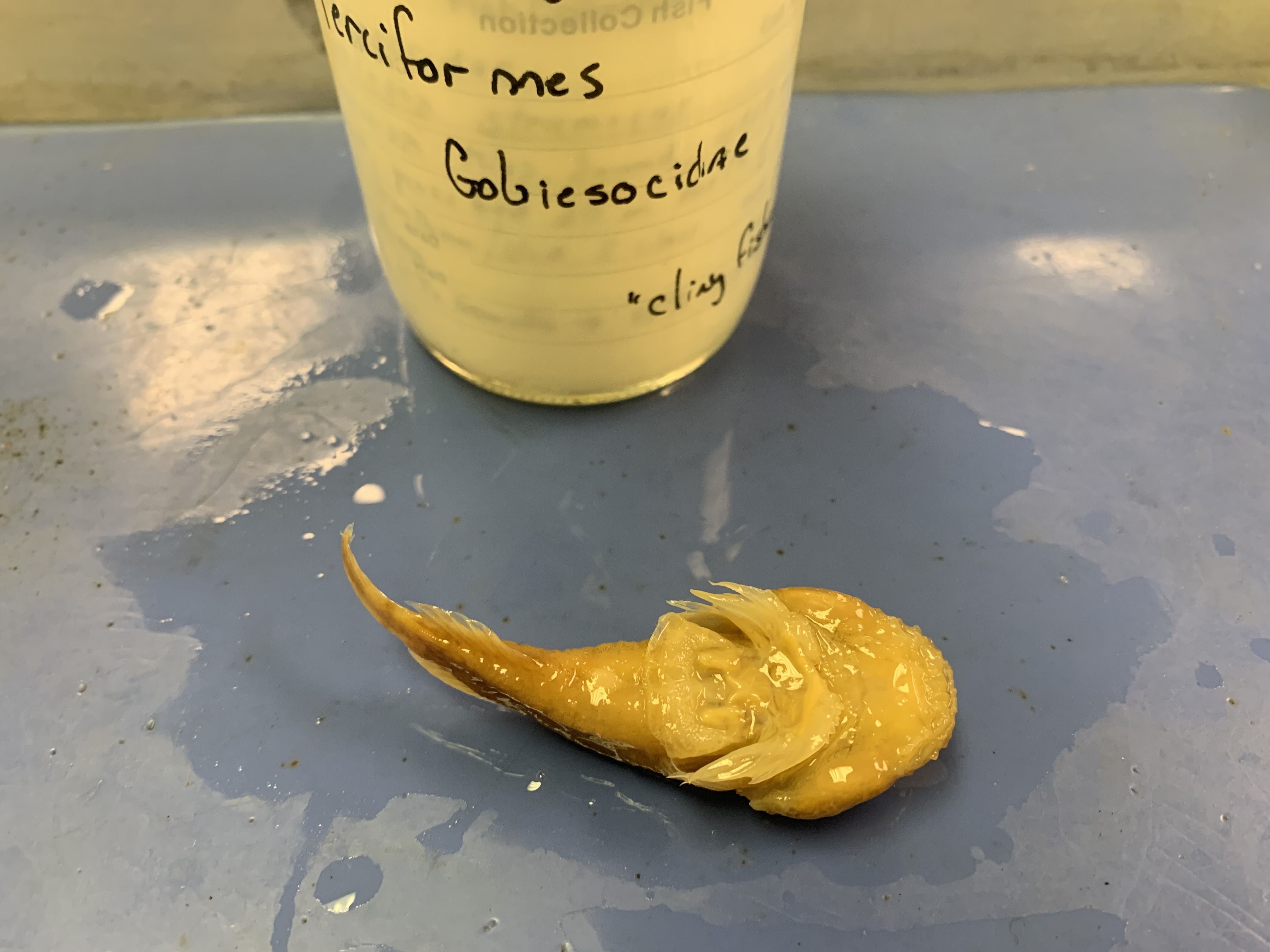
- 53—Holocentridae
(i) 19 principal rays in caudal fin
(ii) pelvic fins thoracic; I,7
(iii) pectorals with vertical insertion and on midline of body
(iv) dorsal fin with 10-13 strong spines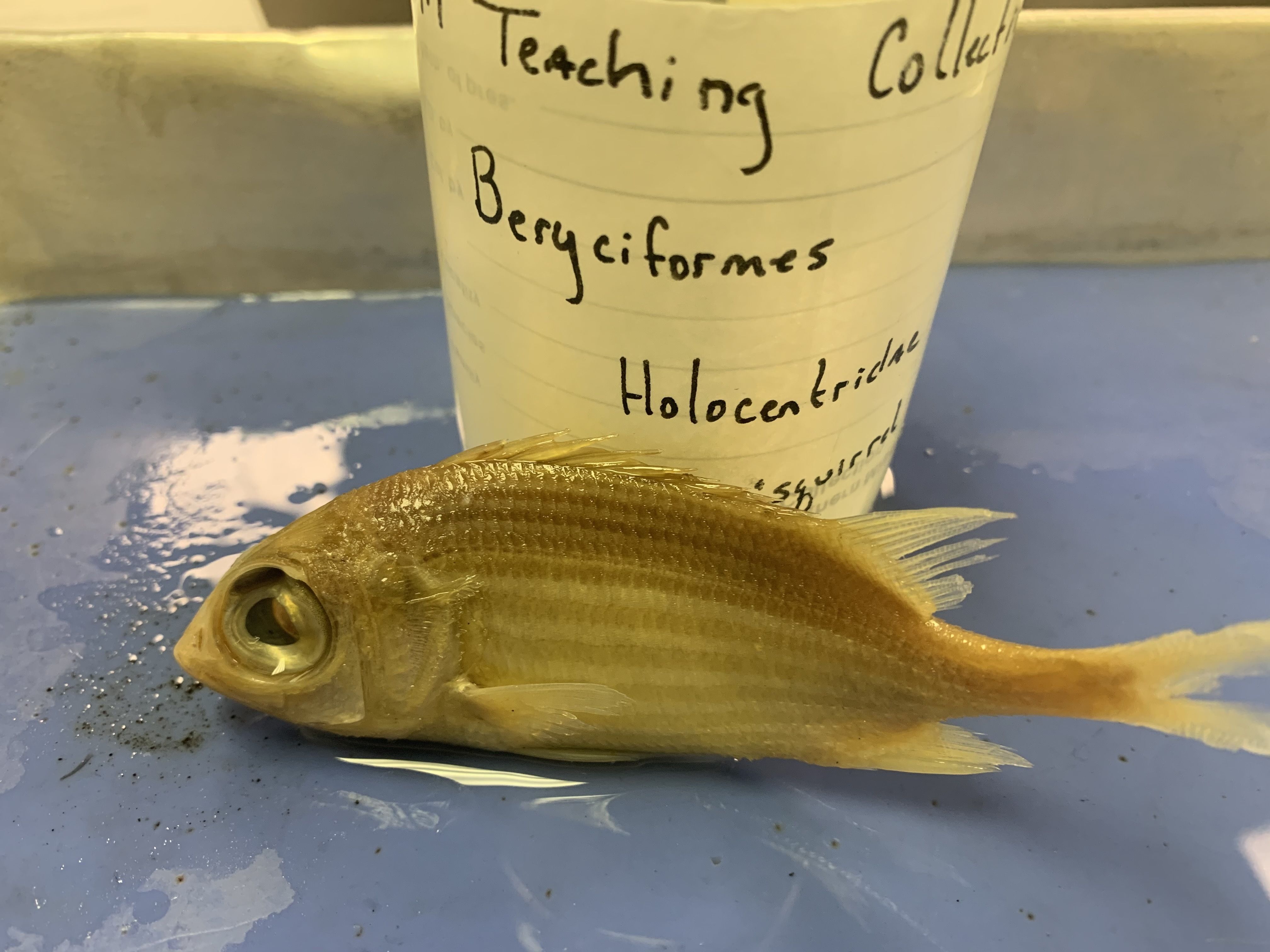
- 54—Paralichthyidae
(i) eyes on left side of head
(ii) pelvic fin without spine
(iii) pelvic bases short and nearly symmetrical
(iv) lower jaw prominent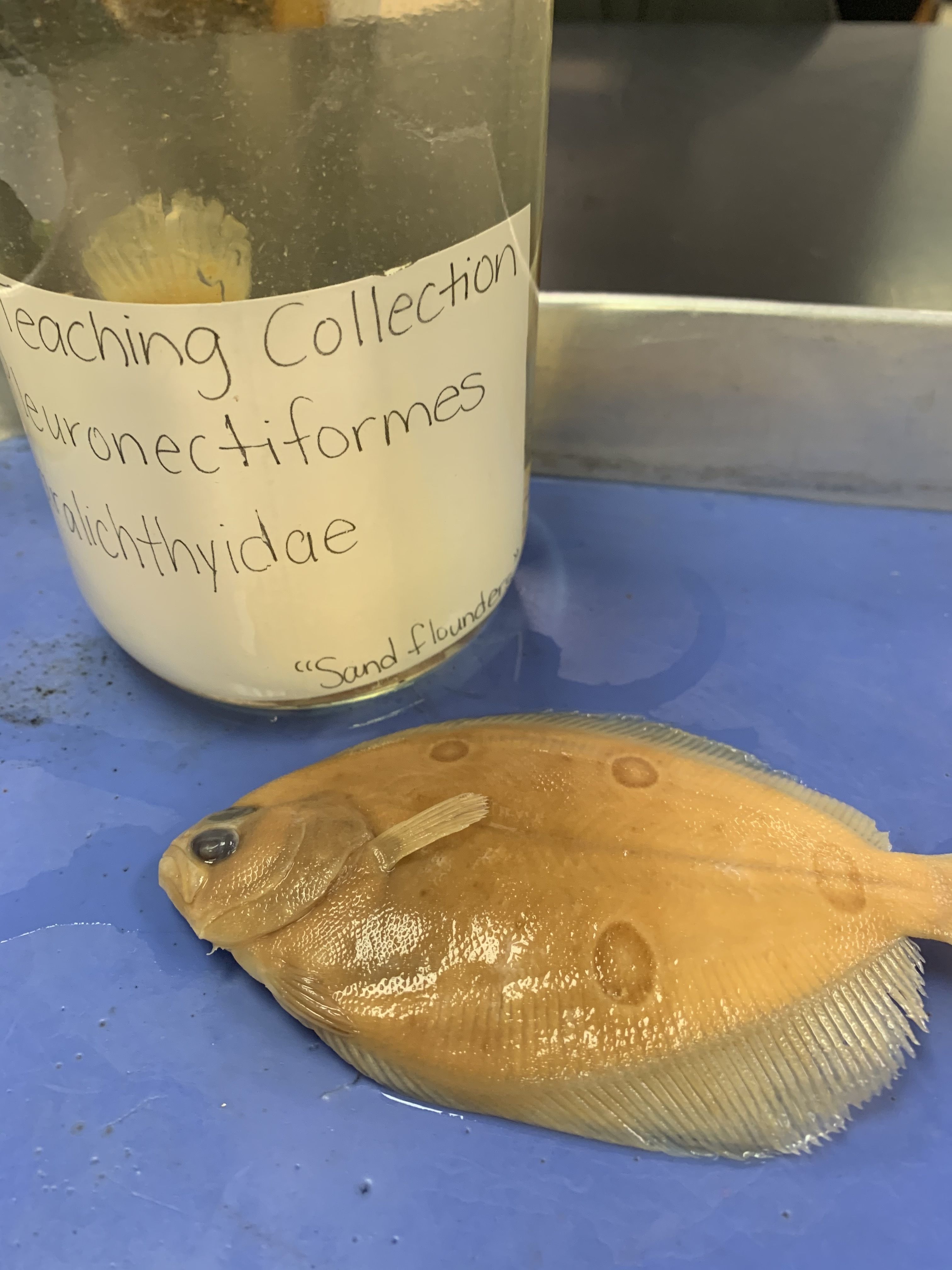
- 55—Tetraodontidae
(i) scales lacking or represented by small prickles
(ii) two teeth in each jaw
spines not always present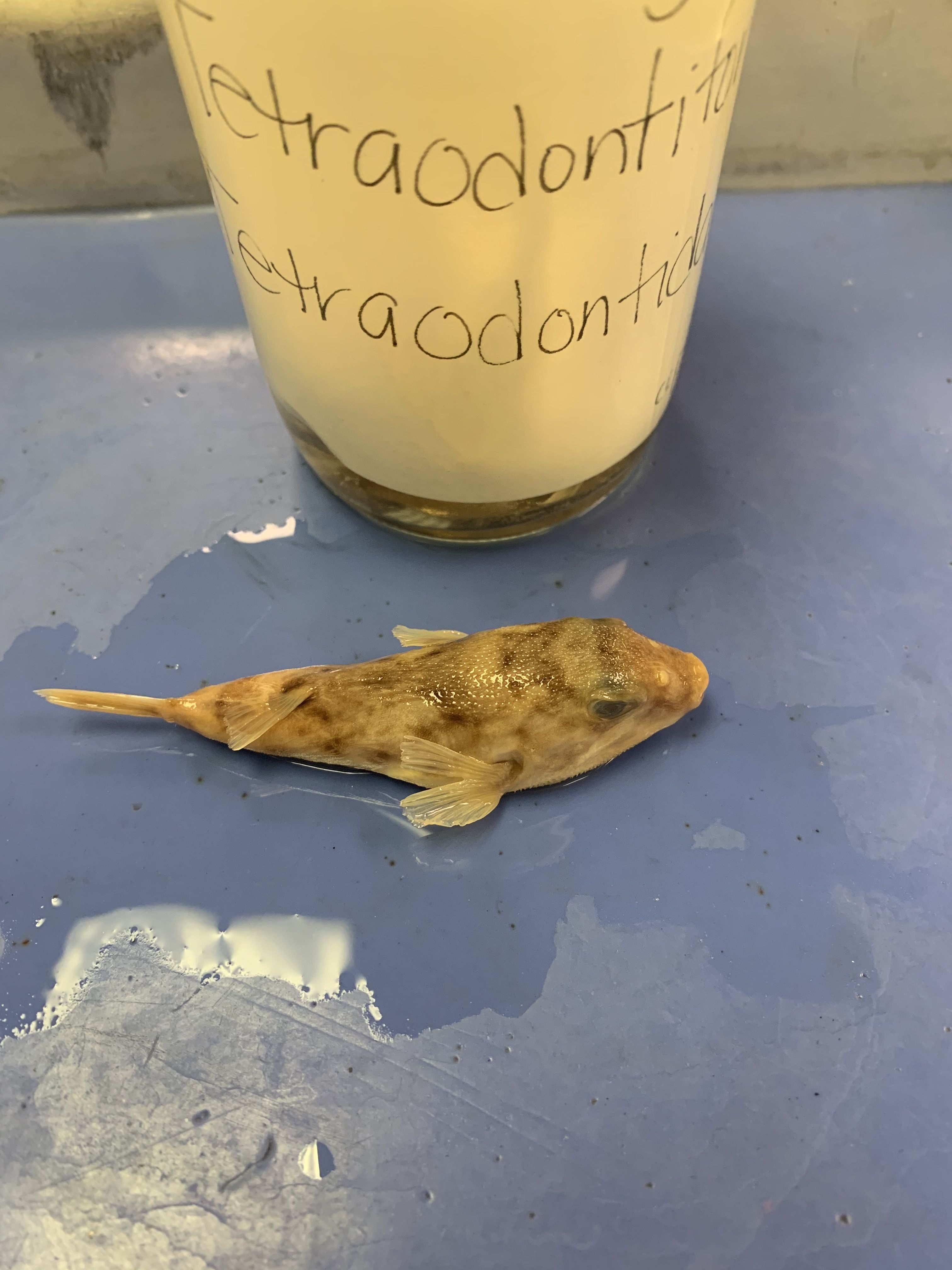
- 56—Eleotridae
(i) pelvic fins separated
(ii) dorsal fins separate
(iii) six branchiostegal rays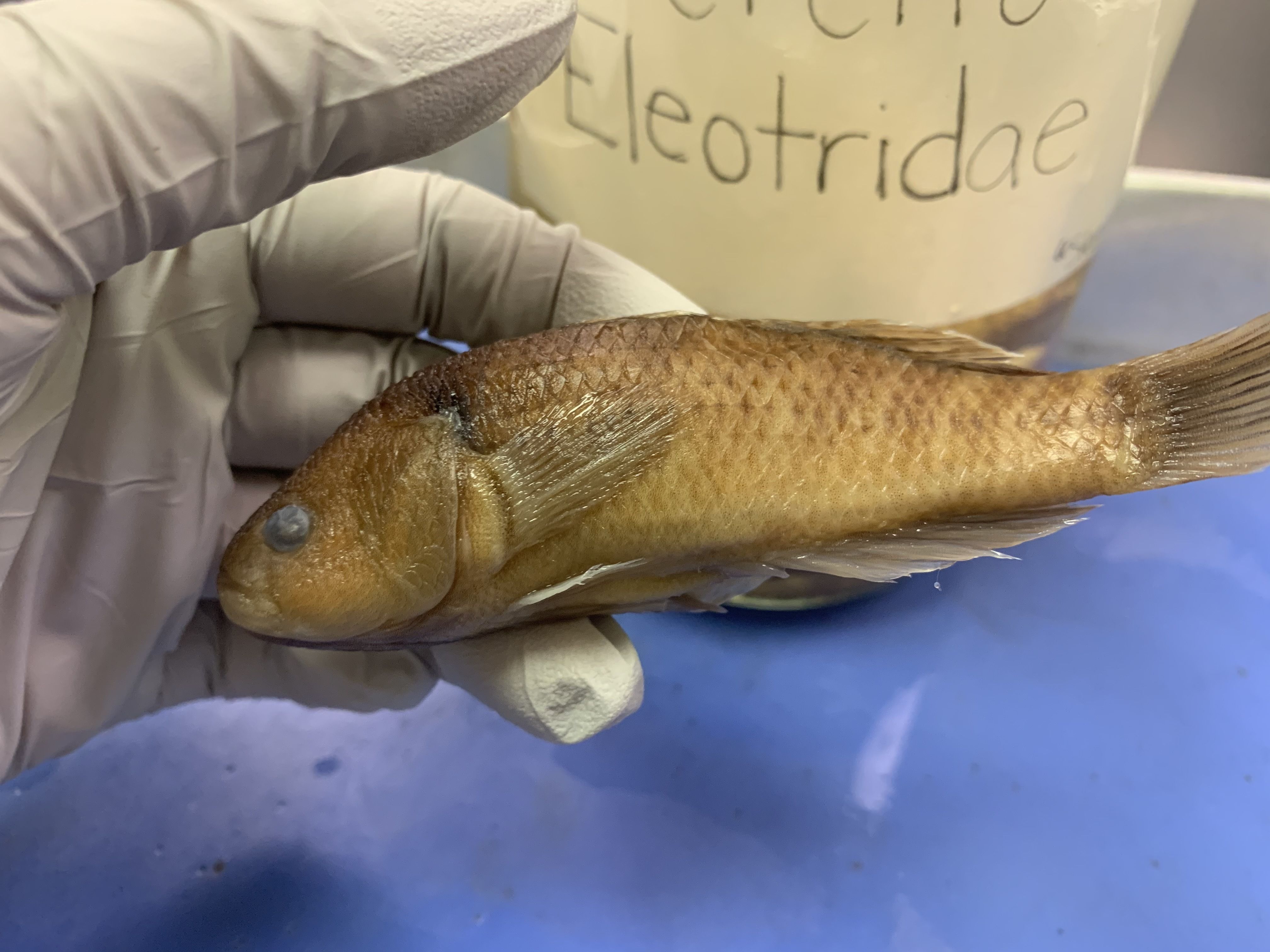
- 57—Labridae
(i) dorsal fins continuous
(ii) mouth protractile, teeth separate & projecting outward
(iii) scales cycloid & generally large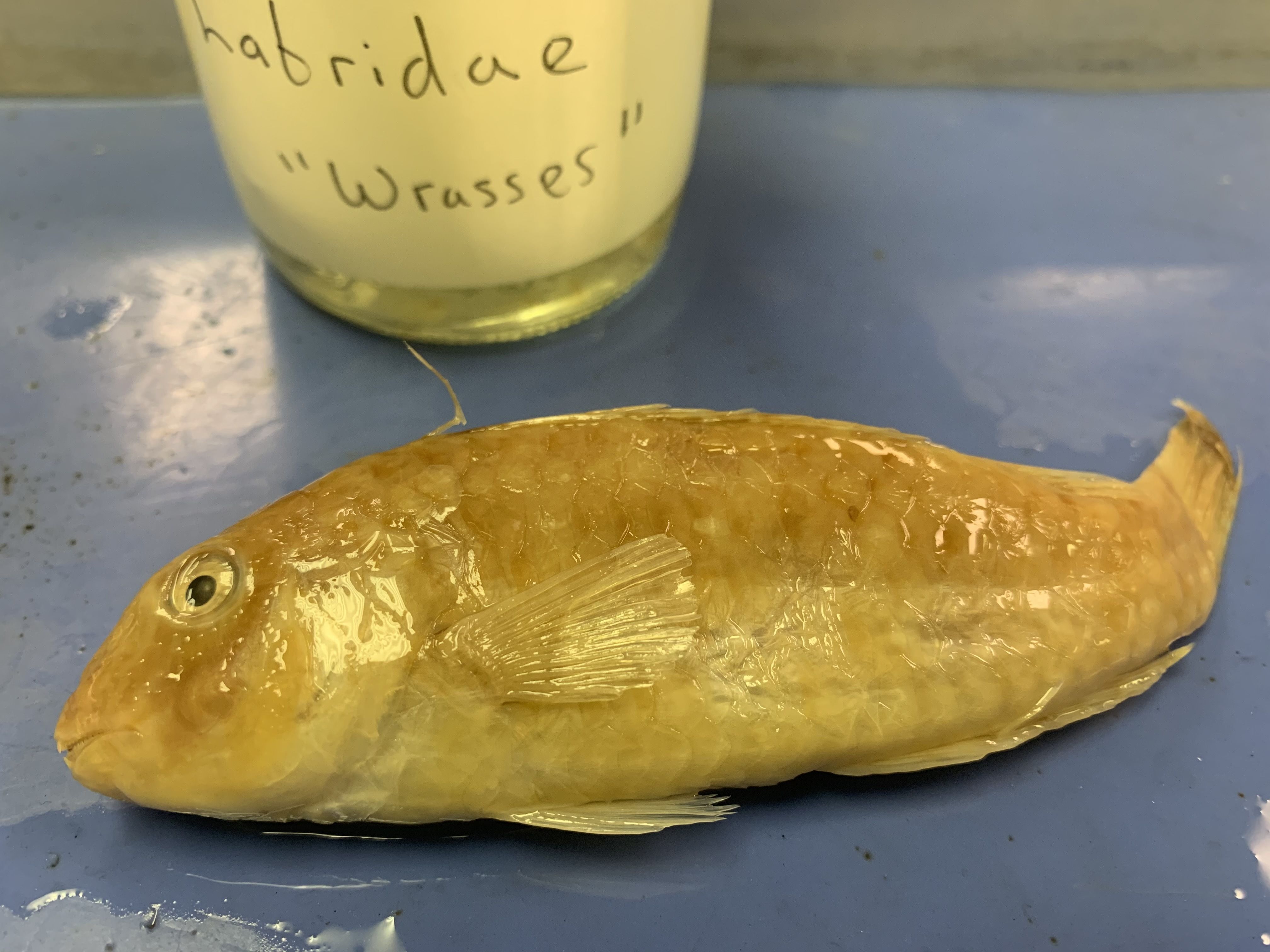
- 58—Sphyraenidae
(i) first dorsal fin with five stiff spines
(ii) upper edge of pectoral base below a horizontal line through mid-point of pupil
(iii) mouth large with large lancelet-shaped teeth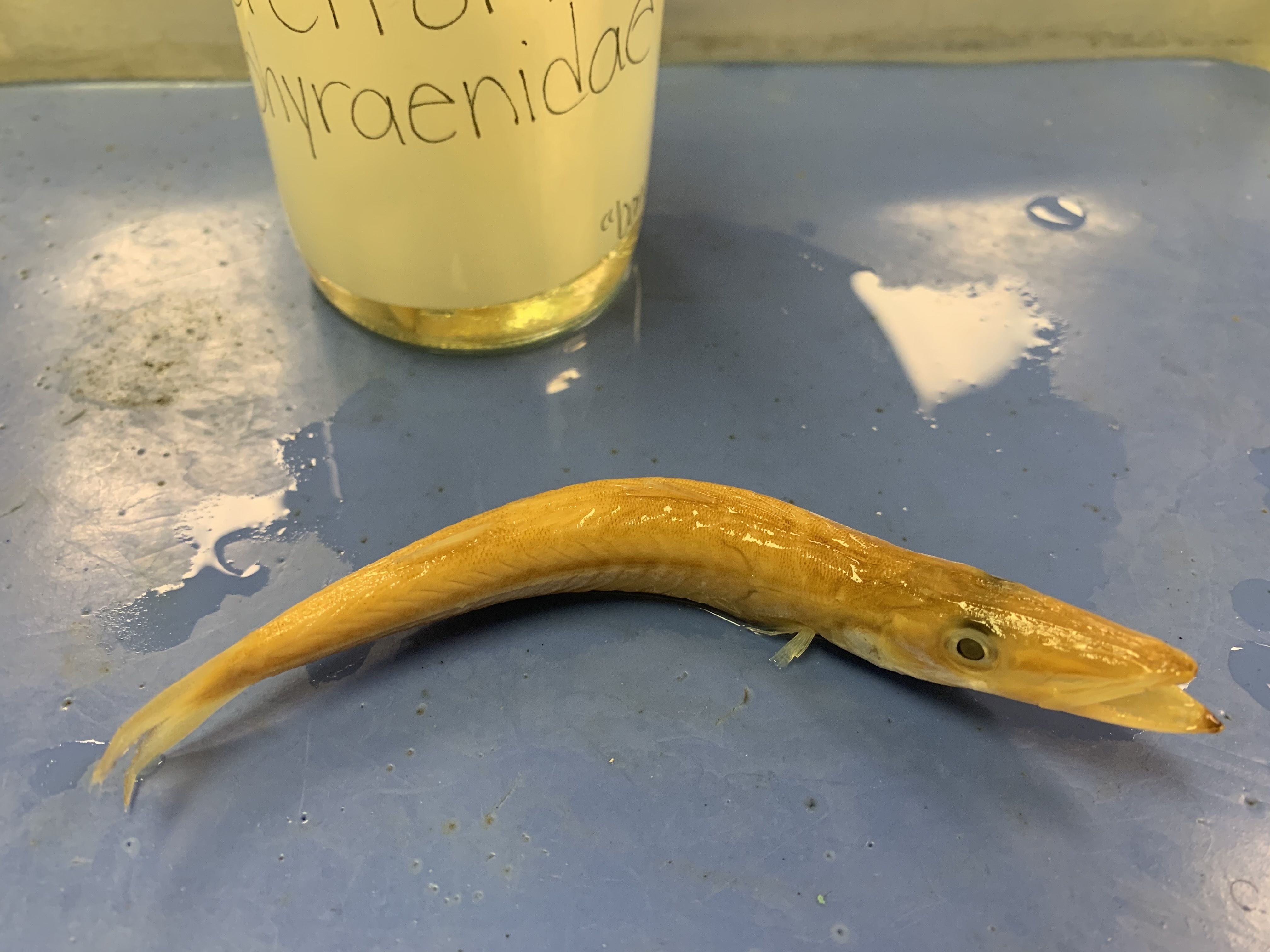
- 59—Macrouridae
(i) Second dorsal and anal fins continuous with tail
(ii) Tail tapers to a point
(iii) Chin barbells usually present
(iv) Light organ in some species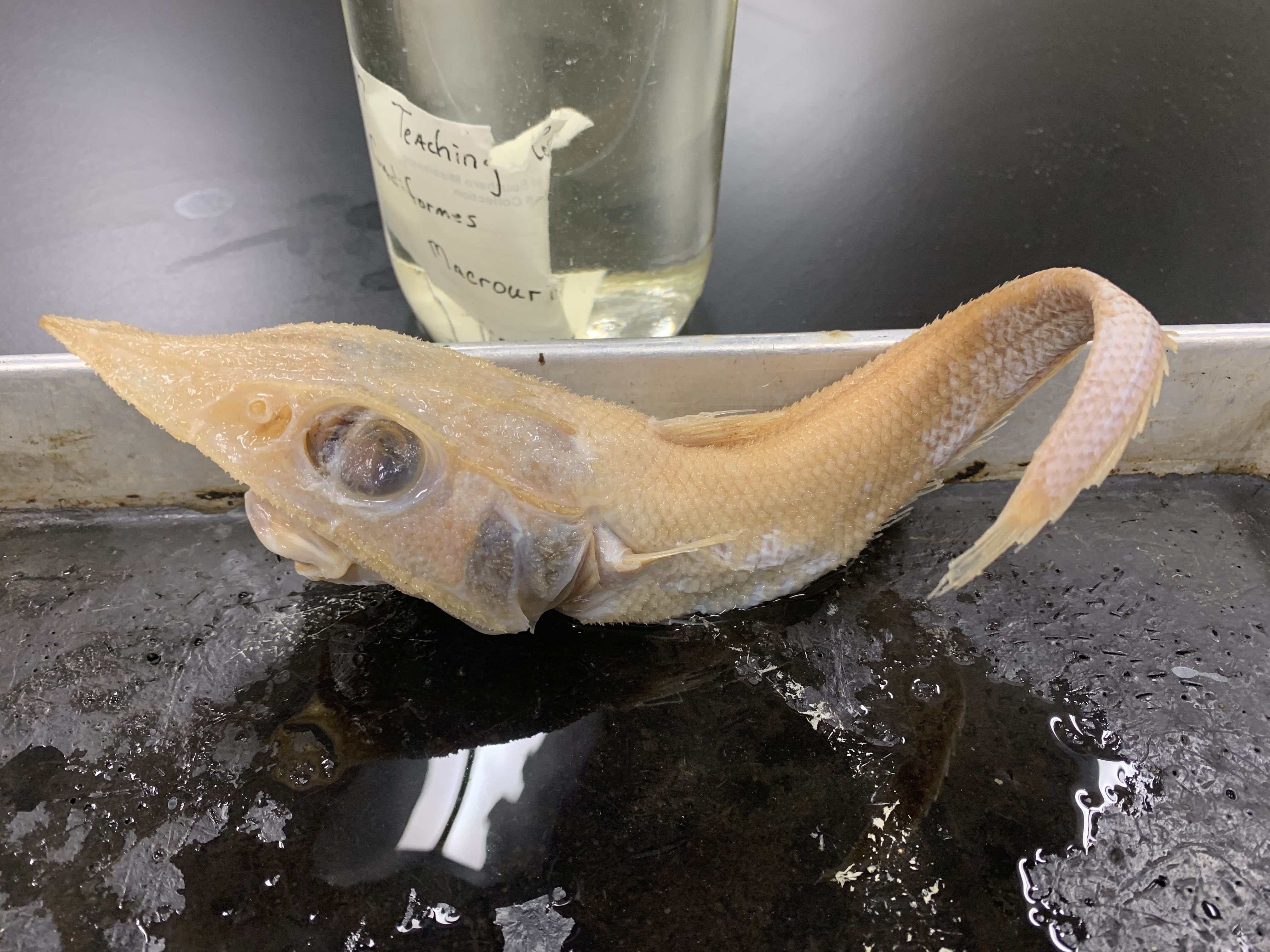
- 60—Triglidae
searobins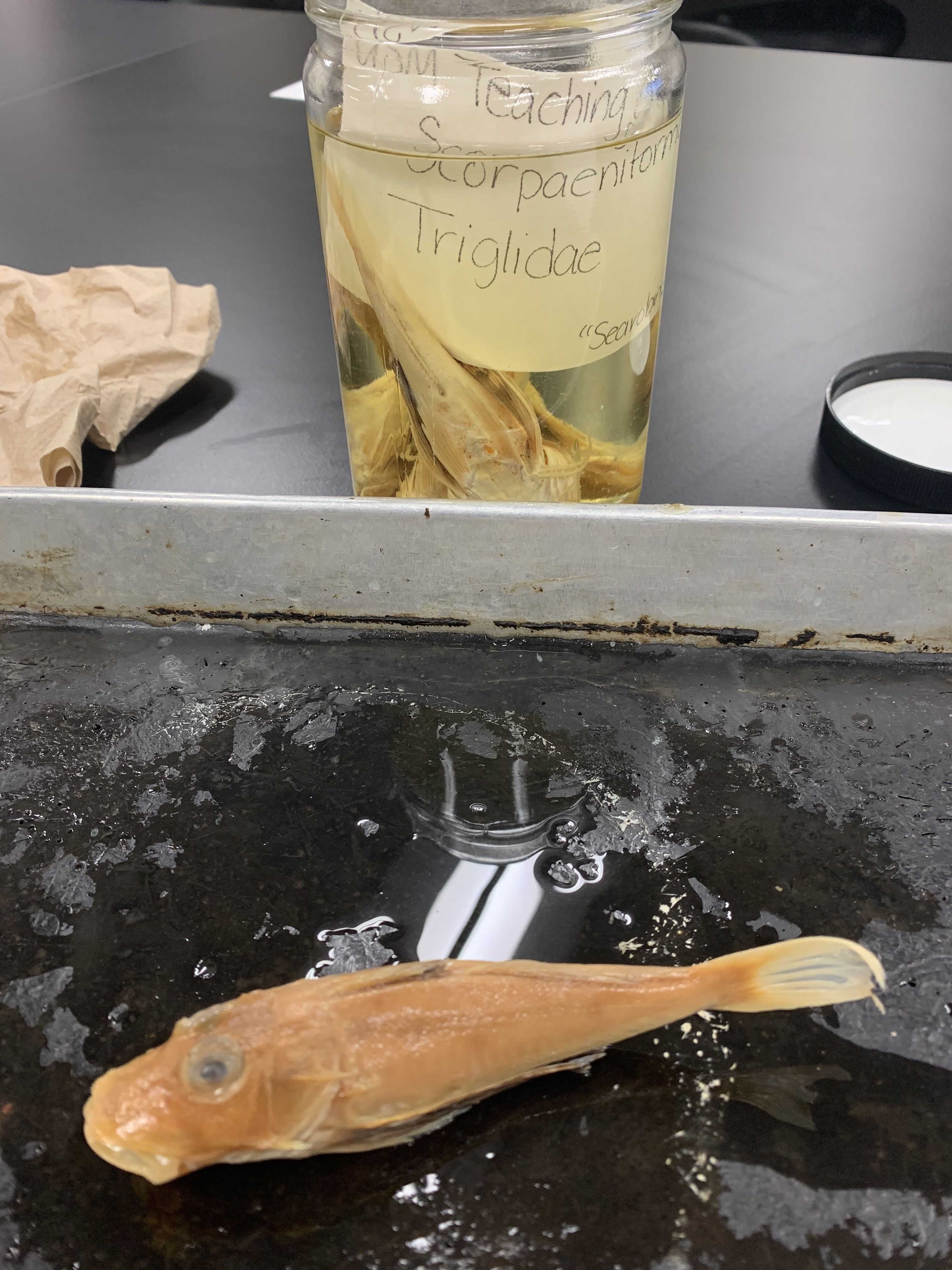
- 61rainbow fishMelanotaeniidae
(i) Body compressed
(ii) Dorsal fins narrowly separated
(iii) Large scales – 28-60 in lateral count
(iv) Innermost pelvic ray attached to abdomen by membrane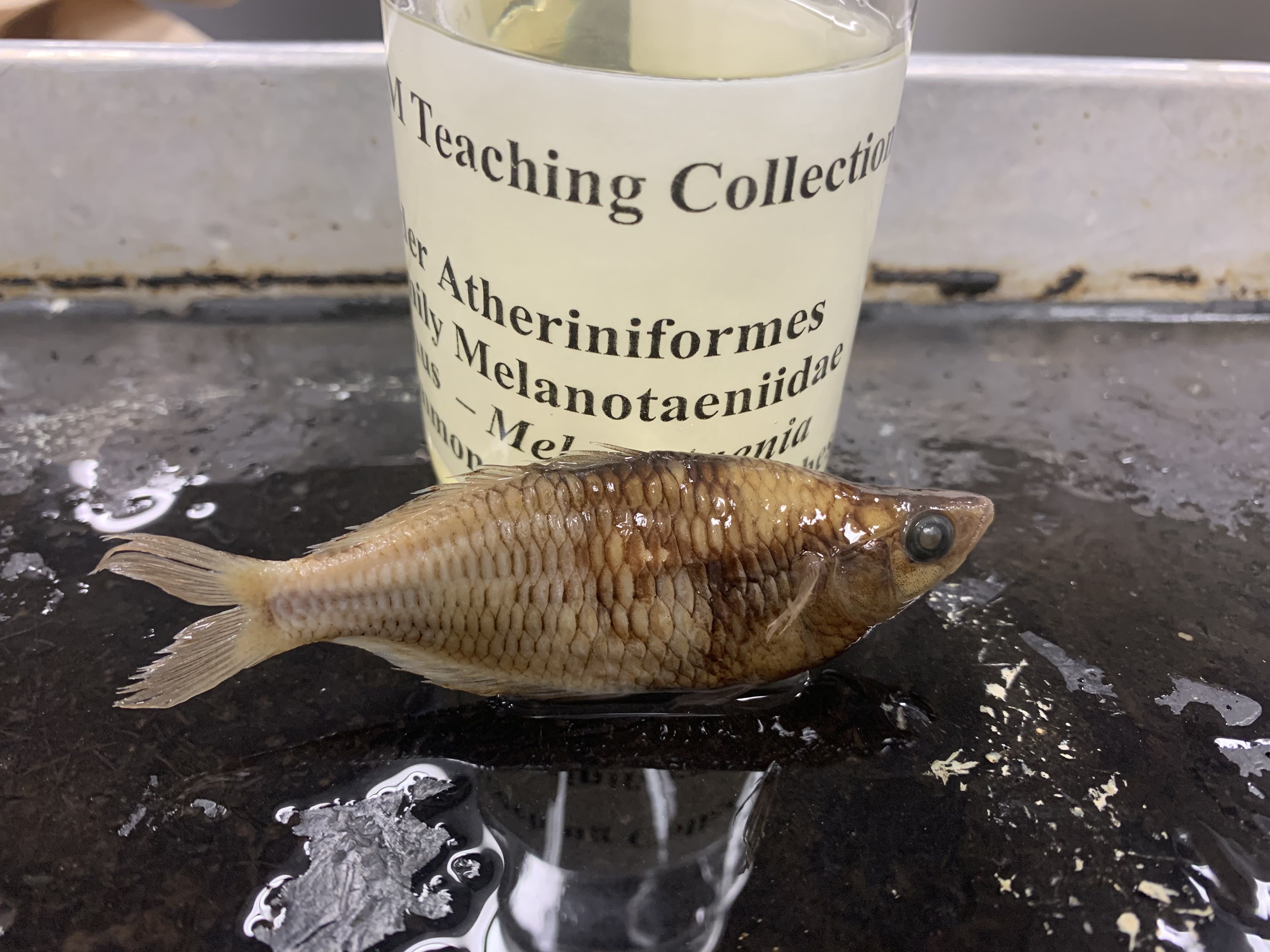
- 62flying gurnardsDactylopteridae
(i) head bony, with large posteriorly directed spines
(ii) pectoral fins greatly elongated
(iii) pelvic fins thoracic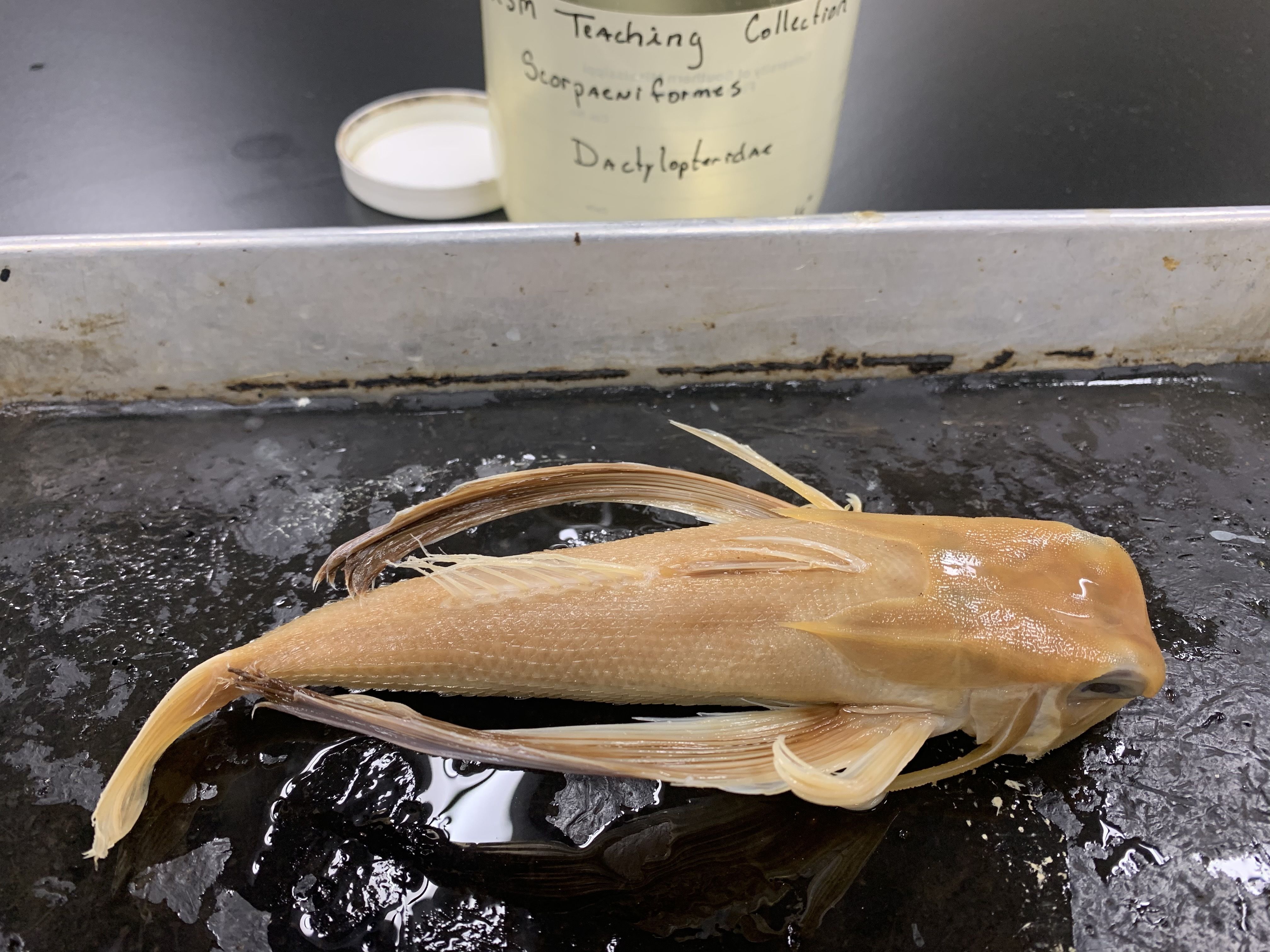
- 63NA Freshwater catfishIctaluridae
(i) eight barbels total- four barbels on lower jaw + 2 nasal barbels & 2 maxillary barbels (ii) adipose fin present
(iii) teeth villiform
(iv) pelvic fin with 8-9 rays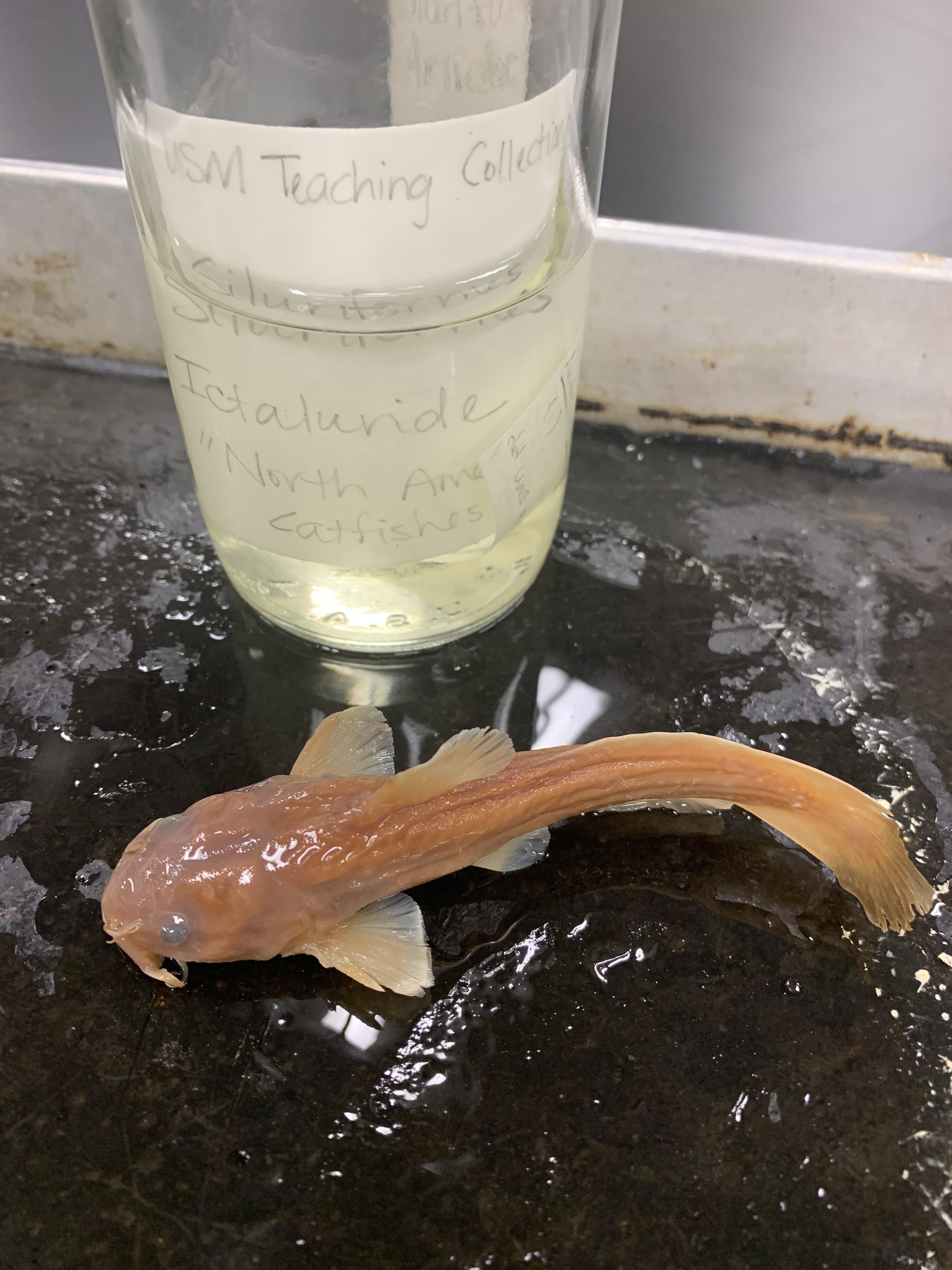
- 64sea catfishAriidae
(i) 4-6 barbels total; usually three pairs
(ii) adipose fin present
(iii) caudal fin forked
(iv) nostrils close together and without barbel
(v) teeth villiform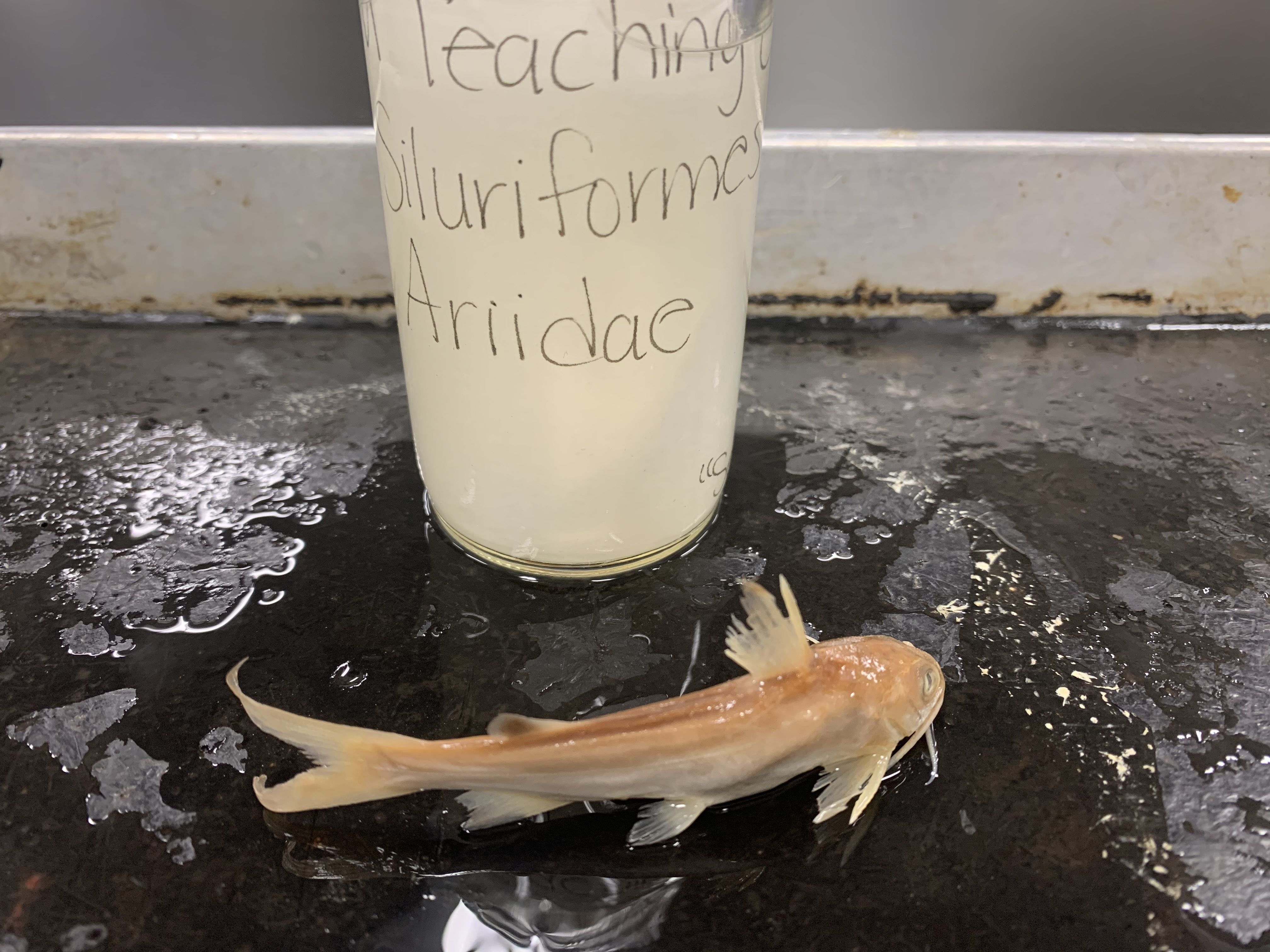
- 65—Diceratiidae
(i) body globular, skin loose
(ii) skin spines present
(iii) second cephalic ray exposed
(iv) long illicium with esca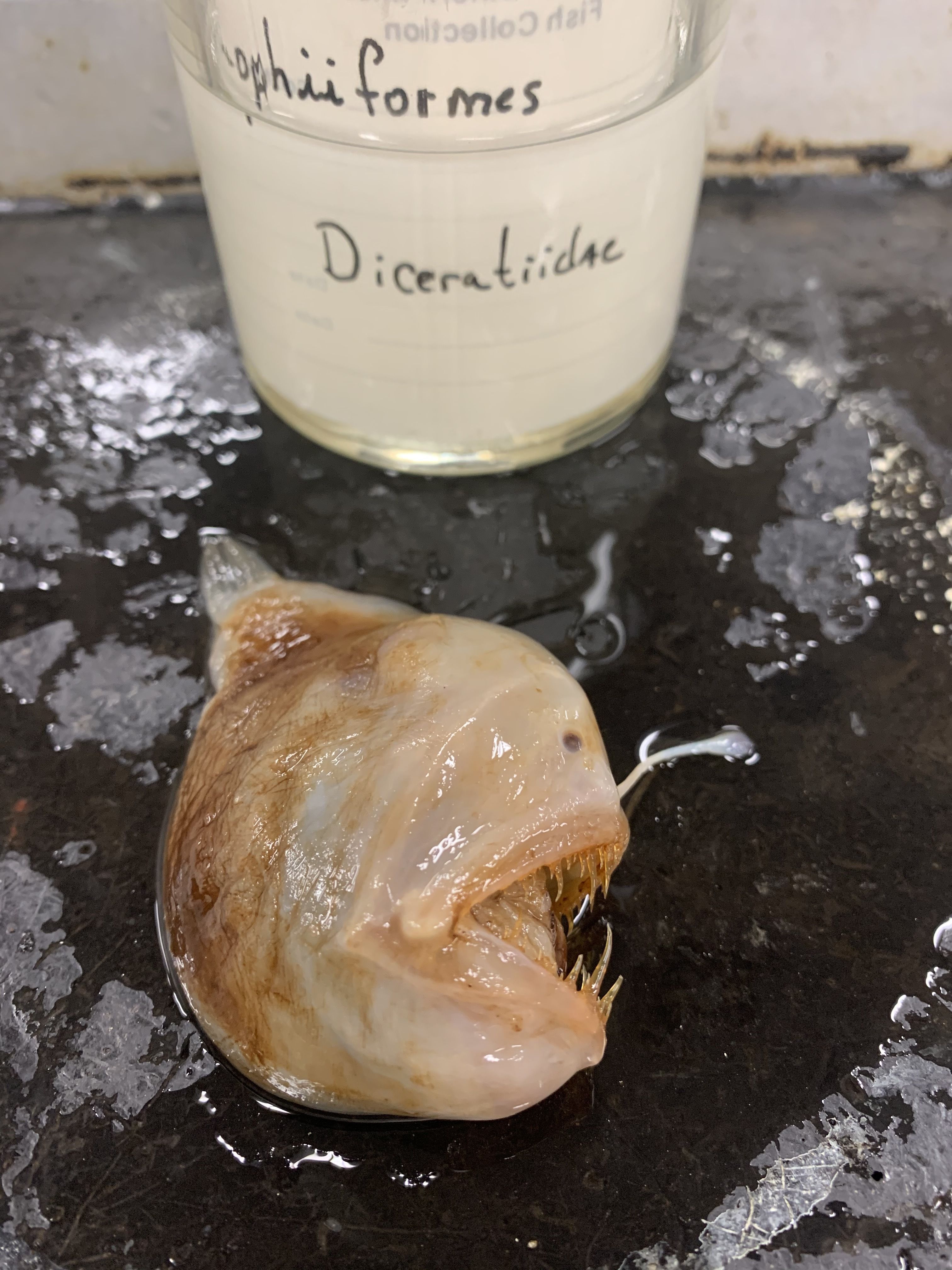
- 66mooneyesHiodontidae
(a) primary bite between parasphenoid and tongue
(b) teeth on parasphenoid and tongue
(c) adipose eyelid
(d) axillary scale above pelvic fin
(e) anal fin moderately long and not confluent with caudal fin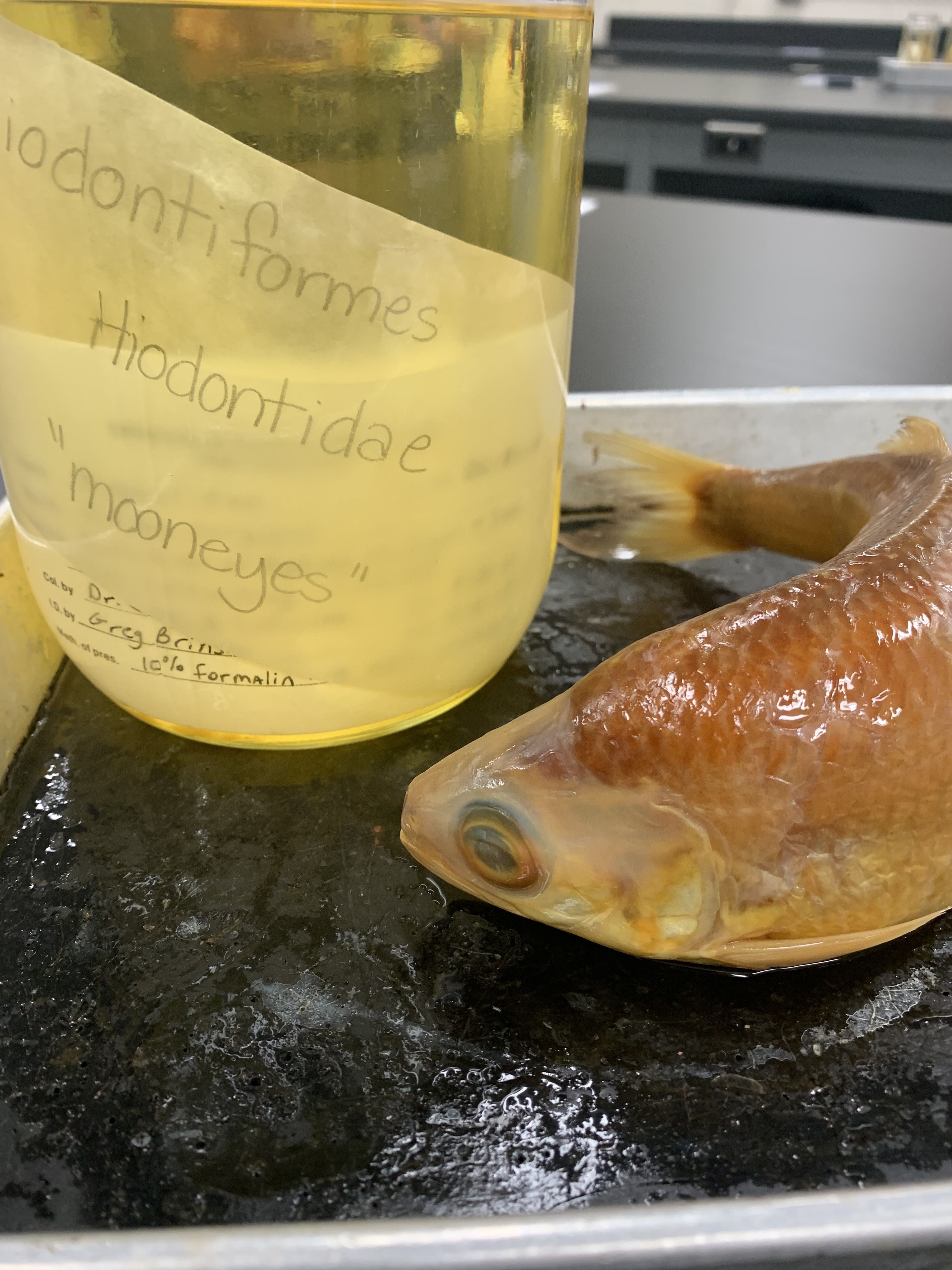
- 67bichirsPolypteridae
(a) ventral paired lungs
(b) series of free spine-like finlets in dorsal fin
(c) spiracle present
(d) rhombic ganoid scales
(e) paired gular plates
(f) spiral valve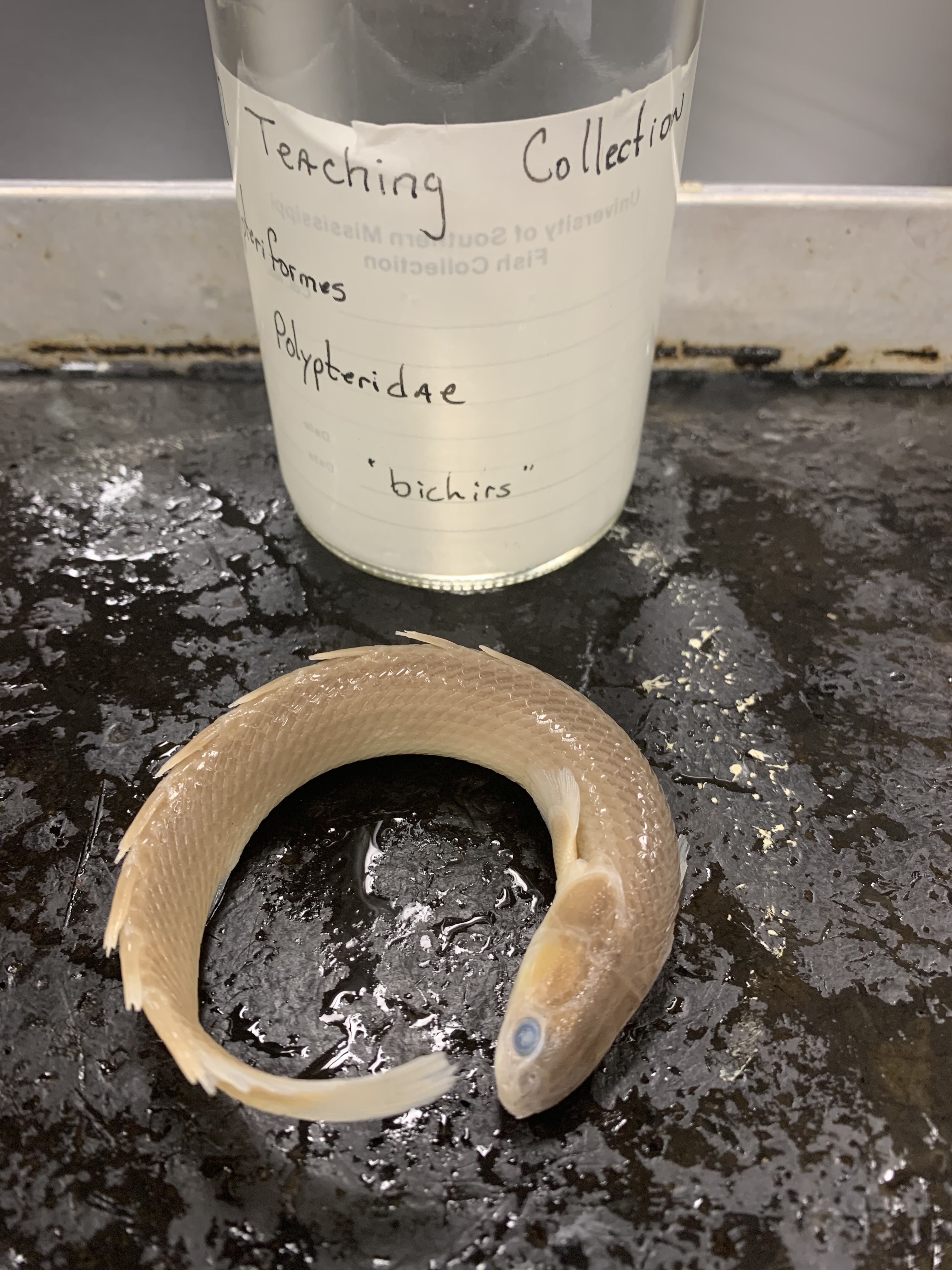
- 68spadefishEphippidae
(i) dorsal fins separate
(ii) body highly compressed
(iii) gill membranes broadly united with isthmus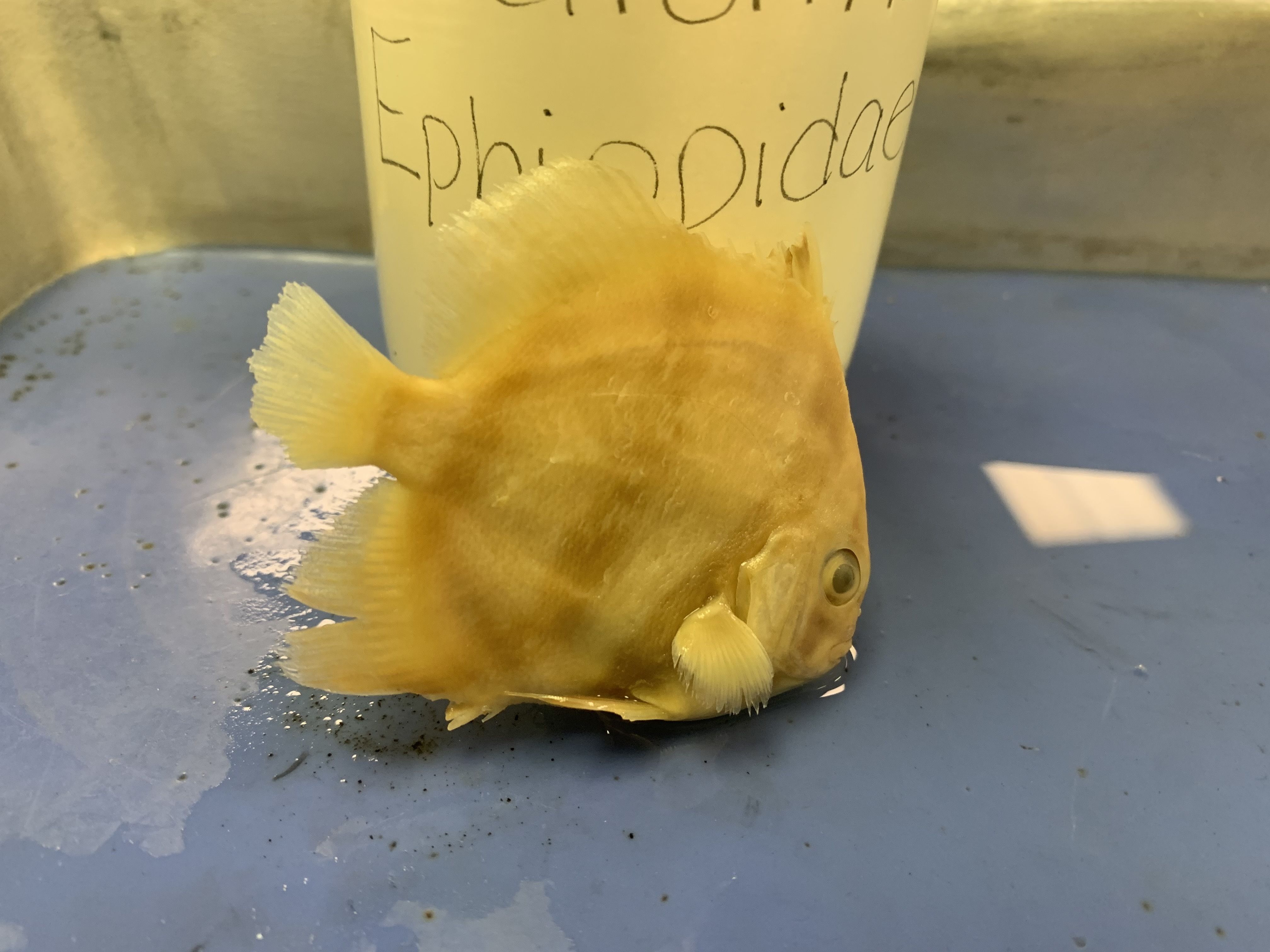
- 69sunfishCentrarchidae
(i) maxillary exposed when mouth closed
(ii) opercle without spines or serrae
(iii) preopercle not serrated
(iv) pseudobranch rudimentary and covered with skin
(v) spinous and soft dorsal usually connected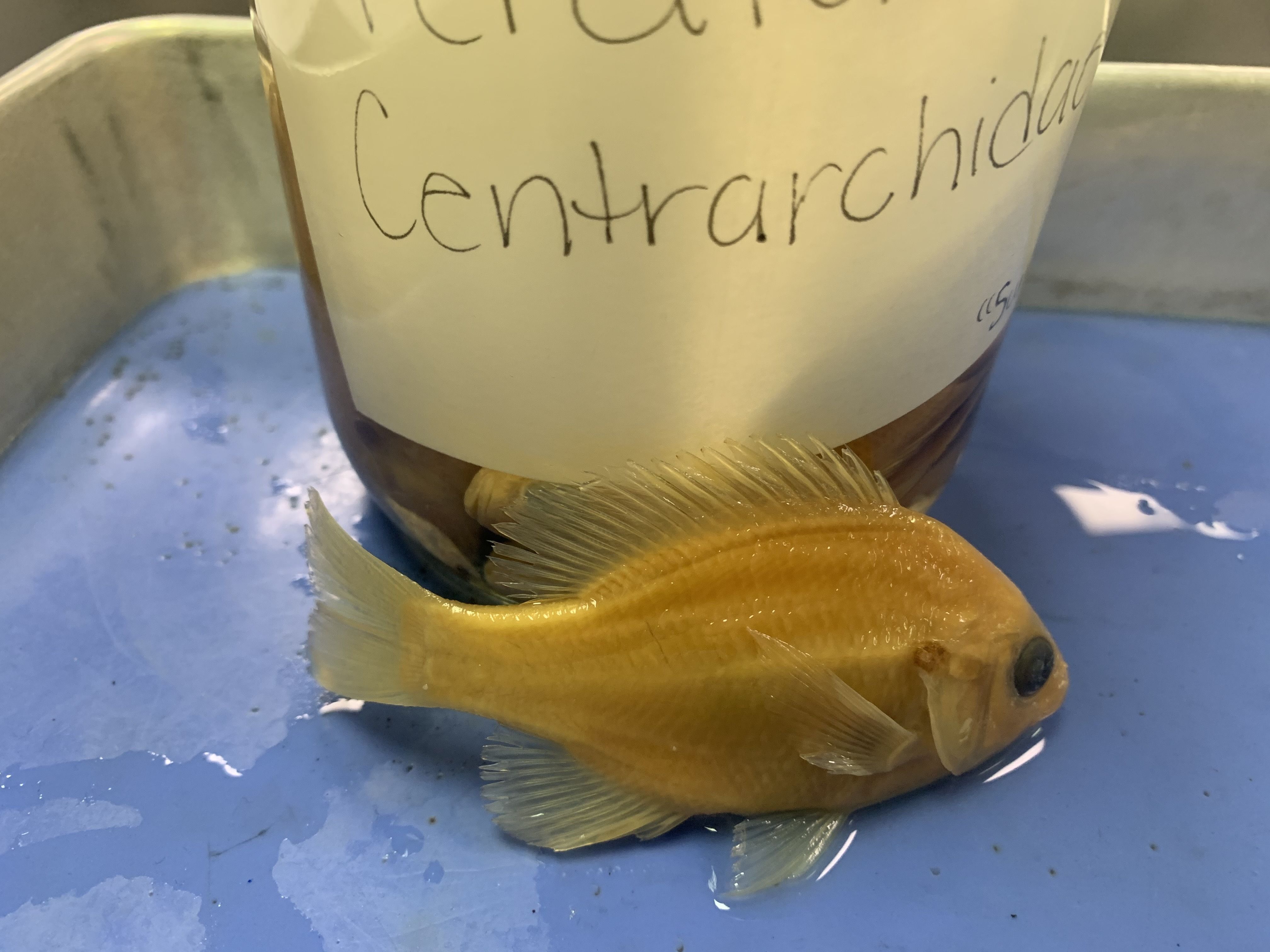
- 70drumsSciaenidae
(i) lateral line continues out to end of caudal fin
(ii) one or two anal spines
(iii) caudal fin slightly emarginate to rounded
(iv) single barbel or patch of barbels present on tip of lower jaw of some species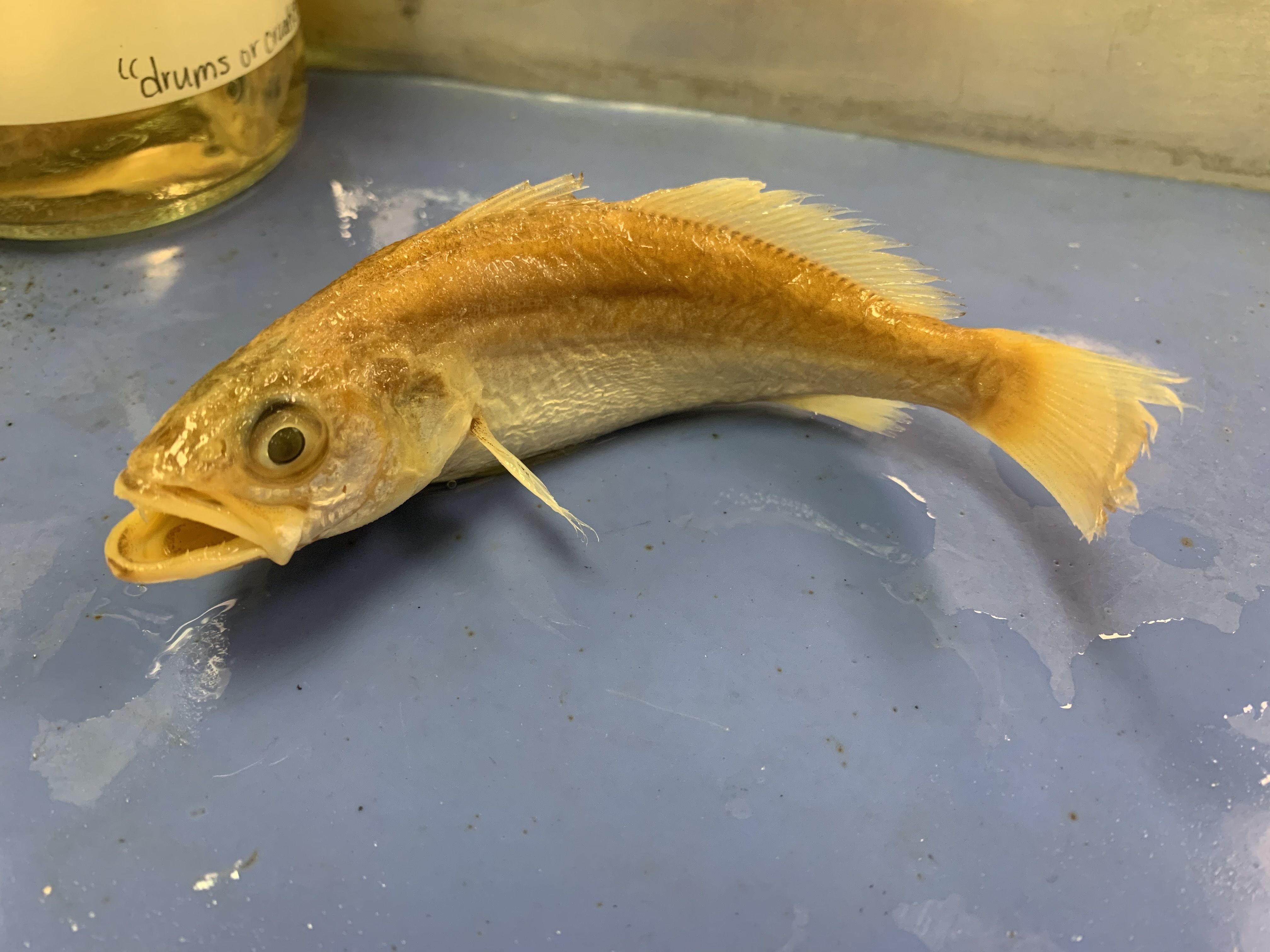
- 71porgiesSparidae
(i) maxillary partially covered by preorbital when mouth closed
(ii) no teeth on vomer
(iii) posterior eeth in lower jaw molar-like; anterior teeth conical or incisiform (iv) no serrations on preopercle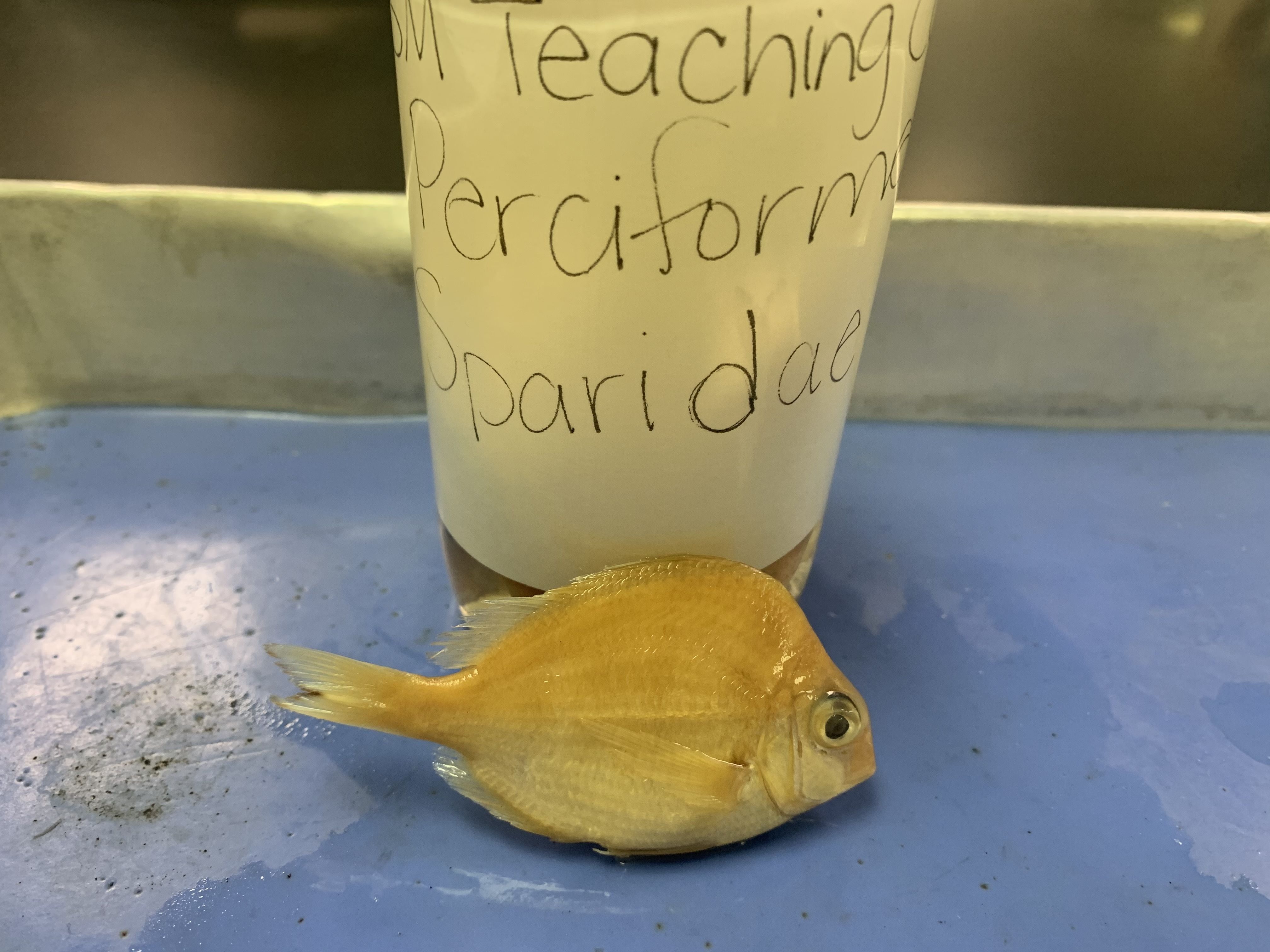
- 72gobiesGobiidae
(i) pelvic fins forming sucking disk
(ii) five branchiostegal rays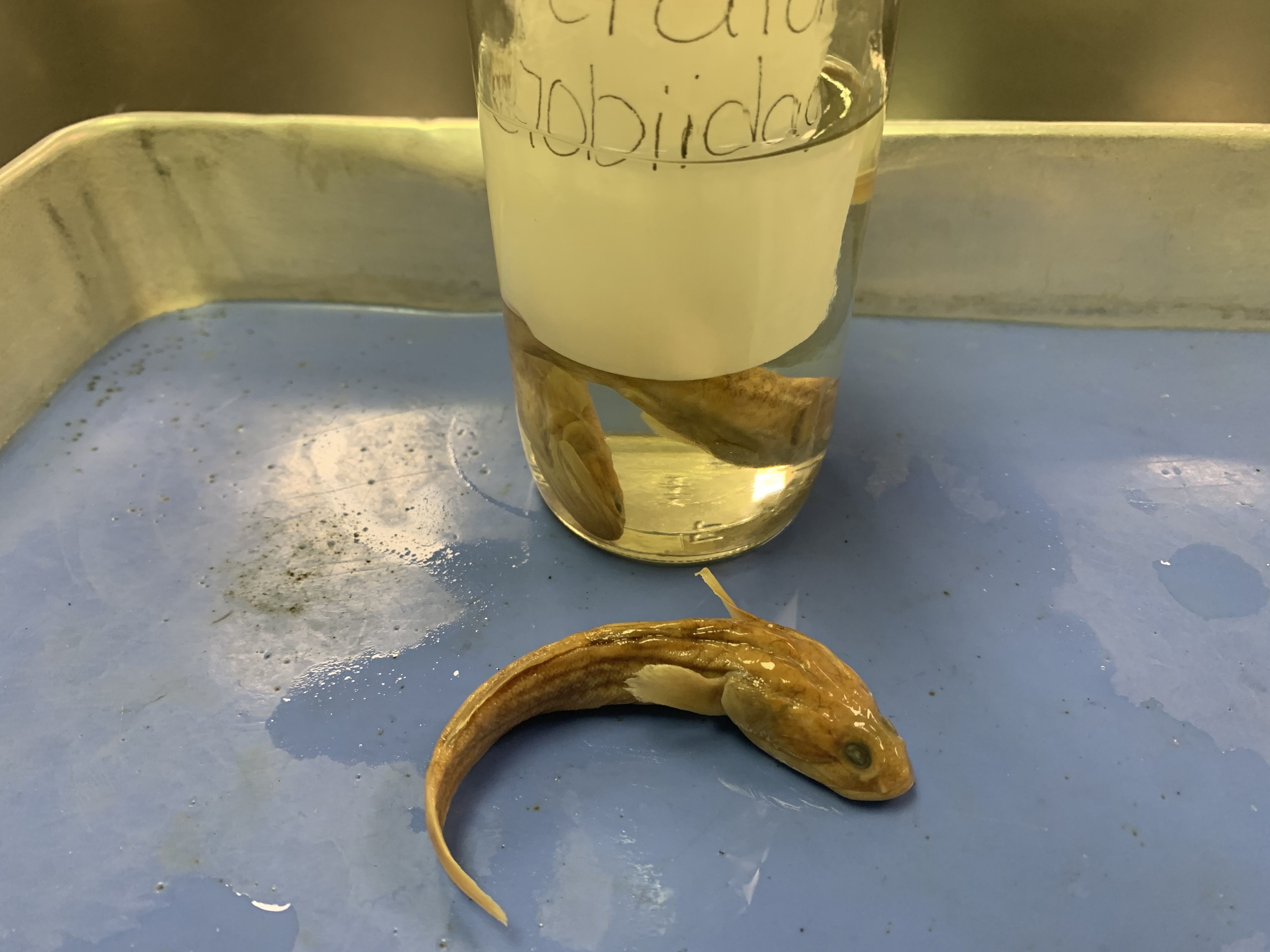
- 73combtooth blenniesBlenniidae
(i) body without scales
(ii) dorsal fins continuous
(iii) head blunt
(iv) pelvic fins jugular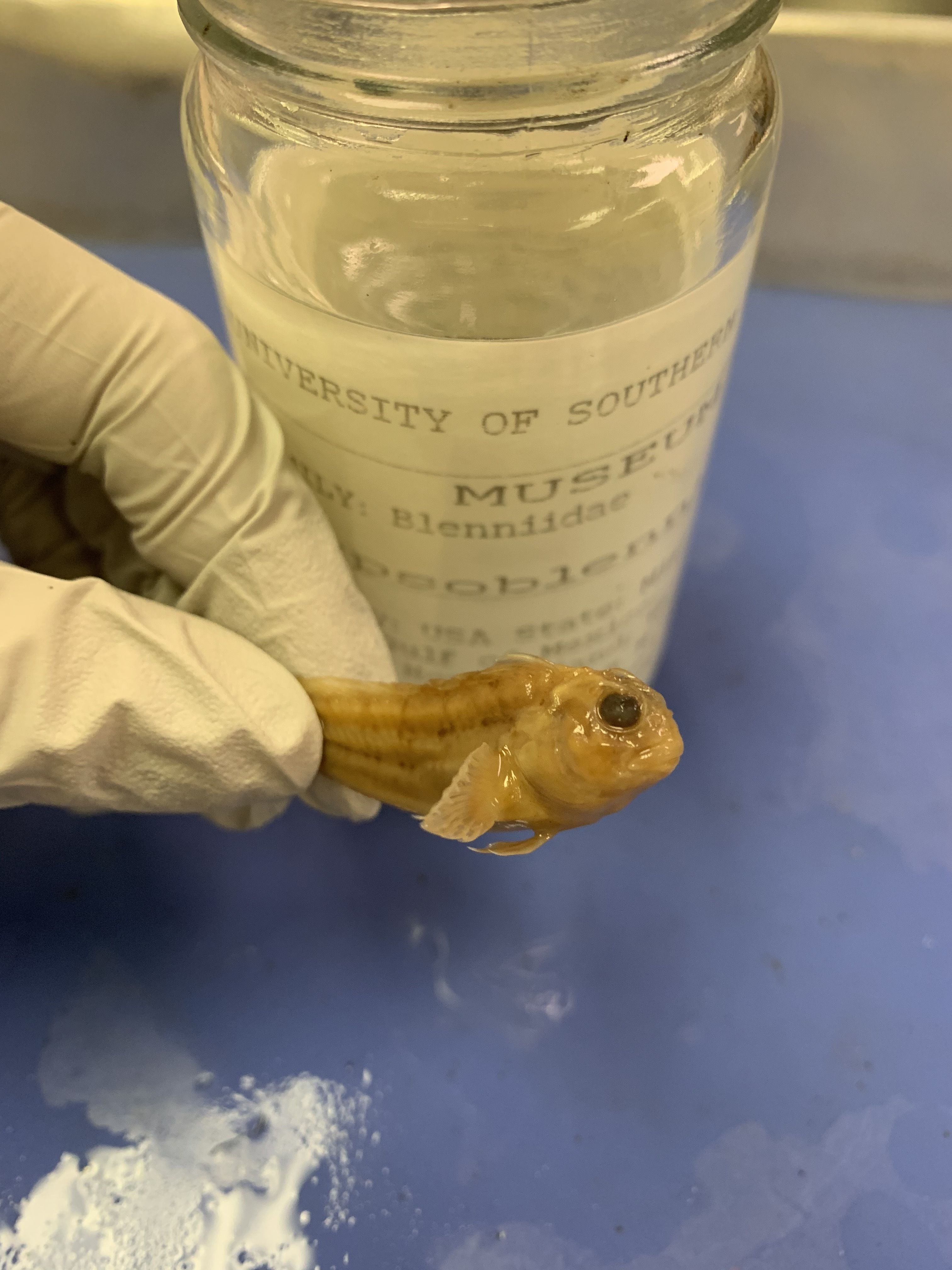
- 74butterfly fishChaetodontidae
(i) Strongly compressed body
(ii) No preopercular spine
(iii) Caudal fin with 15 branched rays, marginal rounded to emarginate (iv) Small mouth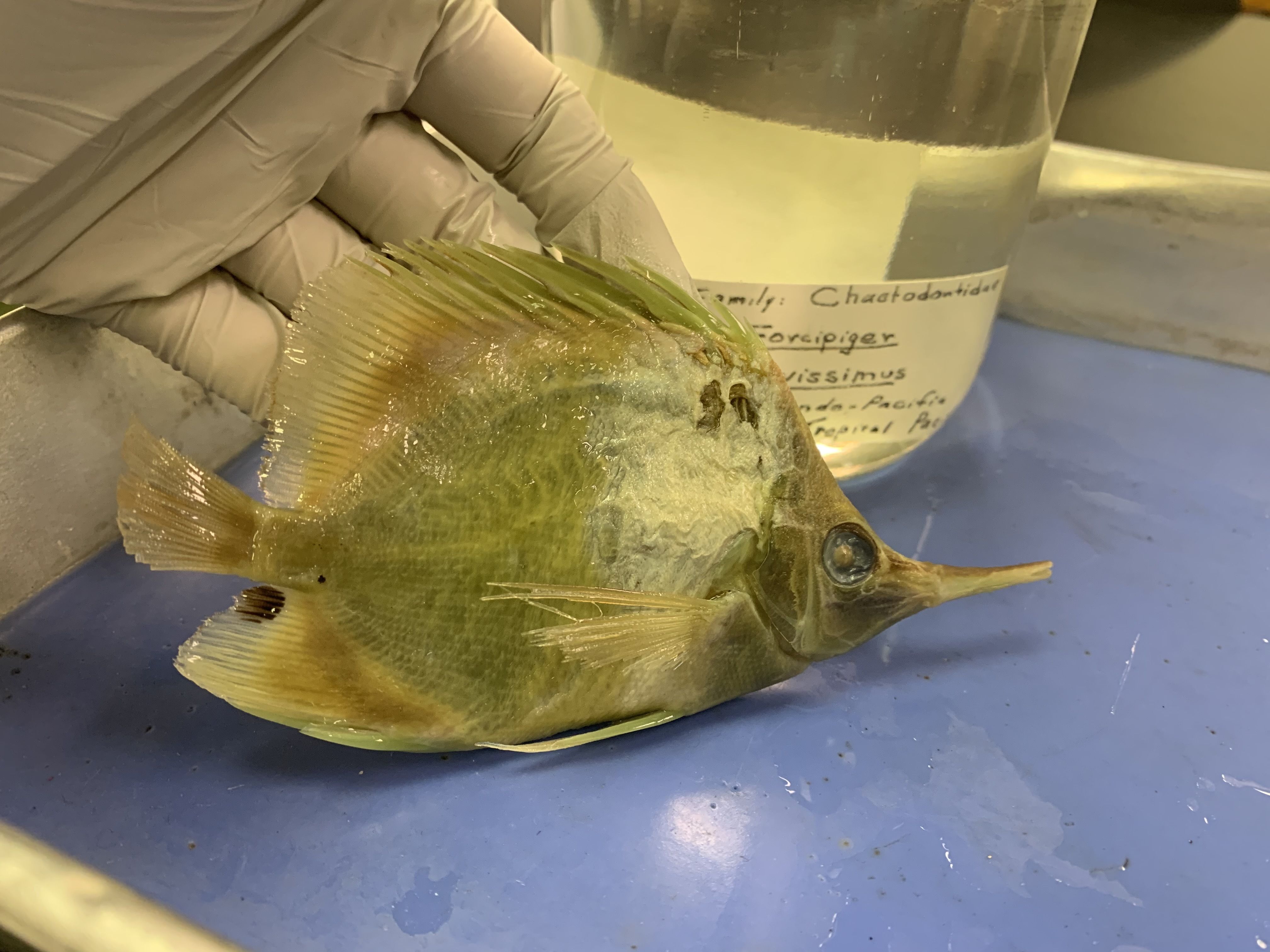
- 75tunasScombridae
(i) dorsal fins widely separated
(ii) finlets located posterior to second dorsal
(iii) caudal fin deeply forked, stiffened
(iv) mouth large, terminal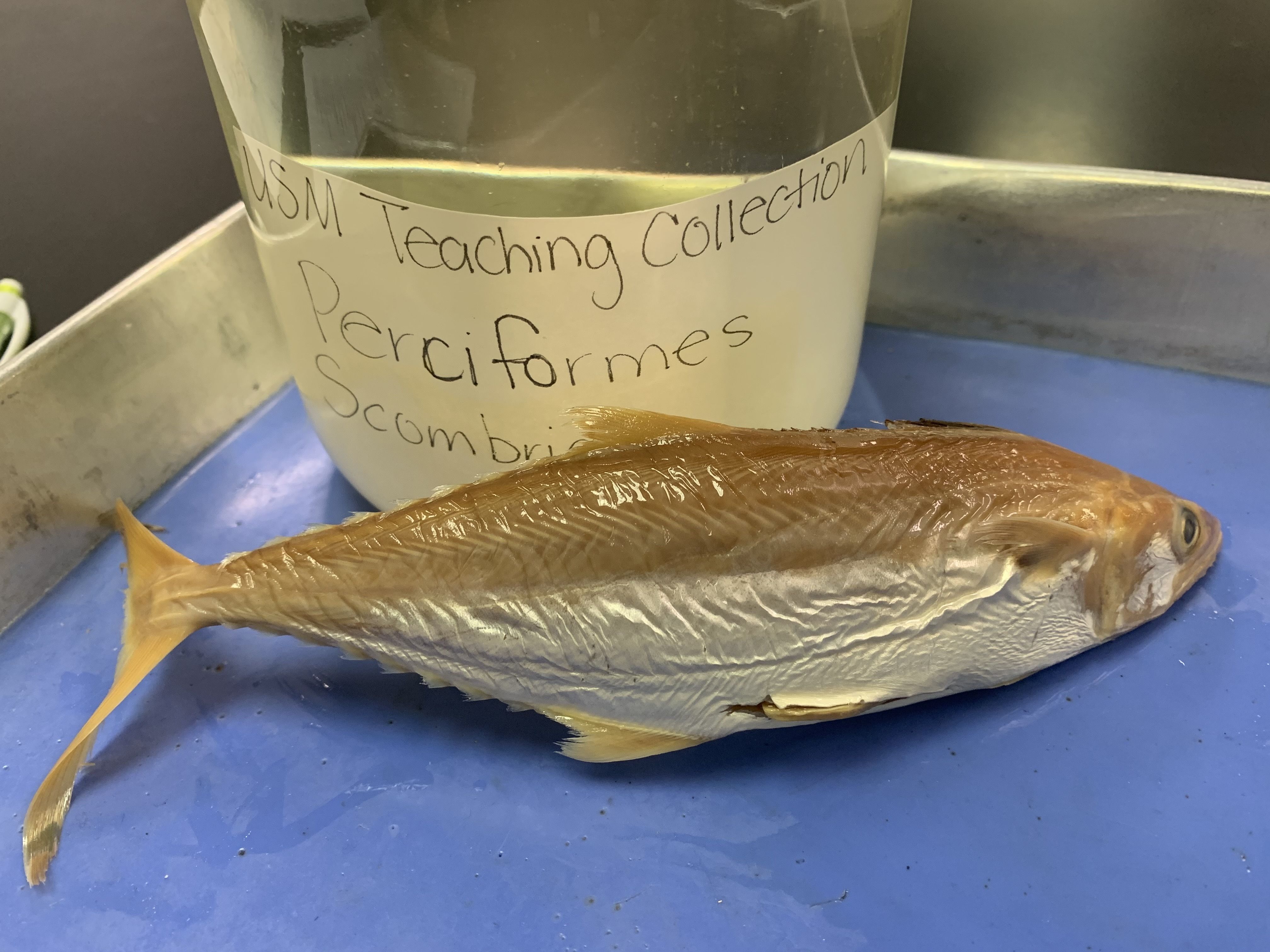
- 76—Pleuronectidae
(h) eyes always on right side
(ii) origin of dorsal fin above eyes (in some species)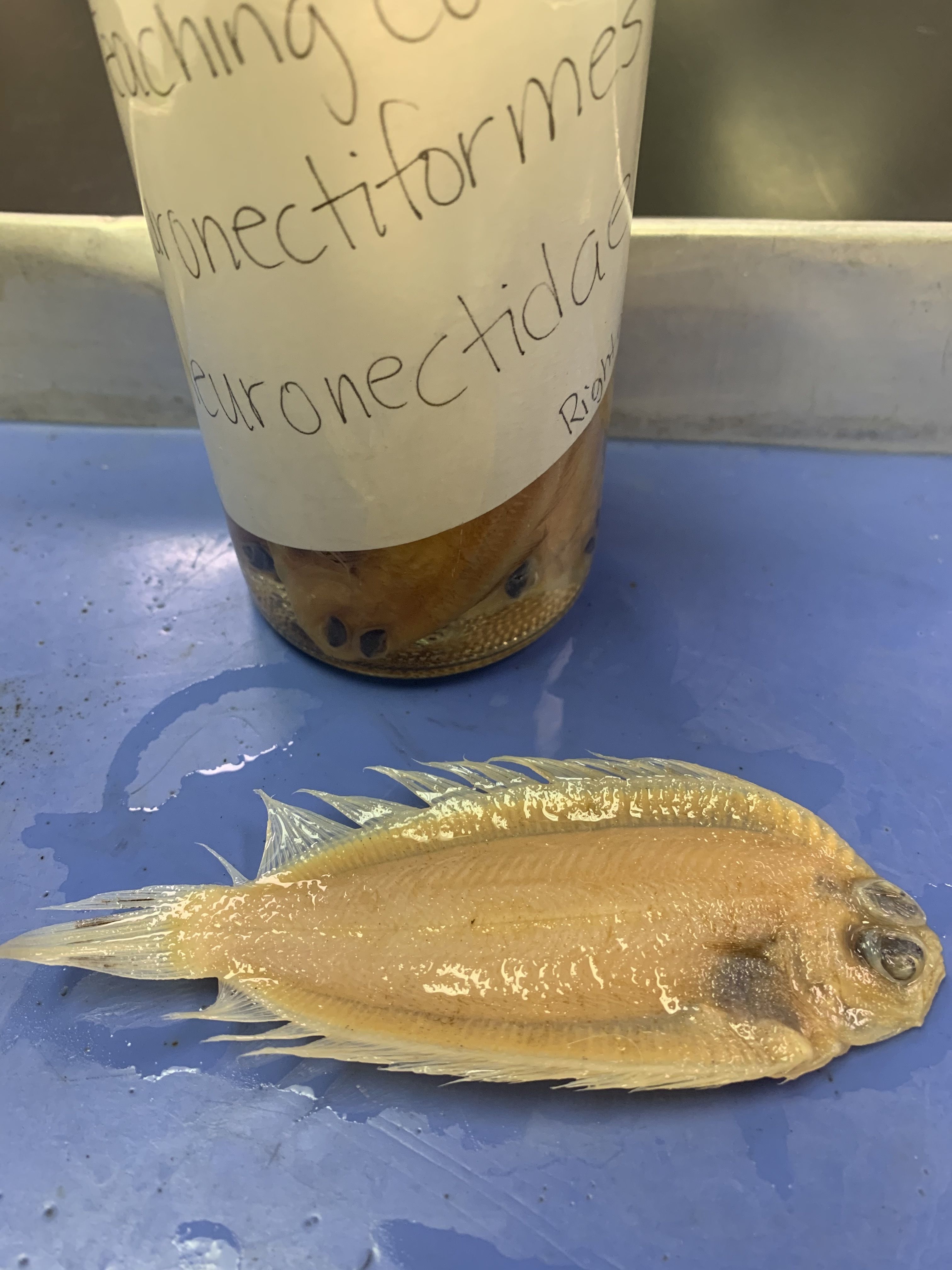
- 77bristlemouthsGonostomatidae
(i) body elongate
(ii) dorsal fin posterior to pelvics
(iii) teeth not long & fang-like, but bristle-like
(iv) photophores present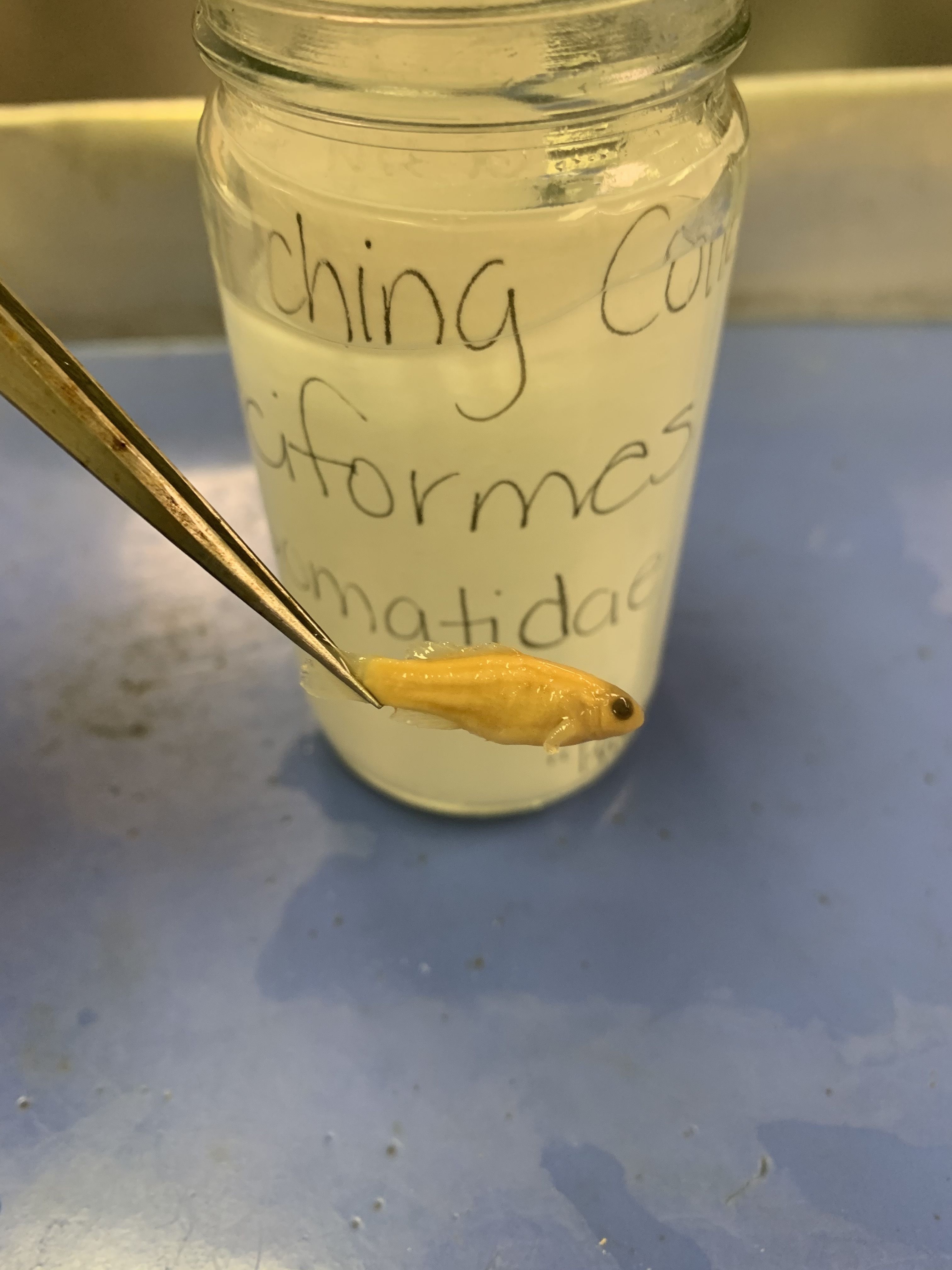
- 78triggerfishBalistidae
(i) ventral fins represented by single, more or less jointed spine at the end of a long pelvic bone
(ii) dorsal spines 3, with locking mechanism
(iii) body strongly laterally compressed (b) Family Monacanthidae-filefishes**
(i) two dorsal spines, second much smaller than first
(ii) body prickly to touch
(iii) ventral fins represented by single, more or less jointed spine at the end of a long pelvic bone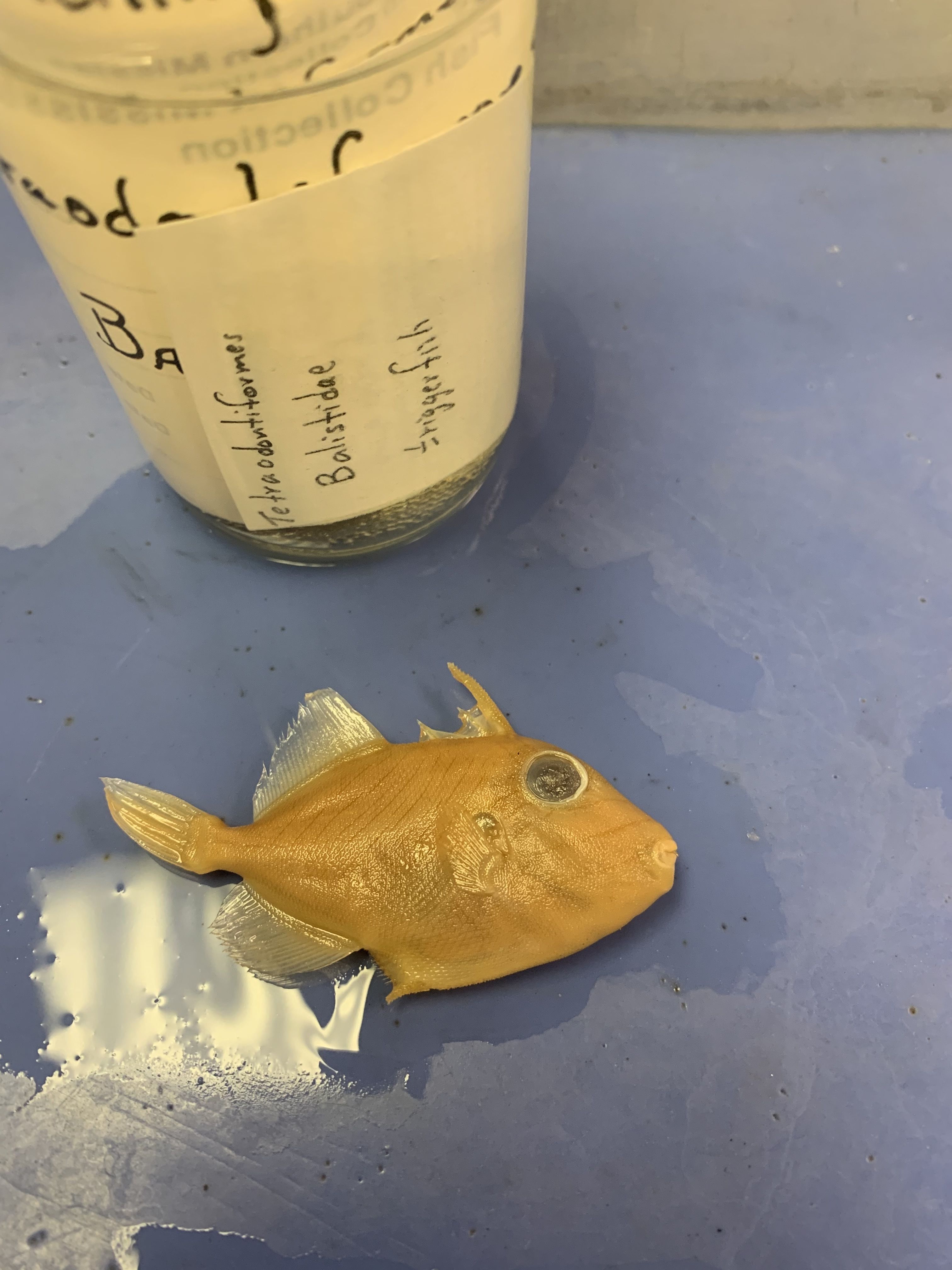
- 79—Paralichthyidae
(i) eyes on left side of head
(ii) pelvic fin without spine
(iii) pelvic bases short and nearly symmetrical
(iv) lower jaw prominent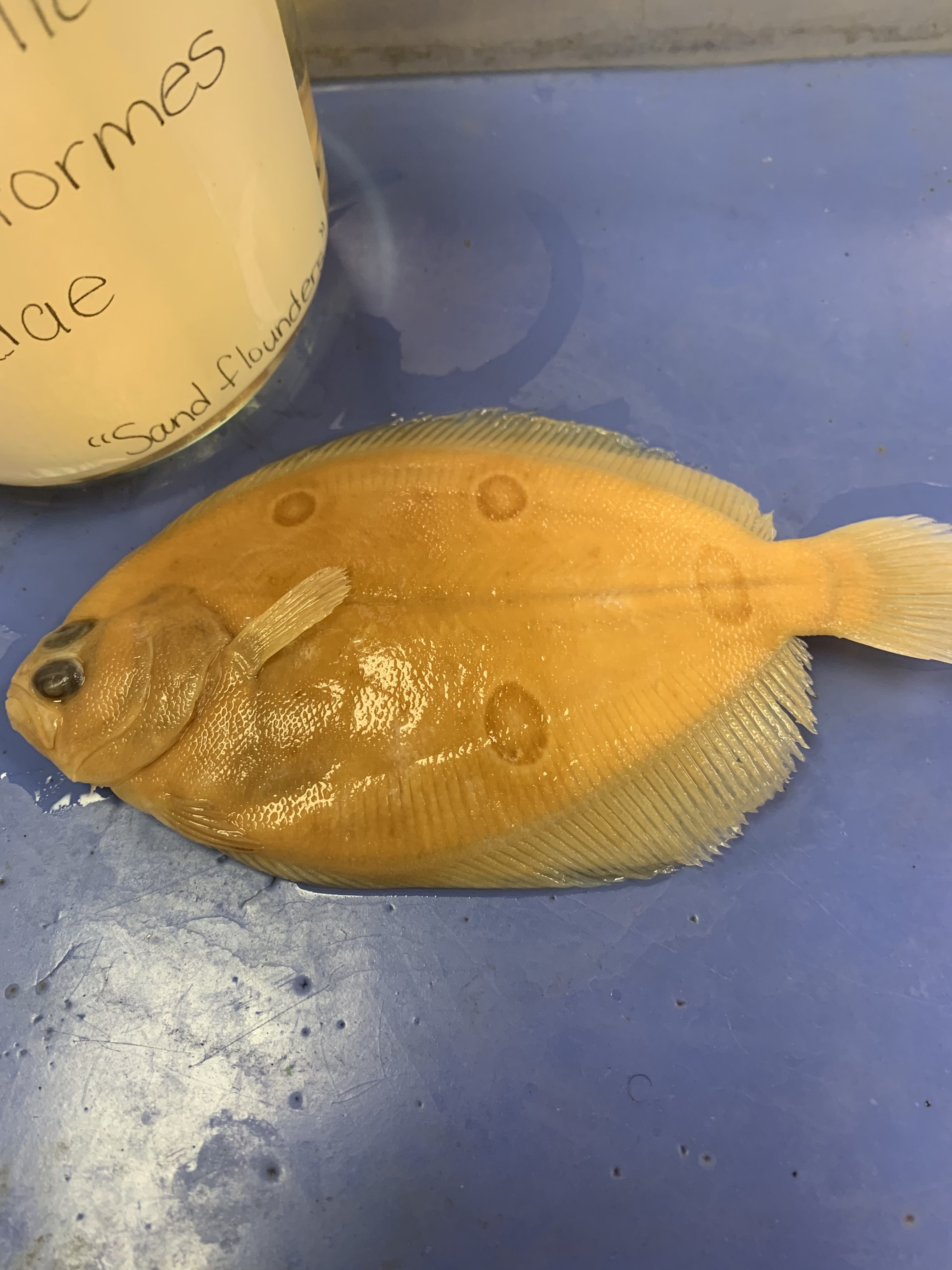
- 80tonguefishCynoglossidae
(i) eyes on left side of head
(ii) pelvic fin without spine
(iii) dorsal fin runs onto head and usually inserts anterior to dorsal eye (iv) lower jaw not prominent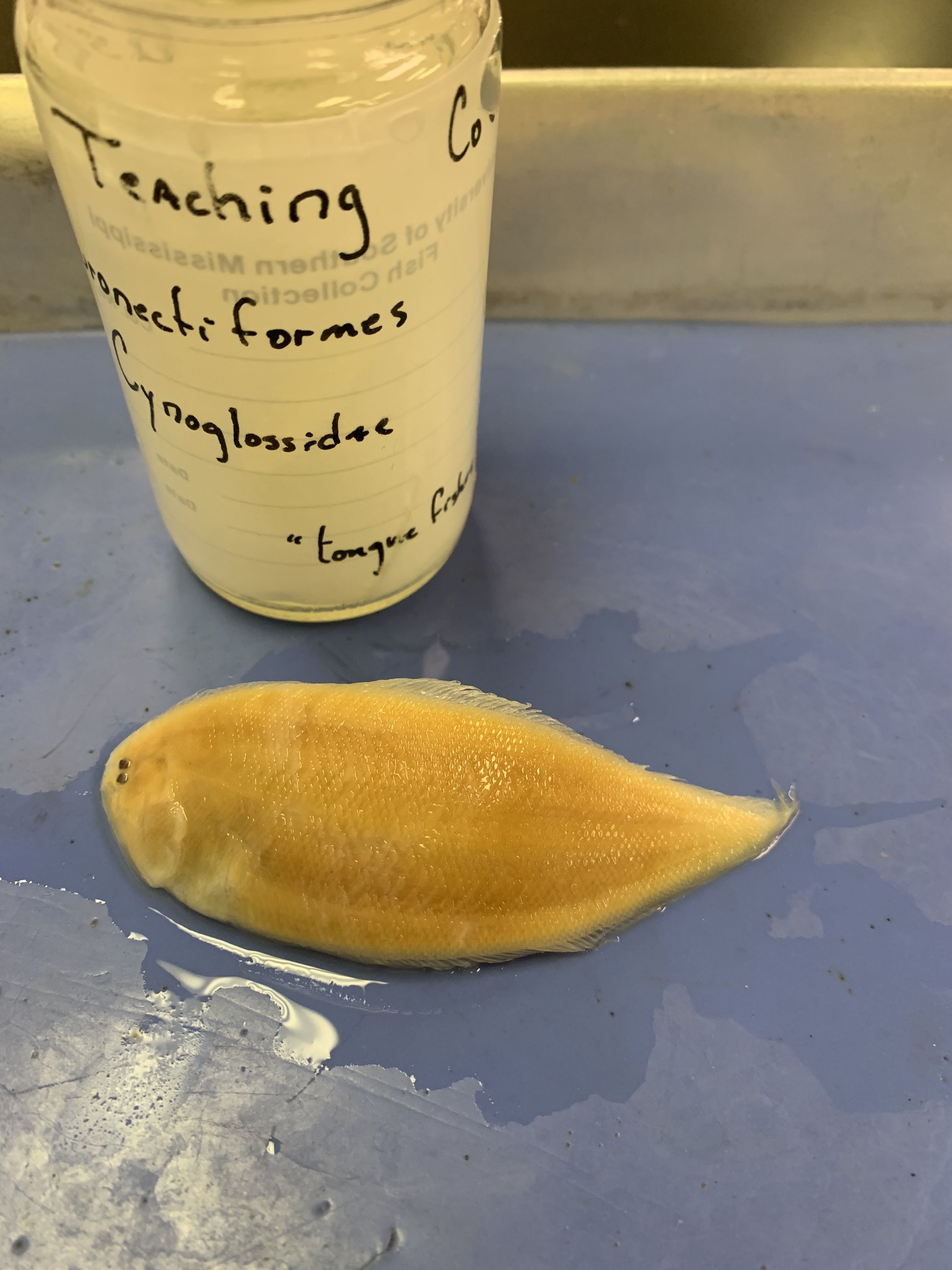
- 81lanternfishMyctophidae
(i) adipose fin present
(ii) photophores present
(iii) origin of anal fin under or behind dorsal fin base
(iv) mouth usually large and terminal
(v) operculum spiny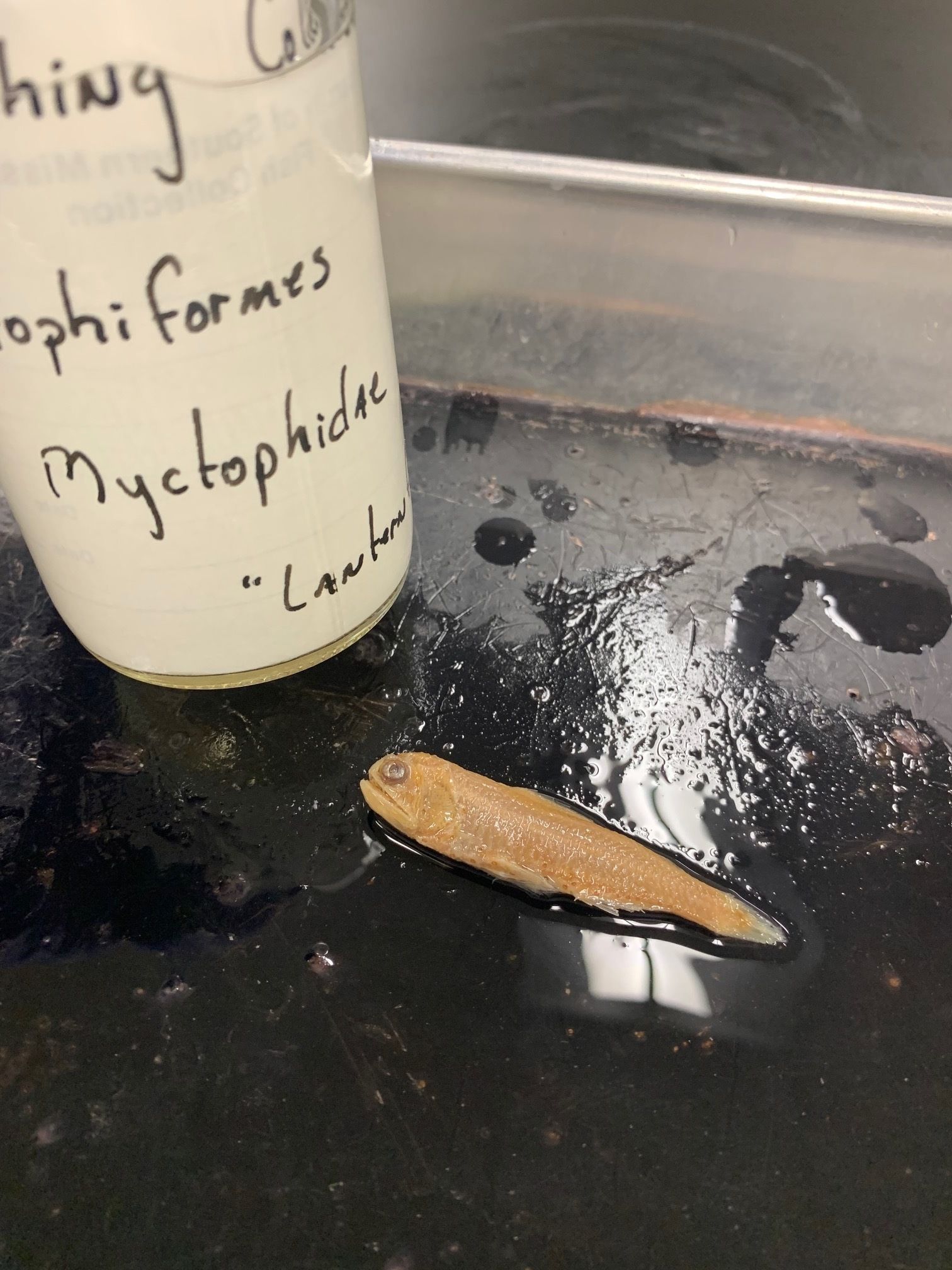
- 82—Ophidiidae
(i) body elongate
(ii) dorsal and anal fins confluent with caudal fin
(iii) pelvic fins (if present) thoracic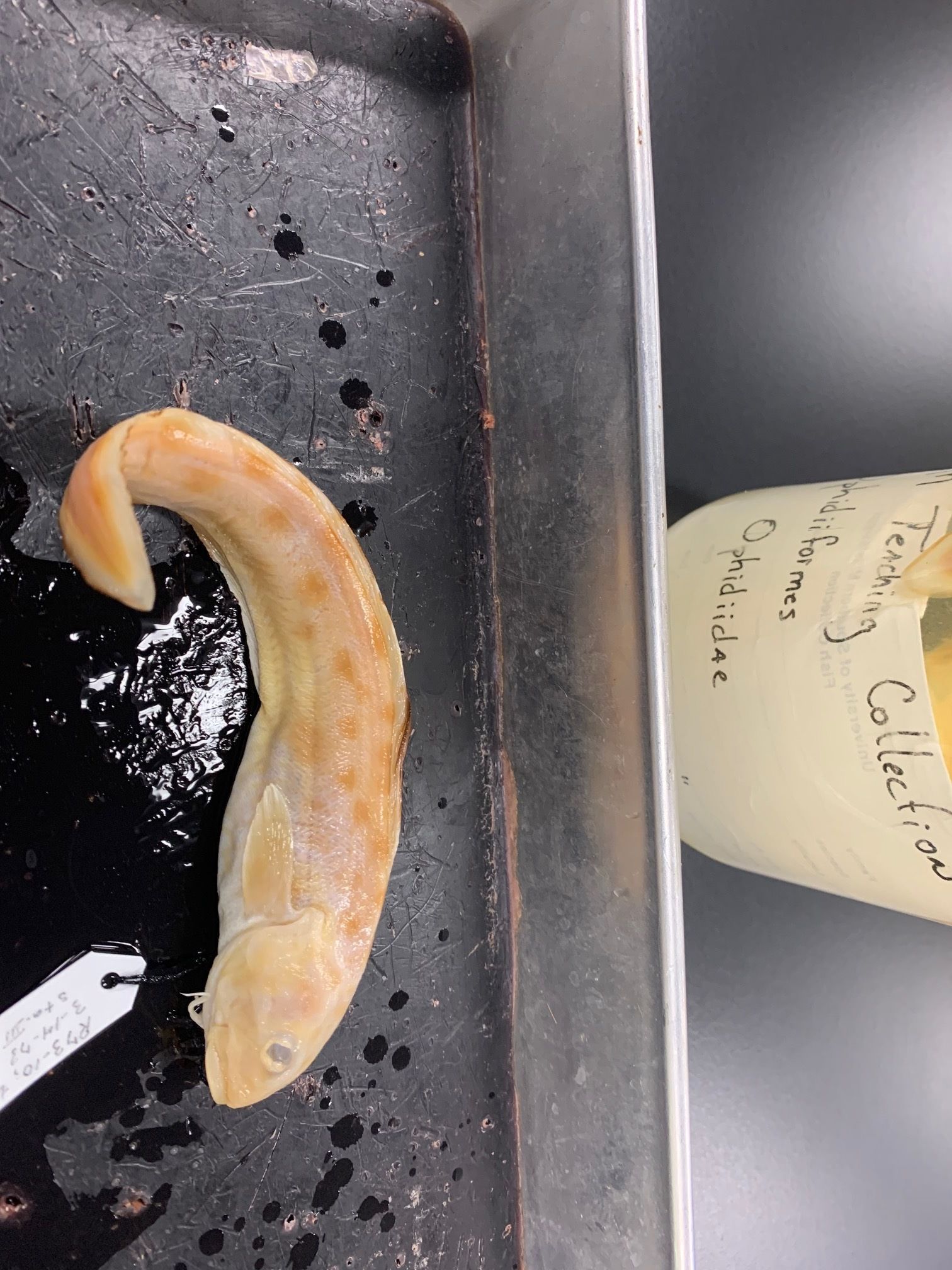
- 83—Phycidae
(i) single anal fin
(ii) pelvic fins thoracic with highly elongated rays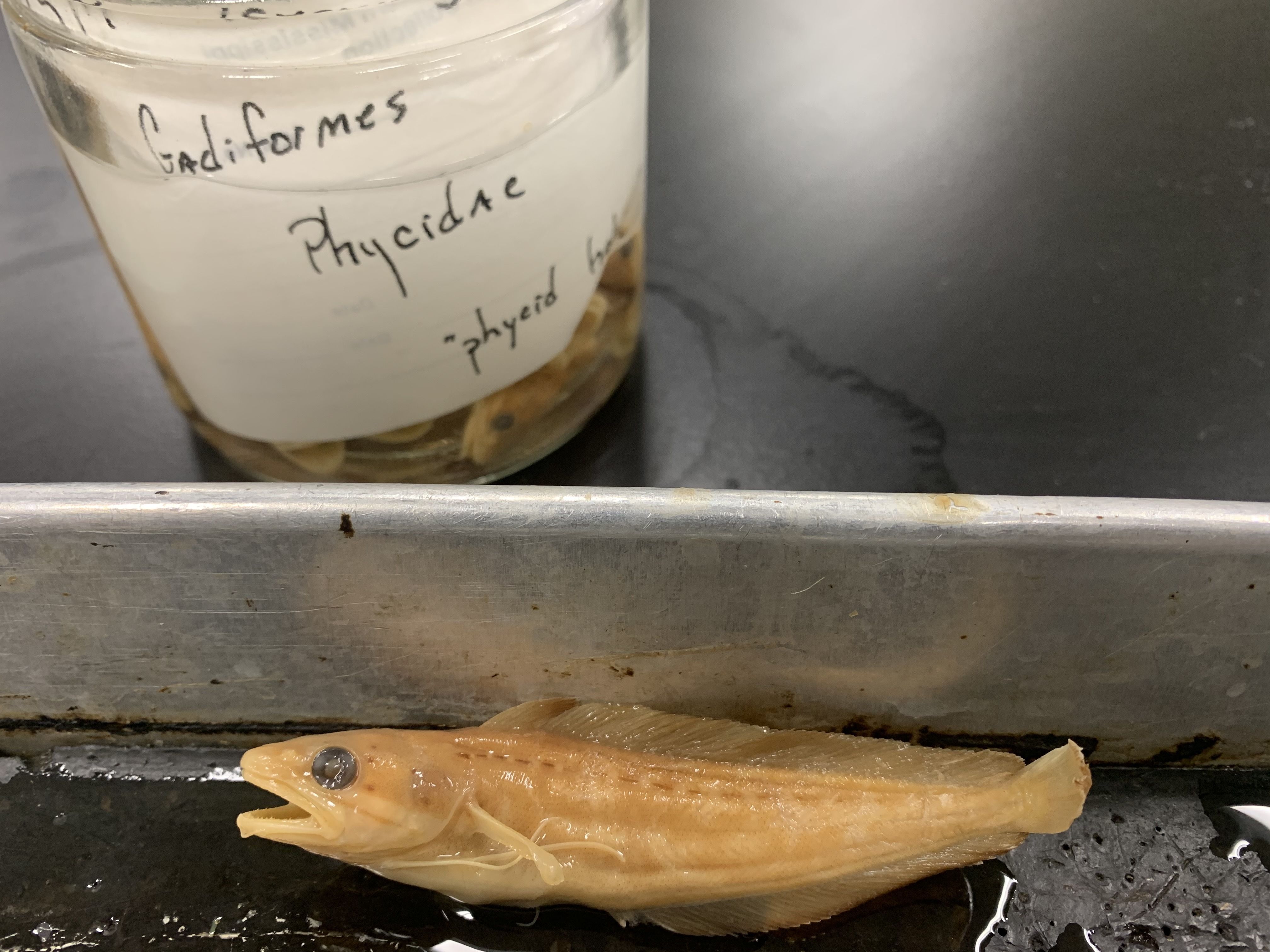
- 84—Pimelodidae
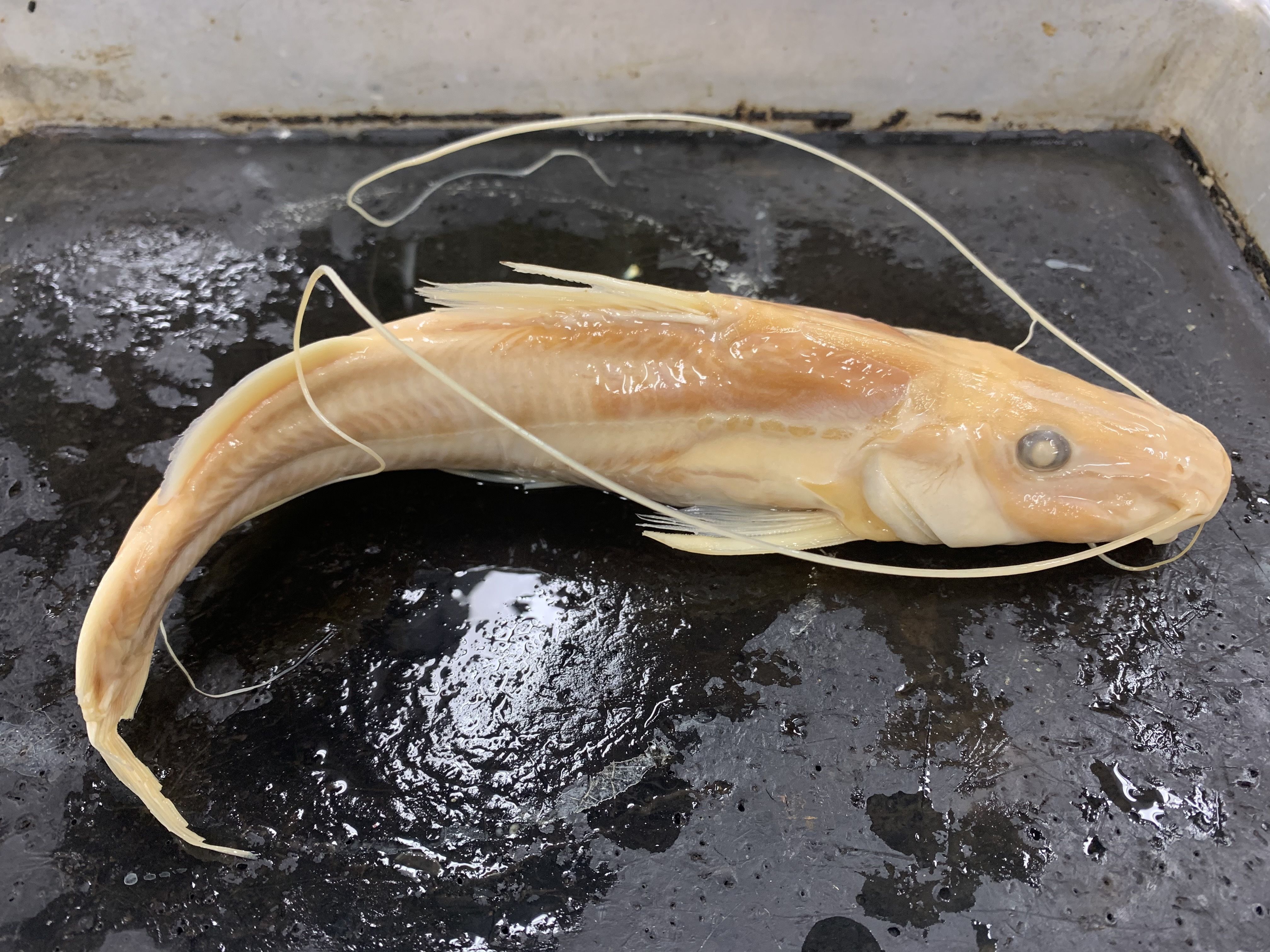
- 85—Amiidae
(a) single gular plate
(b) branchiostegal rays present
(c) terminal mouth, not prolonged into beak
(d) head covered with bony plates
(e) cycloid scales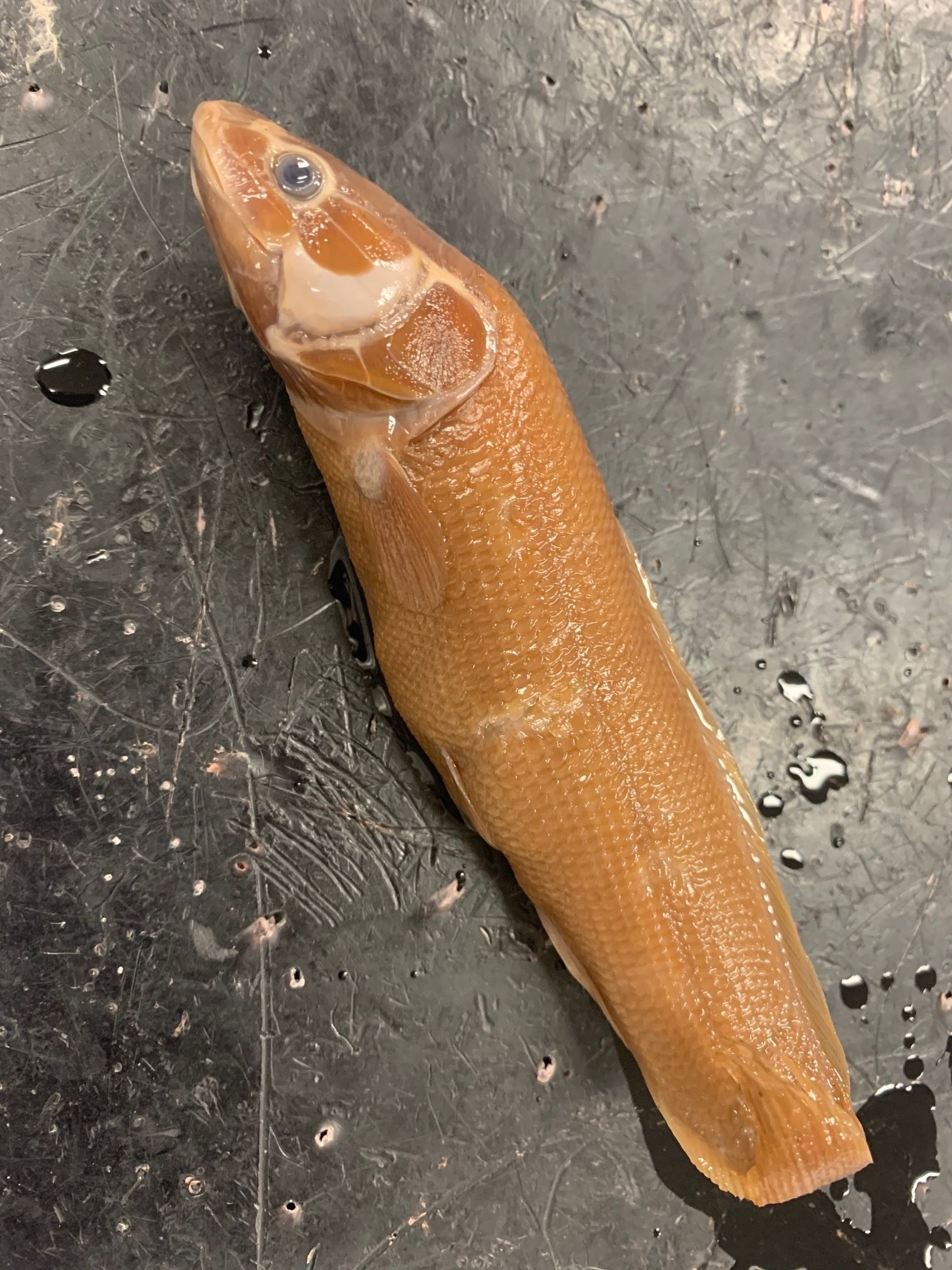
- 86numbfishNarcinidae
a. electric organs present
b. two well developed dorsal fins
c. well developed caudal fin
d. broad, thick circular disk
e. skin soft and loose
f. jaws long and strongly protractile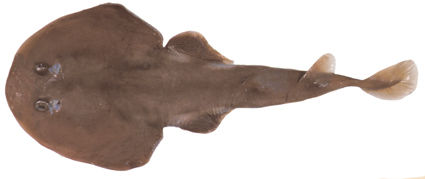
- 87american soleAchiridae
(i) eyes on right side of head
(ii) pelvic fin without spine
(iii) right pelvic fin joined to anal fin
(iv) lower jaw not prominent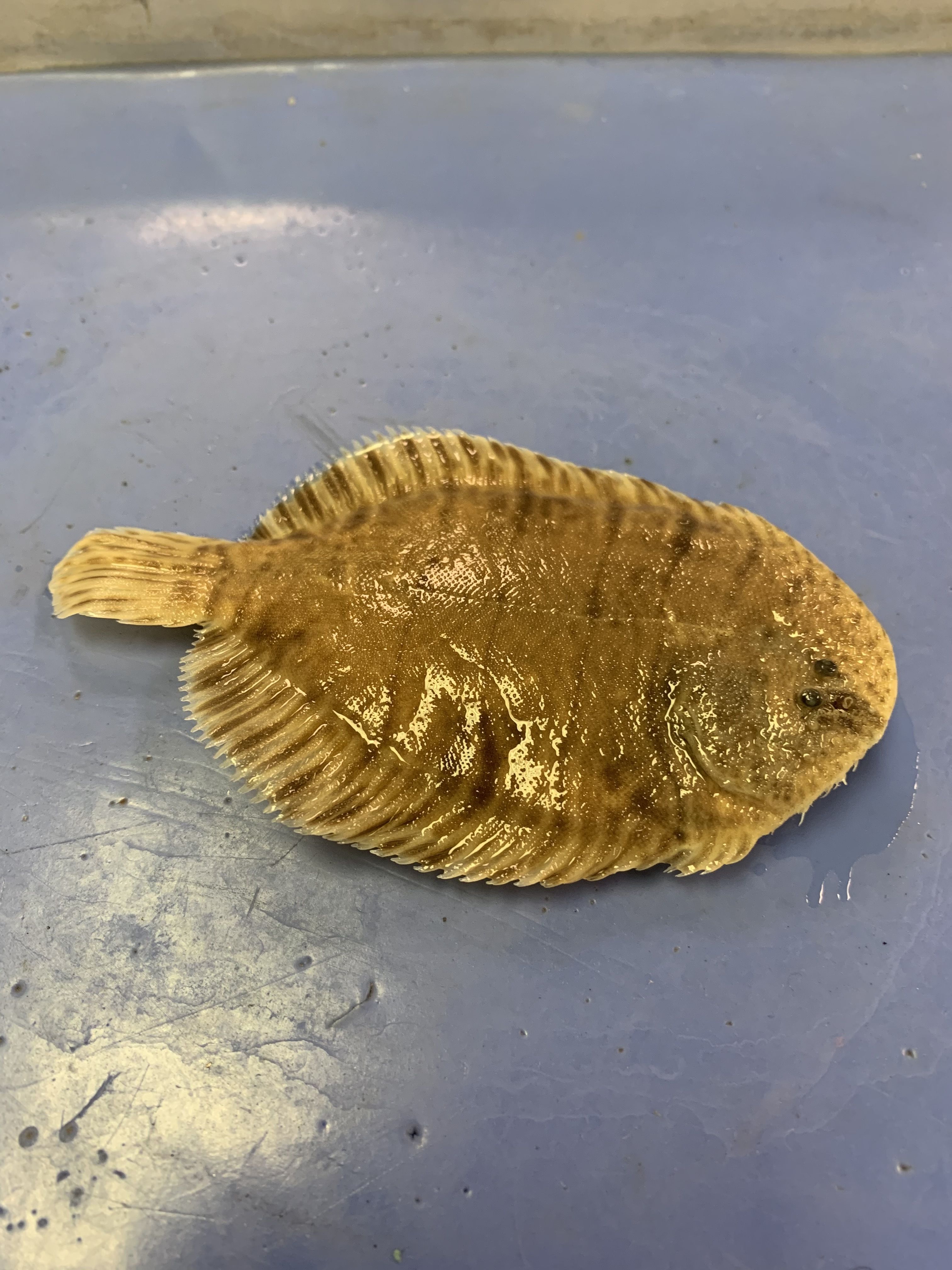
- 88porcupine fishporcupinefishes
(i) scales represented by strong spines
(ii) single tooth in each jaw
spines always present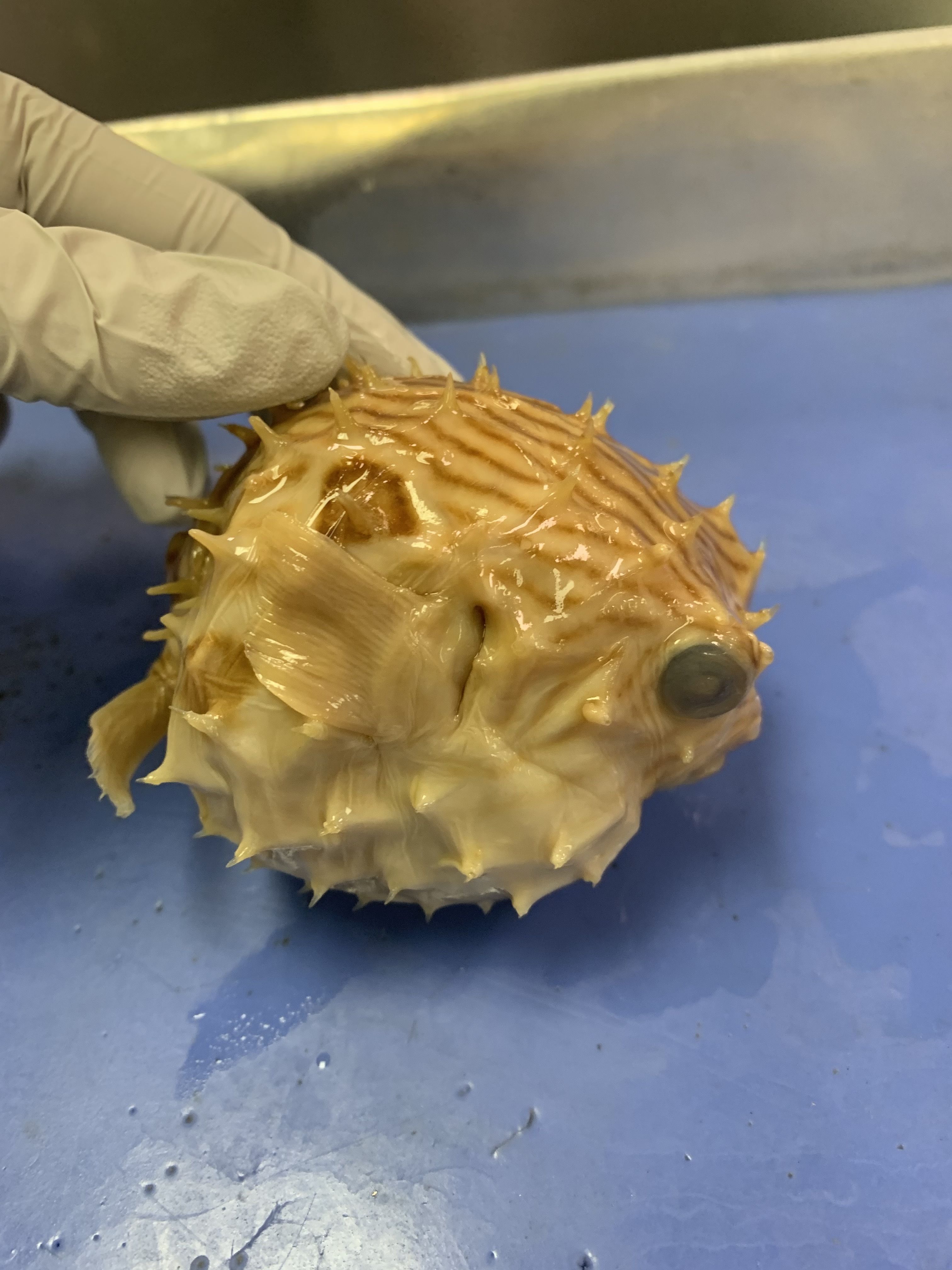
- 89—Uranoscopidae
(i) top of head flattened
(ii) mouth large, superior
(iii) lips surrounded by fleshy fringe
(iv) pelvic fins jugular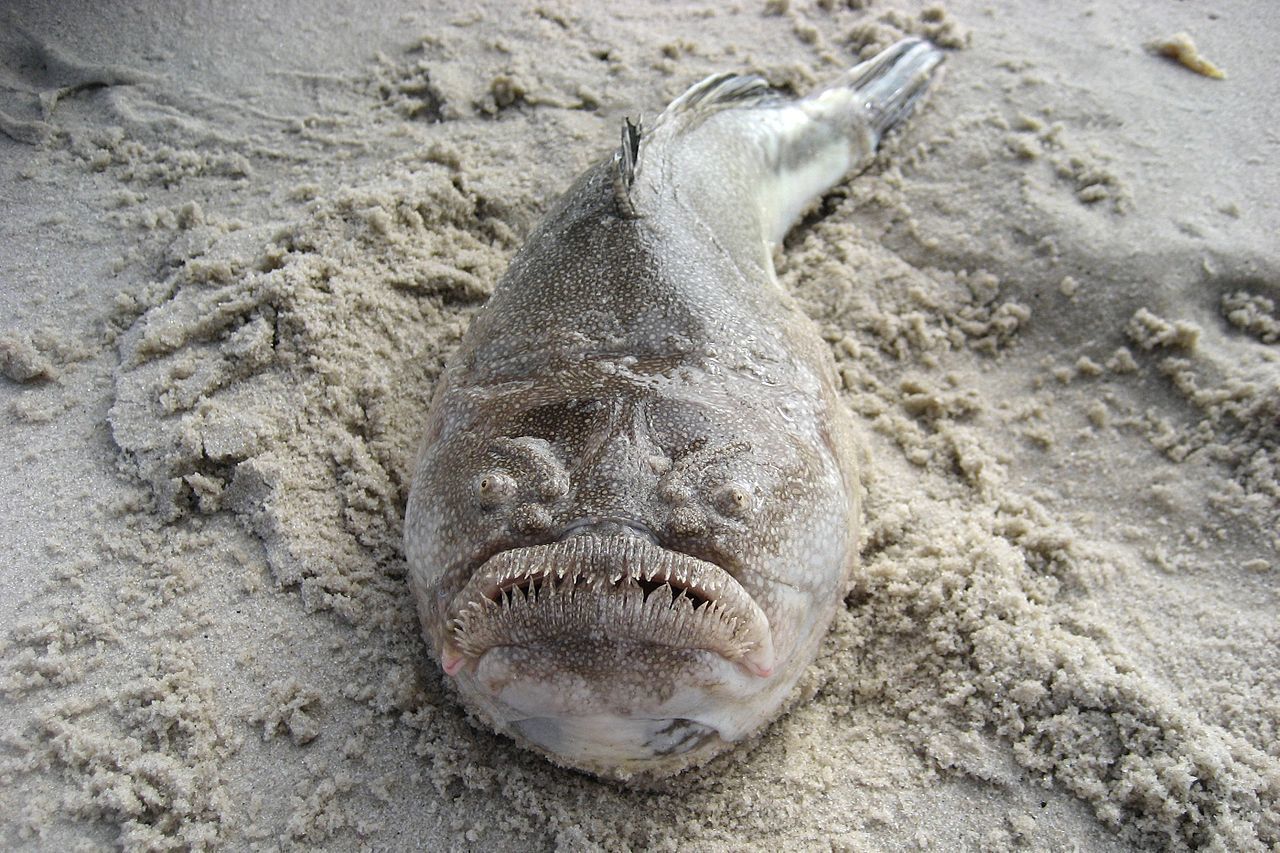
- 90damselfishPomacentridae
(i) single obvious nostril on each side of head
(ii) pelvic axillary scale present
(iii) pseudobranch present
(iv) opercle, preopercle or preorbital often serrated
(v) anal spines never more than 3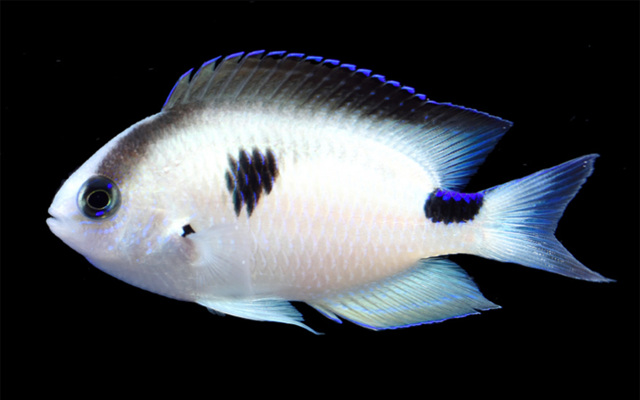
- 91—Elassomatidae
(i) 4-5 dorsal spines
(ii) cycloid scales
(iii) lateral line absent
(iv) spinous and soft dorsal fins broadly joined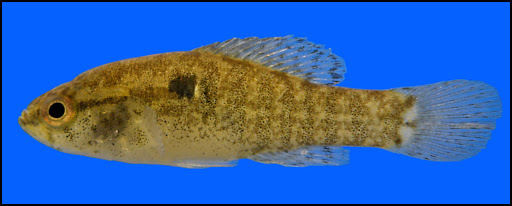
- 92snake and worm eelsOphichthidae
(i) leptocephalous larval stage without caudal fin
(ii) pectoral fins present
(iii) opening of posterior nostril pierces upper lip
(iv) tail stiffened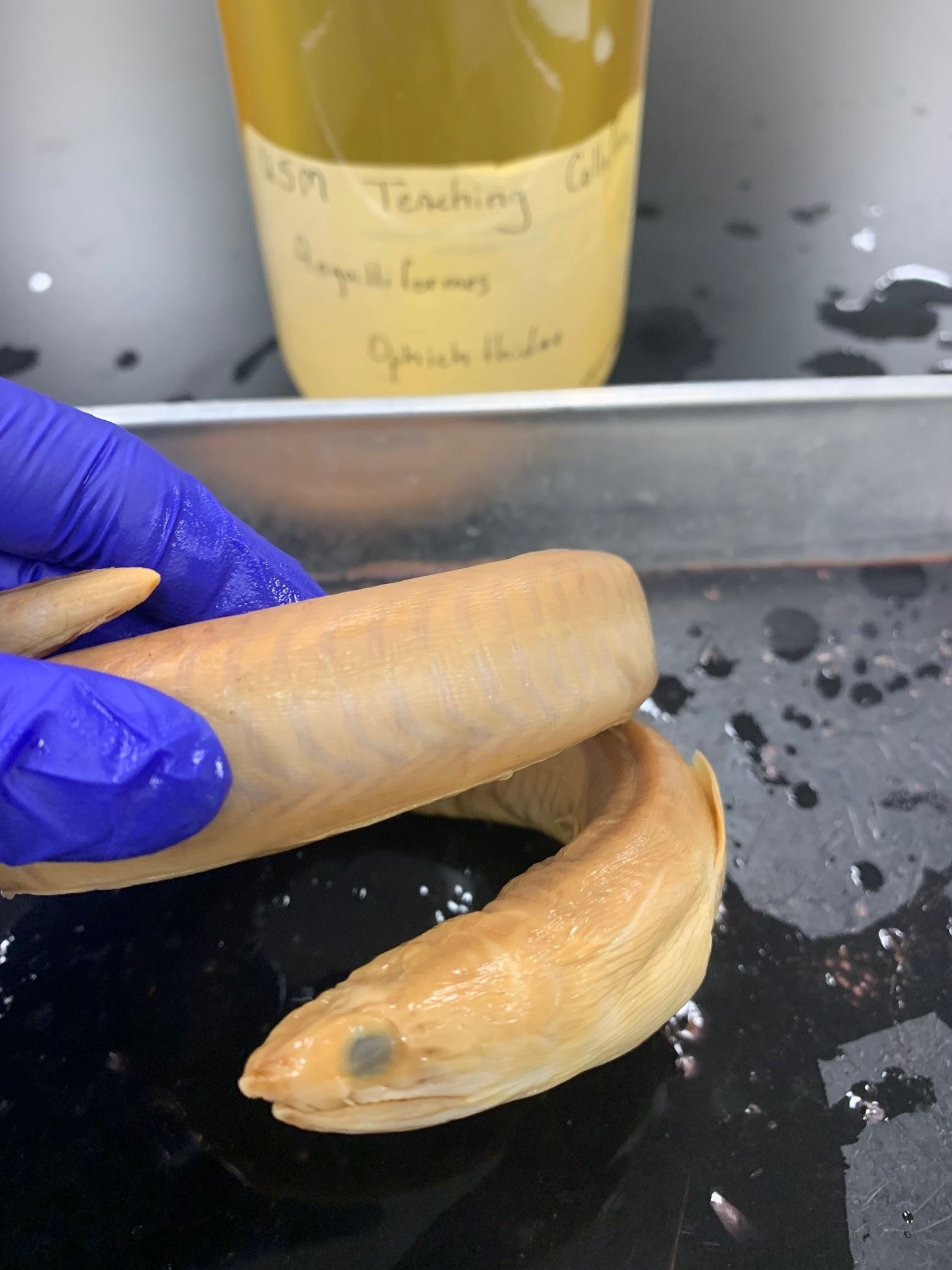
- 93—Anguillidae
(a) leptocephalous larval stage without caudal fin
(b) pectoral fins present
(c) scales very small and embedded
(d) lower jaw protrudes past upper jaw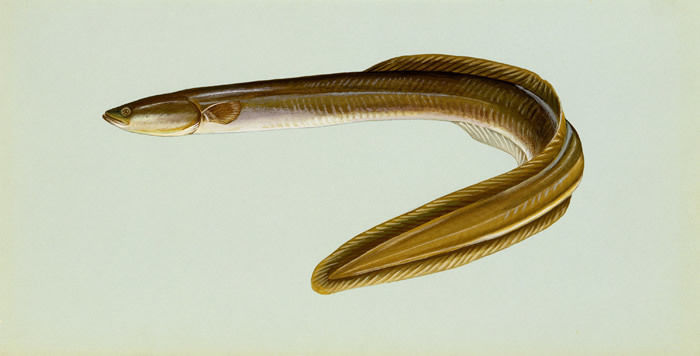
- 94—Engraulidae
(i) connection between swimbladder and ear
(ii) snout prominent, mouth inferior
(iii) maxillary long, extending posterior to eye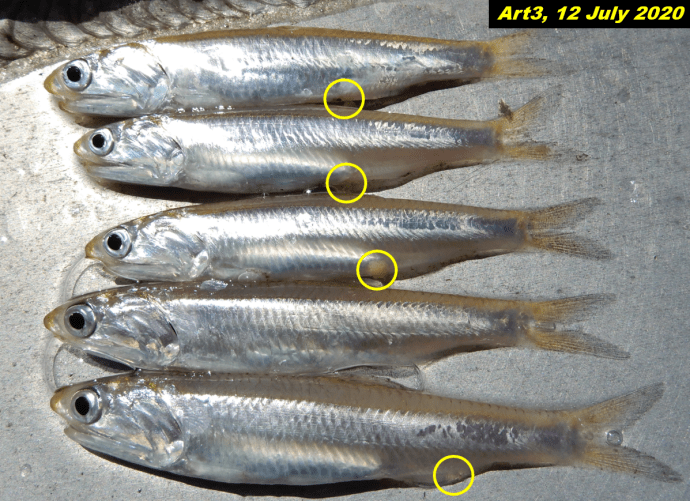
- 95—Cyprinodontidae
(i) third anal ray branched (first ray is rudimentary)
(ii) egg layers, male without gonopodium
(iii) body short & deep
(iv) jaw teeth incisor-like and cusped
(v) single dorsal fin at mid-body iii) Series Percomorpha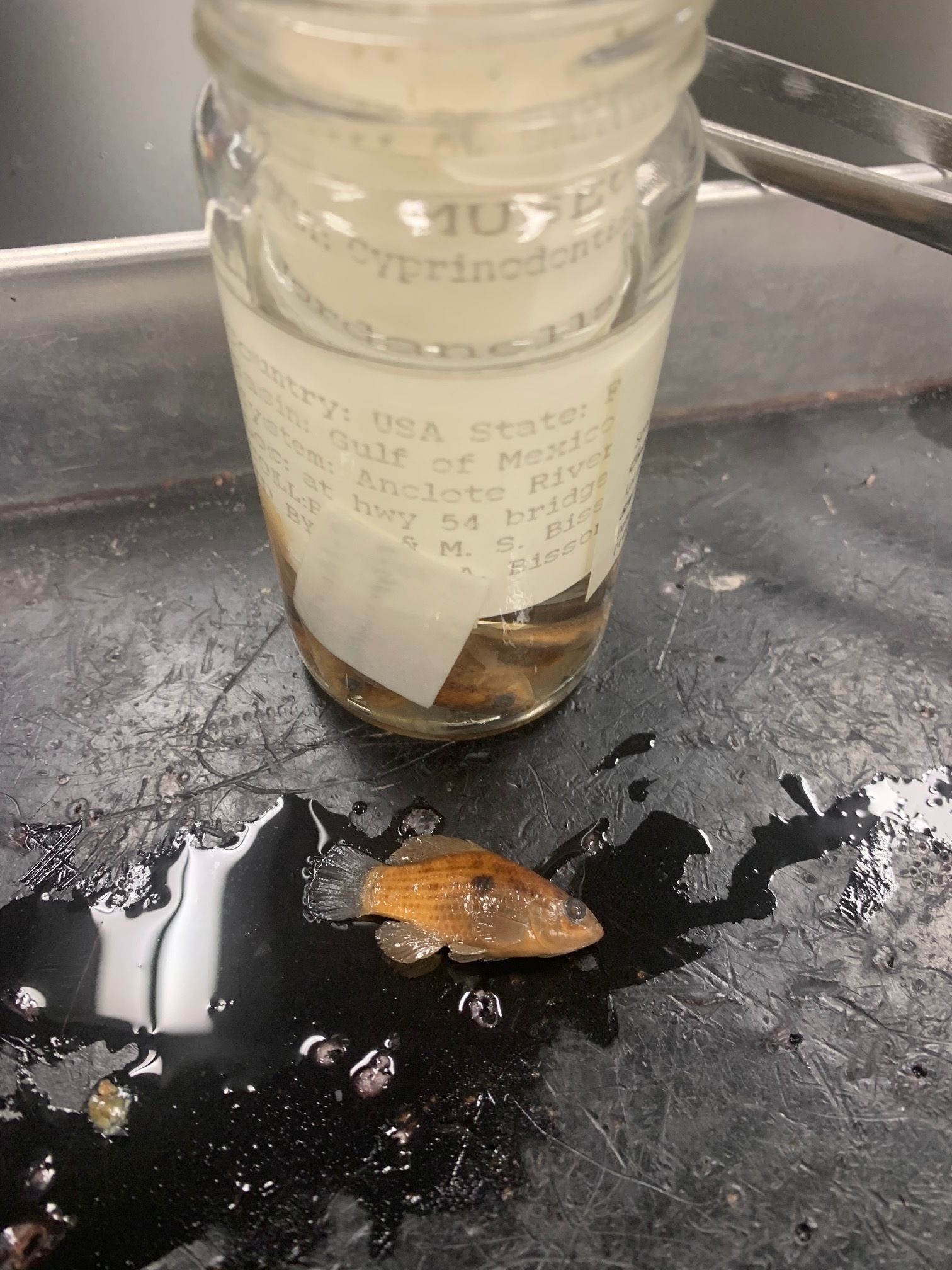
- 96—Salmonidae
(i) adipose fin present
(ii) scales small, >14 between dorsal fin insertion & lateral line (iii) maxillary usually reaches to at least below middle of eye.
(iv) accessory scale present on pelvic fins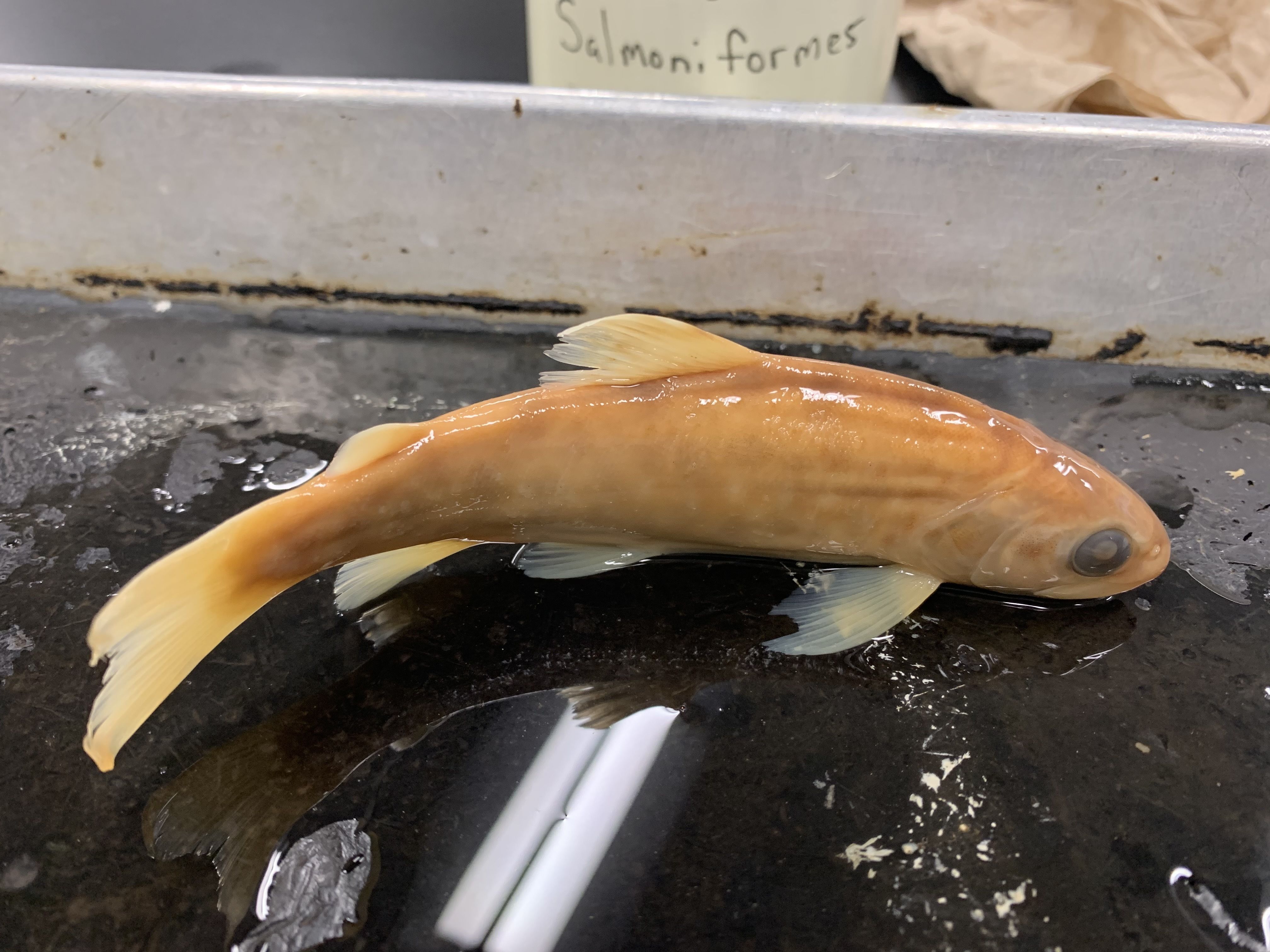
- 97suckersCatostomidae
(i) mouth bordered by both premaxillaries and maxillaries
(ii) pharyngeal teeth in a single row with more than 16 teeth
(iii) barbels absent
(iv) mouth inferior, with fleshy lips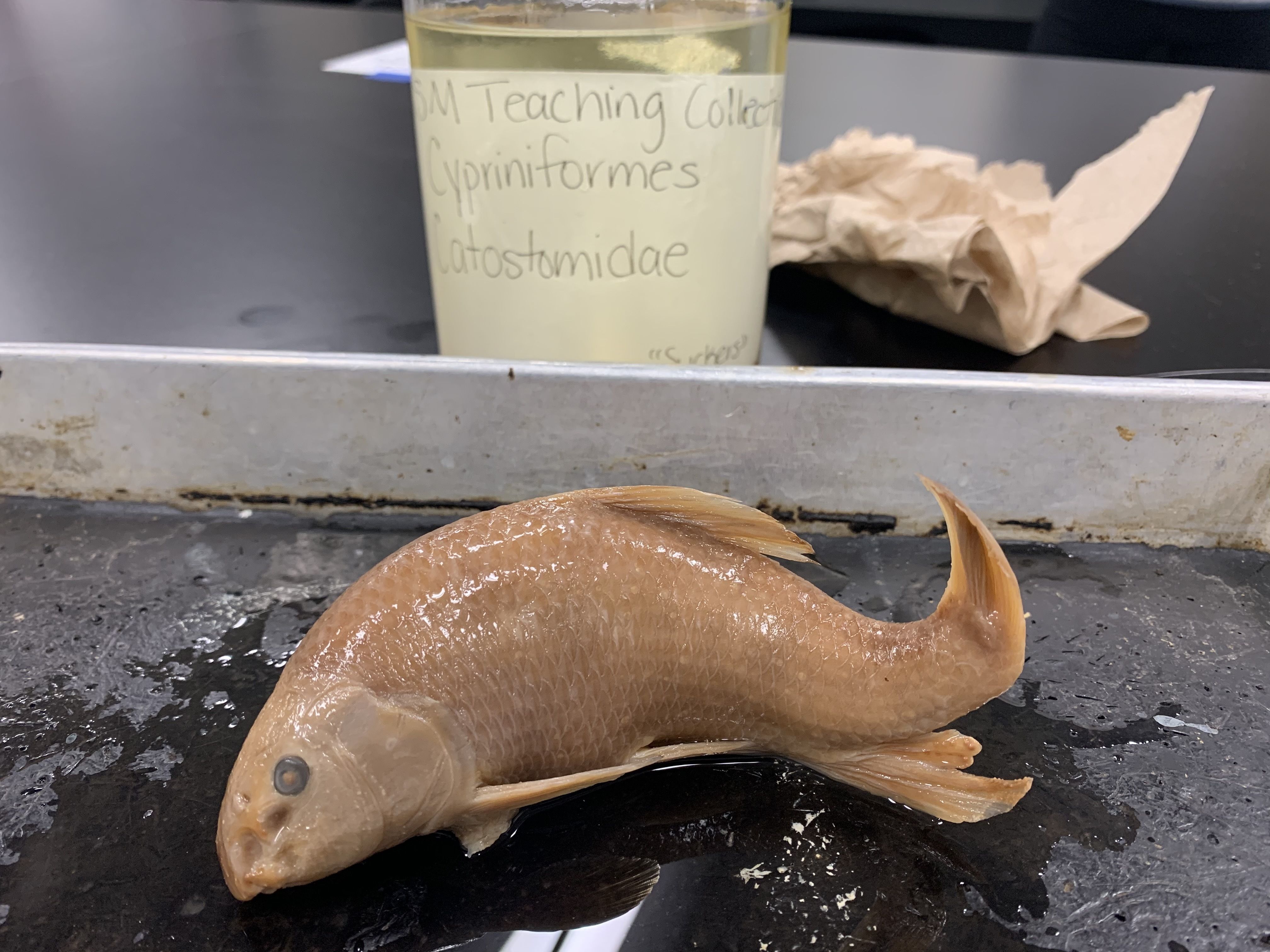
- 98sculpinsCottidae
(i) head lacks spines
(ii) anal fin lacks spines
(iii) opercle usually unarmed, or with single spine
(iv) body scaleless or only partially scaled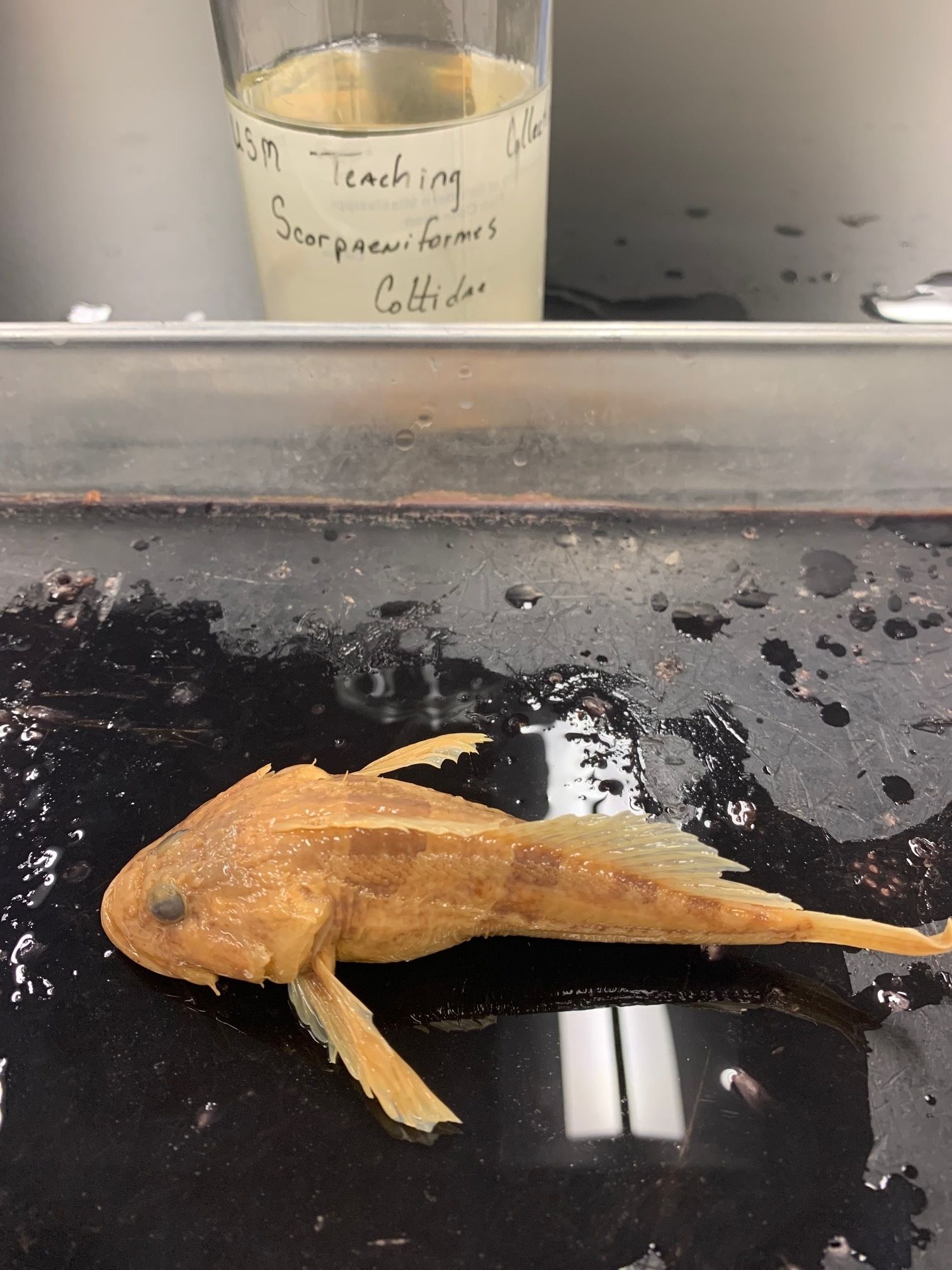
- 99—
Information
- Description
- Flashcards on Untitled, created by Krist Cambre on 02/10/2020.
- Created by
- Krist Cambre
- Views
- 8
- Rating