
Mind map
RECENT TRENDS IN MATERIALS

Map content
RECENT TRENDS IN MATERIALS
Recent trends in suplementary materials
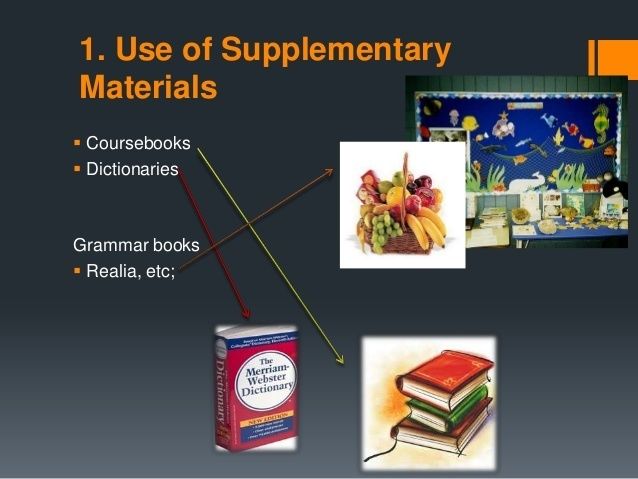
- Materials designed to be used in addition to the core materials of a course (Tomlinson 1998)
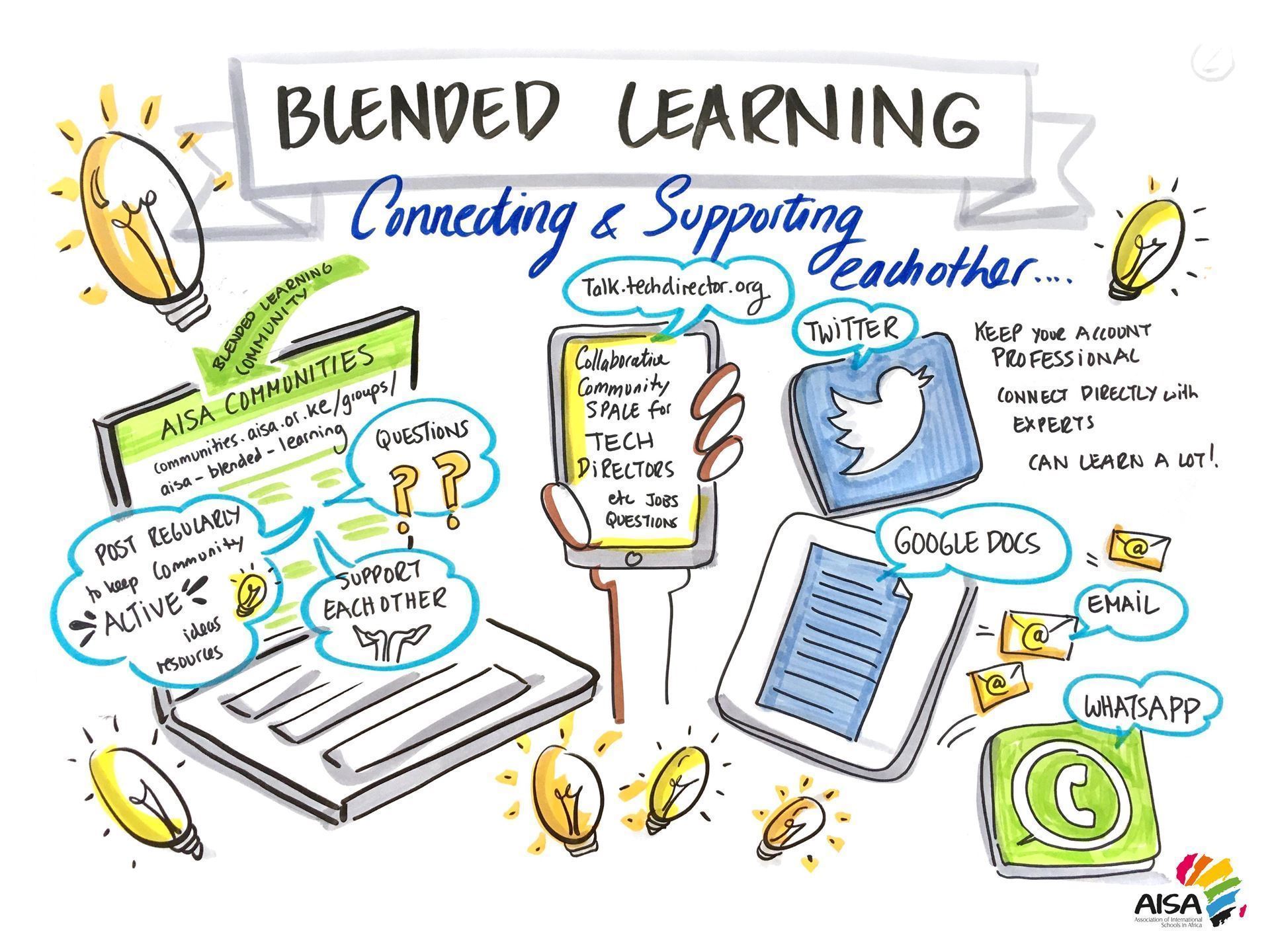
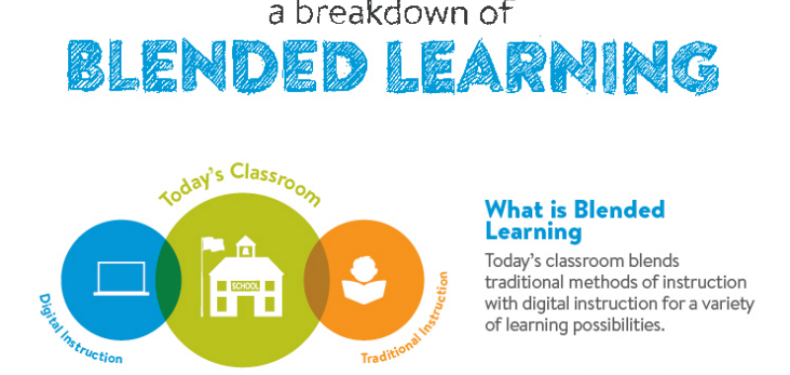
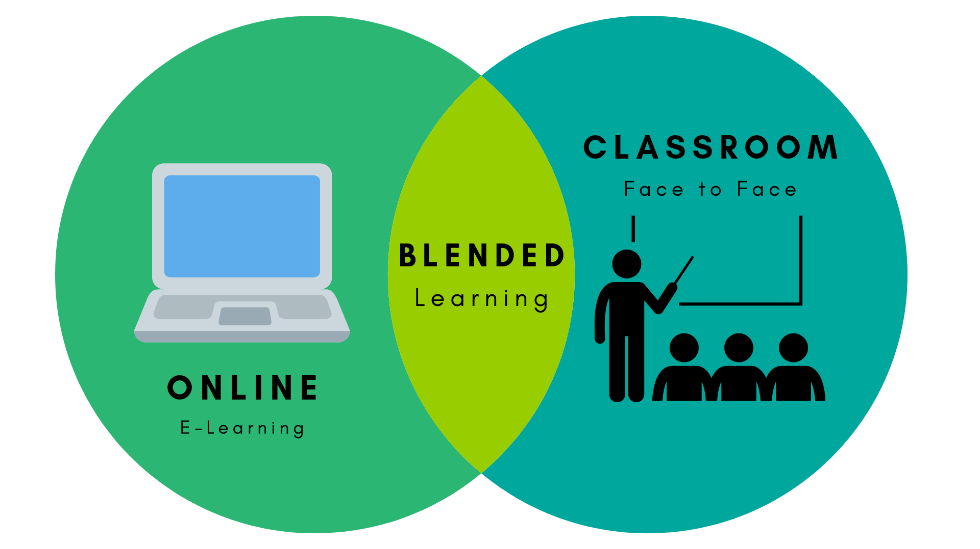
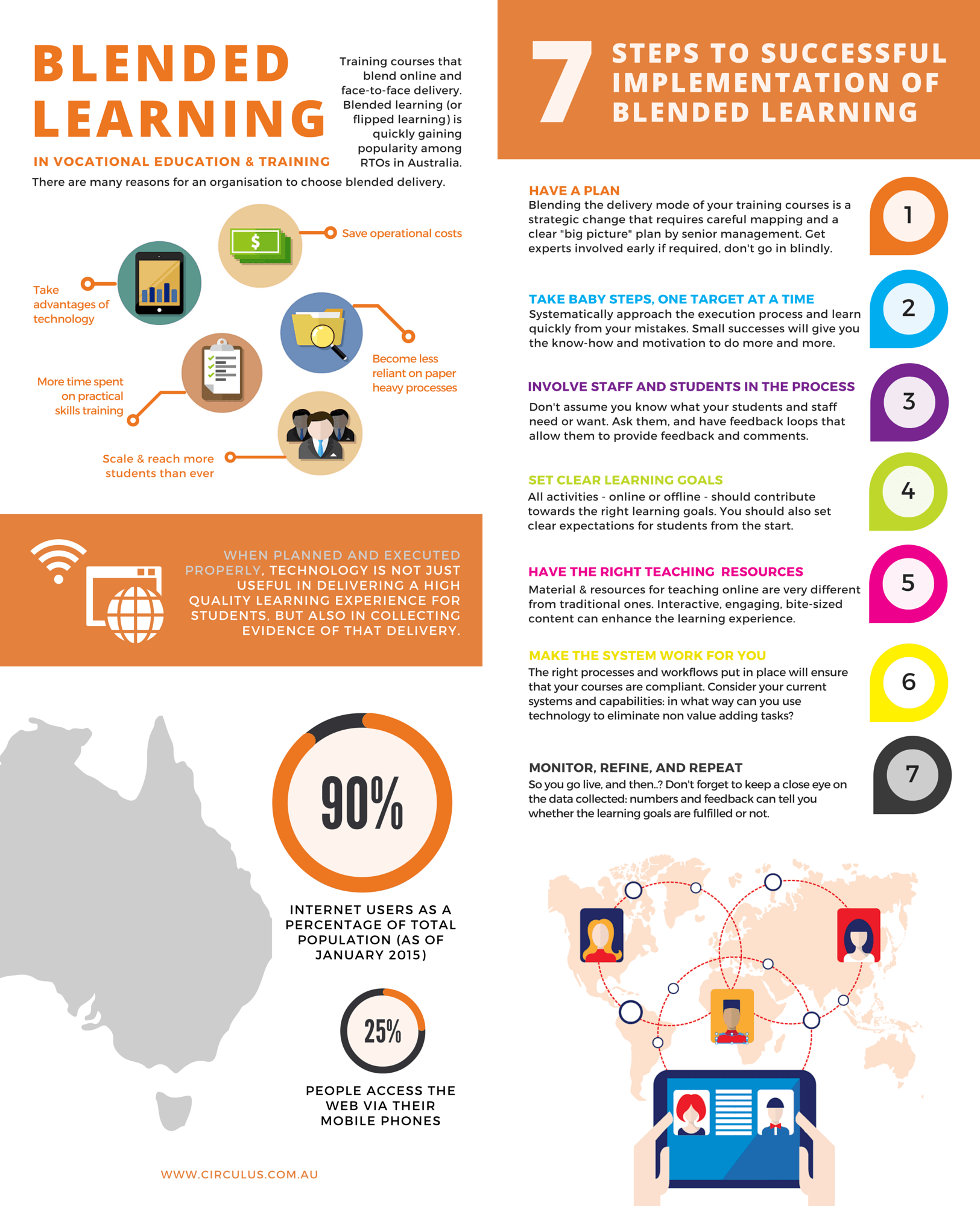
- "Blended learning" a term coined by Paul Myers in 2000
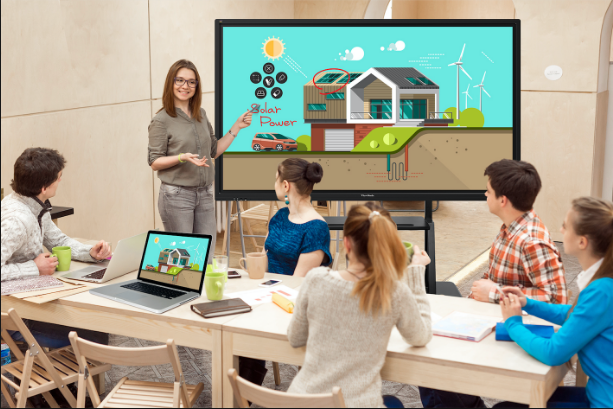
- Can combine face-to-face- instruction with computer-mediated instruction
- Applies science or IT activities with assistance of educational technologies
- Aim of blended learning is to provide realistic practical opportunities to make learning independent, useful, sustainable and ever growing
- The emphasis in this definition is on skill work
- Skills work offered and additional element to the syllabus
- Stern´s list of suplementary materials
- Coursebooks Audio-visual and audiolingual courses
- Dictionaries, vocabularies, glossaries books of drills, exercises and practice, workbooks
- Conversation and composition books Literary texts, poetry collections . Song books
- Materials designed for teaching a subject through the medium of the L2
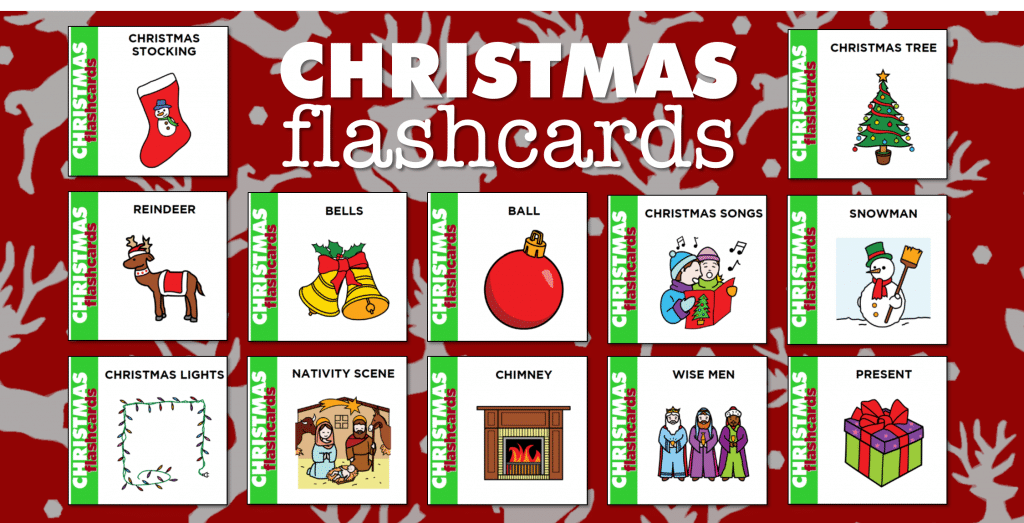
- Flash cards, film loops, film strips and slides
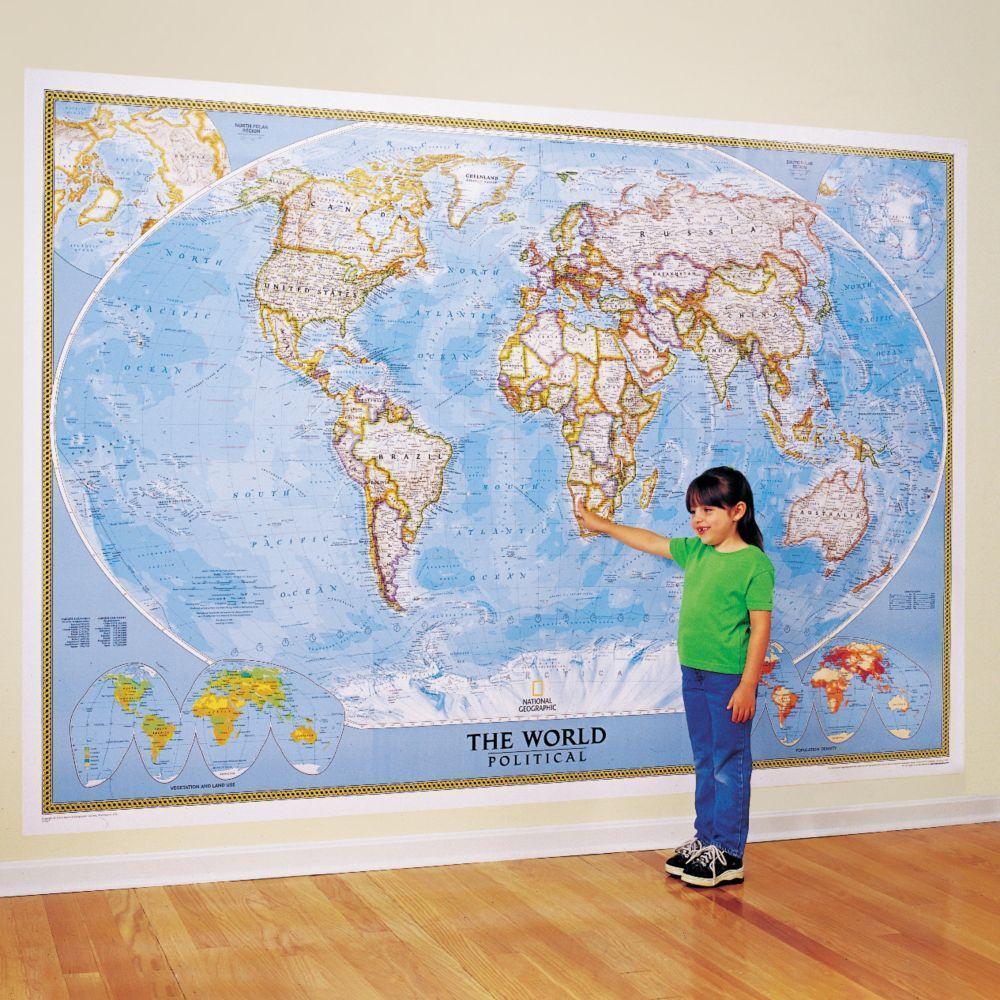
- Wall maps, authentic documents
- Language tests, teachers´guides, curriculum guides
- Games, videos, films
A framework for characterising trends in materials
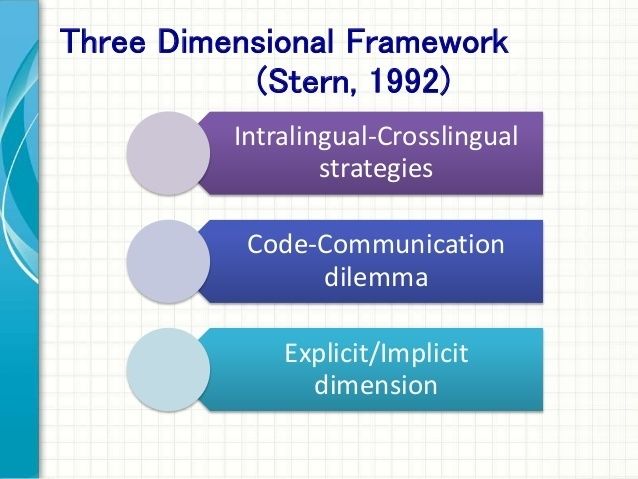
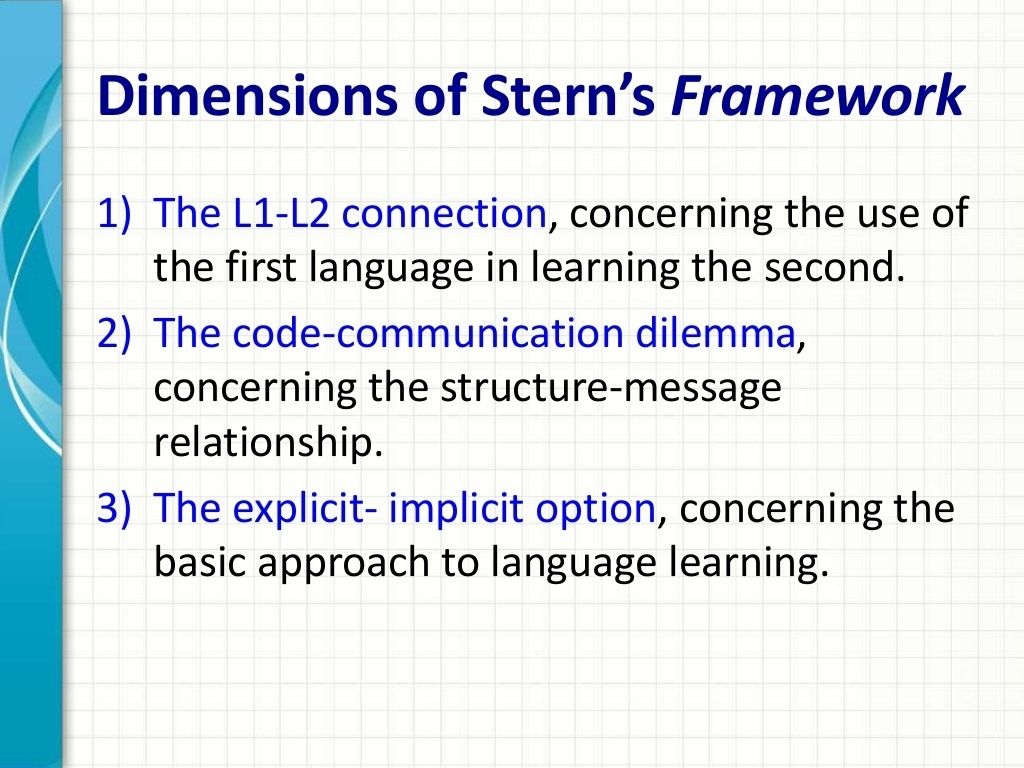
- Stern´s sets of axis (teaching strategies)
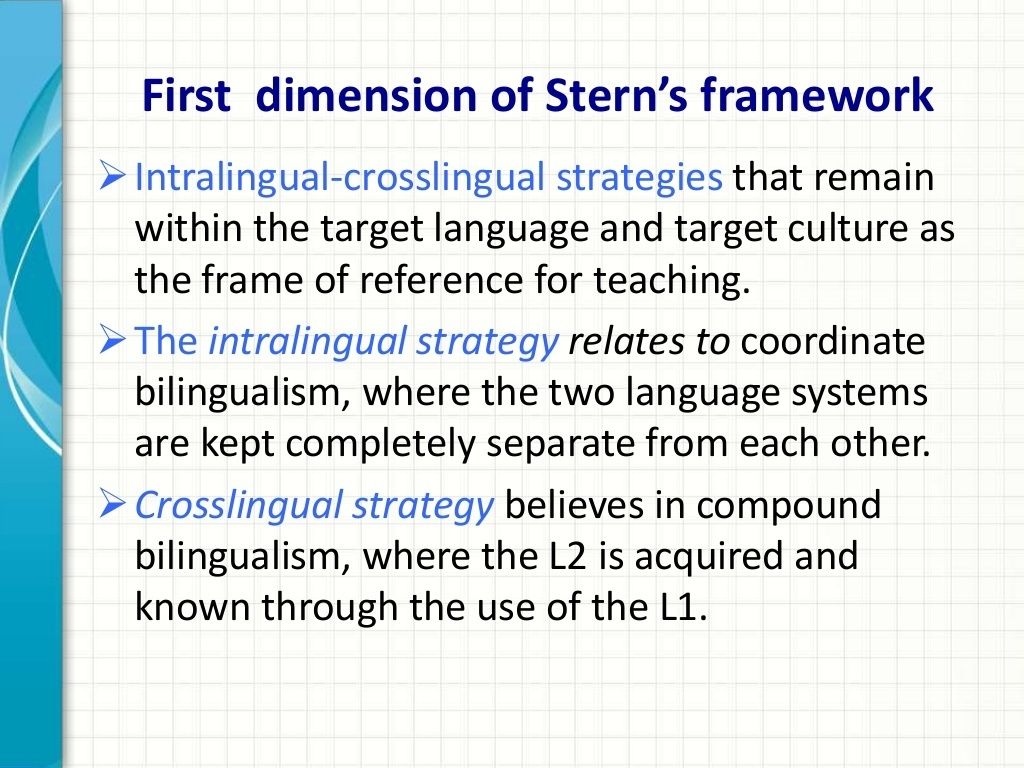
- Intralingual - Crosslingual
- The role that L1 plays in the teaching and learning of the L2
- Direct Method - Intralingual
- No reference is made to the L1 in the teaching of L2
- Grammar Translation Method - Crosslingual
- L1 being used as the constant reference point for study of L2
- Crosslingual techniques: L2 to L1 translation, the use of an L1 to an L2 dictionary, L1 help with L2 text interpretation
- Crosslingual Strategies: The inclusion of language notes in L1 in some coursebooks and the publication of L1 mediated grammar reference books, which encourage students to make direct comparisons between L1 and L2
- L1 being used as the constant reference point for study of L2
- Direct Method - Intralingual
- The role that L1 plays in the teaching and learning of the L2
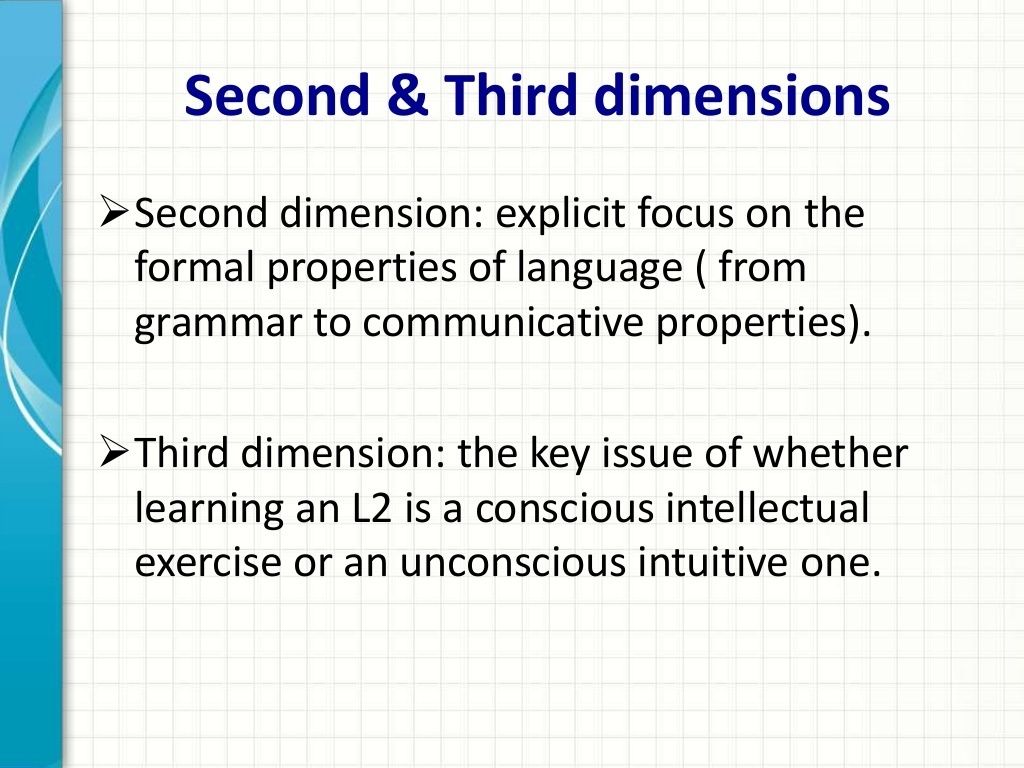
- Explicit - Implicit
- Emphasises the nature of language learning
- A key issue in L2 pedagody is whether the learner should be taught to approach the learning task consciously
- Explicit end would be located grammar translation and cognitive code
- The learner should be encouraged to avoid thinking about the language and absorb it intuitively
- Implicit end the seemingly unlikely bedfellows of audiolingualism and the strongest forms of CLT lie
- Stern´s concludes : Explicit and implicit knowledge sources exist and complement one another, both contribute to proficiency development
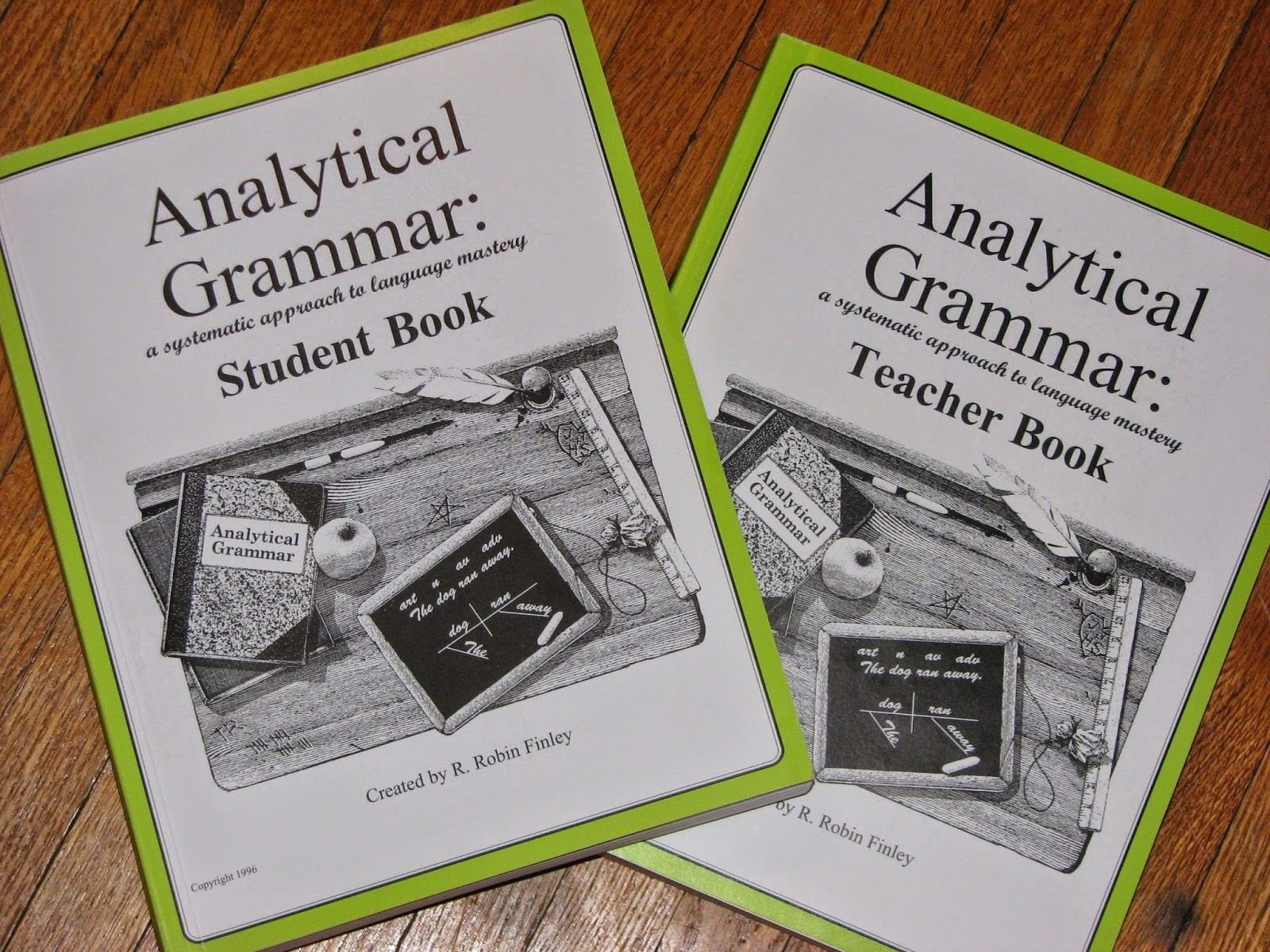
- Analytic - Experiential
- Emphasises the feasibility of analysing the complexity of language
- This axis opposes those learning experiences which are based on the techniques of study and practice of elements of the language
- Analytic approaches rest on the assumption that language can be analysed to offer a base for learning
- Experiential approaches aim to: create condiction in the language class in which the language is not examined, analysed of practiced. The focus is on the message. (Stern 1993)
- Analytic Strategies depend on the current state of linguistic description
- Analytic techniques can be applied to various categories of analysis
- The issue of the relative effectiveness of expriential and analytic approaches is still unresolved
- Intralingual - Crosslingual
- Stern´s framework allows us to communicate about materials. The teaching strategies they embody and to prioritise aspects of materials according to our own beliefs
- Stern´s sets of axis (teaching strategies)
Images and files in the map







Information
- Description
- INGLES Mind Map on RECENT TRENDS IN MATERIALS, created by NATIVIDAD CORDOVA ROSAS on 16/06/2021.
- Created by
- NATIVIDAD CORDOVA ROSAS
- Views
- 5
- Rating