
Mind map
Learning Environments
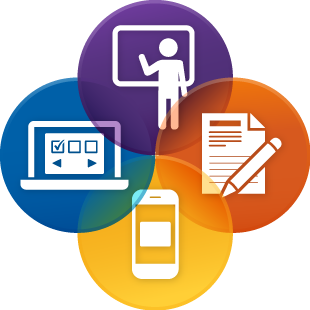
Map content
Learning Environments
T-Learning
- Psychological
- Convictional
- Behavioral
- It develops autonomous thinking.
- Process of perspective transformation
- It is the expansion of consciousness through the transformation of basic worldview and specific capacities of the self.
B-Learning
- Abilities / problem solving
- Achievements
- Is the practice of using both online and in-person learning experiences when teaching students
- Aptitudes
- Example: Students might attend a class taught by a teacher in a traditional classroom setting, while also independently completing online components of the course outside of the classroom
- Needs
E-Learning
- There is always a teacher interacting with students.
- Is interactive
- Course delivered online
- Access educational curriculum
- Students can communicate with teachers.
- Learning using electronic technologies
C-Learning
- Distance learning
- The learner as a person reciving, voluntarily appropriating training and acting on its own situation by becoming an actor of his training
- The The complementarity of the means used by the same learners to read, use and modify data. The complementarity between "Push" and "Pull" 2 in learning.
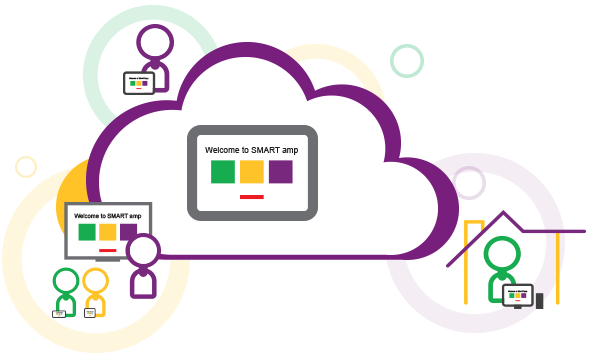
- It uses cloud environments learning tools
- the use of remote servers in order to save content accessed by multiple people
- Usable data on remote servers, or outside of the institution providing training. The complementary sources of training and training materials.
M-Learning
- Sharing is almost instantaneous
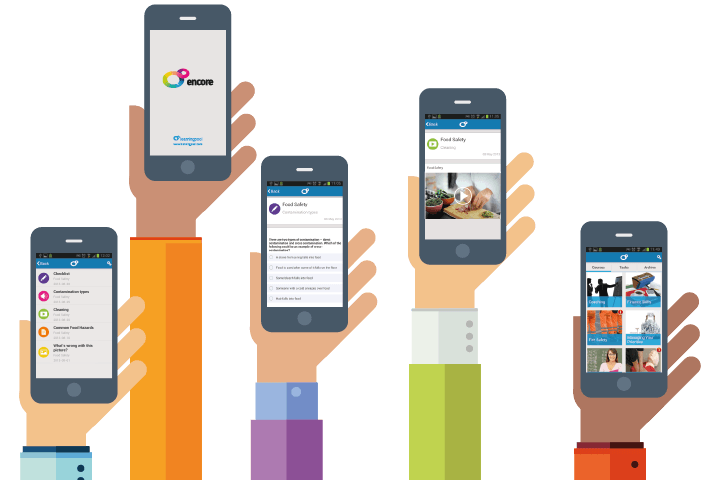
- Mobile Learning
- It focuses on the mobility of the learner.
- Is defined as learning across multiple contexts, through social and content interactions, using personal electronic devices
- It is accessible from virtually anywhere.
- M-learners use mobile device educational technology at their time convenience
U-Learning
- Ubiquitous learning
- Permanency - Accessibility
- Immediacy - interactivity
- It can be accessed in various contexts and situations.
- Instructional activities - Adaptability
P-Learning
- Personalized Learning
- 1960's
- Connecting to the learner's interests and experiences.
- Differentiation
- Individualization
- It develops Ss aptitudes, capabilities and talents.
Images and files in the map

Information
- Description
- This mind map contains the different learning environments that are use nowadays to help and motivate students.
- Created by
- Leythe Tenes
- Views
- 81
- Tags
- Rating