
Mind map
Chemistry ATP
Map content
Chemistry ATP
Precautions
- For poisonous gases (toxicity of gas)
- Fume cuboard
- Well ventilated room
- Prevents burning of a substance
- e.g. Nitrogen Dioxide, Ammonia, Bromine
- Repeat and take averages
- Wear goggles, lab coat and tie hair back
- When heating alcohol, a water bath should be used because fire will be produced if touched by a lighted splint
- For poisonous gases (toxicity of gas)
Common Variables
- Concentration
- Volume
- Surface Area
- Mass
- Temperature
Exam Technique
- Independent variable (the one you change) goes on x-axis and the dependent on y-axis
- For manufacturing errors, look carefully at apparatus (e.g. burettes without taps)
- Don't round values in titration or mole questions
Tests
- For water
- Add anhydrous Copper(II) Sulphate (white to blue)
- Add anhydrous Cobalt(II) Chloride (blue to pink)
- For alkenes and alkanes
- Alkenes: Add (if liquid) or pass through (if gas) bromine water and shake (brown to colourless)
- Alkanes: (remain orange/brown)
- For purity of substance
- Test melting/boiling point and compare to correct value
- Cation/Anion Tests (link)
- For hydrochloric acid
- Add silver nitrate (white ppt. formed)
- For water
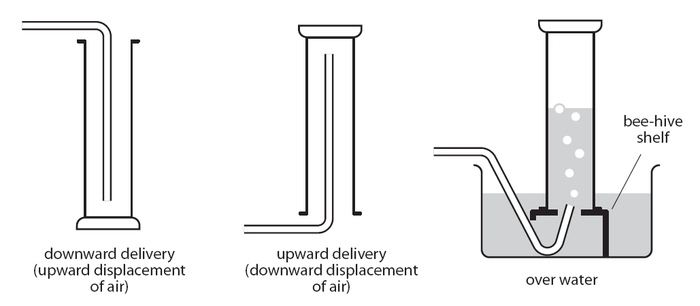
Gas Collection
- Upward delivery
- Gases less dense than air
- e.g. Hydrogen, Ammonia
- Downward delivery
- Gases more dense than air
- e.g. Carbon Dioxide
- Displacement of water method
- Insoluble gases
- e.g. Methane
- Upward delivery
Experiments
- Crystallisation
- Heat till point of crystallisation, allow to cool slowly, filter and dry
- Place a stirring rod in solution and if crystals form on it, it's the point of crystallisation
- Crystallisation is the formation of solid crystals of a substance by precipitating it out from a staurated solution
- Heat till point of crystallisation, allow to cool slowly, filter and dry
- Fermentation
- Glucose and yeast used (yeast contains enzymes)
- 37 degrees is optimum for enzymes
- Reaction might stop due to an excess in conc. of alcohol, the yeast dies or Glucose finishes up
- Bung is used to let Carbon Dioxide out and prevent entry of Oxygen
- Oxygen would oxidise the alcohol to Carboxylic Acid and affect anaerobic respiration
- Glucose and yeast used (yeast contains enzymes)
- Chromotography
- Spray locating agent if colourless dye (such as amino acids and sugars)
- RF = distance moved by dye/distance moved by solvent
- Spray locating agent if colourless dye (such as amino acids and sugars)
- Electrolysis
- Concentration promotes the discharge of ions further down the reactivity series because their compounds are stable
- Suitable electrodes: Graphite/Carbon/Steel
- If on heating condensation occurs, the solid is hydrated
- Crystallisation
Agents
- Oxidising
- Acidified Potassium Manganate(VII) (purple to colourless)
- Acidified Potassium Dichromate(VI) (orange to green)
- Reducing
- All metals (mention Group 1 when asked)
- Aqueous Potassium Iodide (colourless to brown)
- Sulphur Dioxide
- Drying
- Concentrated Sulphuric Acid (all gases except Ammonia)
- Calcium Oxide (for Ammonia and neutral gases)
- Anhydrous Calcium Chloride (all gases except Ammonia)
- Locating
- Ninhydrin
- Oxidising
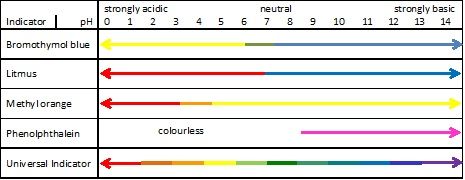
Universal Indicators
- Methyl orange (red, orange, yellow)
- Phenolphtalein (colourless, pink)
- Bromothymol (yellow, dark green, blue)
Apparatus
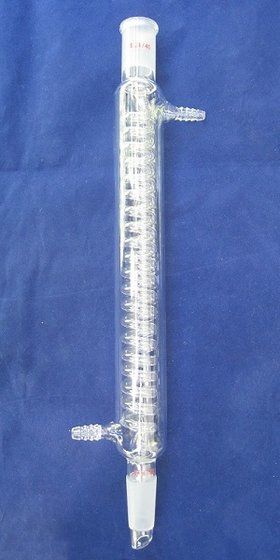
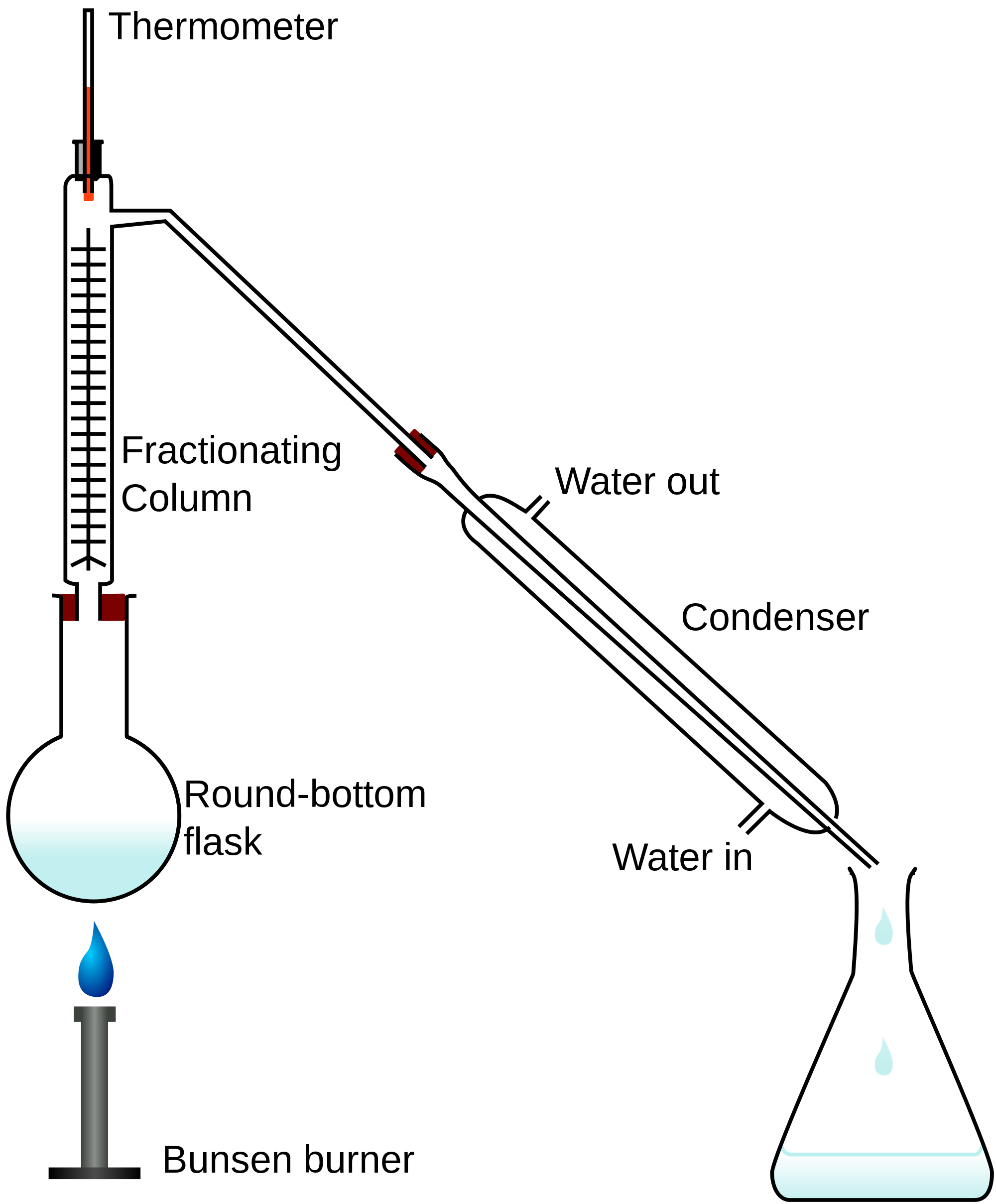
- Condenser
- To liquify vapour in distillation and returning unreacted vapour back to the solution
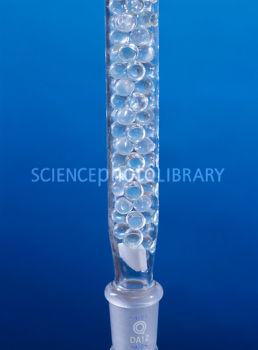
- Glass beads
- To cool the gases in fractional distillation by absorbing heat from them
- Fractionating column
- To separate various liquids using their boiling points
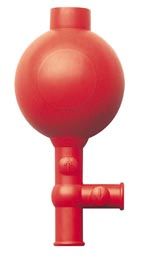
- Safety bulb
- In pipettes to prevent liquid from entering mouth
- Cover ethanol with a lid because it's volatile
- Crush a solid to increase surface area (use a pestle and mortar)
- Purpose of mineral wool is to absorb and hold liquid
- Condenser
Colours
- Metals
- Zinc is a grey solid (white compounds)
- Lead is a shiny bluish metal
- Iron is a shiny blackish solid
- Iron (II) salts are grey-green. Iron (III) salts are reddish-brown.
- Group 1, 2 metals are white/silvery white
- Group 3 metals are shiny grey
- Copper is a pinkish solid
- Copper(II) sulphate/hydroxide/nitrate are blue. Copper(II) chloride/carbonate are green.
- Non-metals
- Iodine is a black solid
- Its vapours are purple. Silver iodide and Lead iodide are yellow.
- Chlorine is a green gas
- Silver chloride and Lead chloride are white
- Bromine is a red-brown gas
- Silver bromide and Lead bromide are cream
- Nitrogen dioxide is a brown gas.
- Sulphur and Phosphorus are yellow solids
- Iodine is a black solid
- Metals
Important reactions
- Metal + Water → Metal hydroxide + Hydrogen Metal + Acid → Salt + Hydrogen
- Acid + Carbonate → Salt + Water + Carbon Dioxide
- Acid + Base → Salt + Water
- Metal Hydroxide + Ammonia Salts → Salt + Ammonia + Water
- Acidic Oxide + Water → Acid Neutral Oxide + Air → Acid Basic Oxide + Acid → Salt + Water
- Alkene + Steam → Alcohol
- Glucose + Yeast → Ethanol + Carbon Dioxide
- Acid + Alcohol → Ester + Water
- Alcohol (when oxidised) → Organic Acids + Water
- Potassium, Sodium, Calcium, react with water to form hydroxides and metals below (till Copper) react with steam to form metal oxides
- Water and oxygen is needed for rusting - water level increases as oxygen is used up
- Copper oxide and hydrogen make copper (black to brown)
Acids and Bases
- A concentrated acid contains a large number of H+, hydrogen ions and a concentrated base contains a large number of OH-, hydroxide ions
- A strong acid ionizes completely giving H+ in solutions and a strong base ionizes completely gived OH- in solutions
Images and files in the map
Information
- Description
- Key points for Cambridge IGCSE Chemistry Paper 6
- Created by
- lisawinkler10
- Views
- 326
- Tags
- Rating