
Mind map
1_1_2_2_Beef
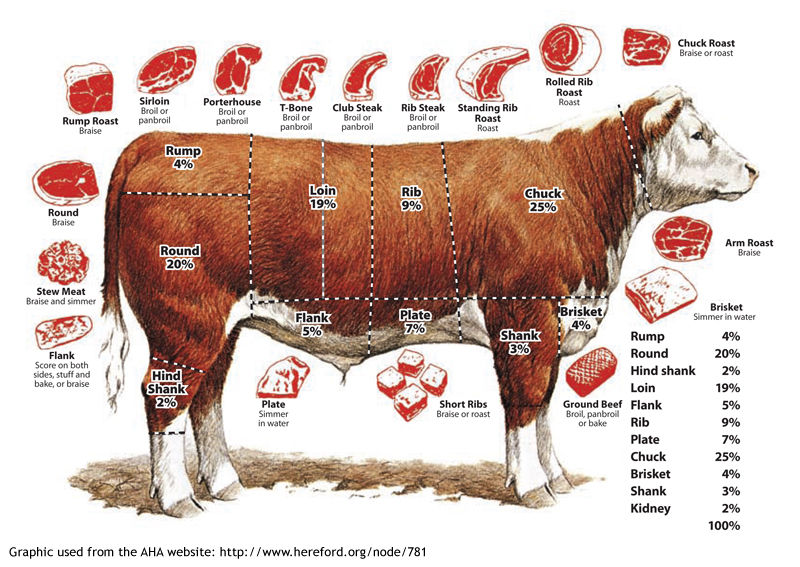
Map content
1_1_2_2_Beef
Cow (cattle)
- Water
- It takes 1670 L of water to produce a pound of beef (0.45 g), 11 times more than the amount required for pork or chicken.
- Food
- Concentrated Animal Feeding Operations (CAFOs)
- 1/3 of the worlds grain harvest is used for livestock production
- 75kg-300kg of dry matter (grass/grain) for 1 kg of protein
- Largest component of beef’s water footprint is the huge volume of virtual water consumed by cattle through their feed, in this case both forage and grain
- Concentrated Animal Feeding Operations (CAFOs)
- Land
- Degredation
- Rainforest damage and loss (for example brazil, where forest is destoryed new rangeland)
- 1.5 acres of rainforest worldwide are lost each second, with clearing for cattle pasture being the major contributer
- Desertification
- 28 times more land intensive than pork or chicken.
- Fertilizer applied to soil generates nitrous oxide, which has 300 times the warming effect of carbon dioxide
- Degredation
- Immunisations
- medical companies
- Slaughter
- Transportation
- To the butchers
- Tools
- steel and aluminium production
- energy
- steel and aluminium production
- Packaging
- synthetic plastic production
- Canned product
- Approximately 23 percent of the energy used in our food production system is allocated to processing and packaging food.
- Waste
- Disposal packaging
- Plastic use
- Incineration
- Air pollution through release of harmful pollutants
- Water pollution through byproduct release to water bodies
- Hindering biodiversity in water bodies
- Water usage to clear excess waste
- Water footprint
- Net fishing of waste may affect other ecological systems
- Half of every butchered cow is not consumed
- Animal Fat
- Disposal packaging
- Tools
- Refridgeration
- Roads and Infrastructure
- Trucks
- Fuel Production
- Grain-fed beef requires 35 fossil fuel calories for every 1 calorie produced (including transport)
- 55-150 liters of water are required per day based on different type of beef in transportation.
- For cattle travelling more than 1000km the transport component costs $150 per head.
- To the butchers
- unused meat recycling
- The rendering process simultaneously dries the material and separates the fat from the bone and protein. A rendering process yields a fat commodity and a protein meal.
- Half of every butchered cow is not consumed.
- Transportation
- Transportation
- Cattle Yards
- Infrastructure
- Cattle Yards
- Waste
- Manure
- California’s 1.4 million dairy cows produce as much waste as 28–56 million people
- Hormones
- Water
From animal to beef
- Abattoir
- Infrastructure
- Cold Room
- Storage
- Air conditioning
- Electrical energy
- CFC's/ Carbon Dioxide
- Beef production accounts for 500% more climate warming emissions than pork and chicken.
- Air conditioning
- Storage
- tools
- construction
- Cold Room
- Infrastructure
- slaughter
- Abattoir
Shops
- Money
- Transportation
- Home
- Waste
- Beef represents the largest contribution to post-consumer GHG emissions embodied in food waste
- Waste
- Home
- Plastic Bags
- Manufacturing
- crude oil
- gas
- waste
- Landfill waste
- Area no longer available for growth of ecologival system
- Harmful release of gases to the atmosphere
- Area no longer available for growth of ecologival system
- Landfill waste
- Manufacturing
- Receipts / Dockets
- Factory
- forestry
- water use
- transport
- infrastructure
- Factory
- Marketing
- Independant firms
- TV
- Radio
- Catalogues and other print media
- paper
- wood
- foresty
- wood
- ink
- water
- waste
- recycling
- water
- paper
- Headquarters
- Building
- Utilities
- Concrete
- steel
- wokers
- Transport to work
- Building
- Billboards
- Independant firms
- Fastfood industry
- Fat intensive food
- Public health problems
- Fat intensive food
Cooking
- BBQ
- Fry Pan
- steel
- manufacturing
- utilities
- manufacturing
- steel
- utilities
- Human body
- Dioxin (Cancer causing)
- Alzheimer's disease
- Cardiovascular disease
- Heart disease
- Dementia
- Obesity
- Amercians eat 122kg of beef per year (global average is 36kg per person
The ratio of energy input to food-energy output for beef is 40:1
Images and files in the map
Information
- Description
- 100 maths Mind Map on 1_1_2_2_Beef, created by Bill Heenan on 30/04/2016.
- Created by
- Bill Heenan
- Views
- 7
- Tags
- History
-
- Created by Chloe Jayne1357 · Apr 30, 2016
- Copied by Bill Heenan · Apr 30, 2016
- Copied by slua · Apr 30, 2016
- Copied by stucky702014 · Apr 30, 2016
- Copied by slua · Apr 30, 2016
- Copied by Bill Heenan · Apr 30, 2016
- Copied by Bill Heenan · Apr 30, 2016
- Copied by Bill Heenan · Apr 30, 2016
- Rating