
Mind map
Energy - Physics
Map content
Energy - Physics
Energy Stores + Systems
- Types
- Thermal
- Kinetic
- K=1/2m(v)squared
- m=mass
- v=speed
- K=1/2m(v)squared
- GPE
- P=mgh
- m=mass
- g=gravity
- h=height
- air resistance causes energy to be transferred to other energy stores/types
- no resistance = all into kinetic energy
- P=mgh
- EPE
- E= 1/2k(e)squared
- k=spring constant (N/m)
- e=extension (m)
- stretching/squishing an object
- E= 1/2k(e)squared
- Chemical
- Magnetic
- Electrostatic
- Nuclear
- When an object changes energy is transferred in or away from it
- Closed = matter nor energy can enter or leave
- Transferred by heat or work done
- Types
Specific Heat Capacity
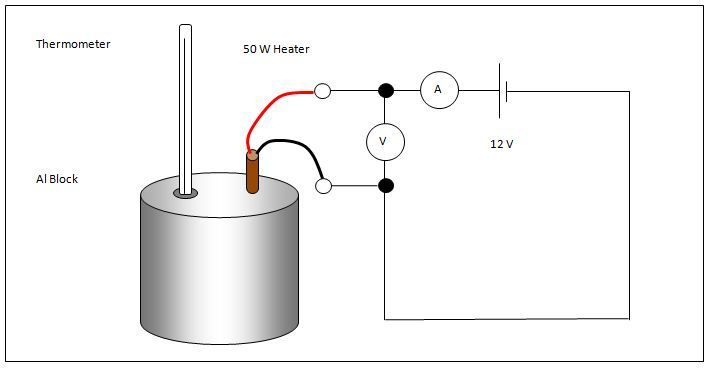
- Change in thermal energy = m x c x temp change
- m=mass(kg)
- c = specific heat capacity (J/kgC)
- warm 1kg of a substance by 1'C
- Practical
- Link: https://www.youtube.com/watch?v=jW2ANwnfsUY
- Change in thermal energy = m x c x temp change
Conversion of Energy and Power
- P(W) = E/t
- E=energy transferred (J)
- t=time (s)
- rate of energy
- rate of work done
- P(W) = Work done/time
- One Watt = 1 joule of energy transferred per second
- Powerful = large amount of energy in short amount of time
- Energy can be transferred usefully, stored or dissipated but cannot be created or destroyed
- Dissipated = waste of energy - gone into the surroundings
- P(W) = E/t
Conduction + Convection
- Convection = liquids + gases only
- particles move away from hotter to cooler
- can move = when heated particles move apart = bigger spaces = less dense
- can flow = warmer less dense will rise above denser, cooler regions
- Conduction = mainly in solids
- vibrating particles transfer energy to nearby particles
- goes through objects then to surroundings
- particles collide when heated causing energy to be transferred
- Thermal conductivity = how quickly energy is transferred through a material
- vibrating particles transfer energy to nearby particles
- Reducing Unwanted Energy Tranfers
- Insulation
- Thick walls = low thermal conductivity
- Cavity walls = gaps = less conduction
- foam in gaps = still air but less so less convection
- loft insulation = less convection
- Double glazed windows = like cavity walls
- Draught excluders = less convection
- Practical
- https://www.youtube.com/watch?v=RZfSA2Xa6SU
- Lubricants reduce friction
- Insulation
- Convection = liquids + gases only
Efficiency
- Efficiency = Useful/Total
- less energy wasted = more efficient
- Improve: insulating, lubricating or making them more streamlined
- No device is 100% efficient
- Electric heaters are an exception - their job is to put energy into the environment in the form of heat
- All energy normally ends up as thermal
Renewable and Non-renewable
- Renewable Types
- Sun/Solar
- Heat + electricity
- Expensive
- No pollution
- Reliable in daytime
- Problem when high demand
- Wind
- No pollution
- Noisy
- Wind too strong or too little = problem
- No permanent damage
- Initial costs = high
- Water Waves
- Unreliable
- Initial costs are high
- Does not cost much to run
- Suitable for small islands
- Wave powered turbines connected to generators
- Hydro-electricity
- Requires flooding of a valley
- Provides immediate response for an increased demand in electricity
- No problem with reliability unless there is a drought
- Useful on a small scale in remote areas
- Bio-fuel
- Vehicle transport
- Electricity
- Tides
- Big dams - water allowed through turbines at controlled speed
- No pollution
- Alters habitat for wildlife
- prevents free access for boats
- Reliaable
- Twice a day without fail
- Sun and Moon
- Height may be variable = low tides = less energy
- Initial costs = moderately high
- Not high running costs
- No fuel costs
- Geothermal
- Possible in volcanic areas
- Not many suitable locations
- Brilliant energy that is reliable
- Electricity + heat
- Cost of building > amount of energy (at the start)
- Possible in volcanic areas
- NEVER run out (renewed)
- Don't provide much energy
- Less 'nasty' to the environment
- Sun/Solar
- Non-Renewable
- Coal
- Oil
- Petrol + diesel
- Natural Gas
- Heat
- Most damage + most energy
- WILL run out
- Renewable Types
Images and files in the map
Information
- Description
- Year 11 Physics Mind Map on Energy - Physics, created by Matthew Nixon on 07/12/2017.
- Created by
- Matthew Nixon
- Views
- 0
- History
-
- Created by Jamie Howell · Nov 27, 2017
- Copied by Matthew Nixon · Dec 7, 2017
- Rating