
Mind map
Creating value for target customers
Map content
Creating value for target customers
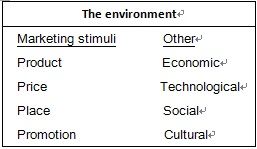
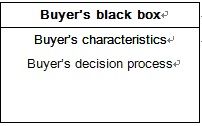
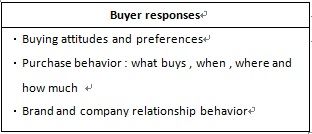
model of consumer behavior
- consumer buyer behavior
- consumer market
- final consumers combined
characteristics affecting consumer behavior
- factors influencing consumer behavior
- cultural
- culture
- basic value,perception,wants,behavior
- subculture
- a group shared value system based on exp.
- social class
- society relatively permanent+ordered divisions→share similar values,interests,behaviors
- culture
- social
- groups and social networks(influentials/leading adopters)
- word-of-mouth influence and buzz marketing
- opinion leaders
- word-of-mouth influence and buzz marketing
- family
- roles and status
- groups and social networks(influentials/leading adopters)
- personal
- age and life-cycle stage
- occupation
- economic situation
- personal income
- savings
- interest rate
- lifestyle
- measure sbd (AIO:activities,interests,opinions)
- personal and self-concept
- psychological
- motivation
- perception
- selective attention
- tendency for ppl to screen out most of the information
- selective distortion
- tendency for ppl to interpret info. that will support what already believe
- selective retention
- tendency to remember gd points made by a brand they favor+forget gd points about competing brands
- selective attention
- learning
- exp/occur through interplay
- drives
- stimuli
- cues
- responses
- reinforcement
- exp/occur through interplay
- beliefs and attitudes
- knowledge
- opinion
- faith
- buyer
- cultural
- factors influencing consumer behavior
Types of buying decision behavior
- complex buying behavior
- dissonance-reducing buying behavior
- habitual buying behavior
- variety-seeking buying behavior
The buyer decision process
- (1).need recognition
- internal stimuli
- external stimuli
- (2).info. search
- personal sources
- commercial sources
- public sources
- experiential sources
- (3).evaluation of alternatives
- (4).purchase decision
- attitudes of others
- unexpected situation factors
- (5).post-purchase decision
- cognitive dissonance caused by post-purchase conflict
- (1).need recognition
market segmentation
- factors
- smaller segments with distinct needs
- characteristics
- behavior
- geographic segmentation (where)
- diff. geog. units
- nations
- regions
- states
- countries
- citys
- diff. geog. units
- demographic segmentation (who)
- age and life-cycle stage segmentation
- gender segmentation
- income segmentation
- affluent
- middle-income
- low-income
- psychographic segmentation
- social class
- lifesyle
- personality traits
- behavioral segmentaion
- factors
- knowledge
- attitudes
- uses
- respones
- occasion segmentation
- benefit segmentation
- user status
- usage rate
- loyalty status
- factors
- requirements for effective segmentation
- measurable
- size,purchasing power,profiles of the segments
- accessible
- effectively reached served
- substantial
- large/profitable enough to serve
- differentiable
- distinguishable and respond diff. to marketing
- actionable
- effective program → attracting and serving the segments
- measurable
- factors
market targeting
market segmentation
- factors
- smaller segments with distinct needs
- characteristics
- behavior
- geographic segmentation (where)
- diff. geog. units
- nations
- regions
- states
- countries
- citys
- diff. geog. units
- demographic segmentation
- age and life-cycle stage segmentation
- gender segmentation
- income segmentation
- affluent
- middle-income
- low-income
- psychographic segmentation
- social class
- lifestyle
- personality traits
- behavioral segmentation
- factors
- kwoledge
- attitudes
- uses
- responses
- occasion segmentation
- benefit segmentation
- user status
- usage rate
- loyalty status
- factors
- requirements for effective segmentation
- measurable
- size,purchasing power,profiles can be measured
- accessible
- effectively reached and served
- substantial
- large / profitable enough to serve
- differentiable
- distinguishable and respond diff. to marketing
- actionable
- effective program→attracting and serving the segments
- measurable
- factors
Market targeting
- evaluating market segments
- segment sizes and growth
- segment structural attractiveness
- competition
- substitute products
- power of buyers
- power of suppliers
- company objectives and resources
- competitive advantage
- availability of resources
- consistent with company objectives
- target marketing strategies
- undifferentiated marketing (mass)
- targets the whole market with one offer
- differentiated marketing
- targets several diff. market segments and design separate offers
- concentrated marketing
- targets a small share of a large market
- micromarketing
- local marketing
- e.g. fair wood
- individual marketing
- e.g. BMW
- local marketing
- undifferentiated marketing (mass)
- criteria for choosing
- company resources
- product variability
- product life-cycle stage
- market variability
- evaluating market segments
differentiation and positioning
- product position
- occupies in consumer's mind
- competitive advantage
- an pros by offering greater value
- free newpp:free
- lexus:perection
- an pros by offering greater value
- product differentiation
- service differentiation
- channel differentiation
- ppl differentiation
- image differentiation
- product position
Images and files in the map


Information
- Description
- Mind Map on Creating value for target customers, created by Giann Yan on 11/11/2014.
- Created by
- Giann Yan
- Views
- 7
- Rating