
Mind map
Psychology-Unit One, Approaches
Map content
Psychology-Unit One, Approaches
Behaviorists
- Classical Conditioning
- Pavlov Dogs
- Unconditioned Stimulus
- Conditioned Stimulus
- Unconditioned response
- Conditioned response
- Neutral stimulus
- Operant Conditioning
- Skinners Box
- Positive reinforcement
- Primary reinforcers
- Secondary reinforcers
- Negative reinfrocement
- Punishment
- Basic assumptions
- behaviour is learnt from experience
- Stimulus response links
- mind is black box
- Punishment stops behaviour
- reinforcement strengthens behaviour
- scientific and objective
- experimental
- can generalize from animal behaviour
- Classical Conditioning
Social Learning Theory
- Modelling
- observing the model
- watch the punishment or reward
- repeating behavior at later stage is called modelling
- Bandura et al
- ethics- protection of p's
- demand characrteristics
- low ecological validity
- likely to model
- models similar to P's
- high staus
- self-esteem
- mediating Cognitive Factors
- Stage one- attentional processes
- see it
- stage two- retentional process
- behavior encoded, remembered it
- stage three- motor reproduction processes
- ability of observer to preform behaviour
- stage four- motivation process
- rewards and punishments determine if behaviour is repeated
- Stage one- attentional processes
- Basic Assumptions
- learnt from experience
- mental processes are important
- copy behaviour that has been rewarded
- vicarious reinforcement increases likilhood
- demonstrate behaviour when appropriate
- Modelling
Cognitive
- Basic Assumptions
- mental processes are important
- mind is like computer
- scientific
- Objective
- mind actively processes infromation
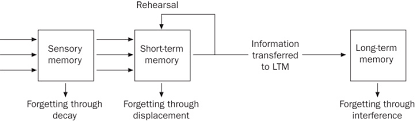
- model to explain memory
- Atkinson and Shiffrin model
- information processing approach
- input processes
- 1. sensory registration of stimuli
- 2.different senses, from environment
- 3. goes to next stage
- Storage Processes
- 1.selecting and storing information
- 2. storage and retrieval of information in memory
- 3,create information necessary for producing appropriate response
- Output processes
- 1. produce appropriate response
- 2.retrieve from memory appropriate motor patterns
- input processes
- Basic Assumptions
Psychodynamic
- Basic Assumptions
- mental life happens at unconscious level
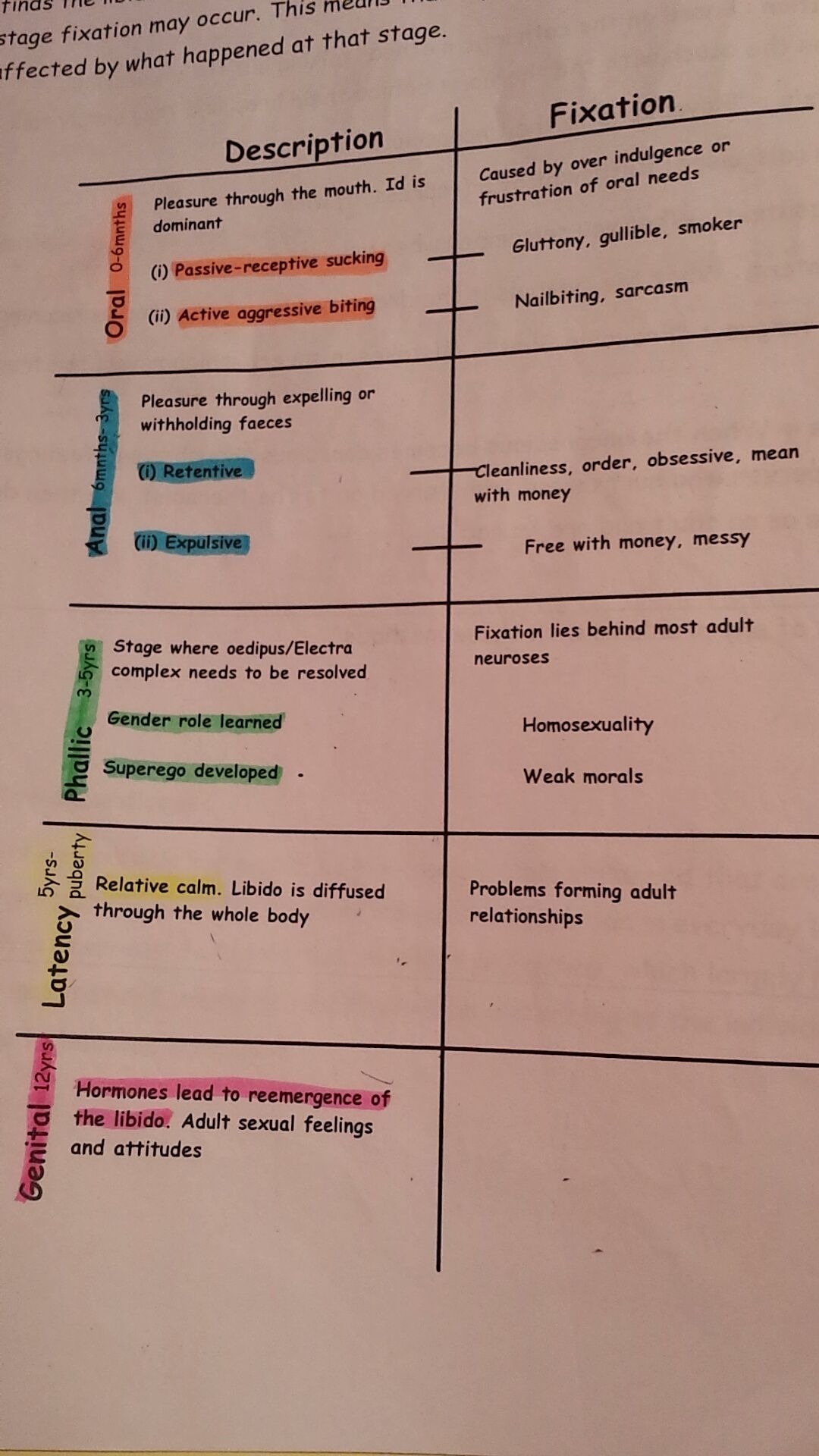
- psychosexual stages
- thoughts held in unconscious by repression
- childhood experiences are important
- personality has 3 parts, id, ego, superego
- defence mechanisms protect ego from harm
- individual case studies
- Little Hans
- Anna O
- Slip of the tongue
- Dreams
- Psychosexual stages
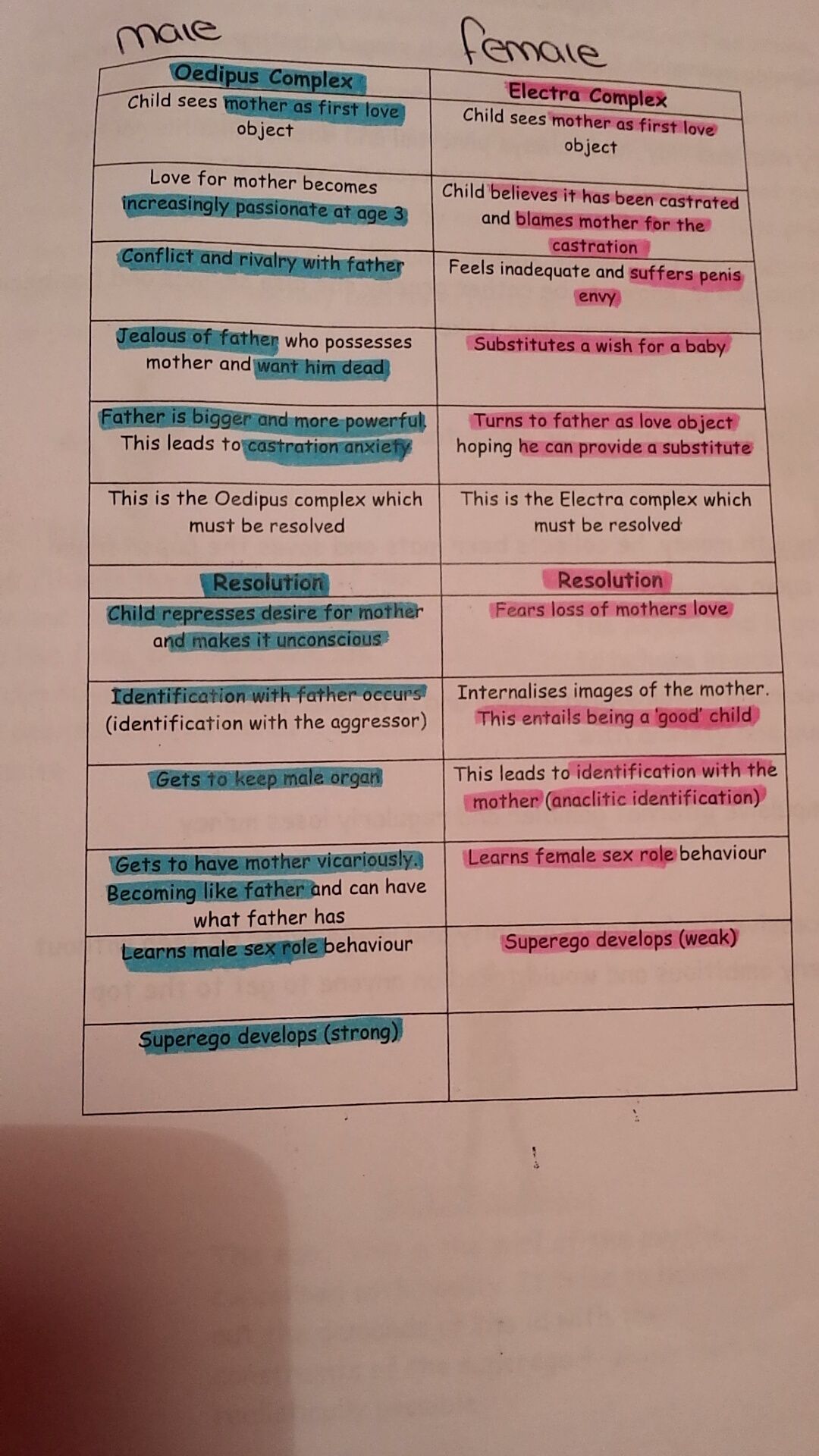
- Oedipious and Electra complex
- personality
- ID
- primate part
- True Unconscious
- Not in touch with real world
- Irrational
- 'Pleasure principle'
- Ego
- appears aged 1-2
- 'reality principle'
- in touch with real world
- Superego
- result of oedipus and electra complex
- 'morality principle'
- learnt right and worng
- ID
- defence mechnasisms
- Denial
- Repression
- regression
- rationalisation
- projection
- displacement
- reaction formation
- strategies used by the ego to protect itself from harm
- Basic Assumptions
Humanist
- basic assumptions
- subjective thoughts and feelings of individual
- idiographic approach- focus on unquieness
- free will
- people must be looked at in a holistic view, the whole person
- essentially good
- strive to reach full potential
- heirarchy of needs
- problems are due to persons percieved self and ideal self
- case studies
- concepts of self actualisation
- self
- self-concept
- incongruence
- self-actualisation
- accurate perception of the world
- creative
- acceptance of other people
- detached and needing of privacy
- hierachy of needs
- conditions of worth
- client centered therapies
- conditions of worth
- unconditional positive regard
- conditional positive regard
- basic assumptions
Biological
- Basic Assumptions
- behviour is influenced by genetic makeup
- brain essential for thought
- chemical processes in brain
- brain and mind are same
- evolution
- scientific
- EEG's
- MRI
- post-mortem
- identical and non-identical twins
- brain damage
- Biological structures
- phenotype
- genotype
- Heredity
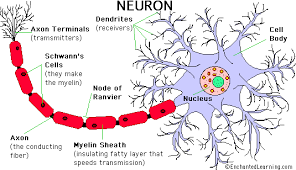
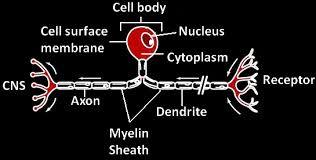
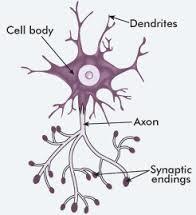
- Neurones
- Motor
- sensory
- interneuron
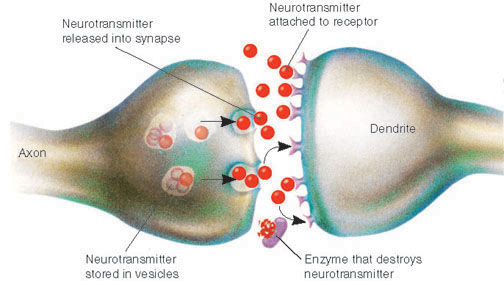
- synapse
- ACH
- Endorphins
- serotonin
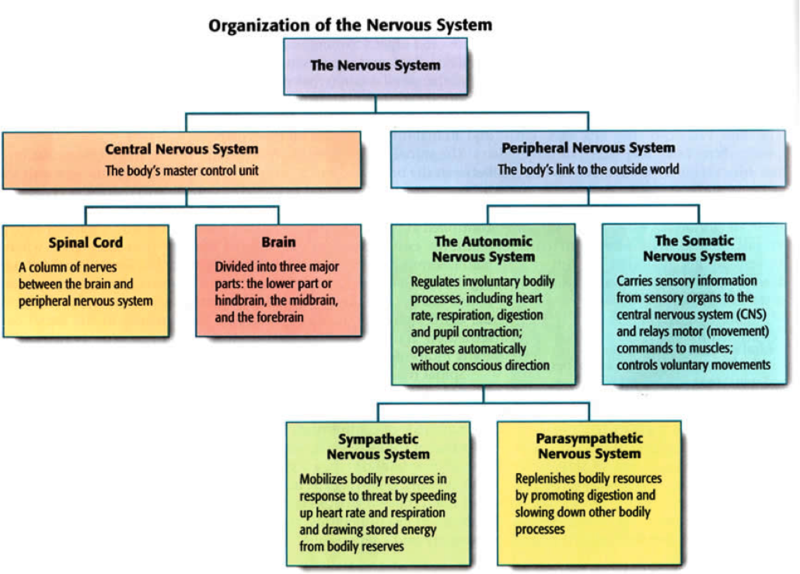
- Nervous System
- Central nervous system
- Brain stem
- Cerebellum
- cerebral hemisohere
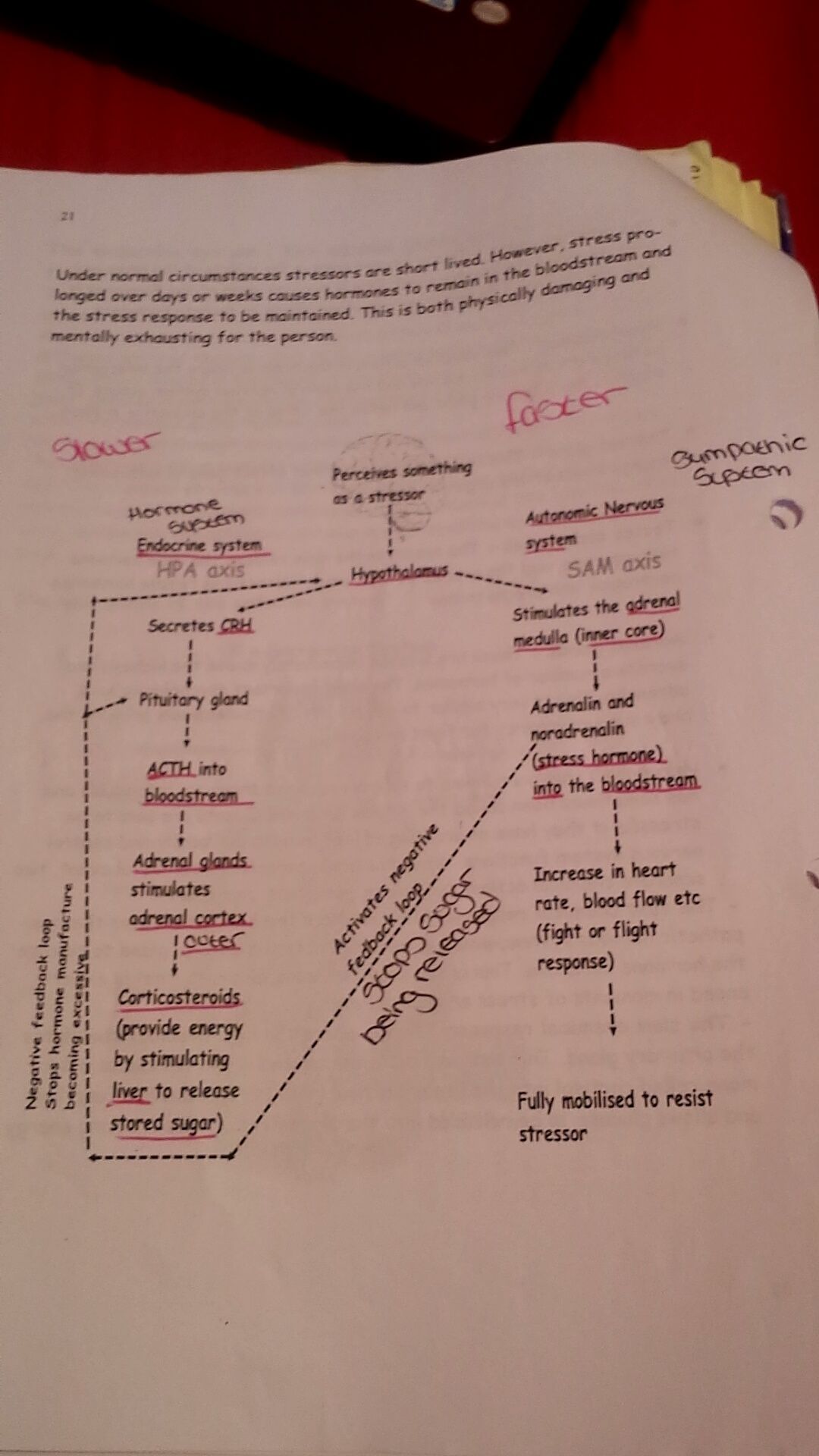
- Autonomic Nervous system
- Sympathetic
- pupils dillates
- increase HR
- inhibits digestion
- parasympathetic
- pupils contract
- decrease HR
- simulates Dgestion
- fight or flight?
- Sympathetic
- the endocrine system
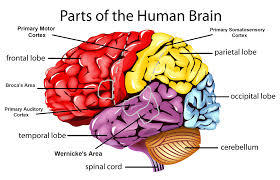
- the Brain
- Broca's- function of speach
- Wernickes's- speech comprehension
- Central nervous system
- Basic Assumptions
Images and files in the map
Information
- Description
- A level Psychology Mind Map on Psychology-Unit One, Approaches, created by moll2204 on 28/02/2015.
- Created by
- moll2204
- Views
- 59
- Rating