
Mind map
Aluminium Alloys
Map content
Aluminium Alloys
Heat treatable Wrought Aluminium Alloys
- 2xxx series
- Aging
- Decomposition
- +T = +mechanical prop.
- Tmax = Tsolid
- Overheating = - UTS, ductility
- Solid solution hardening
- High % Mg - CuMg4Al6 & CuMgAl2
- Low % Mg - CuAl2
- Low % Cu - Al3Mg2
- 2024 alloy (Al-Cu)
- Heat treatments: T3, T4, T6 & T8
- Properties
- High tensile strength Low corrosion Limited weldability
- Aging
- 8xxx series
- Al + NI,Fe
- Al + Si,,Ni,Cu
- 6xxx series
- Al + Mg,Si
- strength: 6xxx<2xxx<7xxx
- corrosion resistant
- good formability, weldability and thermal conductivity
- 6013 (Al-Mg-Si)
- Aged at 170 ºC
- Reduced corrosion resistance
- Improved mechanical properties
- 7xxx series
- Al + Zn,Mg,Cu
- Highest strength
- Poor stress corrosion and weldability
- Heat treatments: T6 and T7
- Al-Li alloys
- Lightness - Aerospace industry €€
- 2xxx series
Non Heat treatable Wrought Aluminium Alloys
- Alloying elements
- Improve mechanical properties
- Decrease ductility, corrosion resistance and electric conductivity
- 1xxx series Al 99%
- Properties
- High corrosion resistance, high thermal and electrical conductivity. low strength, easy plastic deformation ...
- Electrical and chemical apps.
- Properties
- 3xxx series (Mn)
- Properties
- High ductility, good fomability. medium strength, weldability...
- Apps. where good formability is required
- Properties
- 5xxx series (Mg)
- Properties
- Medium strength, good formability, good corrosion performance...
- General apps.
- Sheet fabrication
- Marine
- Automotive
- Properties
- Alloying elements
Aluminium processing
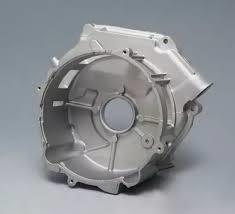
- Casting
- Primary and secondary Al
- Versatile techniques
- Forging
- Closed dies
- 2xxx and 7xxx - heat treated after forging
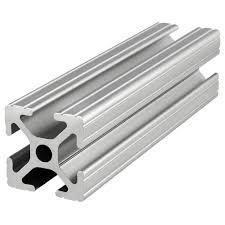
- Extrusion
- 6xxx - good extrudability
- 2xxx and 7xxx - more difficult to extrude
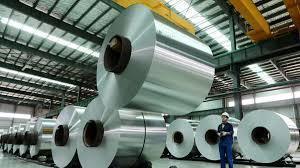
- Rolling
- after continuous casting
- 2xxx (400 - 450 ºC)
- 7xxx (400-440 ºC)
- Forming
- Highly formable at room T
- Inmediately after quenching
- forming tools made of hardened steels
- Super Plastic Forming
- allows sheet to elongate to large strains
- make part shapes
- Casting
Aluminium Joining
- Joining techniques
- Mechanical fastening
- Bolts
- Rivets
- Adhesive bonding
- Hybrid connections
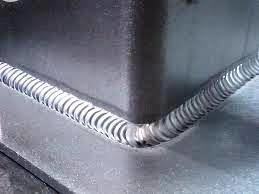
- Welding
- Difficult to weld
- Factor affecting welding
- oxide layer
- high thermal cond.
- high coeff. of thermal expansion
- high solidificartion shrinkage
- high hydrogen solubility
- Aerospace alloys
- 6xxx - readily weldable 2xxx - fusion welded 7xxx - excessive strength loss 4xxx - filler metals used
- Methods
- GTAW
- GMAW
- Resistance welding
- Laser welding
- Friction welding
- Friction stir welding
- Mechanical fastening
- Joining techniques
Cast Aliuminium alloys
- A201.0
- Highest strength casting alloy
- Elevated temperature properties
- Can be heat treated
- UTS= 550 MPa and El= 10%
- A357.0
- Hypoeutectic Aluminium-Silicon alloys (4-%Si) + Cu, Mg and/or Mn
- UTS= 320 Mpa and El= 1-6%
- Effect of alloying elements
- Mg (0.3-1%) : higher strength
- Cu (1-4%) : higher strength at higher T
- A201.0
Images and files in the map

Information
- Description
- Mind Map on Aluminium Alloys, created by Alonso Grau on 02/05/2020.
- Created by
- Alonso Grau
- Views
- 13
- Rating