
Mind map
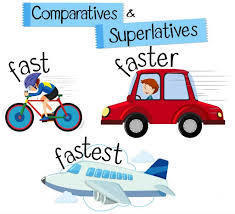
Comparative and superlative
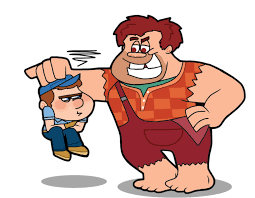
Map content
Comparative and superlative
Comparative
- Comparatives
- Short adjectives
- Double the final consonant if it comes right after a vowel and add -er. example: bigger
- For adjectives ending in -e, just add -r, exemple: cute - cuter
- For adjective ending in -y, change -y to -i and add -er. example: wealthy-wealthier
- Structure: subject +adjective -er + than + complement
- Long adjective
- Structure: subject +more/less + abjective + than + complement
- For large adjectives the more / less is placed example: more intelligent, less beautiful
- for adjective have two comparatives forms. example: narrow - narrower, more narrow
- irregular
- In the comparatives there are exceptions to the rules that we saw previously, these are used exclusively for regular verbs, so you must know the irregular ones
- Bad/worse good/better far/farthe,furthter
- Compare differences between the two objects it modifies. It is used in sentences where we compare two names.
- Short adjectives
- Equality comparatives
- It is used to compare two things: to say that they are the same, or that they are not the same.
- Adjectives
- For positives we can use: As -as , So - as for negative comparisons use: Not as - as , Not so - as
- The structure would be the following: subject + verb (original) + (as / as or not as / as) + abjective + complement.
- Tom isn’t as smart as his brother.
- noun
- We can use the much, many as much / as (uncountable nouns // singular) as many / as (countable nouns // plural) This also has its negative part, like the previous one, the not is added before the as or so
- The structure would be the following: subject + verb + not as or as much / many + noun + as + complement
- I don’t have as many books as John
- To make negative comparisons you only have to add the "not" of the adjective,
- Comparatives
Superlative
- Superlatives are used to indicate an extreme in a group of things.
- Short adjectives
- Structure : subject +the + adjetivo -est + complement
- Double the final consonant if it comes right after a vowel and add -est. example: sad - saddest
- For adjectives ending in -e, just add -st, exemple: the rude/ the rudest
- For adjective ending in -y, change -y to -i and add -est. example: the tidy/ the tidiest
- Long adjectives
- for large adjectives the most / least is placed example: the most beautiful
- Structure: subject + the most/least+ abjective + complement
- Some adjective have two superlatives forms. example: the narrow/ the narrowest, most narrowest.
- irregular
- In superlatives there are exceptions to the rules that we saw previously, these are used exclusively for regular verbs, so you must know the irregular ones
- example: bad/ worst good/ best far/ farthest/furthest
- In superlatives there are exceptions to the rules that we saw previously, these are used exclusively for regular verbs, so you must know the irregular ones
- To use the subjunctive negatively, you just have to add the "not" of the adjective,
Images and files in the map










Information
- Description
- Mind Map on Comparative and superlative, created by saul gonzalez L. on 27/09/2020.
- Created by
- saul gonzalez L.
- Views
- 2
- Rating