
27809294
Description

Mind Map by Métodos Enfoques, updated more than 1 year ago

|
Created by Métodos Enfoques
about 5 years ago
|
|
Methodology
- Silent way
- Theaching should be subordinated to learning
- Principles
- Students shoul be able to use
the language for
self-expression
- The silen way shares a great
deal with other learning
theories and educational
philosophies
- The objective
- To give beggining level
students oral and aural
facility in basic elemnts of
the target language
- General goal
- Near native fluency in
the target language
- Correct pronunciation and
mastery of the prosodic
elements of the target are
emphasized
- Correct pronunciation and
mastery of the prosodic
elements of the target are
emphasized
- Near native fluency in
the target language
- General goal
- To give beggining level
students oral and aural
facility in basic elemnts of
the target language
- The objective
- The silen way shares a great
deal with other learning
theories and educational
philosophies
- The teacher is a
technician
- Only the learner
can do the
learning
- Students being
their study of the
language through
is basic building
blocks, it sound
- For much of the
student-teacher
interaction, the
theacher is silent
- The teacher
assesses the
student all the time
- Evaluation
- Student errors are
seen a natural,
idispensable part of
learning
- Ejemplo
- The teacher walks to the fromt of the room, takes out a metal pointer
and points to a chart tapet to the wall
- The teacher walks to the fromt of the room, takes out a metal pointer
and points to a chart tapet to the wall
- Ejemplo
- Student errors are
seen a natural,
idispensable part of
learning
- Evaluation
- The teacher
assesses the
student all the time
- For much of the
student-teacher
interaction, the
theacher is silent
- Students being
their study of the
language through
is basic building
blocks, it sound
- Only the learner
can do the
learning
- Students shoul be able to use
the language for
self-expression
- Principles
- The sillabus
- Adopst
basically
structural
sillabus, with
lessons
planned
around
grammatical
items and
related
vocabulary
- Types of learning and
teaching activities
- Linguistic tasks in
which the teacher
models a word prhase
or sentence
- The role of
instructional
materials
- Consist mainly of a set
of colored rods,
color-coded
pronunciation and
vocab- ulary wall
charts
- The materials are designed for manipnlation by the
students as well as by the teacher
- The pronunciation charts, called "Fidels," have been
devised for a number of languages and contain symbols
in the target language
- The pronunciation charts, called "Fidels," have been
devised for a number of languages and contain symbols
in the target language
- The materials are designed for manipnlation by the
students as well as by the teacher
- Consist mainly of a set
of colored rods,
color-coded
pronunciation and
vocab- ulary wall
charts
- The role of
instructional
materials
- Linguistic tasks in
which the teacher
models a word prhase
or sentence
- Types of learning and
teaching activities
- Adopst
basically
structural
sillabus, with
lessons
planned
around
grammatical
items and
related
vocabulary
- Theaching should be subordinated to learning
- Community Language Learning (CLL)
- Community language learning (CLL) was
primarily designed for monolingual
conversation classes where the
teacher-counsellor would be able to speak the
learners
- The intention was that it would integrate
translation so that the students would
disassociate language learning with risk
taking.
- It's a method that is based
on
- English for communication and is
extremely learner-focused.
- Goals of teacher that use this method CLL
- Students learn about their own learning,
but also take responsibility for it.
- rol of teacher
- the main role of a teacher in this
methodology is to be the counselor, but
should not be interpreted as the
therapist of the students, means that the
teacher must recognize the new of
learning situations of their students and
that in this way they achieve their main
objective related to the expected
language.
- rol of student
- the role of the students is very teacher
based, but it is there when they recognize
that and concentrate on studying more and
more and that thanks to this form they
become very independent
- the role of the students is very teacher
based, but it is there when they recognize
that and concentrate on studying more and
more and that thanks to this form they
become very independent
- rol of student
- the main role of a teacher in this
methodology is to be the counselor, but
should not be interpreted as the
therapist of the students, means that the
teacher must recognize the new of
learning situations of their students and
that in this way they achieve their main
objective related to the expected
language.
- rol of teacher
- Students learn about their own learning,
but also take responsibility for it.
- Goals of teacher that use this method CLL
- English for communication and is
extremely learner-focused.
- It's a method that is based
on
- The intention was that it would integrate
translation so that the students would
disassociate language learning with risk
taking.
- This
methodology in
order to work has
to identify 5
stages
- 5 stages
- stahe 1.2 3
- In this stage the teacher
concentrates on his
learning process as well
as on his
- In this stage the teacher
concentrates on his
learning process as well
as on his
- stage 4 5
- the student is more confident,
more prepared in their language,
and so the teacher can focus more
on getting better accuracy language
- the student is more confident,
more prepared in their language,
and so the teacher can focus more
on getting better accuracy language
- stahe 1.2 3
- 5 stages
- Main
Characteristics
- • Students use the language a
great deal though
communicative activities such a
games
- • Give the importance to the
personal experiences of the learners
as elements contributing to their
language
- • Movement for learners from
total dependence to growing
autonomy
- • TL dialogue generated learner
by learner only is necessary
- • Recorded dialogue transcribed
by teacher on board
- • Recorded dialogue transcribed
by teacher on board
- • TL dialogue generated learner
by learner only is necessary
- • Movement for learners from
total dependence to growing
autonomy
- • Give the importance to the
personal experiences of the learners
as elements contributing to their
language
- • Students use the language a
great deal though
communicative activities such a
games
- Areas Emphasized
- Grammar points
- Pronunciation
patters
- Vocabulary
- Through reading
and writing
- Speaking the
lsnguaje
- Grammar points
- Evaluation
- The teacher must
perform a test to
measure the
knowledge obtained
by the students
- but this test must be
more inclusive another
way teachers can
evaluate is for students
to write a paragraph or
give an interview
orally.
- but this test must be
more inclusive another
way teachers can
evaluate is for students
to write a paragraph or
give an interview
orally.
- The teacher must
perform a test to
measure the
knowledge obtained
by the students
- Community language learning (CLL) was
primarily designed for monolingual
conversation classes where the
teacher-counsellor would be able to speak the
learners
- The Audio-Lingual Method
- Is a method of foreing language teaching which emphasizes of teaching of listening and speaking before
Reading and writing.
- It is uses dialogues as the main training techniques and the mother tongue is discouraged in the classroom.
- Goals of teacher that use this
method
- That students actually use the
language in order to
communicate, and without the
need to be thinking so much about
their phrases, sentence.
- That students actually use the
language in order to
communicate, and without the
need to be thinking so much about
their phrases, sentence.
- Rol of student
- The role of the students is to imitate the model teacher,
or even the audios, since they supply the model's
speakers so that they can later perform it in the best
possible way, but taking into account that it has the
correct coherence.
- The role of the students is to imitate the model teacher,
or even the audios, since they supply the model's
speakers so that they can later perform it in the best
possible way, but taking into account that it has the
correct coherence.
- Characteristics
- • Inductive learning of grammar rules based on dialogues (
no explicit grammar teaching)
- • Presentation of new structural patterns and vocabulary through oral repetition
and memorization of scripted dialogues
- • Oral pattern-drills of key structures from dialogues (repetition drills,
chain drills, substitution drills...)
- • Use of tapes, visual aids and ultimately language labs
- • Reading and written work based on earlier oral work, sometimes given as
homework
- • Inductive learning of grammar rules based on dialogues (
no explicit grammar teaching)
- Nature relation
- STUDENT / STUDENT in this way students interact when they
are in a dialogue, but especially when you take different roles
in the dialogues
- STUDENT / DIRECTED in this part the relation is
that the interaction between teacher and
student is initiated by the teachers.
- Emphasized Areas
- • Vocabulary • Grammatical patterns
- Listening • Reading
- Speaking • Writing • The oral/aural
skills
- Evaluation
- Students might be asked to distinguish between words in a minimal pair, or to give on appropriate
verb form in a sentence
- Students might be asked to distinguish between words in a minimal pair, or to give on appropriate
verb form in a sentence
- • Vocabulary • Grammatical patterns
- STUDENT / STUDENT in this way students interact when they
are in a dialogue, but especially when you take different roles
in the dialogues
- Rol od
Teacher
- Their role of the teacher is to be
controlling, leading, directing the
linguistic behavior of the students
- Their role of the teacher is to be
controlling, leading, directing the
linguistic behavior of the students
- Goals of teacher that use this
method
- It is uses dialogues as the main training techniques and the mother tongue is discouraged in the classroom.
- Is a method of foreing language teaching which emphasizes of teaching of listening and speaking before
Reading and writing.
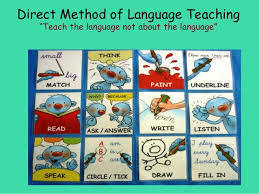
- The direct
method
- It is a principle that have been applied by language teachers for many years. Most
recently it was revived as a method to communicate
- Goals and
purposes:
- Of instructions
became learning
how to use another
language to
communicate
- Teachers who use
the direct method
intend that students
learn how to
communicate In the
target language
- In order to do this
successfully,
students should
learn to think in the
target language
- In order to do this
successfully,
students should
learn to think in the
target language
- Teachers who use
the direct method
intend that students
learn how to
communicate In the
target language
- Of instructions
became learning
how to use another
language to
communicate
- Main
characteristics:
- Teachers believe
that students need
to associate
meaning with the
target language
directly
- When the teacher
introduces a new
target language:
word or phrase, he
demostrates it
through the use of
realia, pictures or
pantomime
- Teacher never
translates
- Students speak in the target language: A
great deal and communicate as if they
were in real situations
- Grammar is taught inductively: by examples
- An explicit garmmar rule may never be given
- Students practice vocabulary by wing
new words in complete sentences
- Example:
- In order for your students to connect the dots and figure out
vocabulary and rules of grammar for themselves, you have to give
them plenty of material to work with. This means that instead of just
giving one or two examples to illustrate your point, you work with
five, six or even ten examples. And not only that—you’ll present each
of the examples several times. Repetition is key in the direct method
if students are to draw the correct conclusions.
- The examples that you give should be simple, unambiguous and
interesting.
- Let’s say you want to teach the class the shapes, say circle.
You have many different ways to dramatize this concept.
Besides the obvious, which is drawing a circle on the
board, you can bring different objects that exhibit the
shape.
- Let’s say you want to teach the class the shapes, say circle.
You have many different ways to dramatize this concept.
Besides the obvious, which is drawing a circle on the
board, you can bring different objects that exhibit the
shape.
- The examples that you give should be simple, unambiguous and
interesting.
- In order for your students to connect the dots and figure out
vocabulary and rules of grammar for themselves, you have to give
them plenty of material to work with. This means that instead of just
giving one or two examples to illustrate your point, you work with
five, six or even ten examples. And not only that—you’ll present each
of the examples several times. Repetition is key in the direct method
if students are to draw the correct conclusions.
- Example:
- Students practice vocabulary by wing
new words in complete sentences
- An explicit garmmar rule may never be given
- Grammar is taught inductively: by examples
- Students speak in the target language: A
great deal and communicate as if they
were in real situations
- Teacher never
translates
- When the teacher
introduces a new
target language:
word or phrase, he
demostrates it
through the use of
realia, pictures or
pantomime
- Teachers believe
that students need
to associate
meaning with the
target language
directly
- Interaction and
roles
- The teacher is a partner
- Students role less
passive than in
grammar-translation
- The initiation of the
interaction goes both
ways: from
teachers-to-students
and from
students-from-teacher
- Although the latter is
often
beacher-directed.
Students converse
with another as well
- Emphasized areas
- Orally
first
- Pronunciation
- Vocabulary
- Communication
- Communication
- Vocabulary
- Pronunciation
- Orally
first
- Role of
students'
native
language
- Students'
native
language
should not
be used in
the
classroom.
- Students'
native
language
should not
be used in
the
classroom.
- Emphasized areas
- Although the latter is
often
beacher-directed.
Students converse
with another as well
- The initiation of the
interaction goes both
ways: from
teachers-to-students
and from
students-from-teacher
- Students role less
passive than in
grammar-translation
- The teacher is a partner
- Evaluation
- Students should
use the target
language using
oral and written
skills:
Interviews or
write a
paragraph about
something they
have studied
- Techniques
for other
lessons:
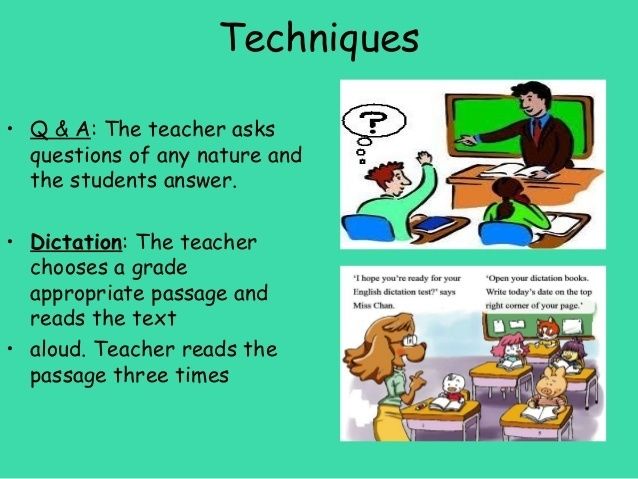
- Reading aloud
- Question/anwers
exercieses
- Getting
students
self correct
- Conversation
practice
- Dictation
- Dictation
- Conversation
practice
- Getting
students
self correct
- Question/anwers
exercieses
- Reading aloud
- Techniques
for other
lessons:
- Students should
use the target
language using
oral and written
skills:
Interviews or
write a
paragraph about
something they
have studied
- Goals and
purposes:
- It is a principle that have been applied by language teachers for many years. Most
recently it was revived as a method to communicate
- Grammar translation
- At one time it was called the Classical Method since it was first used in the teaching of the classical languages, Latin
and Greek. This method was used for the purpose of helping students to read and appreciate foreing language
literature
- Goal and
purposes
- The method of grammar
translation wants the
student to understand the
literature of a second
language
- A fundamental purpose of
learning language is to be
able to read literature
written in it.
- To generate in the student
a grammatical base to
translate sentences or
texts.
- An important goal is for
students to be able to
translate each language
into the other.
- This method does not aim at
communication, which results
in it not being taught in the
language being taught
- This method does not aim at
communication, which results
in it not being taught in the
language being taught
- An important goal is for
students to be able to
translate each language
into the other.
- To generate in the student
a grammatical base to
translate sentences or
texts.
- A fundamental purpose of
learning language is to be
able to read literature
written in it.
- The method of grammar
translation wants the
student to understand the
literature of a second
language
- Main characteristics
- The grammatical
method is based on a
second language
teaching on the
detailed analysis of
the grammatical rules
- In this method First teach
the theory and then move on
to practice
- Is a way of learning centered
on the written plane
- Always takes into account the
mother language, into which the
sentences are translated from
the language being learned.
- Sentence is the basic unit of
language teaching and
practice.
- Sentence is the basic unit of
language teaching and
practice.
- Always takes into account the
mother language, into which the
sentences are translated from
the language being learned.
- Is a way of learning centered
on the written plane
- Skills
- The primary
skills to be
developed are
reading and
writing
- Also Vocabulary
and grammar are
emphasized
- Also Vocabulary
and grammar are
emphasized
- The primary
skills to be
developed are
reading and
writing
- In this method First teach
the theory and then move on
to practice
- The grammatical
method is based on a
second language
teaching on the
detailed analysis of
the grammatical rules
- Insteraction and Roles
- The roles are very traditional and most of the
interaction in the classroom is from the teacher
to the students
- Teacher
- The teacher is
the authority in
the classroom
- If the sudent make a mistake
answering a question the
teacher has to get the correct
answer
- If the sudent make a mistake
answering a question the
teacher has to get the correct
answer
- The teacher is
the authority in
the classroom
- Student
- The student do as the
teacher says so they can
learn what he knows
- Students should be
concious of the
grammatical rules of the
target language
- Students study grammar deductively
- Students study grammar deductively
- Students should be
concious of the
grammatical rules of the
target language
- The student do as the
teacher says so they can
learn what he knows
- Teacher
- The roles are very traditional and most of the
interaction in the classroom is from the teacher
to the students
- Evaluation
- The evaluation is by written test in which
students are asked to translate from their
native language into the target languag
- Reading and comprenhension
questions.
- Questions about the target
culture
- Questions that ask students
to apply grammar rules
- Fill in the blancks
Exercise
- Memorization of
vocabulary
- Use word in sentences
- Use word in sentences
- Memorization of
vocabulary
- Fill in the blancks
Exercise
- Questions that ask students
to apply grammar rules
- Questions about the target
culture
- Reading and comprenhension
questions.
- The evaluation is by written test in which
students are asked to translate from their
native language into the target languag
- Goal and
purposes
- At one time it was called the Classical Method since it was first used in the teaching of the classical languages, Latin
and Greek. This method was used for the purpose of helping students to read and appreciate foreing language
literature
- Communicative Language Teaching
- Role of the student's
native language
- The language should not
only be used during
communicative
activities also explaining
the activities to the
students assigning
homework.
- The language should not
only be used during
communicative
activities also explaining
the activities to the
students assigning
homework.
- Background
- The origins of Communicative
Language Teaching (CLT) are to be
found in the changes in the British
language teaching tradition dating
from the late 1960s.
- Situational Language Teaching
represented the major British
approach to teaching English as a
foreign language.
- Situational Language Teaching
represented the major British
approach to teaching English as a
foreign language.
- The origins of Communicative
Language Teaching (CLT) are to be
found in the changes in the British
language teaching tradition dating
from the late 1960s.
- Characteristics
- That is done
with a
communitive
intent.
- Students use the
language a great
deal through
communicative
- Acording to
Moorow there are
three features in
common
- Information gab
- Choice
- Feedback
- Information gab
- Acording to
Moorow there are
three features in
common
- Students use the
language a great
deal through
communicative
- That is done
with a
communitive
intent.
- Goals
- Students need to
understand the
linguistics forms
meanings and
functions and they
need to know that
many different forms
can be used to
perform a function.
- Students need to
understand the
linguistics forms
meanings and
functions and they
need to know that
many different forms
can be used to
perform a function.
- Roles
- Role of the
student
- Students are
communicators. They
are engaged in
negotiating meaning
in trying to make
themselves
understood.
- Role of the teacher
- The teacher facilities communication
in the classroom.
- To promote communication during
the class, he acts an advisor,
answering student´s questions.
- To promote communication during
the class, he acts an advisor,
answering student´s questions.
- The teacher facilities communication
in the classroom.
- Role of the teacher
- Students are
communicators. They
are engaged in
negotiating meaning
in trying to make
themselves
understood.
- Role of the
student
- Areas language and skills
- Language functions through
a sillabus, students work with
language at the course or
supra-sentential level.
- Cohesion and coherence
- The four English skills
- Cohesion and coherence
- Language functions through
a sillabus, students work with
language at the course or
supra-sentential level.
- Role of the student's
native language
- Audiovisual method
- What is it?
- Method that gives
priority to oral language,
without neglecting
written language.
- Method that gives
priority to oral language,
without neglecting
written language.
- Focus
- On the repetition and
mechanical practice of
structures, in order to
automate them.
- On the repetition and
mechanical practice of
structures, in order to
automate them.
- Principles
- Primacy of Oral language: It must be a
spoken form; the written language is a
second system, and from there derives the
importance of phonetics in this method.
- The conception of communication as
the main purpose of language: It must
be presented in form of a dialogue, as in
everyday life.
- The conception of language as
the set of words and expressions
that people use in daily
communication: Its should be
limited, and vocabulary should be
presented within structures that
make sense.
- Teacher's
role
- Do not have freedom and
improvisation
- Rigid
actuation
- Must
provide
constant
attention
- Must
provide
constant
attention
- Rigid
actuation
- Student's
role
- Unable to jump between
memorized structures and
free use of them in other
communicative situations.
- Unable to jump between
memorized structures and
free use of them in other
communicative situations.
- Do not have freedom and
improvisation
- Teacher's
role
- The conception of language as
the set of words and expressions
that people use in daily
communication: Its should be
limited, and vocabulary should be
presented within structures that
make sense.
- The conception of communication as
the main purpose of language: It must
be presented in form of a dialogue, as in
everyday life.
- Primacy of Oral language: It must be a
spoken form; the written language is a
second system, and from there derives the
importance of phonetics in this method.
- Objectives
- Effectiveness in the four main
language skills: Oral and written
comprehension and expression.
Priority to the first one)
- Correction in pronunciation: Practice
of structural exercises, while intuition
is strongly developed in the process of
understanding meaning (from
images).
- Contents
- The grammatical contents are
presented in form of
structures, never in the format
of traditional grammar.
- Role of
materials
- They present information using acoustic,
optical, or a combination of both.
- They can complement
the classical teaching
aids.
- Audiovisual media
enhance interest,
creativity, retention, and
self-learning.
- They can complement
the classical teaching
aids.
- Phases of the
activities
- Presentation of
the dialogue
- Explication
- Repetition
- Exploitation and
re-use
- Students can act the
dialogue, playing roles and
modify the situations.
- Example
- Play a video of a
conversation (video and
lyrics), practice
dialogue.
- Play a video of a
conversation (video and
lyrics), practice
dialogue.
- Example
- Transposition
and free use
- Apply themes in
different
situations
- Apply themes in
different
situations
- Students can act the
dialogue, playing roles and
modify the situations.
- Ensure understanding of the dialogue.
The student must memorize all the
dialogue, and must be able to emit the
text of each image. Phonetic correction
is done here.
- Exploitation and
re-use
- Each sequence (image-sound text) is
projected again, the teacher ensures its
correct understanding by means of
questions, and gives examples.
- Repetition
- The images are projected together
with the mimicry and practice of
the sounds. (Twice)
- Explication
- Presentation of
the dialogue
- They present information using acoustic,
optical, or a combination of both.
- Role of
materials
- The grammatical contents are
presented in form of
structures, never in the format
of traditional grammar.
- Contents
- Correction in pronunciation: Practice
of structural exercises, while intuition
is strongly developed in the process of
understanding meaning (from
images).
- Effectiveness in the four main
language skills: Oral and written
comprehension and expression.
Priority to the first one)
- What is it?
- Desuggestopedia
- Is a specific set of learn ing recommendations. Lozanov describes as a "science . .. concerned with the systematic study
of the nomational andlo r nonconscious influences" that human beings are constantly re- sponding
- Objectives
- Deliver advanced
conversational
proficiency quickly
- Apparently bases its learning
claims on student mastery
of prodIgious lists of
vocabulary pairs
- That in creased memory
power is not an isolated
skill is a result of "positive,
comprehensive
stimulation of personahty
- Students learn
to use another
language for
everyday
communication
- Students learn
to use another
language for
everyday
communication
- That in creased memory
power is not an isolated
skill is a result of "positive,
comprehensive
stimulation of personahty
- Apparently bases its learning
claims on student mastery
of prodIgious lists of
vocabulary pairs
- Deliver advanced
conversational
proficiency quickly
- Teacher's
role
- Teacher is the
authority in
the classroom
- The teacher
iniciates
interactions with
the whole group
of students and
with individuals
right from the
beginning of a
language course
- Ejemplo
- There are several posters on the walls.
- Role play, students are asked to pretend temporarily thet
they are someone else and to perform in the target language
- Role play, students are asked to pretend temporarily thet
they are someone else and to perform in the target language
- There are several posters on the walls.
- Ejemplo
- The teacher
iniciates
interactions with
the whole group
of students and
with individuals
right from the
beginning of a
language course
- Teacher is the
authority in
the classroom
- Students'
role
- The students will
retain information
better from someone
in whom they have
confidence
- They will be
more
responsive to
her
desuggesting
their
limitations and
suggesting how
easy will be for
them to succed
- Skills
- Vocabulary
- Grammar
- Speaking
- Reading
- Writing
- Writing
- Reading
- Speaking
- Grammar
- Vocabulary
- Skills
- They will be
more
responsive to
her
desuggesting
their
limitations and
suggesting how
easy will be for
them to succed
- The students will
retain information
better from someone
in whom they have
confidence
- Evaluation
- Is conducted on
students' normal
in class
performance and
not through
formal test
- Techniques
- Classroom set
up
- Peripheral
learning
- Positive
suggestion
- Role play
- Role students'
native language
- Make the meaning of
the dialogues clear
- Make the meaning of
the dialogues clear
- Role students'
native language
- Role play
- Positive
suggestion
- Peripheral
learning
- Classroom set
up
- Techniques
- Is conducted on
students' normal
in class
performance and
not through
formal test
- Objectives
- Is a specific set of learn ing recommendations. Lozanov describes as a "science . .. concerned with the systematic study
of the nomational andlo r nonconscious influences" that human beings are constantly re- sponding
- Total physical response
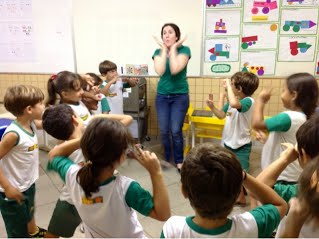
- TPR is a language teaching method built around the coordination of speech and action; it attempts
to teach language through physical activity. Developed by James Asher, a professor of psychology at
San Jose State University, California.
- Goals and
purposes:
- The general
objectives of
Total Physical
Response are to
teach oral pro fi
ciency at a
beginning level.
- That students
enjoy the learning
process of the
target language
through actions
that allow them to
understand it
- Asher's purpose was
for the student to
learn the target
language similar to
the process of
learning his native
language
- Another purpose of
TPR is to reduce
stress and anxiety
when the student is
learning a new
language.
- Another purpose of
TPR is to reduce
stress and anxiety
when the student is
learning a new
language.
- Asher's purpose was
for the student to
learn the target
language similar to
the process of
learning his native
language
- That students
enjoy the learning
process of the
target language
through actions
that allow them to
understand it
- The general
objectives of
Total Physical
Response are to
teach oral pro fi
ciency at a
beginning level.
- Main
characteristics
- The first phase of
a lesson is one of
modeling
- The teacher must
include actions
gradually and
perform them for
the
understanding of
the students
- In the second
phase students
must perform the
action alone to
demonstrate that
they learned the
command
- The teacher next
has to change the
combinations of
commands to
develop flexibility
in the student's
understanding
- After students learn
the oral form of the
command they
learn to write and
read it
- Finally when
students are ready to
speak they can say
the commands to the
class
- What are the skills
that TPR focuses on?
- Vocabulary and grammatical
structure are emphasized over other
language areas
- Vocabulary and grammatical
structure are emphasized over other
language areas
- What are the skills
that TPR focuses on?
- Finally when
students are ready to
speak they can say
the commands to the
class
- After students learn
the oral form of the
command they
learn to write and
read it
- The teacher next
has to change the
combinations of
commands to
develop flexibility
in the student's
understanding
- In the second
phase students
must perform the
action alone to
demonstrate that
they learned the
command
- The teacher must
include actions
gradually and
perform them for
the
understanding of
the students
- The first phase of
a lesson is one of
modeling
- Interaction and
Roles
- The teacher plays an
active and direct
role in Total Physical
Response.
- In the first class
the teacher is in
charge of speaking
during the whole
class
- In the first class
the role of the
students is to
listen and
perform the
actions of the
teacher
- After the first
few classes the
student takes a
more active role
when he feels
ready to talk
- Therefore the
teacher's role now
is to stimulate
and motivate the
student to speak
- Role of the
materials
- The role of the materials is to model the
knowledge, therefore the realia plays an
important role, since it places the student in a
real knowledge
- The role of the materials is to model the
knowledge, therefore the realia plays an
important role, since it places the student in a
real knowledge
- Role of the
materials
- Therefore the
teacher's role now
is to stimulate
and motivate the
student to speak
- Role of the
student's native
language
- TPR is usually
introduced int he
student's native
language
- After the introduction,
rarely would the
native language be
used.
- After the introduction,
rarely would the
native language be
used.
- TPR is usually
introduced int he
student's native
language
- After the first
few classes the
student takes a
more active role
when he feels
ready to talk
- In the first class
the role of the
students is to
listen and
perform the
actions of the
teacher
- In the first class
the teacher is in
charge of speaking
during the whole
class
- The teacher plays an
active and direct
role in Total Physical
Response.
- Evaluation
- The teacher
must know
whether or not
the student
understood
command
instruction
through
observation of
his or her
students
- Formal
evaluations can be
conducted simply
by commanding
individual
students to
perform a series of
actions.
- Formal
evaluations can be
conducted simply
by commanding
individual
students to
perform a series of
actions.
- The teacher
must know
whether or not
the student
understood
command
instruction
through
observation of
his or her
students
- Goals and
purposes:
- TPR is a language teaching method built around the coordination of speech and action; it attempts
to teach language through physical activity. Developed by James Asher, a professor of psychology at
San Jose State University, California.
- Content-Based Learning
- Specialized languagae courses have treated content relevant to a particular profession or academic discipline, this
is usually thought of as teaching a language for specific purposes
- Competency based
instruction
- Specific content
- Main
characteristics
- Competency
based education
- Out-pu driven view of
learning intended to
prepare students
- Weak
- Recognize the
importance of
providing
learners with
opportunitiesfor
communicative
purposes
- Learn to use
English
- Learn to use
English
- Recognize the
importance of
providing
learners with
opportunitiesfor
communicative
purposes
- Strong
- Giving students
opportunities
to practice
communication
- Language
for teaching
purposes
- Language
for teaching
purposes
- Giving students
opportunities
to practice
communication
- "Any dual focused educational
context in which an additional
language thus not usually the
first language to get involved"
(Marsh 2002:15)
- Weak
- Out-pu driven view of
learning intended to
prepare students
- Competency
based education
- Main
characteristics
- Specific content
- Goals and purposes
- Wants to prepare
students for
specific situations
and tasks
- Provides natural
content for
language study
- Teaching english
for academic
purposes
- Teaching english
for academic
purposes
- Provides natural
content for
language study
- Wants to prepare
students for
specific situations
and tasks
- Interaction and
roles
- Students
- Students learn to
communicate by
communicating
(Bren 1984)
- Do the tasks that the teacher asks,
and help to understand situations,
context to improve knowledge
skills
- Teacher
- Plans the
lesson
- Determines
objectives
- Identifies the language and skills students already have
accomplished
- Identifies the language and skills students need to
learn
- Determines outcomes and plans individual
lessons
- Instructor teachs academic subjects while also teaching the language that
is related to the content,
- Language
- Becomes the medium for
learning content(Mohan 1986)
- Ecample
- Imagine you are teaching the past tense to your students.
Brainstorm and write down 10 'content' subjects that are related
to your target language that you could use to practice this
grammar concept (i.e. Teaching about a historical event).
- Imagine you are teaching the past tense to your students.
Brainstorm and write down 10 'content' subjects that are related
to your target language that you could use to practice this
grammar concept (i.e. Teaching about a historical event).
- Ecample
- Becomes the medium for
learning content(Mohan 1986)
- Language
- Instructor teachs academic subjects while also teaching the language that
is related to the content,
- Determines outcomes and plans individual
lessons
- Identifies the language and skills students need to
learn
- Identifies the language and skills students already have
accomplished
- Determines
objectives
- Plans the
lesson
- Teacher
- Do the tasks that the teacher asks,
and help to understand situations,
context to improve knowledge
skills
- Students learn to
communicate by
communicating
(Bren 1984)
- Students
- Areas
- Reading
and
writing
- Interaction
- Interaction
- Reading
and
writing
- Evaluation
- Content and
methodology
- Techniques
- Dictogloss
- Graphic
Organizers
- Process writing
- Dialogue
journals
- Silence
- Movements
- Use of realia
- Use of realia
- Movements
- Silence
- Dialogue
journals
- Process writing
- Graphic
Organizers
- Dictogloss
- Techniques
- Content and
methodology
- Competency based
instruction
- Specialized languagae courses have treated content relevant to a particular profession or academic discipline, this
is usually thought of as teaching a language for specific purposes
- Situational Language Teaching
- Background
- The origins of this approach began with the work of British applied
linguists in the 1920s and 1930s. Beginning at this time, a number of
outstanding applied linguists developed the basis for a principled
approach to methodology in language teaching.
- Two of the leaders in this IIlovement were Harold
Palmer and A. S. Hornby,
- Two of the leaders in this IIlovement were Harold
Palmer and A. S. Hornby,
- The origins of this approach began with the work of British applied
linguists in the 1920s and 1930s. Beginning at this time, a number of
outstanding applied linguists developed the basis for a principled
approach to methodology in language teaching.
- Goals
- The objectives of the
Situational Language
Teaching method are to
teach a practical command
of the four basic skills of
language, goals it shares
with most methods of
language teaching.
- The objectives of the
Situational Language
Teaching method are to
teach a practical command
of the four basic skills of
language, goals it shares
with most methods of
language teaching.
- Vocabulary control
- One of the first aspects of
method design to receive
attention was the role of
vocabulary.
- This led to the development of
principles of vocabulary control,
which were to have a major practical
impact on the teaching of English in
the following decades. Frequency
counts showed that a core of 2,000
or so words occurred frequently in
written texts and that a knowledge
of these words would greatly assist
in reading a foreign language.
- Grammar control
- Parallel to the interest in developing rational principles for vocabulary selection was a focus on the
grammatical content of a language course.
- Materials by Alexander and other leading British textbook writers also reflected the of Situational
Language Teaching as they had evolved over a twenty- year period. The main characteristics of the
approach were as follows:
- 1. Language teaching begins with the spoken language. Material is taught orally before it is presented
in written form.
- 2. The target language is the language of the classroom.
- 3. New language points are introduced and practiced situationally.
- 4. Vocabulary selection procedures are followed to ensure at an essential general service
vocabulary is covered.
- 5. Items of grammar are graded following the principle that simple forms should be taught before
complex ones. . .
- 6. Reading and writing are introduced once a sufficient lexical and grammatical basis is
established.
- 6. Reading and writing are introduced once a sufficient lexical and grammatical basis is
established.
- 5. Items of grammar are graded following the principle that simple forms should be taught before
complex ones. . .
- 4. Vocabulary selection procedures are followed to ensure at an essential general service
vocabulary is covered.
- 3. New language points are introduced and practiced situationally.
- 2. The target language is the language of the classroom.
- 1. Language teaching begins with the spoken language. Material is taught orally before it is presented
in written form.
- Materials by Alexander and other leading British textbook writers also reflected the of Situational
Language Teaching as they had evolved over a twenty- year period. The main characteristics of the
approach were as follows:
- Parallel to the interest in developing rational principles for vocabulary selection was a focus on the
grammatical content of a language course.
- Grammar control
- This led to the development of
principles of vocabulary control,
which were to have a major practical
impact on the teaching of English in
the following decades. Frequency
counts showed that a core of 2,000
or so words occurred frequently in
written texts and that a knowledge
of these words would greatly assist
in reading a foreign language.
- One of the first aspects of
method design to receive
attention was the role of
vocabulary.
- Roles
- Learner roles
- In the initial stages of
learning, the learner is
required simply to listen
and repeat what the teacher
says and to respond to
questions and commands.
The learner has no control
over the content of learning
and is often regarded as
likely to succumb to
undesirable behaviours
unless skilfully manipulated
by the teacher.
- Teacher roles
- The teacher's function is
threefold. In the presentation
stage of the lesson, the teacher
serves as a model, setting up
situation~ in which the need for
the target structure is created
and then modelling the new
structure for students to repeat.
- The teacher's function is
threefold. In the presentation
stage of the lesson, the teacher
serves as a model, setting up
situation~ in which the need for
the target structure is created
and then modelling the new
structure for students to repeat.
- Teacher roles
- In the initial stages of
learning, the learner is
required simply to listen
and repeat what the teacher
says and to respond to
questions and commands.
The learner has no control
over the content of learning
and is often regarded as
likely to succumb to
undesirable behaviours
unless skilfully manipulated
by the teacher.
- Learner roles
- Characteristics
- 1. Language teaching begins with the spoken
language. Material is taught or- ally before it is
presented in written form.
- 2. The target language is the language of the
classroom. .
- 3 . N ew language points are introduced and
practiced situationally
- 4. Vocabulary selection procedures are
followed to ensure t at an essentla general
service vocabulary is covered
- 5. Items of grammar are graded following the
principle that simple forms should be taught
before complex ones.
- 6. Reading and writing are introduced once a
sufficient leXical and grammat- ical basis is
established.
- 6. Reading and writing are introduced once a
sufficient leXical and grammat- ical basis is
established.
- 5. Items of grammar are graded following the
principle that simple forms should be taught
before complex ones.
- 4. Vocabulary selection procedures are
followed to ensure t at an essentla general
service vocabulary is covered
- 3 . N ew language points are introduced and
practiced situationally
- 2. The target language is the language of the
classroom. .
- 1. Language teaching begins with the spoken
language. Material is taught or- ally before it is
presented in written form.
- The role of instructional materials
- Situational Language
Teaching is dependent upon
both a textbook and visual
aids.
- The textbook contains tightly organized lessons planned
around different grammatical structures.
- Visual aids may be produced by the teacher or may be
commercially produced; they consist of wall charts,
flashcards, pictures, stick figures, and so on.
- Visual aids may be produced by the teacher or may be
commercially produced; they consist of wall charts,
flashcards, pictures, stick figures, and so on.
- The textbook contains tightly organized lessons planned
around different grammatical structures.
- Situational Language
Teaching is dependent upon
both a textbook and visual
aids.
- The syllabus
- Basic to the teaching of English in Situational Language
Teaching is a structural syllabus and a word list.
- A structural syllabus is a list of the basic structures and sentence
patterns of English, arranged according to their order of
presentation. In Situational Language Teaching, structures are
always taught within sentences, and vocabulary is chosen acco
rding to how well it enables sentence patterns to be taught.
- A structural syllabus is a list of the basic structures and sentence
patterns of English, arranged according to their order of
presentation. In Situational Language Teaching, structures are
always taught within sentences, and vocabulary is chosen acco
rding to how well it enables sentence patterns to be taught.
- Basic to the teaching of English in Situational Language
Teaching is a structural syllabus and a word list.
- Background
- Lexical Approach
- What is it?
- It’s a way of analysing and teaching language based
on the idea that it is made up of lexical units rather
than grammatical structures.
- Units: Words, chunks formed by
collocations, and also fixed
phrases.
- Characteristics
- Suggests using word combinations to
teach not only vocabulary, but
grammar rules indirectly.
- Chunks of lexicon that the
learner must memorize without
analyzing them.
- Increase in
vocabulary.
- Increase in
vocabulary.
- Chunks of lexicon that the
learner must memorize without
analyzing them.
- Advantages
- Improve
understanding of
syntax.
- Students learn new
vocabulary to talk about
different topics.
- Encourage the
use of the
dictionary.
- Innovative and
effective vocabulary
activities.
- Innovative and
effective vocabulary
activities.
- Encourage the
use of the
dictionary.
- Students learn new
vocabulary to talk about
different topics.
- Improve
understanding of
syntax.
- Distadvantages
- Students do not match the
lexical inventory of native
speakers.
- Lacks a precise
methodology.
- Lacks a precise
methodology.
- Students do not match the
lexical inventory of native
speakers.
- Suggests using word combinations to
teach not only vocabulary, but
grammar rules indirectly.
- Characteristics
- Units: Words, chunks formed by
collocations, and also fixed
phrases.
- It’s a way of analysing and teaching language based
on the idea that it is made up of lexical units rather
than grammatical structures.
- Approach
- Communicative
- It focuses on the
importance of
incidental lexicon
learning.
- It focuses on the
importance of
incidental lexicon
learning.
- Communicative
- Objectives
- Develop linguistic ability
through teaching pre-made
blocks (Chunks).
- Expand
vocabulary.
- Achieve fluency and naturalness
in communication with the
acquisition of sentences used by
native speakers.
- Re-conceptualize and re-define
the role of grammar and
vocabulary in language
teaching.
- Re-conceptualize and re-define
the role of grammar and
vocabulary in language
teaching.
- Achieve fluency and naturalness
in communication with the
acquisition of sentences used by
native speakers.
- Expand
vocabulary.
- Develop linguistic ability
through teaching pre-made
blocks (Chunks).
- Theoretical
foundation
- Schmitt (2000) says that 'the mind
stores and processes these [lexical]
chunks as individual wholes.'
- It is much more
efficient for the brain
to recall a chunk of
language as if it were
one piece of
information
- Principles
- 1. Grammaticalised
lexis
- Use of lexical phrases
to helps us speak with
fluency.
- Lexis is central in
creating meaning
- Use of chunks
without analysing
the constituent
parts.
- Use of chunks
without analysing
the constituent
parts.
- Lexis is central in
creating meaning
- Use of lexical phrases
to helps us speak with
fluency.
- 2 . Collocation
in action
- Sensitising
students to
acceptable
collocations is
very important
- Sensitising
students to
acceptable
collocations is
very important
- 1. Grammaticalised
lexis
- Principles
- It is much more
efficient for the brain
to recall a chunk of
language as if it were
one piece of
information
- Schmitt (2000) says that 'the mind
stores and processes these [lexical]
chunks as individual wholes.'
- Activities
- Puzzles,
crosswords or
scrabbles.
- Sentence transformations
(providing context and
co-text).
- Use of dictionaries
of expression.
- How do you
deal with
the error
- The grammatical error is
recognized as intrinsic to
the learning process.
- Materials
- Real materials created for
real native speakers.
- Real materials created for
real native speakers.
- Materials
- The grammatical error is
recognized as intrinsic to
the learning process.
- How do you
deal with
the error
- Use of dictionaries
of expression.
- Sentence transformations
(providing context and
co-text).
- Puzzles,
crosswords or
scrabbles.
- Teacher's role
- Must have an
empathic attitude
with your students.
- Provides new
vocabulary.
- Main source of the
student.
- Organizes
activities.
- Organizes
activities.
- Main source of the
student.
- Provides new
vocabulary.
- Student's
role
- Protagonist of
learning..
- Must be willing to
do the activity.
- Responsible for
his own learning.
- Responsible for
his own learning.
- Must be willing to
do the activity.
- Protagonist of
learning..
- Must have an
empathic attitude
with your students.
- Example
- Provide authentic
material
- Videos/songs from
English native speakers
- Let the students experience native
language, so they can notice the chunks.
- Let the students experience native
language, so they can notice the chunks.
- Videos/songs from
English native speakers
- Provide authentic
material
- What is it?
Media attachments

































Want to create your own Mind Maps for free with GoConqr? Learn more.